8 “Seasonal Specials” Menus Restaurants Recycle Yearly
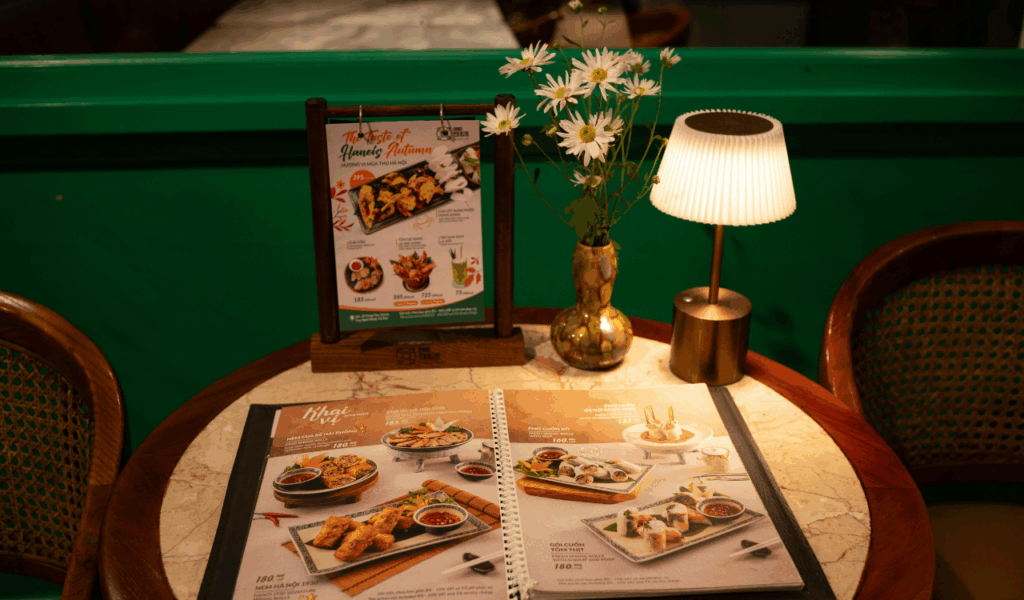
The “seasonal special” is a key part of restaurant marketing. It makes people feel like they are getting something new and only available for a short time. But experienced chefs and kitchen experts say that most of these dishes are part of a planned yearly cycle that has more to do with business than the real harvest.
Most chains and even mid-sized bistros don’t try to come up with fresh recipes since it’s too hard for them to do so, according to experts. Instead, they use a digital folder that changes every year with the same ingredients for “signature” seasonal recipes. According to people who work in the sector, the “special” classification is routinely used to sell high-margin items that were ordered in large quantities months in advance.
Restaurant experts say that the “cost” of this recycling is that there isn’t any real culinary innovation. Professional restaurant flippers say that guests often get “flavor fatigue” when they find out that the spring risotto or winter squash soup is the same as the one they enjoyed three years earlier.
Restaurant menu designers say that these regular specials are important for keeping the kitchen running quickly because the staff is already trained on how to make them. Knowing that these “limited” items are sometimes just a loop that keeps happening can help you tell when a seasonal meal is really a celebration of the moment or just a corporate repetition that has been sitting in the freezer for weeks.
1. The “Spring Harvest” Asparagus and Pea Risotto
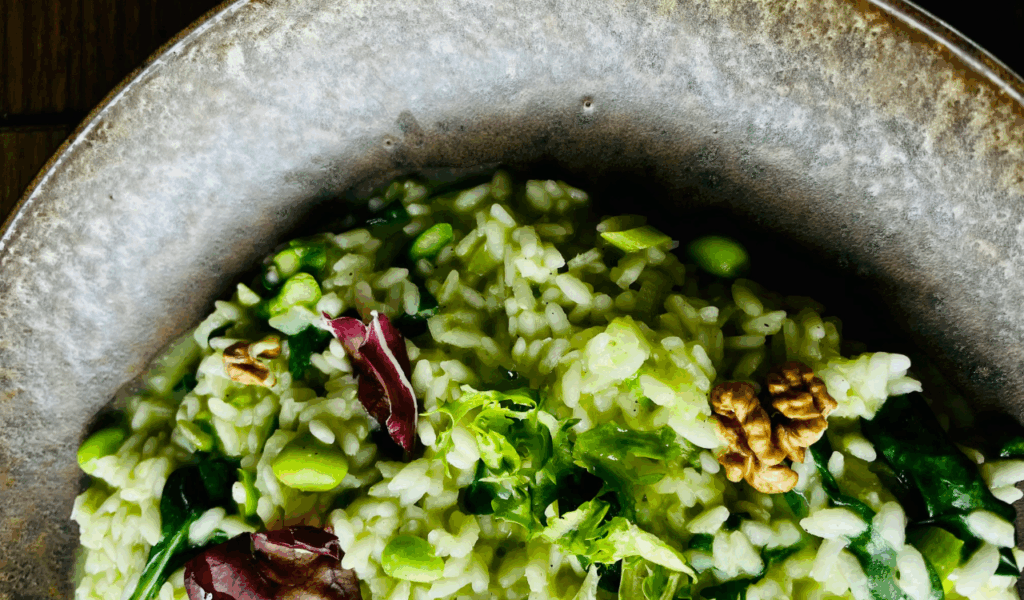
When the weather changes, “Spring Harvest” risottos with asparagus, peas, and lemon start showing up on menus all throughout the country. Professional chefs say that this is the best recycled special since these vegetables are some of the first to be sold in large quantities by commercial wholesalers.
Experts claim that even though the menu says the produce was harvested that morning, it is typically frozen or vacuum-sealed to make sure the dish tastes the same every year. Kitchen managers say that this dish makes a lot of money because the main ingredients, rice and stock, are quite cheap.
Designers of seasonal menus say that the “freshness” of the risotto is frequently just a trick of the mind that comes from using a lot of lemon zest and mint. Experts suggest that the kitchen staff can make the dish without any extra training because it is so easy to guess.
Professional flippers say that restaurants adore this dish because it appeals to “clean eaters” and lets the kitchen use up outdated stocks of butter and parmesan. For the diner, the “new” spring special is typically merely a familiar, starchy comfort food that has been brought back for its yearly three-month stay.
2. Summer “Heirloom” Tomato Caprese
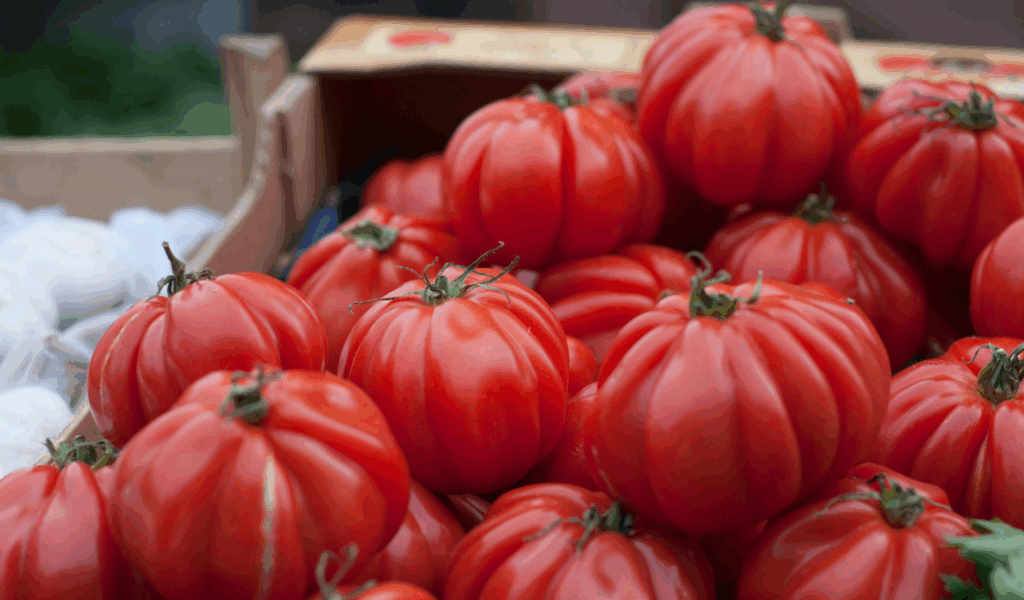
Experts say that the “Heirloom Tomato Caprese” is a summer favorite that is often used to explain a high price for simple ingredients. Experts say that while real heirlooms come in a wide range of colors and shapes, many restaurants use “commercial heirlooms” that are developed for thickness and shipping instead of flavor.
Experts claim the recipe for basil, balsamic, and mozzarella never changes because it’s a “safe” crowd-pleaser that doesn’t need any real cooking. This repurposed unique lets the kitchen cool down the back of the house during the hottest months of the year.
Restaurant experts say that the balsamic glaze on these salads is often a syrup that is acquired in bulk and reused year after year. Food stylists say that the “artisanal” look is easy to get by cutting the tomatoes into different shapes. Experts claim that if you see that the mozzarella has a perfectly rubbery, even texture, it was made in a factory and not pulled fresh. The “seasonal” pricing tag generally covers a meal that has the lowest labor cost on the menu, which is why it’s so popular with businesses that want to make money.
3. Autumn “Harvest” Roasted Squash Soup
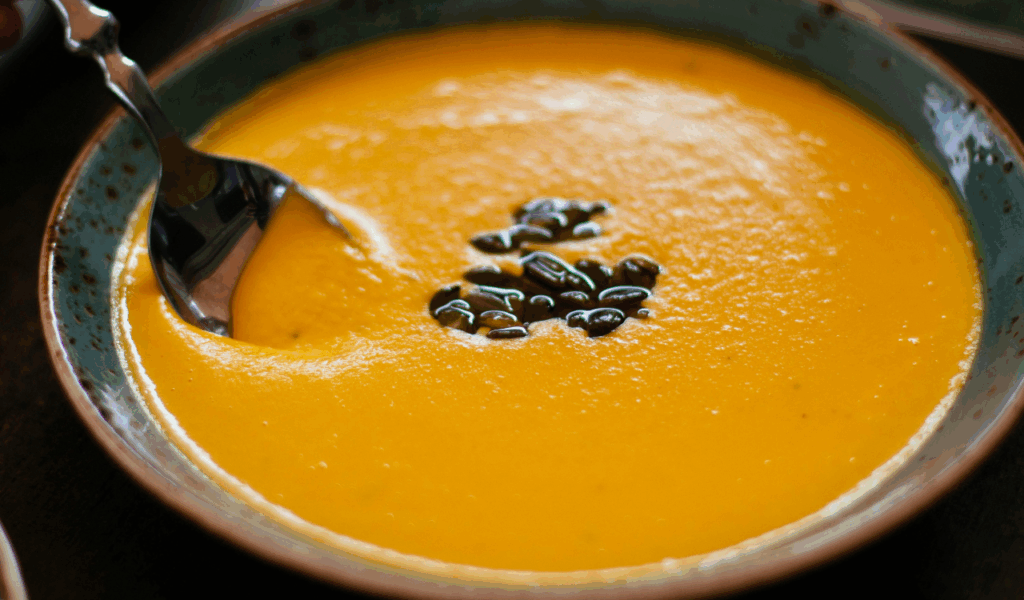
As soon as the first leaf falls, chefs all over the world start making their “Roasted Squash” or “Butternut” soup. Culinary teachers say that this is one of the most common specials that gets recycled since squash lasts a long time on the market and is easy to store in large amounts. Experts believe that a lot of restaurants don’t even roast the squash themselves anymore. Instead, they buy “frozen squash blocks” that are already pureed and just season and microwave them. This “harvest” special is generally a means to provide them a cheap, satisfying snack that makes them feel warm and sentimental.
Professional chefs say that the “secret” spice blend is usually the same mix of nutmeg, cinnamon, and sage that was used the year before. Kitchen managers say that this soup is a “leftover magnet,” which means that the kitchen may use extra milk or vegetable scraps to make a smooth base.
Autumn menu designers say that the “rustic” touch of pumpkin seeds or a swirl of crème fraîche is a common aspect of the plating guide that hasn’t altered in ten years. Experts note that the soup is generally the most industrial item on the fall menu, even though it seems like a seasonal hug.
4. Winter “Slow-Braised” Short Ribs
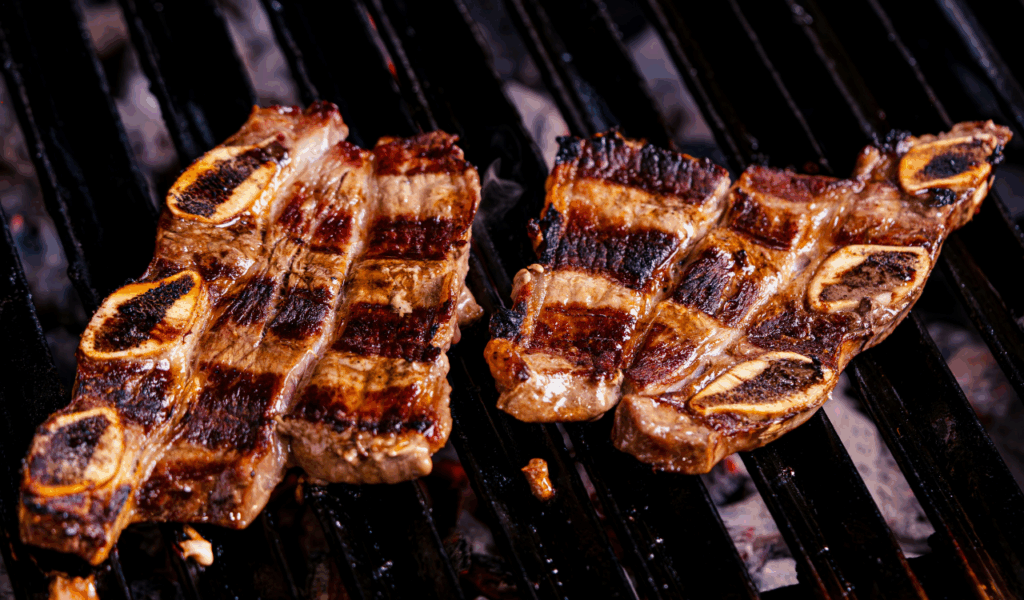
“Slow-Braised Short Ribs” are the most popular winter dish, and experts say they are the best “set-and-forget” recycling special. Professional chefs say that short ribs are a good choice for winter since they can be cooked in large numbers and stored for days without losing flavor.
Experts believe that the restaurant usually buys a lot of “red wine reduction” and then “finishes” it off with a dash of inexpensive table wine. During the busy holiday season, this meal lets the kitchen keep up a high-end “braised” look without having to cook carefully and pay attention to every detail.
Restaurant analysts say that the “root vegetable mash” served under the ribs is another old favorite that uses the cheapest winter vegetables, such as carrots and parsnips. Designers of winter menus say that this dish is a “guaranteed seller” that doesn’t need much advertising.
Experts believe that if the meat comes off the bone with a suspiciously even ease, it was probably cooked in a sous-vide bag weeks before and then reheated for your order. For the diner, the “special” status is just a way to hide the fact that the meal is made in large quantities and comes back every December like clockwork.
5. The “Fresh-Caught” Soft Shell Crab
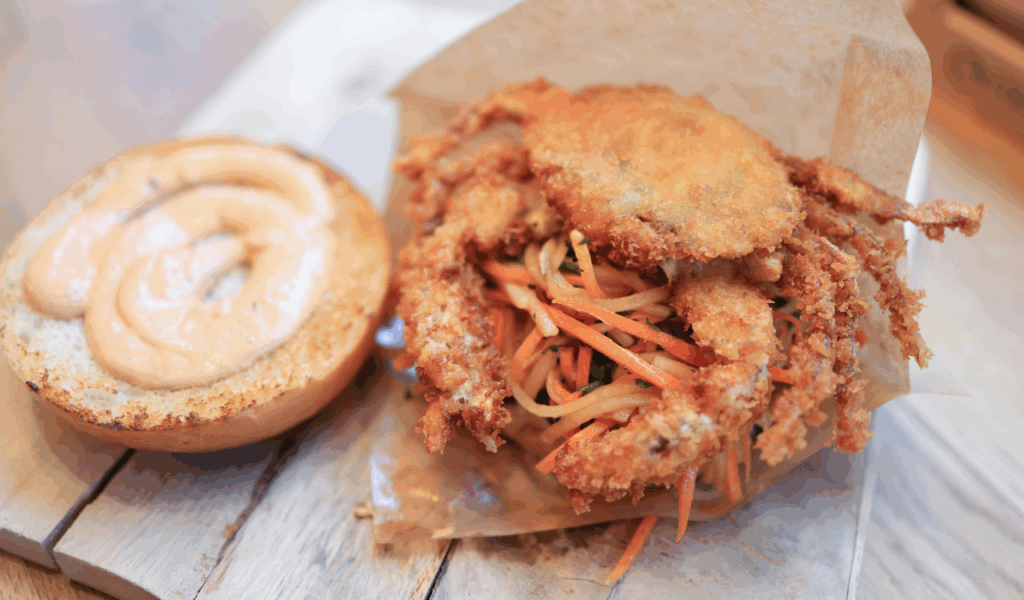
The “Soft Shell Crab” season is a big deal in coastal areas, however experts say that a lot of “seasonal” crab specials are actually using frozen stock from the year before. Seafood distributors say that real soft-shell seasons are very brief and hard to anticipate, which makes it hard for chains to design their menus.
Experts suggest that restaurants routinely acquire “IQF” (Individually Quick Frozen) crabs at the height of the season and store them for a “launch” the next year. This lets them sell “seasonal” crabs even if the local molting season hasn’t officially started yet.
Professional chefs say that the thick breading and deep-frying that are commonly utilized in these dishes help hide the slightly mushy texture of frozen crab. Kitchen management say that the “lemon-butter caper sauce” that goes with the crab is an old recipe that is also used for fish and chips or schnitzel.
Designers of seafood menus say that the “seasonal” price is often higher than it should be because people think it’s rare, even if the stock is a year old. Experts suggest that the soft-shell special is a planned way to manage inventory, unless you are at a high-end “dock-to-table” restaurant.
6. Holiday “Truffle-Infused” Everything
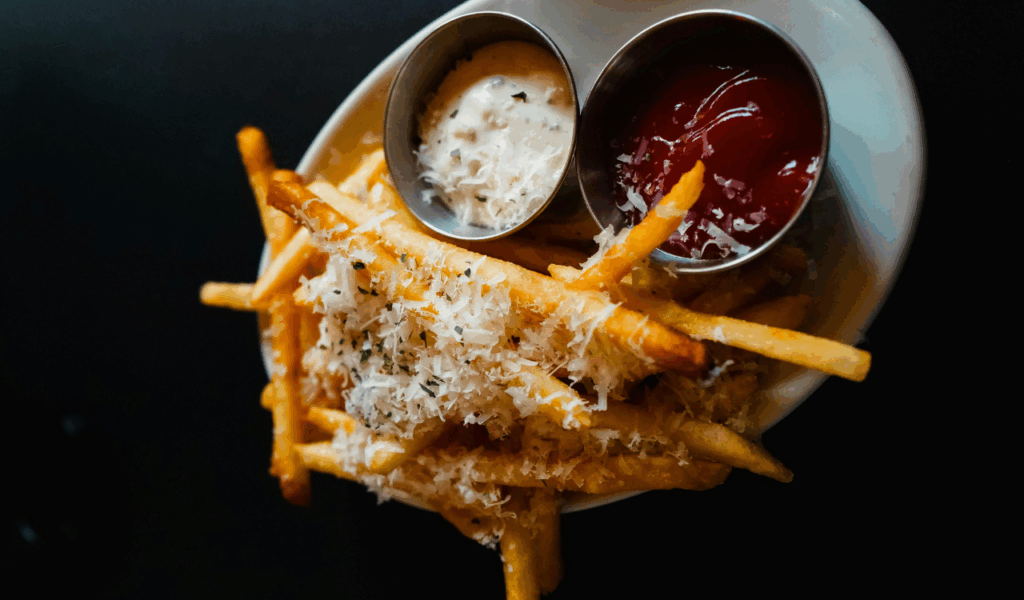
Restaurants “level up” their regular dishes with “Truffle Infusions” during the winter holidays to make the prices seem more reasonable. Food chemists say that these “seasonal specials” usually never have actual truffles in them since they would be too expensive for a regular menu.
Experts claim that restaurants just add a few drops of synthetic truffle oil, which is manufactured from 2,4-dithiapentane, to their regular mayo, fries, or mac & cheese. This “seasonal luxury” is an old marketing technique that is utilized every December to make boring foods feel like a party.
Restaurant consultants say that the “truffle” makeover is the most profitable special of the year because the oil only costs a few cents per dish, but the “upsell” can be five to ten dollars. Designers of holiday meals say that the “black flecks” in the sauce are usually merely chopped mushrooms or particles of charcoal that don’t taste like anything.
Experts argue that if you see “Truffle Fries” show up every winter at the same price, it’s not a new food, it’s a recycled chemical ingredient. The “seasonal special” is merely a smell that makes you think you’re getting something good, but it’s really just a way to persuade you to spend more money around the holidays.
7. The “Valentine’s” Chocolate Lava Cake
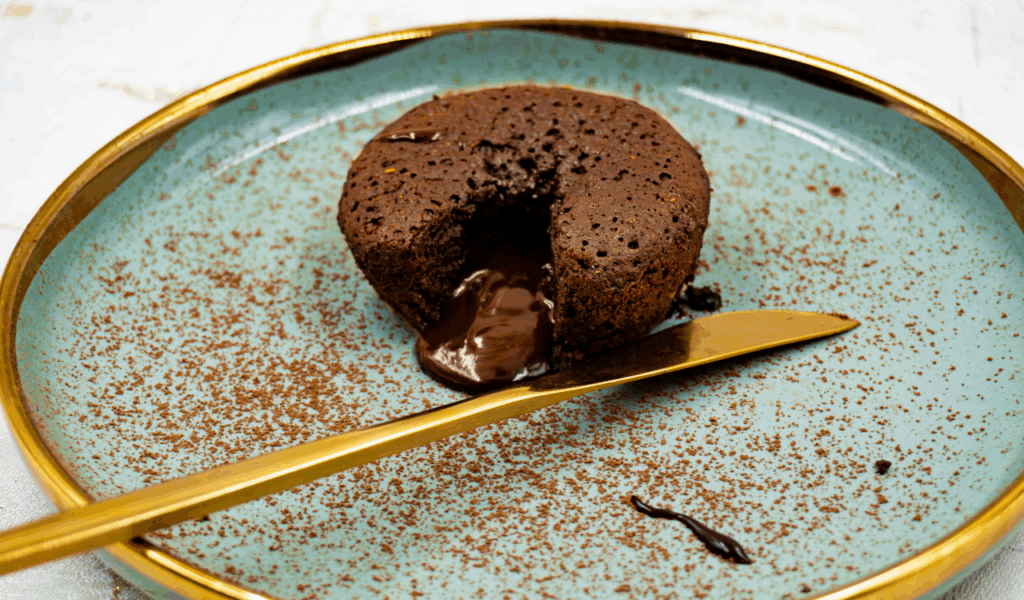
The chocolate lava cake seems like a “Valentine’s Week Special,” but it’s actually a constant part of the industrial food supply chain. Kitchen management say that these “molten” cakes come to the restaurant already baked and frozen in separate aluminum containers. Experts claim that adding a few raspberries and a sprinkle of powdered sugar is all it takes to make it “special.” This is a recycled special that restaurants employ because it works every time. It only takes thirty seconds in the microwave to make a “dessert for two” that seems like a treat.
Professional cooks say that the “lava” center is typically made by adding a lot of fat and sugar instead of baking it just right. Restaurant experts say that this meal is a “resale hero” since it can be frozen and kept for a very long time. Designers of romantic menus say that the way they serve the food hasn’t changed since the late 1990s because it works well for “impulse dessert” sales. If the cake gets to your table too quickly, experts claim it wasn’t “made with love” in the back; it was a recycled industrial unit that has been waiting for February to do its job.
8. Summer “Berry Blast” Spinach Salad
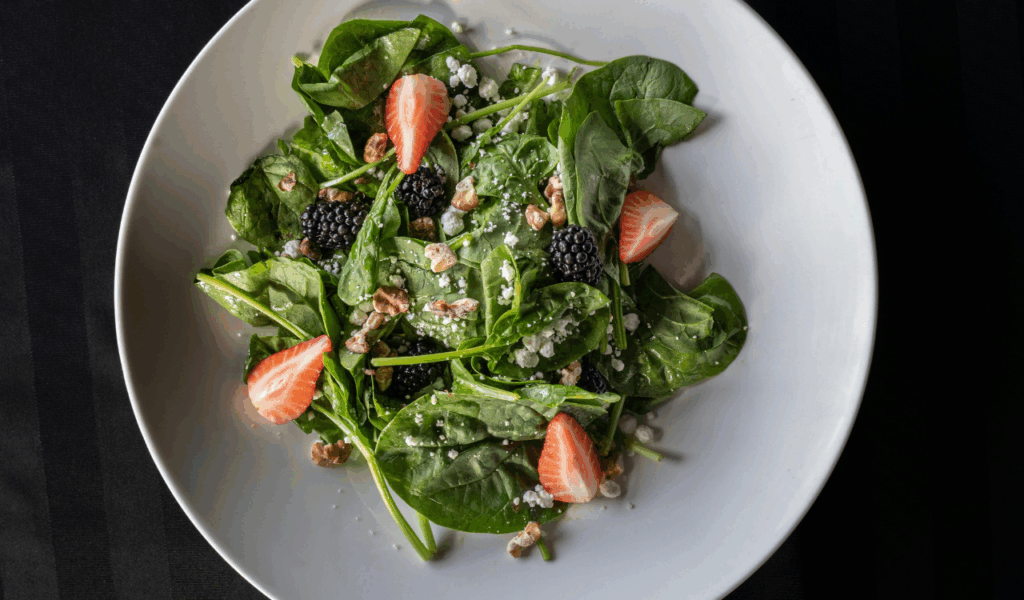
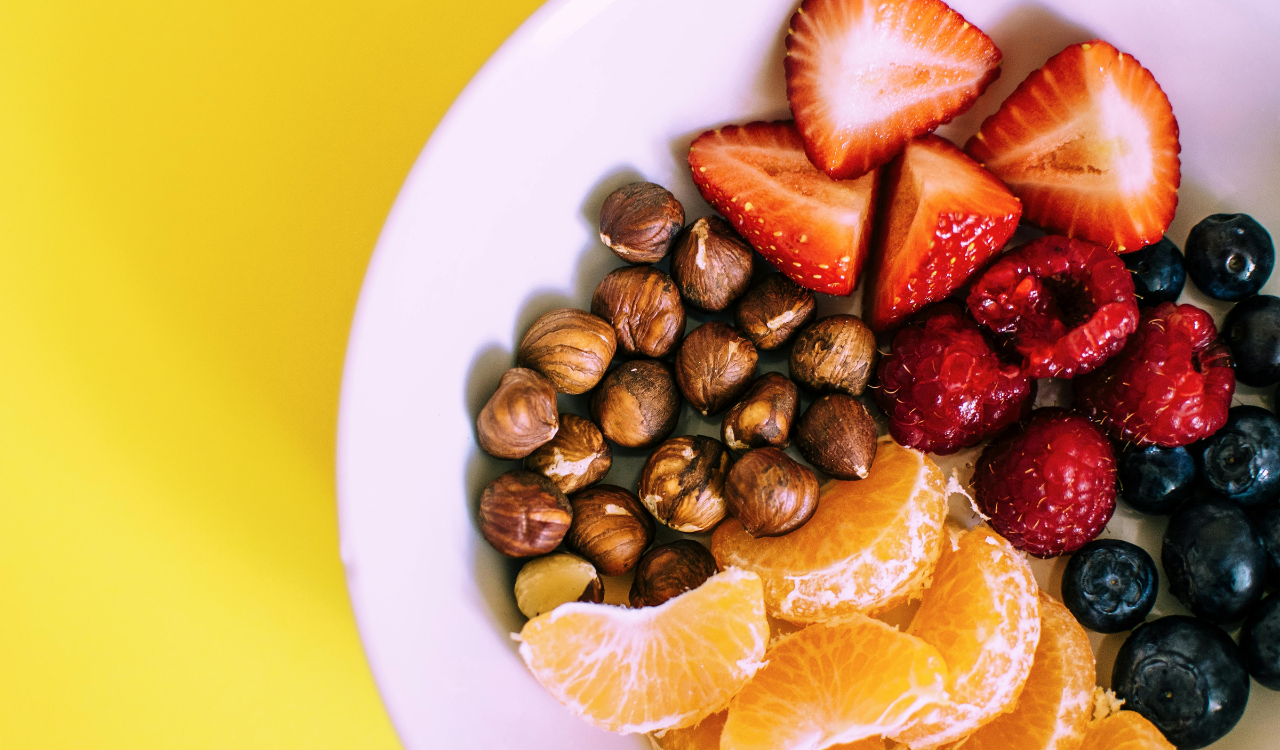
Experts name the “pantry clearer” salad the “Berry Blast” or “Summer Spinach” salad. It has strawberries, goat cheese, and nuts in it. Professional flippers say that this salad is a technique for restaurants to use up fruit that is a little past its prime for garnishing beverages.
Experts argue that the “poppyseed dressing” used is nearly always a product that is bought in bulk and can be stored on the shelf. It comes out every June. Kitchens like this special because it doesn’t need to be cooked on the stove, which speeds up the “line” during busy summer shifts.
Restaurant experts say that the “candied pecans” in these salads are often bought in five-pound bags and kept for months. Designers of seasonal menus say that the “freshness” of the salad is often hurt by the fact that the spinach is already cleaned and bagged, which makes it not as crisp as spinach picked right from the garden. Experts suggest that managers utilize this dish as a “placeholder” special to fill a seasonal slot with little effort. The “summer special” is a low-protein, repeating option for the guest that makes the restaurant a lot of money but doesn’t offer much in the way of culinary surprise.