14 Biophilic Decor Ideas Bringing the Outdoors In
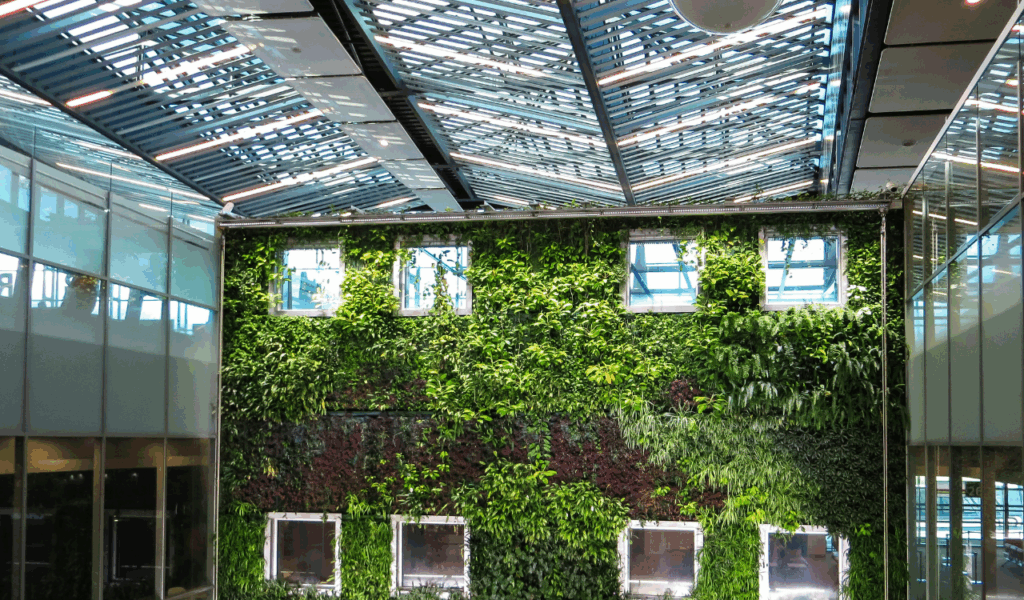
Biophilic décor is all about using natural elements in indoor spaces in a way that strengthens our connection to nature. It doesn’t just add a few plants; it also looks at how light, materials, textures, colors, and patterns affect health. Studies suggest that decor inspired by nature can help you relax, think more clearly, and feel more comfortable at home. You may make environments that feel calmer, brighter, and more restorative by using natural shapes, organic materials, and living things. Biophilic design may be used in homes of different sizes and designs, making it an easy method to make things more beautiful and comfortable at the same time.
1. Fill Rooms With Real Indoor Plants
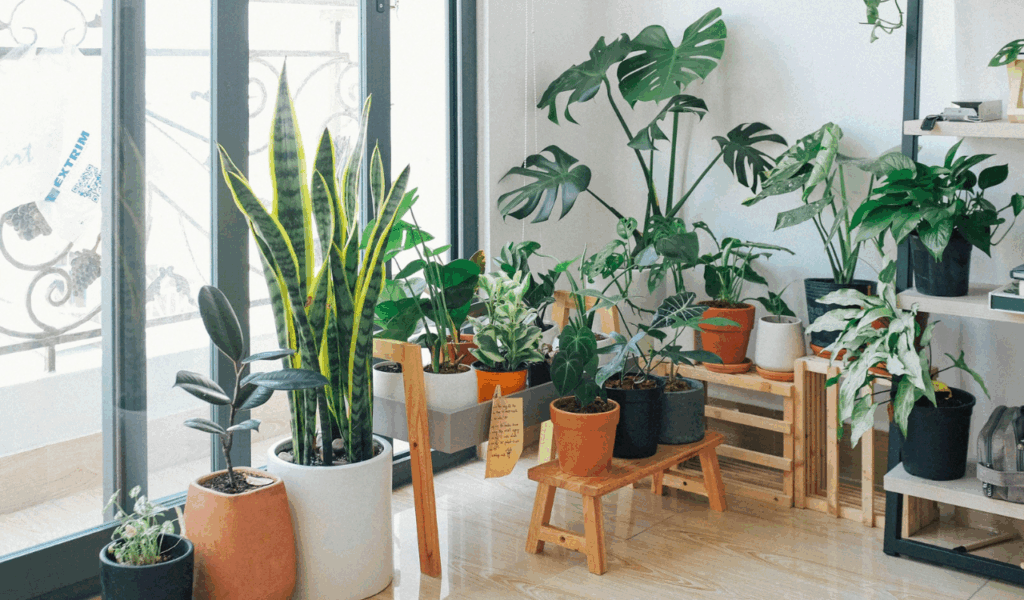
Biophilic décor is based on live plants because they add visible vitality and subtle movement to a room. Many houseplants do more than just look nice; they can also assist control humidity and make the air inside a little cleaner. Using a combination of floor plants, tabletop plants, and trailing plants gives the room depth and keeps it from being flat. Placement is important since plants grow best near natural light sources, but not in direct sunlight unless absolutely necessary. Plants that don’t need much care can make a room feel more welcoming, grounded, and alive. They can also help you stay connected to the natural cycles of growth every day.
2. Maximize Natural Light Wherever Possible
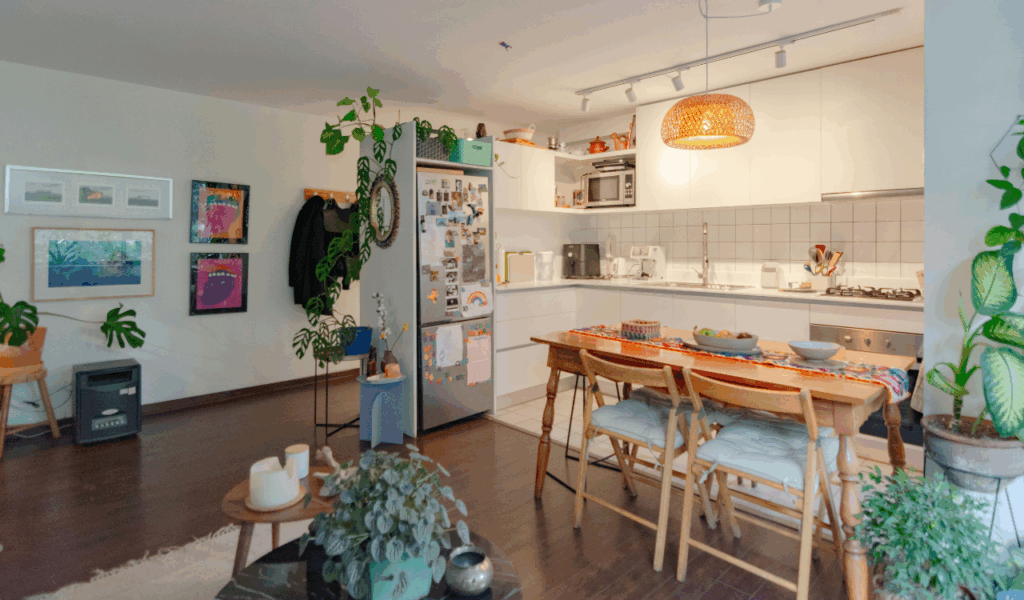
Biophilic homes need natural light because it mimics the rhythms of the outside world and helps people sleep well. When windows are clear, daylight can circulate freely through the space, which means you don’t have to use as much artificial light. Light, sheer drapes help reduce glare while keeping the room bright. Placing furniture carefully makes sure that sunlight can reach deeper into the room. Natural light also brings out the colors of plants, wood grains, and textures, making dcor look more real and rich. As time goes on, brighter spaces tend to make you feel more awake during the day and calmer as the light diminishes at night.
3. Use Natural Wood Finishes and Furniture
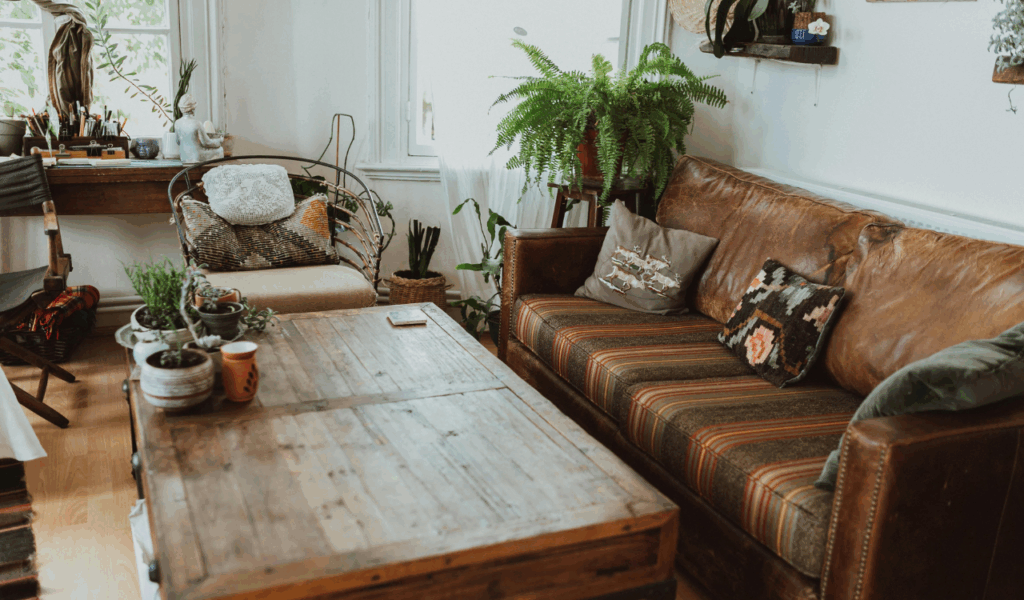
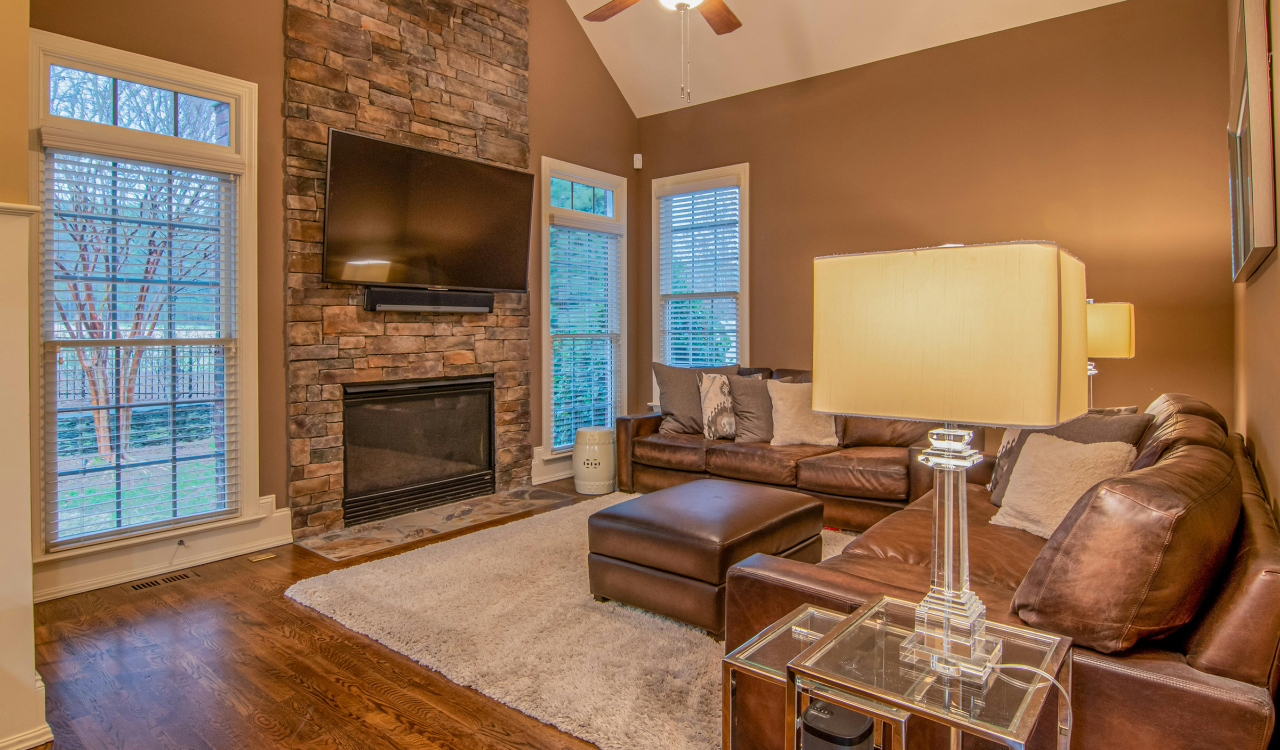
Wood introduces warmth, texture, and visual comfort that synthetic materials often lack. In Wood adds warmth, texture, and visual comfort that synthetic materials typically don’t have. In biophilic decor, wood is appreciated for its inherent grain patterns and small flaws that make each piece one of a kind. Using light or medium-toned woods can help keep a room feeling open, while using darker woods in moderation can make a room feel more stable. Wood helps people feel connected to nature, whether it’s through furniture, shelves, or ornamental accents. Using sustainably produced or recycled wood makes biophilic design even more eco-friendly without giving up elegance or durability.
4. Incorporate Stone and Mineral Textures
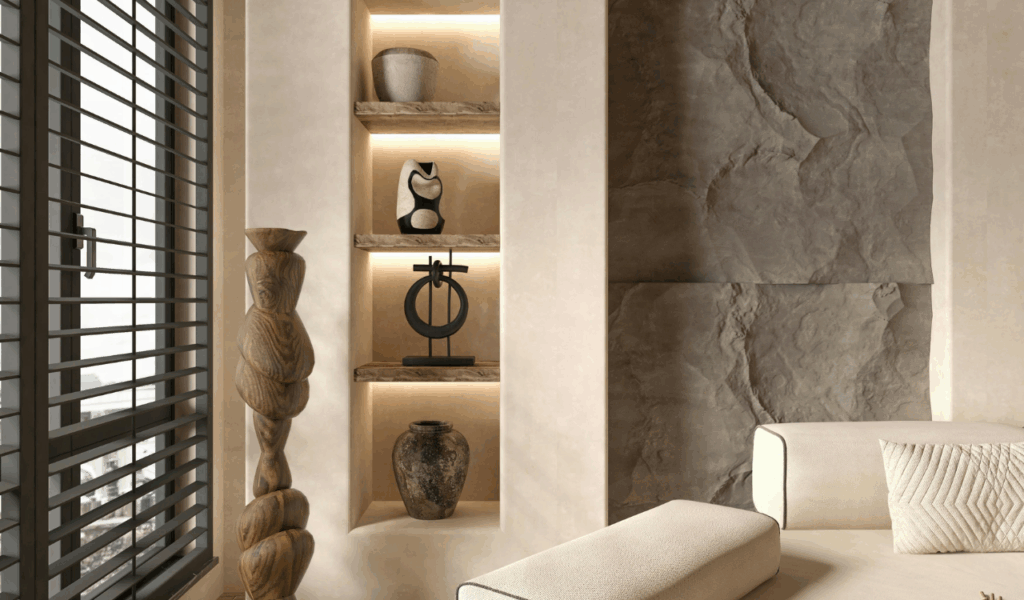
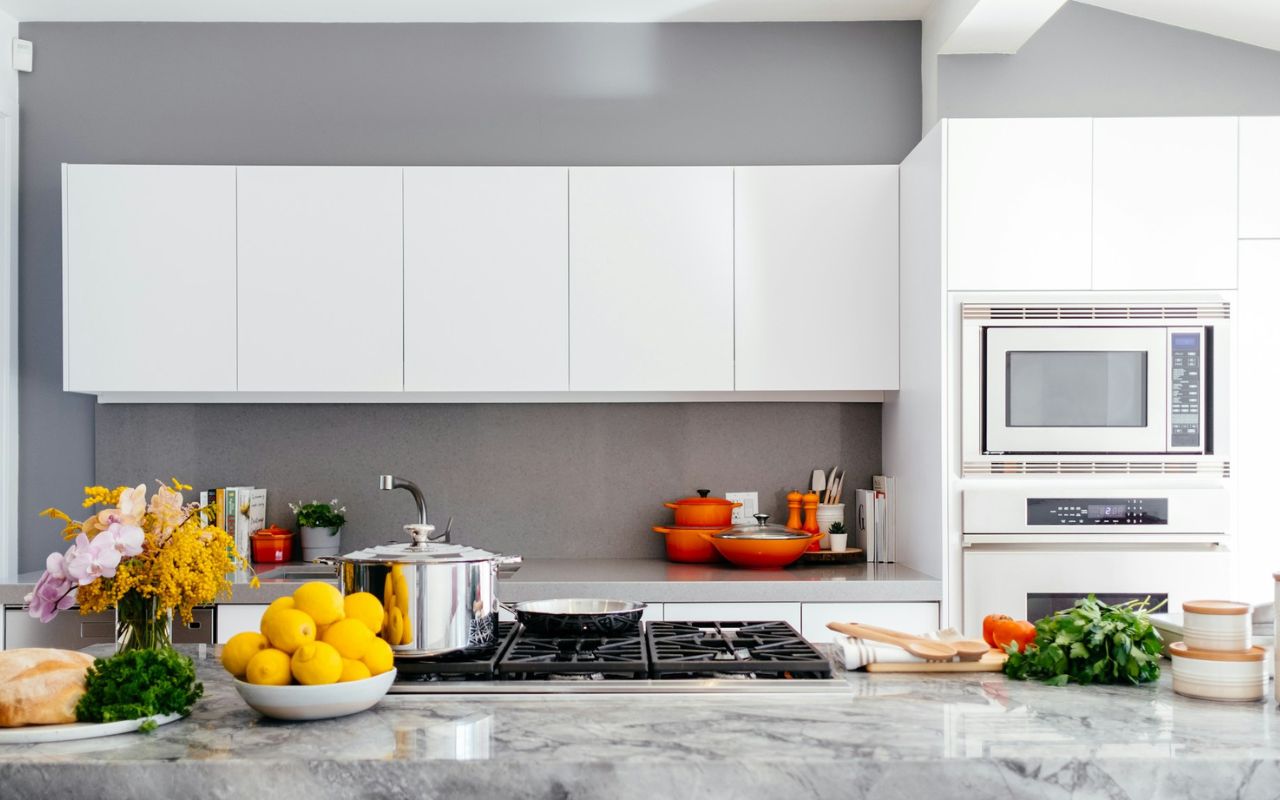
Stone and mineral surfaces reflect the anchoring aspects of nature and give homes a peaceful firmness. Marble, slate, and textured ceramics are some examples of materials that add visual interest without making a place feel too busy. Even tiny things like stone trays, ornate bowls, or lamp bases can help make a motif based on nature stronger. When paired with softer materials like cloth or wood, these parts work best. Stone accents also age well, gaining character over time while keeping their classic look that goes well with biophilic decor.
5. Choose Nature Inspired Color Palettes
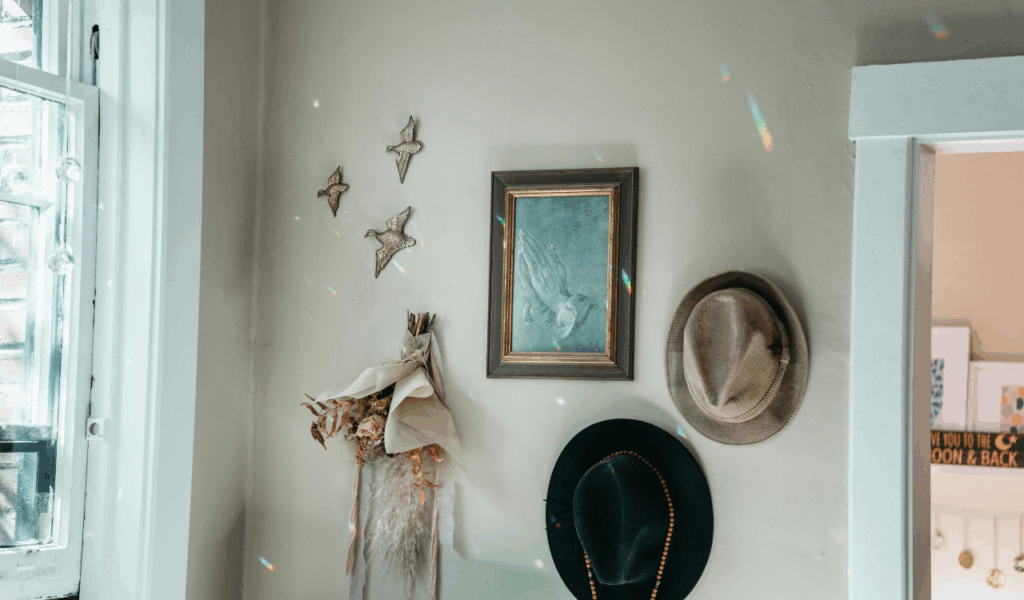
Colors from nature can make a room feel more peaceful and harmonious. We naturally find landscapes with shades of green, gentle browns, warm beige, muted blues, and earthy neutrals to be calming. When you use these hues on walls, furniture, or accessories, they make the space feel more grounded and less cluttered. Stay away from colors that are too bright or fake, as they can break up the flow of nature. A color scheme that is well-balanced allows plants, textures, and light to stand out on their own while also contributing to the creation of an atmosphere that is intended to be relaxing, as is the case with biophilic living spaces.
6. Add Organic and Curved Shapes
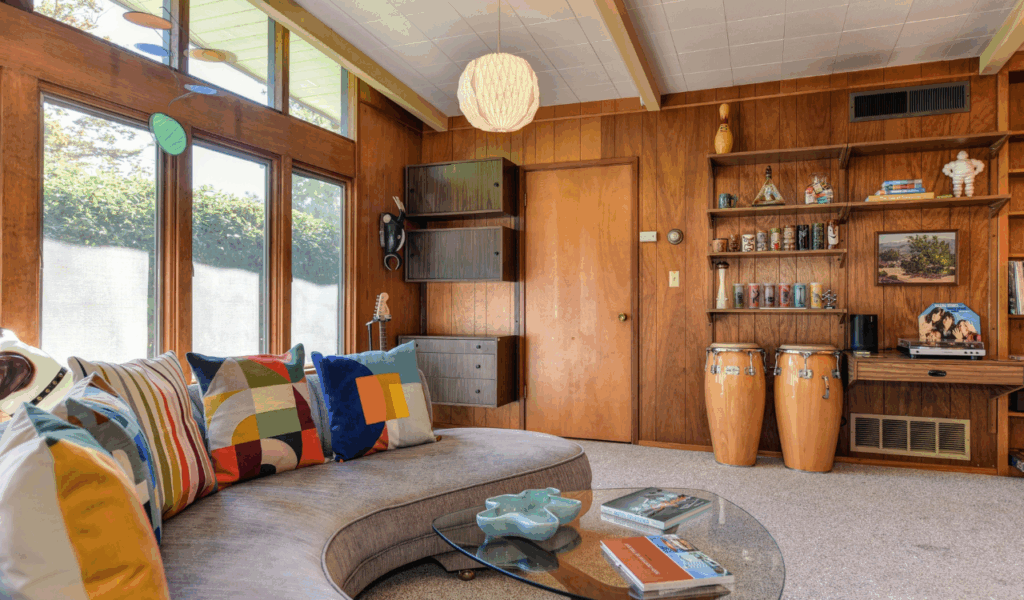
Nature doesn’t often follow straight lines, which is why organic shapes feel good indoors. Curved sofas, round mirrors, and sculptural decor may all make a room look softer. These shapes make areas feel less stiff by making them feel like they’re moving and making things easier. Even the smallest details, such as ceramics with waves or lamps with arches, contribute to the overall impression. The patterns that may be found in leaves, stones, and flowing water are examples of organic shapes that work well with natural materials and contribute to the creation of environments that have a natural and human-centered feel.
7. Bring in Natural Textiles and Fibers
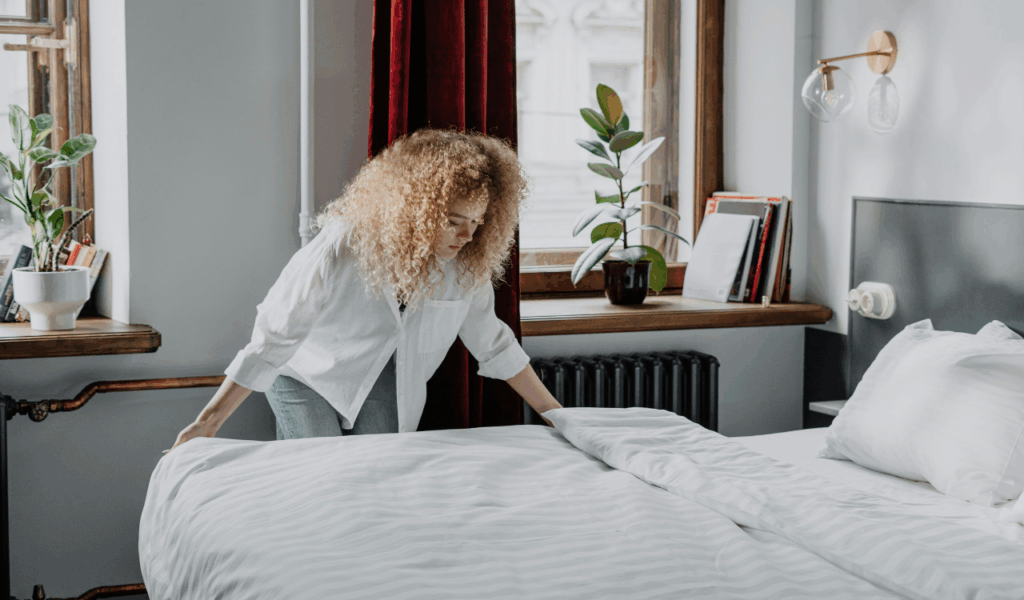
Natural textiles are a big part of biophilic décor because they make things seem soft and lush. Cotton, linen, wool, and jute are some of the materials that make things comfortable to wear and look warm. They also seem to get better with age, gaining character as you use them. Adding rugs, cushions, and throws on top of each other makes a space feel cozier without making it look cluttered. Fabrics in earth tones or neutral tones are used to maintain the cohesiveness of the style. Touch and sight are connected through these strands, which not only makes the space appear more grounded but also benefits the indoor environment by reducing the amount of synthetic material used.
8. Use Water Elements Thoughtfully

Water features create a soothing sensory experience that is similar to being outside. The soft sound of running water might help you relax and block out other noises. In living rooms or entryways, small fountains that sit on a table or hang on the wall work beautifully. To keep the water clean and avoid problems with too much humidity, you need to take care of it properly. Even ornamental touches that represent water, such glass accents or paintings of lakes or waves, might make you feel calm. If they are utilized appropriately, water elements have the potential to enhance the relaxing atmosphere that is so essential to the methodology of biophilic design.
9. Highlight Views of Nature Outdoors
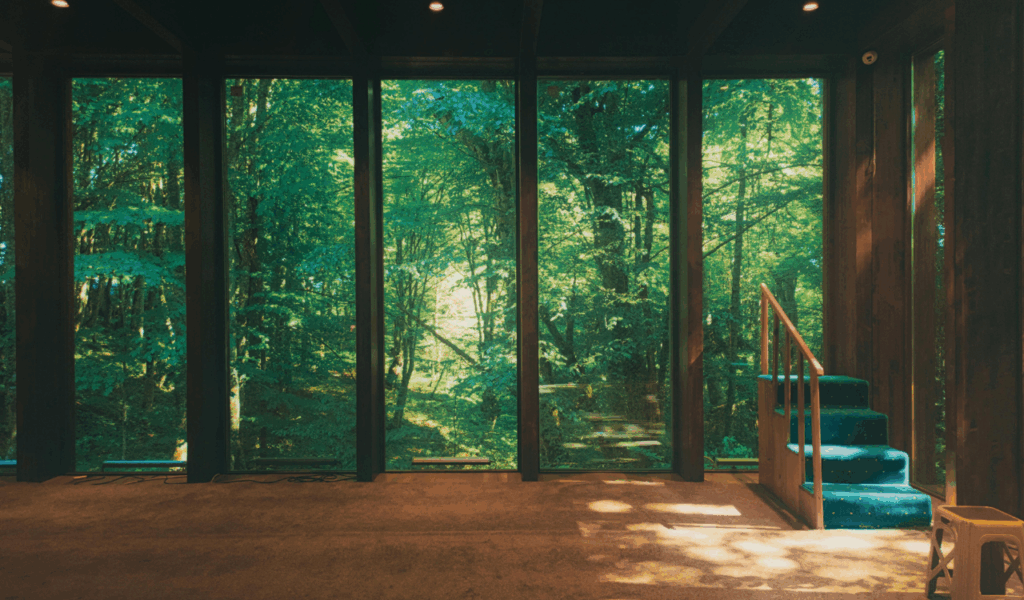
If you can see trees, gardens, or open skies from your home, make them a focal point. Set up seating such that it faces the windows and doesn’t block people’s view with big furnishings. Simple frames and clean window glass help maintain the focus on the outside. These views give your mind a respite and your eyes a break during the day. When properly framed, even very modest views from the outside might give the impression of being rather large. Because of this direct and apparent connection to the natural world, the mental benefits of biophilic design are amplified, and the spaces created by these designs appear larger and more open.
10. Decorate With Botanical Artwork

Botanical art is a good technique to show pictures of nature when you can’t have live plants. Pictures, drawings, or paintings of flowers, foliage, or landscapes give visual interest without needing any work. To keep everything seeming natural, pick pieces that are realistic or softly stylized instead than ones that are too graphic. Putting art in a color scheme that works together keeps things from looking cluttered. Botanical art complements the biophilic idea by reminding people of natural shapes and places. It is especially helpful in places where plants do not receive sufficient light since it provides people with a sense of calm and connection.
11. Create Indoor Garden Corners
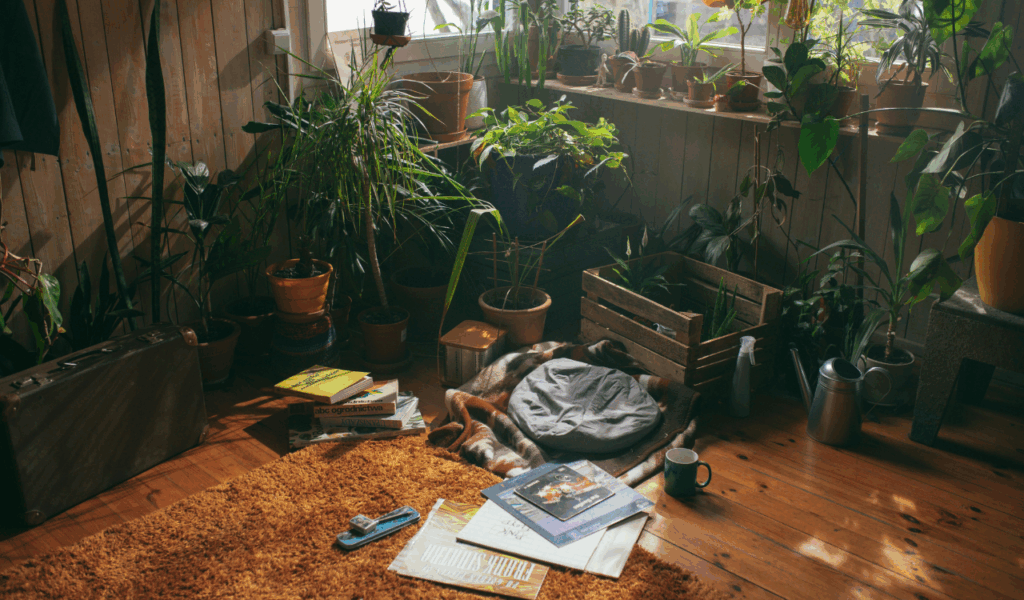
Designating a tiny area as an interior garden gives more thought to where plants should go. Putting plants together in groups makes a lush focal point and looks like how plants develop in nature. Changing the heights and forms of the leaves keeps the show interesting. For small gardens, shelves, plant stands, or window sills are great places to put things. Due to the fact that all of the plants are contained within a single location, this strategy also makes it simpler to care for them. The fact that humans and nature are always connected indoors is demonstrated by the fact that an indoor garden space transforms into a living creature that undergoes change over time.
12. Use Natural Scents From Plants and Materials
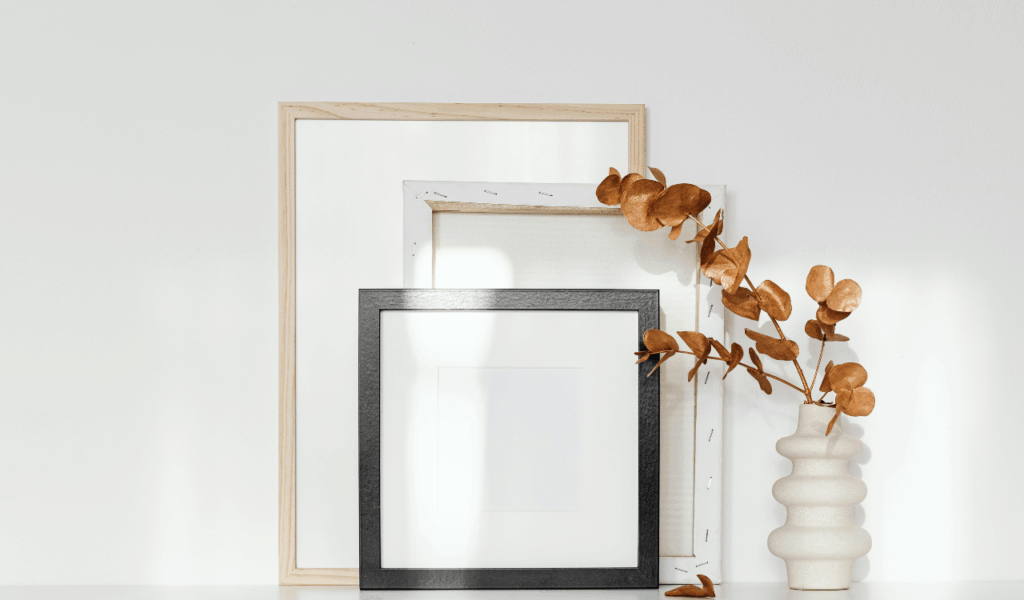
Scent is a strong part of biophilic décor that people frequently forget about. Plants, fresh herbs, and untreated wood all give off natural scents that can change how you feel and how comfortable you are. Stay away from fake scents that can be too much or make you feel bad. Instead, pick things like eucalyptus branches, citrus peels, or natural candles with a faint aroma. These smells make the room feel fresh, like being outside. When utilized sparingly, natural fragrances have the ability to bring about a state of relaxation and enhance the multisensory experience that is characteristic of biophilic buildings.
13. Blend Indoor and Outdoor Spaces
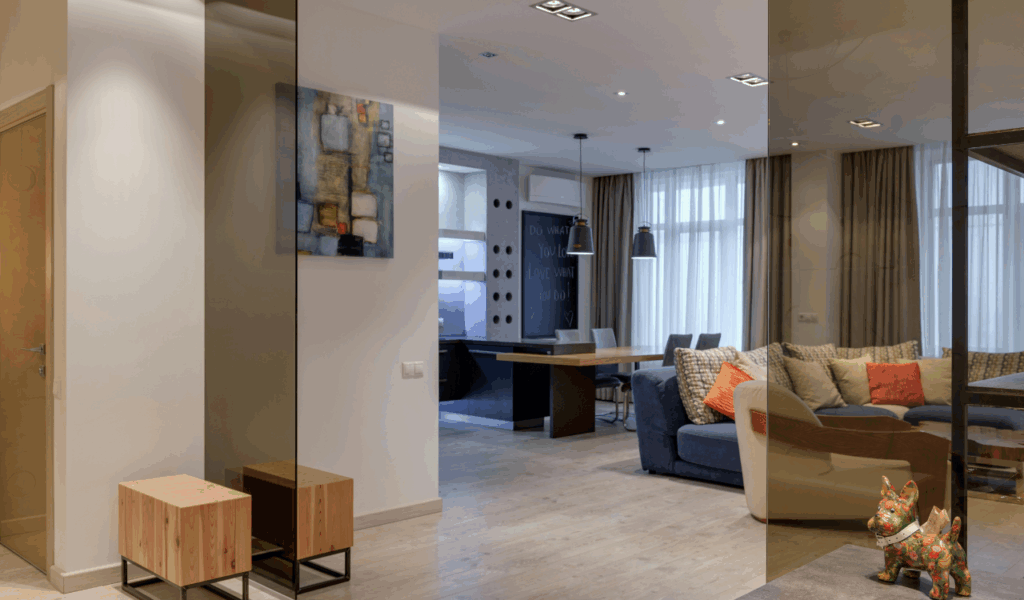
The biophilic experience is enhanced when the boundary between interior and outdoor settings is blurred to a lesser degree. Furniture that is identical in terms of color, material, or style on all sides of the room creates the illusion that the room is a single unit. Big doors or windows that open easily let in air and light from outside. Consistent décor can make even modest balconies feel like they are part of the inside. By increasing time spent outside in the fresh air and flora, this modification makes living feel more connected to nature. These changes are smooth. The home also appears to be larger and more well-balanced as a result of this.
14. Embrace Imperfection and Natural Aging

Biophilic décor values realness more than perfection. Over time, natural materials often alter, gaining patina, texture, and character. Little flaws in wood, stone, or handcrafted things tell a story and make a space feel like it’s been lived in. Accepting these adjustments makes it easier to relax and lessens the strain to keep your home perfect. When compared to the way nature operates, where change and aging are natural processes, this way of thinking is extremely similar. By allowing materials to change on their own, rooms are able to feel more authentic, warm, and deeply connected to the context in which they are being used.