10 Clean-Slate Décor Ideas That Felt Cold
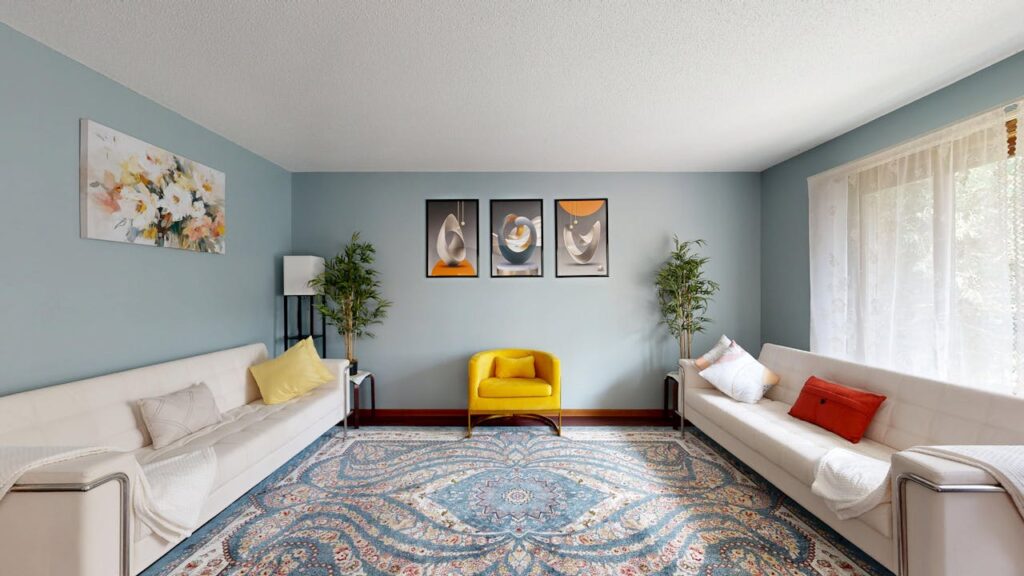
Clean-slate décor is meant to feel fresh, calm, and uncluttered, especially at the start of a new season. The goal is to reset spaces and create a sense of order after busy months. In winter, however, too much simplicity can drain warmth from a room. When color, texture, and personal details are stripped away, spaces may look tidy but feel emotionally distant. Comfort comes not only from what is removed, but from what is thoughtfully added back in. These clean-slate decorating ideas aimed for calm but ended up making homes feel colder than intended.
1. All-White Rooms That Looked Clean but Felt Sterile
An all-white room promises freshness and simplicity, but in winter it often reads as cold and impersonal. White walls, white furniture, and pale flooring reflect light in a way that removes depth, making spaces feel flat instead of layered. Without color contrast or varied materials, the room lacks visual anchors that help people feel settled. White also highlights shadows and dark corners, which can make evenings feel gloomy rather than cozy. Everyday wear shows quickly, so scuffs and marks stand out more, adding to the sense that the room is more display than living space. What begins as a calm, clean slate can quickly feel like a waiting room instead of a home.
2. Sparse Furniture Layouts With Too Much Empty Space
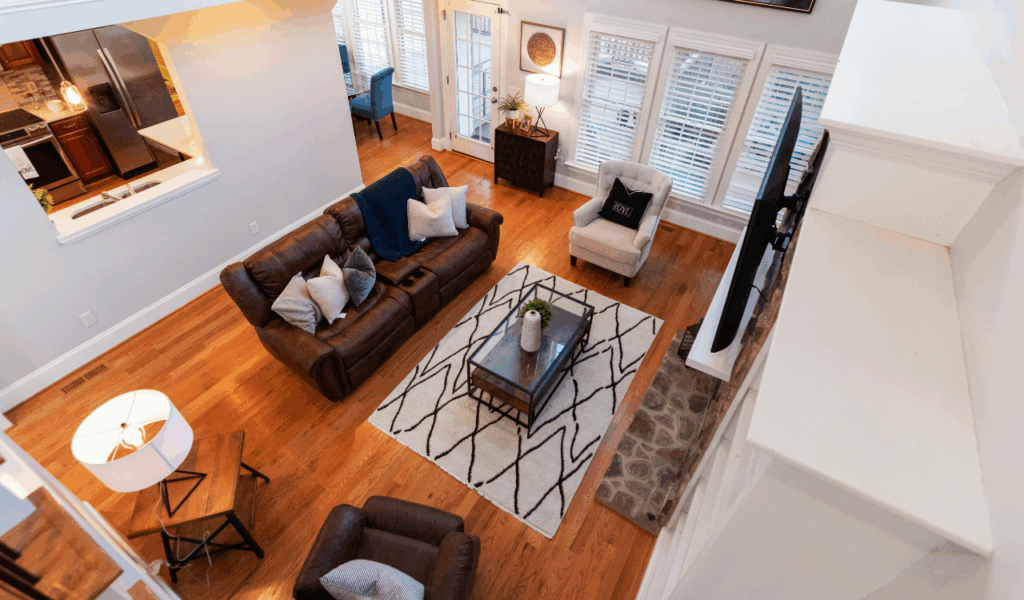
Open layouts with minimal furniture are often meant to feel airy and uncluttered, but too much negative space can make rooms feel exposed and chilly. When seating is spread far apart and rugs are undersized or missing, the room loses its sense of gathering and comfort. Sound also carries more in sparse rooms, making them feel less intimate. People tend to gravitate toward corners or smaller areas because wide open zones do not support relaxed posture or conversation. Instead of feeling spacious in a good way, the room feels unfinished, like furniture has not yet arrived. Balance matters, and without enough pieces to ground the space, minimal layouts feel more stark than soothing.
3. Console Tables Styled Without Soft Elements
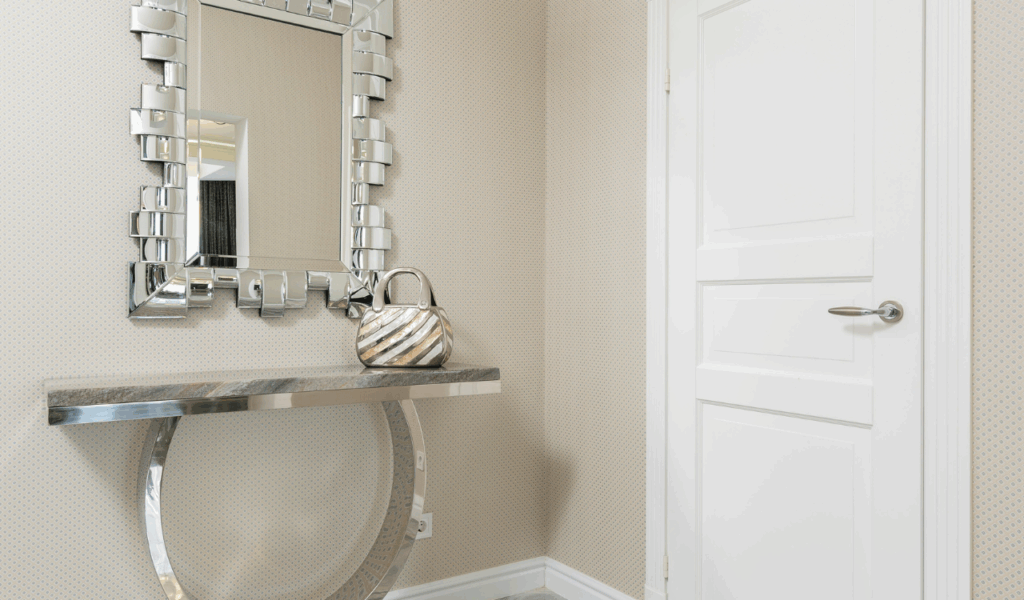
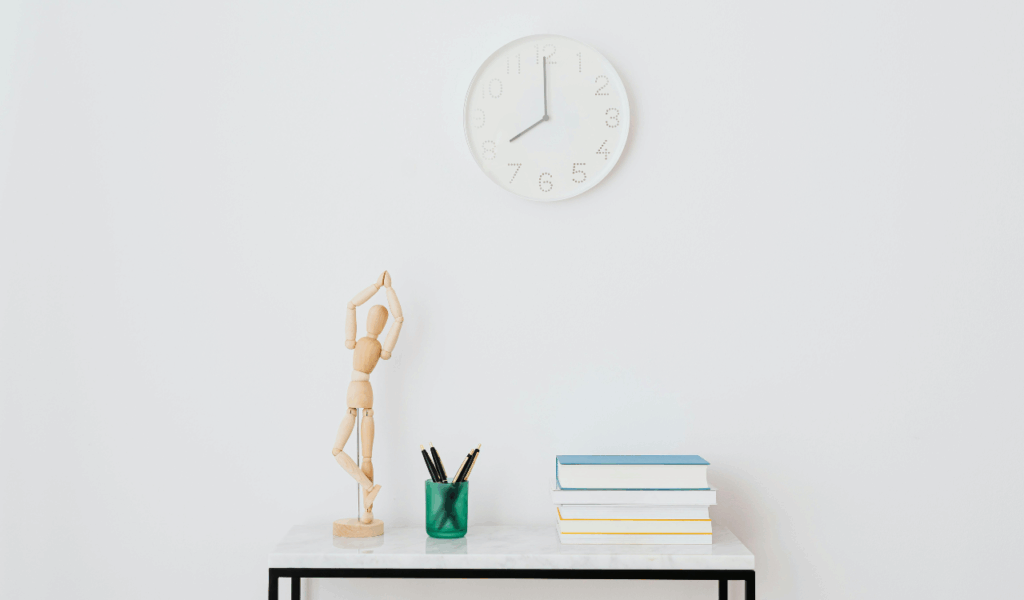
A sleek console with a lamp and a simple tray looks tidy, but without soft textures it feels rigid. Hard surfaces dominate the look, and the display becomes purely visual rather than inviting. In colder months, people respond more strongly to materials that suggest warmth, such as woven baskets, fabric runners, or natural wood with visible grain. When consoles are styled only with metal, glass, and smooth ceramics, the setup feels cold to the touch and emotionally distant. These areas are often in entryways or hallways, which are already transitional spaces. Without softness, they fail to create a welcoming moment and instead reinforce the feeling of passing through rather than settling in.
4. Minimal Wall Art That Adds No Warmth or Personality

Minimal art can be calming, but when walls are mostly bare or decorated only with simple line prints, the space can feel empty. Large blank wall areas absorb little warmth and reflect very little personality. Art helps define scale and adds visual rhythm to a room. Without it, walls feel tall and distant, especially in winter when natural light is weaker. Neutral or monochrome artwork may blend too closely with the wall color, making it disappear instead of contributing to the atmosphere. Over time, the lack of visual interest can make the room feel temporary, as if decoration is still in progress rather than intentionally complete.
5. Mantels Left Bare for a Clean Look
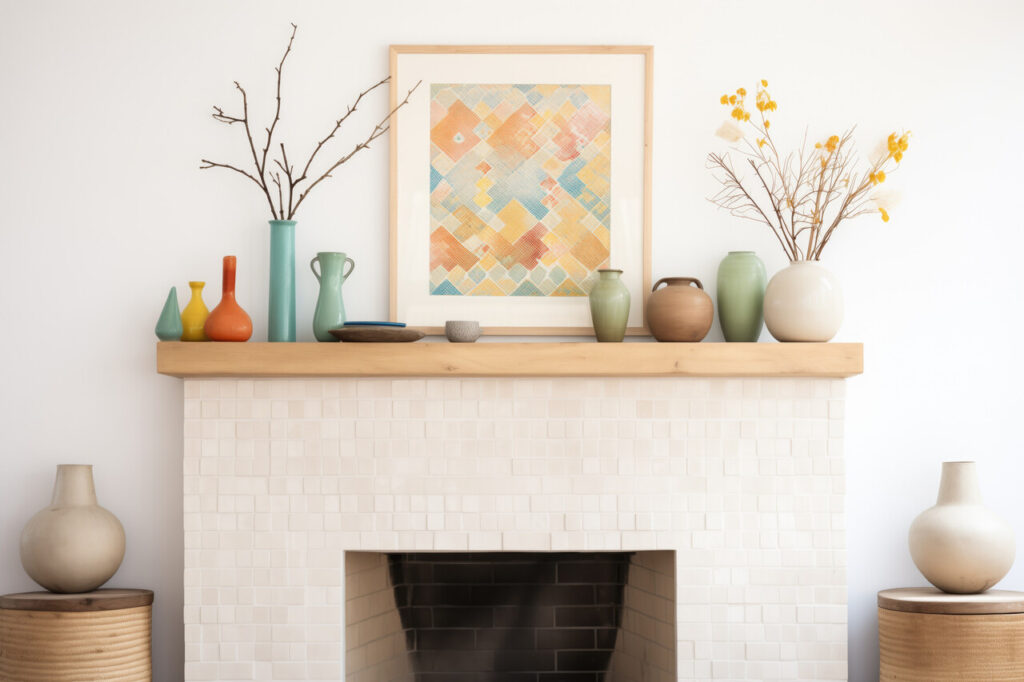
Removing all décor from a mantel may feel refreshing, but the fireplace is naturally a focal point. When it is left empty, the room loses a visual anchor. The mantel becomes a long blank shelf that draws attention precisely because nothing is there. In winter, people expect this area to feel warm and welcoming, even if no seasonal decorations are used. A completely bare mantel can make the fireplace feel unused and forgotten. Adding just a few grounded elements such as framed art, simple greenery, or textured objects helps connect the hearth to the rest of the room. Without that, the space feels colder and less lived in.
6. Sleek Surfaces That Reflected Chill Instead of Comfort
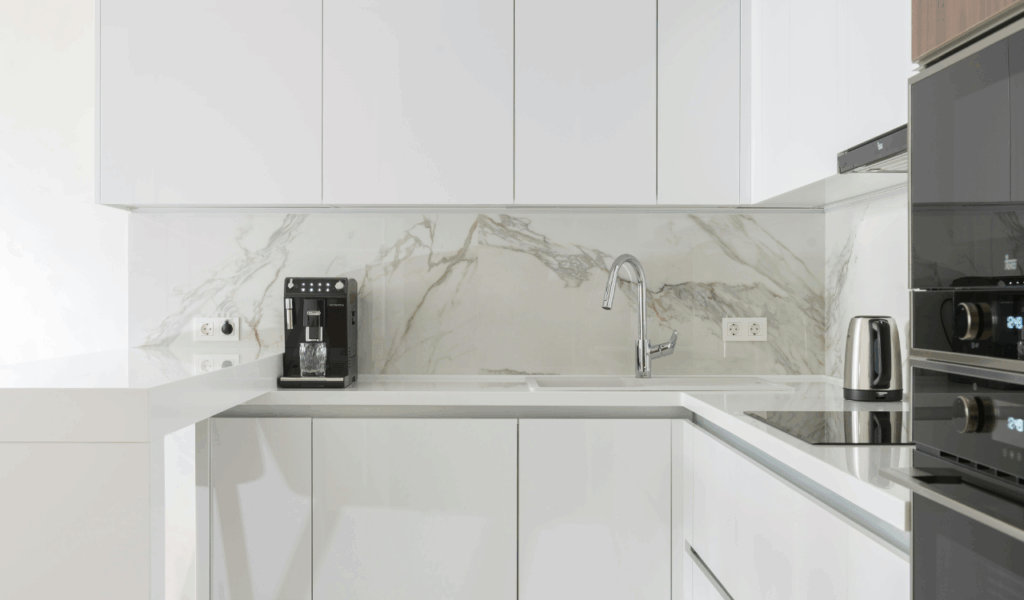
Clean slate decorating often favors glossy finishes, smooth stone, and polished metals. While these materials look elegant, they do not communicate warmth. Light bounces off them sharply, and they rarely soften a room’s mood. When tables, shelves, and accents all share the same smooth finish, the space feels more like a showroom than a place to relax. People subconsciously respond to texture as a signal of comfort. Without fabrics, wood, or woven materials, rooms feel harder and less forgiving. Over time, the environment can feel emotionally distant, even if it remains visually neat.
7. Bare Windows Without Drapes or Layered Treatments
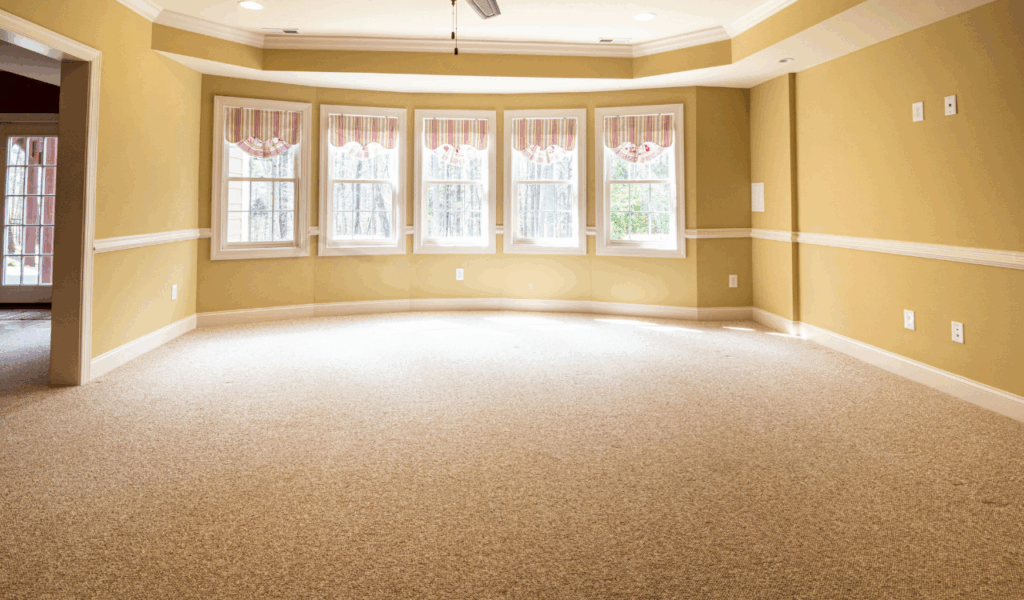
Leaving windows uncovered supports a clean look, but it also removes a major source of warmth. Glass surfaces are visually and physically cold, especially in winter. Without curtains or shades, rooms can feel exposed and less sheltered. Sound also reflects more, making spaces feel louder and less cozy. Window treatments add softness and visual framing that help anchor furniture and define the room’s shape. When windows are left bare, walls can feel empty and out of proportion. Even simple, light fabrics can make a big difference in how protected and comfortable a room feels during colder months.
8. Neutral Vignettes Without Personal Touches
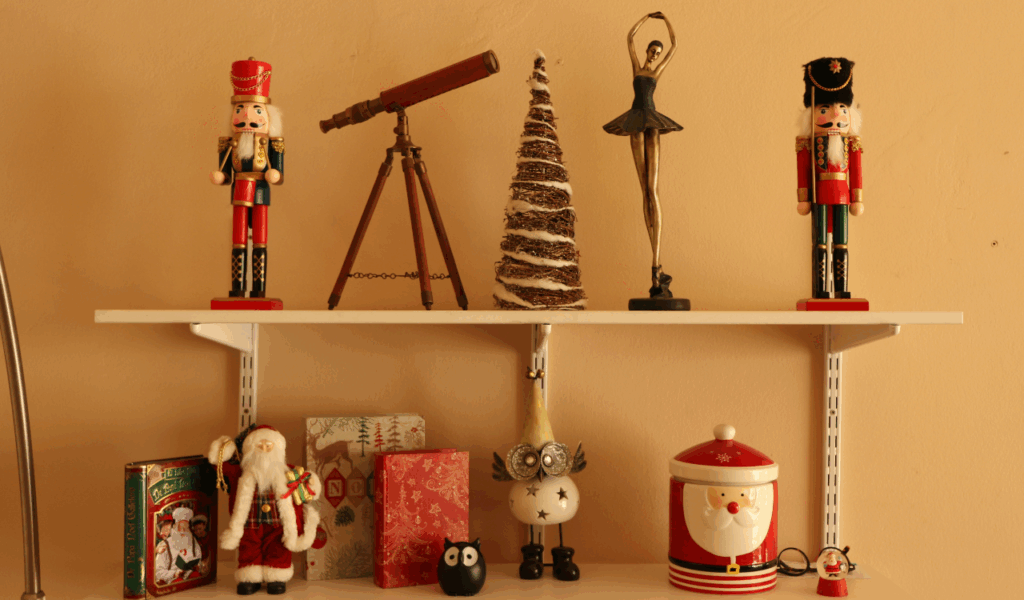
Minimal vignettes often rely on neutral objects such as white vases, pale books, and simple trays. While cohesive, these setups can feel generic when there is no personal connection. Family photos, meaningful objects, or small handmade items help ground a space in real life. Without them, displays feel styled for appearance rather than daily living. Neutral groupings also tend to blend into the background, which can make rooms feel quieter than intended. Personal elements add warmth not through color alone but through emotional familiarity. When vignettes lack that layer, they feel more like store displays than parts of a home.
9. Entry Tables That Looked Tidy but Felt Unwelcoming
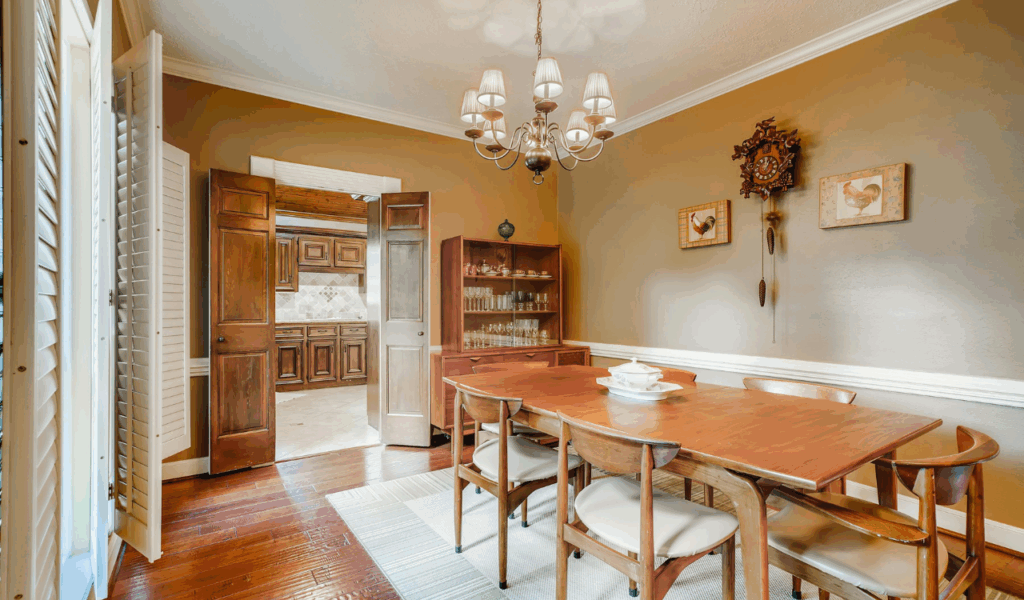
A perfectly clear entry table may look organized, but it does little to welcome people into the home. Entryways benefit from cues that suggest warmth and arrival, such as a soft lamp glow, textured bowls, or small seasonal touches. When the space is kept too bare, it feels transitional and impersonal. Guests may not feel invited to pause or settle in. Functionally, entry tables also need to support daily routines, and when they are kept pristine for appearance, they fail to serve practical needs. Over time, clutter builds elsewhere because the entry does not offer usable, comfortable storage.
10. Open Shelving That Displayed More Emptiness Than Style
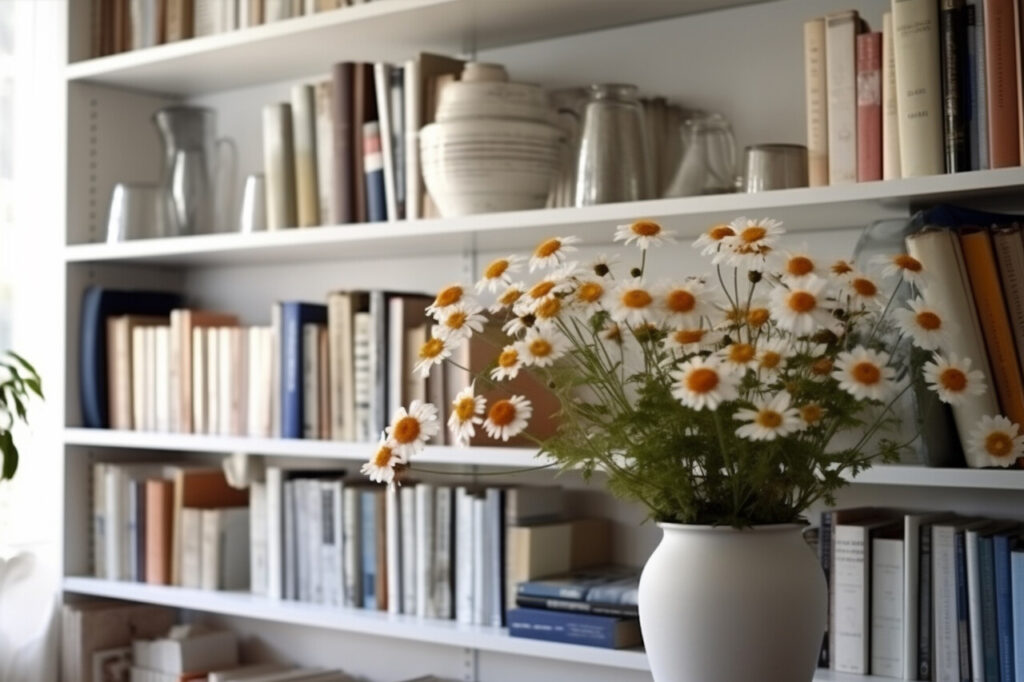
Open shelves styled with just a few sparse objects may look calm in photos, but in person they can feel unfinished. Large stretches of empty shelf space emphasize what is missing rather than what is present. Shelving also plays a role in absorbing sound and breaking up wall surfaces. When shelves are too bare, walls feel harder and rooms feel less layered. People often expect shelves to show some signs of life, whether through books, ceramics, or collected items. Without that, the room feels more like a temporary setup than a settled living space. Minimal shelving needs careful balance to avoid tipping into emptiness.