7 Drive-Ins Struggling to Keep Classic American Fare Alive
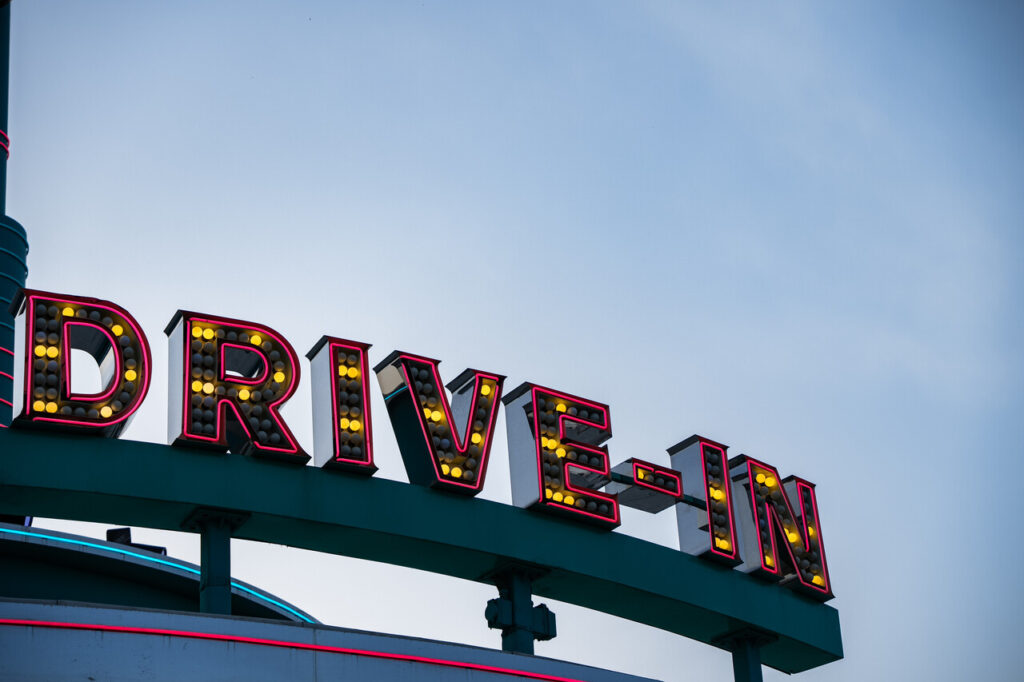
Classic American drive-ins once defined casual dining, with carhops, neon signs, and menus built around burgers, fries, and root beer. Today, many of these places survive less because of efficiency and more because of memory. Rising ingredient prices, labor shortages, and aging buildings put constant pressure on businesses designed for a very different era. Owners are often forced to choose between preserving tradition and making changes that keep the doors open. What remains is a fragile but determined slice of food culture, held together by loyal locals and travelers chasing a taste of the past.
1. Dog n Suds
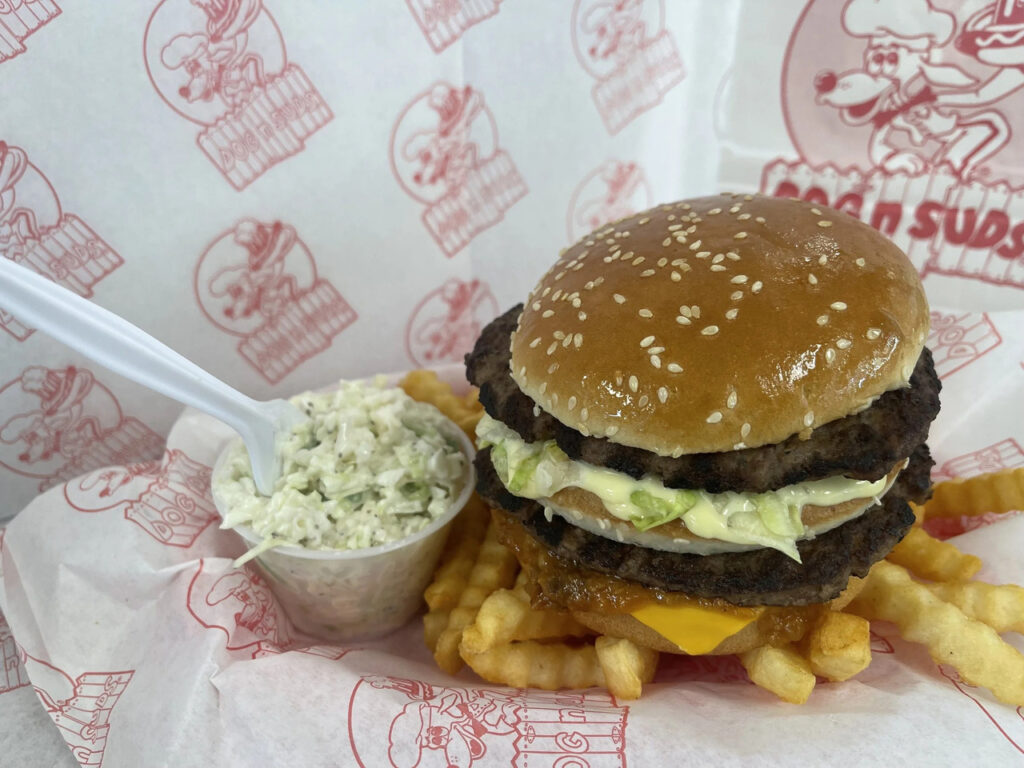
Dog n Suds feels like a time capsule from the peak of drive-in culture, but that’s also where the struggle begins. The brand once had hundreds of locations, all built around root beer, hot dogs, and carhop service. Today, only a fraction remain. Owners face rising costs for beef, dairy, and labor while operating in buildings that often date back decades. Updating kitchens or parking layouts can be expensive, yet changing too much risks alienating loyal customers who want things exactly as they remember them. Staffing is another hurdle. Younger workers are less familiar with carhop service, and training takes time.
2. A&W Drive-In
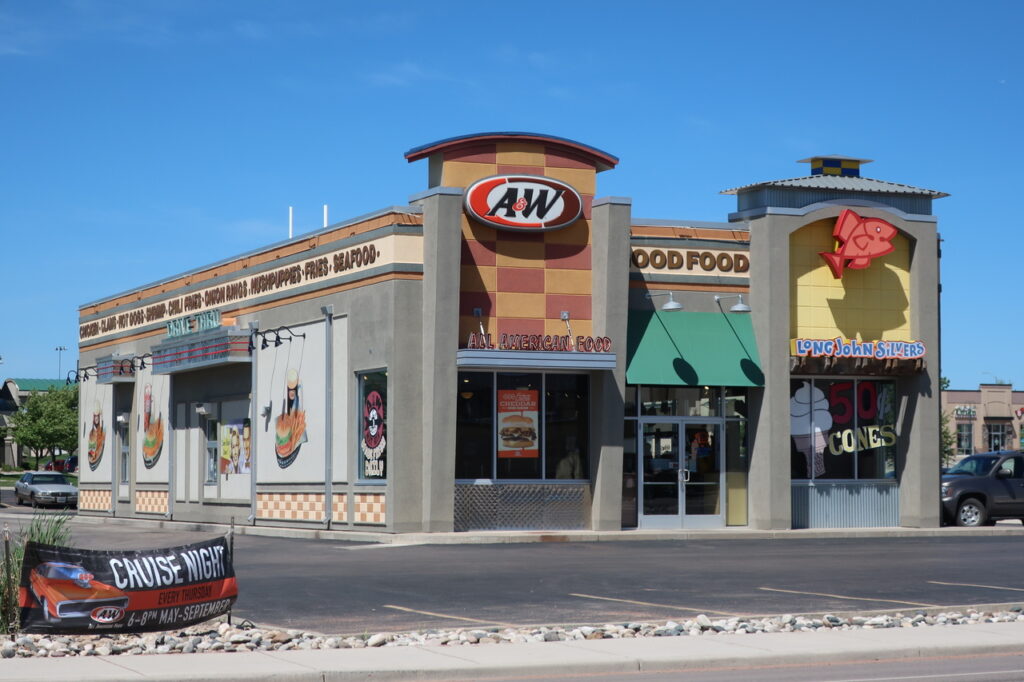
A&W still carries national name recognition, but true drive-in locations are increasingly rare. Many A&W restaurants have converted to standard quick-service formats, leaving traditional carhop sites to shoulder higher labor needs and slower service speeds. Root beer made fresh in-house remains a signature draw, but that commitment comes with higher ingredient and preparation costs than syrup-based alternatives. Franchise operators also face pressure from modern expectations such as digital ordering and delivery, which don’t always fit the drive-in experience.
3. Mel’s Drive-In
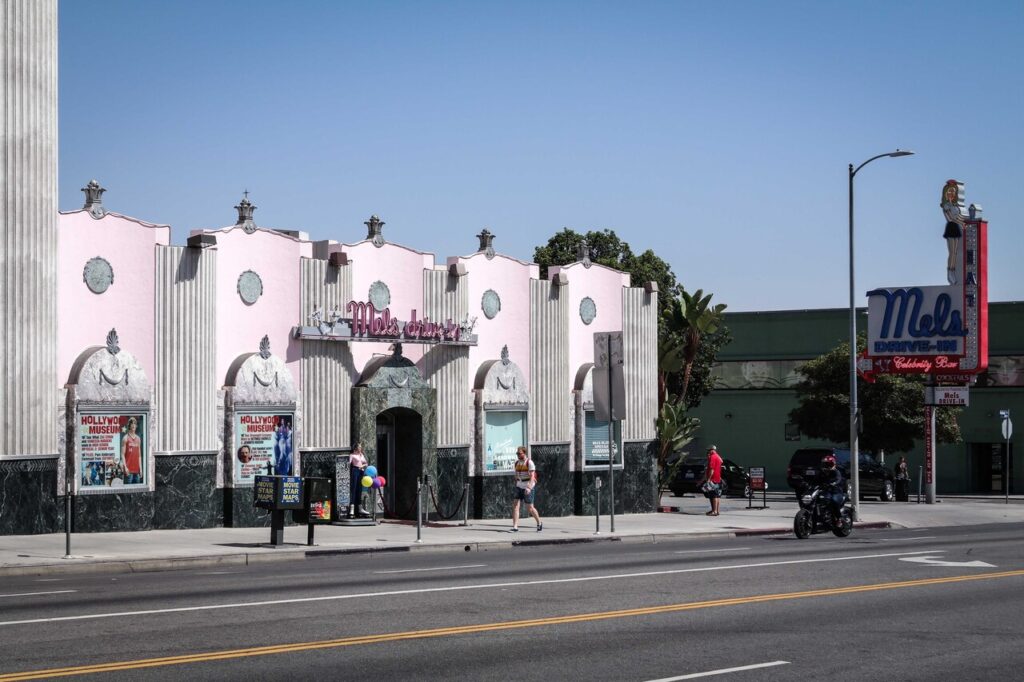
Mel’s Drive-In trades heavily on Hollywood nostalgia, which helps attract tourists but also raises operating risks. Locations often sit on high-value real estate where rent and taxes climb faster than menu prices can realistically follow. The classic menu of burgers, shakes, and fries depends on fresh ingredients and made-to-order prep, which limits speed during peak hours. Unlike fast food chains, Mel’s can’t easily streamline without breaking the retro illusion customers expect. Labor shortages hit especially hard in cities where service workers face high living costs.
4. Ted’s Drive-In
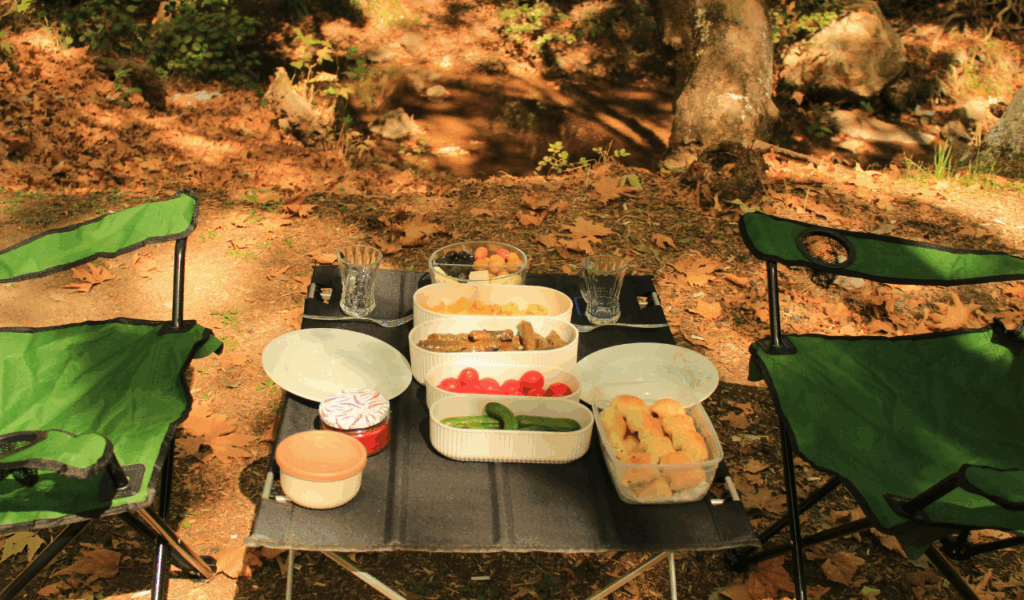
Ted’s Drive-In has built its reputation on local flavors and fresh preparation, which is both its strength and its challenge. Operating in Hawaii means higher ingredient costs across the board, especially for beef, dairy, and imported staples. Supply chain disruptions hit islands harder, and substitutions aren’t always acceptable to regulars who expect specific tastes. Ted’s also relies on a small, dedicated workforce, making staffing gaps difficult to cover. Unlike mainland chains, there’s limited room to expand or standardize. The business survives by leaning into quality and local loyalty, but the margins are tight, and any prolonged disruption can quickly threaten sustainability.
5. Arnold’s Drive-In

Arnold’s Drive-In represents the hyper-local end of drive-in culture. Its struggle isn’t competition from other drive-ins so much as from modern convenience. Limited hours, aging equipment, and seasonal demand make revenue unpredictable. Owners often juggle repairs to decades-old structures while trying to meet current health and safety standards. Staffing is usually family-based or relies on longtime employees, which preserves character but limits scalability. Arnold’s survives because the community wants it to, not because the model is efficient. That reliance on goodwill works until a major expense or staffing issue tips the balance.
6. Johnnie’s Beef
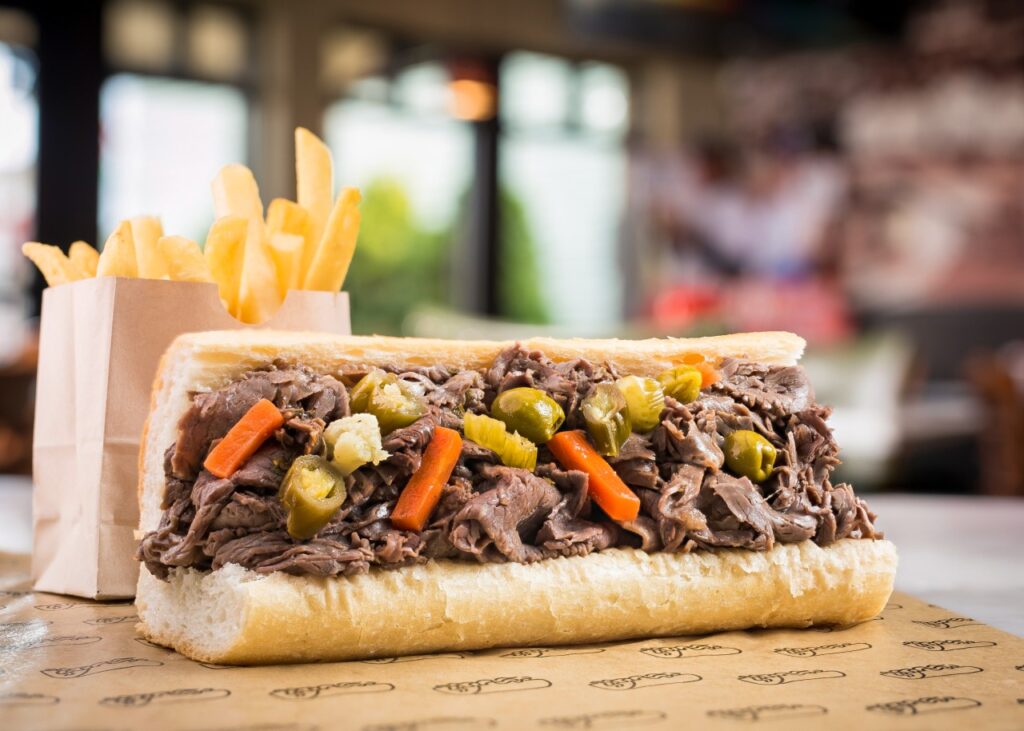
Johnnie’s Beef isn’t a classic carhop drive-in, but it embodies the same old-school values: simple menus, fast service, and no-frills preparation. The challenge comes from volume. Long lines and limited ordering systems frustrate modern customers accustomed to apps and delivery. Updating systems risks slowing down the kitchen or changing the flow that regulars love. Ingredient costs for quality beef have risen sharply, squeezing margins on a menu that doesn’t rely on add-ons or upselling. Johnnie’s survives by doing one thing extremely well, but the refusal to modernize fully is both its strength and its ongoing risk.
7. Superdawg Drive-In
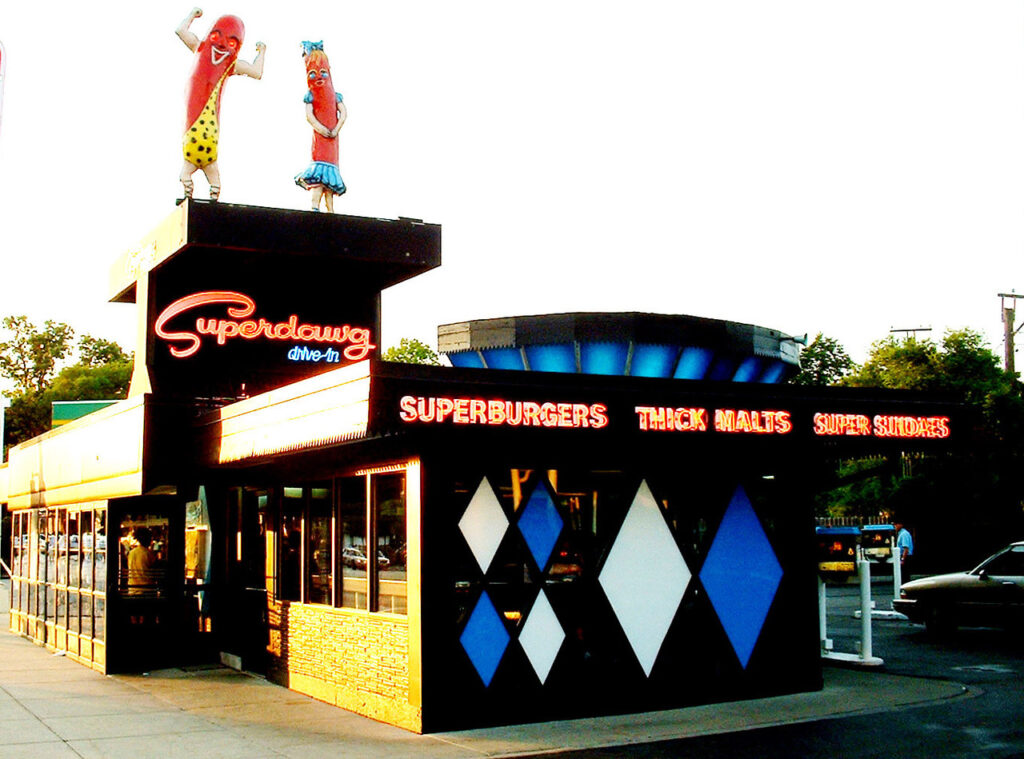
Superdawg Drive-In is fiercely committed to preserving its original menu and service style, right down to its iconic signage and limited offerings. That commitment limits flexibility. Rising beef prices, labor shortages, and aging infrastructure all hit harder when the menu can’t expand to absorb costs. Carhop-style service and walk-up windows require more staff per customer than modern drive-thru models. Superdawg’s success depends on volume and tradition, but any prolonged dip in traffic or spike in expenses creates pressure. The drive-in survives because it refuses to become anything else, even when that choice makes the business harder to run.