5 Trendy Beverage Chains Customers Say Aren’t Worth the Wait
Trendy beverage chains know how to build buzz. Eye-catching cups, viral menu items, and social media hype can turn an ordinary drink into a must-have experience. But once the novelty wears off, many customers start paying closer attention to what really matters: wait times, consistency, and whether the drink actually tastes worth the price. Across the U.S., several popular beverage chains now face growing complaints that long lines and inflated expectations aren’t matched by what’s in the cup. What once felt exciting now feels frustrating, especially when customers realize the experience matters more than the flavor.
1. Dutch Bros Coffee
Dutch Bros built its reputation on friendliness, speed, and an endless menu of sweet, customizable drinks. That formula worked when locations were fewer, and lines moved quickly. As the chain expanded, waits grew longer, and expectations rose. Many customers now say the drinks themselves feel secondary to the experience. A lot of the menu relies on heavy syrups and flavored creams, which can overpower any actual coffee flavor. For people hoping for a standout cup after sitting in a long drive-thru line, the payoff often feels thin. Over time, that gap between hype and substance becomes harder to ignore.
2. Starbucks
Starbucks continues to dominate beverage culture, but many customers feel the wait has outpaced the reward. As stores juggle mobile orders, delivery pickups, and in-store lines, service can feel chaotic and impersonal. Drinks arrive inconsistently, sometimes poorly mixed or lukewarm, despite premium pricing. Trend-driven beverages often look better than they taste, leaning heavily on sugar and ice rather than balance. Regulars also point out that menu prices have risen faster than perceived quality. What once felt like an accessible daily treat now feels like a crowded system straining under its own popularity.
3. Swig
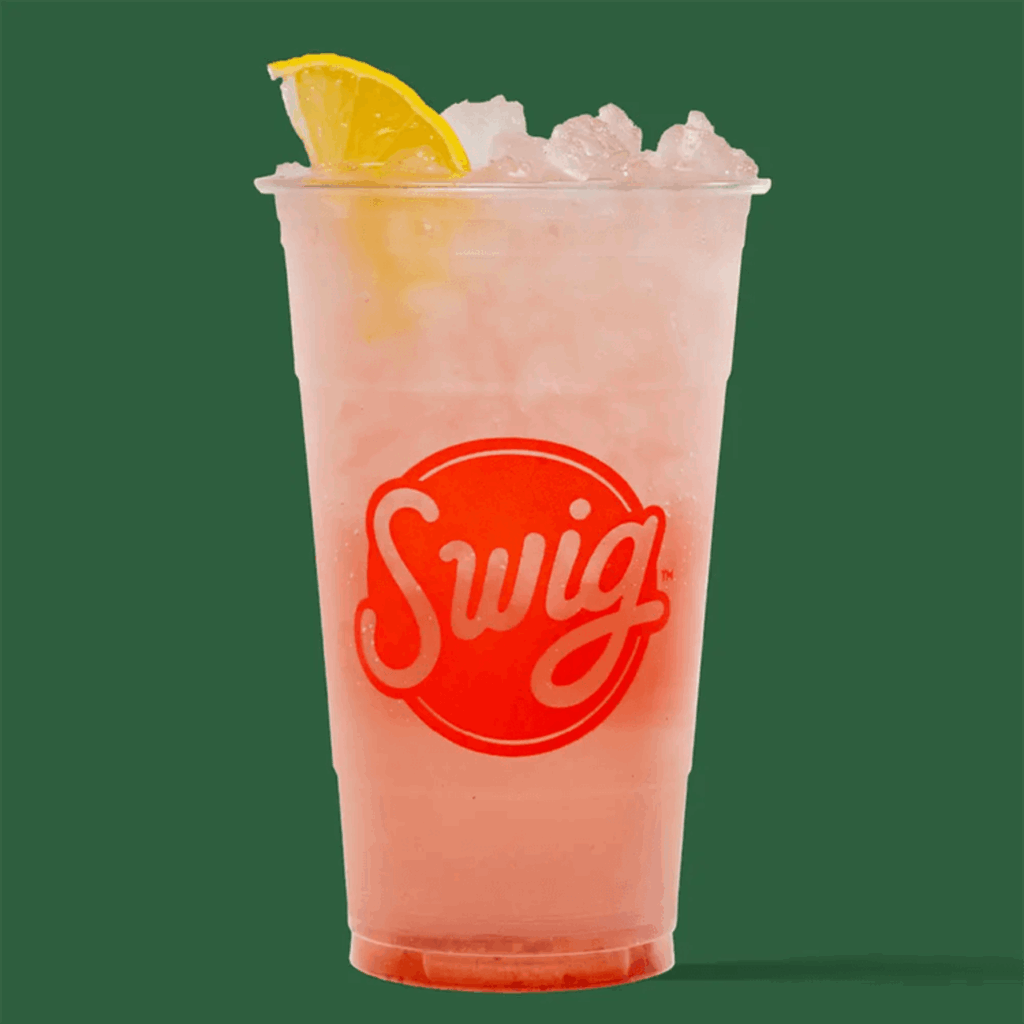
Swig turned soda customization into a social media event, and that novelty fueled long lines. The concept is playful, but many customers say the drinks don’t justify the wait once the excitement wears off. Most orders rely on heavy syrups, flavored creamers, and ice, which can overwhelm the base soda. After the first few visits, flavors begin to blur together. What initially feels creative can quickly feel repetitive and overly sweet. Without complexity or variation in texture, the drinks struggle to sustain interest beyond the trend cycle. For customers expecting a truly elevated beverage, the experience often feels more like a novelty stop than a destination worth waiting for.
4. Blank Street Coffee
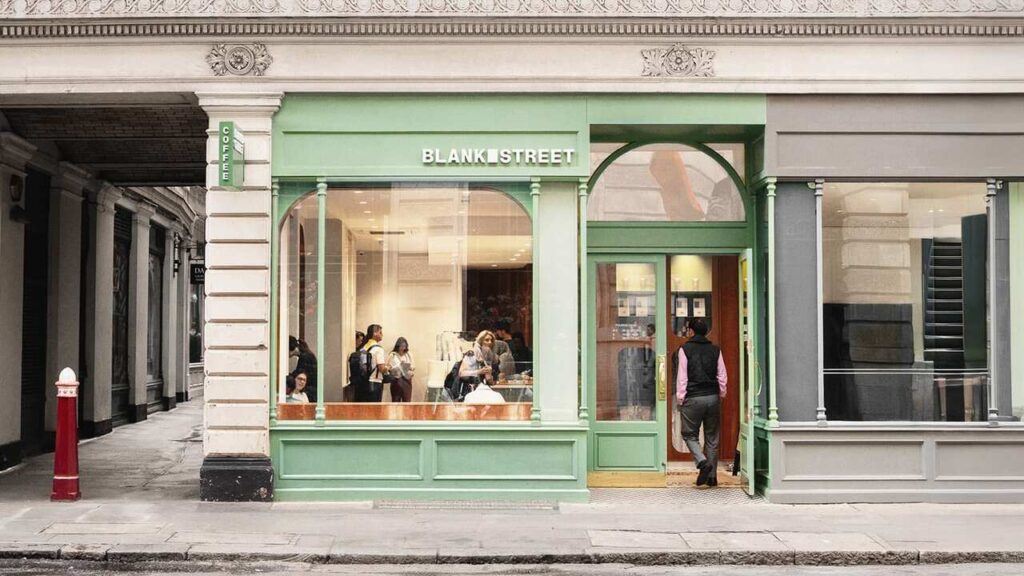
Blank Street Coffee built buzz on minimal design, fast service, and a tech-forward approach. The sleek aesthetic draws crowds, but many customers report disappointment once they taste the drinks. Automated systems and standardized recipes can produce consistency, but they often sacrifice depth. Espresso drinks are frequently described as flat or forgettable, especially for the price. When lines stretch out the door, expectations rise, and subtle shortcomings become obvious. The brand’s strength lies in convenience and branding rather than craftsmanship. For coffee drinkers who value flavor over speed, the experience can feel hollow after the initial excitement fades.
5. Cha Cha Matcha
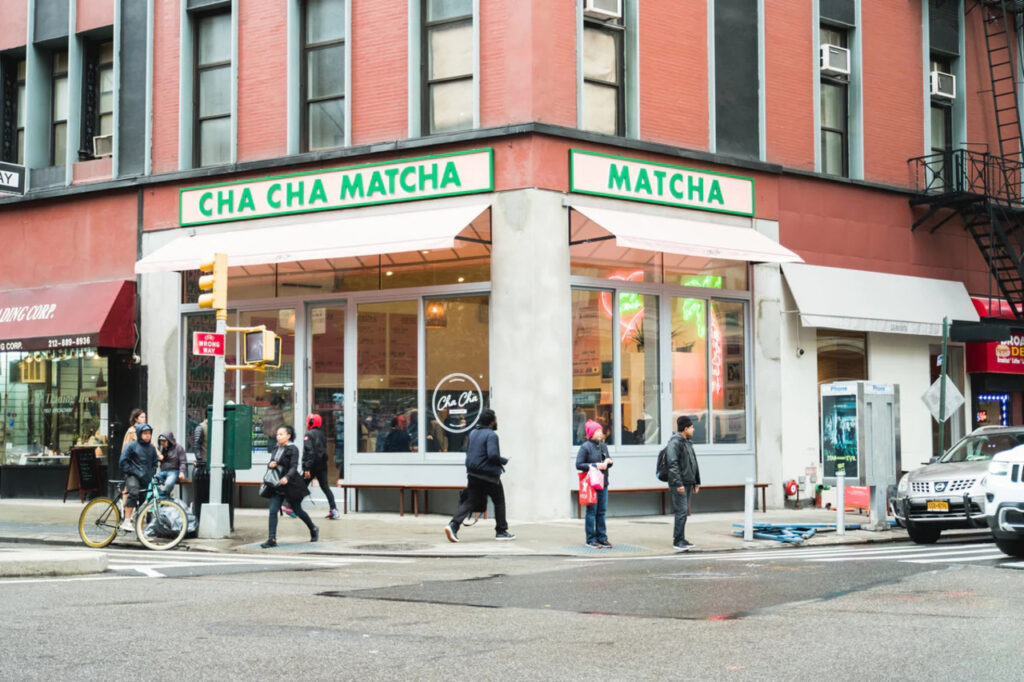
Cha Cha Matcha helped bring matcha into the mainstream, but customers increasingly question whether the product matches the hype. Drinks often skew sweet, masking the grassy, complex notes that define good matcha. Texture can be inconsistent, with powders not fully blended. When lines form for a drink that tastes more like flavored milk than tea, disappointment sets in quickly. Matcha enthusiasts expect balance, freshness, and careful preparation. Instead, many customers walk away feeling they paid for branding and color rather than quality. Over time, the novelty fades, leaving behind a drink that struggles to stand on its own merit.