8 Fast-Food “Value Meals” Cashiers Say Rip You Off
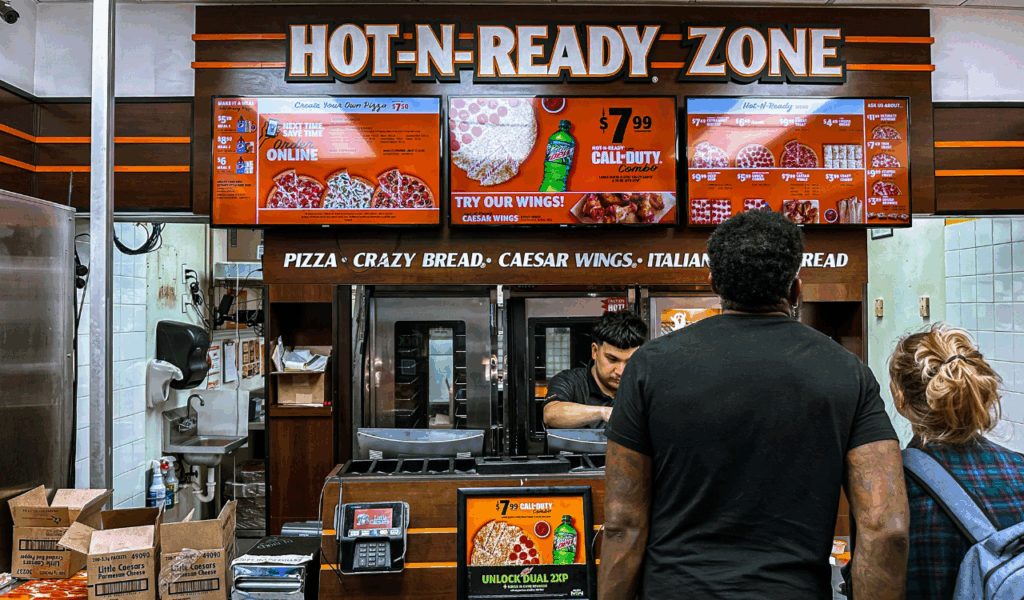
The bright lights of a fast-food menu board typically promise savings by making it easy to order a “Value Meal” that comes with everything you need. But people who work in the sector and experienced cashiers say that these bundles are often made to help the restaurant’s bottom line more than the customer’s wallet.
It’s true that ordering by number is easy, but the real price breakdown typically shows a small discount or even a cost for things you might not have needed. Experts suggest that the first step in getting your lunch money back from shady business practices is to learn about how menu pricing works.
Professional chefs and restaurant consultants say that the perceived value of a combo typically depends on high-margin items like fountain drinks and fried sides that hide the true cost of the main dish. Menu interface designers say that the way the layout is set up is meant to draw your attention to these mid-range bundles.
Organizers say that looking at the pricing of each item can save a regular diner hundreds of dollars a year. This article looks at eight specific food combinations that cashiers typically call bad deals. This will help you make better and cheaper selections the next time you go through the drive-thru.
1. The Standard Burger and Small Soda Bundle
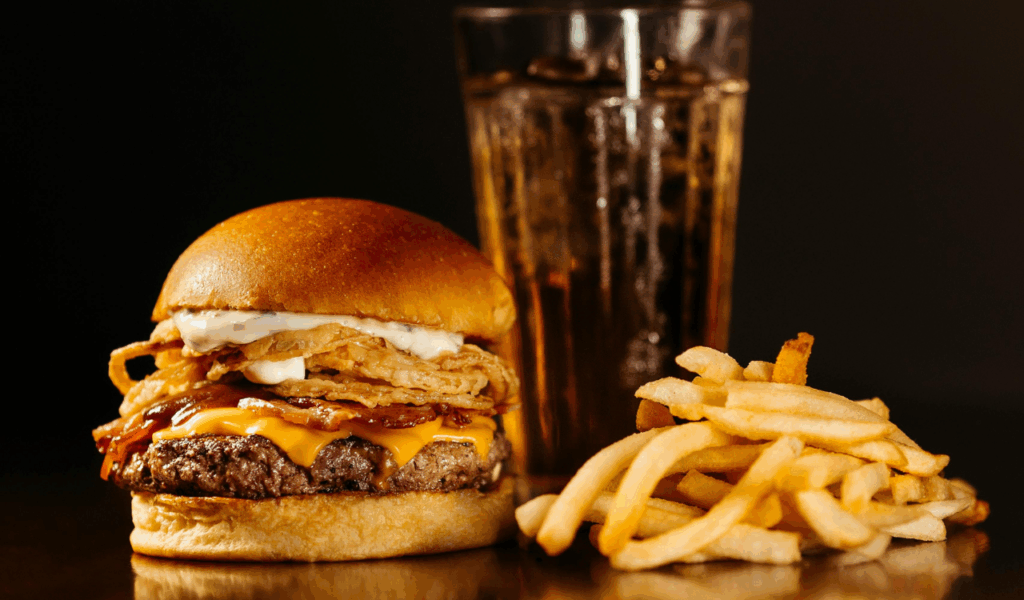
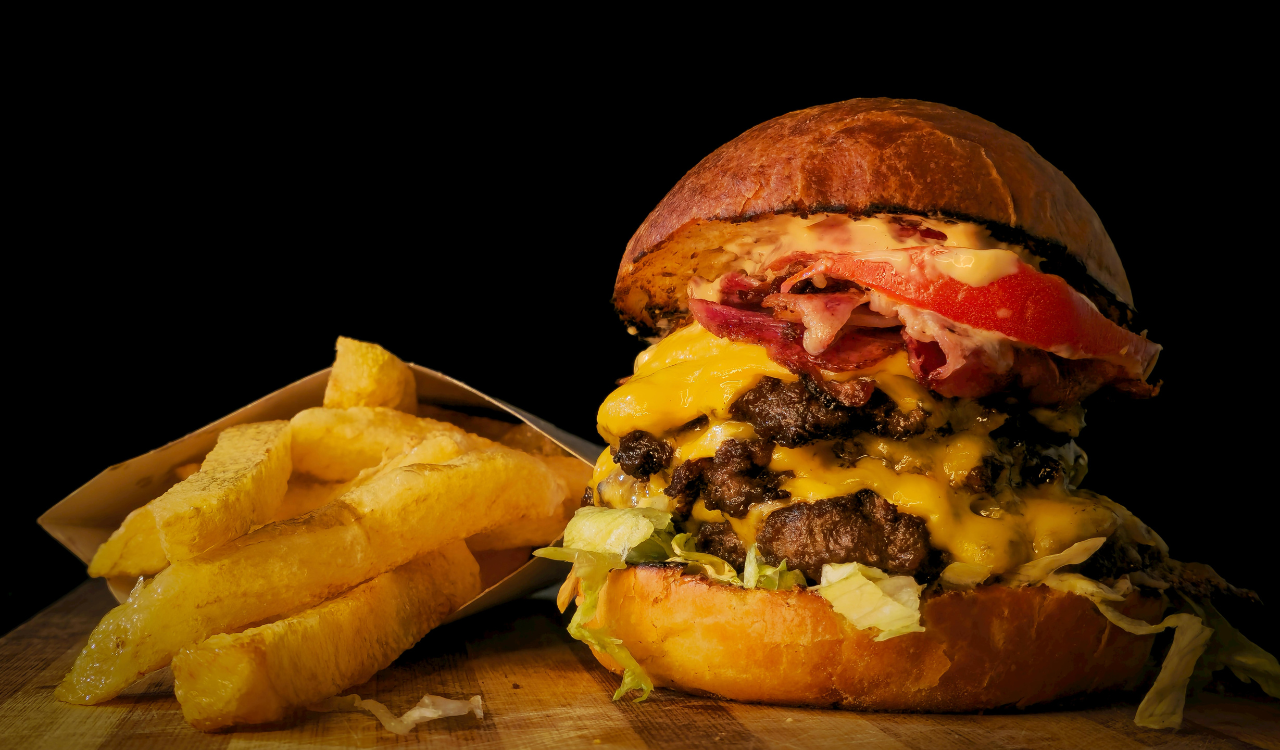
Cashiers say that the most basic burger combo frequently has the least discount, which can often be as little as a few cents off. Restaurant consultants say that the cost of a small fountain drink is practically all profit for the restaurant because the syrup and carbonated water don’t cost much. When you buy this package, you’re really paying full price for the burger and fries and getting a drink with a huge markup. Experts believe that if you’re not really thirsty, it’s nearly always better for your wallet to get the sandwich a la carte.
Professional chefs say that these cheap meals are meant to be the main part of the menu and make bigger, more expensive combos look like better deals. This is called “decoy pricing” by people who come up with price schemes. The tiny meal is there to get you to buy a medium or big meal instead.
Cashiers say that a lot of customers don’t know that a cup of water is often free or much cheaper. This lets you get the same amount of calories without paying the high soda tax. This lunch is a great example of paying for convenience instead of real food value.
2. The Breakfast Sandwich and Hash Brown Duo
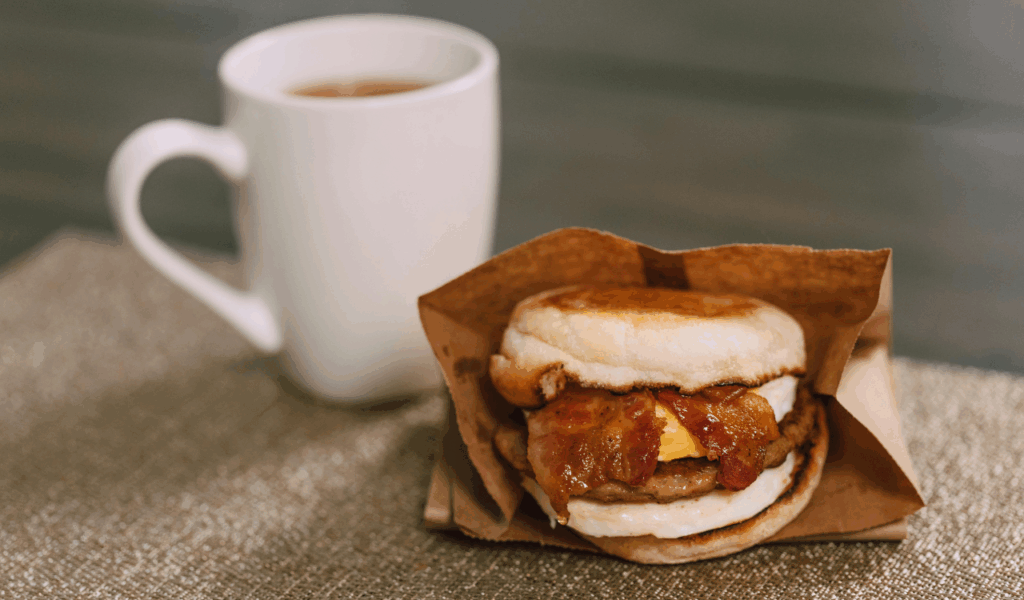
According to workers on the front lines, the breakfast combo is one of the most common ways that fast-food restaurants raise prices during the morning rush. Cashiers say that the price of a single hash brown is frequently surprisingly high relative to how much it costs to make, making it a pricey “filler” for a bargain meal.
Experts note that the seeming package discount is typically an illusion generated by the high independent price of the potato side because morning meals are usually smaller than lunch servings. You often pay more only to make a fast morning purchase easier.
Professional chefs say that breakfast foods like eggs and bread are some of the cheapest things to buy in the food industry. When you add a small coffee and a single hash brown to these, the price goes up a lot. Menu board designers put these pairings at eye level so that busy commuters don’t have to figure out how much each biscuit or wrap costs.
Organizers say that keeping simple breakfast foods at home might save you a lot of money because these specific fast-food bundles have some of the best food-to-cost ratios on the menu.
3. The Junior Sized Family Meal Deal
A lot of fast food places have a “Family Deal” that comes with a bunch of tiny burgers and a big box of fries. But cashiers say that these deals are often not as good as they look. Experts say that the “junior” or “value” patties in these bundles are far smaller than regular burger patties, which means you’re receiving less protein for your money. Cashiers say that clients typically order more than they need because the base family meal doesn’t fill up four people, which makes the final total considerably more than expected.
Professional restaurant franchise flippers say that these bundles are meant to get rid of extra stock of smaller buns and patties that don’t sell as well on their own. Designers of these deals employ “bulk psychology” to make you feel like you’re winning, even though the price per ounce of meat is more than if you ordered two bigger quality burgers.
Experts suggest that a smart eater will weigh the meat in the family pack against the meat in individual products. A lot of the time, it’s better to get a few big sandwiches and share a big side of fries to get more food for less money.
4. The Premium Chicken Sandwich Upcharge Combo
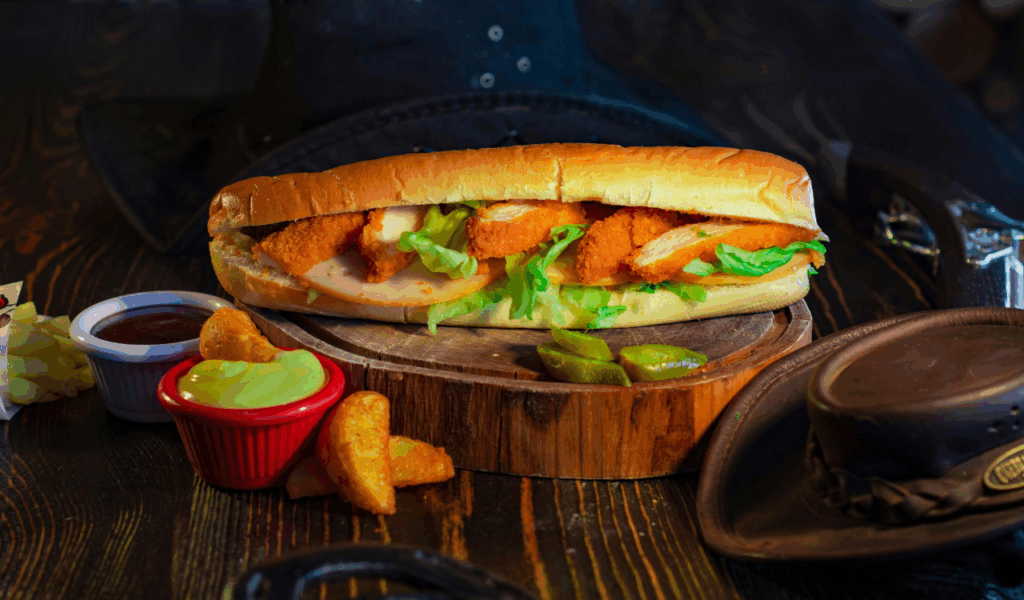
The recent trend of “premium” or “artisan” chicken sandwiches has led to a new level of value meals that cashiers feel are a huge waste of money. Professional chefs say that the term “premium” usually merely means a different bun or an extra topping, such a slice of tomato or a leaf of lettuce. Cashiers say that the price difference between a regular chicken sandwich combo and a premium one is typically several dollars, even if the extra ingredients only cost a few cents. You are really just paying for advertising and a nicer packaging.
Experts say that these sandwiches are the most popular in the business because they cost a lot of money and employ kitchen tools that are already there. People that make marketing campaigns emphasize on the “crispy” or “hand-breaded” labels to explain why the price has gone up.
Cashiers say that you can often make a cheaper sandwich with the same toppings for a lot less money. If you don’t buy the branded premium package, you won’t have to pay the “luxury tax” that fast-food chains add to their most popular goods. When it comes to your daily food budget, it’s a classic case of style above substance.
5. The “Limited Time” Seasonal Special Bundle
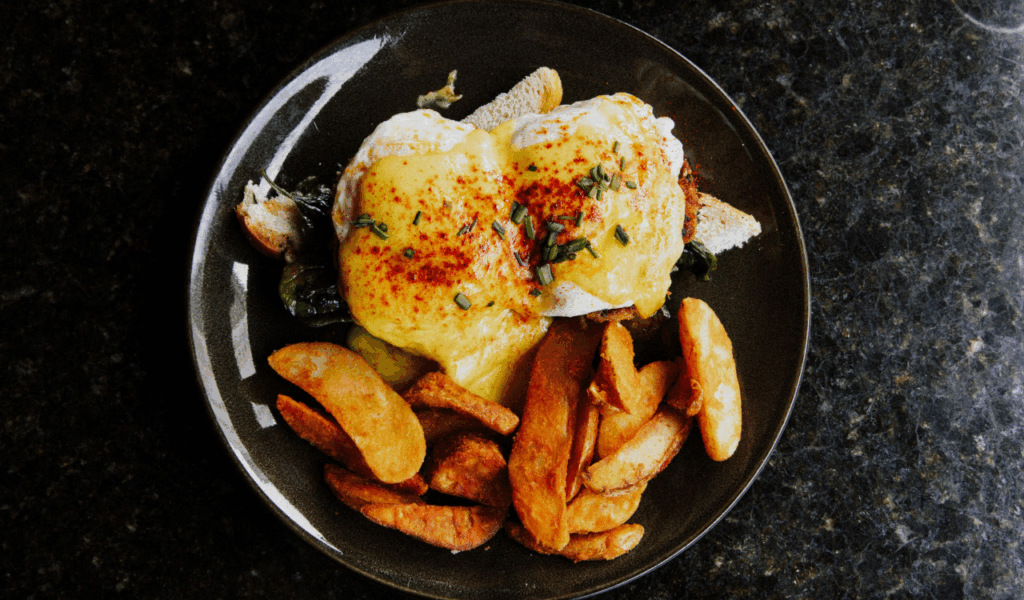
Seasonal specials are meant to make you feel like you need to buy them right away, but cashiers say that the “Value Meals” that go with them are rarely a good deal. Experts argue that restaurants charge more for these foods since they are only on the menu for a short time and they want to take advantage of the novelty.
Cashiers say that these packages are often more expensive than the items on the permanent menu, even though the contents are mostly the same. You are paying for the “experience” of a brief flavor instead of getting a discount for buying a whole meal.
Professional chefs say that these foods often use pre-packaged sauces or spice blends that don’t make the meal taste much better. Point-of-sale system designers say that these promotions are often hard-coded into the register as bundles that can’t be changed, which makes it hard to get better deals by switching sides or drinks.
If you really want to taste the seasonal burger, the organizers say to order it by itself and get a side from the value menu to go with it. This way, you can enjoy the new flavor without having to pay the extra “limited time” fee that chains love to add on.
6. The Healthy Salad and Bottled Water Combo
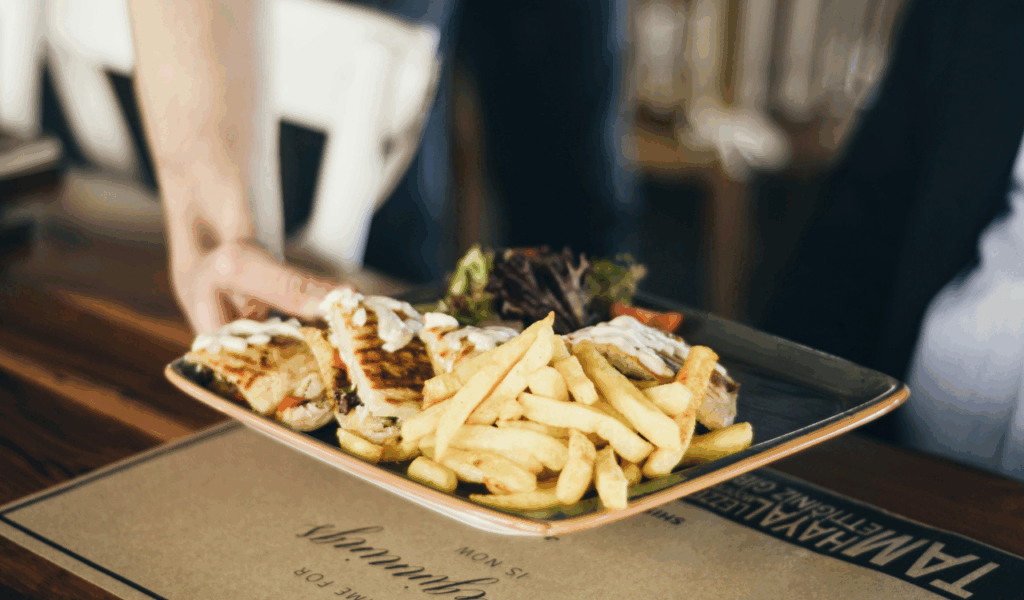
When you try to eat healthy at a fast food place, it usually costs a lot of money, which cashiers think is silly. Experts claim that salads have some of the highest prices on the menu because people think they are a “premium” choice for a healthy living. Cashiers say that the bottled water that comes with these combos often costs more than a large drink, even though it costs the restaurant a lot less to stock. When you order a salad with water, you usually pay the most for the least amount of calories on the menu.
According to professional chefs, the “fresh” ingredients in fast-food salads are typically the same ones that are used as toppings on burgers, but they are presented in a bigger bowl. Designers of health-conscious menu sections utilize simple layouts to explain why the prices are higher.
Organizers say that if you really want to eat healthy fast food, carrying your own reusable water bottle might cut down on the total cost right away. These bundles take advantage of the customer’s desire to do the “right thing” for their body by charging more than the cost of the raw vegetables.
7. The Seafood Basket or Fish Sandwich Combo
Seafood is usually the most expensive protein on a fast-food menu, and cashiers say that the combos are rarely worth the money. Experts say that the “fish” utilized is usually a cheap whitefish that has a lot of breading on it to make it look bigger.
Cashiers say that the servings in a seafood basket are generally fewer than those in a chicken or beef dish, even though the seafood meal costs more. You often pay a “specialty” price for a frozen, mass-produced food that doesn’t have the same nutritional content as other menu items.
Professional chefs say that fish doesn’t last as long, so restaurants charge more for it to make up for any waste. Designers of menu graphics utilize pictures of lemon wedges and tartar sauce to make these meals look more fancy. Experts argue that the fish sandwich combo is usually an afterthought that doesn’t give good value unless you go to a restaurant that specializes in seafood. Cashiers say that the fries and drink are there to fill up the basket and keep you from seeing that you’re getting a little, highly processed piece of protein for a high price.
8. The “Upsized” Large Value Meal Upgrade
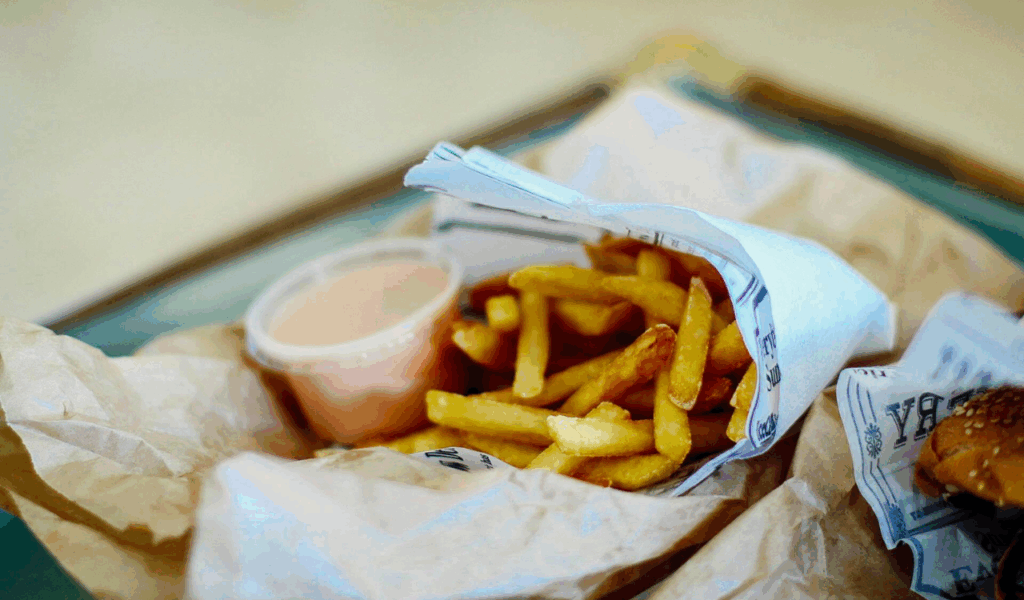
The “upsize” or “super-size” choice is the easiest way for fast-food restaurants to cheat customers, according to cashiers. Experts say that the real difference in content between a medium and a large fry is sometimes considerably smaller than the sizes of the containers make it look.
Cashiers say that the big fry boxes are often not full to the bottom, which means you are paying more for air and a slightly bigger piece of cardboard. The same is true for big sodas, which are primarily made out of cheap ice and carbonated water.
Professional chefs say that the extra sugar and sodium in a larger meal don’t help your health and can even make you sleepy, which makes you less productive. Designers of drink cups use tall, thin forms to make the cups look like they hold more than they do. Organizers say that sticking to the medium or even the small size is generally enough to fill you up without spending too much money or gaining too many calories. Cashiers say they are routinely taught to push the upsize since it is pure profit for the company, making it the ultimate rip-off disguised as a “deal.”