5 Restaurant Apps Customers Say Made Ordering Worse
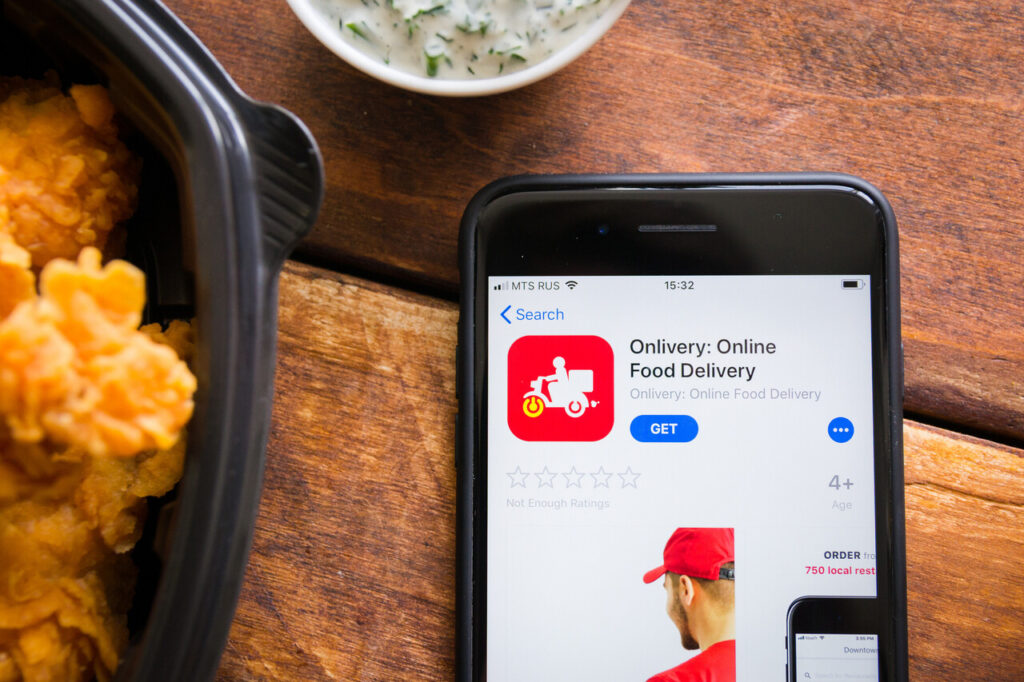
Here’s the thing about restaurant apps in the US. They were supposed to streamline ordering, cut down wait times, and make dining easier. Instead, many customers say these platforms added friction where there used to be simplicity. From bloated fees to clunky interfaces and limited human support, the apps themselves often become the biggest obstacle between diners and their food. What follows are US-based restaurant and delivery apps that customers repeatedly say made ordering worse, not better.
1. Uber Eats
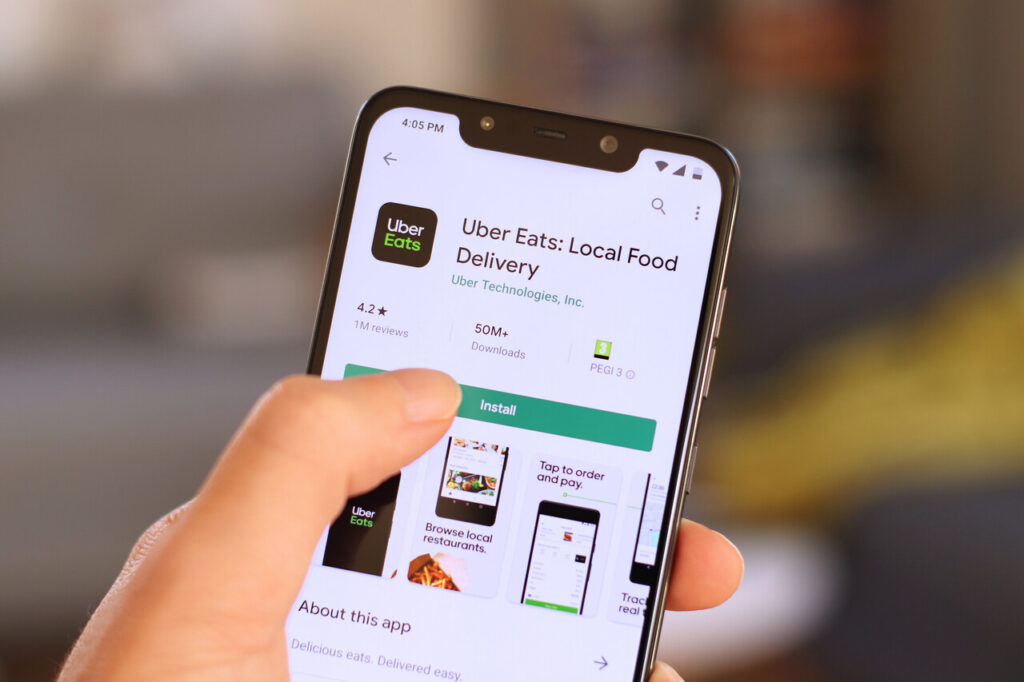
Uber Eats frustrates customers most when something goes wrong, which happens more often than many expect. Missing items, cold food, and delayed deliveries are common complaints, but the real issue is resolution. The app leans heavily on automated help flows that loop users through generic steps without addressing the actual problem. Refunds are frequently partial or issued as credits instead of real compensation, leaving diners feeling shortchanged. Add in surge pricing, fluctuating delivery fees, and unclear breakdowns at checkout, and ordering starts to feel risky. For an app built on convenience, Uber Eats often demands more time fixing mistakes than placing the order itself.
2. DoorDash
DoorDash’s biggest criticism centers on reliability during peak hours. Customers report app crashes, frozen tracking maps, and stalled orders right when demand is highest. The interface aggressively pushes add-ons, subscriptions, and tips, making it easy to overspend without realizing it. Many users also complain that delivery estimates shift repeatedly after checkout, creating uncertainty around meal timing. Customer support responses can feel scripted and slow, especially when drivers are reassigned mid-order. Instead of feeling supported, diners often feel left guessing. What should be a straightforward dinner solution frequently becomes a stressful waiting game.
3. Grubhub
Grubhub struggles with accuracy, which undercuts trust. Customers regularly encounter outdated menus, unavailable items, or incorrect pricing compared to in-store offerings. These discrepancies often lead to last-minute substitutions or cancellations, frustrating diners who thought they ordered something specific. The app’s interface feels cluttered, making customization harder than it needs to be. Delivery timing can also be inconsistent, particularly with independent restaurants. Rather than acting as a helpful bridge between diners and eateries, Grubhub often feels like an extra layer of confusion that complicates simple orders.
4. Panera Bread App
Panera’s app draws criticism for prioritizing upselling over usability. Customers say the ordering flow is cluttered, with constant prompts for add-ons, rewards, and substitutions that slow everything down. Custom orders can become confusing, leading to mistakes that are hard to correct once submitted. Pickup times are frequently optimistic, resulting in long waits at the counter. When orders are wrong, resolving issues through the app can feel unnecessarily complex. Many customers say it’s faster to order in person than navigate an app that was meant to save time.
5. Starbucks App
The Starbucks app is popular, but it also frustrates loyal customers. Mobile orders can pile up during rushes, causing long waits that defeat the purpose of ordering ahead. Customization options are extensive, but that complexity increases the chance of errors behind the counter. Rewards and promotions often change, leaving users confused about points and redemption rules. When stores run out of items, the app doesn’t always reflect real-time availability. For many customers, the app adds pressure rather than convenience to what used to be a quick coffee stop.