7 Kids’ Room Décor Trends Parents Say Were a Mistake
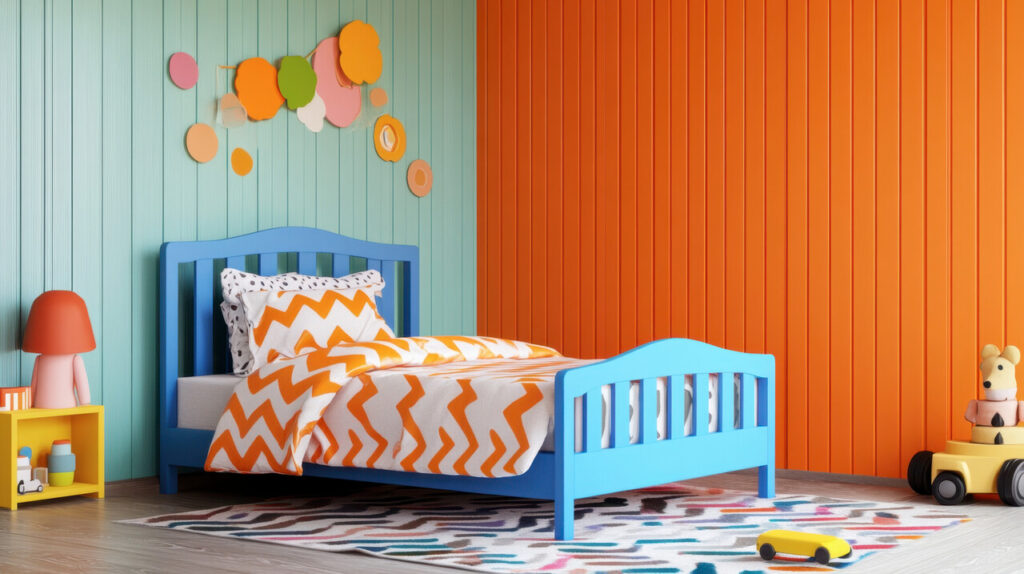
Designing a kids’ room sounds simple until real life moves in. What starts as a well-intentioned attempt to create a fun, stylish space often turns into a series of regrets once children actually live there. Parents say many popular décor trends look great online but fall apart under daily use. Kids grow fast, tastes change suddenly, and rooms that are too themed, too delicate, or too adult quickly become impractical. Storage fails, safety issues appear, and spaces meant for creativity start to feel restrictive. As families reflect on what worked and what didn’t, a clear pattern emerges. The biggest mistakes usually come from prioritizing aesthetics over flexibility. These décor trends reveal why designing for real childhood, not perfection, makes all the difference.
1. Overly Themed Rooms That Kids Outgrow Overnight
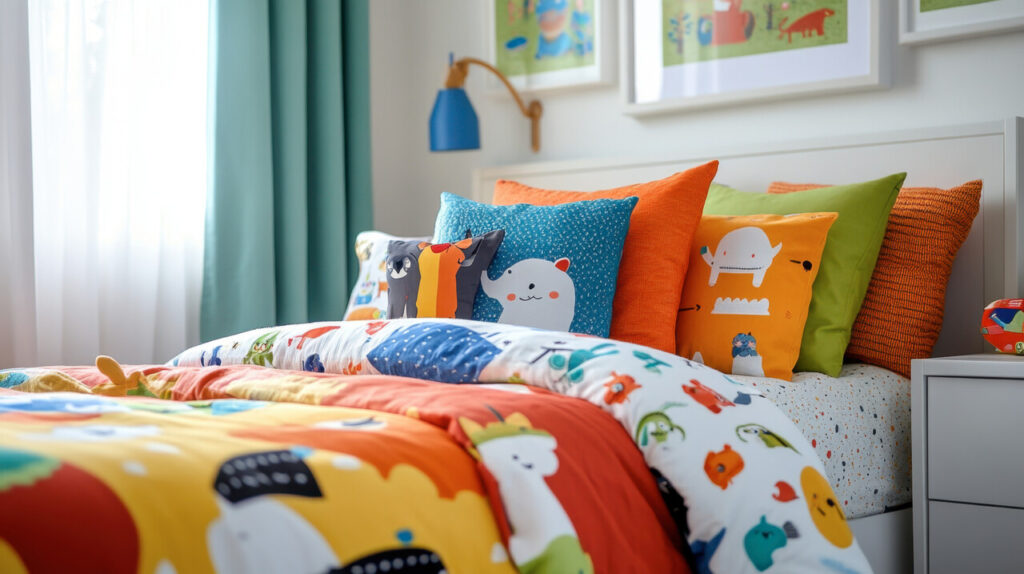
What feels magical at age four often feels embarrassing by age seven. Parents repeatedly say that heavily themed rooms built around a single character, movie, or fantasy lock them into a short lifespan. Once tastes shift, the room suddenly needs a full overhaul, not a simple refresh. Murals, custom furniture, and matching bedding are expensive to undo. Beyond cost, these rooms also limit imagination by prescribing how the space should feel. Designers note that kids engage more creatively in rooms that leave room for interpretation. Flexible color palettes and removable accents age far better and allow children to grow into the space instead of outgrowing it.
2. Picture-Perfect Designs That Ignore Daily Reality
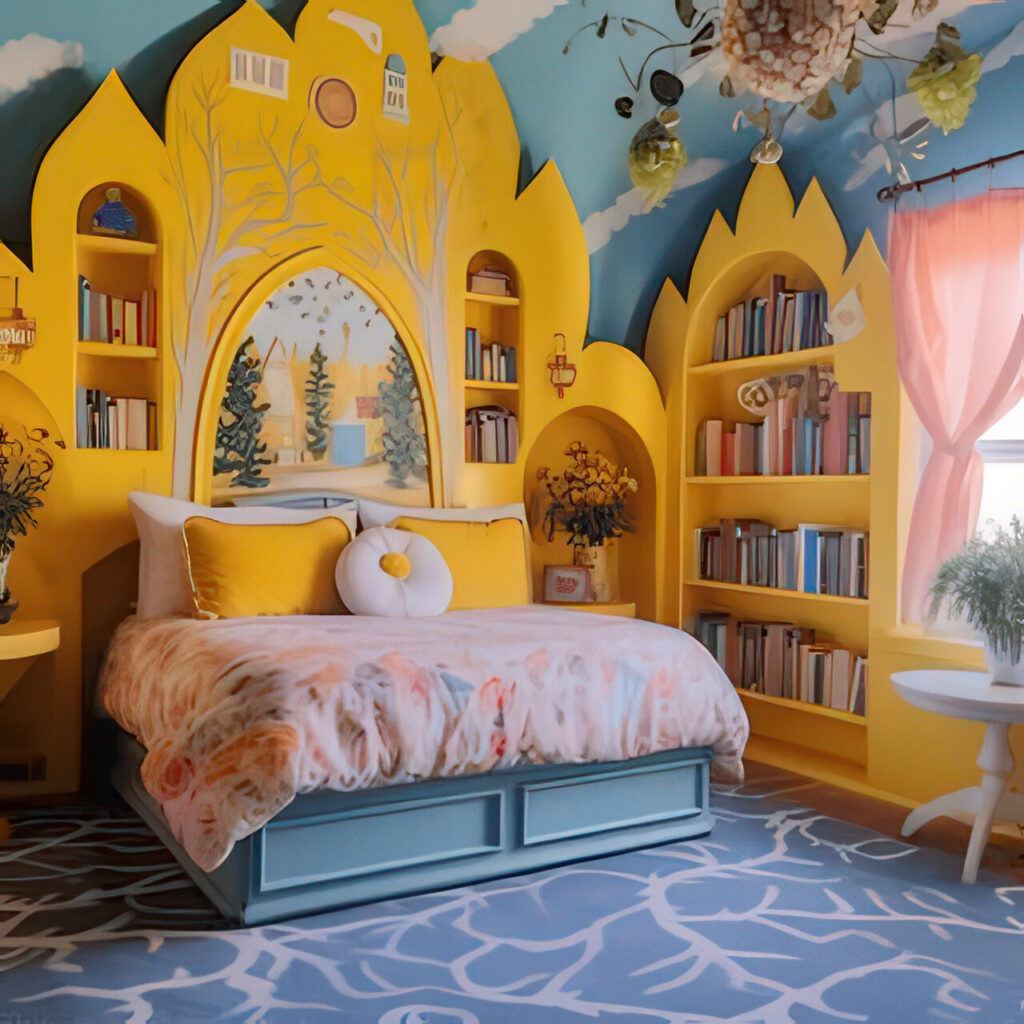
Rooms designed for Instagram often fall apart in real life. Parents admit they prioritized aesthetics over how the room actually functions day to day. Delicate decor, impractical furniture, and styled shelves look polished but fail under real use. Kids play, climb, spill, and move constantly. When a room cannot handle that reality, it becomes stressful instead of supportive. Over time, parents find themselves constantly correcting behavior to protect the space. A kids’ room should absorb chaos, not amplify it. The most successful designs accept mess as part of childhood and build durability and flexibility into every choice.
3. Storage Solutions That Look Cute but Solve Nothing
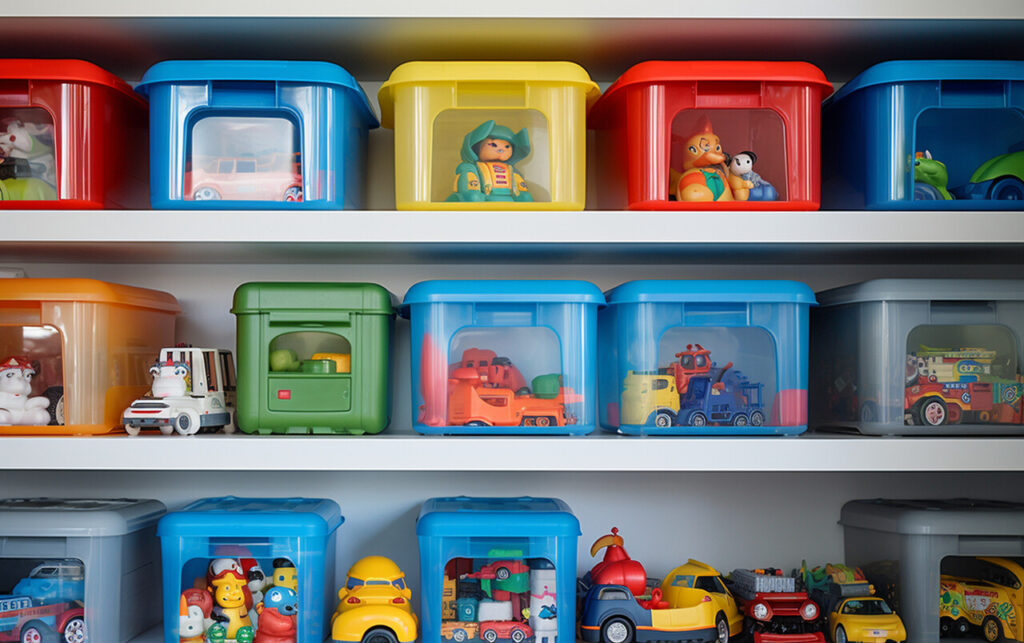
Lack of proper storage is one of the most common regrets parents share. Shallow shelves, open cubbies, and decorative baskets often look charming but fail to hold the volume of toys, books, and clothes kids accumulate. When storage is too small or too exposed, clutter spreads quickly. Parents end up spending more time managing mess than reducing it. Functional storage needs depth, doors, and adaptability as kids’ belongings change. Rooms that rely on visual storage alone tend to feel chaotic even when technically organized. Hidden, flexible storage consistently outperforms decorative solutions.
4. Muted Color Palettes That Feel More Adult Than Child
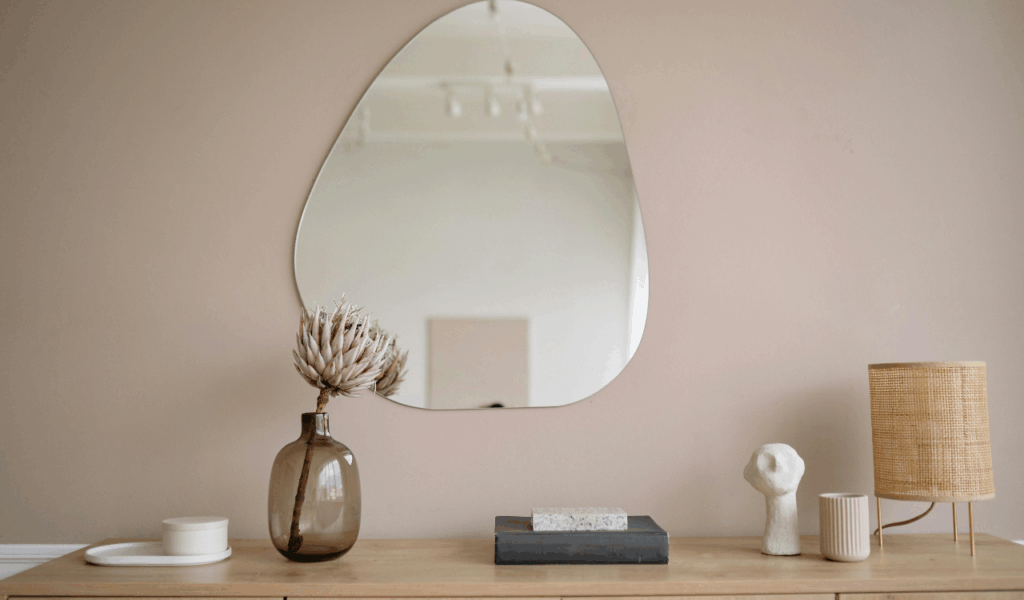
Soft beiges, grays, and whites may feel calming to adults, but many parents say these palettes drained energy from their kids’ rooms. Children respond strongly to color, and overly neutral spaces can feel uninspiring or cold. These rooms often resemble guest bedrooms rather than places meant for play, learning, and rest. Parents also report higher maintenance stress since light colors show wear easily. Designers now recommend balanced palettes that include warmth and contrast without overwhelming the space. Color does not have to be loud to be engaging, but it does need to feel intentional and alive.
5. Style-First Choices That Overlook Safety
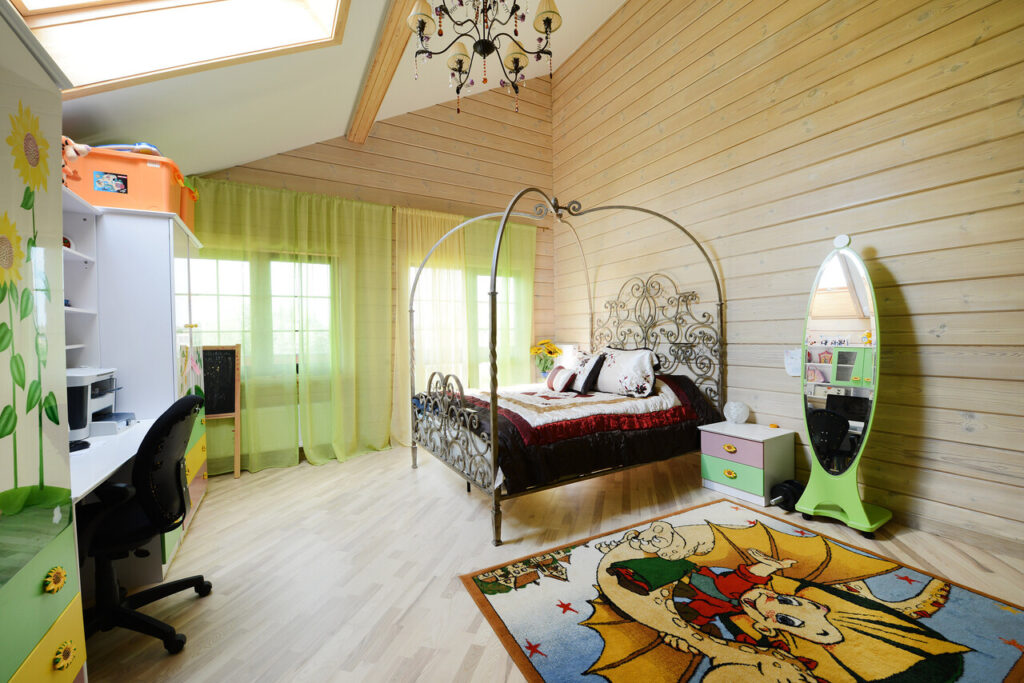
Safety regrets surface quickly once a child becomes mobile. Parents mention unsecured furniture, sharp corners, and decorative items placed within reach as mistakes they wish they had avoided. Trendy wall hooks, floating shelves, and tall dressers can become hazards when installed without anchoring. In trying to make the room look grown-up, some parents forget how kids actually move through space. Design that works for adults does not automatically work for children. A safe room allows freedom of movement without constant supervision, which ultimately creates a more relaxed environment for everyone.
6. Overcrowded Layouts That Kill Play Space

Trying to fit too much furniture into a small room is another common regret. Parents often add extra seating, large beds, or bulky storage units without considering how much floor space kids need. Play happens on the floor, not just at desks or beds. When layouts become tight, kids migrate their activities elsewhere, defeating the purpose of the room. Designers stress the importance of negative space, especially for younger children. A room that feels open encourages movement, creativity, and independence. Less furniture often results in more usable space.
7. Open Shelving That Turns Mess Into Decor
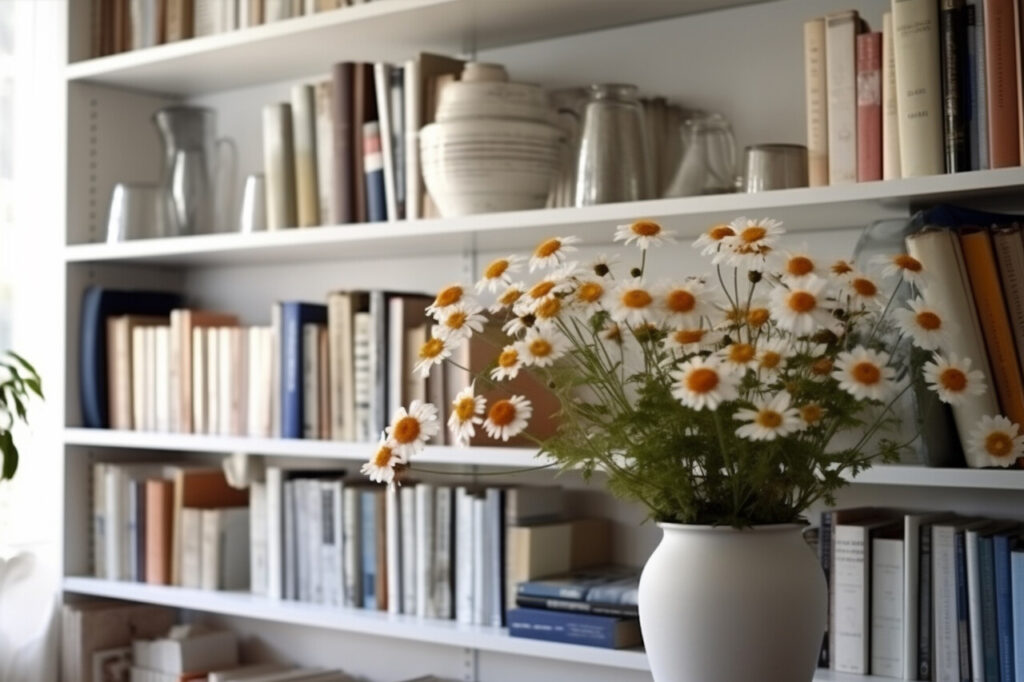
Open shelves promise accessibility, but many parents find they simply put clutter on display. Toys, books, and art supplies rarely stay neatly arranged, and visual mess builds quickly. Instead of helping kids learn organization, open shelving often overwhelms them. Parents then feel pressure to constantly tidy or style the shelves to keep the room looking acceptable. Closed storage teaches kids how to sort and put things away without turning their belongings into visual noise. Open shelving works best in small doses, not as the backbone of storage.
8. Window Treatments That Sabotage Sleep
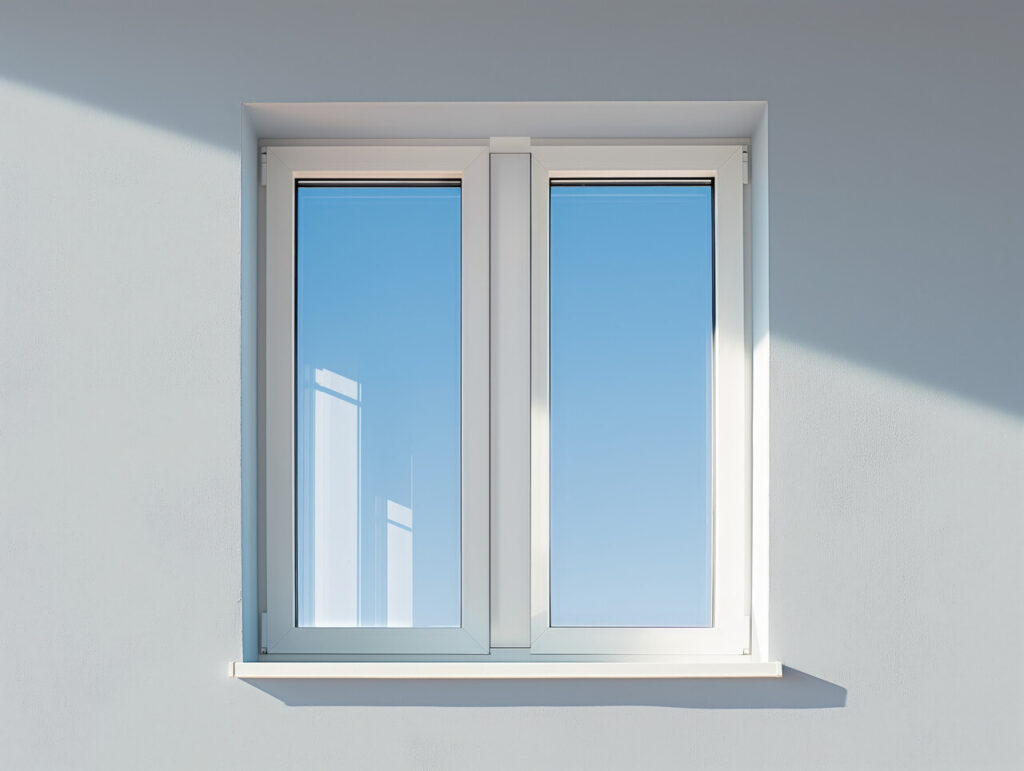
Curtains and blinds are often an afterthought, but parents frequently regret getting them wrong. Light filtering panels may look soft and stylish, but they fail to block early morning light or street glare. Poor sleep quickly affects mood, behavior, and routines. Kids’ rooms need window treatments that support rest first, style second. Blackout options paired with softer outer layers offer both function and warmth. When sleep improves, parents consistently say the entire room feels more successful, regardless of decor trends.
9. Rooms That Reflect Parents’ Taste Instead of Kids’ Personalities
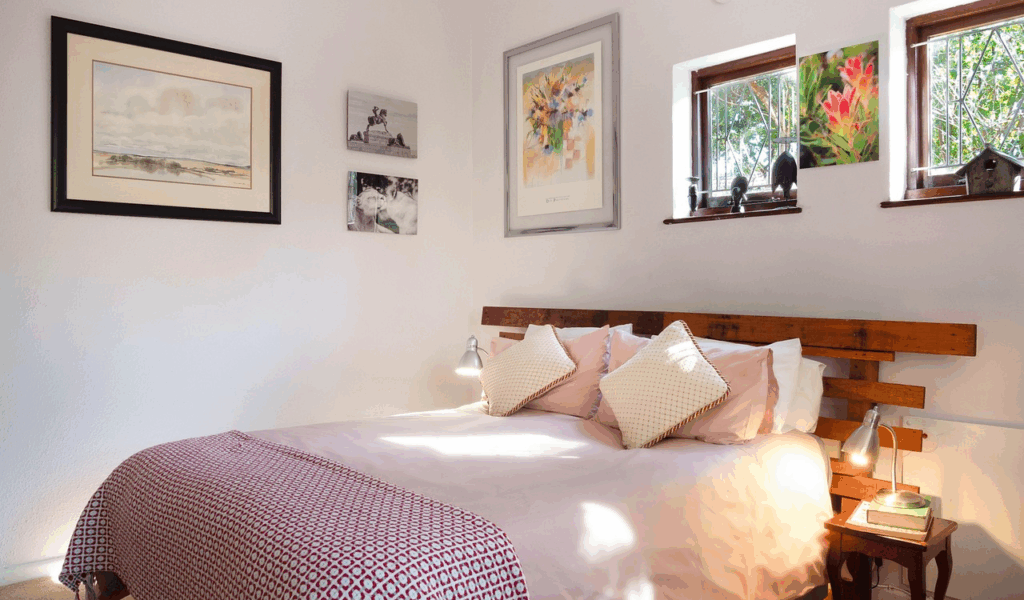
Perhaps the most honest regret parents share is designing a room they loved rather than one their child felt connected to. When kids have no input, rooms can feel foreign or restrictive. Children are more likely to respect and enjoy spaces they helped shape. This does not mean letting kids control every decision, but it does mean allowing personal touches. Artwork, favorite colors, and evolving interests make rooms feel lived in and welcoming. The best kids’ rooms grow alongside the child rather than trying to freeze them at one stage.