8 Farm-Fresh Milk Labels That Aren’t as Fresh as They Sound.
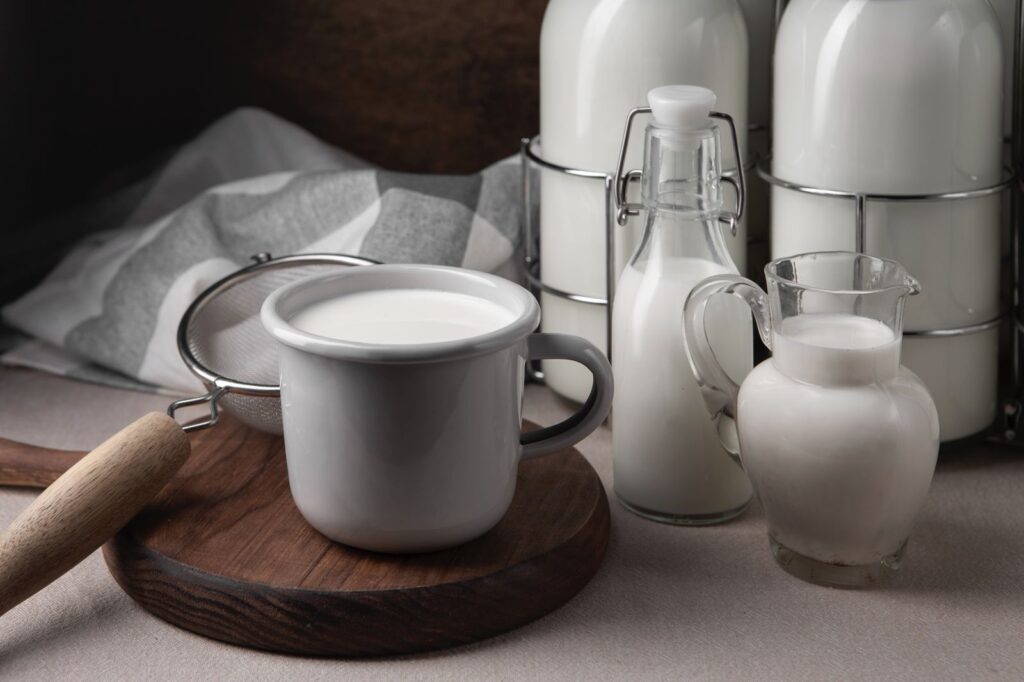
Farm-fresh milk has a reputation for being wholesome, local, and straight from the cow, but store shelves can tell a different story. Even milk labeled “fresh” is often pasteurized, packaged, and stored for weeks before it reaches your fridge.
You might assume short supply chains guarantee real-time freshness, but processing and distribution timelines can age milk before you pour it into cereal. By the time it arrives at your local supermarket, it may have already spent days in transit or storage. Understanding which types of milk lose freshness fastest helps you make better choices for taste, safety, and nutrition.
1. Whole Milk From Local Farms Pasteurized Weeks Earlier
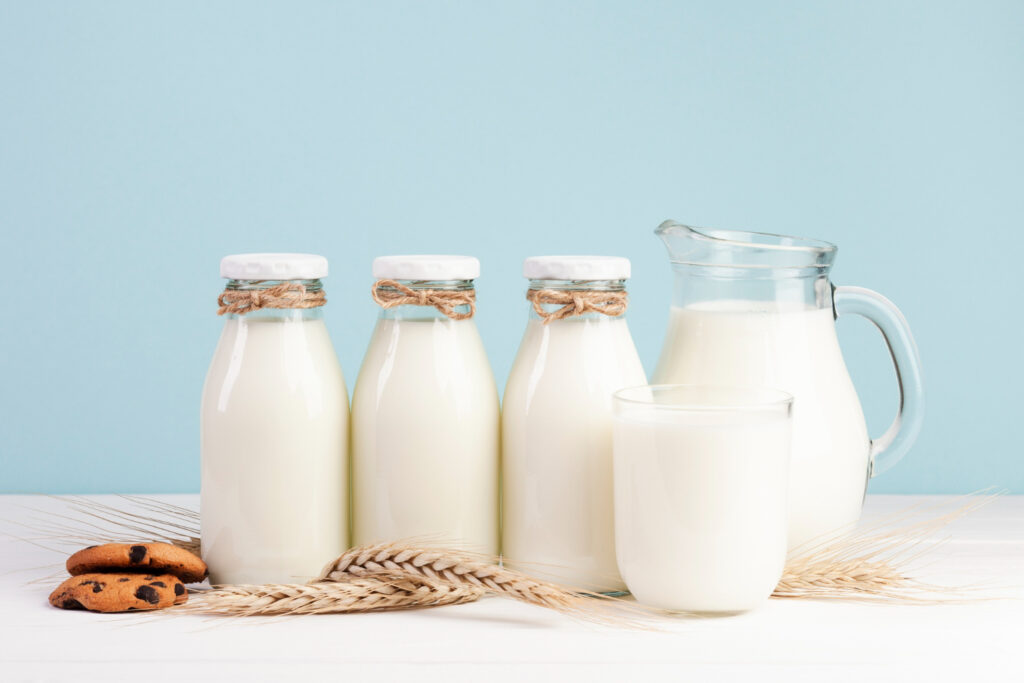
Whole milk marketed as local or small-farm often carries the expectation of ultimate freshness. You might imagine it comes straight from the farm to your refrigerator, but most of this milk is pasteurized and refrigerated for days or even weeks before it reaches you.
Even with rapid-cooling systems, exposure to light and temperature fluctuations can affect taste and aroma. You may notice a subtle off-flavor if milk has been stored too long, even when it is still technically safe to drink. Dairy experts say consumers often underestimate how long “fresh” milk has actually been spent in processing, packaging, and distribution.
2. Skim Milk Sitting Longer Than You Realize
Skim milk might seem less perishable than whole milk, but it can spend just as long in processing. Because fat is removed, skim milk may appear more stable, yet pasteurization and storage still affect freshness. You may notice it loses its sweet, creamy taste after several weeks in refrigeration.
Consumers often assume skim milk lasts indefinitely if kept cold, but subtle flavor changes can happen before the printed expiration date. Dairy specialists advise checking bottling dates and selecting recently packaged milk. Doing so helps you enjoy milk that tastes lighter, fresher, and closer to when it was first processed at the farm.
3. Flavored Milks That Lose Freshness Quickly
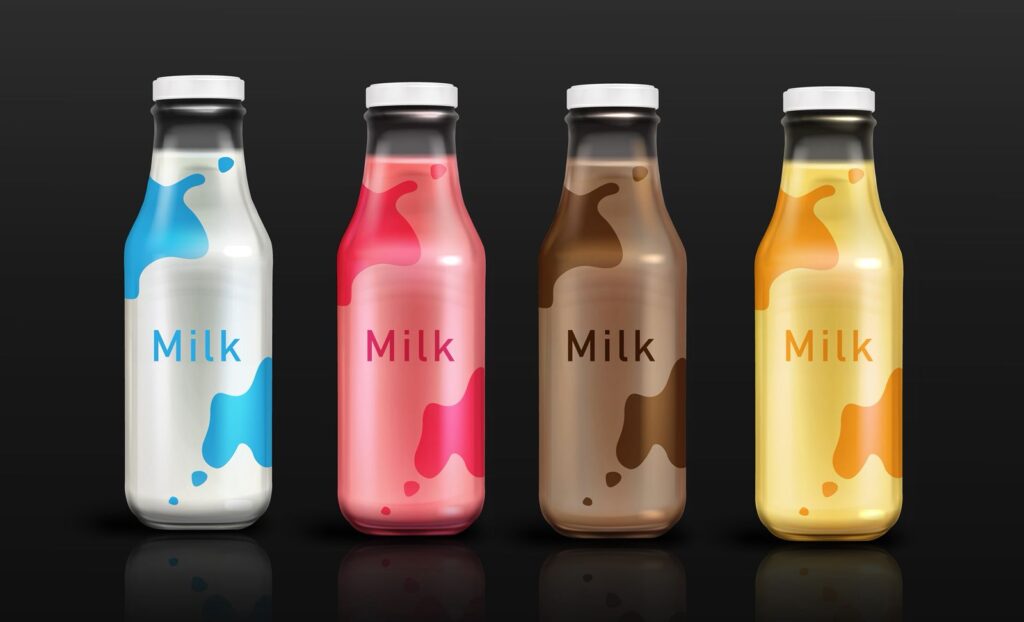
Flavored milks, including chocolate and strawberry varieties, are vulnerable to freshness loss because additives like cocoa or fruit syrup interact with the dairy over time. You might notice flavors becoming muted, dull, or slightly metallic after several weeks of storage.
Even when pasteurized and properly refrigerated, the milk gradually absorbs sugars and flavorings differently than when first bottled. Parents often assume these products are as fresh as plain milk, but longer shelf life can mask subtle taste and aroma changes. Experts recommend consuming flavored milk soon after purchase for the best flavor and overall experience.
4. Organic Milk Bottled and Stored for Days
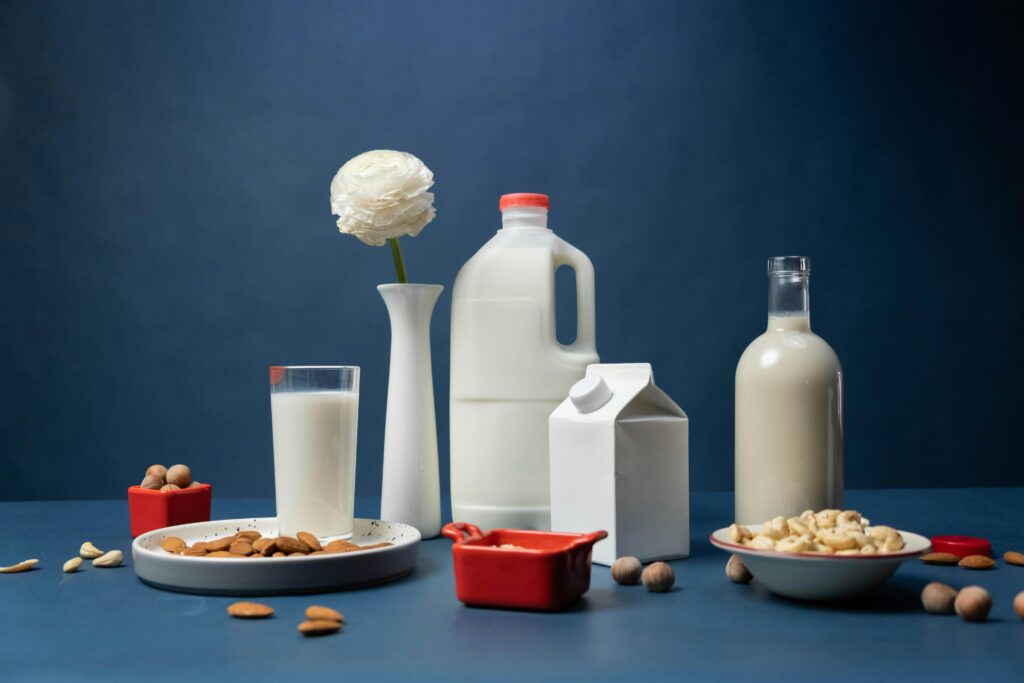
Organic milk offers reassurance about farming practices and ingredient purity, but freshness is still subject to the same pasteurization and distribution timelines as conventional milk. You may assume organic equals immediate delivery, but most bottles have already spent days in processing facilities, trucks, and store shelves.
Prolonged storage can slightly alter texture and natural sweetness. Organic dairy experts emphasize checking bottling dates and refrigeration to enjoy the flavor and nutritional benefits intended by farmers. Paying attention to storage and rotation ensures your organic milk tastes closer to its original farm-fresh quality.
5. Lactose-Free Milks With Extended Shelf Time
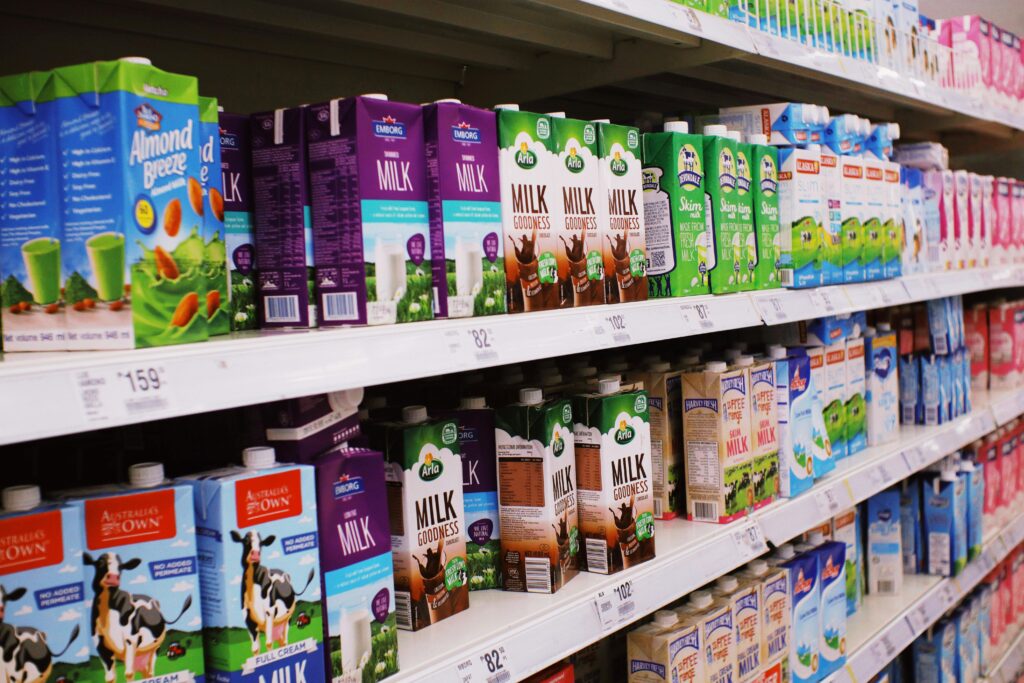
Organic milk offers reassurance about farming practices and ingredient purity, but freshness is still subject to the same pasteurization and distribution timelines as conventional milk. You may assume organic equals immediate delivery, but most bottles have already spent days in processing facilities, trucks, and store shelves.
Prolonged storage can slightly alter texture and natural sweetness. Organic dairy experts emphasize checking bottling dates and refrigeration to enjoy the flavor and nutritional benefits intended by farmers. Paying attention to storage and rotation ensures your organic milk tastes closer to its original farm-fresh quality.
6. Creamline Milk That Feels Fresh but Isn’t
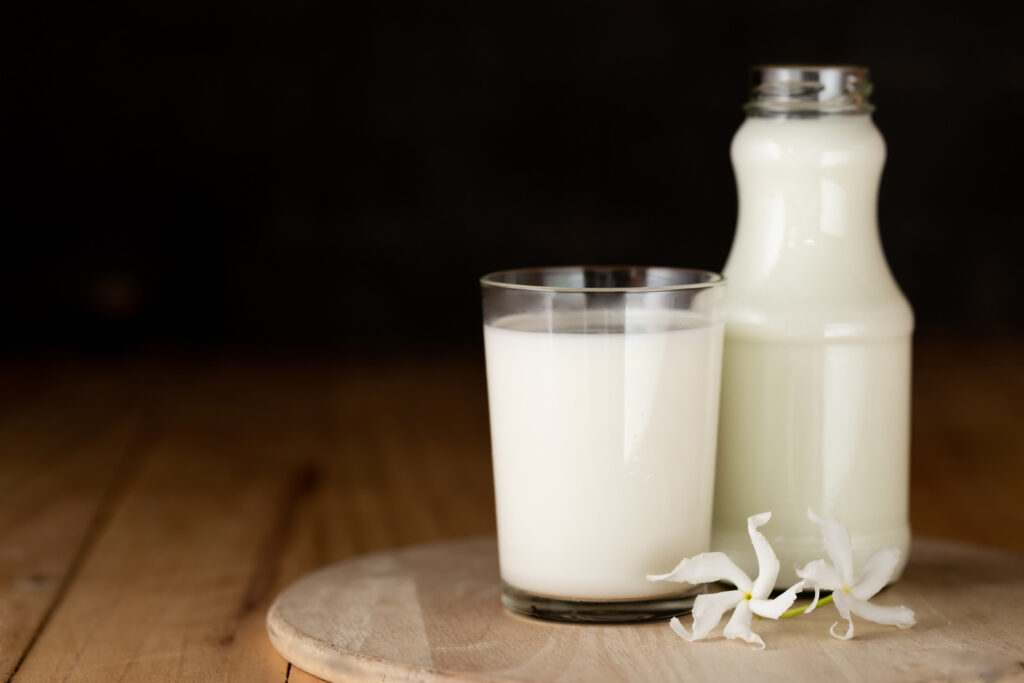
Creamline milk looks farm-fresh because the cream rises naturally, creating a layered appearance. You might assume this milk was just bottled, but it can sit in storage for weeks before reaching your fridge. The separation of cream does not prevent subtle flavor changes over time, and the texture can become thicker or slightly sour even while remaining safe.
You may notice the difference in taste compared to milk freshly drawn from a farm. Creamline dairy producers advise consumers to check bottling dates carefully and consume the milk quickly for optimal flavor. This attention ensures you experience the creaminess and natural taste you expect.
7. A2 Milk Farms Pasteurized in Advance
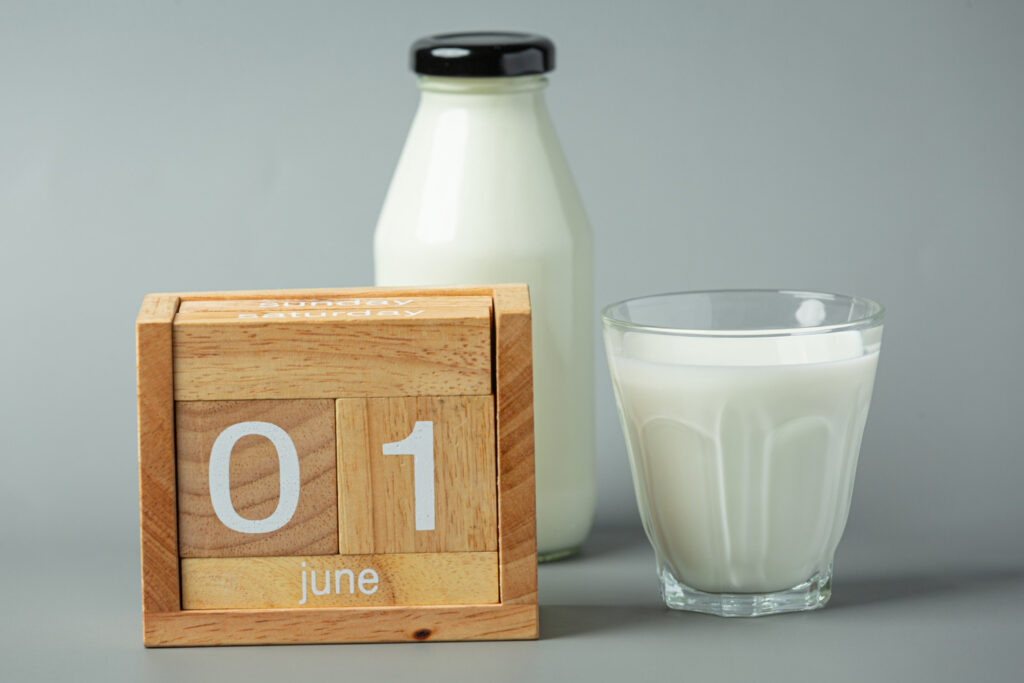
A2 milk is marketed as easier to digest due to its specific protein profile, but freshness is still dictated by pasteurization and shipping timelines. You may be surprised to learn that A2 milk can be bottled and stored for weeks before purchase. Over time, even properly chilled milk can develop minor flavor shifts that are noticeable in taste tests.
Consumers often assume that specialty milk stays fresher longer, but flavor and aroma degrade just like in conventional milk. Dairy experts suggest checking sell-by dates and keeping milk cold to maximize the intended benefits of A2 proteins. Doing so preserves both taste and digestibility.
8. Milk From Small-Batch Dairies That’s Weeks Old
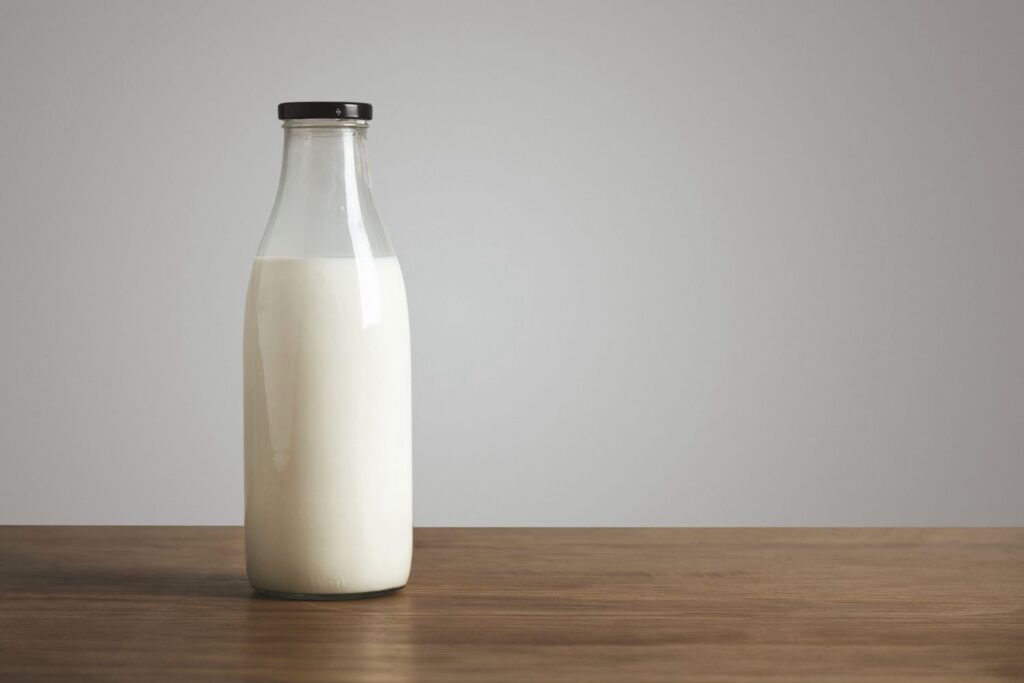
Small-batch or artisanal milk can feel fresher because it comes from a limited number of cows, yet the reality is that it may be pasteurized and shipped across states before purchase. You might assume that farm-to-table labeling guarantees immediate freshness, but even small batches undergo standard processing and storage.
Milk can lose subtle sweetness and creaminess if kept too long, even in high-quality packaging. Dairy specialists advise reviewing bottling dates and consuming the milk soon after purchase. This ensures that the experience of farm-fresh milk matches your expectations for flavor, texture, and nutritional quality.