9 Braided Rugs That Shed More Than Expected.
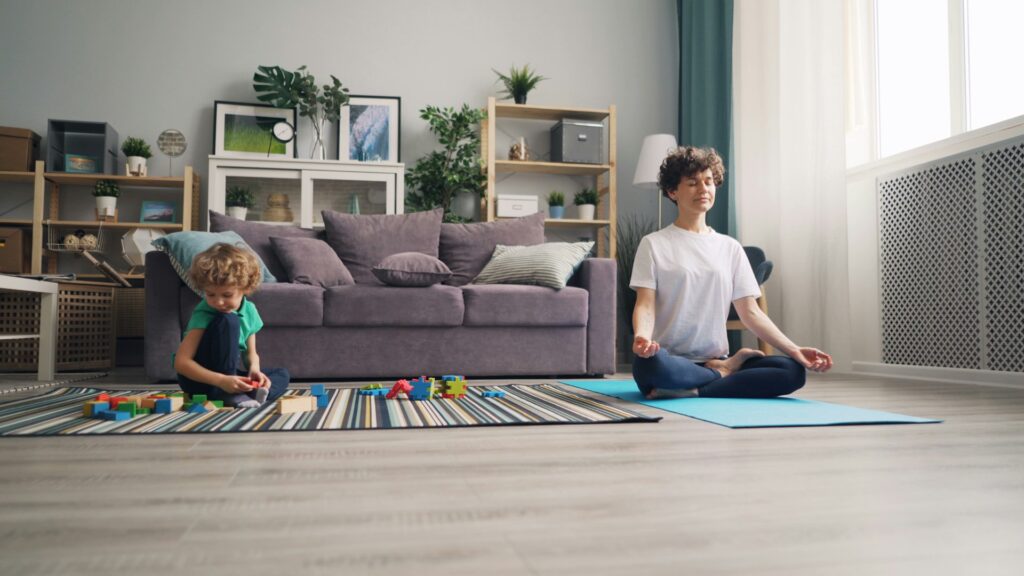
Braided rugs look cozy, classic, and family friendly, which is why so many homes with young children have them on the floor. But if you live with a toddler, some braided rugs can create more problems than comfort. Parents often discover too late that certain braided styles slide easily, curl at the edges, or shed fibers nonstop.
These issues can lead to frequent tripping, slippery footing, and constant cleanup. You might assume thicker rugs are safer, but weight and texture can actually make them harder to secure. As more families focus on childproofing and low-maintenance living, these rugs are quietly becoming a regret purchase. Before you place one in a playroom, hallway, or living space, it helps to know which braided rug styles tend to cause the most frustration.
1. Thick Cotton Braided Rugs With Loose Outer Loops
You may love the soft feel of thick cotton braided rugs, but loose outer loops often become a tripping hazard for toddlers. Small feet can catch easily on raised braids, especially when the rug sits in a high-traffic area. Over time, those loops loosen further and begin to snag toys and crawling hands.
Cotton fibers also break down quickly, leaving lint and fuzz across your floors. You might find yourself vacuuming daily just to keep up. Parents often say these rugs look great at first ,but age poorly once kids start running and dragging toys across them. Without tight stitching and a secure backing, these rugs create both safety and maintenance issues.
2. Round Braided Rugs That Refuse to Lie Flat
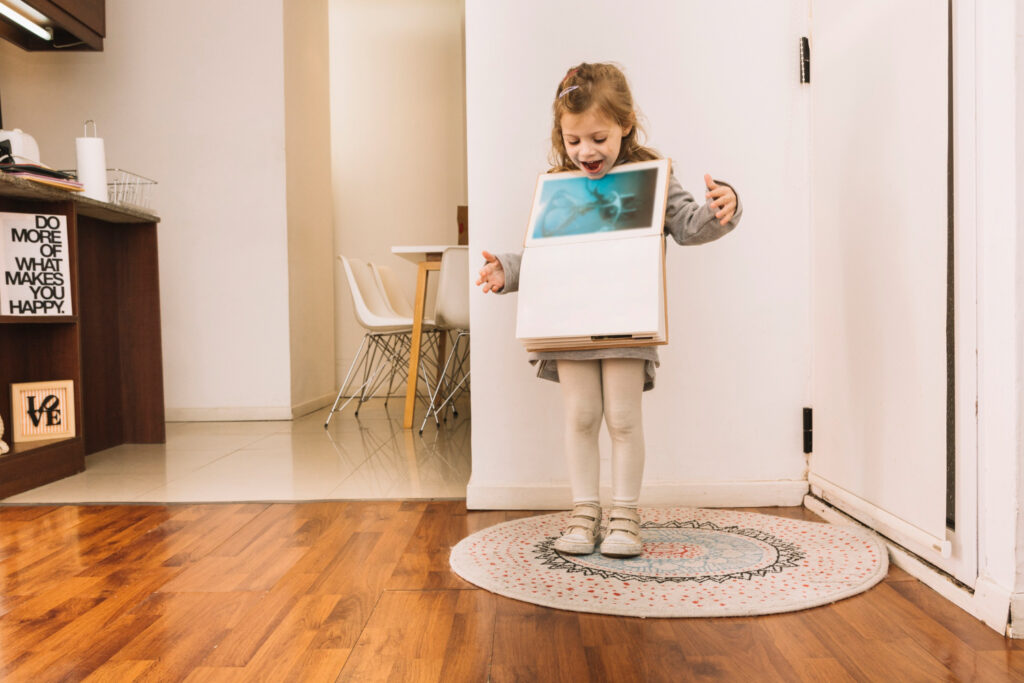
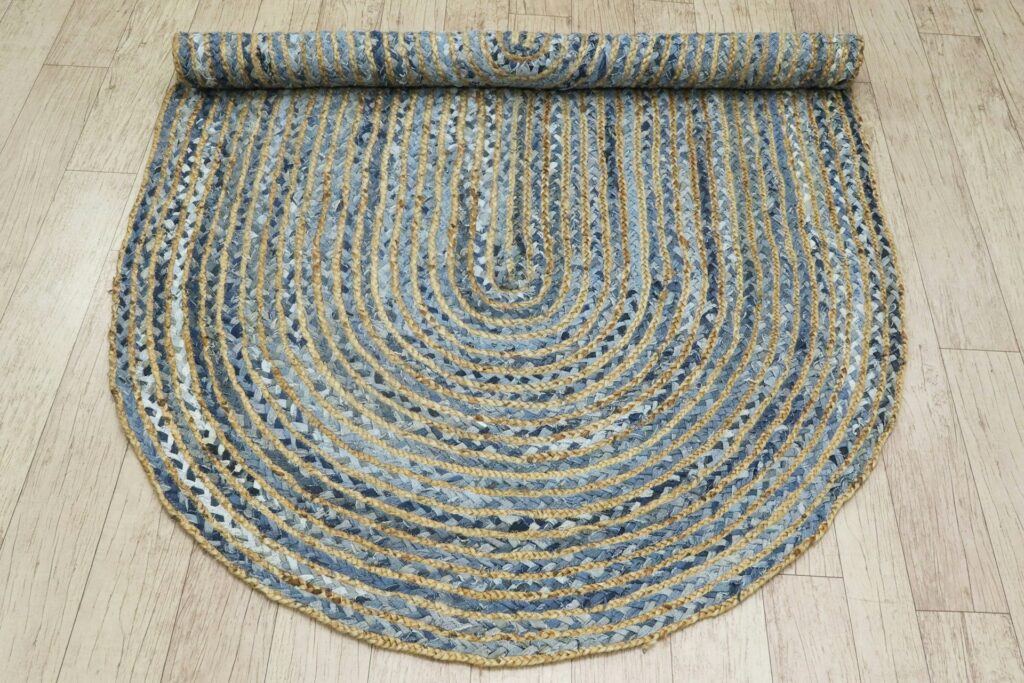
Large round braided rugs often look charming in photos, but they frequently refuse to stay flat in real homes. As toddlers move across them, the edges lift and ripple, increasing the risk of slips and falls. You may notice corners rising after just a few days, especially on hardwood or tile floors.
Because of their size, these rugs are difficult to reposition or secure properly. Shedding also becomes more noticeable since larger surfaces release more fibers. Parents often report that these rugs shift constantly, forcing repeated adjustments. What starts as a decorative centerpiece can quickly turn into a daily safety concern.
3. Hand-Braided Jute Rugs That Shed Constantly
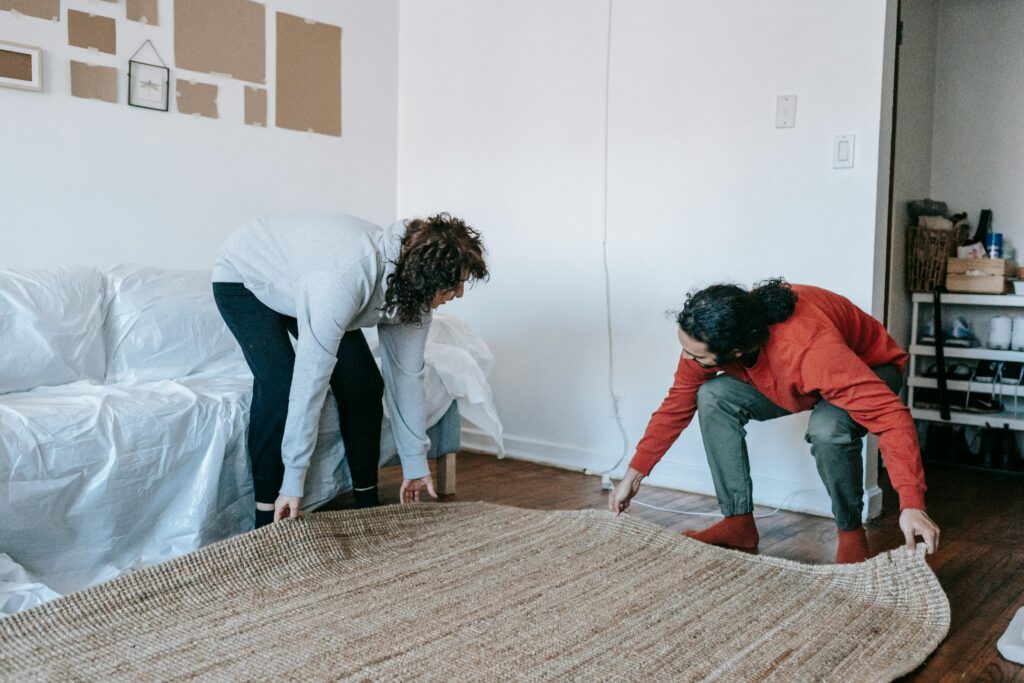
Jute braided rugs appeal to homeowners who like natural materials, but they are rarely toddler friendly. The coarse fibers shed continuously, leaving rough debris on floors and play areas. You may notice strands sticking to clothing, toys, and even bare skin. Jute also lacks flexibility, which means the rug can feel uneven underfoot.
Toddlers who are still mastering balance can stumble easily on its rigid texture. Parents often say these rugs require constant sweeping and still never look clean. While jute works well in low-traffic adult spaces, it often creates frustration in family rooms and nurseries.
4. Multi-Color Braided Rugs With Fraying Seams
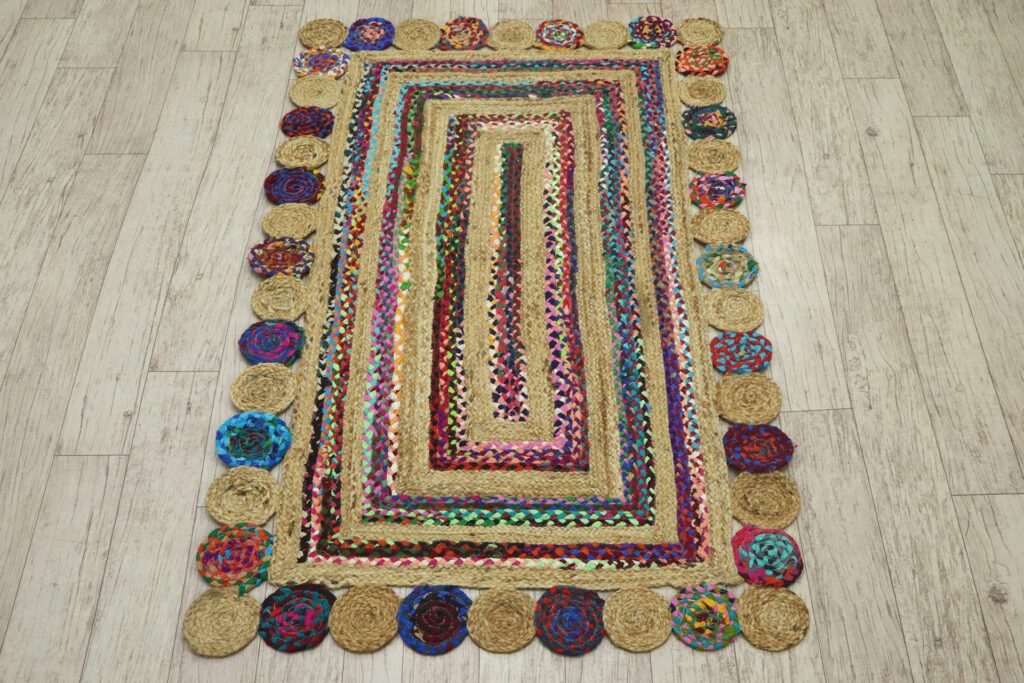
Multi-color braided rugs hide stains well, but their seams tend to fray faster than expected. Once the stitching loosens, small gaps form between braids, creating places where tiny toes can catch. You might also see threads unraveling along the edges, which toddlers love to pull.
Shedding increases as the rug breaks down, spreading fibers across the room and nearby furniture. Parents often notice these rugs aging unevenly, with some sections flattening while others puff up. This uneven surface makes it harder for toddlers to walk steadily. What seems playful and practical can quietly turn into a tripping risk.
5. Heavy Braided Rugs Without Non-Slip Backing
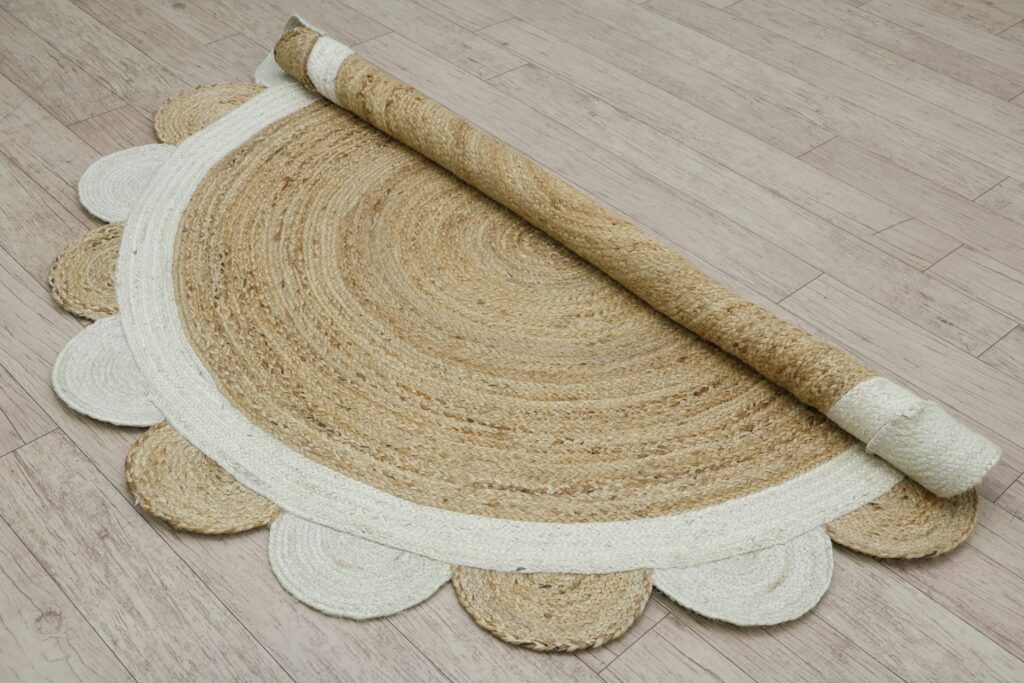
Weight alone does not keep a rug in place. Heavy braided rugs without non-slip backing often slide unexpectedly, especially when toddlers run or push toys across them. You might assume a heavier rug equals stability, but smooth undersides can move easily on hardwood and laminate floors.
Parents frequently report sudden slips when the rug shifts under pressure. These rugs also tend to shed more due to friction against the floor. Without added grip, you may find yourself constantly adjusting placement. For homes with young children, lack of backing can turn even sturdy-looking rugs into hazards.
6. Reversible Braided Rugs That Curl at the Edges
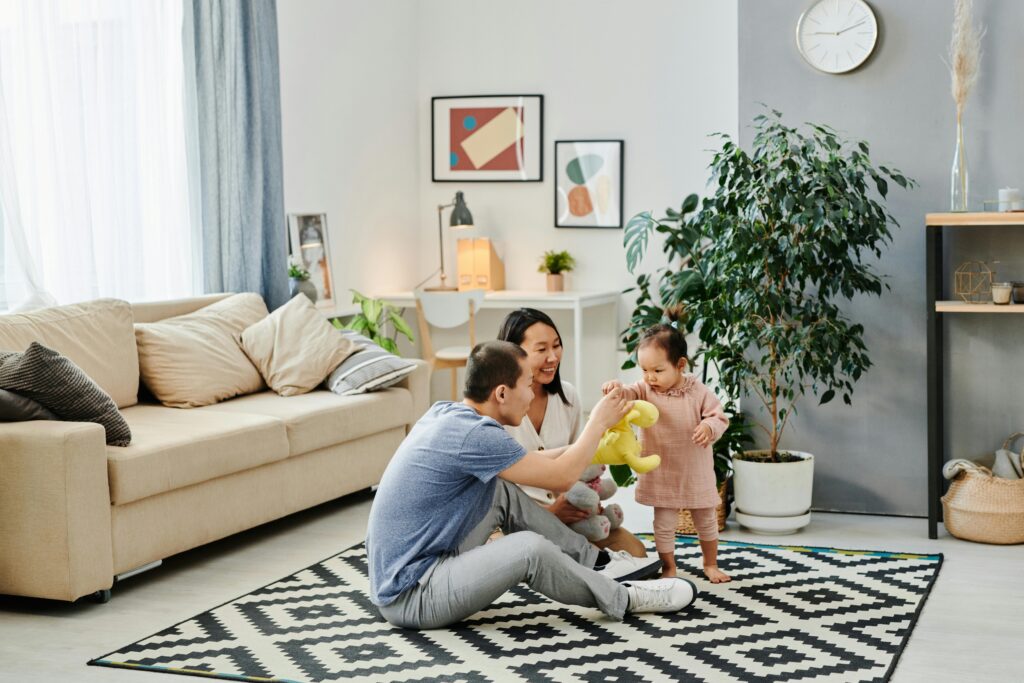
Reversible braided rugs promise versatility, but that flexibility often leads to curling edges. Each time you flip the rug, the fibers loosen slightly, making it harder to keep flat. Toddlers can trip on raised edges while walking or crawling. You may notice corners lifting within weeks, especially in warm or humid rooms.
These rugs also shed more as they are handled and rotated, leaving fibers scattered across floors and clinging to furniture and toys. Parents often say the convenience of reversibility does not outweigh the safety concerns. In busy family spaces, consistent flatness matters more than style options.
7. Wool Braided Rugs That Leave Fibers Everywhere
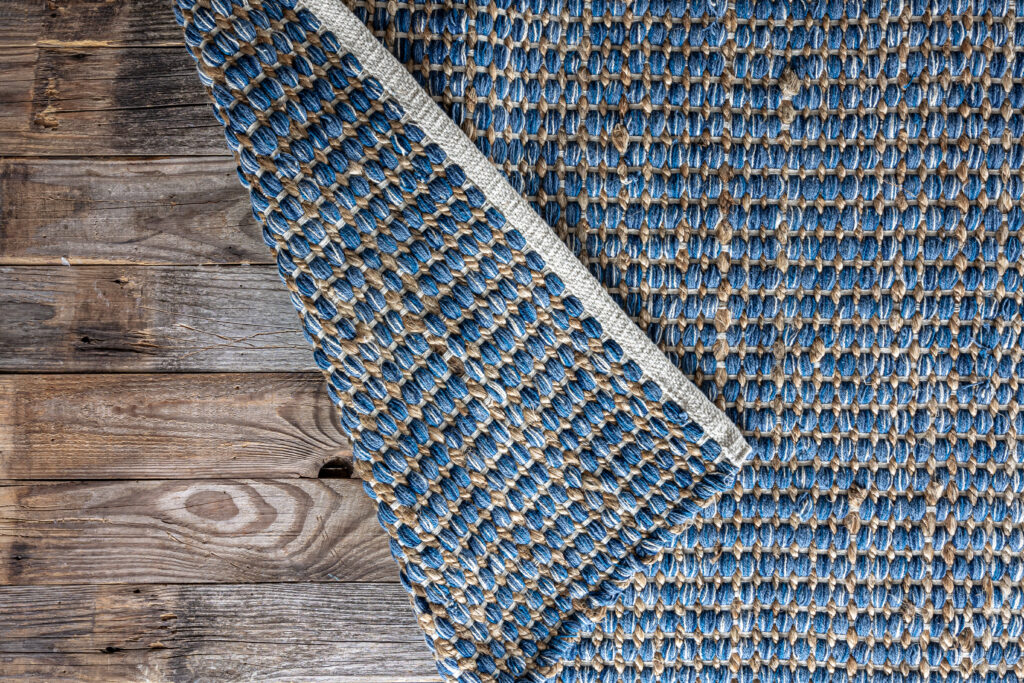
Wool braided rugs feel plush and insulating, but they shed heavily, especially when new. You may find fibers clinging to socks, toys, and furniture, and even sticking to pet fur. For toddlers who spend time on the floor, loose wool can irritate skin and create constant mess.
Wool rugs also compress unevenly, forming ridges that disrupt balance and make walking or crawling unpredictable. Parents often report increased vacuuming with little improvement. While wool offers durability in adult homes, its shedding and texture can quickly overwhelm households with young children who play and crawl throughout the day.
8. Extra-Plush Braided Rugs That Shift Underfoot
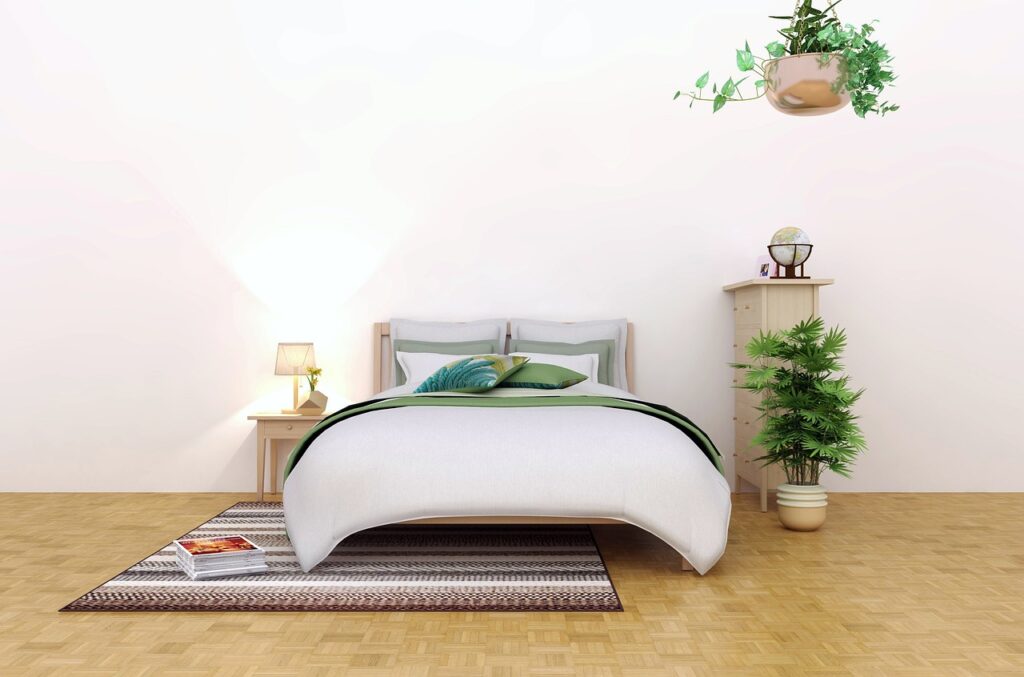
Extra-plush braided rugs feel soft, but their thickness can reduce stability. As toddlers step onto them, the surface compresses unevenly, making balance harder and increasing the risk of trips or slips. You may notice the rug shifting as weight moves across it, especially when children run or push toys.
These rugs also trap dirt, crumbs, and fibers deep within the braids, leading to ongoing shedding that spreads throughout your living space. Parents often describe a spongy feel that makes walking unpredictable. While plushness feels cozy, it can work against safety when children are still developing coordination.
9. Machine-Washable Braided Rugs That Fall Apart Fast
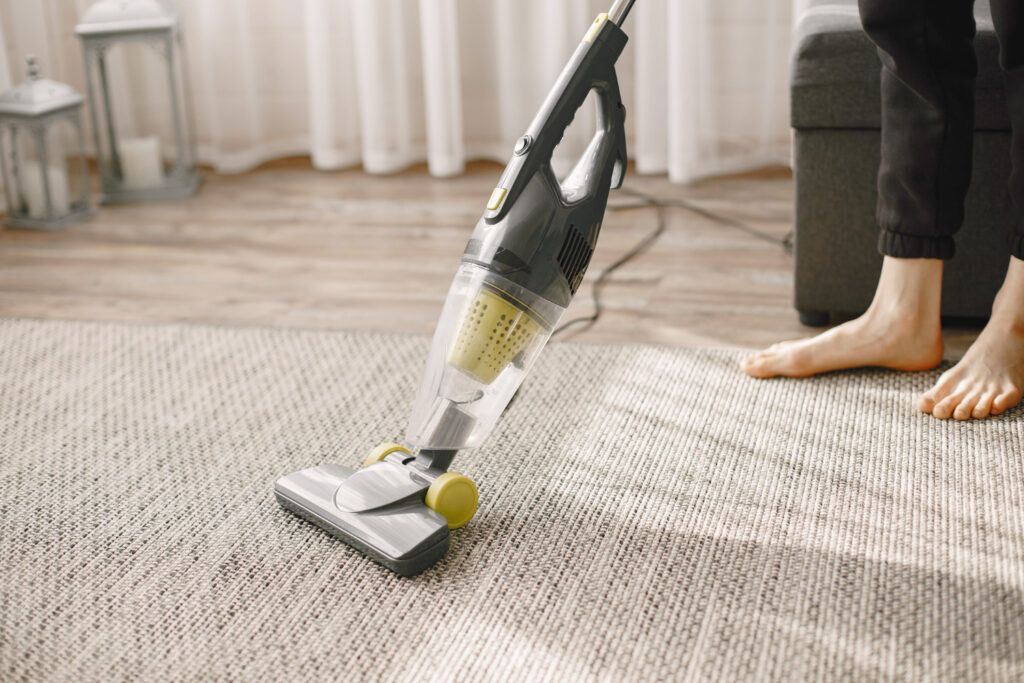
Machine-washable braided rugs sound convenient, but many break down quickly after repeated washes. Stitching loosens, braids separate, and shedding increases dramatically, leaving fibers scattered across the floor. You may notice the rug shrinking, warping, or bunching, creating uneven surfaces that toddlers can trip over.
Parents often report that these rugs look worn, frayed, and misshapen after just a few months. While easy cleaning is appealing, durability matters more in family spaces. A rug that cannot maintain its shape becomes both a safety and cleanliness issue, especially in homes with young children.