8 Terrazzo Tables That Can Damage Floors and Furniture.
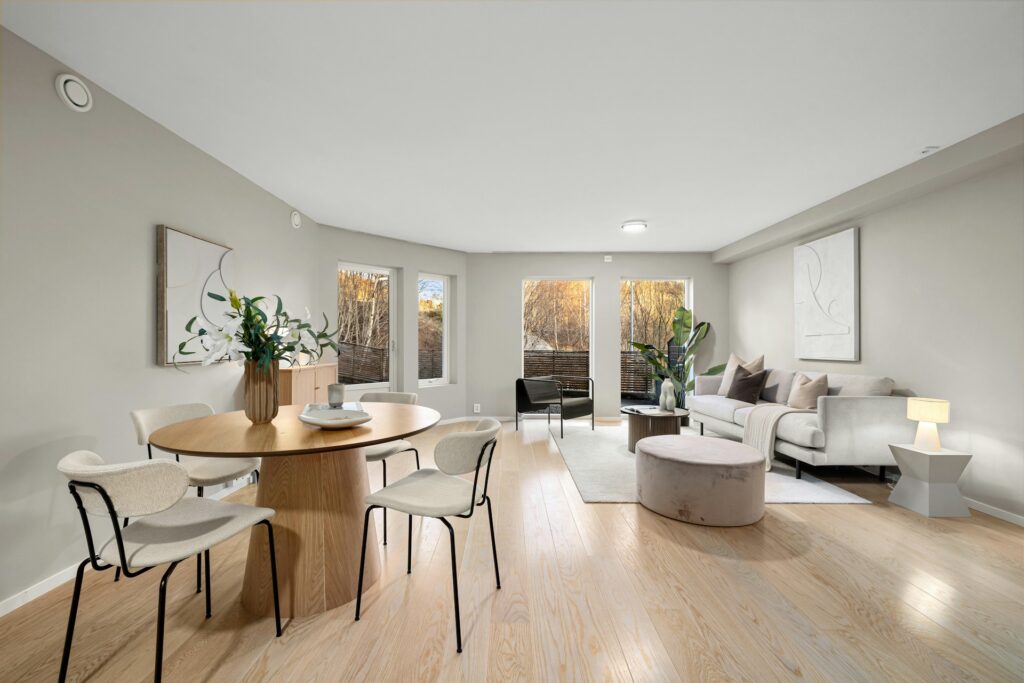
Terrazzo furniture has surged in popularity, adding a chic, speckled style to modern interiors. Those colorful, polished side tables look elegant in photos, but experts warn they can cause headaches at home.
While terrazzo is durable, its rough edges,and unfinished surfaces can scratch your floors, counters, and other furniture if you’re not careful. Knowing which tables pose a risk and how to protect your surfaces is essential for any home decorator. We asked interior designers and flooring professionals to highlight the terrazzo tables you should handle with caution and share tips to keep both your furniture and floors looking flawless.
1. Experts Warn Against Cheap Terrazzo Side Tables

Many low-priced terrazzo tables cut corners on finishing and sealants, making them riskier for everyday use. Designers note that these tables often have rougher surfaces, uneven edges, and poorly sealed chips that can leave marks on wood and laminate furniture.
You might be drawn to their bargain price, but cheap terrazzo can cost you more in surface damage and repairs than a higher-quality option. Experts suggest inspecting any table in person, feeling for rough patches, and ensuring it has a polished, sealed finish. A well-finished terrazzo table looks just as beautiful but keeps your floors and furniture protected from scratches and wear.
2. Heavy Terrazzo Tops Can Damage Hardwood Floors
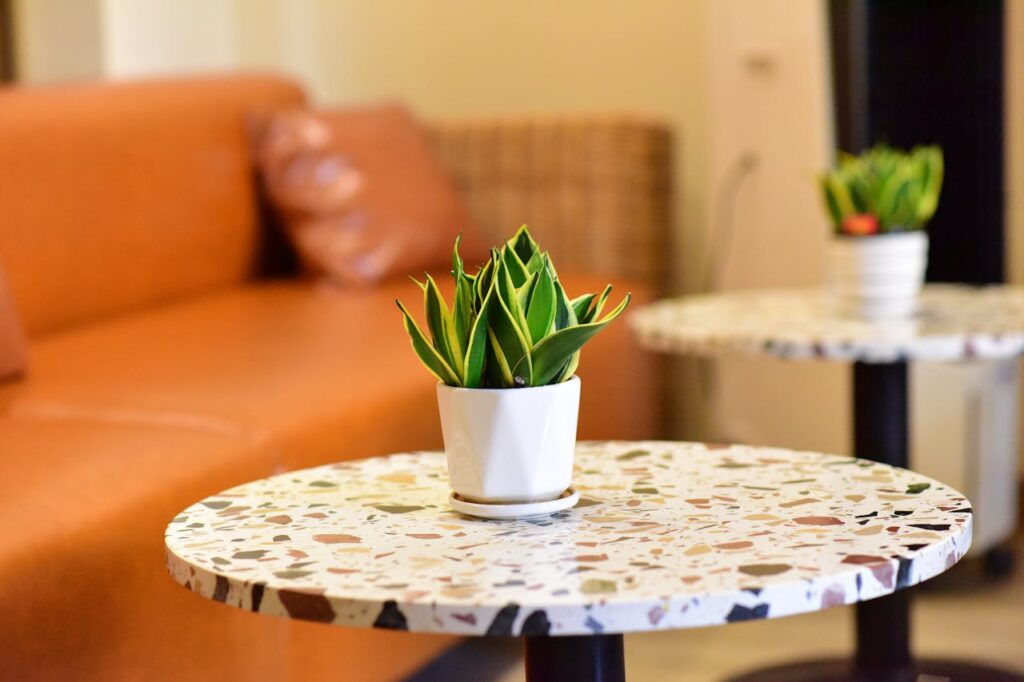
Terrazzo is a dense material, and tables with thick tops can be surprisingly heavy. Floor care specialists warn that moving, sliding, or dragging these tables can easily dent, scratch, or chip hardwood floors. Even when stationary, a heavy table can gradually stress delicate flooring over time, leading to permanent marks or indentations.
You can avoid damage by using furniture sliders when relocating your table and placing protective felt pads or rubber feet under each leg. If your home has softwood or older flooring, designers suggest choosing smaller, lighter terrazzo tables to protect your investment and keep your floors looking pristine.
3. Rough-Edged Terrazzo Leaves Scratches on Glass Surfaces
It’s tempting to place terrazzo side tables near glass coffee tables or countertops, but interior designers caution that jagged or rough edges can easily scratch glass surfaces. Even minor contact over time can create permanent micro-scratches.
You can prevent this by keeping a small buffer, like coasters, silicone pads, or soft mats, between the terrazzo and any glass surfaces. For homes with high-traffic areas or children and pets, choosing tables with rounded or beveled edges significantly reduces the risk of scratches while maintaining that chic terrazzo look. These simple protections keep both your surfaces and tables looking flawless.
4. Small Terrazzo Tables May Tip Over Easily
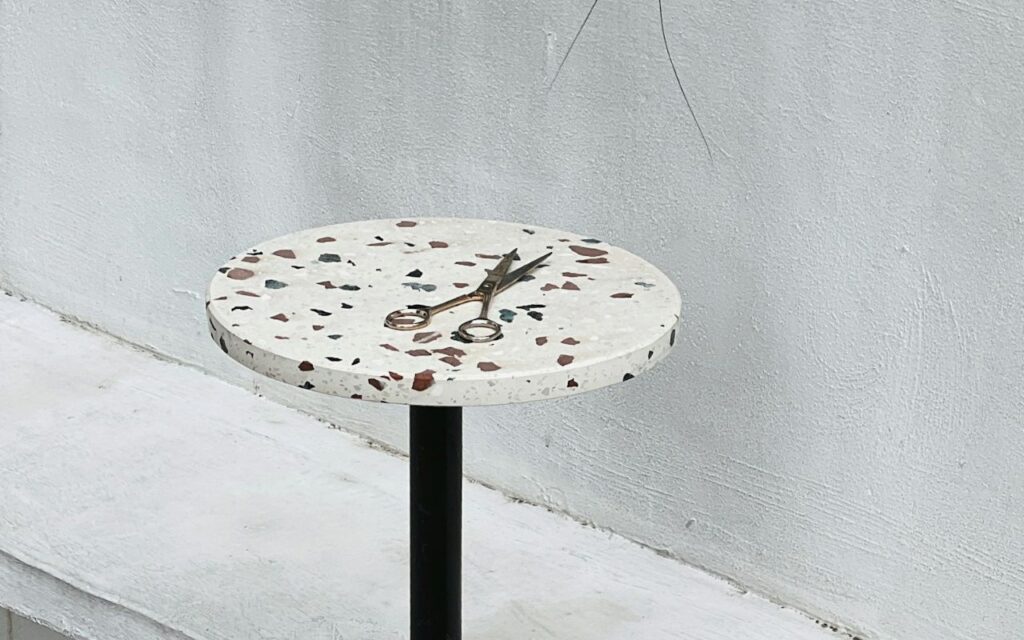
Compact terrazzo side tables are stylish but can be surprisingly top-heavy. Experts warn that these tables are more prone to tipping when bumped or jostled, potentially scratching floors, walls, or nearby furniture in the process.
If you have kids or pets, designers strongly advise anchoring lightweight tables, using furniture stabilizers, or choosing models with wider, heavier bases for safety. Even placing a small rug, non-slip mat, or silicone pads beneath the table can help stabilize it. Taking these precautions lets you enjoy the terrazzo aesthetic in your home without the constant worry of damage or accidents.
5. Unfinished Terrazzo Can Mark Marble Counters
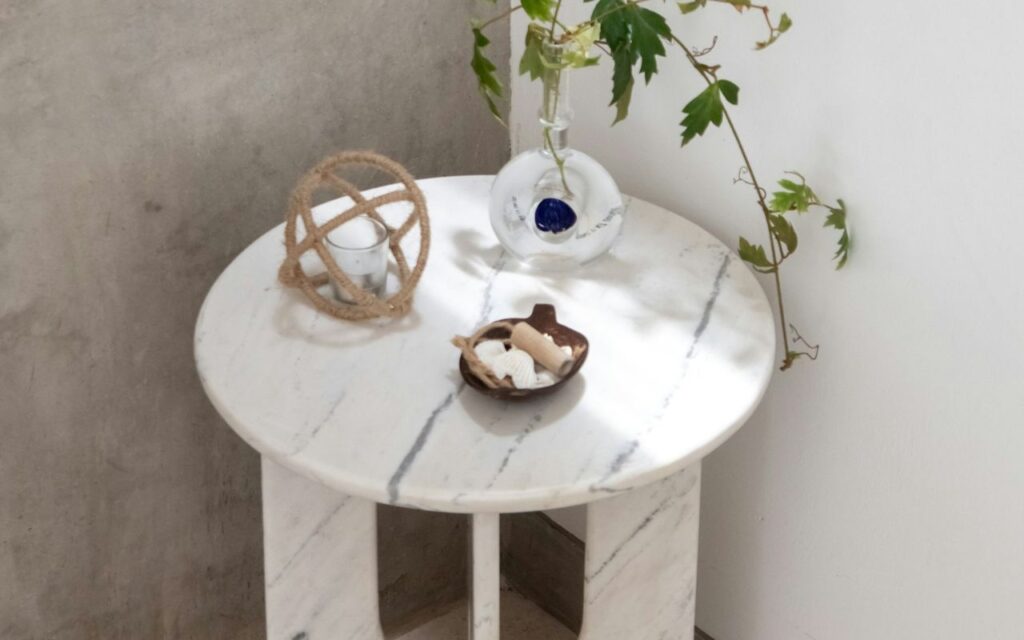
Some artisanal or DIY terrazzo tables come unfinished or only lightly sealed, which can make them risky for delicate surfaces. Flooring specialists note that unfinished terrazzo can leave marks or dull spots on marble, or other natural stone surfaces if placed directly on top.
Acidic terrazzo sealers or raw edges may react with stone, causing scratches or permanent discoloration. You can protect your surfaces by using coasters, felt pads, or trays under the terrazzo table. Professional designers recommend sealing any unfinished terrazzo with a high-quality, non-toxic finish to preserve both the table and your countertops for years to come.
6. Colored Chips May Chip Off and Scratch Furniture
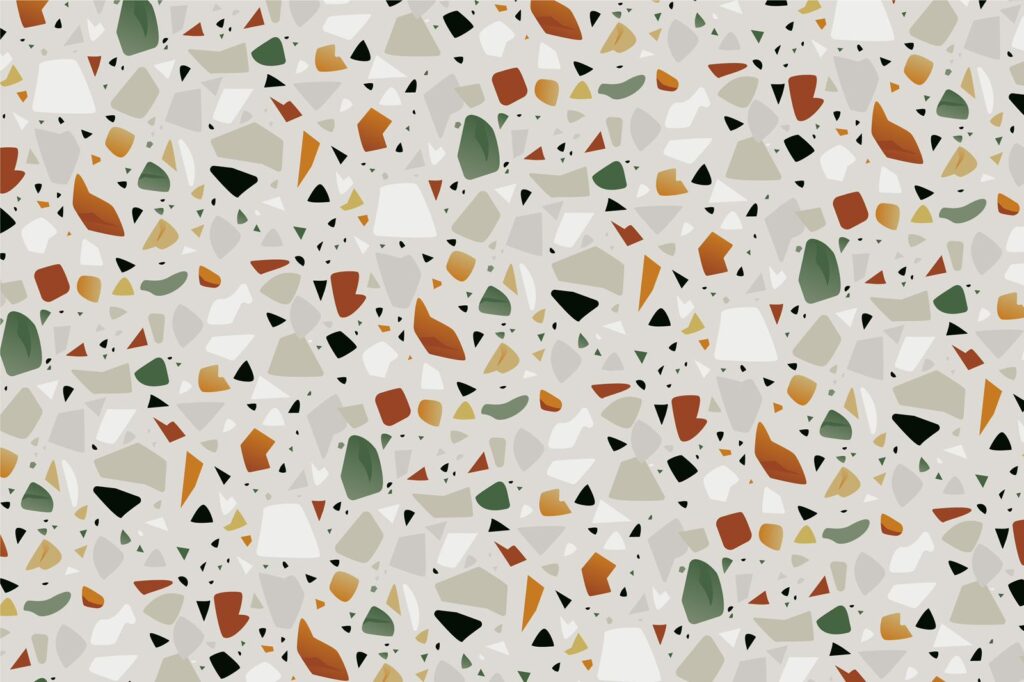
The signature terrazzo look comes from colorful chips embedded in cement or resin, but those chips can loosen, crack, or even fall out over time. Interior decorators report that dropped or chipped pieces can easily scratch nearby wood, glass, or painted furniture if left unchecked.
You can minimize risk by regularly inspecting tables for loose chips and avoiding placing them in high-traffic zones, near children, or where pets play. If a chip comes loose, replace it promptly or seal it with matching epoxy. Taking these small precautions keeps your terrazzo tables stunning, safe, and your other surfaces pristine for years.
7. High-Moisture Terrazzo Risks Staining Wood Floors
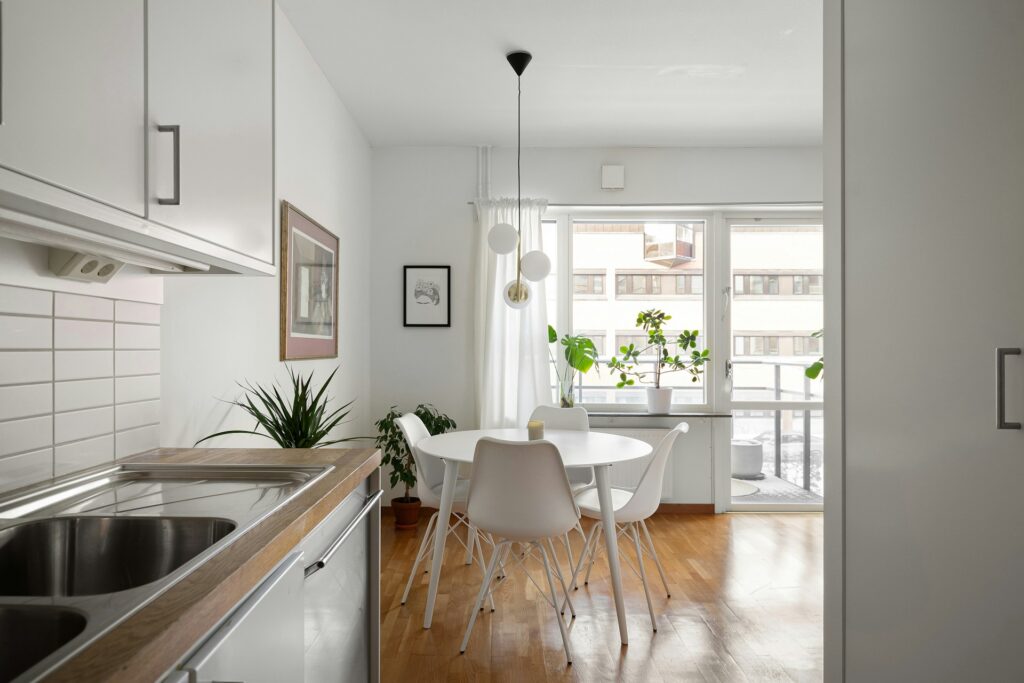
Terrazzo tables placed near windows, doors, or in humid areas can trap moisture underneath, posing a hidden risk for your floors. Floor care experts warn that prolonged dampness can stain, discolor wood floors, leaving permanent damage that is difficult to repair. Never place terrazzo tables directly on bare hardwood without a protective barrier.
Use felt pads, rubber feet, or moisture-absorbing mats to safeguard your flooring. Keeping the area dry, rotating the table occasionally, and checking for trapped moisture prevents long-term issues. These small precautions maintain the beauty and longevity of both your flooring and terrazzo pieces.
8. Professional Designers Suggest Protective Pads
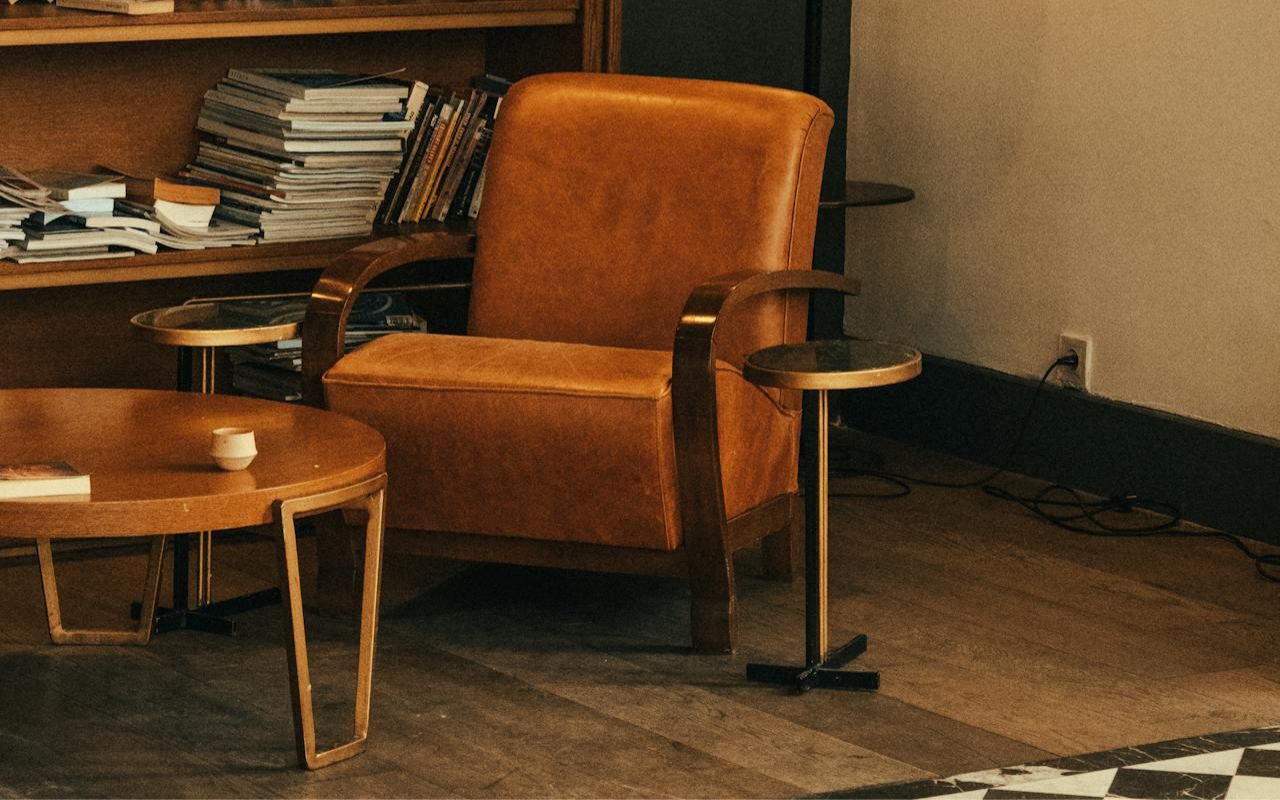
Designers universally recommend using protective pads under every terrazzo side table. Felt, silicone, or rubber pads act as a reliable buffer, preventing scratches, dents, and even minor floor discoloration over time. You can cut pads to fit the shape of your table legs, or use adhesive options for uneven or irregular bases.
Investing a few dollars in these protective layers ensures that your terrazzo furniture elevates your interior style without leaving a trail of damage behind. It’s a simple and effective step that protects both your surfaces and your investment while keeping your home looking polished and stylish.