10 “Woven” Baskets That Unravel and Dump Your Laundry Everywhere
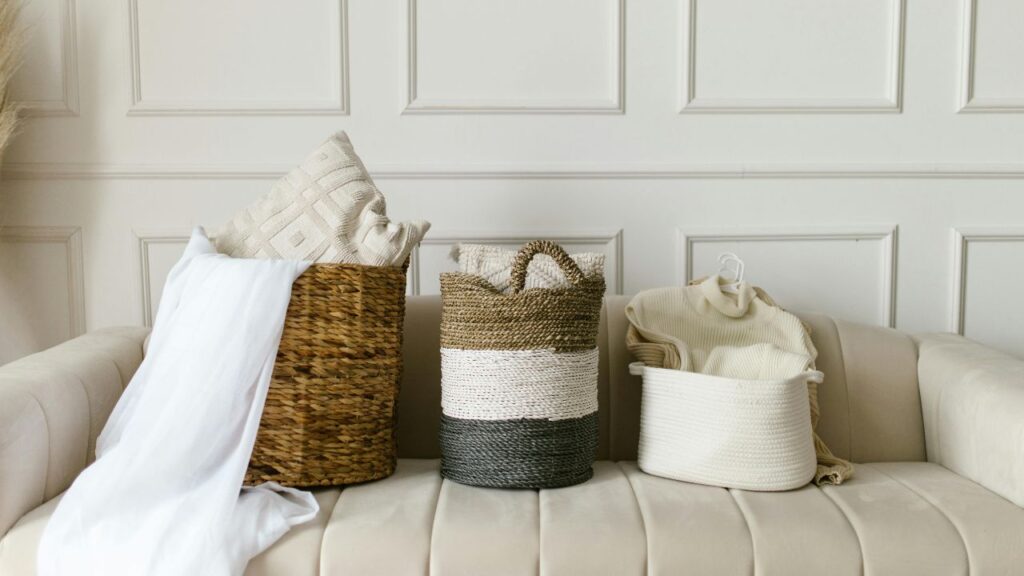
Woven laundry baskets photograph beautifully, but everyday use quickly exposes which ones are designed for looks rather than function. Organizers and materials specialists point out that laundry creates a unique mix of stress: uneven weight, repeated lifting, moisture from damp clothes, and constant movement across floors. Many woven baskets are never engineered for that combination. Weak joinery, brittle fibers, loose tension, and the absence of internal reinforcement cause predictable failures over time. Towels and denim strain sides, rims warp under load, and handles become failure points. When structure gives way, laundry spills, snagged clothing follows, and the basket becomes more frustrating than useful. These woven styles tend to fail not dramatically at first, but quietly, until one day the contents end up on the floor.
1. Loose-Weave Seagrass Baskets
Loose-weave seagrass baskets are popular for their light tone and relaxed, coastal appearance, but the fiber itself is not built for repeated heavy loads. The weave is intentionally open to keep the basket flexible and airy, which becomes a structural weakness once clothing weight increases. Denim, hoodies, and towels push outward on the gaps, stretching the weave beyond its ability to rebound. Damp laundry worsens the issue as moisture causes the fibers to swell and lose tension.
Professional organizers note that once visible gaps form, the basket’s integrity declines rapidly. Handles begin pulling away, sidewalls cave inward, and smaller garments slip through openings. Because the weave cannot be tightened again, the damage is permanent. These baskets function best as decorative storage for blankets or pillows, not as containers meant to survive repeated laundry cycles.
2. Thin Rattan Baskets with Decorative Handles
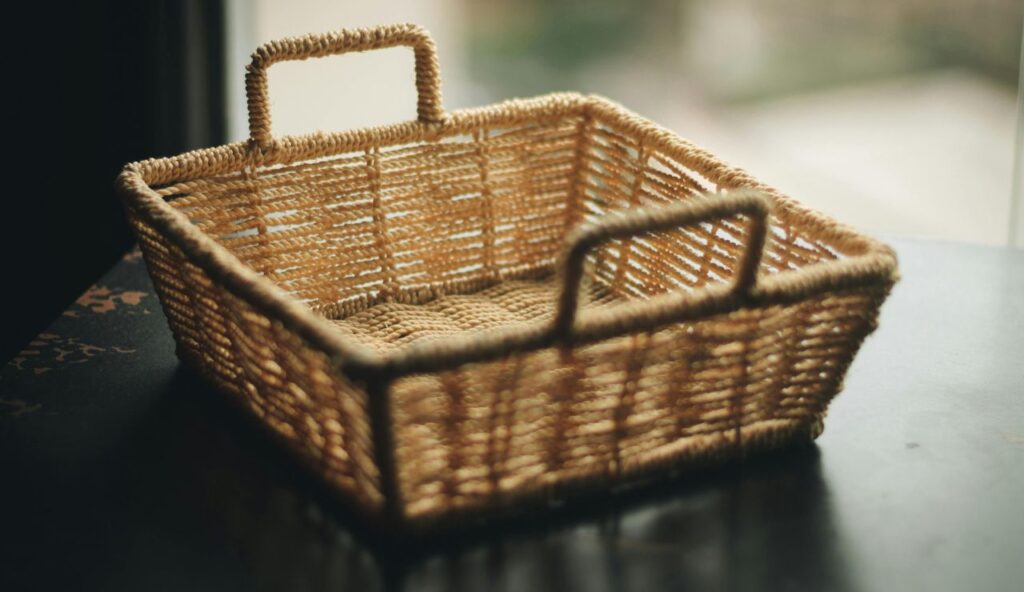
Thin rattan baskets often fail at the handles, even when the basket body initially feels solid. The strands used for handles are usually narrower and less reinforced than the rest of the weave. Lifting a full load of laundry concentrates weight at a single attachment point, causing the rattan to stretch, crack, or detach entirely over time.
Furniture repair specialists explain that handle failure tends to happen suddenly rather than gradually. A basket may feel fine for months, then one lift causes the handle to give way. Without internal framing to distribute stress, the basket body also warps, compounding the problem. Once handles loosen, carrying becomes unstable and spills become common. What looks elegant in a bedroom corner quickly proves unreliable during everyday use.
3. Soft Rope Baskets Without Internal Structure
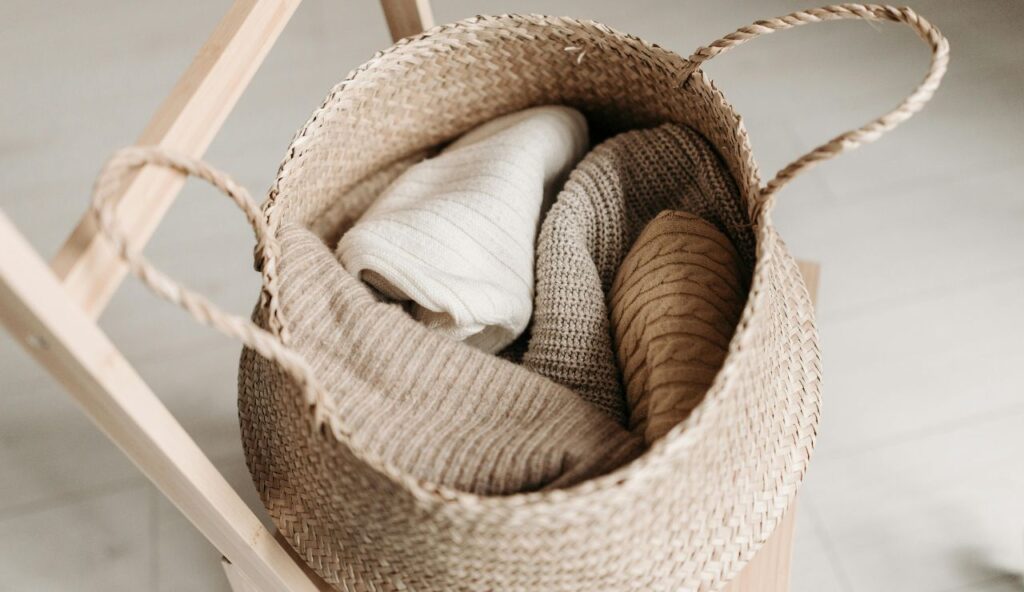
Soft cotton rope baskets feel sturdy when empty, but many rely entirely on stitching instead of a rigid internal core. As laundry weight increases, the rope layers shift outward, and the rim loses its ability to stay upright. Damp clothing accelerates this process by softening fibers and weakening seams that are already under tension.
Organizers note that once a rope basket loses vertical structure, it becomes difficult to carry without spillage. Clothing slides over the sides during transport, especially on stairs or around corners. What begins as mild sagging quickly progresses into full collapse when the basket is lifted or dragged. Without reinforcement, the basket never regains its original shape, making it poorly suited for ongoing laundry routines.
4. Open-Top Wicker Hampers
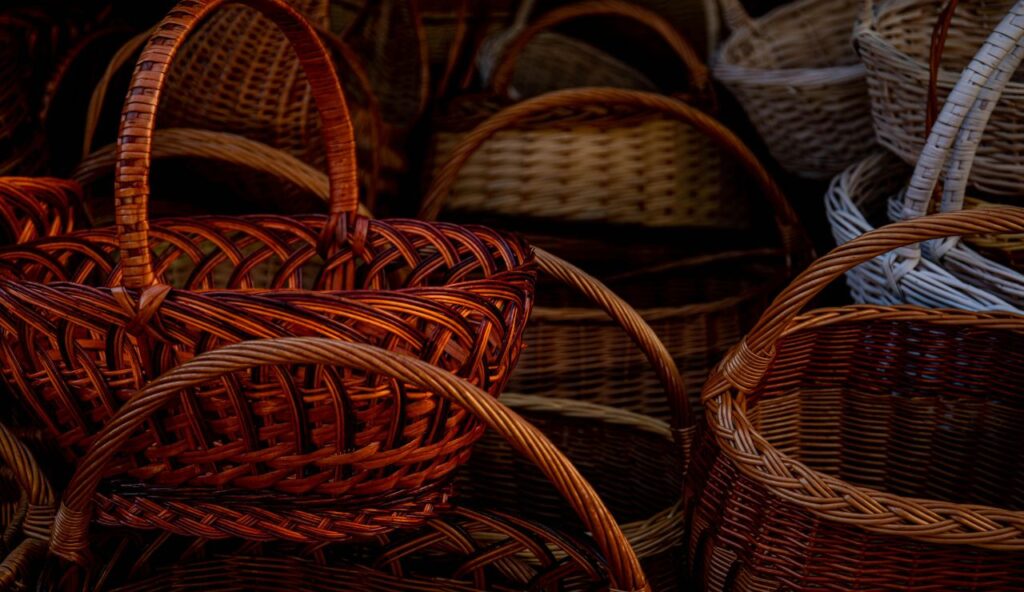
Open-top wicker hampers often appear sturdy because the weave is tight, but the absence of a reinforced rim creates long-term problems. Each load of laundry pushes outward against the top edge, gradually spreading the structure. Over time, stress concentrates at weak points where strands begin to shift and separate.
Basket makers explain that a solid rim is essential for maintaining tension throughout the weave. Without it, wicker unravels from the top down. Once movement begins, it cannot be corrected. The hamper may still stand upright, but clothing no longer stays contained, and carrying becomes awkward. The failure is slow and subtle, which makes it easy to overlook until laundry starts spilling during every trip.
5. Decorative Hyacinth Fiber Baskets
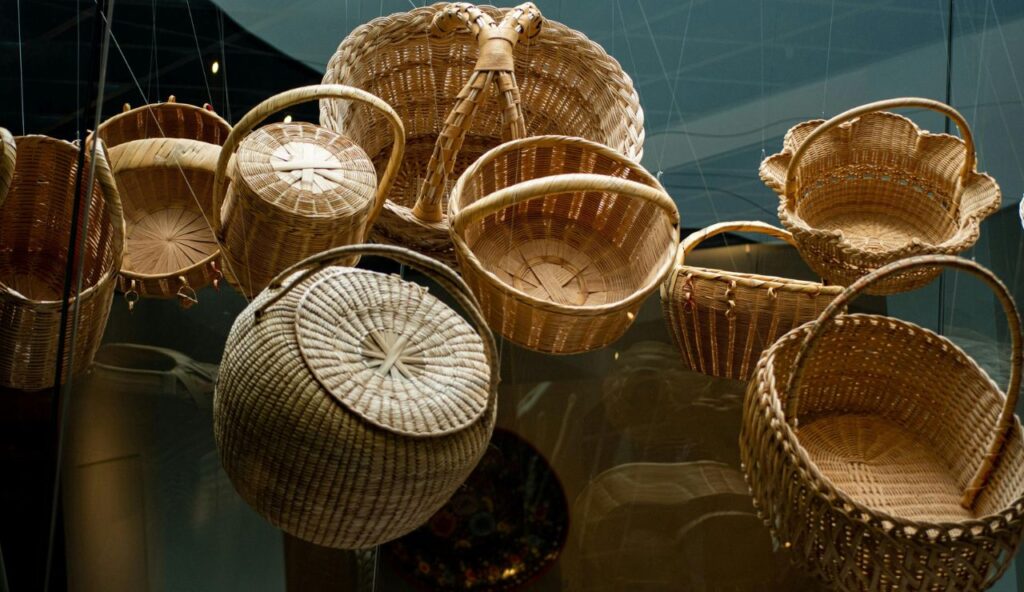
Water hyacinth baskets are visually appealing because of their thick, textured strands, but the material is brittle once dried. Unlike fibers that flex under pressure, hyacinth cracks when stressed repeatedly. Laundry baskets made from this material shed fibers quickly, especially at corners and handles where movement is constant.
Materials experts note that hyacinth works best for static storage, not for carrying loads. As strands break, sharp ends form and gaps widen, snagging clothing and allowing items to fall through. Because the fiber fractures rather than stretches, damage escalates quickly. What begins as minor shedding soon turns into structural failure, making these baskets unreliable for regular laundry use.
6. Woven Baskets with No Bottom Support
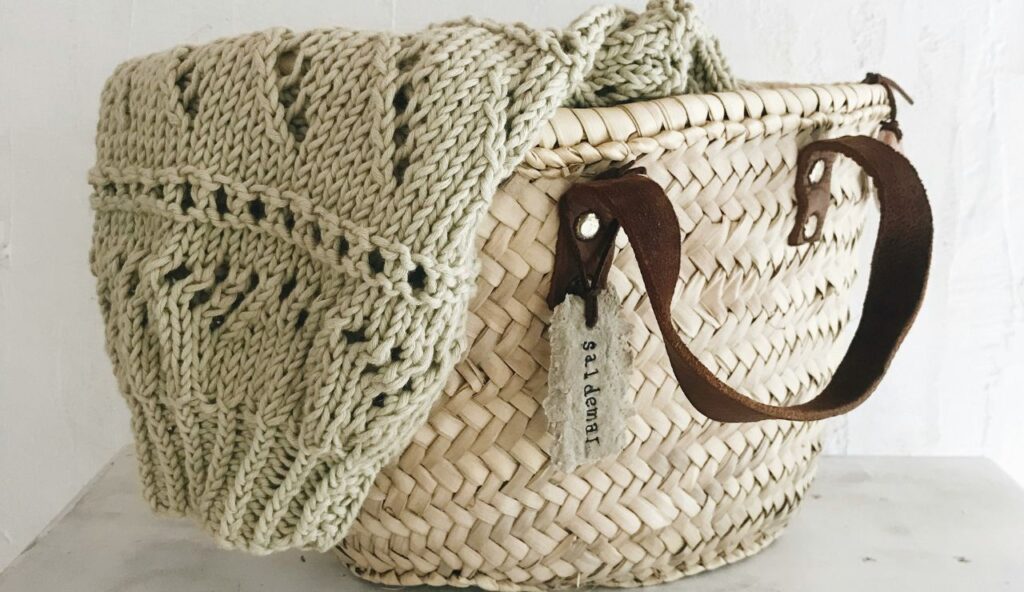
Woven baskets that lack reinforced bottom support fail from the ground up. Instead of a structured base, they rely on side tension to hold shape, which works only when loads are light and evenly distributed. Laundry rarely cooperates. Jeans, towels, and damp clothing concentrate weight in the center, causing the base to bow downward. As the bottom sags, side walls pull outward, creating gaps where smaller items slide through unnoticed until the basket is moved.
Closet designers point out that bottom collapse is one of the most common causes of laundry spills. Once the base loses rigidity, the basket becomes unstable and awkward to lift. Carrying exaggerates the distortion, increasing the chance of contents dumping mid-transport. Without a firm base, the structure never recovers, turning daily use into repeated frustration.
7. Cheap Bamboo Strip Baskets
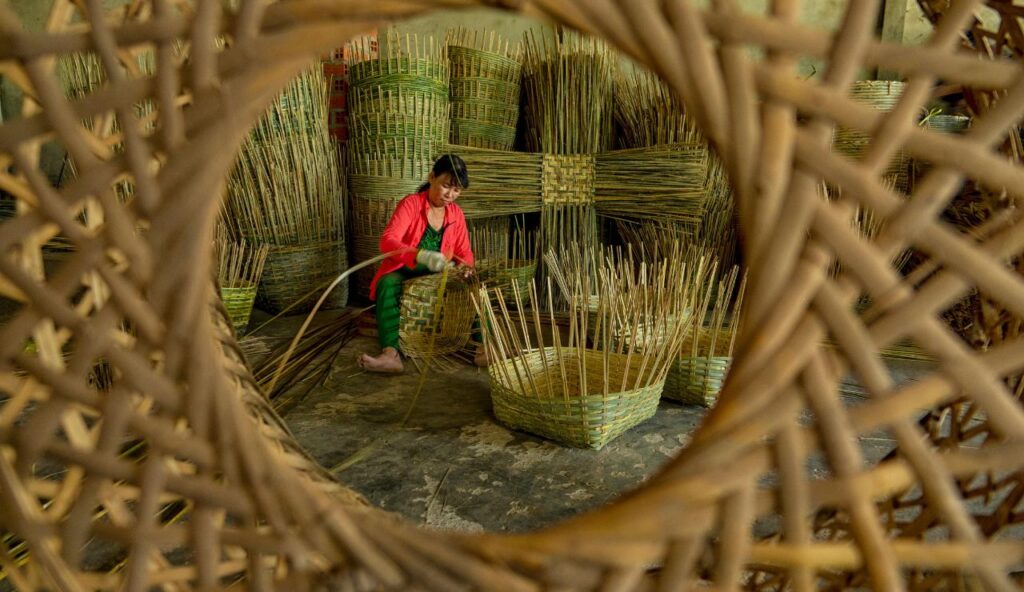
Cheap bamboo strip baskets often look structured, but their construction reveals the problem quickly. Instead of flexible woven fibers, they use thin, flat bamboo strips that are stapled, tied, or minimally overlapped. Bamboo does not tolerate repeated bending well. Under the stress of lifting laundry, strips begin to crack along stress points, especially near corners and handles.
Furniture specialists warn that these baskets fail unevenly. One strip breaks, shifting weight to the next weakest point. Corners collapse first, throwing the basket off balance and causing spills without warning. Because bamboo fractures instead of flexing, repairs rarely hold. Tape, glue, or re-stapling only delays the next failure. Over time, sharp edges form, snagging clothing and making the basket both unreliable and unsafe.
8. Overly Tall Narrow Woven Hampers
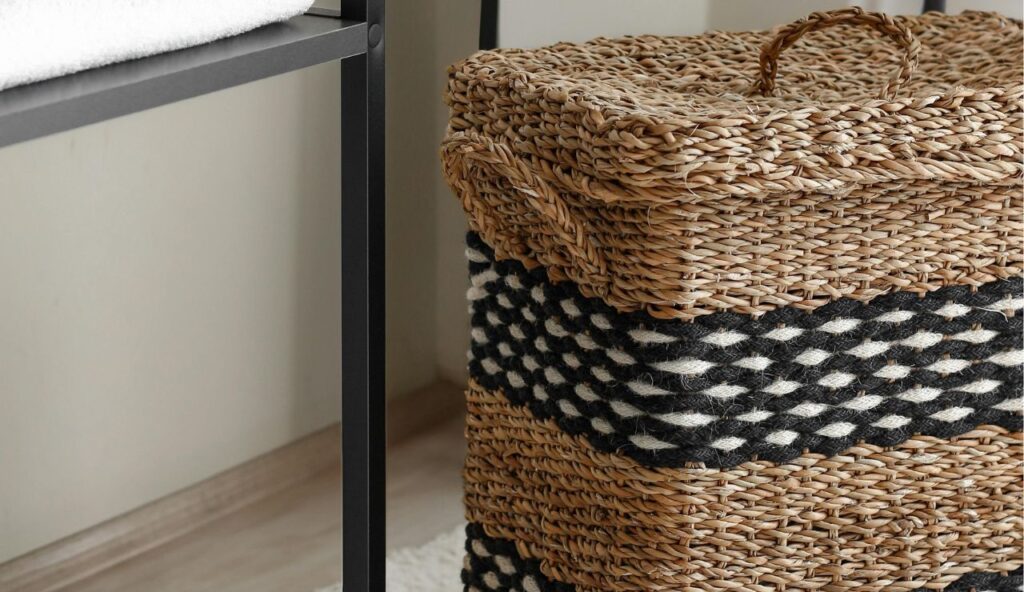
Tall, narrow woven hampers promise space efficiency but create serious balance issues in daily use. Their small footprint cannot stabilize a growing laundry load, especially when clothing is added unevenly. As garments pile higher, the center of gravity rises, making the basket increasingly unstable. Flexible weaving only worsens the problem, allowing the structure to lean instead of correcting itself.
Organizers note that tipping usually happens during movement, not while the basket is sitting still. A slight turn, stair step, or doorway shift causes the load to shift, and the hamper goes over. Because woven sides lack rigidity, the basket cannot counterbalance once momentum starts. What looks tidy in a corner becomes a liability the moment it needs to be carried.
9. Baskets with Glued Instead of Woven Joints
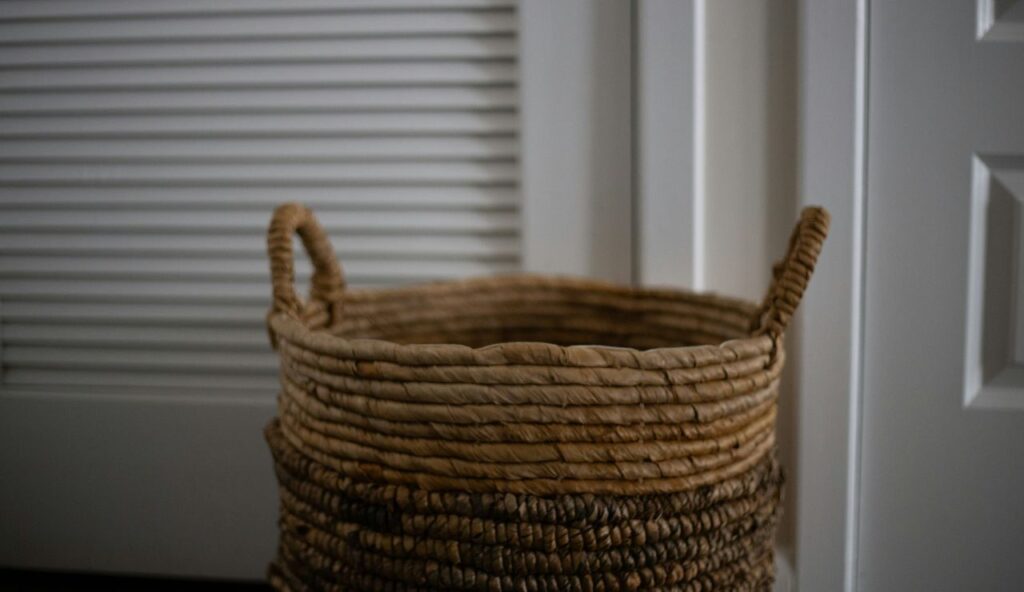
Some woven baskets cut labor costs by using glue instead of traditional interlaced joints. These baskets may look tightly assembled at first, but glue is not designed to handle repeated flexing, moisture, and weight. Humidity from laundry rooms and damp clothes weakens adhesive bonds over time. Once glue begins to fail, joints loosen suddenly rather than gradually.
Basket repair professionals explain that glued joints lack resilience. When one bond fails, tension shifts unevenly across the structure, accelerating unraveling elsewhere. Strands slip free, rims lose shape, and handles detach with little warning. Unlike woven joints, which distribute stress, glued connections concentrate failure. Once separation begins, the basket rapidly collapses, often during carrying, spilling contents and rendering the basket unusable.
10. Lightweight Market-Style Woven Baskets
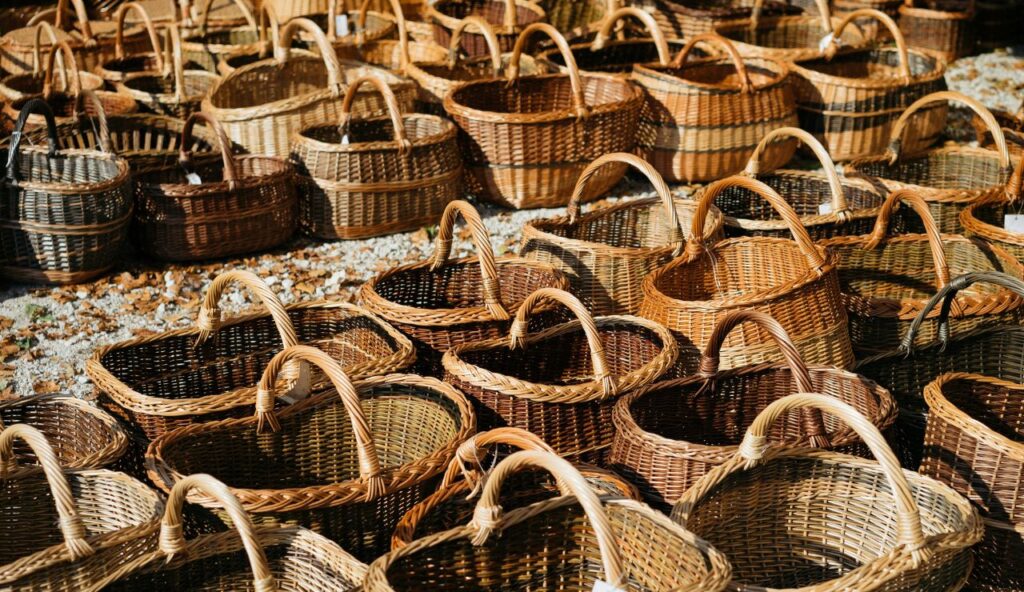
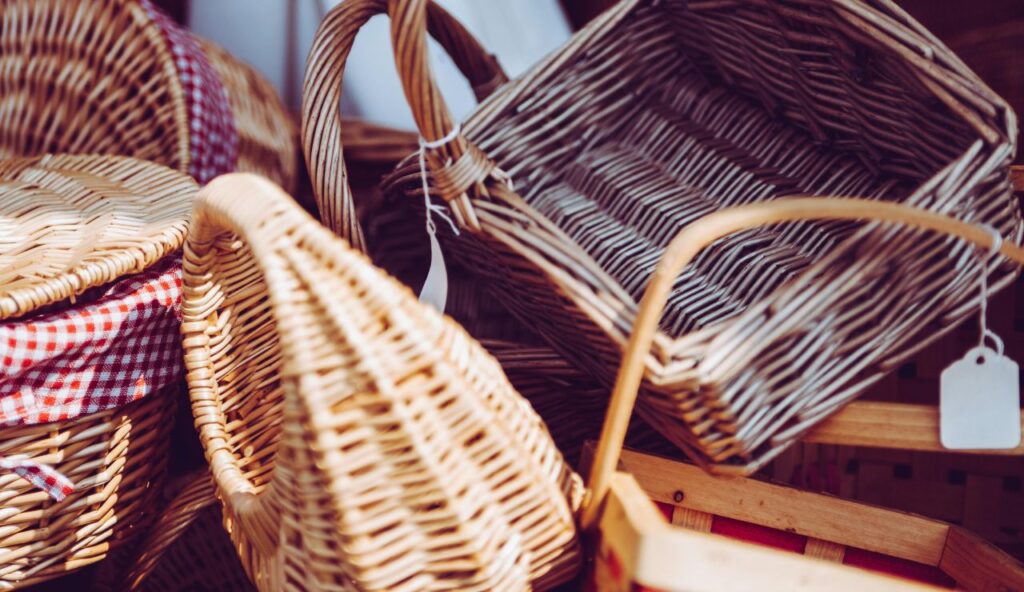
Market-style woven baskets are designed for light, short-term carrying, not the repeated stress of laundry. Their open weave and thin materials are meant for producing or packaged goods, not dense, shifting loads like towels and denim. When repurposed for laundry, the weave stretches under weight, widening gaps and distorting the basket’s shape.
Organizers caution that what works at a farmers market does not translate to home laundry routines. Damp fabric increases weight and friction, accelerating fiber fatigue. Over time, the basket loses tension, handles weaken, and clothing slips through the expanding weave. These baskets often fail quietly at first, then catastrophically during transport, making them one of the least reliable options for everyday laundry use.