8 Church Cookbook Cookie Recipes That Bring Back Holiday Memories
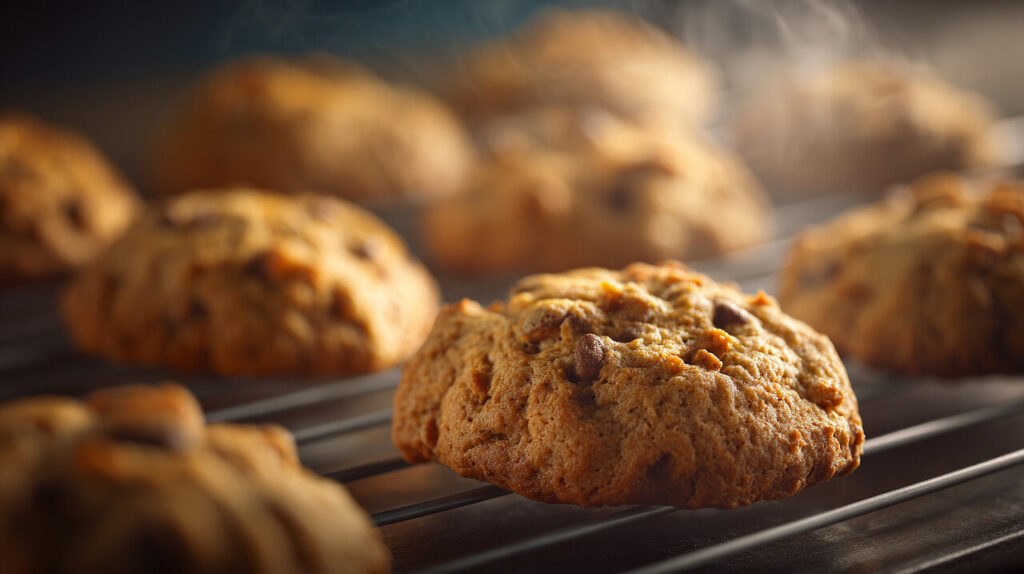
Church cookbooks weren’t just collections of recipes. They were practical guides shaped by budget, time, and the need to feed a lot of people well. Cookie recipes in particular reflected that mindset. Ingredients had to be affordable, instructions had to be reliable, and the results needed to hold up through busy kitchens and long gatherings. What this really means is that these cookies earned their place through usefulness as much as flavor. Each recipe carries the memory of shared ovens, borrowed pans, and holidays built around contribution rather than perfection.
1. Peanut Butter Blossoms

There’s something instantly grounding about peanut butter blossoms because they reflect how church cookbooks prioritized simplicity and shared ingredients. These cookies came together with pantry staples that nearly every home already had, which made them perfect for large holiday batches. The pressed chocolate kiss in the center wasn’t about decoration as much as it was about generosity. Chocolate was treated like a small luxury, and placing one squarely on top turned an everyday peanut butter cookie into something special. The dough itself balances fat and sugar in a way that holds up well during long bake sessions, which mattered when ovens were running nonstop before church socials.
2. Russian Tea Cakes
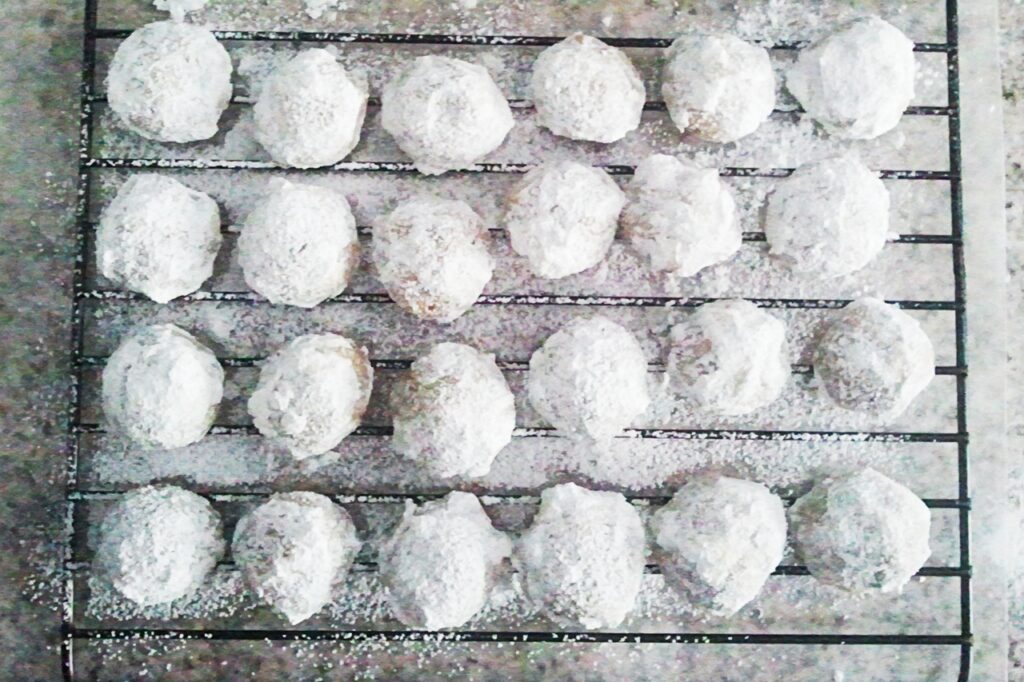
Russian tea cakes, also known as snowball cookies, feel like they belong to a quieter holiday moment. These cookies rely on butter, finely chopped nuts, and powdered sugar rather than bold spices or fillings. Church cookbooks favored them because they were forgiving and scalable. The dough doesn’t require chilling, the baking time is predictable, and the double roll in powdered sugar hides any surface imperfections. That mattered when baking dozens at once. Nutritionally, they’re rich and dense, which makes them feel indulgent even when portions are small. Their dry crumb also meant they paired well with coffee after services or during afternoon gatherings.
3. Molasses Crinkle Cookies

Molasses crinkle cookies stand out because they lean heavily on spice and depth rather than sweetness alone. Molasses was once a common household ingredient, cheaper and more accessible than refined sugar, and church cookbooks reflected that reality. These cookies were valued for their bold flavor and soft interior, which stayed tender even after a few days in storage. The crackled sugar coating served a practical purpose by creating texture and locking in moisture. From a baking perspective, molasses doughs are stable and easy to portion, making them ideal for large groups.
4. Thumbprint Jam Cookies
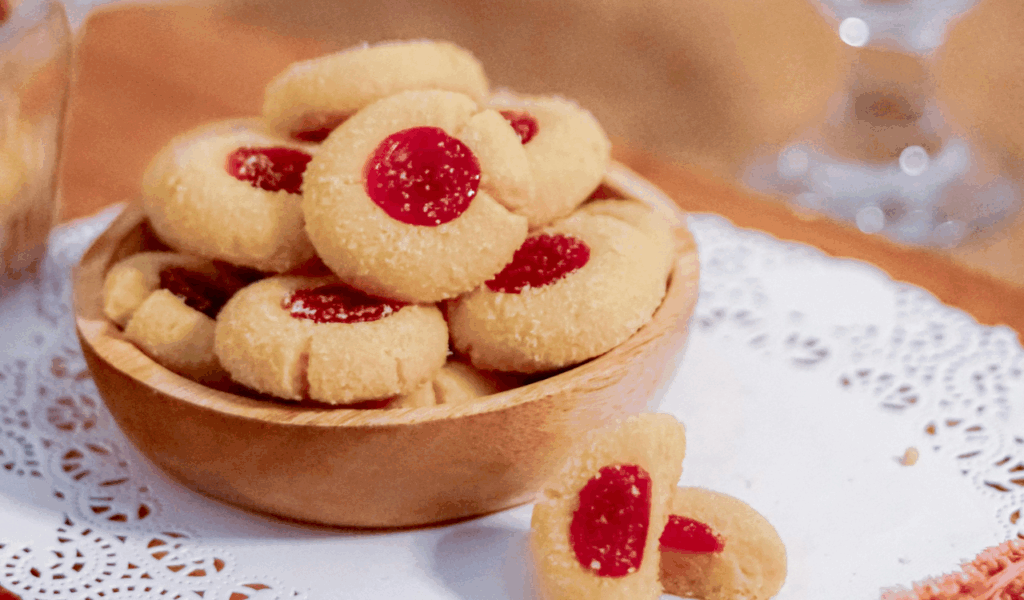
Thumbprint cookies capture the communal spirit of church baking better than most recipes. They’re interactive by design, inviting the baker to physically shape each cookie and fill it with whatever jam was available. That flexibility mattered when ingredients varied from household to household. Church cookbooks often listed suggestions rather than strict rules, encouraging creativity while keeping the base dough consistent. The shortbread style holds its shape well and doesn’t overpower the fruit filling, which makes these cookies easy to customize without sacrificing quality. They also bake evenly, a key factor when multiple trays are rotating through a shared kitchen.
5. Oatmeal Raisin Cookies
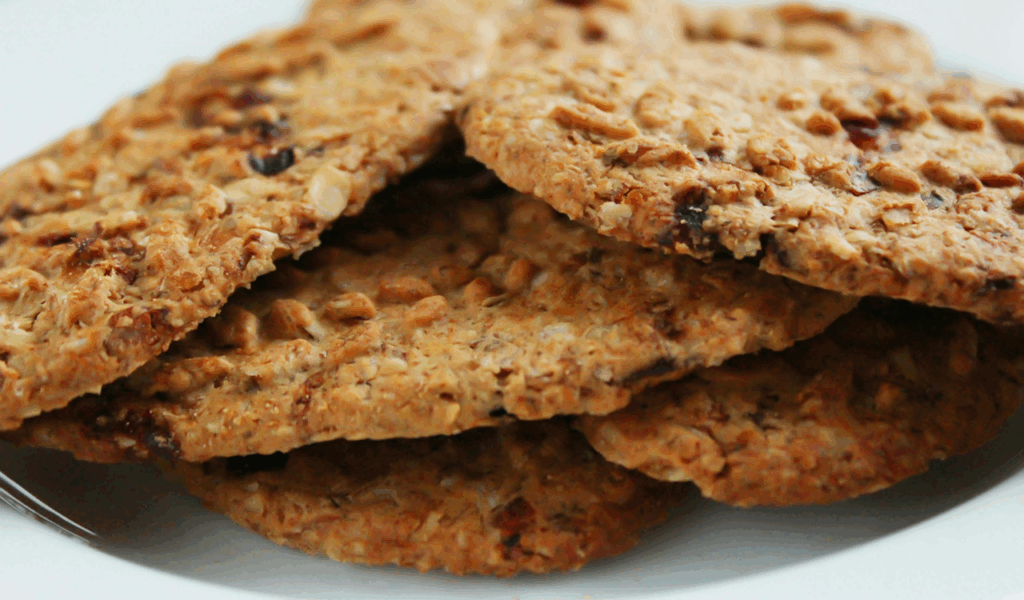
Oatmeal raisin cookies earned their place in church cookbooks because they straddled the line between treat and sustenance. Oats were economical, filling, and widely available, which made these cookies practical for feeding large groups. The texture holds up well over time, and the natural sweetness of raisins reduces the need for added sugar. That mattered in kitchens where budget and efficiency were always in mind. Oatmeal doughs are forgiving, less prone to burning, and easy to scale. These cookies also traveled well, making them a staple for bake sales and holiday visits. While they don’t scream celebration, their hearty nature made them quietly indispensable during long winter gatherings.
6. Sugar Cutout Cookies with Icing
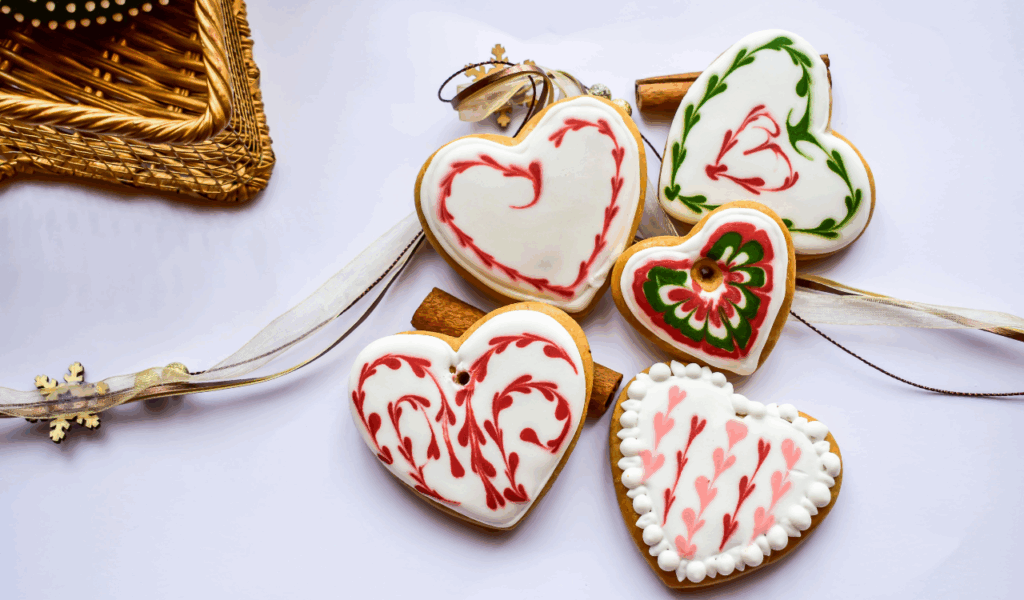
Sugar cutout cookies became a holiday ritual because they were as much about participation as they were about eating. Church cookbooks often included these recipes with notes about involving children or decorating together. The dough is intentionally sturdy, designed to hold shapes without excessive spreading. That reliability mattered when baking in bulk or using shared equipment. The icing served both aesthetic and practical roles by sealing the cookie and extending its freshness. From a cost perspective, the ingredients were basic and affordable, which made them accessible to every family. Their endurance comes from tradition rather than flavor complexity.
7. Date Filled Pinwheel Cookies
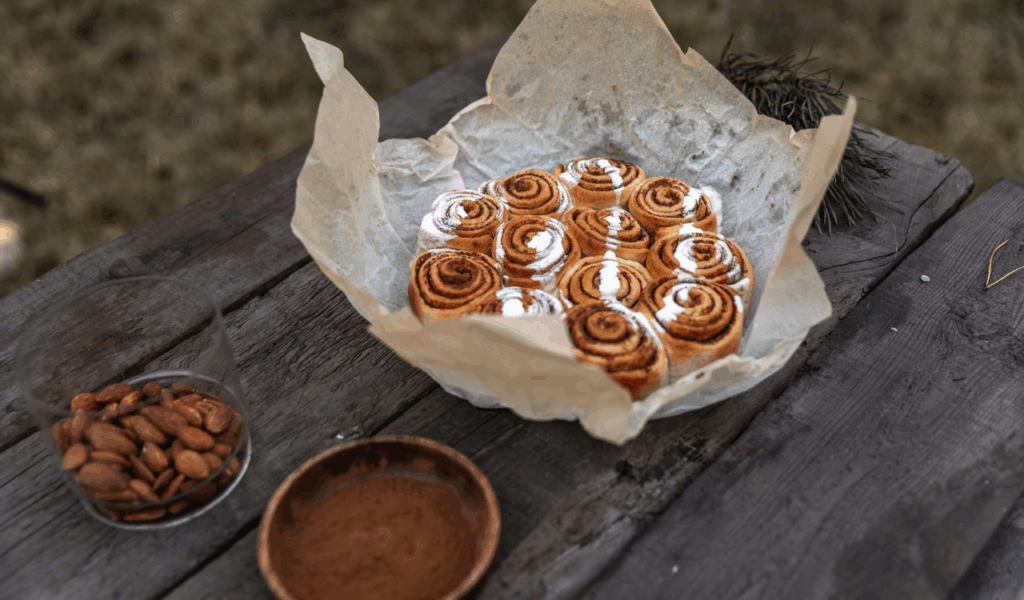
Date-filled pinwheels reflect an older baking mindset where sweetness came from fruit rather than chocolate. Dates were shelf-stable and nutrient-dense, making them a practical filling long before modern convenience foods existed. The rolling and slicing technique allowed bakers to produce many uniform cookies with relatively little effort once the dough was prepared. Church cookbooks favored recipes like this because they looked impressive without requiring expensive ingredients. The filling also helped keep the cookies moist over time, which mattered when they were baked days ahead of events.
8. Chocolate No-Bake Cookies
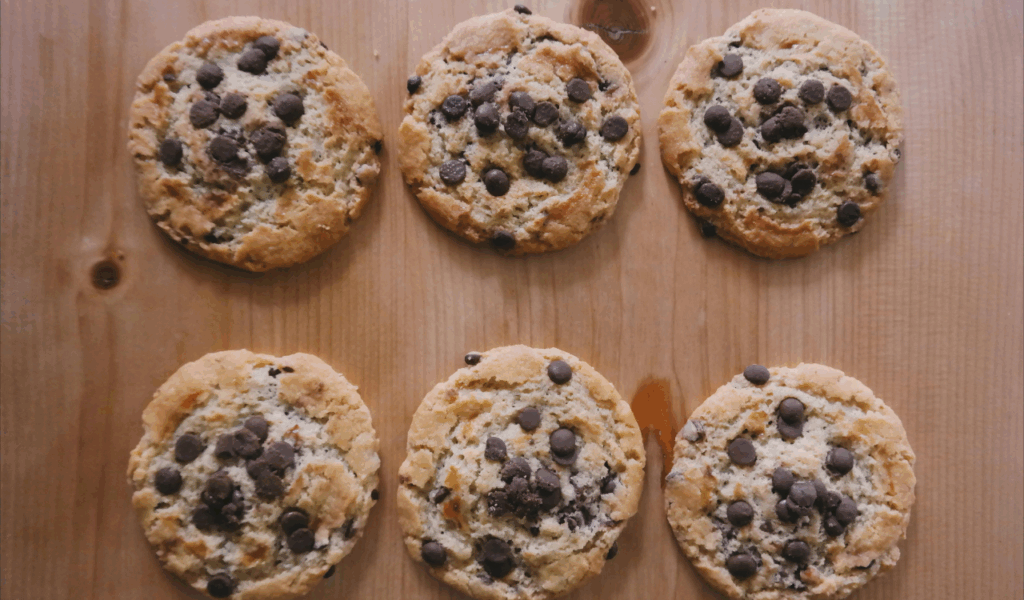
No-bake cookies earned their reputation because they solved real problems. When oven space was limited or time was short, these cookies offered a reliable alternative. Church cookbooks often highlighted them for summer fundraisers, but they remained popular during winter because they were fast and foolproof. The combination of cocoa, oats, and fat creates a dense, filling cookie that sets quickly without baking. That efficiency mattered when volunteers were juggling multiple dishes. These cookies represent practicality at its best, and their continued presence in church collections speaks to how deeply efficiency and generosity were intertwined in community baking.