11 Homework Zone Designs That Didn’t Encourage Use
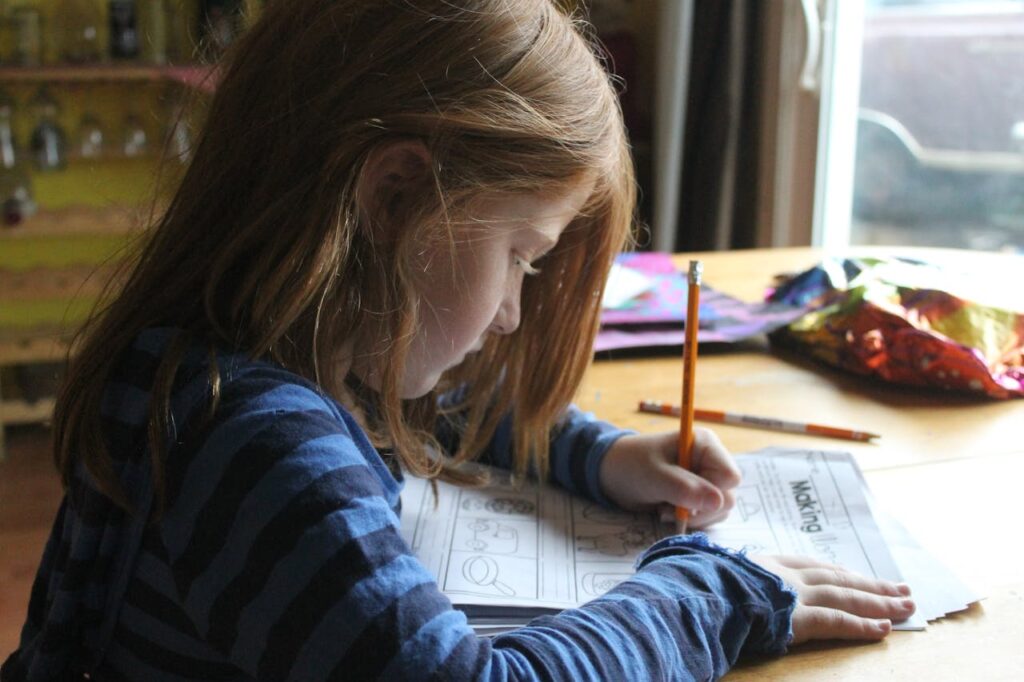
Homework zones are often created with the best intentions. Parents want a space that supports focus, builds routine, and makes schoolwork feel manageable. Many designs look great on paper or in photos but fall short once daily use begins. Small frustrations add up quickly. Discomfort, noise, clutter, or distraction quietly push kids away from the space. Instead of becoming a reliable study spot, the area sits unused while homework migrates elsewhere. These homework zone designs missed the mark not because effort was lacking, but because they did not align with how kids actually work at home.
1. Workstations Placed in High-Traffic Areas
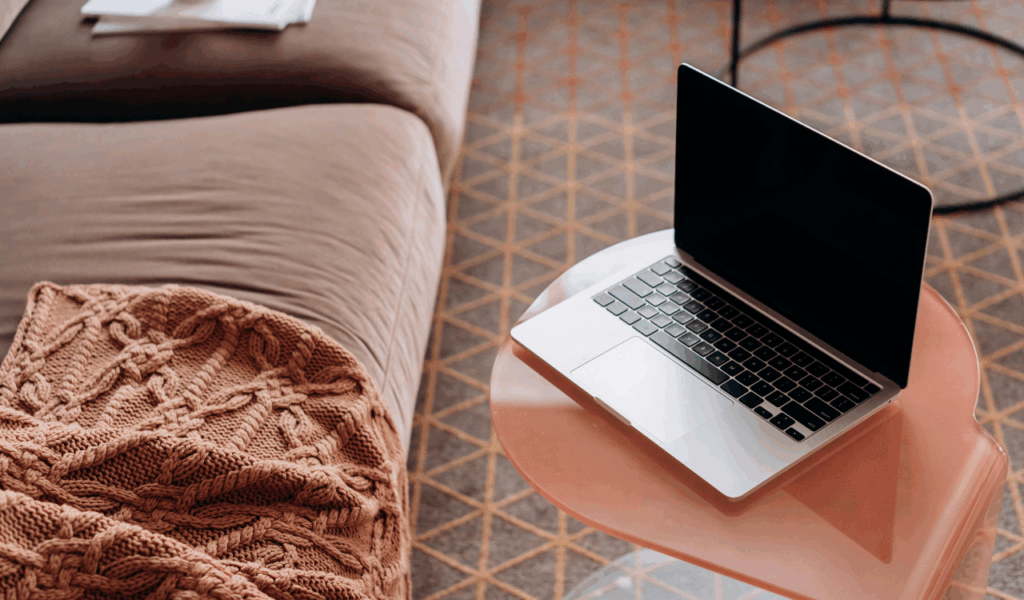
At first glance, putting a homework zone in a common area feels practical. Parents can supervise, kids are not isolated, and the space feels integrated into daily life. In reality, high-traffic locations work against focus. Every passing conversation, footstep, or household task pulls attention away from schoolwork. Even brief interruptions break concentration, and it takes time to refocus afterward. Over time, kids associate the space with distraction rather than productivity. They start postponing work or relocating to quieter spots, such as bedrooms or couches. A homework zone needs to be predictable and calm. When the environment constantly changes around it, the space never becomes a reliable place to settle in and work.
2. Desks That Were Simply Too Small
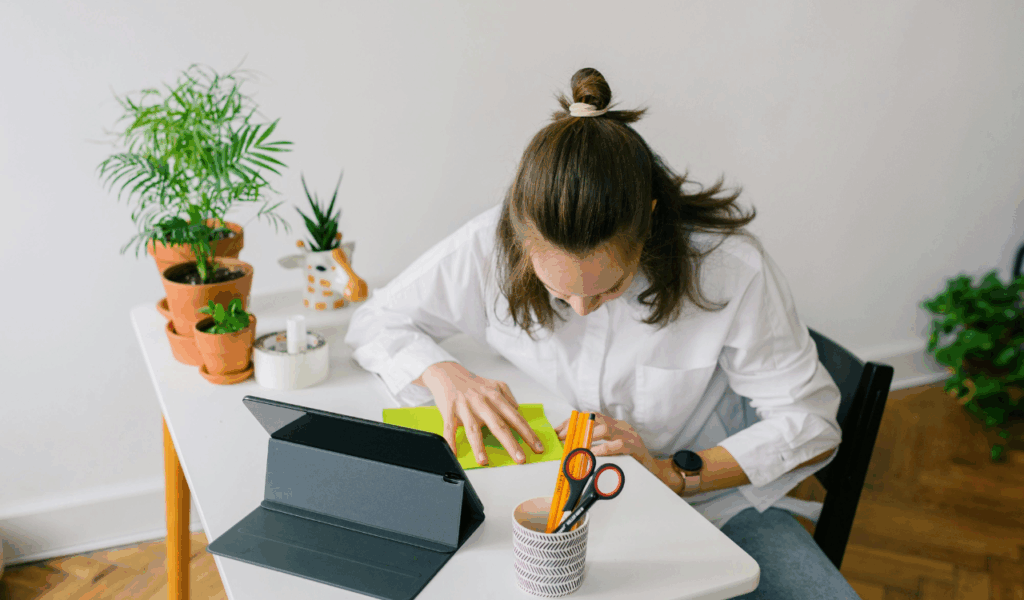
Small desks look neat and fit easily into tight spaces, but they rarely support real homework needs. Once a laptop, notebook, textbook, and writing space are required at the same time, the surface becomes cramped. Kids constantly shuffle items around, which slows them down and increases frustration. There is no room to spread out or stay organized. Over time, the desk feels limiting rather than helpful. Students migrate to dining tables or floors where they have more room. A workspace that feels physically restrictive sends a clear message that it was designed more for appearance than actual use.
3. Poor Lighting That Made Work Uncomfortable

Lighting is one of the fastest ways to ruin a homework zone. Dim corners, overhead-only lighting, or poorly positioned lamps strain the eyes and cause headaches. Glare on screens or shadows across writing surfaces make even short tasks uncomfortable. Kids respond by avoiding the space or rushing through work just to leave it. Over time, the zone develops a negative association with discomfort. Good lighting supports sustained focus and reduces fatigue. When lighting is ignored, even the best-designed desk becomes a place kids resist using.
4. Seating That Became the Breaking Point
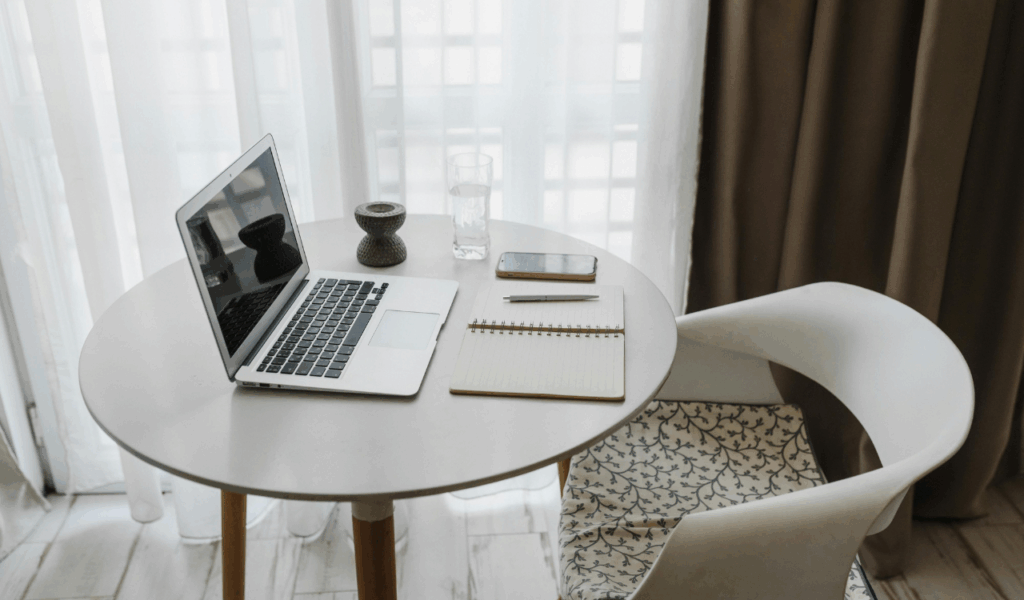
Uncomfortable seating quietly undermines homework routines. Chairs that are too hard, too tall, or lack proper back support make it difficult to sit for long periods. Kids fidget, slouch, or abandon the chair altogether. Physical discomfort shortens attention spans and increases resistance to starting work. Over time, kids associate the homework zone with physical strain. Even well-lit, organized areas fail when seating does not support the body. Comfort is not a luxury in a study space. It is a requirement for consistency and use.
5. Storage That Created More Frustration Than Help

Homework zones often include shelves, bins, or drawers meant to keep supplies organized. When storage is poorly planned, it becomes an obstacle instead. Supplies get buried, mixed, or forgotten entirely. Kids spend valuable time searching for what they need or asking for help instead of starting work. The space feels chaotic rather than supportive. Over time, kids avoid the area because it slows them down. Effective storage should reduce friction. When it adds friction, the homework zone loses its purpose.
6. Zones Without a Clear Identity
Homework areas that double as play spaces, crafting tables, or lounging spots struggle to gain traction. Without a clear purpose, the space never signals that it is time to focus. Toys, games, or unrelated items compete for attention. Kids receive mixed cues about how the space should be used. Over time, the area becomes associated with everything except schoolwork. Successful homework zones create mental boundaries as much as physical ones. When those boundaries are missing, consistency disappears.
7. Placement Too Close to Entertainment
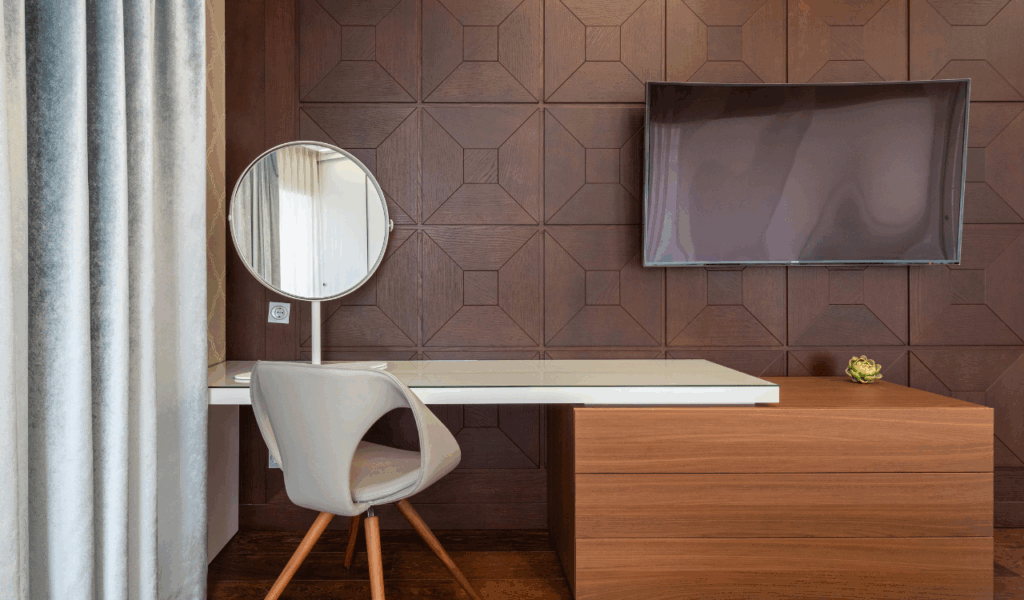
Locating a homework zone near a television, gaming console, or frequently used screen is a common mistake. Even when devices are turned off, their presence is distracting. Kids think about what they are missing or glance toward the screen instinctively. Background noise or visual movement pulls attention away from tasks that require concentration. Over time, the space feels like a compromise rather than a commitment to learning. Homework zones work best when entertainment is clearly separated from study areas, not sharing the same visual field.
8. Furniture That Could Not Adjust Over Time

Children grow quickly, and homework needs change just as fast. Desks and chairs that are fixed in size often become uncomfortable or impractical within a year or two. When a setup no longer fits the child physically, it stops being used. Parents may intend to upgrade later, but in the meantime, the space sits idle. Adjustable furniture supports long-term use and signals that the space is meant to grow with the student. Without flexibility, homework zones feel temporary and disposable.
9. Overdecorated Spaces That Pulled Focus Away
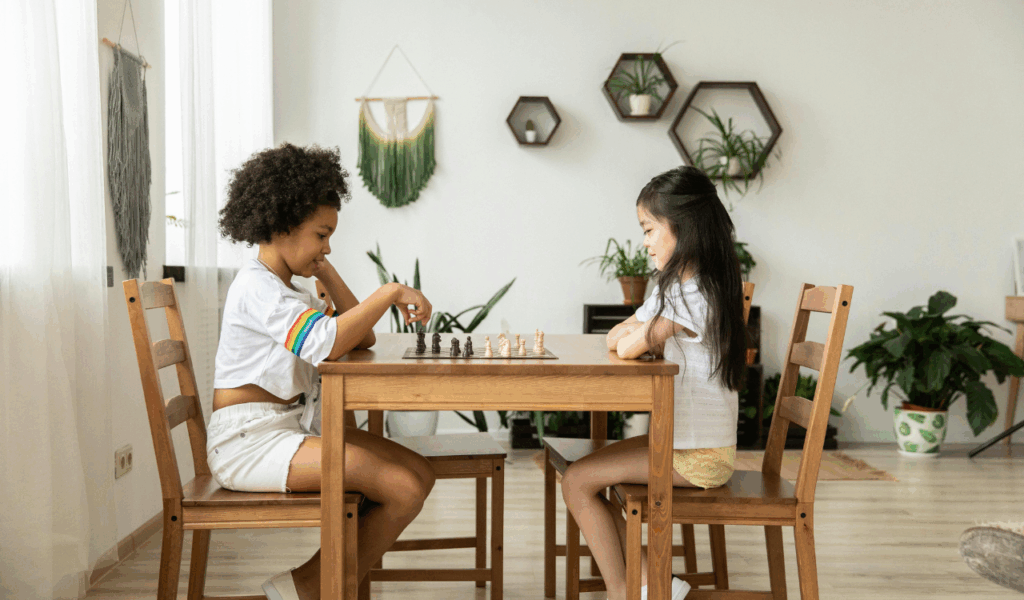
A visually busy homework zone may look inspiring in photos, but it often works against concentration. Bright colors, patterned walls, excessive décor, and visual clutter compete for attention. The eye keeps moving, and focus suffers. Kids become mentally overstimulated before they even begin working. Over time, the space feels tiring rather than motivating. Effective homework zones strike a balance between warmth and simplicity. When decoration overwhelms function, kids instinctively avoid the area.
10. Poor Acoustics That Made Concentration Hard

Noise travels easily through shared walls, open layouts, and hard surfaces. Homework zones placed near kitchens, living rooms, or echo-prone areas expose kids to constant background sound. Even low-level noise disrupts concentration, especially for reading and problem-solving. Over time, kids associate the space with frustration and distraction. They seek quieter areas, even if those spaces are less organized. Sound control is often overlooked, but it plays a critical role in whether a homework zone feels usable day after day.
11. Spaces That Lacked Personal Ownership
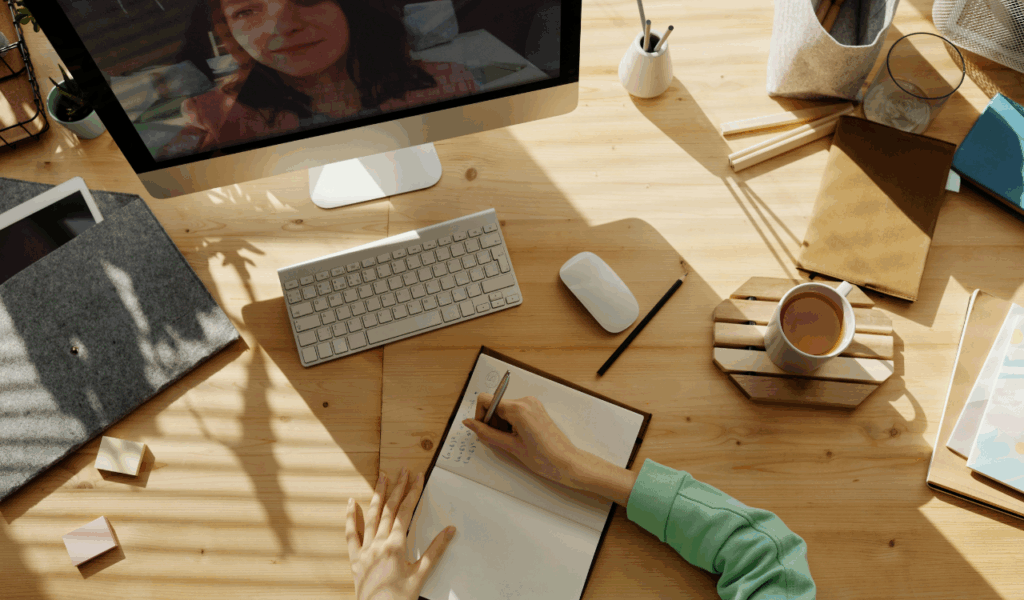
Homework zones designed entirely by adults often miss an important element: buy-in. When kids have no input, the space can feel imposed rather than inviting. Colors, layout, and organization may not reflect how the child actually works. Without a sense of ownership, motivation drops. Kids are less likely to care for or return to the space consistently. Personalization does not mean clutter. It means allowing the space to reflect the user. When homework zones feel personal, they are far more likely to be used regularly.