7 Summer Seafood Spots Facing Seasonal Contamination or Sustainability Concerns
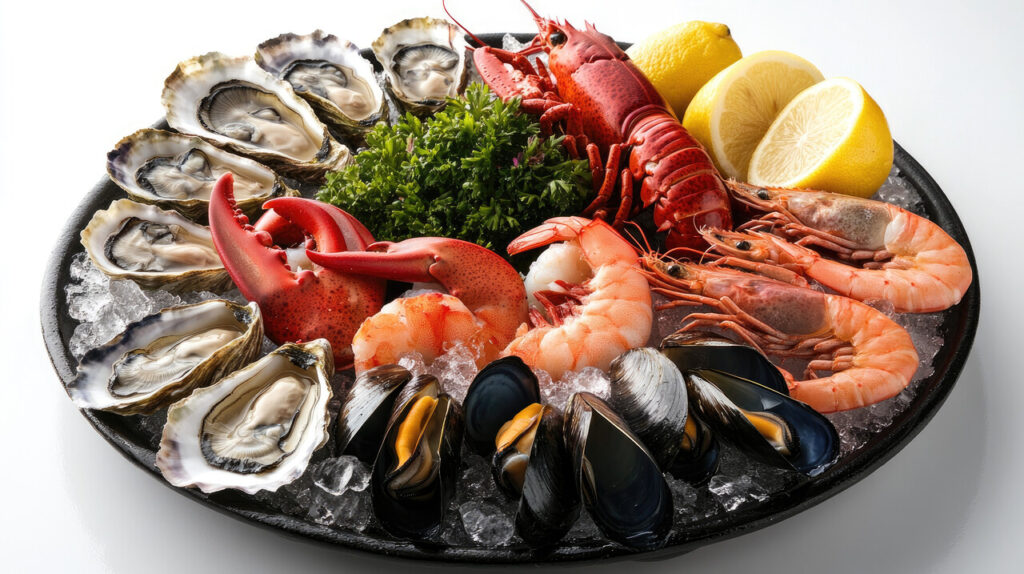
Summer has a way of making seafood feel irresistible, but here’s the thing: the warmer the season, the more fragile the supply chain becomes. Water quality shifts fast, marine ecosystems get stressed, and popular seafood spots suddenly find themselves juggling contamination advisories, sustainability warnings, and customer expectations. What looks like a carefree plate of oysters or shrimp on a breezy afternoon often reflects a complicated behind-the-scenes scramble. Understanding these pressures helps explain why some places face recurring scrutiny when peak season hits.
1. Oyster Bars Serving Half-Shell Oysters With Norovirus Risk
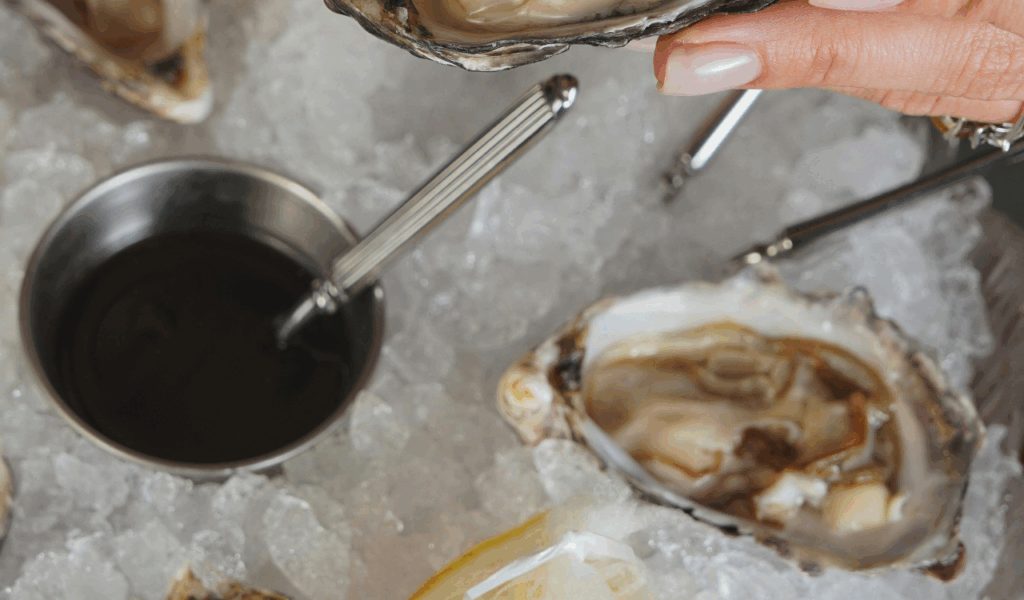
Here’s the blunt truth about raw oysters: they taste like the shore, but they also carry whatever’s in the surrounding water. Norovirus outbreaks tied to raw oysters are a recurring summer problem because the virus concentrates in shellfish during certain contamination events. Restaurants and oyster bars that feature half-shell selections are often the first to feel the effects: sudden cases of gastrointestinal illness, emergency advisories, and pulled menu items. The risk isn’t a sign of sloppy kitchens so much as the nature of bivalves. Shellfish filter large volumes of water and trap viruses and bacteria that humans can’t taste or see. For operators, the choice is operationally tricky.
2. Oyster Bars Serving Half-Shell Oysters With Norovirus Risk
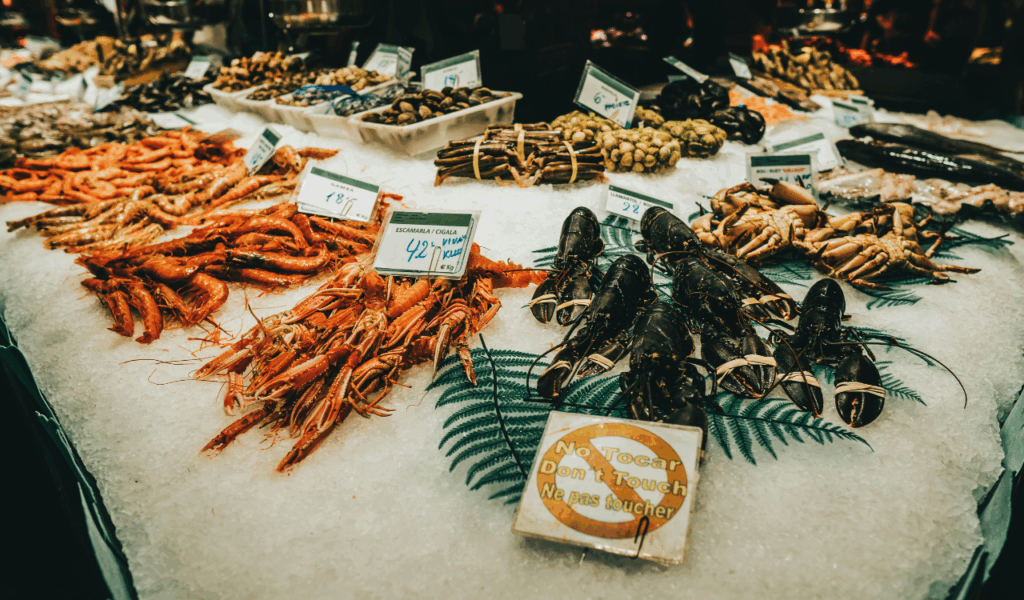
Shellfish harvested from parts of Oregon and Washington can suddenly become unsafe because of paralytic shellfish toxins produced by seasonal algal blooms. These toxins, including saxitoxin, don’t alter taste or appearance, yet they can cause severe neurological symptoms. For coastal restaurants that pride themselves on hyper-local menus, those closures are devastating: entire trays of oysters, clams and mussels that would have been customer favorites are legally off limits. This is not an issue solved by better refrigeration or kitchen technique; it’s an ecological event tied to water conditions.
3. Imported Raw Oysters and the Hidden Norovirus Problem
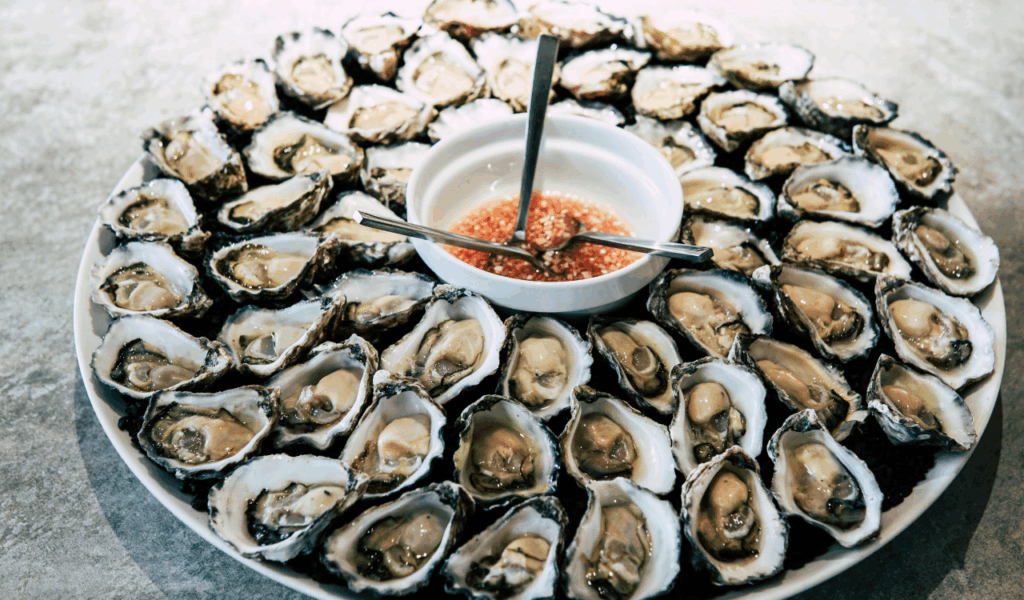
When restaurants import frozen or fresh raw oysters from abroad, they sometimes gain access to desirable varieties out of season, but they also inherit the risk profile of the harvesting region. Several recent recalls and advisories have involved imported oysters suspected of norovirus contamination. Because the virus resists freezing and can survive transport, the perceived safety of imported or frozen raw shellfish is more complicated than many assume. For restaurateurs the challenge is twofold: vetting foreign processors and staying on top of international recall information, while retaining menu offerings that attract customers.
4. Shrimp Imports and Unusual Contamination Scares: Reputational Fallout
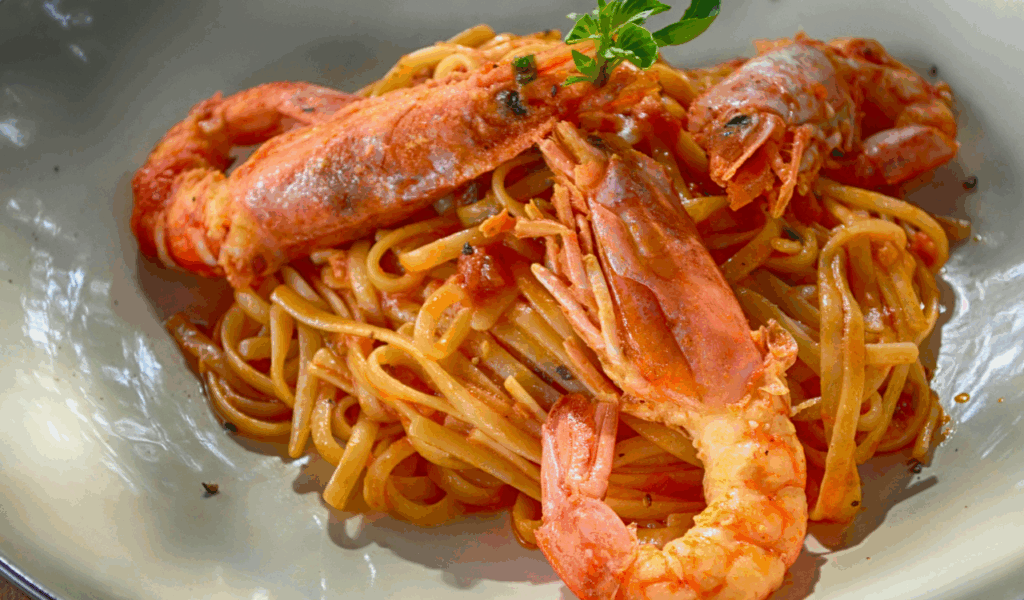
Seafood recalls tied to unusual contaminants, such as radioactive isotopes detected during import screening, are rare but disruptive. Even when tests later show levels below regulatory limits, the headlines ripple through restaurants that source imported shrimp. Shrimp is a summer staple for many casual and fine dining spots, and the moment consumers hear about contamination concerns, they stop ordering shrimp, and chefs must find replacements or face empty plates. The operational impact goes beyond immediate food safety; it shakes confidence in supply chains and elevates scrutiny of import documentation and supplier certifications.
5. Microplastics in Seafood: A Slow, Invisible Contamination With Wide Reach
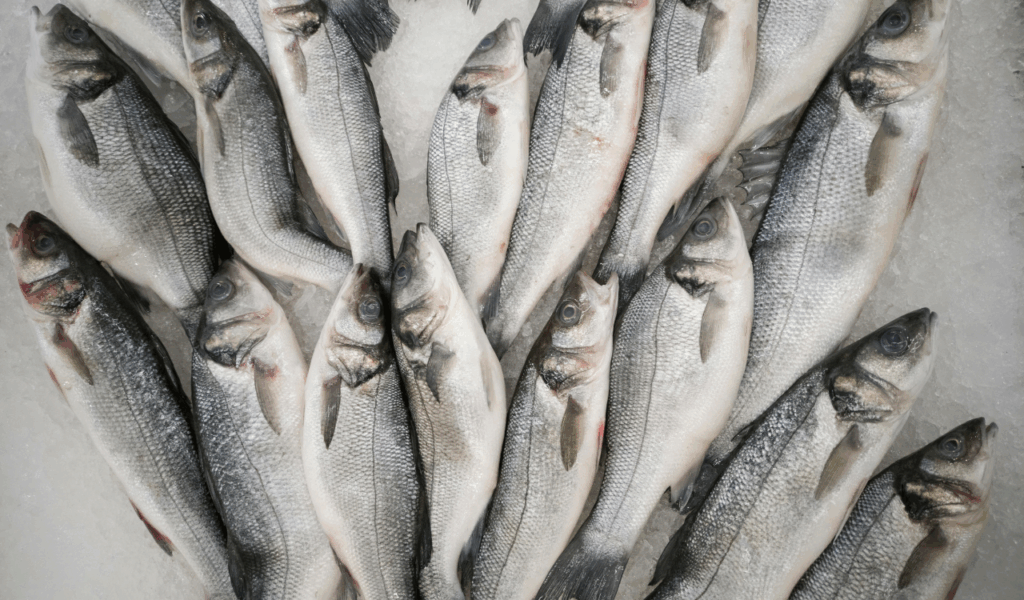
Microplastic pollution is a quiet crisis that shows up across seafood samples and raises questions about cumulative exposure. Filaments and tiny plastic particles end up in shrimp, mussels and fish, carried by ocean currents and broken down from larger debris. This contamination is not a single recallable event but a structural problem affecting fisheries worldwide. For summer seafood spots that promote ocean freshness, microplastics pose a reputational and ethical dilemma: how do you promise purity when the oceans themselves are contaminated? The science on human health impacts is still evolving, but evidence of plastics in food chains is strong.
6. Predatory or Overfished Species on Some Summer Menus
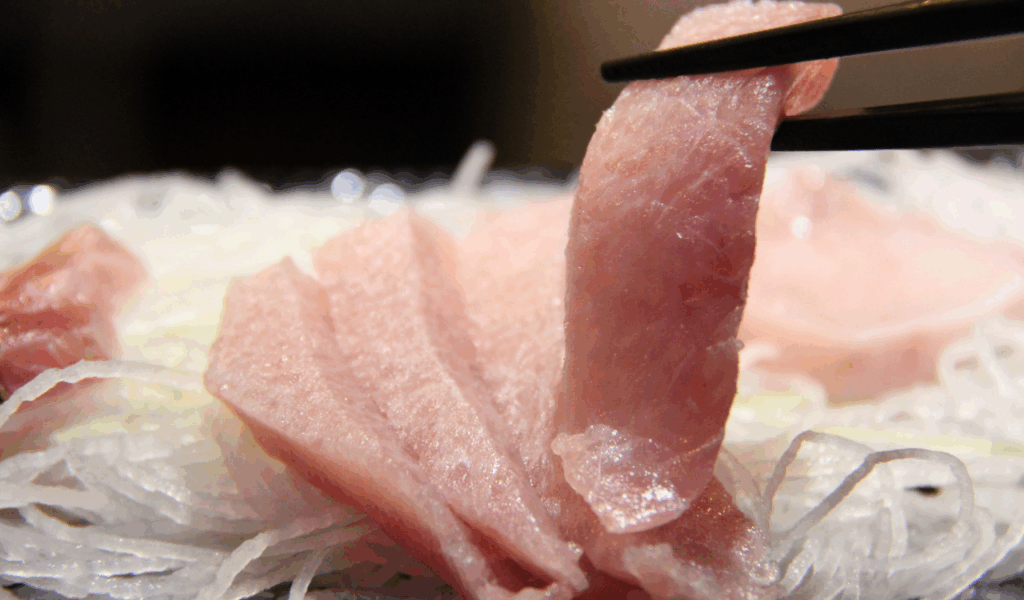
Some species that pop up on summer menus remain under heavy pressure from commercial fishing. Bluefin tuna, certain rockfish, and other high-demand species are classic examples where conservation groups and scientists warn against normal seasonal demand. When a neighborhood seafood spot continues to offer these iconic but endangered fish without clearly addressing sustainability, it invites justified criticism. This is both a supply-chain and an ethics issue. Restaurants rely on consumer demand for signature dishes, yet they also have a role in shaping that demand toward sustainable options.
7. Harmful Algal Blooms: Seasonal Shocks That Close Fisheries and Menus
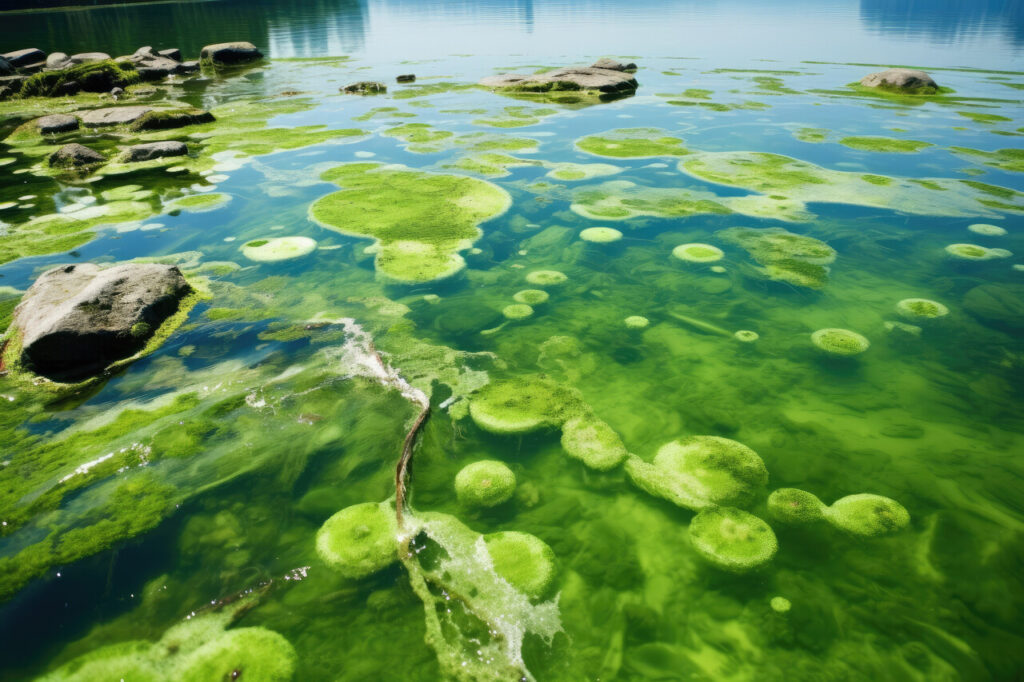
Harmful algal blooms, whether labeled red tide, brown tide, or other local names, are seasonal events with immediate consequences for seafood safety. These blooms produce toxins that accumulate in fish and shellfish and can force harvest area closures for days to months. For restaurants that rely on local harvests, the result is abrupt menu changes, supplier disruptions, and angry customers. The underlying drivers include nutrient runoff, warming waters, and ocean dynamics that are intensifying with climate change, so blooms are not simply a one-off operational problem.