
7 Open-Concept Homes Homeowners Say They Regret Buying
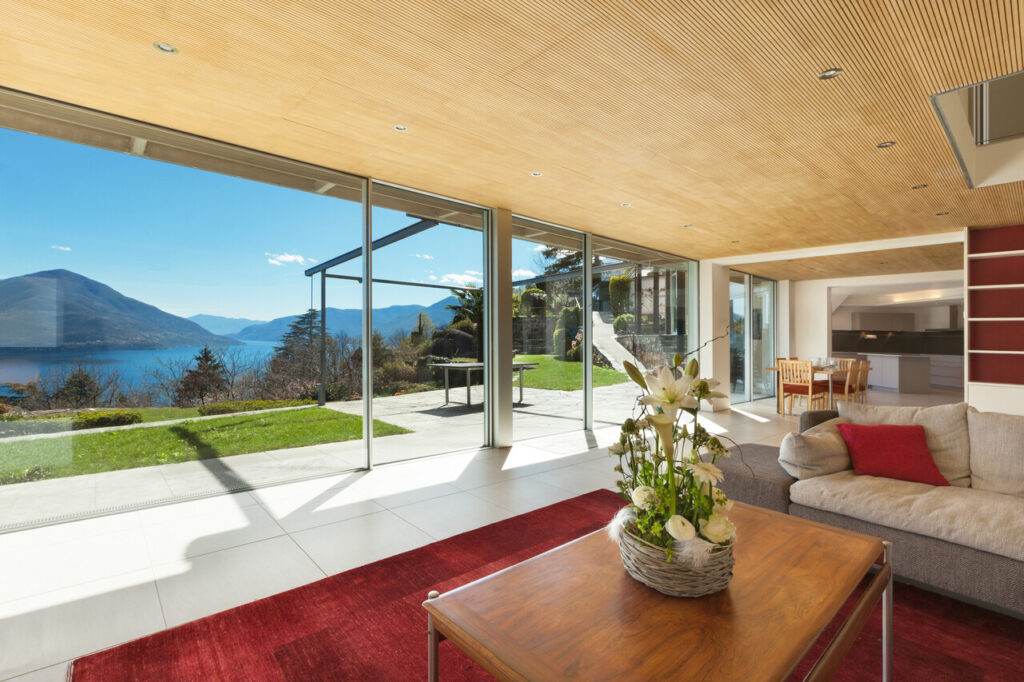
Open-concept homes were once the gold standard of modern living, celebrated for their light-filled spaces, visual openness, and promise of effortless togetherness. On paper and in photos, they suggest a relaxed, social way of living where families naturally gather. In practice, many homeowners discover a different reality after moving in. Noise travels freely from the kitchen to the living area to the dining space, making it hard to concentrate, work from home, or simply unwind. Every day, clutter has nowhere to hide, so even a small mess feels amplified. What looks airy and polished in listings can feel overstimulating and exhausting once daily life settles in, leading many owners to quietly regret the layout.
1. Lack of Privacy Between Living Areas
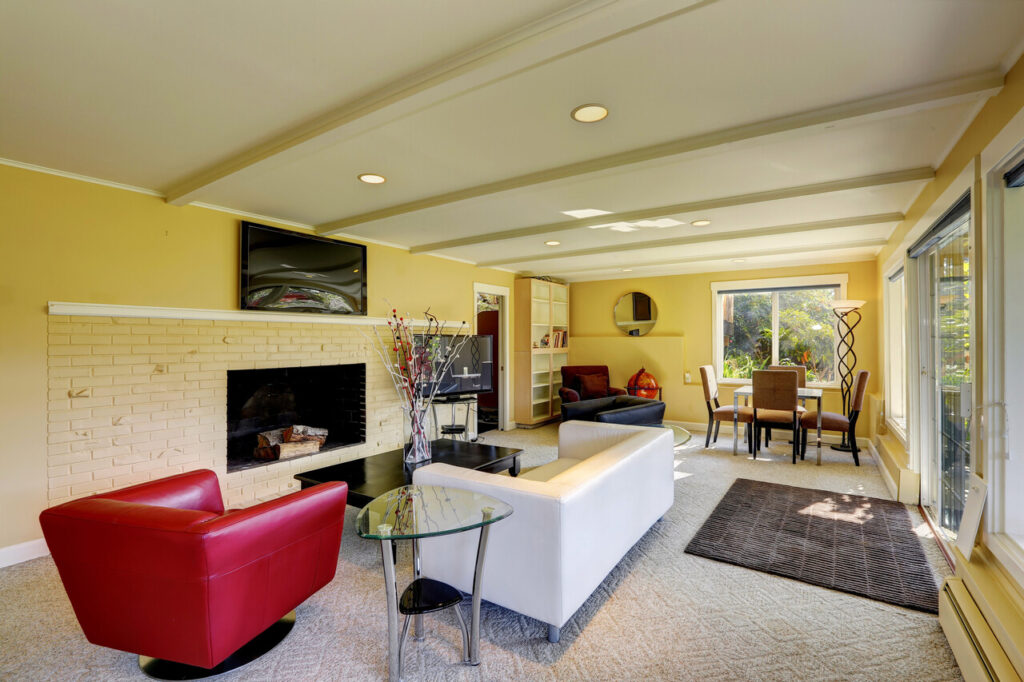
Open layouts promise togetherness, but many homeowners quickly learn that constant togetherness is not always a good thing. Without walls or doors, there is little separation between activities that naturally need boundaries. A phone call in the living room becomes background noise for someone working at the dining table. Kids watching TV can disrupt conversations or quiet moments elsewhere. Even simple things like reading, resting, or focusing become harder when everything happens in one shared zone. Over time, homeowners realize that privacy is not about isolation but about choice.
2. Poor Noise Control Throughout the Space
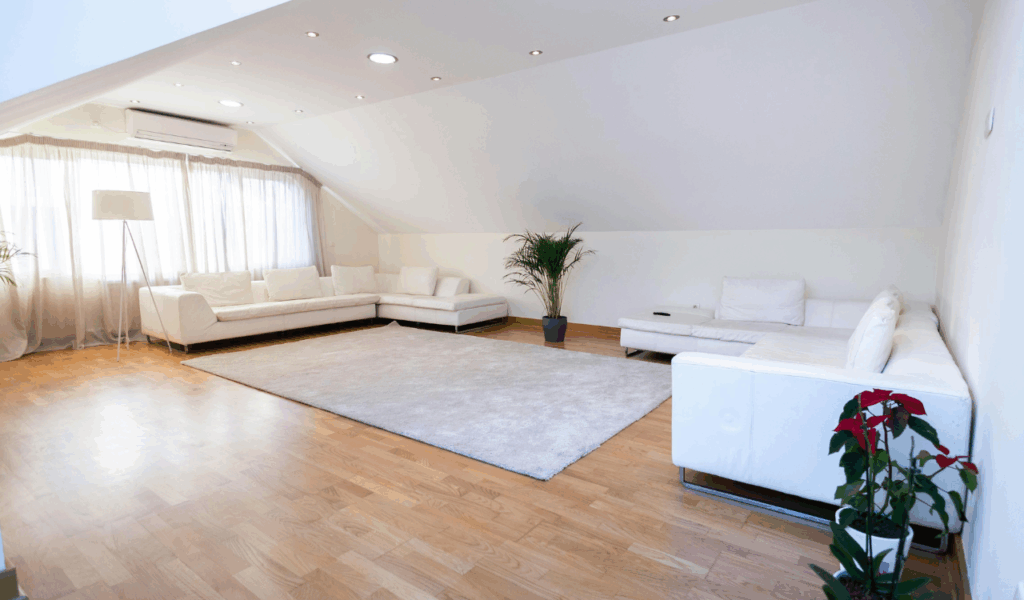
Noise is one of the most common complaints tied to open-concept homes. Sound travels freely when there are no walls to absorb or block it. Appliances, televisions, conversations, and phone notifications overlap and amplify each other. High ceilings and hard surfaces often used in open layouts make the problem worse by creating echo and reverberation. Homeowners report that even small sounds feel louder and more persistent. This becomes especially frustrating during evenings or weekends when multiple activities happen at once. While rugs and soft furnishings can help slightly, they rarely solve the core issue.
3. Limited Wall Space for Storage and Art

At first glance, open-concept homes look clean and airy, but that openness comes at a cost. Fewer walls mean fewer places for cabinets, shelving, hooks, and artwork. Homeowners often struggle to find practical storage without cluttering the space with furniture. Items that would normally be tucked away end up visible, which adds to visual stress. Decorating also becomes more challenging. Large blank expanses can feel awkward, while smaller pieces get lost. Many homeowners realize too late that walls serve a functional purpose beyond dividing rooms. Without them, staying organized and personalizing the space becomes far more difficult than expected.
4. Heating and Cooling Inefficiencies
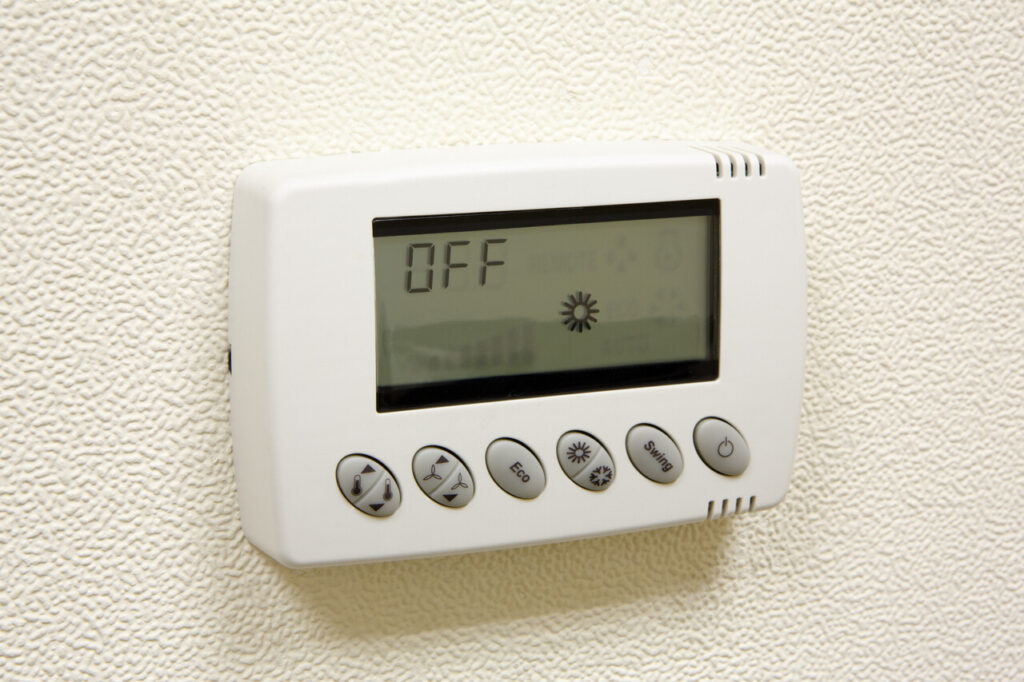
Open-concept homes are notoriously hard to keep comfortable year-round. Large, uninterrupted spaces make it difficult for heating and cooling systems to regulate temperature evenly. Warm air rises and collects near high ceilings, while cooler areas remain uncomfortable. In summer, air conditioning works harder and longer to cool the entire space, driving up energy bills. Homeowners often find themselves adjusting thermostats constantly or relying on fans and space heaters. What seemed like a modern, efficient design turns into an expensive one to maintain. Over time, many buyers regret not choosing a layout that allows for better temperature control and energy efficiency.
5. Clutter Always Visible from Everywhere
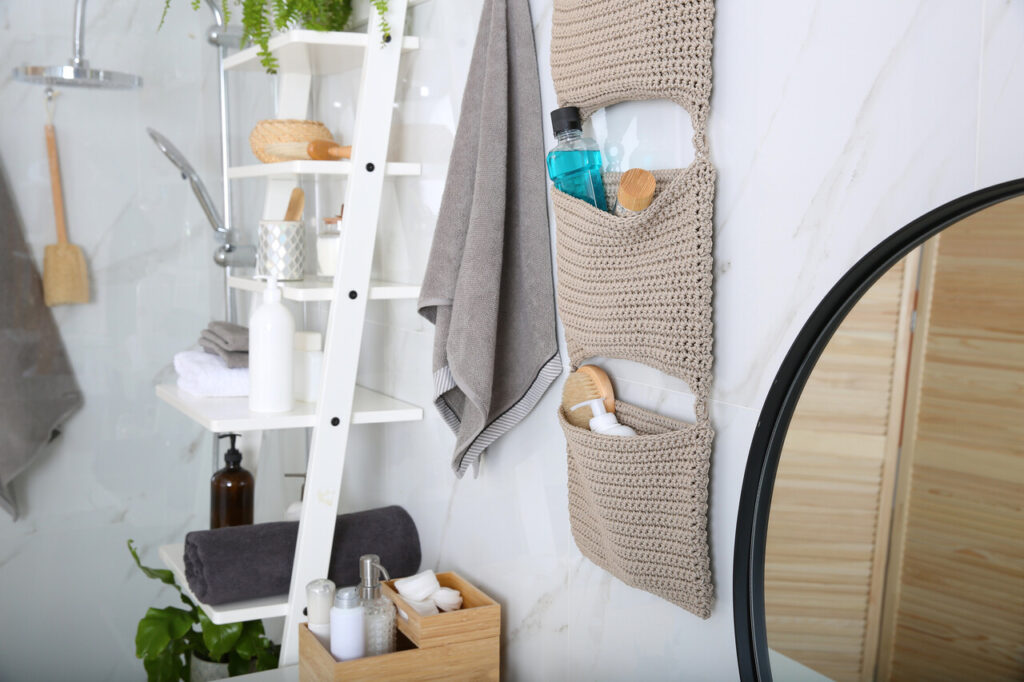
One of the biggest realities of open-concept living is that mess has nowhere to hide. A few dishes in the sink, toys on the floor, or paperwork on the counter become visible from multiple angles. Homeowners report feeling pressure to keep everything spotless at all times, which is unrealistic for most households. This constant visibility creates stress rather than relaxation. In more traditional layouts, clutter can be contained to specific rooms. In open homes, every imperfection is on display. Many buyers realize they underestimated how mentally taxing this can be, especially in busy family environments.
6. Cooking Smells Spread Easily

In open-concept homes, kitchens and living areas share the same air. While this can feel social during meal prep, it also means cooking smells linger far longer and travel farther. Fried foods, strong spices, or even simple meals can permeate furniture, fabrics, and adjacent spaces. Homeowners often discover that ventilation systems struggle to keep up. Curtains, rugs, and sofas absorb odors over time. What starts as a minor inconvenience becomes a recurring frustration. Many buyers later wish they had chosen a layout that allowed cooking areas to be closed off when needed.
7. Furniture Layout Challenges
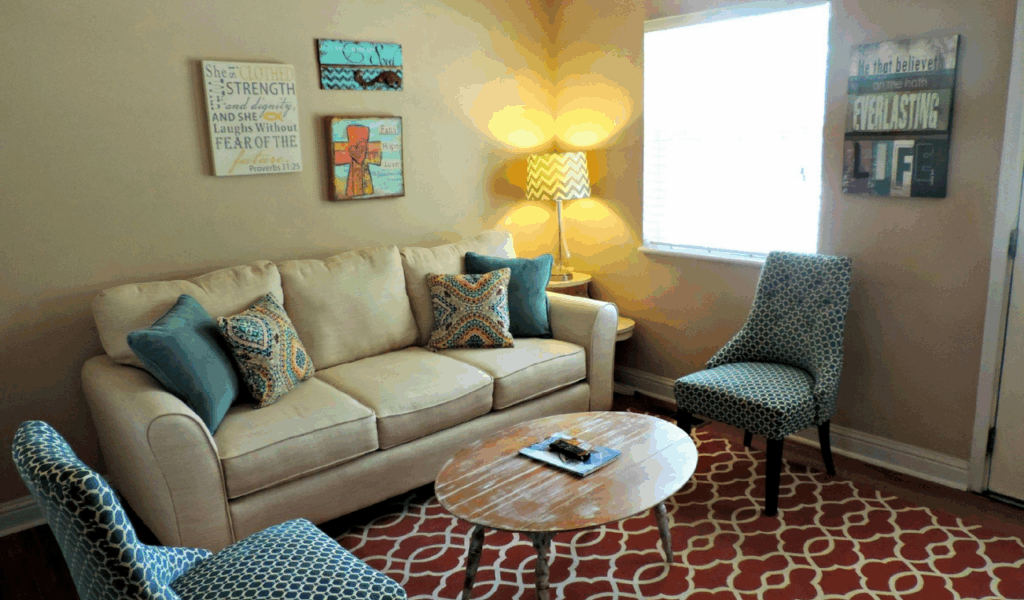
Furnishing an open-concept home sounds simple until homeowners try to do it. Without defined rooms, furniture must create zones, which is harder than it looks. Sofas often float awkwardly, rugs feel too small or too large, and walkways cut through seating areas. Many homeowners end up buying extra furniture just to make the space feel anchored, which adds cost and clutter. Electrical outlets and lighting placement can also limit options. Over time, buyers realize that flexibility comes with hidden constraints. The lack of structure makes it surprisingly difficult to create a layout that feels both functional and comfortable.