
14 New Year Storage Products That Didn’t Solve Anything
Every January brings a fresh wave of storage products promising quick fixes and instant order. Clear bins, clever organizers, and multi-purpose systems all claim to make clutter disappear with minimal effort. For a while, it feels like progress. Shelves look neater, floors clear up, and everything has a place. Then real life steps in. Drawers get overfilled, bins collapse, and systems fall apart once routines return. By February, many of these products reveal the same truth. Storage alone does not create organization. These are the New Year storage buys that looked helpful but ultimately changed nothing.
1. Clear Plastic Boxes That Hid the Problem
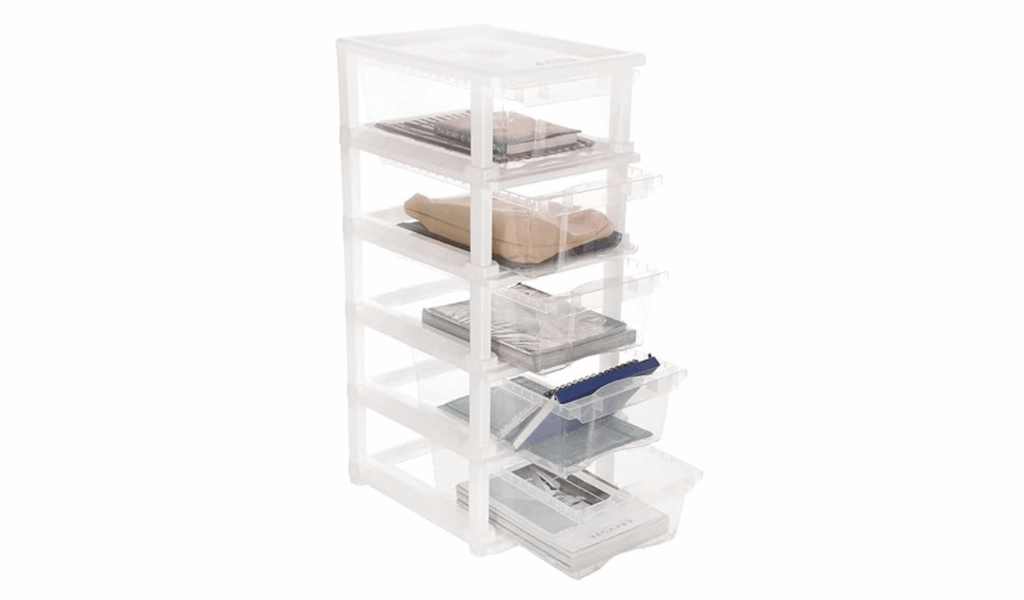
At first glance, clear plastic boxes feel like the answer to everything. You can see what’s inside, they stack neatly, and they promise instant order. In practice, they often just preserve clutter in a more polished form. Without labels or categories, items get tossed in quickly and forgotten just as fast. Because everything is visible, people assume they will stay organized, but the opposite happens. The boxes fill with mixed items that do not belong together, making retrieval frustrating. Over time, these bins get shoved into closets or garages where visibility no longer helps. The clutter still exists, it’s just sealed in plastic. What this really shows is that storage without sorting does not solve anything.
2. Over-the-Door Shoe Organizers Used for Everything Else
These organizers are designed for shoes, but many people repurpose them for toys, cleaning supplies, or random household items. That flexibility sounds useful until gravity and daily use step in. Pockets sag, items fall out, and the organizer sways every time the door moves. Because the pockets are shallow, they rarely fit what people actually store. Kids pull things out and never put them back correctly. Doors stop closing smoothly. By February, the organizer looks chaotic and half-empty, with items scattered elsewhere. Instead of reducing mess, it becomes another surface for clutter. Storage that interferes with basic movement rarely survives long-term use.
3. Under-Bed Bins That Were Out of Sight and Out of Mind

Under-bed storage is often marketed as hidden efficiency, but accessibility matters more than people expect. These bins are hard to reach, especially when beds are heavy or rooms are small. Because accessing them takes effort, people avoid using them regularly. Items meant for frequent use end up buried, while rarely used things take up better space elsewhere. Dust buildup and forgotten contents are common. By the time the bin is opened again, it has become a time capsule of unused items. Instead of encouraging organization, under-bed bins often delay decisions about what to keep or discard, which is why they rarely solve the problem they promise to fix.
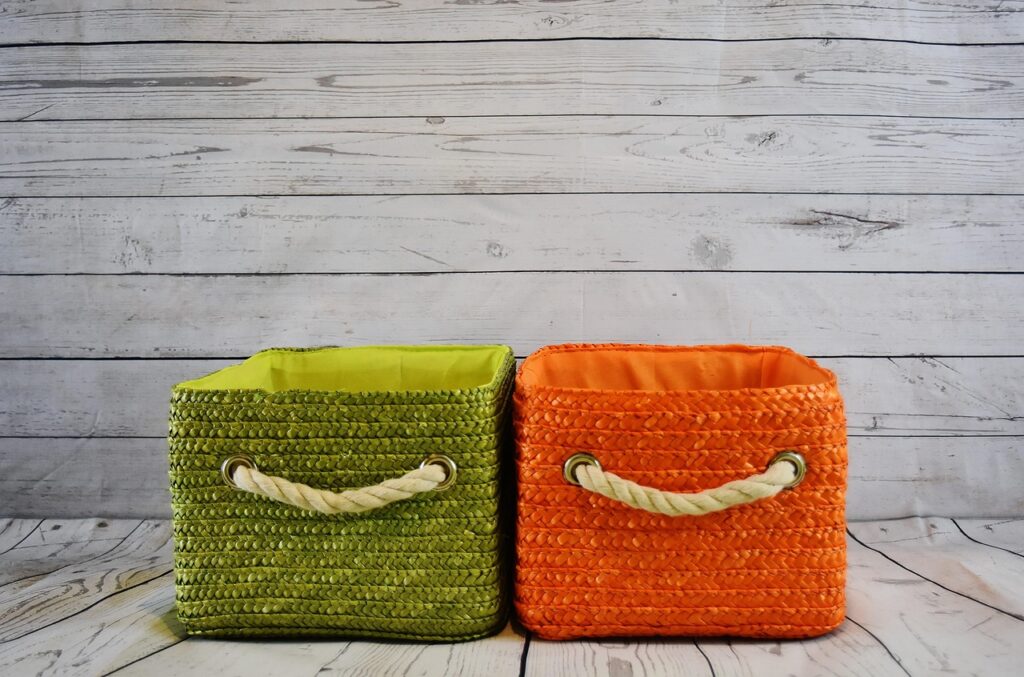
4. Decorative Baskets That Collect Random Piles

Baskets look tidy, which is exactly why they fail so often. They invite dumping. Mail, toys, chargers, blankets, and paperwork all end up in the same place because the basket makes it feel acceptable. There is no structure inside, so nothing stays separated. Over time, the basket fills beyond capacity and spills back into the room. Because it looks intentional, people ignore it longer than they should. When it is finally emptied, sorting takes more time than expected. Decorative storage without internal organization becomes a holding zone, not a solution, and that is where many New Year organizing efforts quietly fall apart.
5. Stackable Cube Shelves That Couldn’t Handle Real Weight
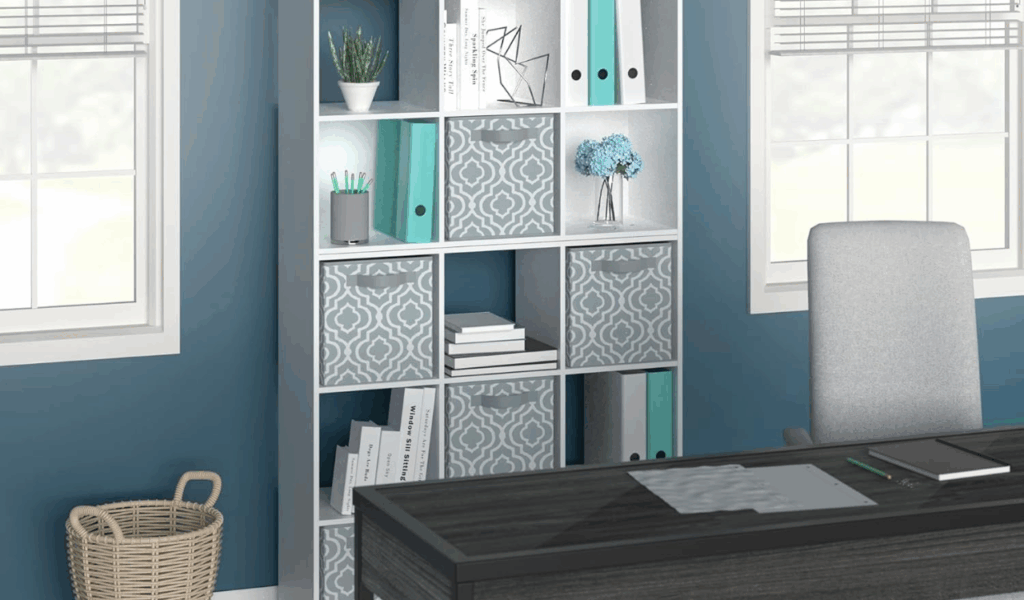
Cube shelves promise modular flexibility, but many are not built for heavy or uneven loads. Books, files, and storage bins weigh more than expected, causing shelves to bow or wobble. Once one cube is overloaded, the entire unit feels unstable. People then avoid using the shelves fully, defeating their purpose. Another issue is depth. Many cubes are too shallow for real storage needs, forcing items to stick out or be crammed in sideways. What starts as a clean grid turns messy quickly. Instead of adapting to real life, these shelves demand careful balancing, which few people maintain for long.
6. Lazy Susan Turntables That Just Spun the Mess
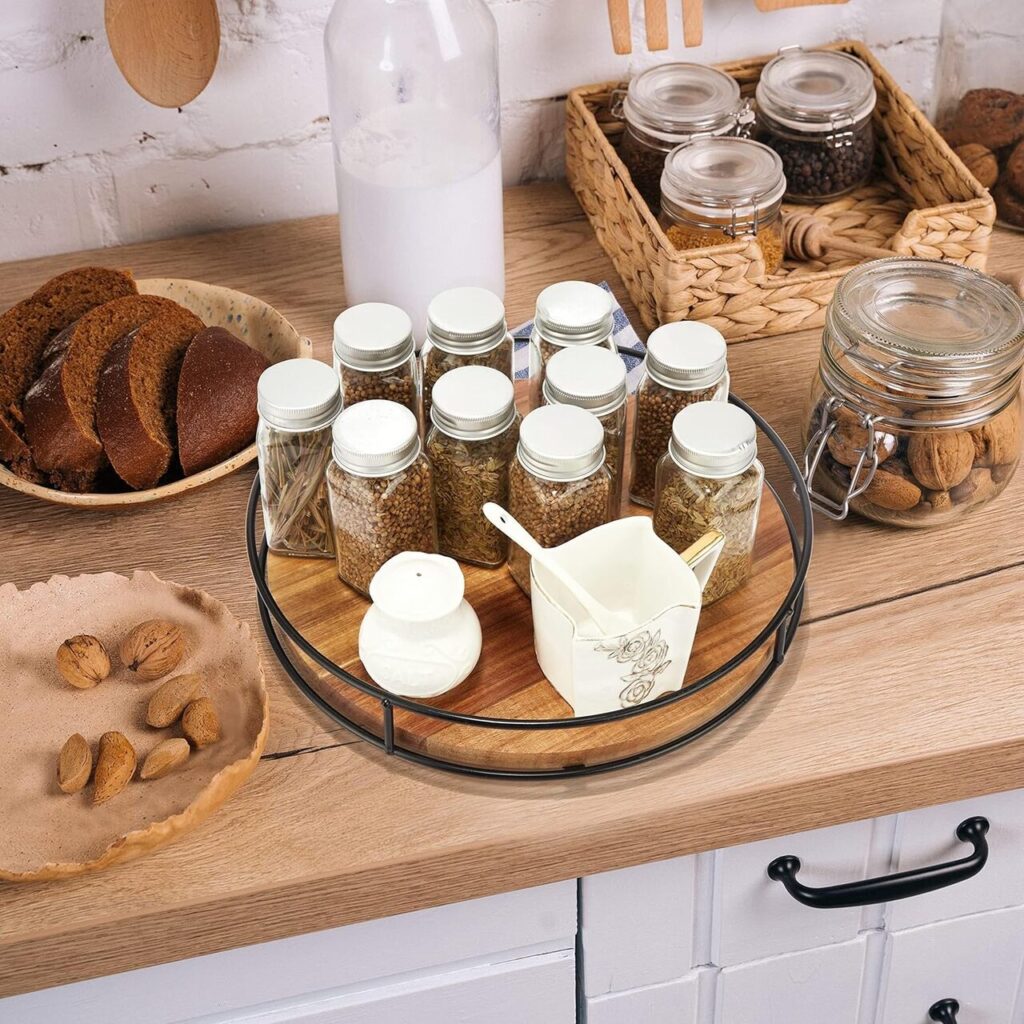
Lazy Susans are meant to improve access, but they do not reduce volume. When too many items are placed on them, spinning only reveals more clutter. In cabinets and refrigerators, things slide, tip, or fall off during rotation. Without strict limits, the turntable becomes crowded fast. People also forget what is placed at the back, leading to duplicates and waste. The circular shape wastes corner space, reducing usable storage overall. Instead of creating order, these products often rearrange chaos without addressing excess. Easy access means nothing if there is too much to access in the first place.
7. Wire Closet Organizers That Bent and Sagged
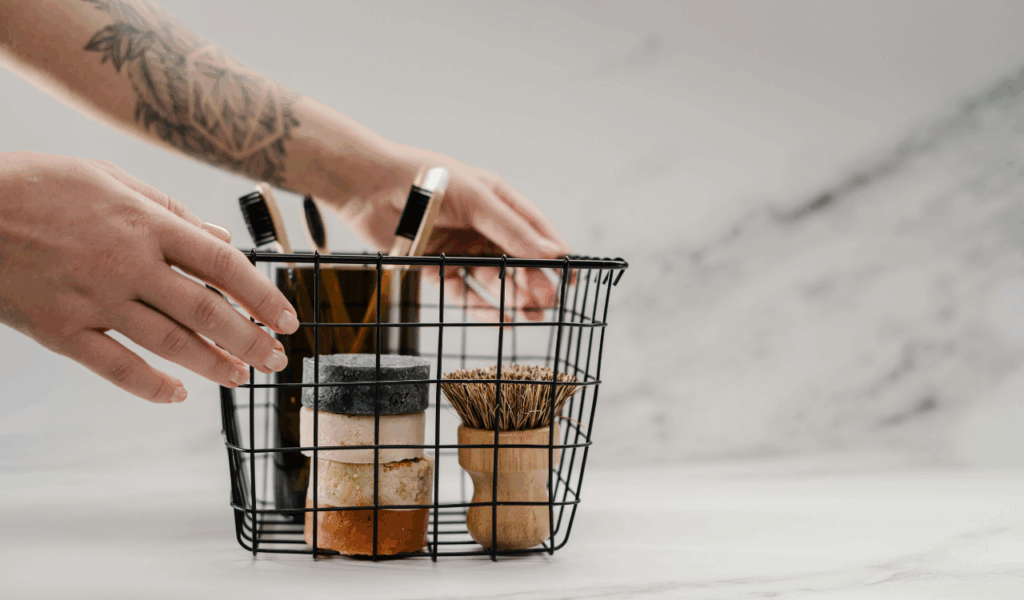
Wire systems are popular for their affordability and flexibility, but they often fail under real use. Clothing, especially winter wear, weighs more than wire shelves are designed to support. Over time, shelves bend, brackets loosen, and hanging bars sag. This creates uneven surfaces where items slide or pile up. The open wire design also allows smaller items to fall through or snag. Adjusting the system repeatedly becomes frustrating. What looked customizable ends up fragile. Instead of simplifying closets, these organizers require constant maintenance, which most people abandon once the New Year motivation fades.
8. Small Drawer Dividers That Created More Pieces
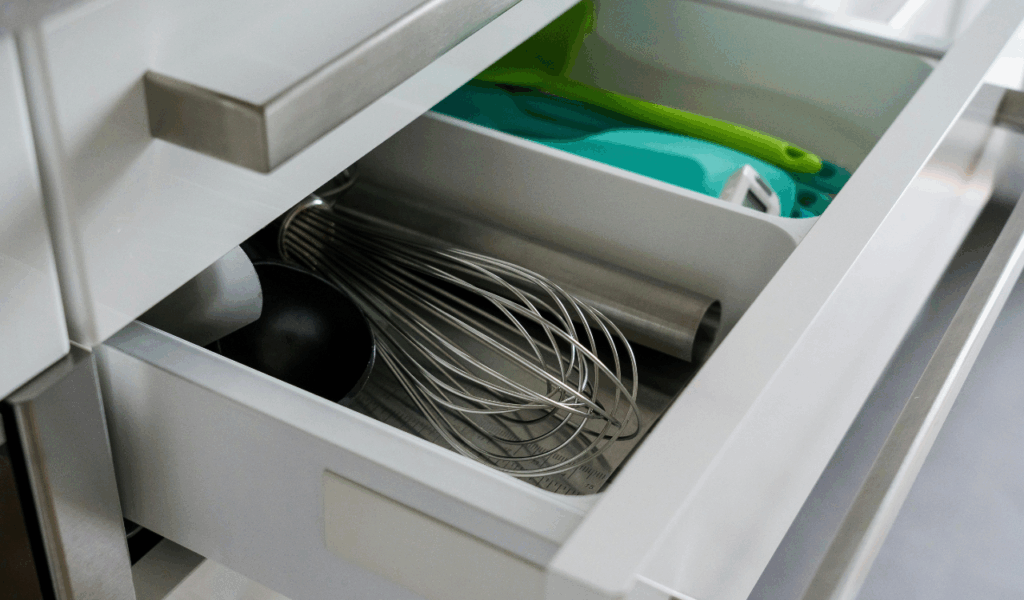
Drawer dividers seem precise, but many are too small or adjustable in awkward ways. They shift when drawers open and close, causing sections to collapse. Instead of helping, they add more components to manage. When drawer contents change, the dividers no longer fit the purpose, forcing constant reconfiguration. People often give up and remove them entirely. The drawer returns to chaos, now with extra plastic parts stored somewhere else. Organization tools that cannot adapt easily become obstacles. The problem was never the drawer itself, but unclear categories and too many items competing for the same space.
9. Magnetic Fridge Bins That Would Not Stay Put
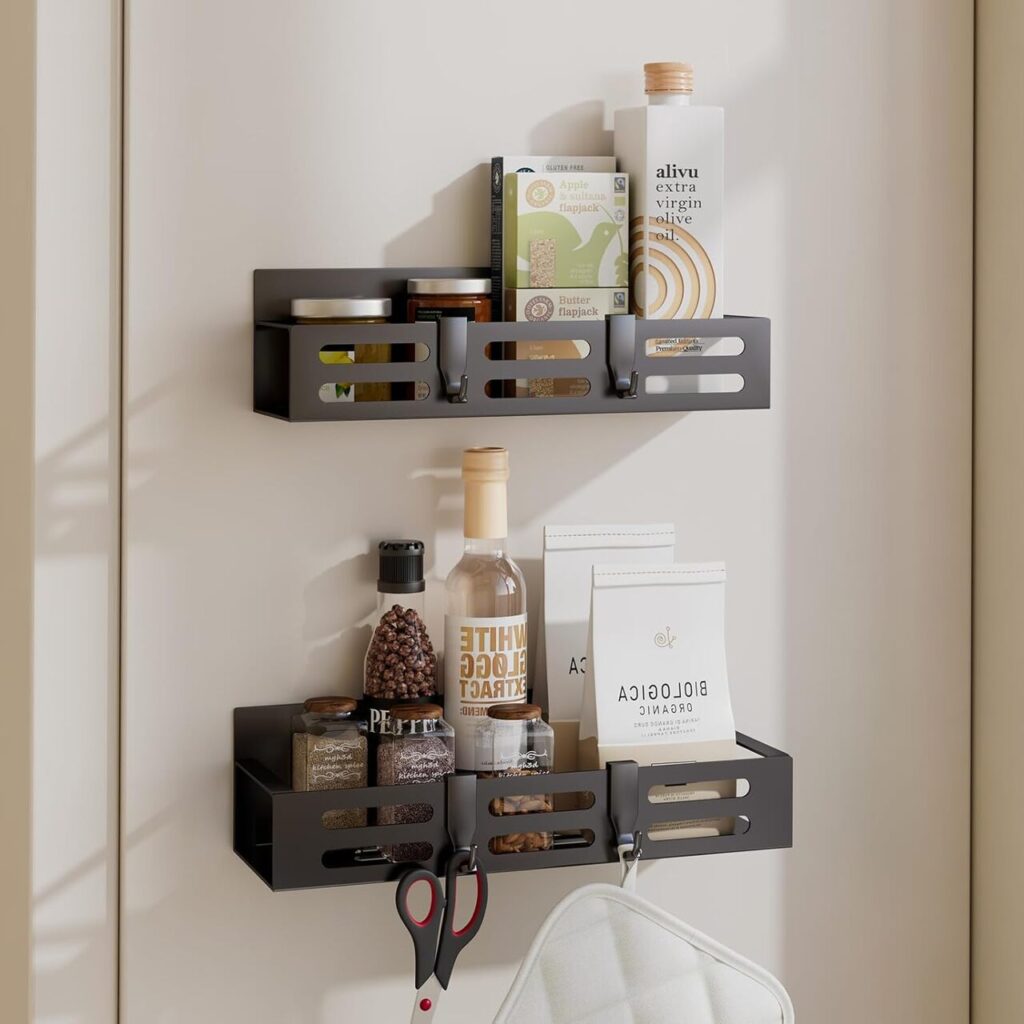
Magnetic storage looks clever, especially for small kitchens, but magnets weaken over time. Once loaded with weight, bins slide or fall unexpectedly. This creates noise, spills, and frustration. People stop trusting the product and avoid using it fully. Another issue is capacity. These bins are often too small for real storage needs, limiting usefulness. Instead of freeing space, they become a risk. Storage should feel stable and predictable. When it does not, people abandon it quickly. The fridge remains cluttered, just in a different way than before.
10. Decorative Trunks That Became Laundry Dumps
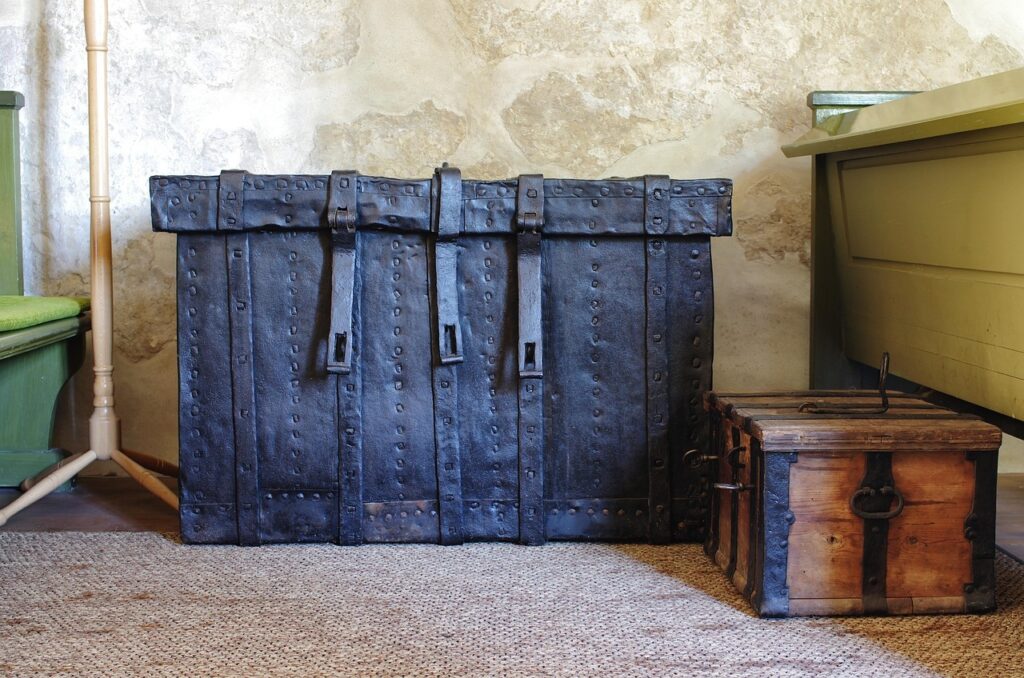
Trunks and storage benches promise hidden storage with style, but they often turn into dumping grounds. Blankets, clothes, and random items get tossed inside without sorting. Because the lid closes, the mess stays invisible until it overflows. These trunks are rarely opened regularly, which means contents go untouched for months. When they are finally emptied, the mix of items feels overwhelming. Instead of encouraging order, the trunk delays it. Large containers without structure tend to absorb clutter rather than resolve it, which is why they so often disappoint.
11. Hanging Sweater Organizers That Crushed Clothing
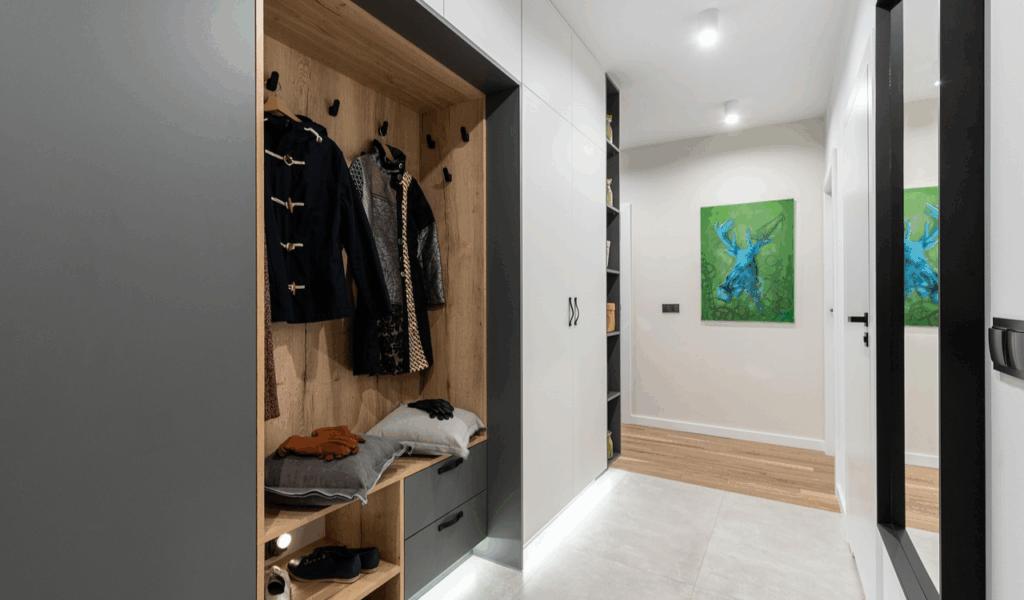
These fabric organizers look gentle, but gravity works against them. Sweaters and heavier garments stretch the compartments, causing sagging and misshapen storage. Clothes get compressed, wrinkled, and hard to retrieve. Because visibility is limited, people forget what is stored where. The organizer sways when doors open, making access awkward. Over time, users revert to stacking clothes on shelves or chairs. The organizer remains half-used, occupying valuable closet space. Storage that damages items or makes access harder rarely becomes a lasting habit.
12. Pegboards with Hooks That Never Fit Right
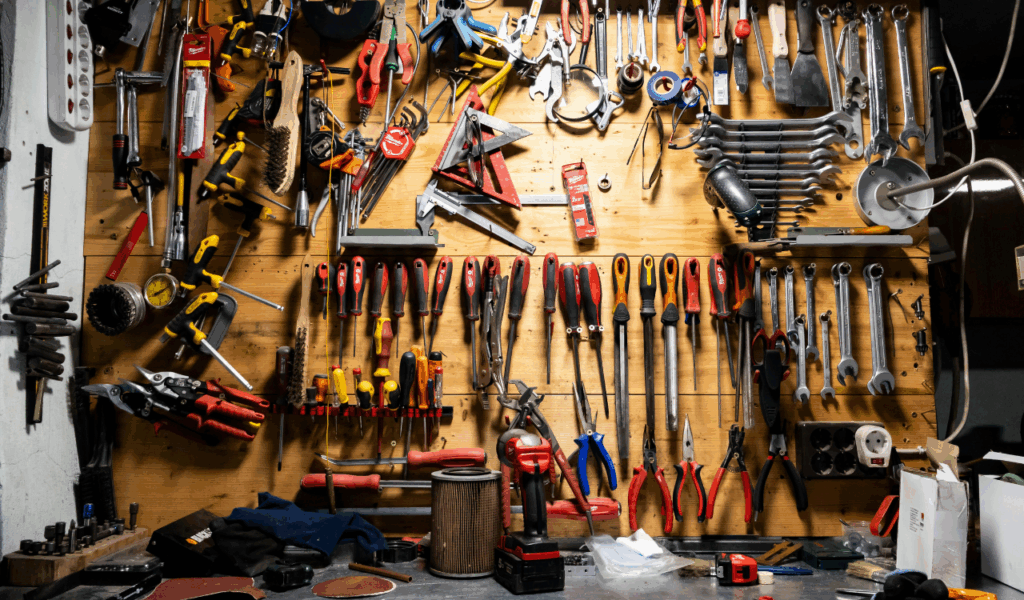
Pegboards suggest flexibility, but matching hooks to real items is harder than it seems. Hooks are often too small, too short, or spaced poorly. Items fall off or lean awkwardly. Without careful planning, the board becomes cluttered with mismatched hardware. Rearranging takes time, and holes remain visible where things used to hang. Many people stop adjusting and let the board stagnate. Instead of evolving with needs, it freezes them. Pegboards work best in workshops, not general living spaces, where items change frequently.
13. Generic Label Sets That Were Never Updated

Labels feel like the final step of organization, but generic sets rarely reflect real categories. People apply them quickly, then change what is stored inside. The label no longer matches the contents, creating confusion. Updating labels requires effort, so many are ignored. Over time, the system loses meaning. Labels only work when they reflect stable habits. When habits shift, labels must shift too. Pre-printed sets assume static storage, which most homes do not have. Instead of clarifying, outdated labels add another layer of friction.
14. Foldable Fabric Bins That Would Not Hold Shape
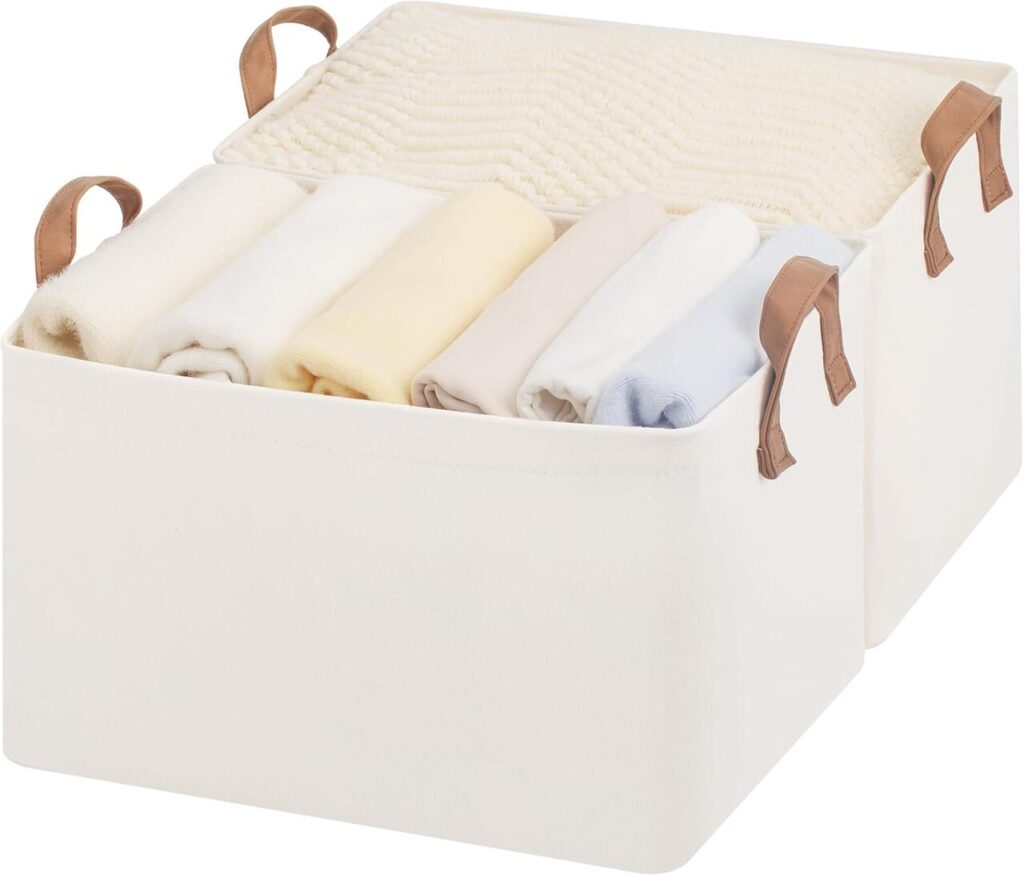
Fabric bins are lightweight and affordable, but many lack structure. When filled unevenly, they collapse or sag, making stacking unreliable. Handles tear under weight, and bins slide instead of staying aligned. Because they lose shape, they look messy even when technically organized. People stop using them for anything important and relegate them to closets or storage rooms. What this shows is simple. Storage must support itself before it can support order. Without rigidity, these bins fail to deliver on their promise, leaving clutter unchanged.