6 Grocery Store Private Labels That Quietly Changed Recipes
Private-label groceries built their reputation on value and reliability. Shoppers trusted these store brands because they delivered familiar flavors at lower prices, often rivaling national names. Lately, that trust has started to wobble. Many customers say their go-to private-label items don’t taste, cook, or feel the same anymore. The packaging hasn’t changed, the price hikes feel subtle, but the recipes tell a different story. Small tweaks to ingredients, texture, or seasoning can dramatically alter everyday foods people buy on autopilot. As stores quietly adjust formulas to manage costs, shoppers are left wondering whether the savings are still worth it.
1. Trader Joe’s Mandarin Orange Chicken
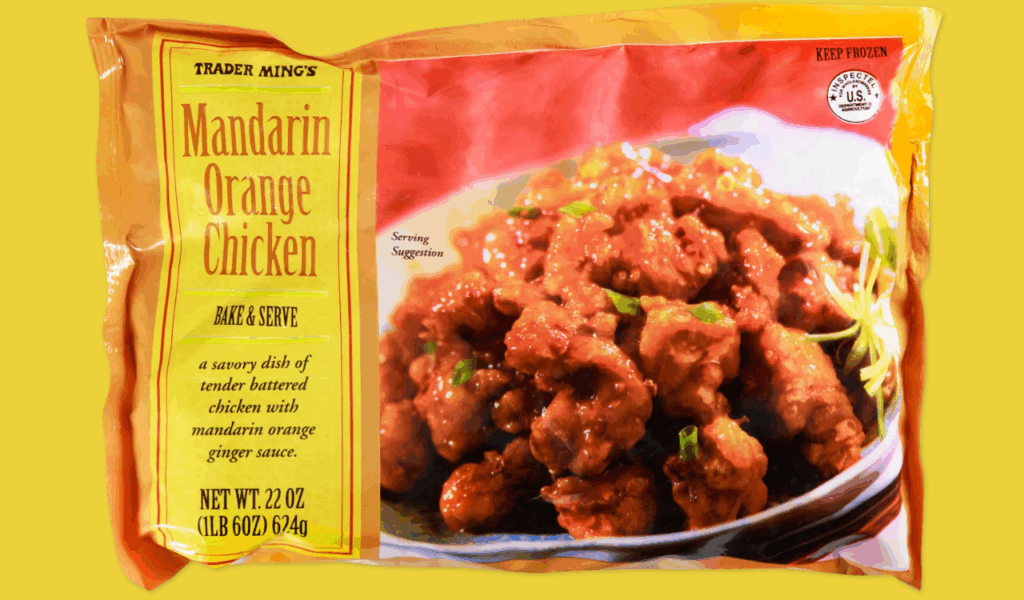
This freezer-aisle favorite built its reputation on a specific balance: crisp breading, tender chicken, and a sauce that hit sweet, tangy, and savory without overpowering the meat. Longtime shoppers, however, increasingly notice subtle shifts. The breading now absorbs sauce faster, leading to a softer texture that doesn’t stay crunchy as long. Some also report a sweeter sauce profile with less depth, suggesting adjustments in sugar ratios or flavor concentrates. These changes matter because this product relies on contrast for appeal. When the coating and sauce lose definition, the dish feels heavier and less satisfying.
2. Kroger Simple Truth Pasta Salad
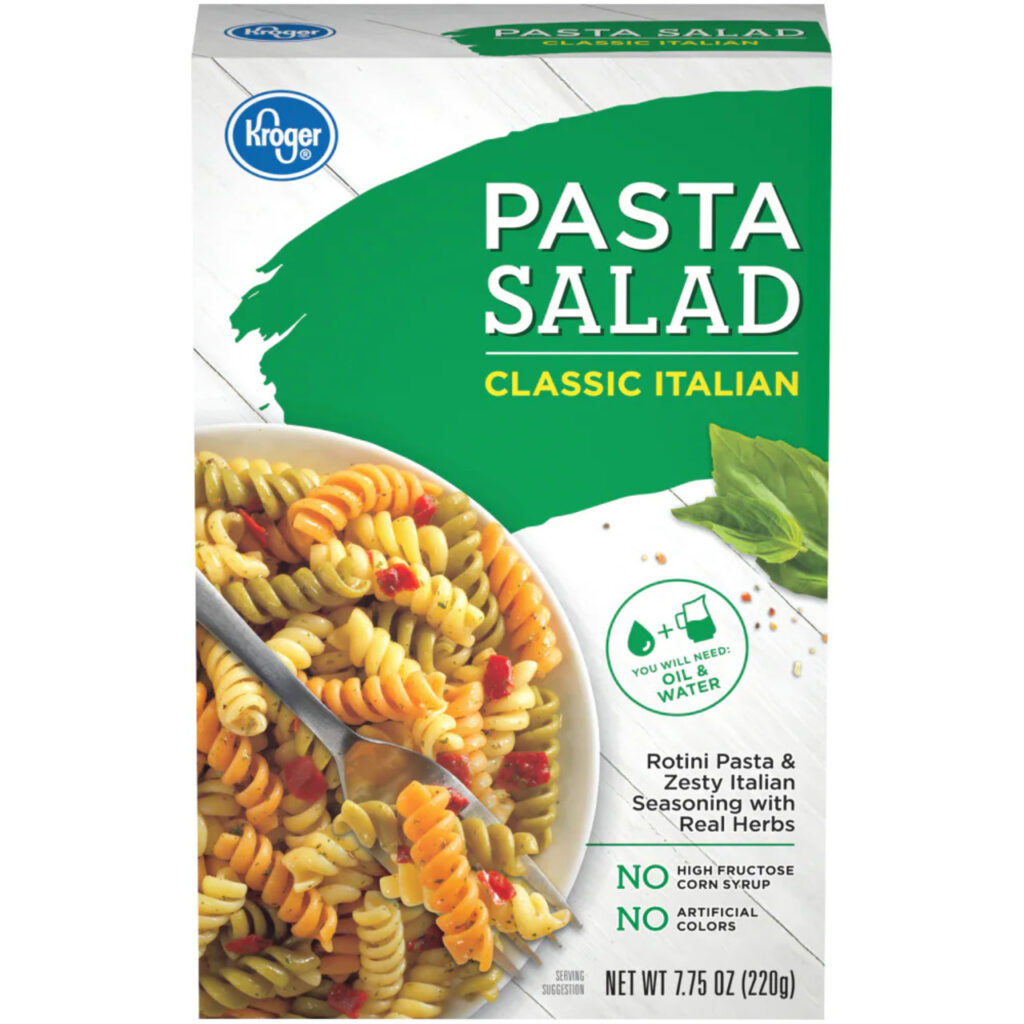
Simple Truth positions itself as clean and wholesome, which makes any quiet recipe shift more noticeable to its core audience. Shoppers say the pasta salad now feels lighter in dressing and heavier on filler ingredients like pasta or vegetables that hold moisture well. The result is a blander bite that requires extra seasoning at home. Pasta salads depend on balance and fat for flavor delivery, so even a small reduction in oil, cheese, or seasoning can flatten the entire dish. These changes often happen when brands try to keep calorie counts stable or cut ingredient costs without raising shelf prices. While the salad remains serviceable, it no longer delivers the richness people expect from a ready-to-eat option.
3. Great Value Macaroni & Cheese Dinner
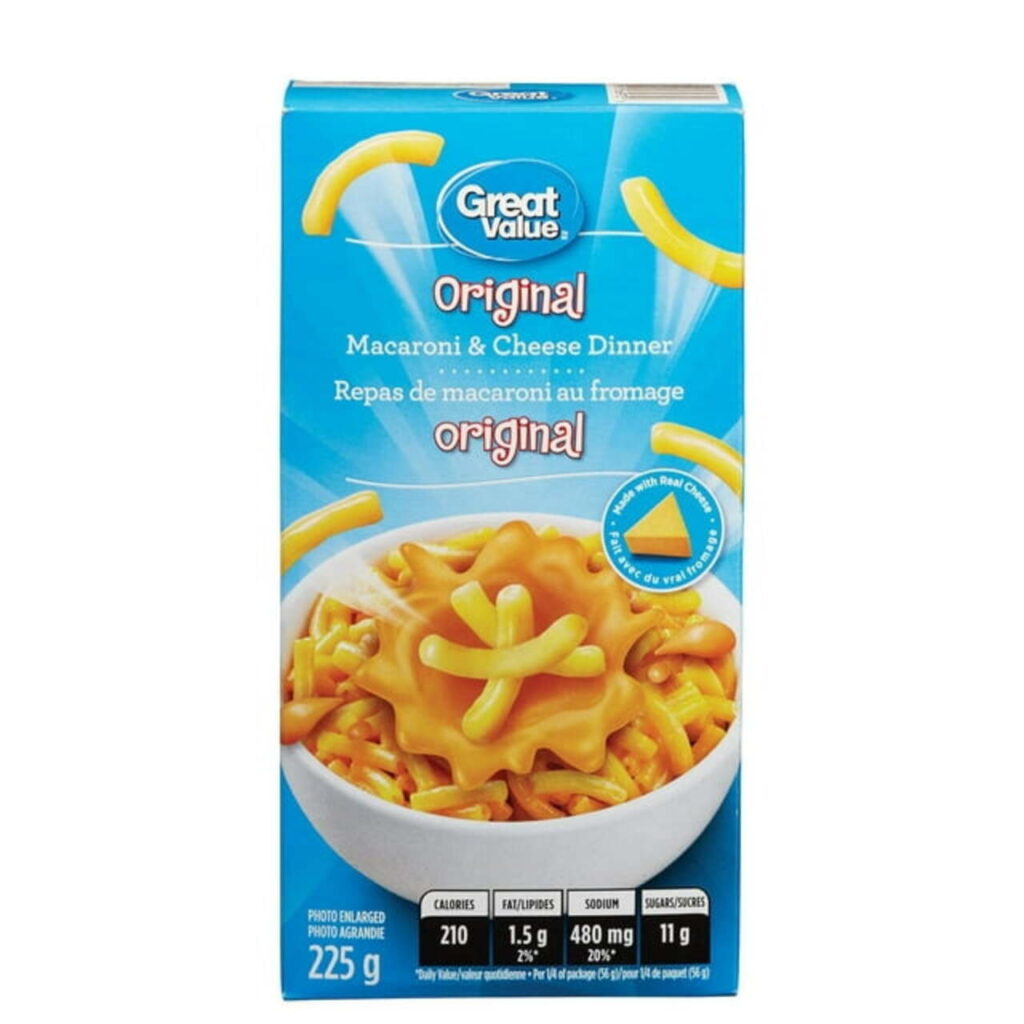
Mac and cheese is a nostalgia product, which makes any recipe change feel personal. Shoppers describe Great Value’s version as thinner and less creamy than before, with sauce that clings poorly to the pasta. Color shifts and longer ingredient lists also raise eyebrows. Powdered cheese products are highly engineered, and small substitutions in dairy solids, emulsifiers, or starches can dramatically affect mouthfeel. Private labels often adjust these formulas in response to dairy market volatility or manufacturing changes. While the product still functions as a low-cost comfort meal, it no longer delivers the same richness people remember.
4. Good & Gather Alfredo Sauce
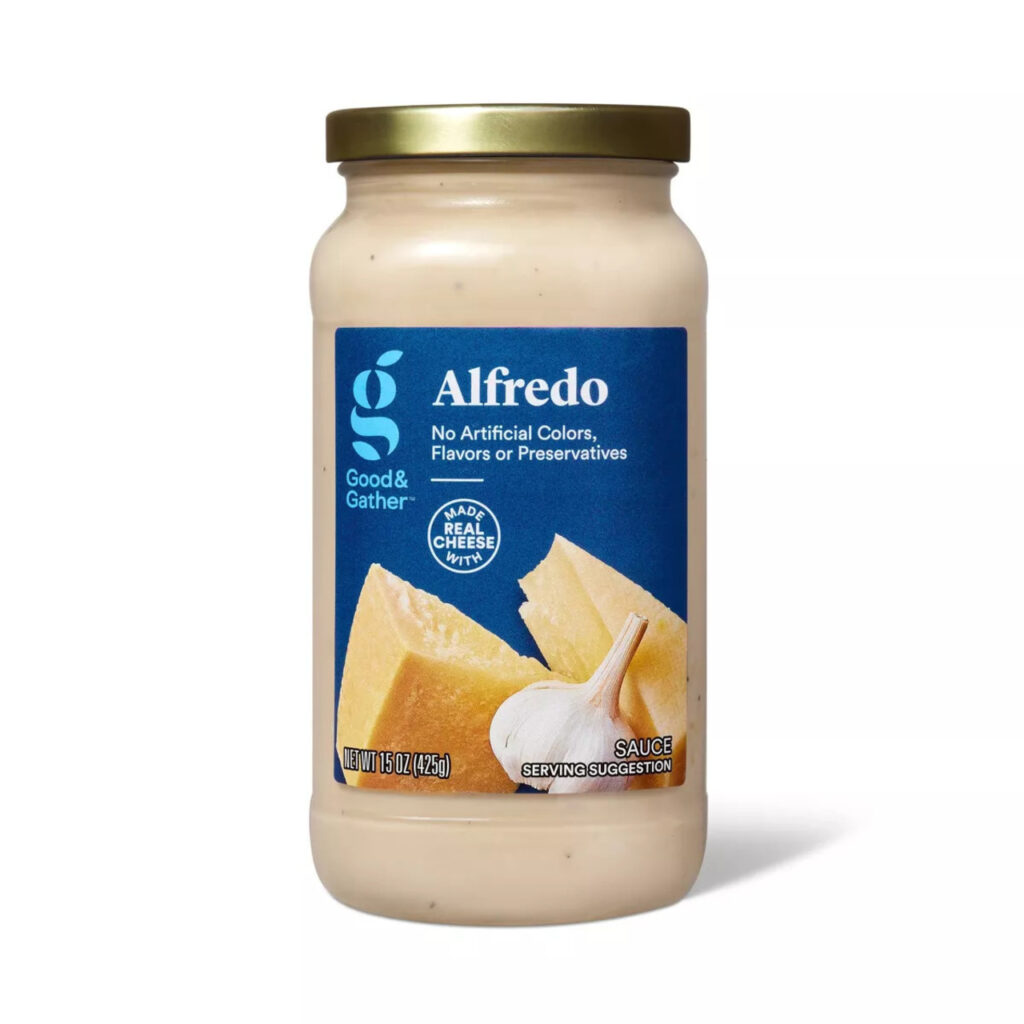
Alfredo sauce lives or dies by texture. Good & Gather earned early praise for a smoother, cream-forward profile compared with other jarred options. Recent feedback suggests the sauce now separates more easily and tastes sharper, with less dairy depth. That points to possible changes in cream content, stabilizers, or cheese ratios. Jarred sauces are expensive to produce because dairy prices fluctuate, and cutting even a small percentage of cream can significantly affect cost. Unfortunately, it also affects how the sauce coats pasta and reheats. When consumers buy a private label positioned as thoughtfully made, they expect performance similar to premium brands.
5. Kirkland Signature Rotisserie Chicken Seasoning
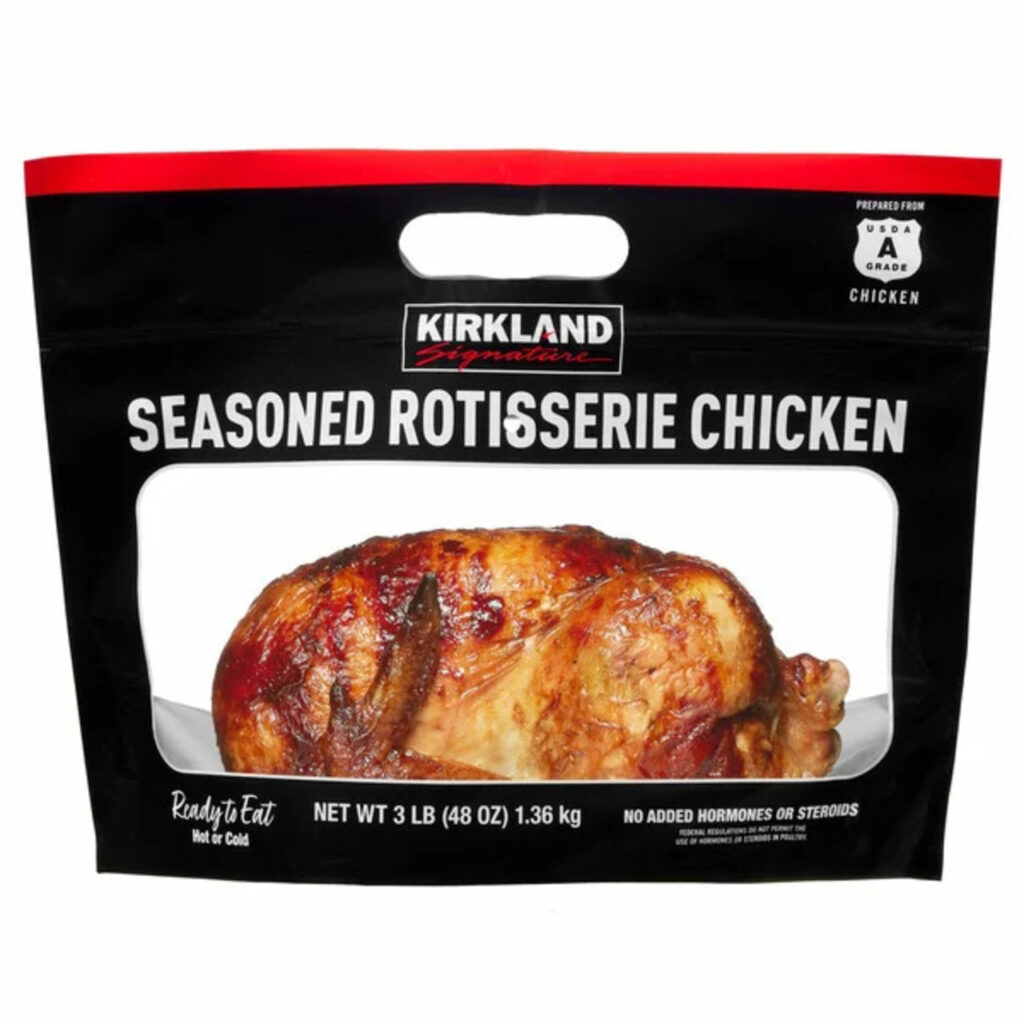
Costco’s rotisserie chicken is famous for consistency, which makes any perceived change stand out immediately. Some shoppers report a milder seasoning profile and less aromatic finish than in previous years. Rotisserie seasoning blends are tightly controlled, but they’re also subject to supplier changes and cost pressures. Adjustments to spice sourcing, salt levels, or brining solutions can alter flavor without changing appearance. Because the chicken is sold hot and eaten immediately, there’s nowhere for flaws to hide. Even slight reductions in seasoning intensity become obvious. Costco rarely comments on such tweaks, but the volume they produce means small formulation changes can yield large savings. For loyal customers who buy the chicken weekly, those changes feel magnified through repetition.
6. Specially Selected Ice Cream

Ice cream is another category where shoppers notice texture before flavor. Aldi’s Specially Selected line gained fans for a dense, creamy mouthfeel that rivaled name brands. More recent versions are described as lighter and quicker to melt, signs of higher air content or stabilizer adjustments. Premium ice cream relies on fat and minimal overrun for richness, both of which are costly. Private labels sometimes reformulate to maintain margins while holding price points steady. The trade-off is subtle but meaningful. When ice cream loses weight and body, it stops feeling indulgent. Customers may not read ingredient panels closely, but their spoons tell them when something has changed.