
7 Home Office Furniture Pieces That Hurt Productivity
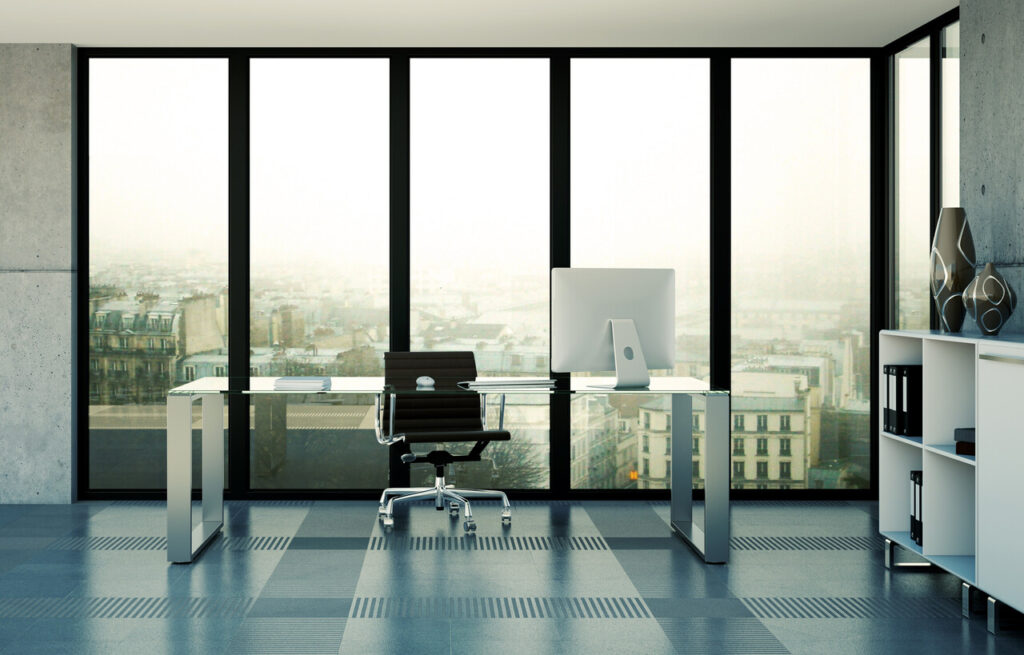
Working from home has changed how people think about furniture, but not every piece sold as home office-friendly actually supports real productivity. Many setups fail not because of technology or workload, but because the furniture works against the body and the brain. Chairs designed for lounging, desks chosen for looks, and storage that creates distraction all add friction to the workday. These choices slowly drain focus, increase fatigue, and make simple tasks feel harder than they should. A productive home office depends on furniture that supports posture, movement, and mental clarity, not just style or convenience.
1. Sofa or Lounge Chair Instead of a Proper Desk Chair
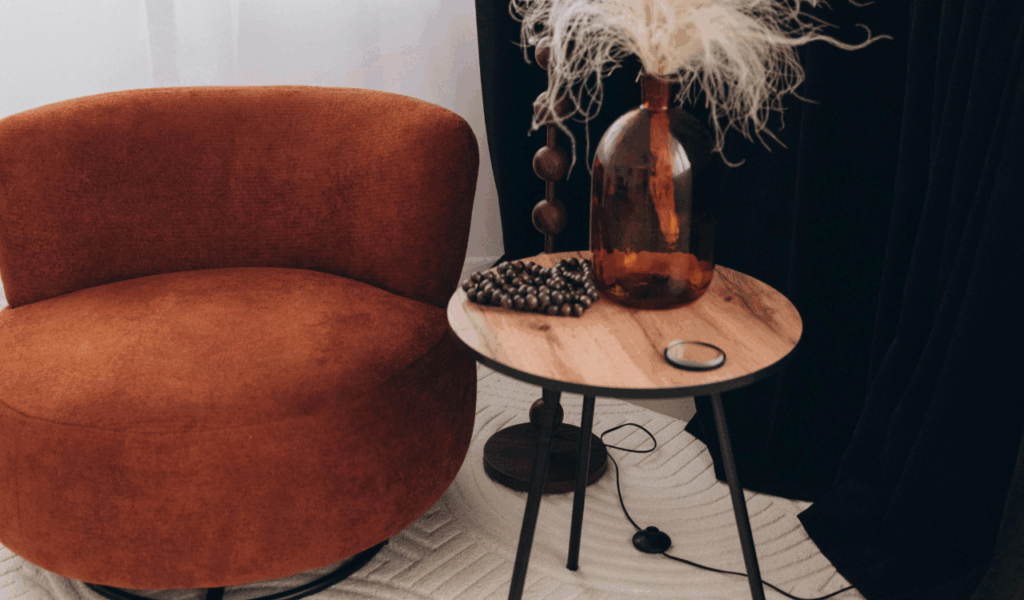
It feels harmless at first to work from a sofa or lounge chair, especially when home offices double as living spaces. The problem shows up quickly once the workday stretches on. These chairs are built for relaxation, not sustained focus. They lack lumbar support, encourage slouching, and place screens too low, forcing the neck to crane forward. Over time, this posture strains the spine and shoulders, leading to discomfort that quietly pulls attention away from work. Productivity drops not because of motivation, but because the body is constantly adjusting to stay comfortable. Furniture designed for rest sends the wrong physical signals during work hours.
2. Dining Room Chairs That Aren’t Adjustable
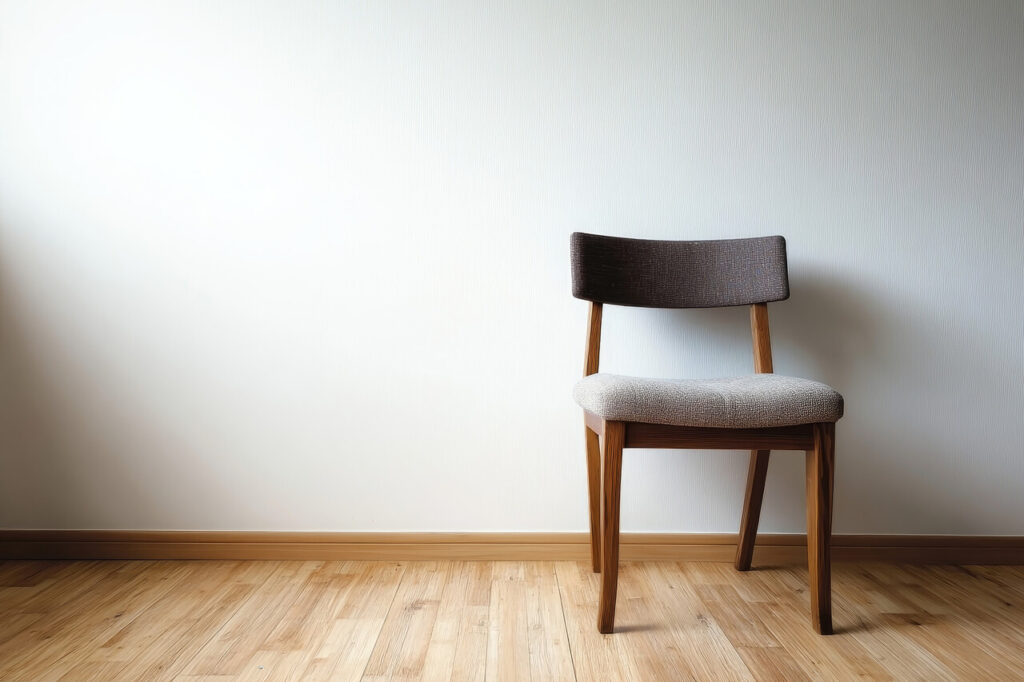
Dining chairs often end up in home offices out of convenience, but they are one of the fastest ways to undermine focus. These chairs are designed for short meals, not hours of typing or screen time. Without height adjustment, lumbar support, or armrests, the body compensates in unhealthy ways. Feet may dangle, shoulders hunch, and wrists bend awkwardly to reach the desk. These small misalignments add up, creating fatigue and soreness that break concentration. When discomfort becomes constant, the brain spends energy managing it instead of staying engaged with tasks. Adjustable office seating exists to solve exactly these problems.
3. Too Small Desks That Cramp Your Work Surface
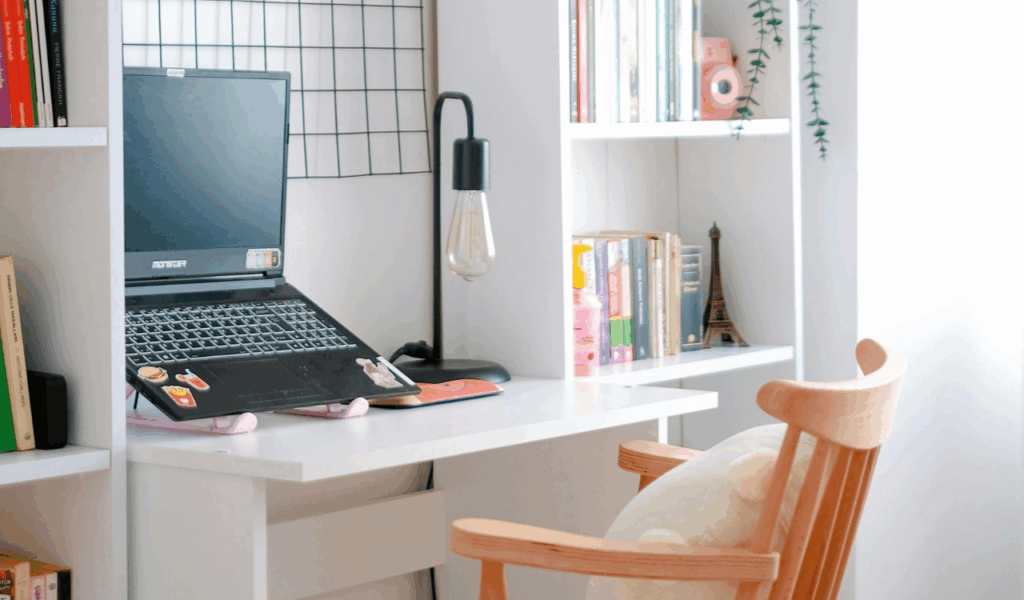
A desk that looks sleek online can feel restrictive once real work begins. Small desks limit how tools, papers, and devices can be arranged, forcing everything into a tight cluster. This lack of space increases visual clutter and mental load, even if the desk looks tidy. When there is no room to spread out, tasks feel harder because the environment offers no flexibility. Switching between projects requires constant clearing and rearranging, which interrupts focus. Over time, this friction slows work and creates frustration. A desk should support the way you think and work, not force you to adapt to its size. Adequate surface area allows smoother transitions and keeps attention where it belongs.
4. Fixed Height Desks That Don’t Fit Your Body
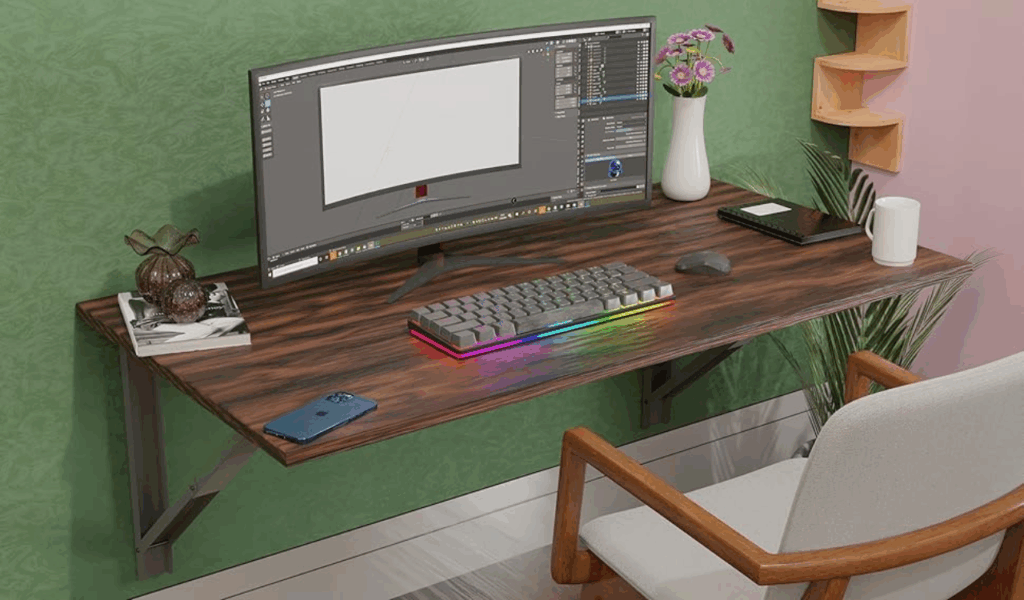
Desks with fixed heights assume all bodies work the same way, which simply is not true. When a desk is too high, shoulders tense and wrists bend upward. When it is too low, the back rounds and the neck strains forward. Either way, discomfort builds quietly over the day. Unlike adjustable desks, fixed surfaces lock users into one posture, even as energy levels change. The inability to shift positions increases fatigue and reduces mental sharpness. Movement is a key factor in sustained focus, and furniture that limits it works against productivity. A desk that cannot adapt to the user forces the body into compromise positions that distract from work and shorten effective work time.
5. Open Shelving and Cubbies That Create Visual Noise

Storage furniture can either support focus or sabotage it. Open shelving and cubbies near a workspace often do the latter. While they promise organization, they frequently become visual clutter zones filled with books, decor, cables, and unfinished projects. Every visible item competes for attention, even if only subconsciously. The brain processes this visual noise as unfinished business, making it harder to concentrate deeply. Instead of calming the space, open storage keeps the mind slightly unsettled. Closed drawers and cabinets reduce distraction by hiding what is not immediately needed.
6. Furniture Placement That Blocks Natural Light
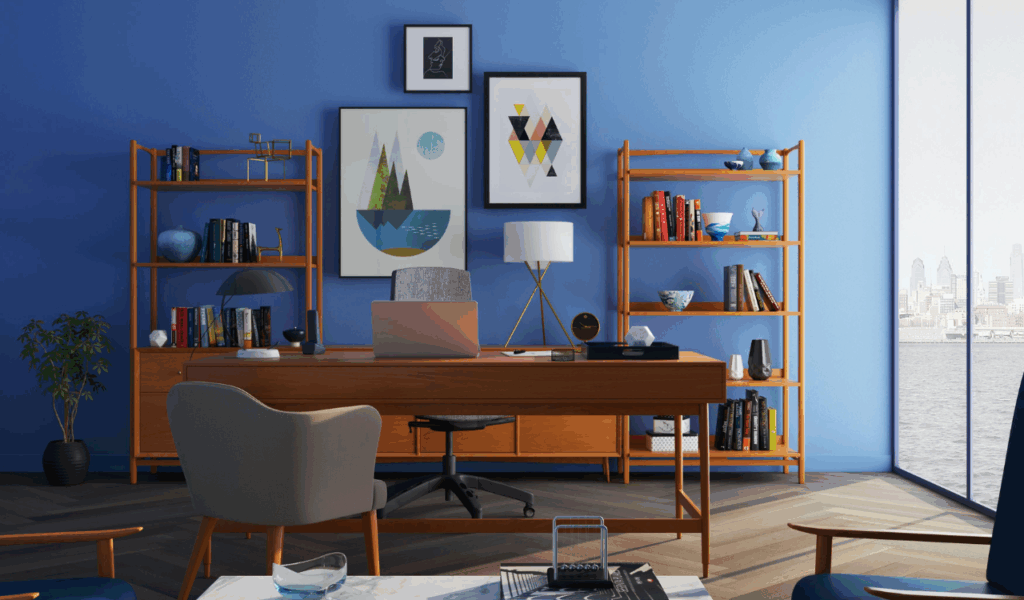
Natural light plays a powerful role in alertness, mood, and focus. Furniture that blocks windows or casts heavy shadows across the workspace undermines these benefits. Desks pushed away from light sources or shelving placed directly in front of windows create dim environments that strain the eyes and reduce energy. Poor lighting leads to headaches, fatigue, and a sense of sluggishness that no amount of caffeine fixes. The placement of furniture matters just as much as the furniture itself. When furniture interferes with light flow, it quietly drains motivation and makes sustained focus harder to maintain.
7. Oversized Executive Chairs That Limit Movement
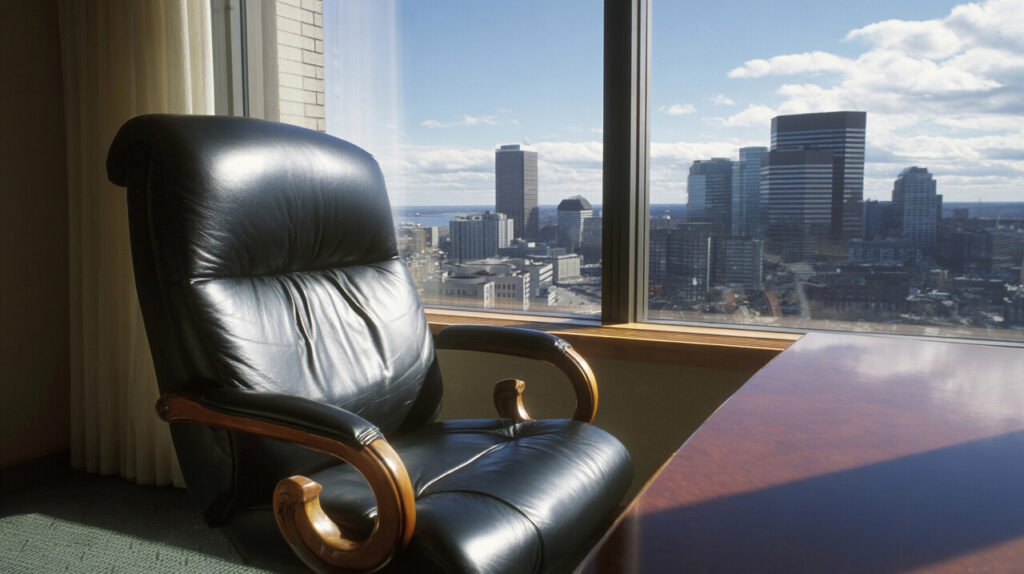
Large executive chairs often look impressive, but their size can work against productivity in smaller home offices. These chairs take up excessive space, restrict movement, and make it harder to shift positions or reach nearby work areas. They also encourage reclining, which may feel comfortable but reduces engagement and focus during detailed tasks. Productivity benefits from subtle movement and ease of transition between tasks. When a chair dominates the room, it creates friction rather than flow. A well-designed office chair should support posture while allowing easy swiveling and repositioning.