9 House-Made Sauces Restaurants Buy Premade in Bulk
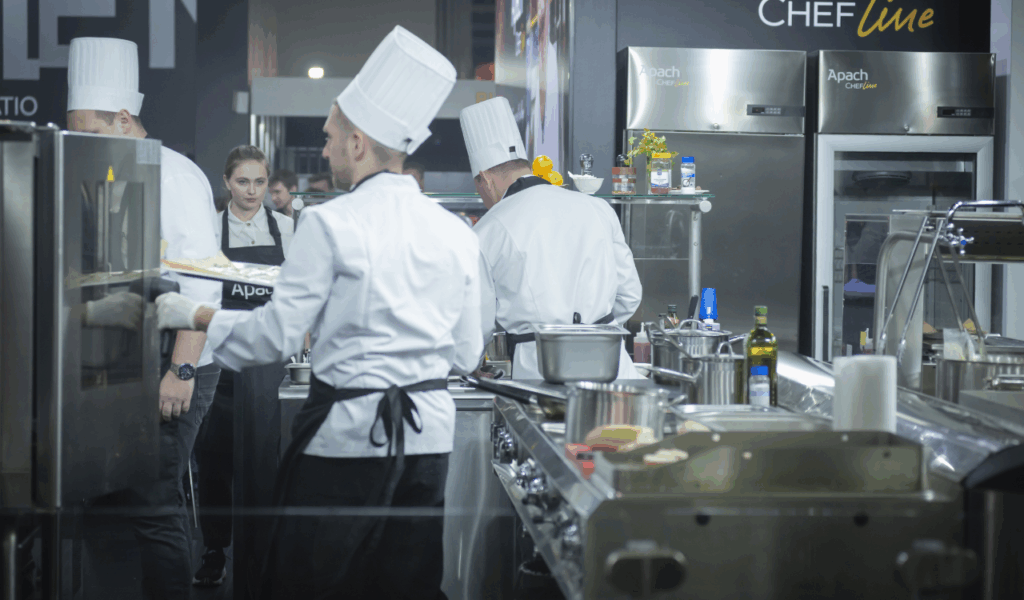
In the culinary industry, the phrase “house-made” is one of the best ways to market something. People are willing to pay more for something that they think is produced with love in the kitchen. But experienced chefs and restaurant experts say that the truth behind the sliding kitchen doors is often far more industrial. Since labor costs are rising and restaurants must be consistent throughout shifts, many use heavy-duty, prepared bases or bulk sauces. While the menu may suggest the chef spent hours stirring, the sauce likely came from a local wholesaler in a five-gallon plastic bucket.
Kitchen managers and experienced food flippers say “house-made” most often signifies a minor recipe alteration rather than a homemade one. A restaurant may buy a lot of stuff, add fresh lime or chopped cilantro, and call it their own. Some experts feel that diners pay for the illusion of handmade workmanship while the kitchen prioritizes speed and shelf-stability. When reading a menu, knowing which sauces are likely to come from factories will help you decide if that “signature” dipping sauce is worth the extra two bucks.
1. Traditional Hollandaise Sauce
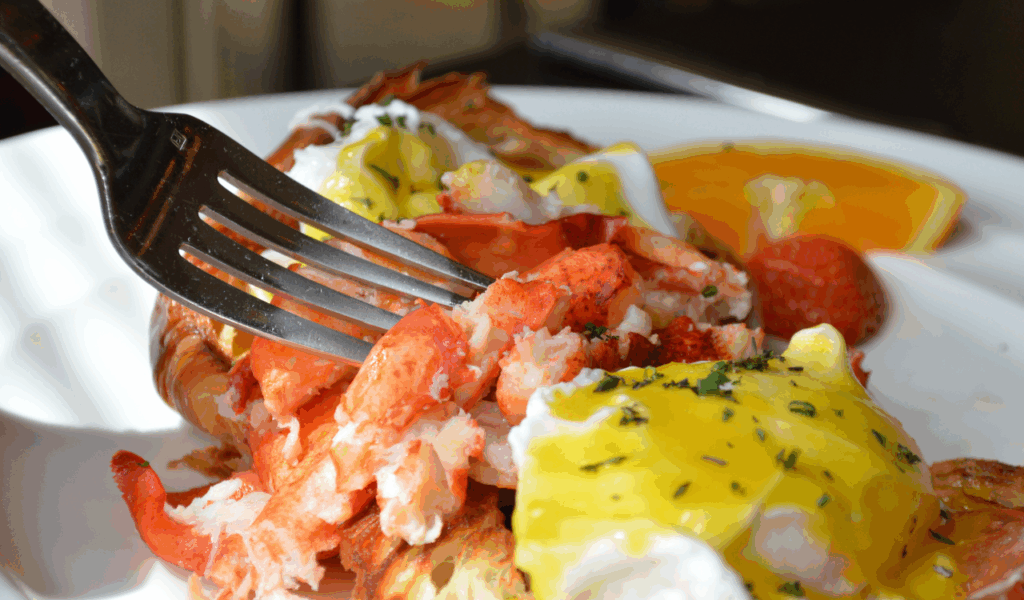
Many chefs admit to using a prefabricated version of hollandaise since it is so hard to master and even harder to keep safe during a busy brunch service. Culinary teachers say that real hollandaise is an unstable emulsion of egg yolks and butter that can “break” or curdle right away if the temperature changes. Experts claim that a lot of restaurants use a shelf-stable, pasteurized hollandaise mix to prevent the risk of foodborne illness and the annoyance of having to whisk it over and again.
This version has stabilizers that keep it from splitting while it sits in a warm water bath for hours. Restaurant experts claim this convenience “cost” includes less buttery richness and a metallic or artificial aftertaste. Professional chefs say posh bistros use bulk bases and just add cayenne or fresh lemon juice to mask the industrial taste.
Experts think store-bought hollandaise sauce is likely if it tastes too delicious and never separates on your eggs benedict. The kitchen values bulk-bought emulsion’s safety and consistency over hand-preparing it every 45 minutes.
2. Classic Creamy Caesar Dressing
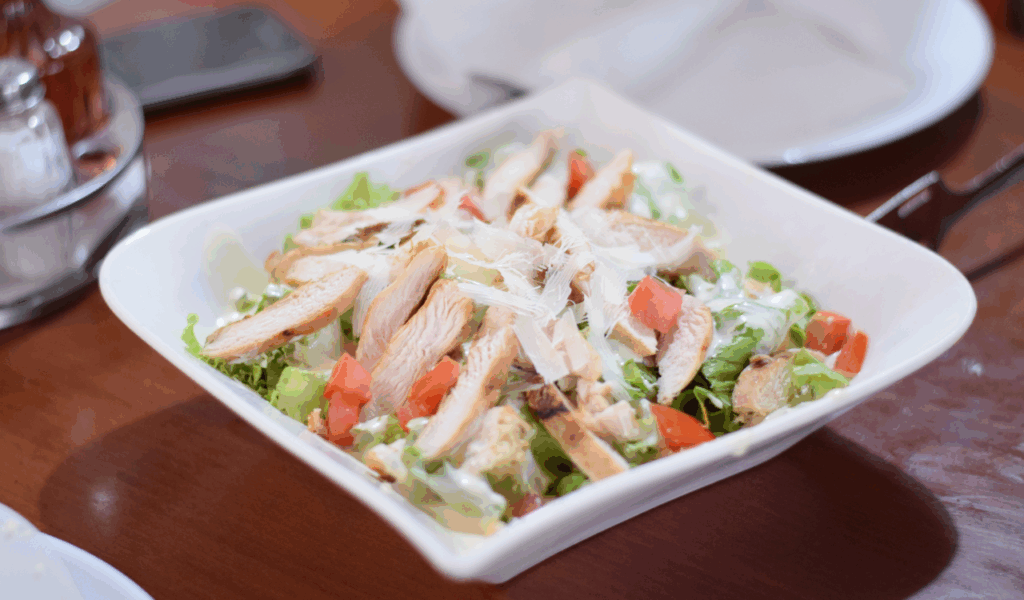
Every bistro says they have a “signature” Caesar, but organizers of restaurant pantries say that most of these dressings originate from a gallon-sized jar. Food scientists say that a real Caesar needs raw egg yolks and high-quality anchovies, both of which are pricey and don’t last long. Experts believe that restaurants buy “Heavy Duty” Caesar dressing in quantity because it sticks to lettuce without wilting the leaves, which is hard to do with a thinner, homemade vinaigrette.
Professional chefs say they “doctor” these bulk dressings by adding extra crushed black pepper or freshly grated parmesan to make them look like they were created at home. Kitchen managers say that the consistency of a dressing bought in bulk makes sure that the salad tastes the same on Saturday night as it does on Tuesday morning. If you notice that the dressing is quite thick, like mayonnaise, and has a strong vinegar taste, experts suggest you are probably eating a mass-produced product that has been somewhat changed in the back of the house.
3. Sweet and Tangy Barbecue Sauce
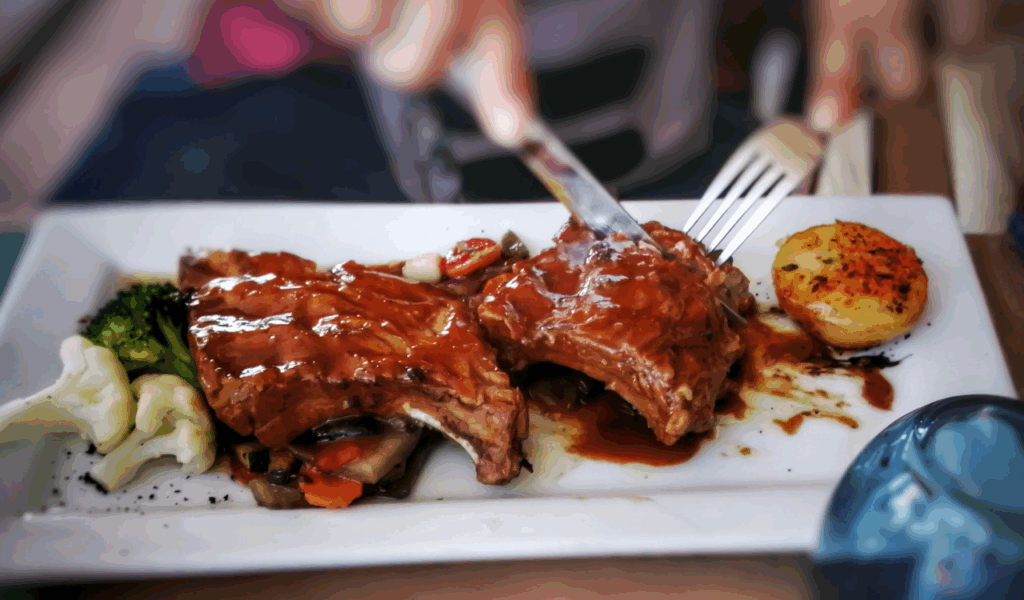
Barbecue is a religion in many places, but expert flippers of failed restaurants say that the “house” sauce is often just a well-known national brand bought in five-gallon buckets. Most commercial barbecue sauces are made with high-fructose corn syrup and liquid smoke, which gives them a flavor that is hard to duplicate cheaply from home.
Experts believe that restaurants will often use a base like Sweet Baby Ray’s or Cattlemen’s and add a “secret” ingredient, such as apple cider vinegar or honey, to make it their own unique blend. Food distributors say that barbecue sauce is one of the most popular commodities sold to mid-range eating establishments. Restaurant menu designers say that producing a real, slow-simmered sauce in-house takes up a lot of burner space and hours of cooking, which most fast-casual cooks can’t afford.
Experts believe that if the sauce is exceedingly shiny, almost like plastic, and very sweet, it is probably a product that was made in large quantities. Even while the menu might have a “locally inspired” dish, the taste was probably created in a corporate lab years ago.
4. Spicy Sriracha Mayo and Aioli
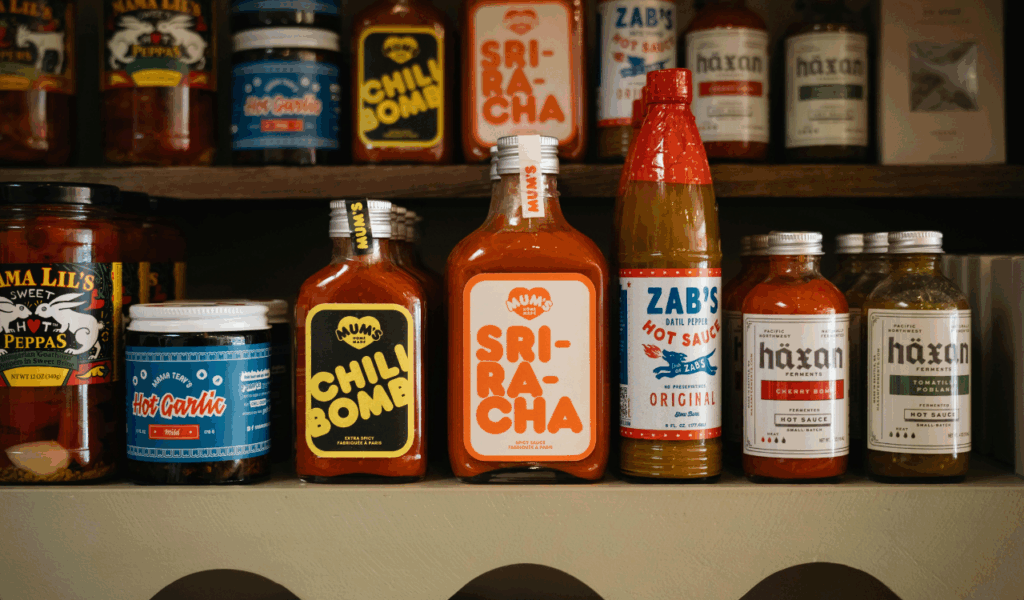
Because “aioli” is so popular on modern menus, people are buying a lot of flavored mayonnaises that are pretending to be artisanal sauces. Culinary experts say that a real aioli requires a lot of work to make because it is an emulsion of garlic and oil. However, at most restaurants, it is just a heavy-duty commercial mayonnaise blended with sriracha or garlic powder. Experts believe that the “neon” orange glow of sriracha mayo is a sign that it was acquired in bulk and stabilized so that the chili sauce doesn’t separate over time.
Professional chefs say that these readymade spicy mayos are a favorite since they can be used in so many ways and last almost forever compared to a fresh egg emulsion. Kitchen managers say that buying these in bulk saves them hours of prep time every week. Experts suggest that if your “truffle aioli” or “chipotle mayo” comes in a squeeze bottle that is absolutely smooth and slightly see-through, it is almost definitely an industrial product. Even if the ingredient originated from a plastic container, current menu designers use the name “aioli” since it sounds more expensive than “spicy mayo.”
5. Rich Marinara and Pomodoro
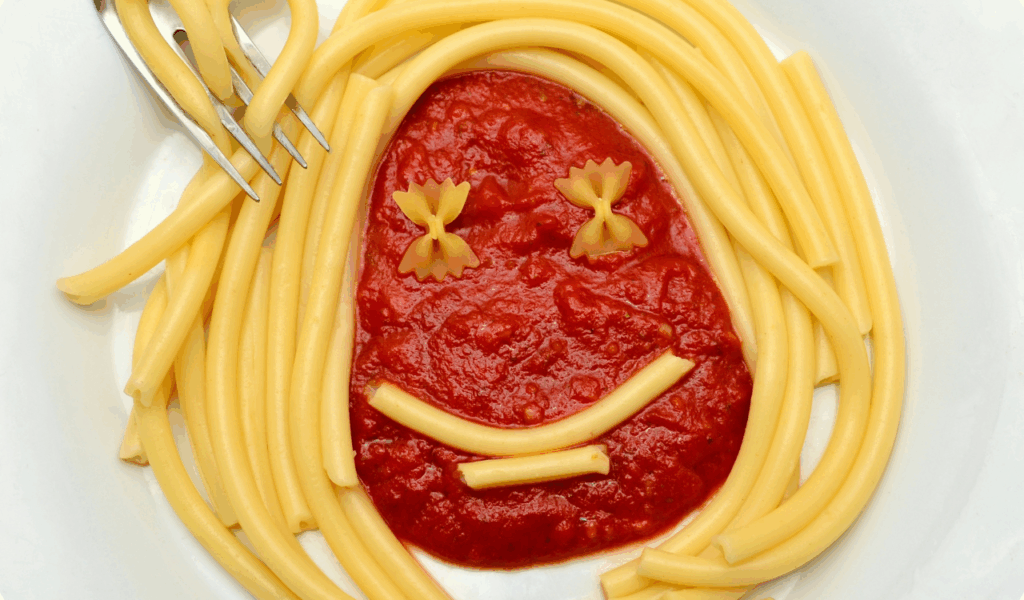
Italian-American restaurants commonly brag about “grandma’s recipe,” but wholesalers say that a lot of these sauces are made with a concentrated tomato “super-sauce” that comes in big cans. Food historians say that making marinara from scratch with fresh herbs and good tomatoes is expensive and doesn’t always work. Experts claim that kitchens acquire these bulk bases because they are already seasoned and have a consistent amount of acidity.
A chef might sauté some fresh garlic and onions before adding the bulk sauce, but most of the sauce is manufactured in a factory. Restaurant experts say that the excessive sugar content in many bulk marinades is a clear sign. Real tomato sauce has a natural acidity that needs to be carefully balanced. Bulk versions may be sweetened to appeal to more individuals.
Chefs say even “real” pizzerias use these bases to prevent sauce from soddening the dough. If there’s no enormous stockpot simmering on the stove for hours, the “house” marinara is likely a refined factory product “finished” with a few fresh herbs, say experts.
6. Zesty Tartar Sauce
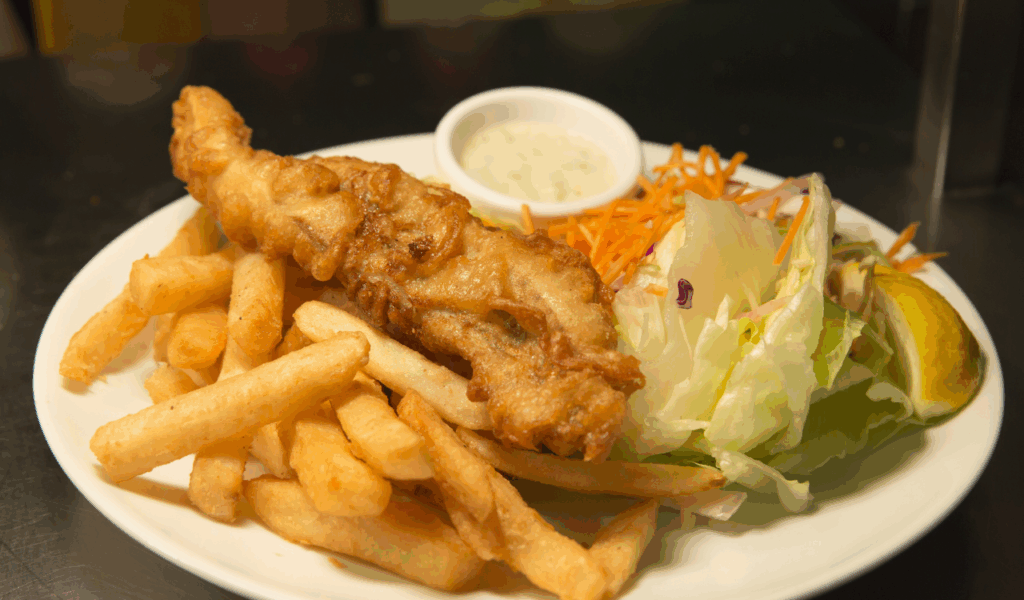
Tartar sauce is a must-have for seafood, but kitchen managers say it’s one of the most prevalent “fake” house-made items on the menu. Professional chefs say that creating tartar sauce from scratch means mincing capers, onions, and pickles, which is a boring job for prep cooks. Experts claim that restaurants like to buy bulk tartar sauce because it has preservatives that keep the chopped veggies from rotting in the mayo.
This keeps the sauce “fresh” and tart for weeks instead of days. Food flippers say that the “house-made” touch usually means adding a pinch of dried dill or a splash of lemon juice to the bulk product before putting it into small plastic cups.
Experts believe that if the tartar sauce has a very even, little dice of pickles and a bright white, opaque base, it is probably a store-bought product. Designers of seafood menus say that the expense of labor to hand-cut items for a real tartar sauce is typically three times the cost of buying a high-quality bulk version. This makes the choice obvious for most company owners.
7. Decadent Cheese Sauce for Fries
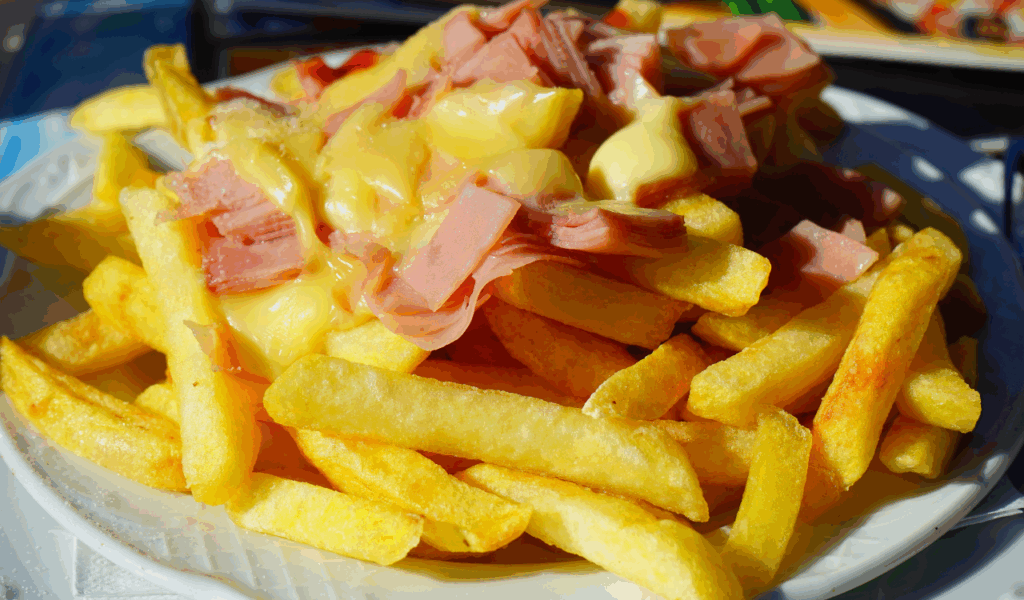
It’s not often that a chef melts down blocks of artisanal cheddar to make “house-made” beer cheese or liquid gold to pour over loaded fries. Food scientists say that real cheese is hard to melt into a smooth, pourable liquid without it being oily or gritty as it cools. Experts argue that restaurants use large amounts of “cheese product” bases that have sodium citrate and other salts that help mix things together. These extra ingredients make sure that the sauce stays smooth and liquid even while it’s at room temperature, which is very important for a busy kitchen line.
Professional chefs say that to make the “house-made” designation on the menu more believable, they often add a splash of local craft beer or some chopped jalapeños to these big tubs of cheese. Kitchen experts say that these bulk sauces are made to be cooked up several times without losing their texture. Experts believe that if your cheese sauce is a bright yellow or orange color all throughout and has a silky, “processed” smoothness, it didn’t originate from a cheese grater. It originated from a bag or can made for high-volume use, when durability is more important than cleanliness.
8. Honey Mustard Dipping Sauce
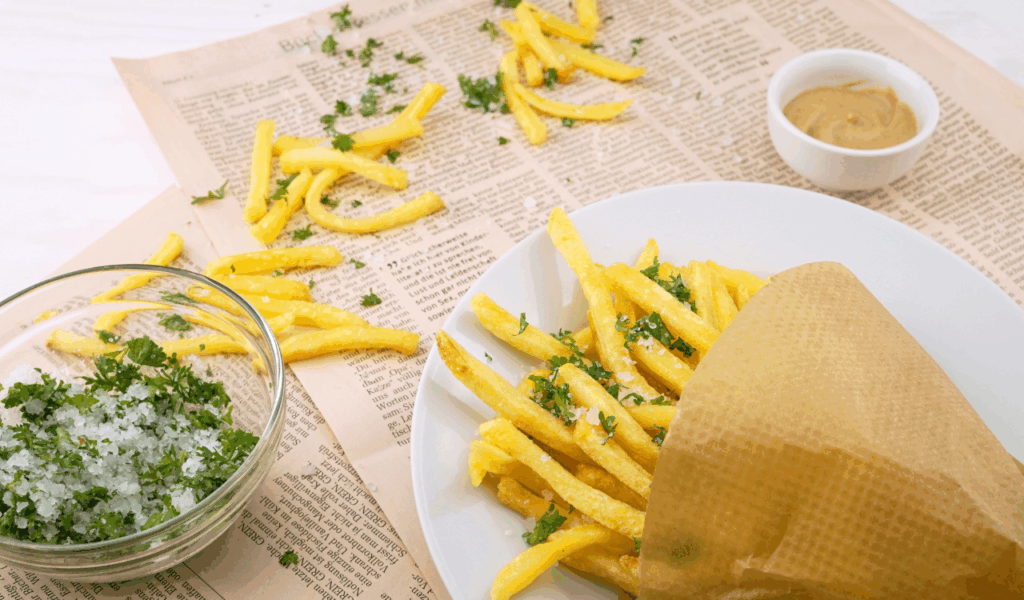
People love honey mustard on chicken tenders, but restaurant supply chain managers say that it is nearly always a bulk-purchased emulsion. Culinary teachers say that finding the appropriate amount of honey, mustard, and oil to stay mixed without separate is a hard task. Experts believe that bulk honey mustard is made to be thick and easy to dip into, and its taste is always sweet and mild.
A scratch-made version usually has a stronger mustard flavor and a thinner texture that doesn’t stick to fried food as well. Professional chefs say that the “cost” of producing this sauce in-house includes the high expense of real honey and the chance that the mustard flavor will be too strong for some visitors.
Kitchen managers say that by buying in quantity, they can offer a product that 99% of people will like without having to do any prep work. Experts believe that if the sauce is a clear, golden-yellow color and has a thick, jelly-like texture, it is a store-bought product. The menu might say “Chef’s Signature Honey Mustard,” but the chef probably just opened the lid of the bucket.
9. Creamy Ranch Dressing
Ranch is the best dressing in the US, but food realtors say that the “house” version is almost never produced with fresh buttermilk and herbs. Food distributors say that most restaurants buy a lot of “dry mix” and mix it with big jars of mayonnaise. This is a little more “homemade” than buying a ready-made liquid dressing, but it still uses a factory-made powder with MSG and anti-caking chemicals to get the iconic, addictive flavor that diners anticipate.
Professional chefs say that scratch-made ranch tastes “too healthy” or too much like dill for most people who desire the typical hidden-valley version. Kitchen managers say that the dry-mix process lets them say the dressing is “freshly prepared” while keeping the same flavor as a major brand. Experts claim that if the ranch is really creamy and has tiny, perfectly even green specks all over it, it came from a package. The “house-made” ranch is the best balance between convenience and what customers expect from a restaurant.