6 Grocery Store Meal Kits Shoppers Say Aren’t Worth the Price
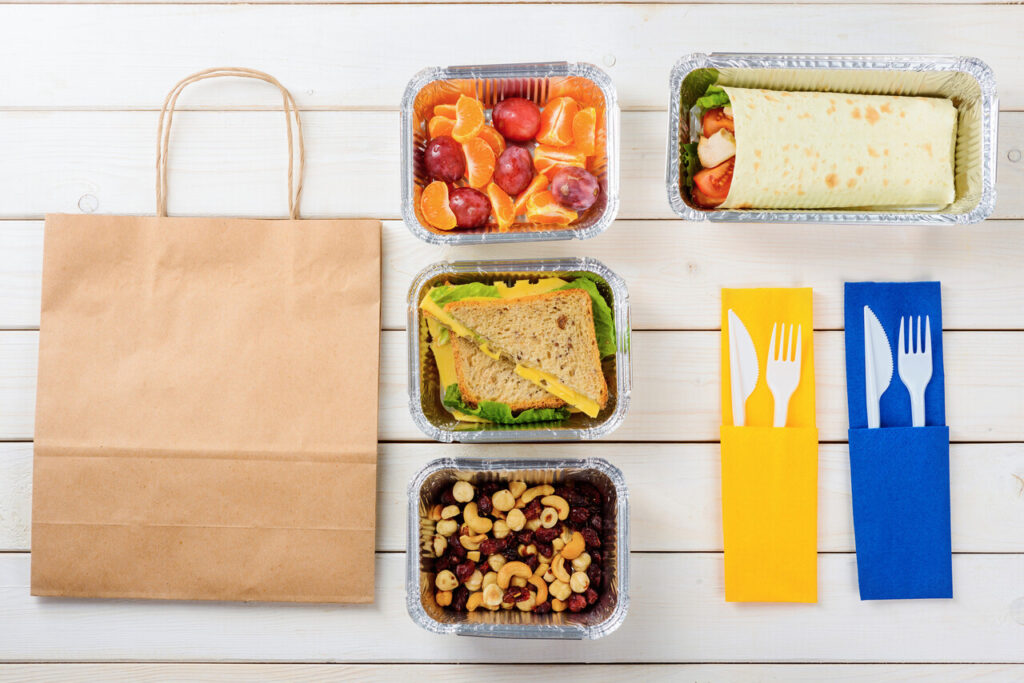
Grocery store meal kits promise convenience, balance, and less time spent planning dinner, positioning themselves as an easy middle ground between takeout and home cooking. At first glance, the neatly packaged ingredients and clear instructions feel reassuring. But many shoppers quickly notice that the value rarely matches the price. Portions can be smaller than expected, flavors often repeat across different meals, and key items like oils, spices, or sides still come from your own pantry. When those extras add up, the cost advantage fades. With grocery bills already high, more people are questioning whether meal kits truly save time and money or simply repackage basic ingredients with a premium label.
1. Standard Dinner Kits With Low Portion Value
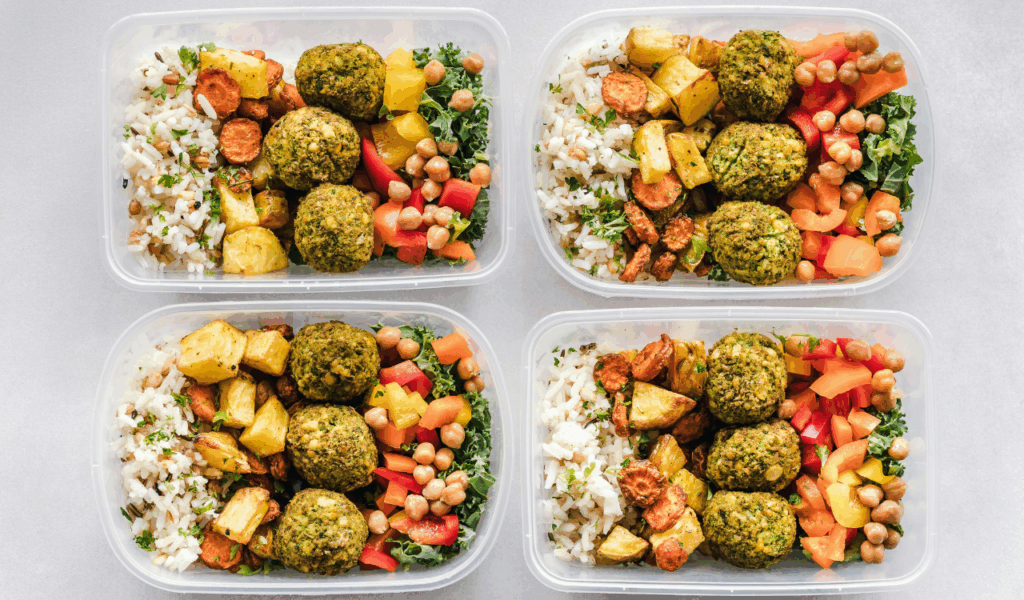
At first glance, these meal kits seem like a practical shortcut for busy weeknights. The packaging promises balance, convenience, and a complete dinner without planning. The disappointment usually hits once everything is laid out on the counter. Portions tend to be smaller than expected, especially for proteins, which are often pre-cut into thin slices or modest portions that barely satisfy an adult appetite. When shoppers do the math, the cost per serving frequently exceeds what the same meal would cost if prepared from basic grocery items. Another issue is ingredient quality. Vegetables are sometimes limited to a single small side, and pantry staples like oil or seasoning still need to be added from home.
2. Specialty Ethnic or Complex Kits With Steep Price Tags
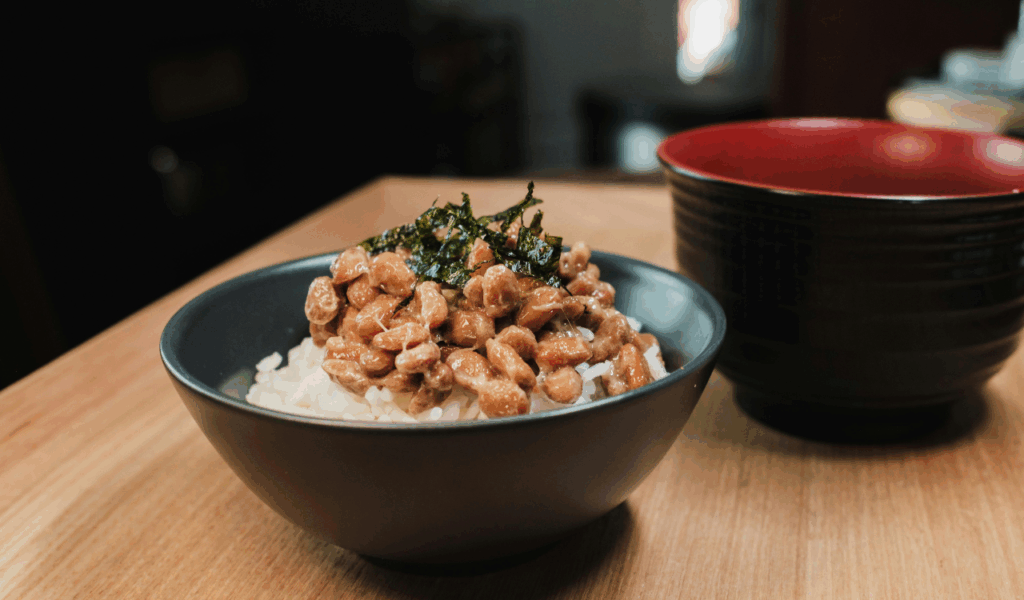
These kits appeal to shoppers looking to try global flavors without tracking down unfamiliar ingredients. The concept is appealing, but execution often falls short of expectations. Many of these kits include small packets of spices or sauces that inflate the price while contributing little actual substance. The recipes themselves are often simplified versions of traditional dishes, which can feel underwhelming once cooked. Shoppers also notice that while the ingredient list looks long, the quantities are minimal. In many cases, buying a few staple spices once would allow multiple home-cooked versions for the same price.
3. Frozen Meal Kits With Limited Ingredients
Frozen meal kits promise speed and consistency, but they struggle to justify their cost. Shoppers frequently report that these kits rely heavily on fillers like rice, pasta, or sauce while offering very small amounts of protein or vegetables. Texture is another concern. Freezing and reheating can flatten flavors and compromise freshness, leaving meals that feel no better than standard frozen dinners. When compared to buying frozen vegetables, protein, and sauce separately, the kit price often feels inflated. Consumers expecting a premium experience are left with something that feels mass-produced and overly processed, making the convenience less compelling over time.
4. Premium Organic Meal Kits

Organic labeling carries an assumption of higher quality, and these kits lean heavily on that perception. While ingredients may meet organic standards, shoppers often find that the meals themselves are not especially filling or complex. Portion sizes remain modest, and recipes tend to be repetitive, relying on the same grains and vegetables week after week. The price increase rarely translates into better flavor or satisfaction. Many shoppers conclude that purchasing organic ingredients individually allows for greater flexibility and better portion control. The kits begin to feel restrictive, especially for households that cook often and want variety without paying a premium for pre-assembled boxes.
5. Kids’ Meal Kits With Packaged Components

These kits are marketed as stress-free solutions for parents, but the value rarely holds up. Portions are small, flavors are simplified, and many components are pre-packaged items that parents already buy in bulk. The cost per meal often exceeds what it would take to prepare a similar lunch or dinner at home using basic ingredients. Another issue is adaptability. Kids’ preferences change quickly, and a kit that goes untouched feels like wasted money. Over time, parents realize they are paying extra for assembly rather than nutrition or convenience, especially when the meals lack fresh produce or balanced portions.
6. Holiday or Seasonal Meal Kits That Miss Expectations

Seasonal meal kits are designed to feel special, but shoppers frequently report feeling misled once they open the box. These kits often exclude key staples, assuming customers will already have them on hand. That expectation undermines the promise of a complete meal. Portions may also be scaled down to control costs, which feels especially frustrating during holidays meant for abundance. When compared to planning a holiday meal independently, these kits can feel overpriced and underwhelming. The novelty wears off quickly, leaving shoppers with the sense that they paid extra for branding and timing rather than substance or convenience.