10 Grocery “Fresh Squeezed” Juices From Massive Machines

When you see “fresh squeezed” on a grocery store juice bottle, you probably picture oranges pressed moments ago behind the counter. In reality, many of these juices come from massive industrial machines designed to handle thousands of pounds of fruit at a time.
Grocery chains rely on large-scale juicing systems to meet demand, maintain consistency, and keep shelves stocked. While these juices are often fresher than shelf-stable options, they may not be as immediate or small-batch as the label suggests. Understanding how grocery store juices are actually made helps you make smarter choices, and decide which bottles are truly worth the price.
1. What “Fresh Squeezed” Really Means in Grocery Stores
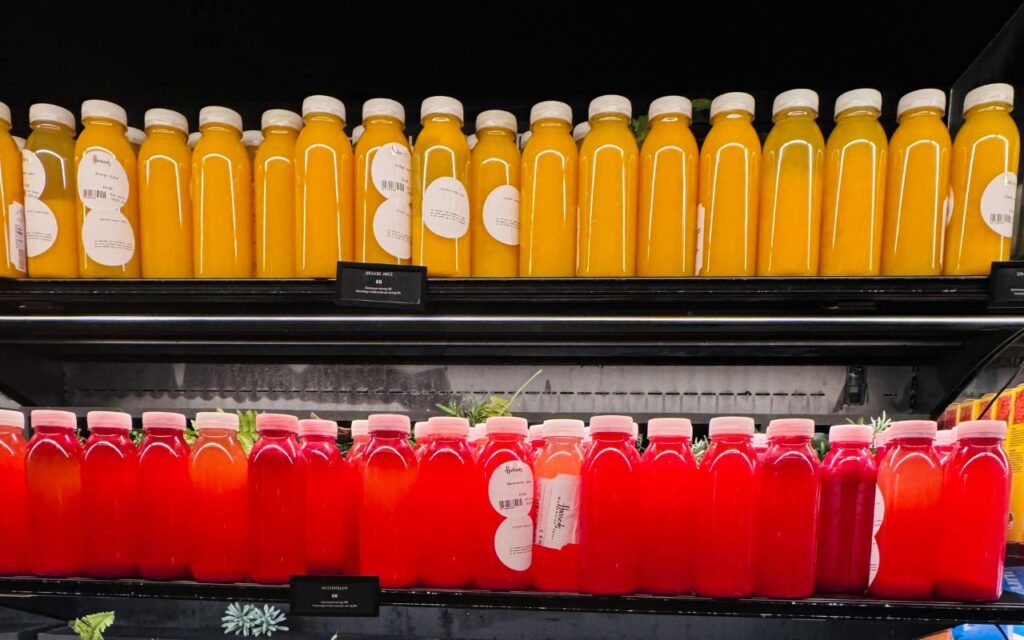
You might assume “fresh squeezed” means juice pressed by hand the same day you buy it, but grocery labeling works differently. In many stores, the phrase simply means the juice was extracted from whole fruit rather than concentrate. Large machines handle the squeezing process quickly and efficiently, often producing hundreds of gallons in a single run.
The juice may then be chilled, and stored for hours or days before it reaches the shelf. While it is still fresh compared to shelf-stable juice, the process is designed for scale, not immediacy. Knowing this helps you understand what you are paying for and why freshness varies from store to store.
2. In-Store Juice Machines You See Behind the Glass

Those impressive machines behind grocery store glass windows are real, but they are built for volume. You may watch oranges roll through automated presses that extract juice rapidly while separating peel and pulp.
These systems are clean, efficient, and designed to minimize waste. However, the juice is often collected in bulk containers before bottling rather than poured directly into individual bottles. That means what looks like a fresh, made-to-order process is usually part of a larger production cycle. Seeing the machine does not always mean your bottle was filled moments ago, but it does mean the juice was pressed on-site.
3. Citrus Juices Made by Industrial-Scale Presses
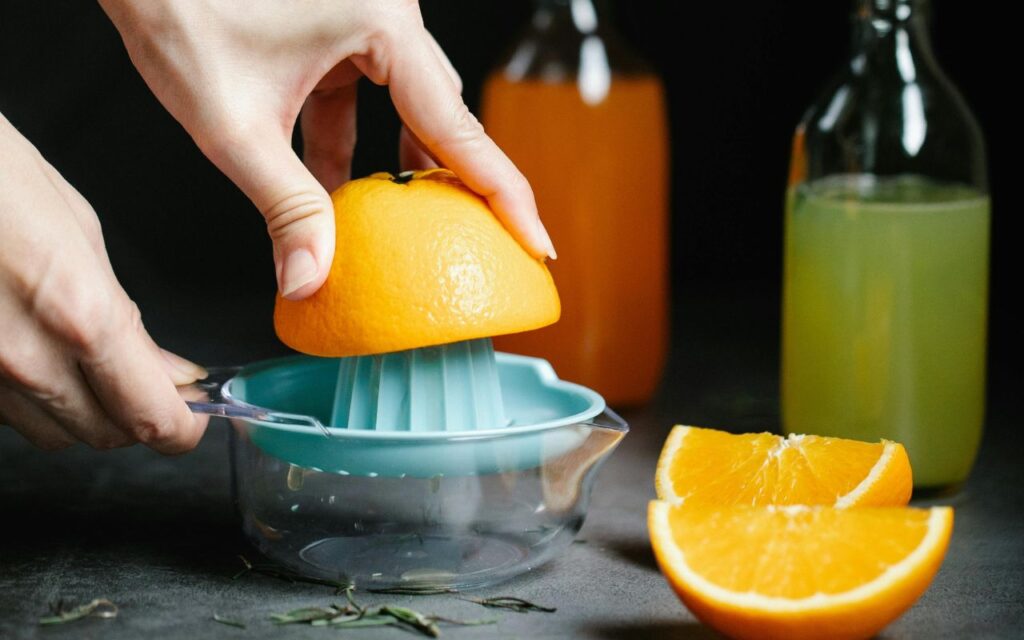
Most grocery “fresh squeezed” juices are citrus based for a reason. Oranges, grapefruits, and lemons handle mechanical pressing well and maintain flavor after processing. Industrial presses extract juice quickly while limiting bitterness from the peel, which helps keep large batches smooth and drinkable.
You benefit from consistent taste, food safety standards, and easy availability year-round. However, citrus pressed at scale may lose some aromatic freshness compared to small-batch juicing. The tradeoff is reliability and speed. You get a predictable flavor profile every time, texture, and aroma of juice squeezed slowly by hand at home.
4. Why Grocery Chains Use Massive Juicing Equipment
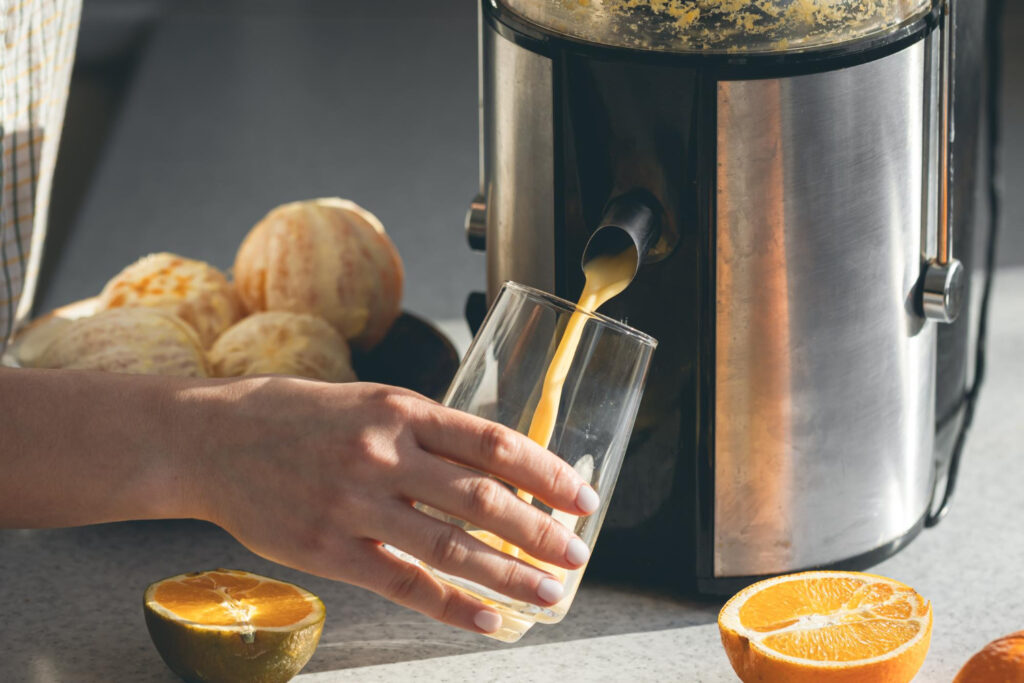
Grocery stores use large machines because demand is high and margins are tight. You expect juice to be available daily, priced competitively, and safe to drink. Industrial juicers meet strict health regulations, reduce labor costs, and help prevent contamination during busy store hours.
They also allow stores to process fruit before it spoils, reducing food waste and keeping shelves stocked. While smaller batches might sound appealing, they are not practical at scale. These machines ensure you can grab juice any day of the week without shortages, even if that convenience comes at the cost of how “fresh” the juice feels to you.
5. How Long These Juices Sit Before You Buy Them
Fresh squeezed grocery juice is perishable, but it does not always move straight from machine to shelf. After pressing, juice is typically chilled immediately to slow bacterial growth and preserve quality. It may sit in cold storage for a short period before bottling or being distributed within the store.
Depending on sales turnover, your bottle could be only a few hours old or closer to a couple of days old. Most stores clearly label use by dates to maintain safety and freshness standards. Checking those dates helps you choose the freshest option available and avoid juice that has lost flavor, aroma, or some of its nutritional value over time.
6. Taste Differences Between Machine-Pressed and Hand-Squeezed Juice
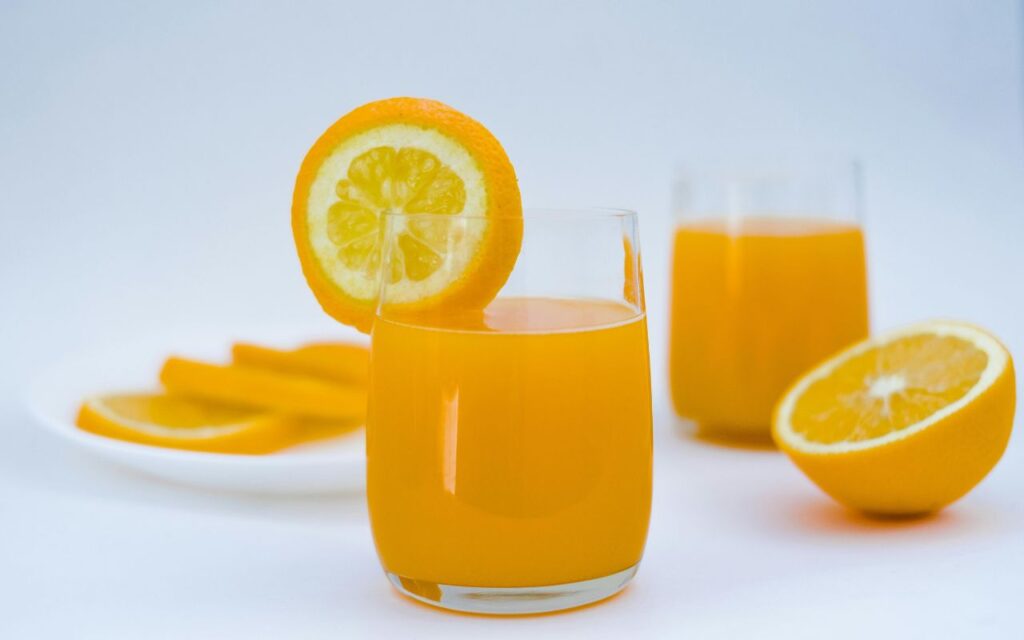
You may notice that grocery juice tastes cleaner but less vibrant than hand-squeezed juice. Machines extract juice efficiently and quickly but can incorporate more oxygen, which slightly dulls flavor and aroma over time. Hand squeezing preserves more of the fruit’s natural aroma, texture, and subtle sweetness but lacks consistency between batches.
Machine-pressed juice prioritizes smoothness, uniform taste, and longer shelf life over the complexity and nuance of flavor found in small-batch hand-pressed juice. Neither option is wrong. It comes down to what you value more, immediacy, and the fuller sensory experience of freshly hand-squeezed juice.
7. Health Claims Versus Processing Reality

“Fresh squeezed” sounds healthier, but it does not automatically mean more nutritious. Once juice is exposed to air, light, and even slight heat during handling, vitamins like vitamin C begin to degrade gradually. Industrial processing and refrigeration minimize risk and slow nutrient loss, but they cannot stop natural degradation entirely.
You still get hydration, natural sugars, and other fruit-derived nutrients, but the benefits are not the same as eating whole fruit with fiber and intact compounds. Understanding this helps you view grocery juice as a convenient supplement, not a full replacement, for fresh, whole produce in your daily diet.
8. Which Juices Are Pressed On-Site and Which Are Not
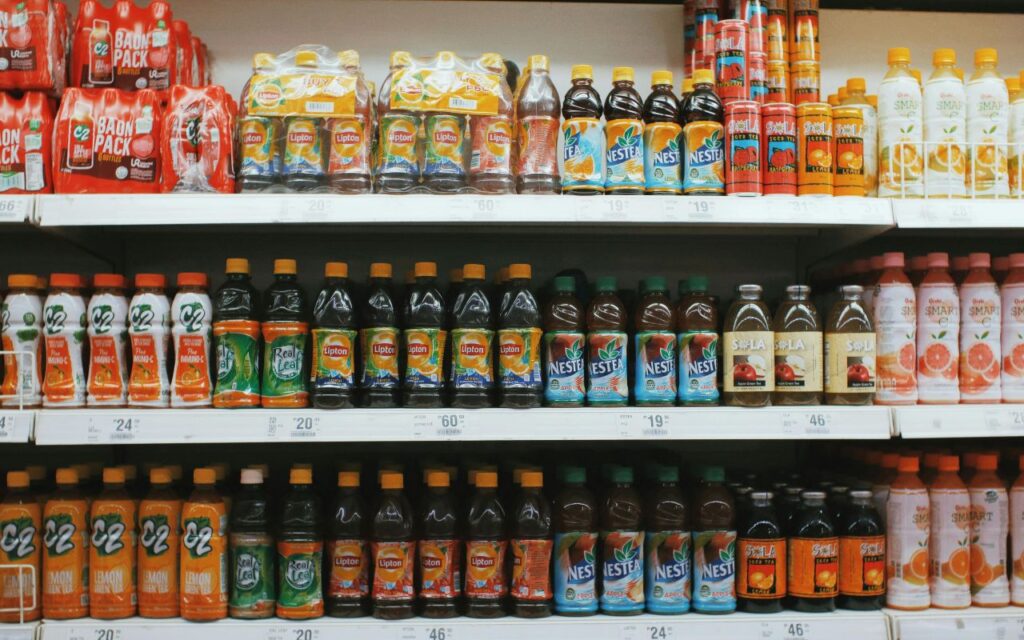
Not all grocery juices are made in-store, even if they look similar on the shelf. Some are pressed at regional or central facilities and shipped cold to multiple stores daily, while others are squeezed on-site using visible machines behind glass. Reading the fine print on labels or packaging can often tell you exactly where and when the pressing occurred.
On-site juices usually feel fresher, and retain more aroma, while off-site options prioritize distribution efficiency, consistency, and shelf life. Knowing the difference helps you make informed choices and pick products that truly align with your expectations of freshness and quality.
9. What Labels Do Not Tell You About “Fresh” Juice
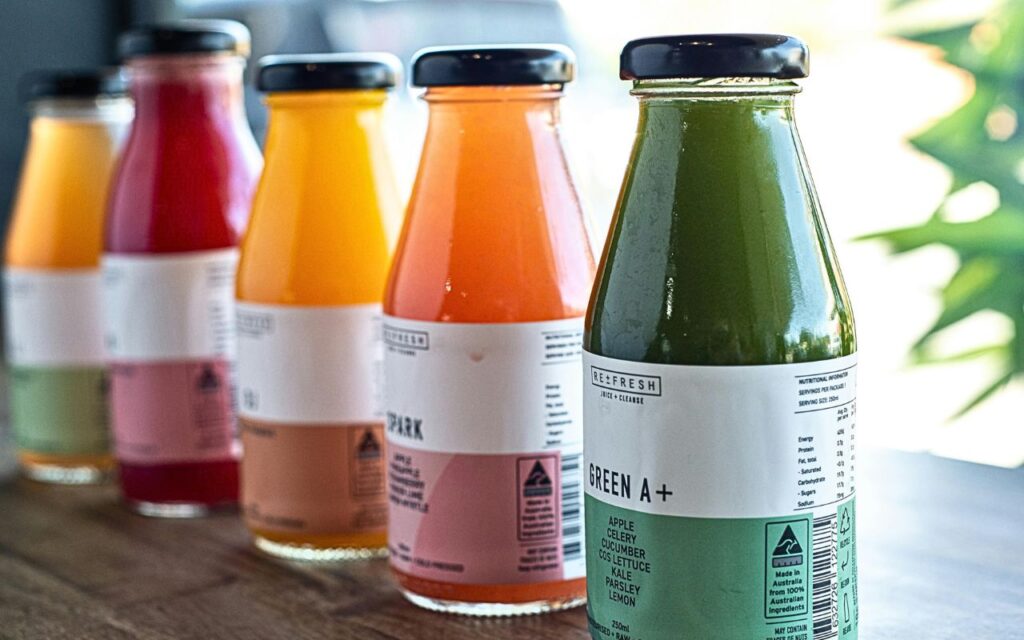
Labels rarely explain processing timelines, storage conditions, or the type of equipment used to extract the juice. The term “fresh” is not strictly regulated in the way many shoppers expect, so it can be misleading. Juice can be labeled fresh without being immediate or hand-squeezed.
Even recently pressed juice may be handled entirely by large machines, stored in bulk containers, or chilled before bottling. Learning to read beyond the headline claims, including use-by dates and ingredient notes, helps you make informed choices, avoid disappointment, and understand exactly what you are purchasing in terms of freshness, quality, and flavor.
10. How to Choose the Freshest Option in the Juice Case

You can improve your odds of getting the freshest juice by carefully checking bottling dates, choosing grocery stores with high turnover, and buying juice earlier in the day when shelves have been recently stocked. Look for bright, clear color, minimal separation of pulp, and tightly sealed caps to ensure quality.
If freshness matters most, smaller bottles are often a smarter choice since they tend to move faster and are replaced more frequently. By taking these steps and paying attention to storage conditions in-store, you can enjoy grocery fresh squeezed juice with confidence, handled, and what you are actually getting in every bottle.