10 Regional BBQ Sauces That Spark Heated State Pride Wars
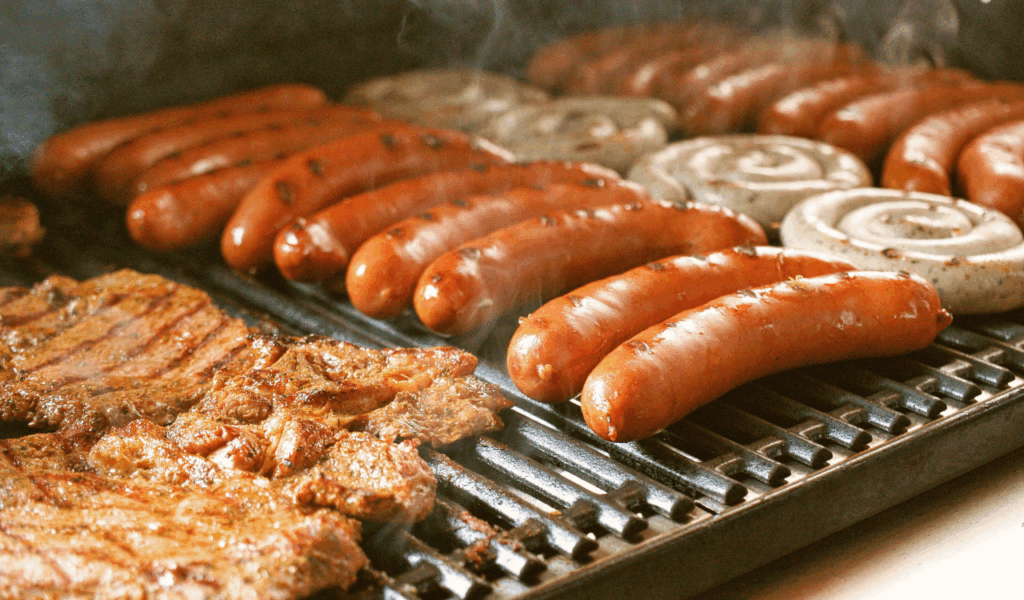
Barbecue is more than simply a way to cook; it’s a cultural touchstone that defines whole areas and leads to heated arguments over dinner tables all around the country. The sauce is at the center of these pleasant but intense fights. It is a liquid identity that recounts the story of a state’s history, agriculture, and culinary spirit.
Experts claim that these regional tastes are often passed down from one generation to the next, making people feel like they belong, much like the sauces themselves. Your choice of condiment is a public statement of your local loyalty, whether you like a vinegary bite or a sweet molasses finish.
Professional chefs and pitmasters say that the “right” barbecue sauce depends on where you grew up. Designers of culinary experiences say that the flavors are deliberately adjusted to go well with certain types of meat, such pork shoulder and beef brisket. People who run big barbecue contests say that judges often have to put their own state pride aside in order to rate these different techniques fairly.
This article goes into detail about 10 famous regional sauces that are still the source of state pride disputes. It shows that the secret to barbecue is really in the sauce.
1. Eastern North Carolina Vinegar Sauce
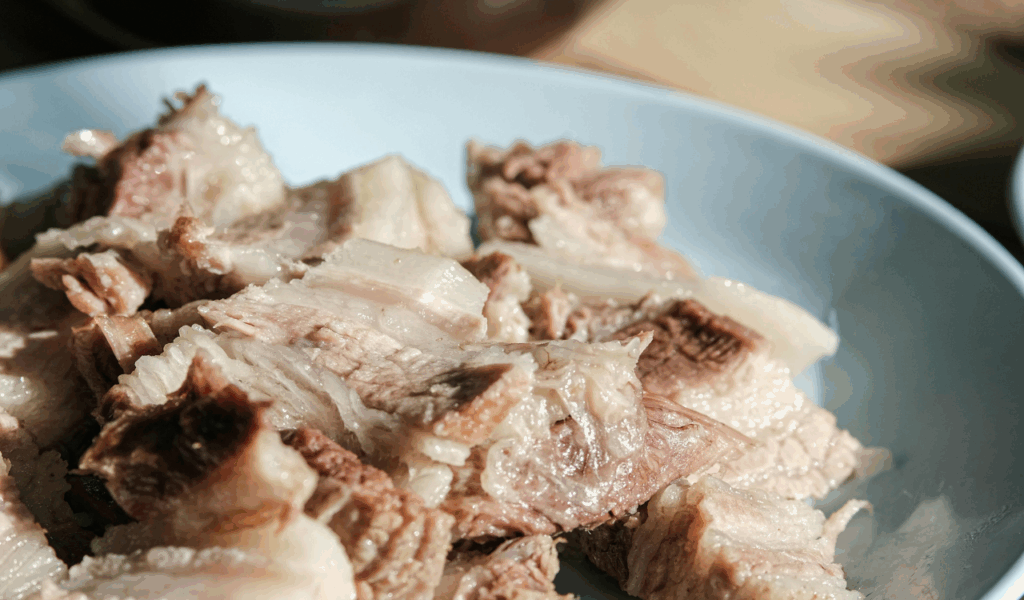
The sauce is famous for being very simple and quite sharp on the coastal lowlands of North Carolina. This tradition doesn’t use tomatoes at all. Instead, it uses a base of cider vinegar with crushed red pepper flakes, salt, and black pepper. Chefs say that the strong acidity is meant to cut through the heavy fat of whole-hog barbecue. This makes the smoke taste better by giving it a fresh contrast. Fans say that this thin, clear liquid is the only “pure” way to garnish pulled pork without hiding the quality of the meat.
Professional restaurant concept flippers say that this style is often the most divisive for people who prefer a thick, red glaze. Experts argue that the recipe’s simplicity lets the wood’s smokiness shine through. This sauce is typically recommended by landscapers who host outdoor pig picks because it keeps the meat juicy for a long time. Designers of traditional Southern meals say that in Eastern North Carolina, adding ketchup or sugar to this combo is a major culinary sin.
2. South Carolina Mustard Sauce
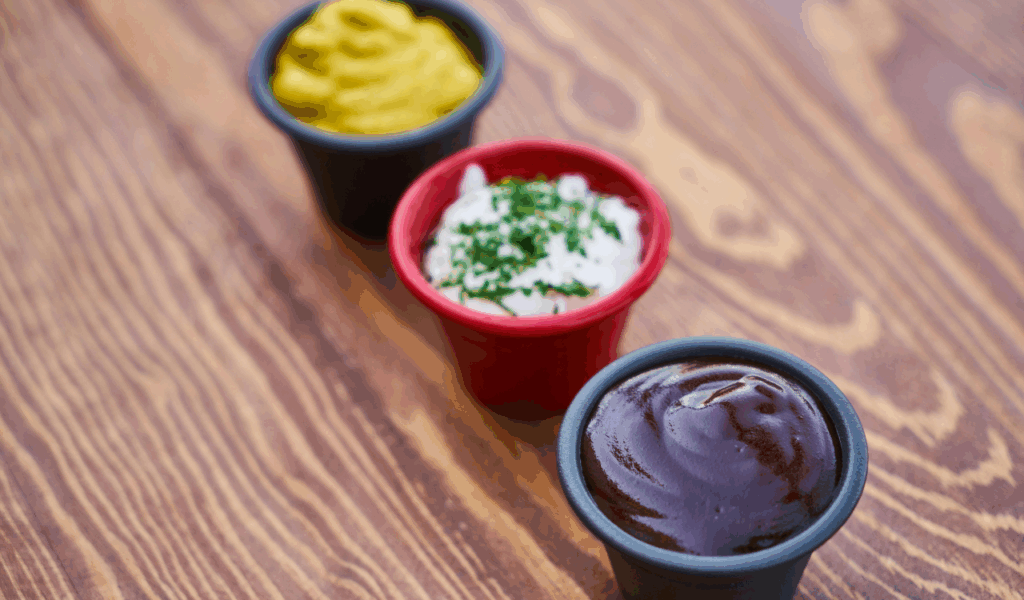
“Carolina Gold” is a big change in taste and look that happens when you travel south to the Palmetto State. This mustard-based sauce is a gift from the German immigrants who moved to the area in the 1700s. The designers of regional cuisine tours say that the combination of vinegar and sugar with yellow mustard makes a savory-sweet flavor that is only found in this part of the South. It is a thick, bright sauce that sticks to pork ribs and pulled shoulder wonderfully. It is a spicy alternative to the more typical tomato-based sauces.
Professional chefs say that the key to a perfect mustard sauce is getting the mustard’s sharpness and the honey or brown sugar’s sweetness just right. Experts say that this sauce has a stronger, richer flavor that goes well with dry rubs that are richly seasoned. Realtors in South Carolina often discover that a home’s proximity to a famous “Gold Sauce” restaurant is a good reason for local purchasers to buy it. People who plan state festivals say that this sauce is a big deal because it shows how European barbecue is different from American barbecue in general.
3. Kansas City Sweet and Thick Sauce
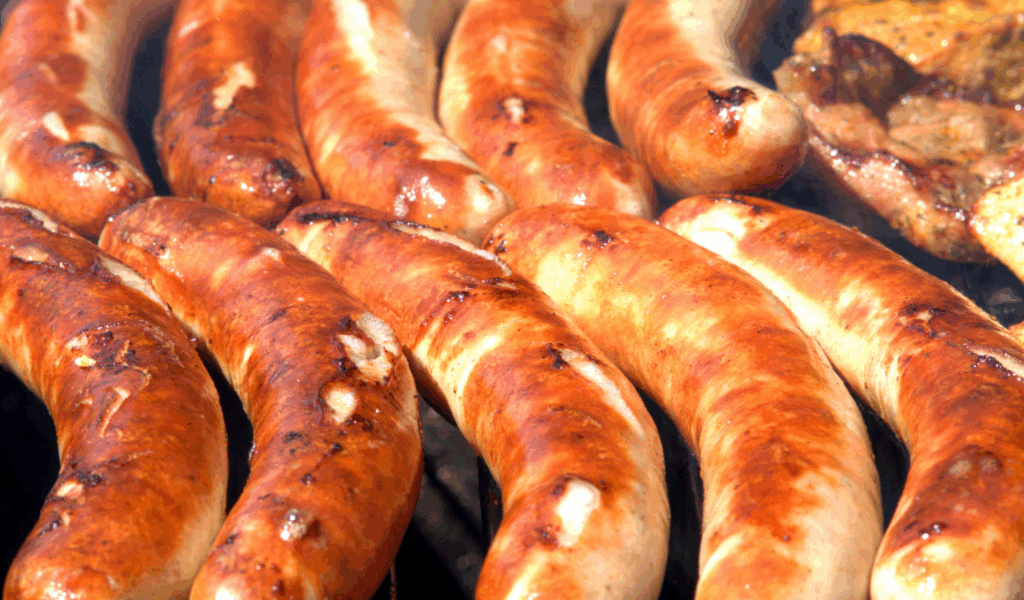
Most people think of “standard” barbecue sauce as thick, sweet, and smokey. Kansas City is where this sauce came from. This style uses a thick tomato or ketchup foundation that is sweetened with brown sugar and molasses to make a black, sticky coating. Experts say that this sauce is meant to caramelize over the fire, which will make a gorgeous “bark” on the outside of the meat. It goes well with a lot of different foods, from beef burnt ends to chicken and pork, and it’s a big favorite at national events.
Professional chefs say that adding liquid smoke, onion powder, and occasionally even a little celery salt makes Kansas City sauce more complicated. Designers of commercial food goods say that this style is the most copied in grocery shops all over the world because it appeals to so many people.
Realtors in Missouri say that the city’s identity is closely tied to its famed pits, where the sauce is used a lot. Organizers say that although other places emphasize on the meat, Kansas City honors the sauce as an equal element of the meal.
4. Lexington Style Red Sauce
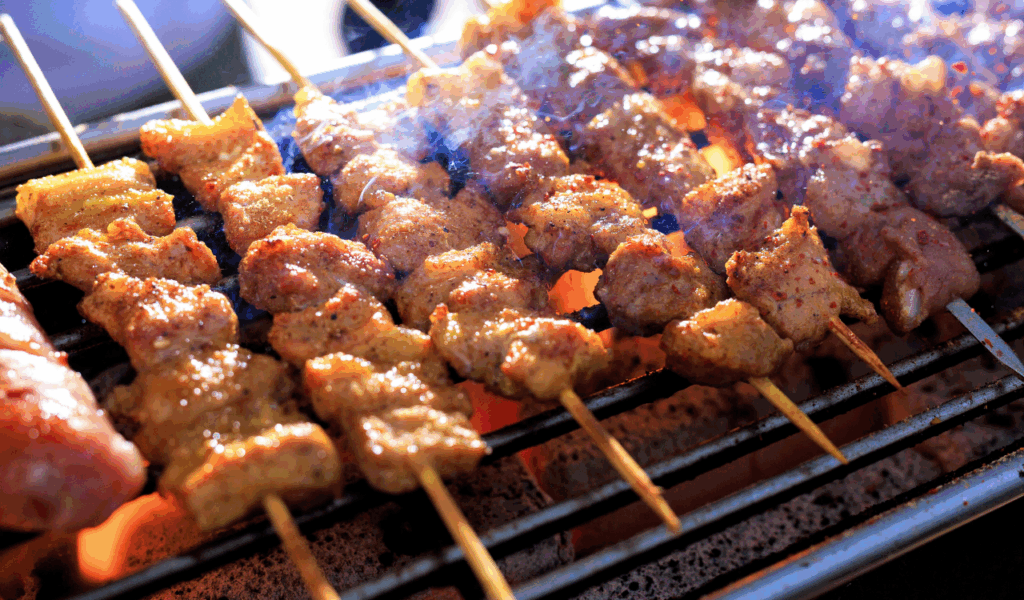
There is a serious civil war going on in the western part of North Carolina between the vinegar purists in the east and the “Lexington Style” lovers in the Piedmont. This sauce, which is also called Western Style, starts with vinegar and adds a little ketchup and sugar. Designers of historic food trails say that this addition makes the sauce thinner and redder, but it still has an acidic taste and a hint of sweetness. It also has a little more substance. People usually serve this kind with pork shoulder, and it’s famous for being the base for “red slaw” instead of regular mayo-based coleslaw.
Professional chefs say that the small amount of tomato in the vinegar gives it a deeper color and a smoother finish that many who think pure vinegar is too strong will like. Experts claim that the fight between Eastern and Western cuisines is one of the oldest and most well-known food fights in American history.
Landscapers in the area that create bespoke outdoor kitchens frequently make sure to incorporate separate prep areas so that both types of people may use them. The people in charge say that even though the distinction may not appear big to outsiders, the “ketchup or no ketchup” dispute is a big part of North Carolina’s culture.
5. Alabama White Sauce
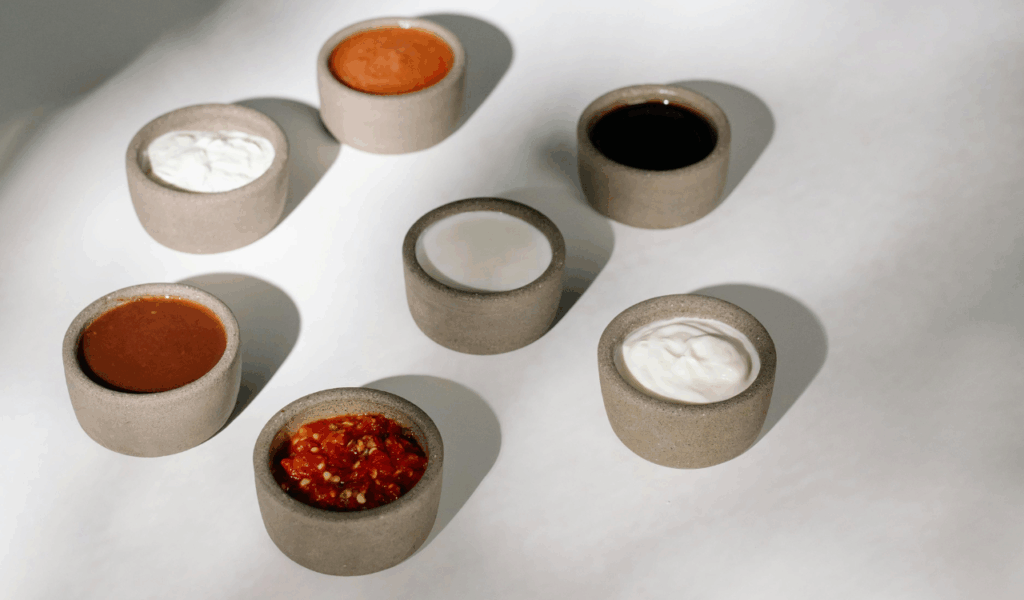
Alabama’s white sauce, a mayonnaise-based mix that confuses people who aren’t used to it, is probably the most unusual entry in the state pride battles. Bob Gibson made this sauce in Decatur in the 1920s. It has mayonnaise, vinegar, horseradish, and a lot of black pepper in it. Experts say that the sauce is traditionally used to dunk whole smoked chickens, where the fat in the mayonnaise keeps the lean white meat incredibly juicy. This sauce is creamy, tangy, and a little spicy. It has recently become very popular outside of the state.
Professional chefs say that the secret to a superb white sauce is to make it thin enough to coat the meat without getting too thick or sticky. Modern barbecue menu designers say that it may be used in a lot of different ways, like in coleslaw or as a dipping sauce for fried green tomatoes.
Realtors in Northern Alabama typically talk about the area’s barbecue history to help new residents connect with the community’s unique food culture. People who are putting on the event say that Alabama white sauce is a real competitor, even though it looks like salad dressing. Alabamians will fight for it with surprising fervor.
6. Memphis Dry Rub and Thin Sauce
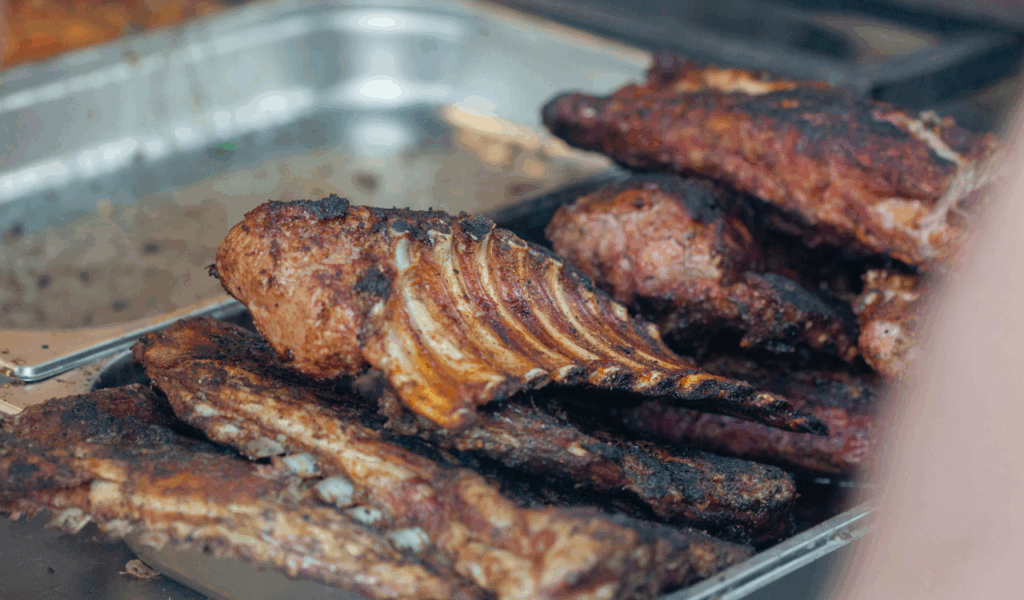
Memphis is a city of two minds when it comes to ribs. It has both “wet” and “dry” ribs, but even the wet ones use a very special type of sauce. Memphis sauce is usually made with tomatoes and has a tangy flavor. It falls in between the sweetness of Kansas City and the sharpness of Carolina varieties.
Experts say that the sauce is thinner and has a lot of vinegar and spices like cayenne and paprika in it. This keeps the flavor of the meat and the complicated dry rub underneath from being hidden by a heavy layer of sweet glaze.
Memphis sauce is all about the “mop” technique, which means brushing the thin liquid on during the last stages of smoking to add layers of flavor. Designers of high-end barbecue pits say that the acidity in the sauce is quite important for complementing the rich, fatty pig ribs that the city is known for.
Realtors in Tennessee said that people in the state are always talking about the differences between Memphis and Nashville styles. Organizers say that in Memphis, the sauce is a supporting actor that brings out the flavor of the well seasoned meat. This is a refined and balanced way to barbecue.
7. Texas Mop Sauce
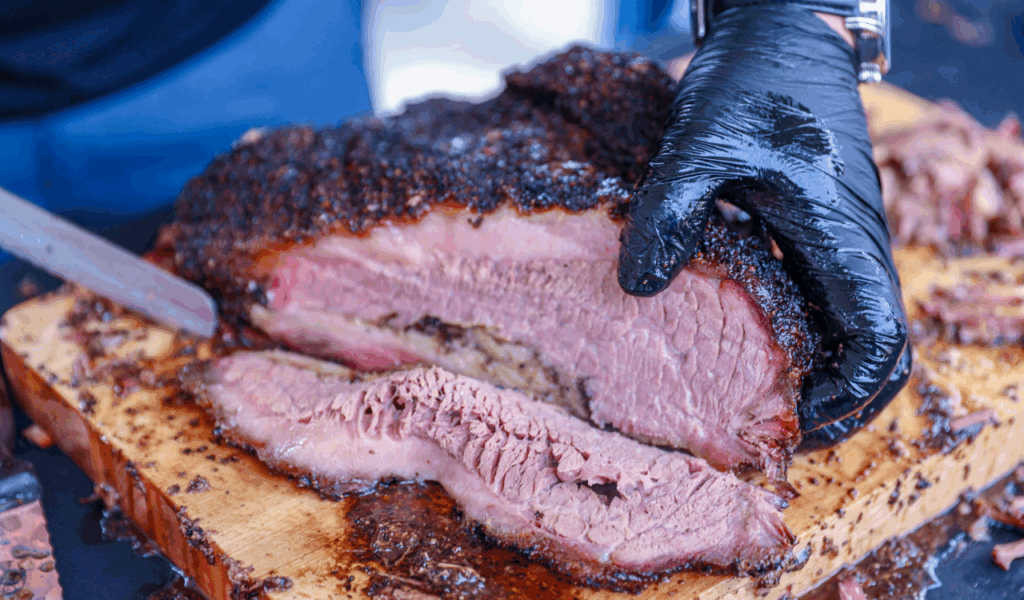
People frequently say that Texas doesn’t require sauce, especially when it comes to its famous central Texas brisket. But when Texans do use sauce, it’s usually a “mop” or “sop” sauce that is very thin and tasty. Pitmasters say that this sauce is more like a thin gravy that usually has beef drippings, coffee, Worcestershire sauce, and spices in it. It is meant to be basted on the meat to keep it moist during the long smoking process, which can last anywhere from twelve to sixteen hours. It is not meant to be served as a thick dipping sauce on the side.
Professional chefs say that the taste of Texas mop sauce is meant to be subtle so that it doesn’t overpower the salt and pepper crust on the brisket. Designers of industrial-scale smokers say that the high moisture level of these thin sauces is important for keeping the “stall” going while the food cooks.
People in Texas who sell real estate often quip that bringing a bottle of thick, sweet sauce to a barbecue is a sure way to lose friends. The people in charge say that the Texas approach shows a lot of respect for the cattle industry, where the meat is the king and the sauce is just a servant.
8. St. Louis Style Sweet Heat
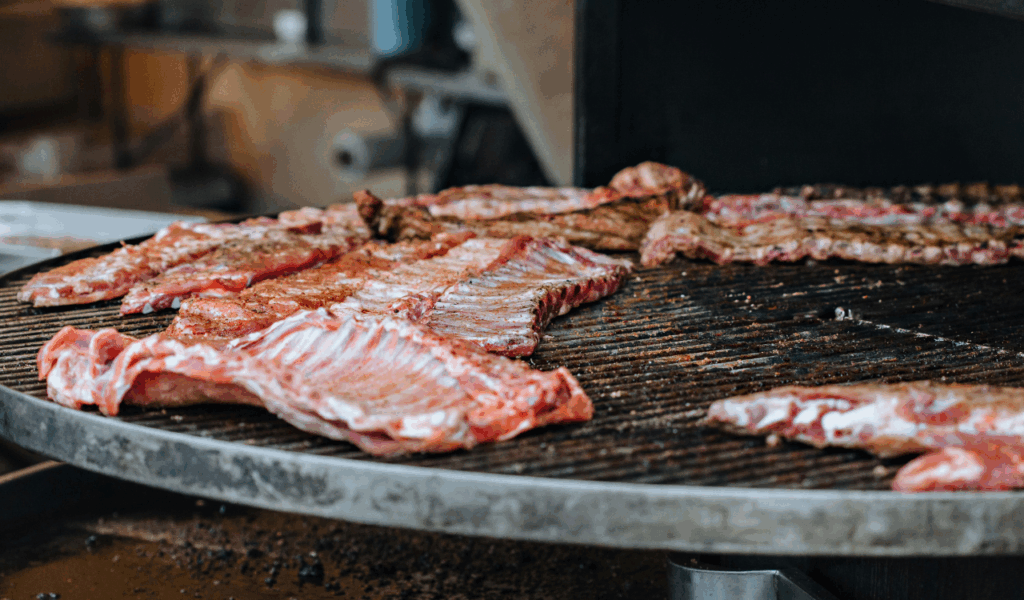
St. Louis barbecue is a mix of the greatest parts of its neighbors’ styles, with its own unique twist. St. Louis sauce has a lot of tomatoes in it and no liquid smoke, which makes it taste cleaner and brighter than Kansas City sauce. Experts believe that it is a sweet sauce, but it usually has a lot of acidity and a fiery sting that lasts. St. Louis-cut ribs are the most famous food that goes with this sauce. The ribs are sliced into precise rectangles so they cook and glaze evenly.
Professional chefs say that the high sugar level in St. Louis sauce makes it perfect for getting a “sticky” finish that many people love. People who design competitive barbecue circuits say that this type often works well because it has a “balanced” character that doesn’t overwhelm the taste buds with smoke.
Realtors in Missouri typically have to function as go-betweens for the Kansas City and St. Louis sides of the state. Organizers say that the St. Louis style is a sign of the city’s past as a major food processing center, where high-quality ingredients were mixed together to make a one-of-a-kind Midwestern dish.
9. Kentucky Black Scraped Sauce
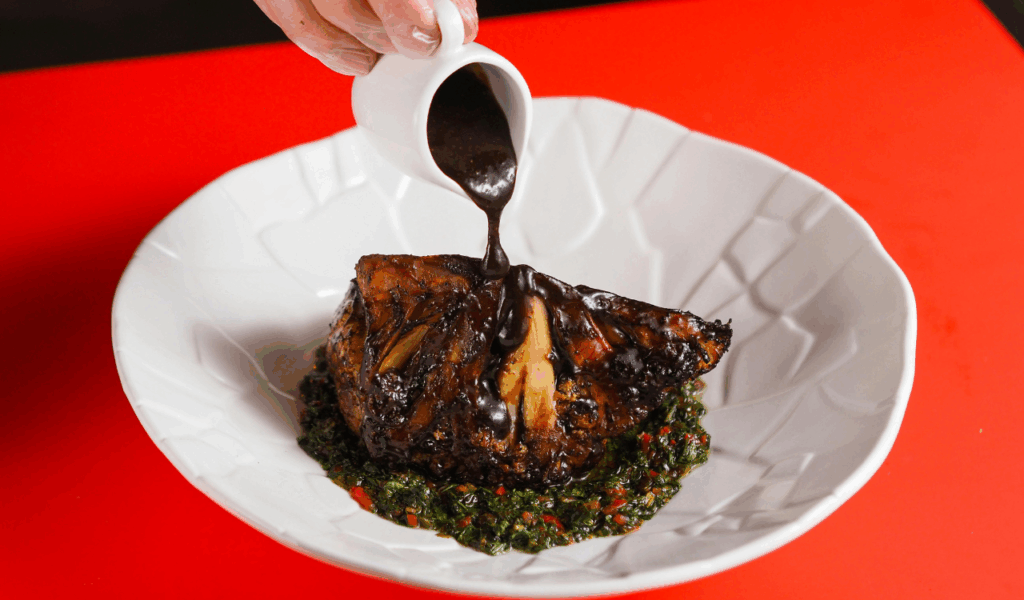
A dark and mysterious sauce is the best in the western part of Kentucky, around Owensboro. This “black sauce” is a thin liquid made with vinegar and flavored with Worcestershire sauce, lemon juice, and allspice. Experts suggest that it was made to go with mutton, which is the region’s typical meat. A strong and acidic sauce is needed to cut through the fat and tone down the harsh, gamey flavor of the sheep. It is a delicious sauce that is full of umami and is unlike anything else in the barbecue world.
Professional chefs say that the black sauce’s trademark dark color and rich, salty flavor come from the high level of Worcestershire sauce. Designers of regional food maps say that this area is one of the most unique micro-regions in American food culture. As a way to welcome new people to the area, real estate agents in Western Kentucky typically serve them “mutton and black sauce.” Organizers say that mutton is hard to find in other places, but for Kentuckians, this sauce is a proud reflection of their local culture and their ability to turn an unusual meat into a well-known regional dish.
10. East Texas Thick and Tangy Sauce
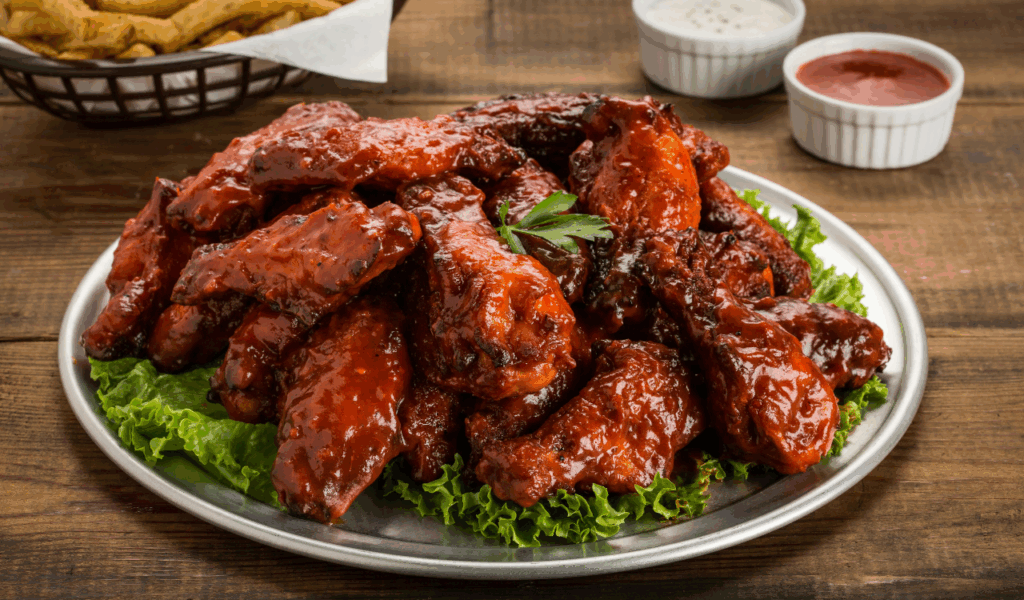
Central Texas loves dry rubs, but East Texas loves sauces that are rich, acidic, and often very hot. This style is influenced by Louisiana, and it has more peppers and a unique acidity that makes it different from the sweet Kansas City glazes. Experts say that the sauce is typically used on pig and chopped beef sandwiches, where it gives the food a strong and forceful taste. It is a thick sauce that doesn’t move, which makes it great for the messy, high-energy barbecue places in the eastern portion of the state that are in the piney forests.
Professional chefs say that the spice in East Texas sauce builds up slowly and goes well with the deep, oak-smoked flavor of the meat. Designers of rustic barbecue shacks say that this sauce is generally given in big, shared squeeze bottles, which shows how important it is to every taste.
Realtors in the area say that the local BBQ culture is a big lure for families who want to live a real and down-to-earth life. Organizers say that East Texas sauce is a reminder that even in the “Big Three” barbecue states, there are different and passionate subcultures that will strive for their own version of excellence.