10 Fake Wood Planters That Fall Apart After One Rainy Season
Faux bois, which means “false wood” in French, is a beautiful way to give your yard a rustic, natural look without having to take care of real wood. Landscapers, on the other hand, say that there are a lot of low-quality copies on the market right now that can’t handle even one heavy rain. Real faux bois is usually created from reinforced concrete, but a lot of the cheap mass-produced reproductions include fillers that soak up water like a sponge. This structural fault causes things to break down quickly, which takes a lot of people off guard during the first storm.
Exterior designers say that picking the wrong material can cause more than just cosmetic problems; it can also cause the structure to fall apart. Poorly built planters will swell up on the inside and crack on the outside when water gets inside. Professional flippers say that these cheap “wood look” goods often lose their finish after just a few weeks of being exposed to moisture. We have found the exact kinds of imitation bois planters that experts warn will rot or fall apart before the rainy season ends. This can help you prevent a costly mistake. It is important to put material density ahead of how it looks at first.
1. Low Density Resin Imprints

Designers say to be very careful with high-density polyethylene planters that don’t have UV stabilizers and the right thickness. Low-density resin is porous at the microscopic level, even though it is commonly sold as waterproof. When it rains, moisture gets into the hollow walls, which makes a perfect place for mildew to grow. Mildew eats away at the structural integrity from the inside out. This hidden degradation is usually not seen until the container breaks.
Experts say that the weight of moist soil might cause these planters to bend. When the humidity rises, the “bark” texture starts to come off in sheets as the resin relaxes. Experts believe that if the resin isn’t marine grade, the continuous changes in temperature during a storm will make the bottom fall out completely. This leaves your plants stuck and your money gone.
In the end, these lightweight resin choices are better for covered porches than for open gardens. If the plastic seems thin or flexible when you press on it, it probably won’t be able to handle the hydrostatic pressure of a saturated root ball. To make sure the planter stays strong, experts say to seek for substantial, double-walled construction. If these qualities aren’t there, the faux bois finish will warp and become a bloated eyesore that needs to be replaced right away after the first hard rain of spring.
2. Magnesium Oxide Composites
MgO, or magnesium oxide, is a common material for cheap garden statues and “concrete look” planters. But contractors say that MgO is quite likely to “sweat” and leak when it rains a lot. This stuff is really a salt-based cement, and when the humidity goes up, it starts to dissolve and get softer. The structural bond just can’t stand up to the chemical reaction that happens when it stays wet outside for a long time.
Landscapers say that MgO planters often get a white, powdery substance called efflorescence. This means that the minerals are being drawn to the surface, which is tearing down the interior framework. Experts claim that as the rain soaks the core, the planter gets weak and can break with the slightest touch. This is a classic case of a product that looks strong in a store but breaks right away when you use it in the real world.
Also, these composites typically don’t have the internal rebar or mesh that is needed for real durability. The material can’t hold as much weight when it gets wet. Designers say to stay away from any MgO product that doesn’t have a clear, touchable waterproof coating on both the interior and outer surfaces. Your pretty fake stump will probably dissolve into a mound of gray sand before the flowers have a chance to bloom fully if you don’t protect it.
3. Unsealed Fiberclay Bark Wraps
Fiberclay is a blend of fiberglass and clay. It is usually light and strong, but experts claim it becomes a problem when it is shaped into complicated fake wood textures. The deep grooves needed to make it look like tree bark produce hundreds of tiny nooks where water can collect. If the maker doesn’t put on a full waterproof covering, the clay will soak up the water and start to come off the fiberglass mesh. This split makes the outside peel off in big, ugly pieces.
Organizers say these planters are especially problematic in places where the temperature changes a lot. When it rains and then gets cold, the water that has been absorbed freezes and expands, which makes the fake bark pop off. Designers say to check the drainage holes. If the inside is only raw clay with no black, rubberized liner, it will probably rot. Moisture can get through the walls since there is no internal sealing, which damages the decorative surface from behind.
Experts say that tapping the side of the planter is a good way to check its quality. A good fiberclay should have a distinct, metallic ring. If it doesn’t, or if it’s low quality, it will sound dull and thuddy. This dullness means that either moisture has already gotten into the substance or the clay isn’t dense enough to utilize outside. The only way to make sure the fake wood texture stays intact throughout winter is to buy a version that is properly sealed.
4. Painted Terracotta Logs
Terracotta is a popular material for gardening, but designers say it doesn’t work well for faux bois styling until it is coated. Many companies paint regular, porous orange clay with brown acrylics to make it look like a log. Professional flippers say that this paint keeps moisture in the clay, which stops the planter from “breathing.” The water wants to get out of the porous material underneath, which makes the outside finish bubble and flake off.
Landscapers say that the terracotta gets “soft” and crumbly with time because of the frequent dampness from rain. The paint isn’t a real vapor barrier, so the water travels through the pot and pushes the paint off from the inside. Experts claim that when the skies clear, you will have a lot of orange shards and peeling brown paint. This means that they are some of the decor things that last the shortest amount of time.
Also, the salt in many fertilizers can react with the water that is trapped in the clay and speed up its disintegration. Designers say that if you have to use terracotta, you should opt for “galestro” clay or pieces that have been fired at very high temperatures. Most faux bois terracotta is burned at a low temperature to save money, which makes the product break easily. These ornate logs often split along the grain of the painted wood, which completely ruins the illusion.
5. Particle Board Core Faux Bois
It may seem impossible, but some interior designers have found fake wood planters that are meant to be used “covered” and include a core made of compressed wood or particle board. Big box stores often sell these in their seasonal sections. Contractors say that these are really just sponges that seem like decorations. Even a light sprinkling can make the wood fibers expand, which makes the wood look deformed and bloated. This ruins the faux bois look in just a few hours.
Professional organizers say that these planters are quite dangerous since they can grow mildew that is harmful to health when they get wet. When it rains, the glues inside the planter break down, making it unable to sustain the weight of the soil. Experts say these should never be put outside, although they are often sold for porches where rain can blow in. It is impossible to dry out adequately once the core is full.
When particle board fails structurally, it usually happens quickly and in a big way. One day, a planter may look good, but the next day it may crack apart and pour mud and roots all over your deck. Experts say you should check the weight and the bottom of the container. If you observe any traces of compressed wood flakes or a “veneered” edge, keep it away from water. These things are only for silk plant arrangements that are dry and inside.
6. Thin Walled GFRC Seconds
Experts argue that “seconds” or cheaper variants of Glass Fiber Reinforced Concrete (GFRC) typically have walls that are too thin to be safe. This is done to save money on shipping. The walls don’t have enough mass to hold up against the hydrostatic pressure of moist soil when they are too thin. When it rains a lot, the dirt within gets a lot heavier, which puts a lot of stress on the fake bark outside. This kind of pressure often causes vertical splits that can’t be fixed.
Contractors say that these thin-walled models typically suffer hairline cracks that you can’t see until they get wet. If the interior glass fibers are not alkali resistant, they can start to break down once water gets into these fractures. Designers say that you should use thicker, heavier pieces because the lightweight “bargain” GFRC choices are known for splitting. The planter’s weight is usually the best way to tell how much concrete it has and how long it will last.
Thin GFRC can also chip at the edges, which is when the delicate faux bois accents come off. There isn’t much material behind the texture, so even a slight bump can make the bark pattern fall apart. Experts say that a good faux bois planter should be hard for one person to lift by themselves. If it feels as light as plastic but says it’s concrete, it’s probably a thin-walled shell.
7. Softwood Veneer Containers
Some current faux bois designs use small strips of real softwood wrapped around a plastic frame to make it look natural. Landscapers, on the other hand, say that these are the ones that rot the fastest. If the wood isn’t pressure-treated or a naturally oily type like teak, it will start to rot nearly right away. Professional flippers say that these “hybrid” pots frequently look the nicest on the shelf but don’t work as well in real gardens.
Experts explain that the space between the wood veneer and the plastic frame is a place where organic matter and moisture can get stuck. This generates a “microclimate” that speeds up decay. Designers say that you shouldn’t use any planter that has a non-breathable liner and actual organic material in it. This is because the moisture that gets trapped has nowhere to go but into the wood fibers. This makes a slimy, rotting mess that can draw in wood-boring bugs and other pests that you don’t want in your garden.
The adhesive that holds the veneer together frequently fails by the end of the rainy season. This means that the homeowner is left with a plastic bucket and a pile of wood fragments that are falling apart. To circumvent this, the people in charge suggest using planters that are built entirely of inorganic materials and shaped to seem like wood. If you can scrape the “bark” off with your fingernail, it’s a decorative veneer that isn’t meant to last through a rainy season outside.
8. Papercrete Faux Stumps
Papercrete is a green building material manufactured from recycled paper pulp and cement. People who like to do things themselves typically use it to make realistic tree stumps. Contractors say that even though it is good for the environment, it is very hard to make waterproof. The paper pulp stays thirsty for moisture if the mix ratio is wrong by a little bit. In a rainy climate, the fibers in a papercrete planter will break their link with the cement and the planter will actually start to transform back into mush.
Professional landscapers say that papercrete needs to be sealed again and again to last outside. Most commercial versions don’t have the right seals for heavy rain. Experts claim that when the material gets wet, it loses its ability to hold its shape, which makes the planter sag and finally fall apart under its own weight. It is a “living” substance that can’t bear the stress of a truly moist environment without regular, professional-grade help and high-quality upkeep.
Also, because papercrete is permeable, it attracts algal development. Some gardeners like the “mossy” look, but the algae actually makes the paper fibers break down faster. Designers say that if you like the way papercrete looks, you should be ready to keep it in a dry garage during the winter. If you don’t follow a tight timetable for waterproofing, these cute stumps will turn into a gray sludge before spring ends.
9. Plaster of Paris Imitations
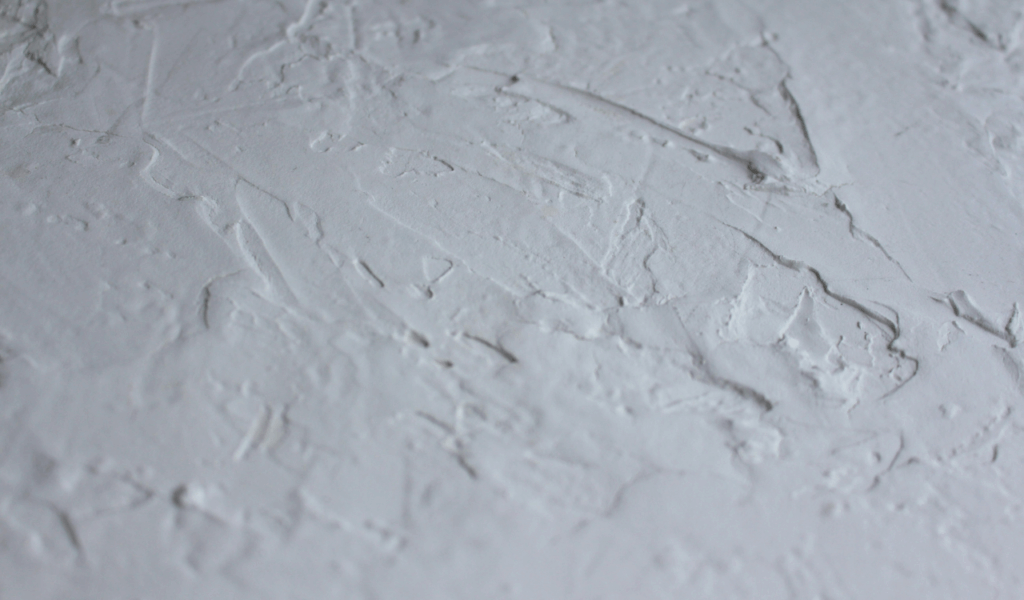
Plaster of Paris is commonly used to make fake wood for indoor decoration, although designers say that it is sometimes mislabeled for outdoor use in bargain stores. Plaster is made to harden with water, yet it stays quite soluble even after it hardens. The fake bark’s delicate patterns will practically melt away when it rains. This makes the texture smooth until the planter looks like a big, wet, white chalk ball with no features.
Professional flippers say that plaster can also “spall,” which means that when it gets wet, the surface flakes off in thin layers. Experts claim that no amount of outside paint can really keep a plaster core safe from the weather. The material gets mushy and doughy when the moisture gets to the middle. It loses its shape and doesn’t support the roots of any plants in it, which makes a big mess.
Also, when plaster gets wet, it expands a lot, which can make the container burst from the pressure of the moist soil. If a planter feels too smooth or has a “dusty” residue on the bottom, it’s probably a fake made of plaster. Real faux bois should feel cold and hard when you touch it. Plaster is too fragile for places that get a lot of rain or have high humidity levels.
10. Low Grade Polyurethane Foams
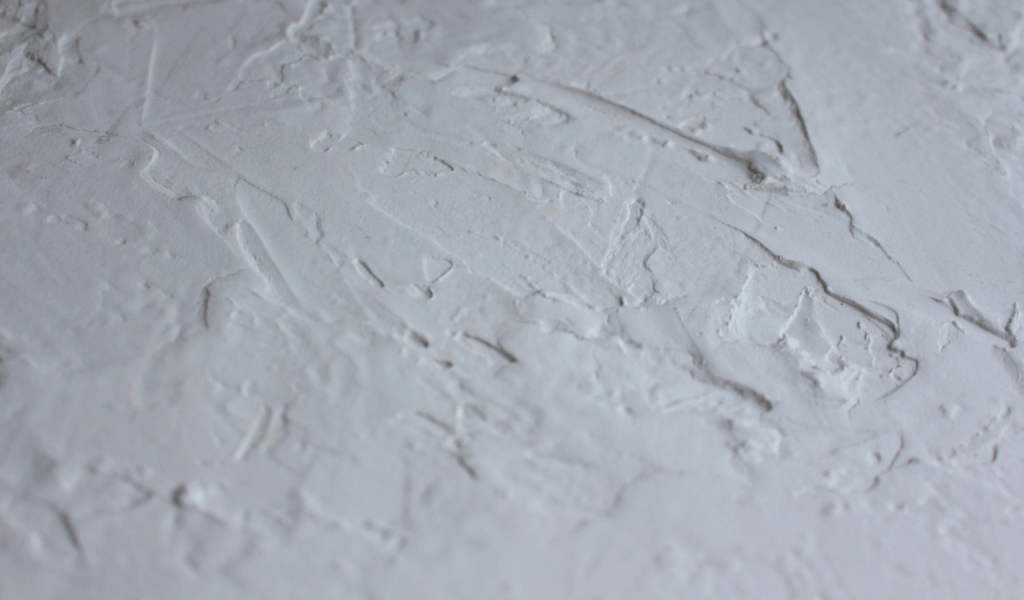
High-density polyurethane can be an excellent material, but inexpensive, lightweight faux wood “rocks” and planters are generally made of low-grade foams. These foams are like solidified bubbles, and if you poke a hole in the outside “skin” with a trowel, the rain will fill the cells inside. Experts say that this makes the planter very heavy and full of water. The foam was never meant to hold that much weight, hence this weight typically causes structural failure.
Designers say to stay away from these since the foam might also react badly to minerals in rainwater and fertilizers. When the foam’s chemical bonds are broken by persistent dampness, professional landscapers have observed these planters “deflate” or melt. Experts believe that they are easy to move when dry, but when it rains, they turn into a sloppy, unmanageable mess. The material finally breaks because of the pressure from the trapped water inside.
Lastly, the paint used on foam planters typically doesn’t stretch with the material as it gets bigger. This makes big fissures that show the bright yellow or white foam behind the “wood” finish. When UV rays and rain hit the core at the same time, it starts to break down much faster. Experts say that for a garden that lasts a long time, you should use solid composites instead of hollow or foam-filled imitations that won’t last as long.