5 Quick Decor Fixes That Don’t Actually Improve Your Space
Quick decor tricks are tempting because they promise instant transformation without the cost or effort of real upgrades. The catch is that many of these shortcuts only mask deeper design problems. A flashy accent piece cannot balance a mismatched room, peel-and-stick finishes rarely age well, and piling on accessories often creates clutter instead of style. When improvement relies on speed instead of strategy, the results tend to fade fast. Understanding which fixes fall short helps you skip the disappointment and focus on changes that actually make your space feel better.
1. Swapping In Flashy Statement Pieces Without Considering The Room
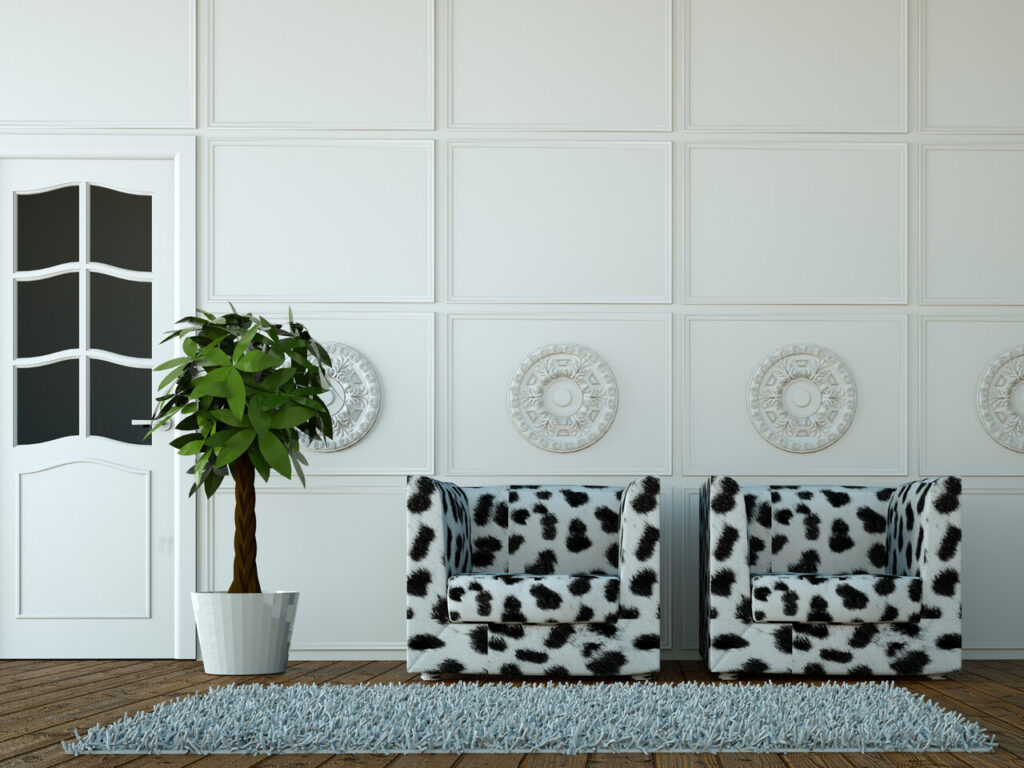
Big decor purchases often start with one tempting item. A sculptural light, a mirrored side table, a bold piece of art that seems like it will “fix” everything in one go. The catch is that no object exists in a vacuum. If the style, scale or finish of that statement piece does not relate to your existing furniture, architecture or colors, it sticks out instead of pulling things together. A glam chandelier in a small, low-ceilinged room can make everything else look dated. A hyper trendy coffee table might fight with a classic sofa rather than complement it. Over time, that single attention-grabbing object can start to feel like visual clutter because your eye always goes there first.
2. Using Peel And Stick Wallpaper, Tiles, Or Decals As A Magic Makeover

Temporary finishes promise fast transformation with minimal commitment, which is exactly why they are so appealing. Peel-and-stick wallpaper, faux tile for backsplashes, and big wall decals can hide a bland surface for a while, but they seldom behave like permanent materials. Edges may curl in humid rooms, patterns can misalign at seams, and adhesives sometimes leave residue or pull off paint when removed. If the underlying wall is not perfectly smooth, every bump shows through the thin material. In kitchens and bathrooms, heat and steam speed up wear so the surface can start to look tired long before a traditional paint job would. The visual message also matters.
3. Layering Too Many Small Accessories That Crowd The Room
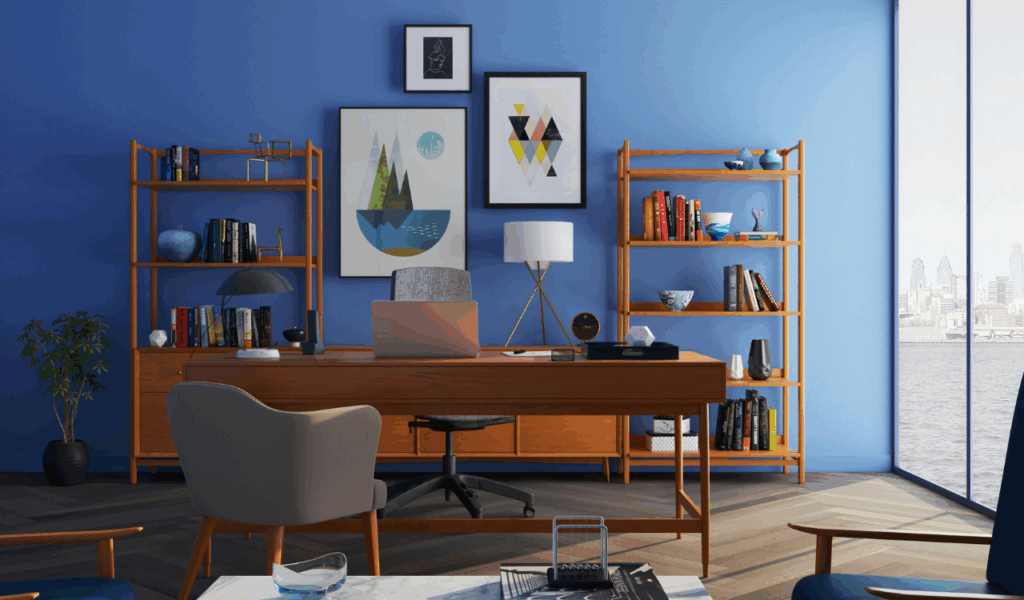
Adding decor is often how people try to “warm up” a space, but it is very easy to cross the line from cozy to cluttered. When every surface holds a cluster of little items, your brain has to work harder to process the room. Dozens of candles, trinkets, tiny frames and small plants break the space into lots of competing focal points. Even if you dust regularly, it can still feel messy because the eye never finds a calm area to rest. This also makes cleaning physically harder. You have to move everything just to wipe down a shelf or table, which encourages procrastination and lets real dust build up around your styling. Often, the base problem is not the absence of objects but the lack of editing and scale.
4. Overusing Matching Furniture Sets That Make Rooms Look Flat
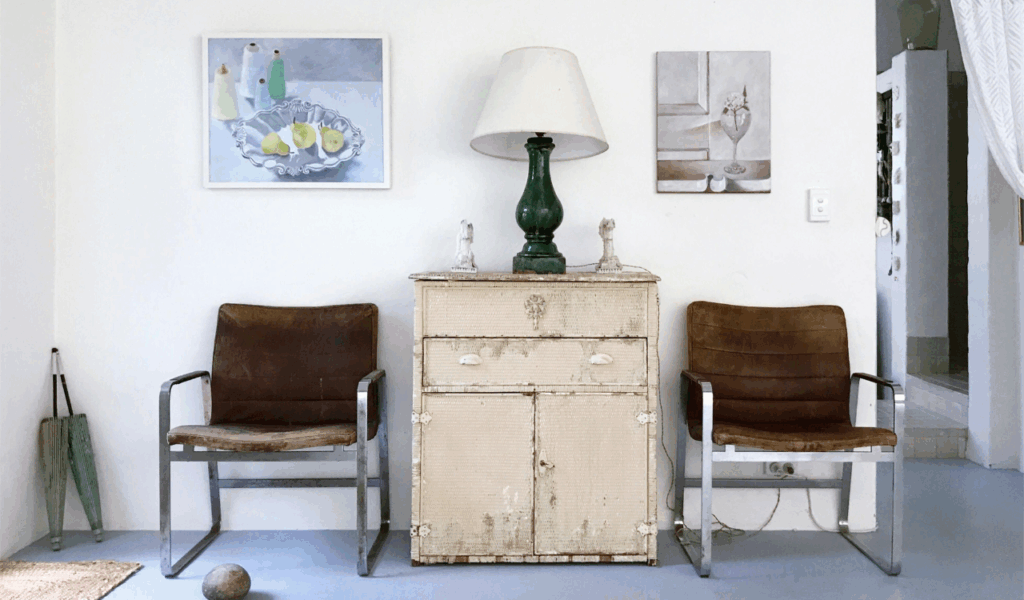
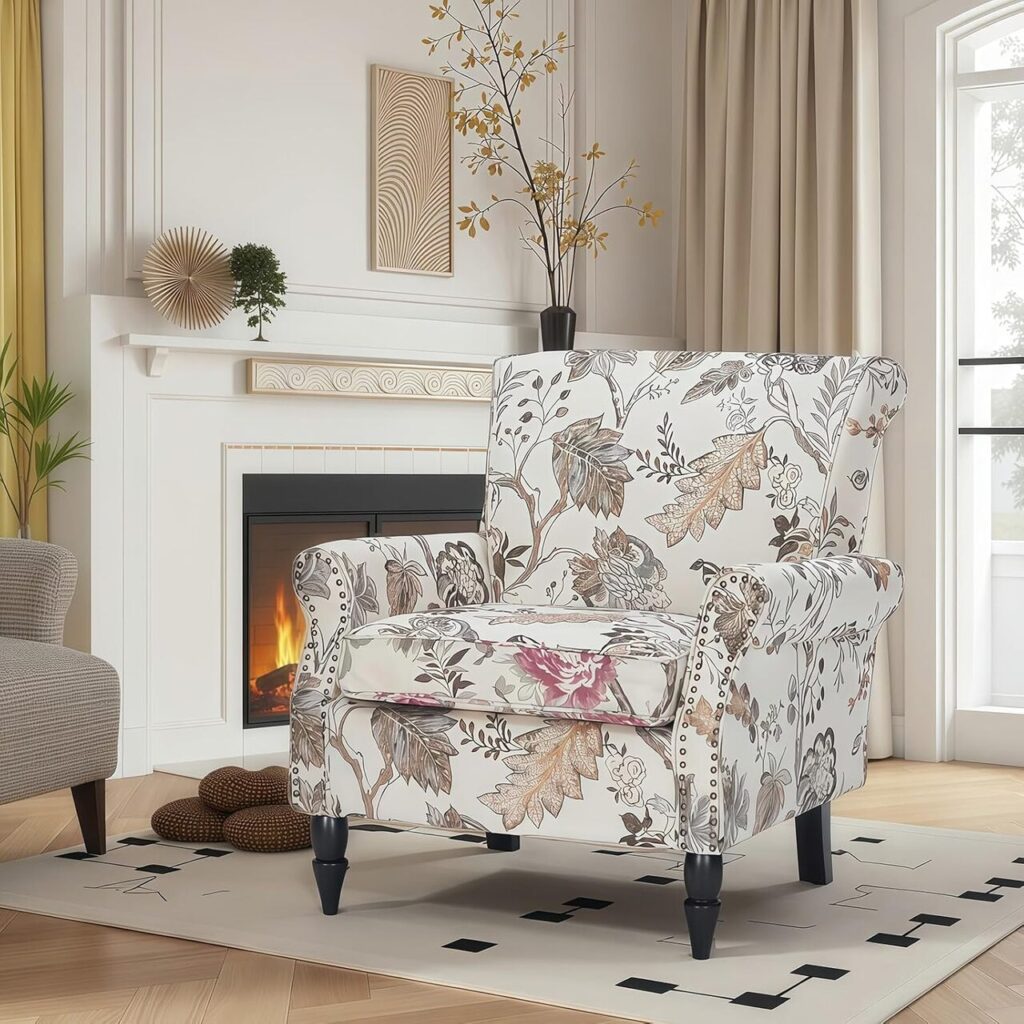
Buying a complete set from one store feels efficient. You get a sofa, chairs, tables, and storage that all match, and the showroom display suggests it will look pulled together at home. In practice, everything being the same finish, style, and height can make a room feel flat and lifeless. Homes that feel interesting usually mix textures, shapes, and eras, so there is some contrast and character. Matching sets also limit flexibility. If one piece wears out or no longer suits your layout, it is harder to swap it for something different without the rest looking out of place. You may feel pushed into replacing more than you really need.
5. Repainting Or Updating Decor Just To Chase Trends
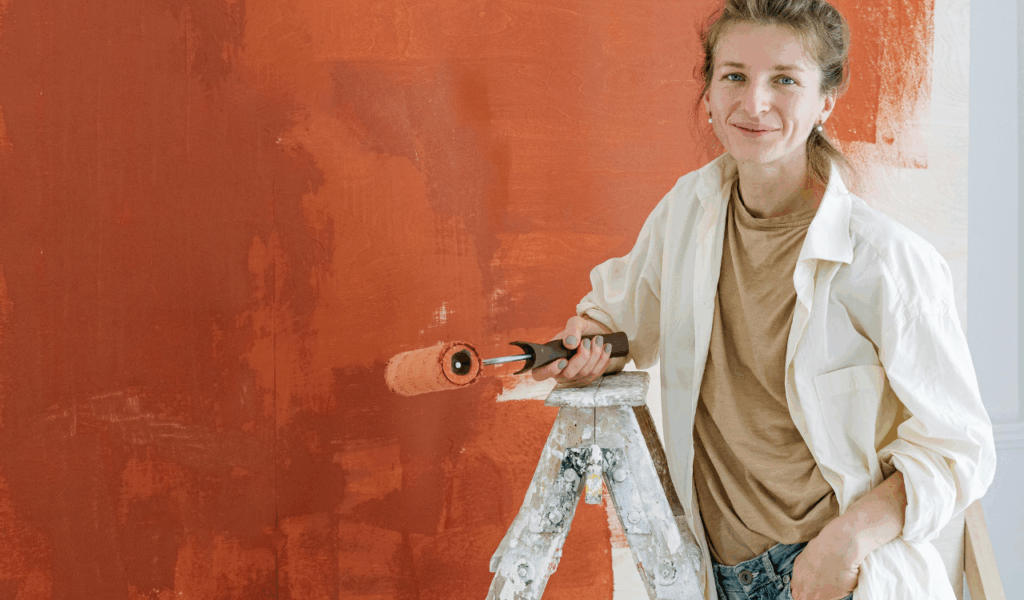
It is easy to believe that if you just repaint in the latest color or buy whatever style is all over social media, your home will feel instantly upgraded. The reality is that trends move faster than most people repaint. Last year’s must have shade or furniture silhouette can start to feel overexposed within a couple of seasons, especially online. If those choices did not genuinely suit your architecture, light and lifestyle in the first place, they will feel off even sooner. Constantly updating finishes and accessories to keep up also costs money and time, without necessarily solving basic issues like poor layout, lack of storage or bad lighting. Spaces that age well usually share one thing.