12 Banned Grocery Items That Left Shoppers Frustrated This Year
This year, some food goods people enjoyed have been prohibited or removed off stores due to changing safety rules, health concerns, ethical concerns, or ingredient limitations worldwide and in the US. These restrictions reflect changing food standards, including FDA regulation of synthetic chemicals like Red Dye No. 3 and industry-wide reformulations that eliminate particular substances from items customers once bought. Many people are upset when their favorite snacks, beverages, or specialized items disappear or are no longer provided in their original form because grocery aisles seem different than they did a few years ago. In 2025, 12 supermarket staples were prohibited or phased out, frustrating regular purchasers. We explain why and what it means for everyday grocery shoppers.
1. Red Dye No. 3 in Candies and Snack Foods
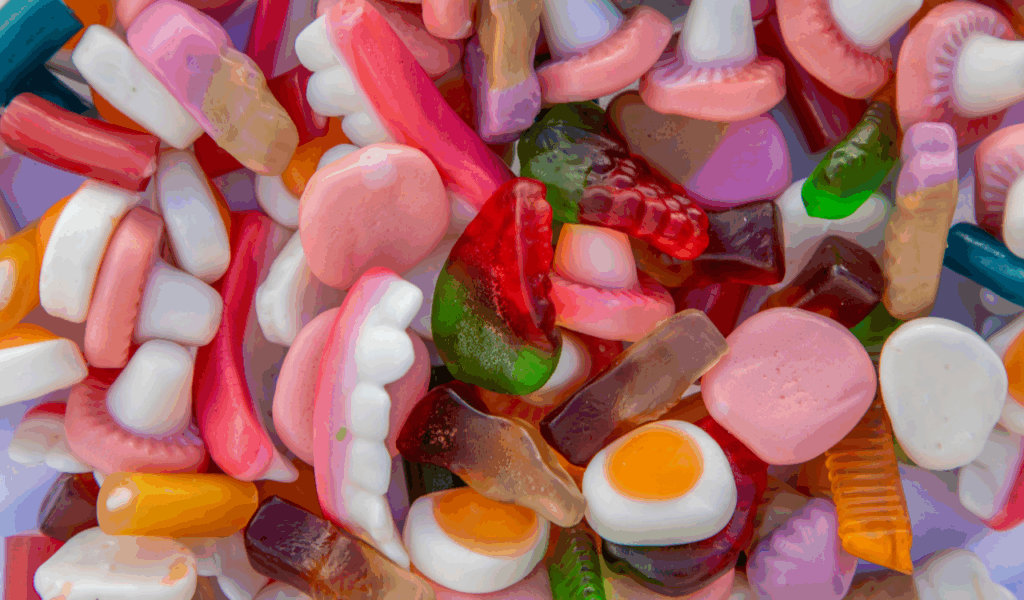
This year, the U.S. Food and Drug Administration completely banned Red Dye No. 3, an artificial color that was historically ubiquitous in candies, baked goods, and vividly colored snacks. This caused a supply shock as producers had to change their recipes to comply with the new law. Shoppers have had a hard time finding familiar versions of their favorite things on store shelves because many of them relied on that dye for their unique look and taste. Companies had to either change their formulations or stop making items completely since they couldn’t use the color anymore. This left a gap in the candy and snack aisle that annoyed customers who like goodies that seem bold.
2. Kinder Surprise Chocolate Eggs
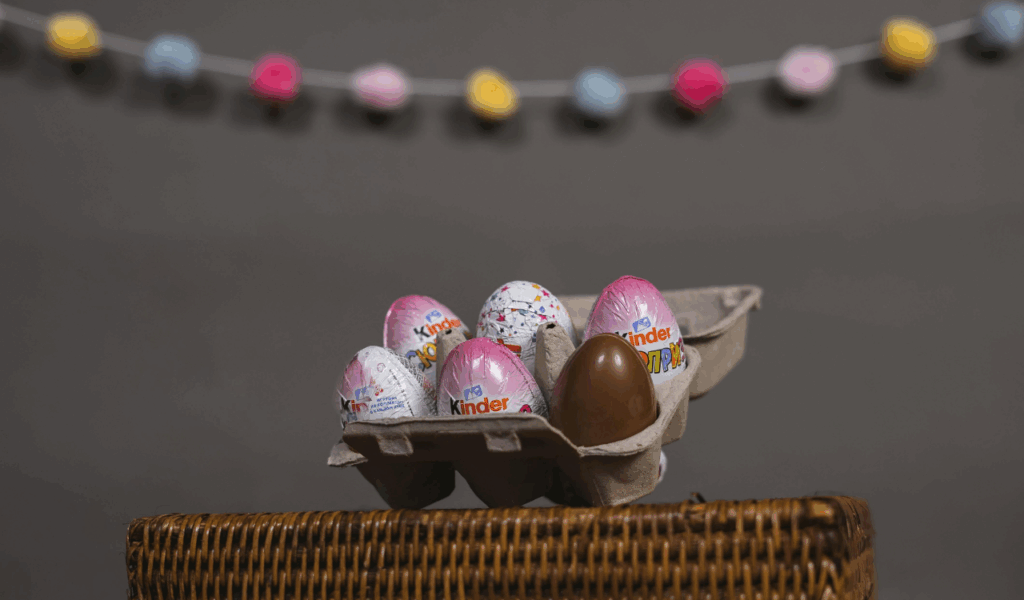
Even though they are popular in other countries, original Kinder Surprise eggs are still illegal in the U.S. because federal food law says that non-edible objects can’t be put inside food because they could choke on them, especially for kids. People of all ages used to love these chocolate eggs, but they have never been allowed on grocery store shelves in the U.S. in their original form. This means that every Christmas season, customers who grew up with them in other countries are disappointed when they can’t locate them. Many people argue that complying alternatives like Kinder Joy are not the same as the original.
3. Fugu (Japanese Pufferfish)
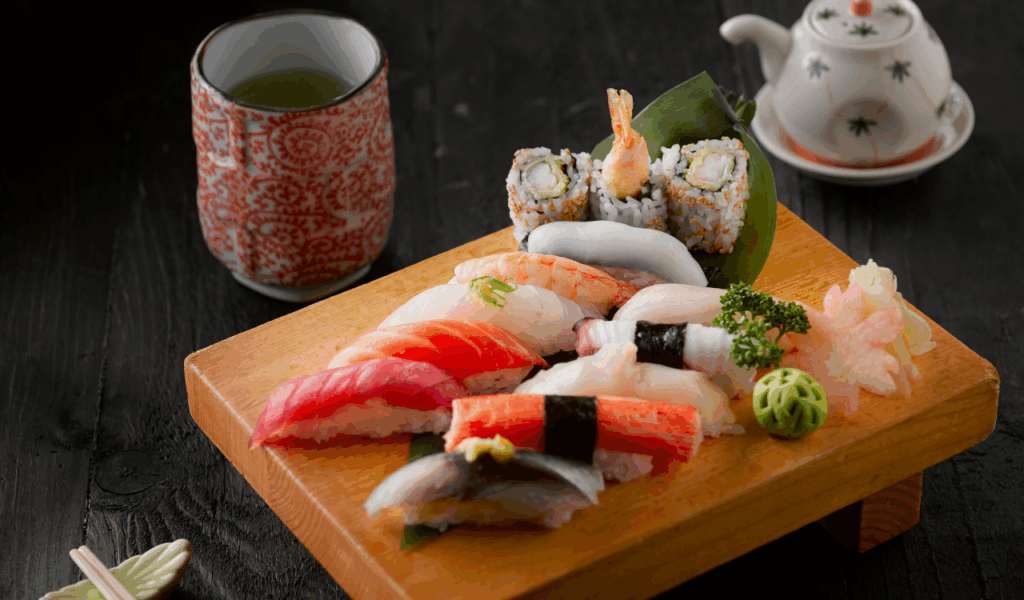
Fugu, a highly sought-after Japanese dish, is basically banned in regular grocery stores in the US because of the extreme danger posed by its strong natural toxins, which can cause paralysis or death if the fish is not prepared with extreme care by licensed chefs. Because of worries about public health, grocery stores can’t sell this seafood. Importation is also very limited, so people who want to try it have to go to specific restaurants instead of getting it at the grocery store.
4. Bushmeat and Wild Game Imports
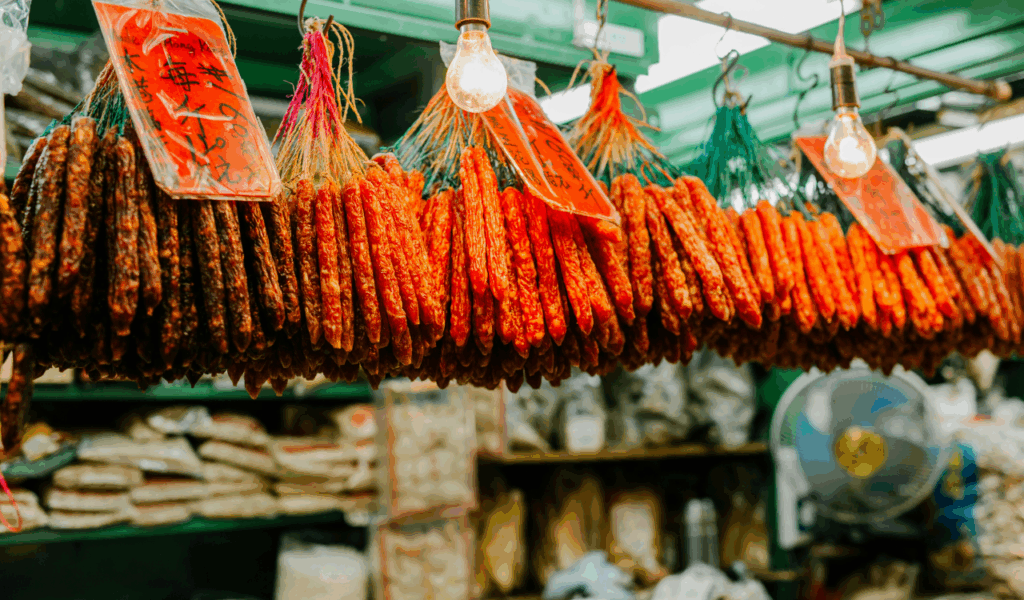
Bushmeat, which is the meat of wild creatures like bats, primates, and antelopes, can’t be sold or brought into the U.S. because of strong wildlife conservation regulations and the high danger of zoonotic infections that could affect people’s health. These bans are meant to safeguard both human health and endangered wildlife. However, they also make it illegal for people who used to enjoy or value these products culturally to get them from local grocery stores or specialist importers.
5. Sea Turtle Meat and Products

Many places, including the U.S., consider sea turtles to be endangered. To help protect animals, grocery stores and markets are not allowed to sell their meat and other items. Sea turtle meat used to be used in soups and traditional meals, but it is no longer allowed to sell it. This leaves only illegal or unusual ways for people who want it to get it, which supports the premise that environmental ethics can affect what food is available in modern stores.
6. Shark Fin and Derived Ingredients

Because of the inhumane practice of finning and the damage it does to marine ecosystems, federal and state regulations have made shark fin illegal in many parts of the United States. Shark flesh is not always banned, but shark fin goods can’t be sold in regular grocery stores. This is frustrating for those who liked eating shark fin dishes when they were on vacation but can’t buy them legally at home.
7. Beluga Caviar From Certain Regions
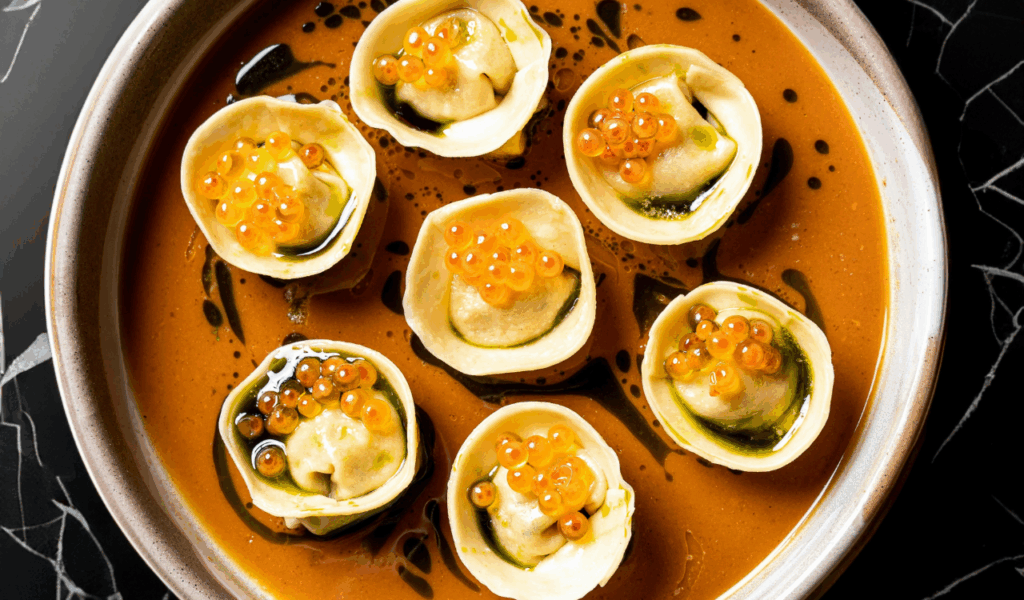
To safeguard beluga sturgeon populations, U.S. conservation regulations have made it illegal to import beluga caviar from several places, especially the Caspian Sea. Beluga caviar is noted for its rich texture and flavor. Due to these limits, certain specialist supermarket and gourmet stores can’t sell real beluga caviar that used to be in Christmas spreads. This has left disappointed foodies looking for other types of caviar or ethically certified replacements.
8. Trans Fats in Packaged Foods
The U.S. banned industrial trans fats a few years ago to protect heart health. This year, enforcement got stricter and the last few trace allowances were removed. This meant that some processed snacks, baked goods, and margarine brands that couldn’t be reformulated without trans fats were no longer available. This is one of the most noticeable changes for regular shoppers at the grocery store. Customers who are used to the texture and flavor of earlier recipes realize that reformulated or discontinued items are considerably different.
9. Raw Milk and Unpasteurized Dairy
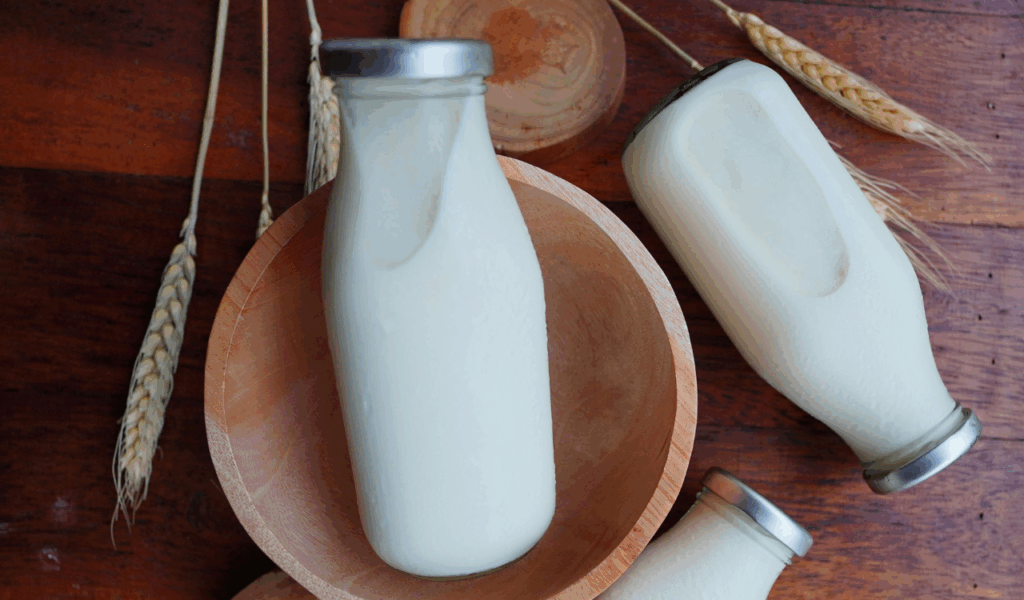
Many states have long limited or banned raw milk and other unpasteurized dairy products because they are more likely to be contaminated with pathogens like E. coli, Salmonella, and Listeria. People who support raw milk say it has health benefits, but public health officials say pasteurization is necessary for safety. This means that people who want raw dairy can’t find it in regular grocery shops, which makes people who support traditional dairy practices angry.
10. Artificial Food Dyes Beyond Red Dye No. 3
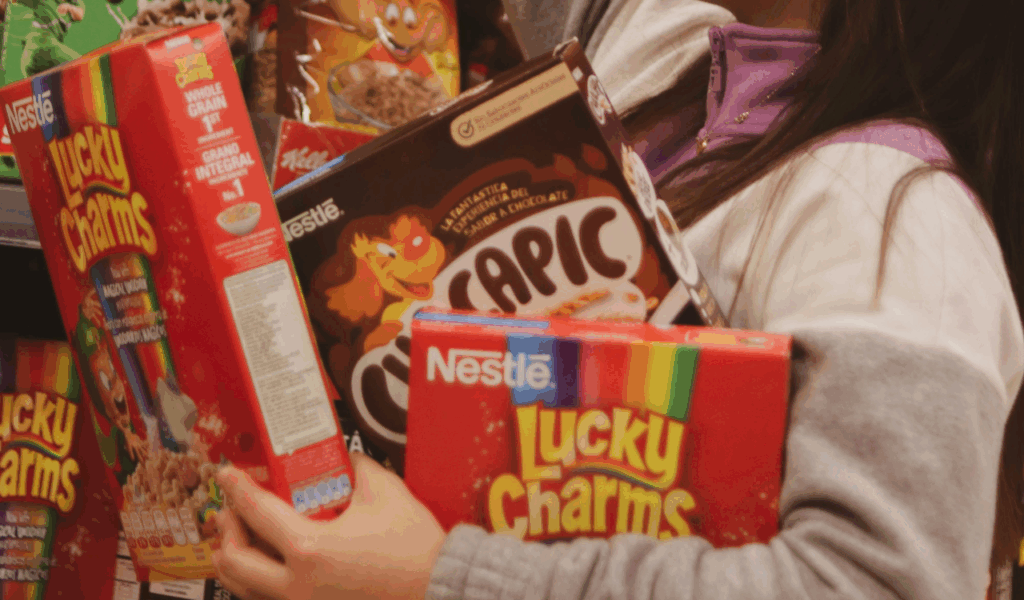
After the ban on Red Dye No. 3, big food companies said they will get rid of other synthetic dyes from cereals, drinks, and snacks to follow health rules and meet consumer desire for simpler ingredients. Families and those who like to remember the past will miss some of their favorite brightly colored products because of this change. Shoppers will have to select between reformulated versions or skip their favorites completely.
11. Polystyrene Foam Food Packaging
Even though polystyrene foam food containers and trays aren’t food themselves, the ban in certain states affects grocery store prepared foods, deli goods, and ready-to-eat meals. This is because many packed meals that people are used to buying were sold in foam containers that are now illegal. People who are upset that easy-to-open packaging is no longer available have noted changes in how grocery store foods are sold, which has led retailers to use different types of packaging that may be less handy or more expensive.
12. Seasonal Favorite Cookies Pulled for Quality Issues

This year, Trader Joe’s said that its beloved seasonal Candy Cane Joe-Joe’s cookies will not be back because they didn’t meet quality requirements. This left faithful Christmas buyers dissatisfied when their favorite treat disappeared from the stores. Even though this isn’t a legal restriction, when stores take things off the shelves like this, it can be just as annoying for customers who were looking forward to certain seasonal items but couldn’t locate them.