
11 Ways of Living That Sound Good but Fall Apart in Real Life

The internet loves to show off perfect lifestyles that seem calm, industrious, and deeply satisfying. On the surface, many beliefs seem reasonable and motivating, promising better health, pleasure, or success with small modifications. But in real life, you have to deal with money problems, time constraints, energy loss, social commitments, and stress that comes out of nowhere. A lot of popular ways of living don’t take into account how unpredictable daily life really is. This article looks at eleven popular lifestyle ideas that sound good in theory but don’t work out in real life. It’s not because people fail; it’s that the concepts don’t take into consideration how people act, what’s practical, and what’s long-term sustainable.
1. Quitting Processed Food Completely

Getting rid of all manufactured foods sounds like the best way to be healthy, but it’s hard to do because of money, time, and availability issues. Many whole food diets need you to go shopping often, store food carefully, and take a long time to prepare it. This amount of planning might be hard for persons who have to balance work, family, or travel. It’s also not possible to completely forgo cultural foods, social activities, and shared meals. Not all processed foods are bad for you, according to nutrition science. For example, frozen veggies, yogurt, and fortified grains can be healthy and useful. You may feel burned out, guilty, or overeat after quitting something. Keeping a balanced diet that excludes processed foods but allows convenience items is easier.
2. Waking Up at 5 AM Every Day

People often say that getting up early makes you more productive, however this practice doesn’t take into account biological variances and practical schedules. Not everyone has a circadian rhythm that makes it easy to get up early, and forcing it can make sleep worse. To reach this aim, parents, shift workers, and those with late-night responsibilities typically give up sleep. Not getting enough sleep for a long time might hurt your focus, mood, immune system, and metabolism. Sleep quantity and consistency are more crucial than wake time, according to studies. Your natural energy cycles should guide your productivity. Long-term benefits are usually better with a restful schedule than waking up at the same time.
3. Minimalism With Almost No Possessions

Extreme minimalism promises freedom and clarity, but in practice it often creates inconvenience and hidden costs. Owning very few items can mean frequent replacements, borrowing, or repurchasing essentials. Daily tasks may take longer when tools or backups are unavailable. Families, hobbyists, and professionals often need supplies that minimalism discourages. Emotional attachment to certain objects, such as photos or gifts, is also normal and healthy. Clutter and deprivation both increase stress, according to research. Realistically, conscious ownership rather than tight boundaries lets people maintain valuable and significant objects without guilt or rigidity.
4. Cooking Every Meal From Scratch

People often say that cooking at home is great, but making every meal from scratch isn’t always possible in the long run. Planning, shopping, preparing, cooking, and cleaning up all take time, and that adds up quickly. Even the greatest plans might go wrong if the timetable changes unexpectedly. When you’re tired and miss meals or make bad choices, the nutritional benefits also go down. Pre-cut vegetables, tinned beans, and basic ready meals are all easy ways to eat healthy. Studies suggest that being consistent is more important than being perfect. People can eat well without making cooking a regular source of stress by combining home-cooked meals with useful shortcuts.
5. Living Without Any Schedule

A totally unstructured lifestyle may seem liberating, but it frequently results in inefficient time management and increased anxiety. Basic necessities like food, sleep, and employment can become erratic in the absence of routines. This uncertainty decreases follow-through on crucial tasks and causes decision fatigue. Routines offer stability, lower stress levels, and promote mental wellness, according to psychological study. Predictable patterns are beneficial to both adults and children. Although flexibility has many advantages, complete lack of organization typically leads to missed deadlines and procrastination. In actual everyday life, a flexible plan that permits modifications while safeguarding important routines usually works far better.
6. Turning a Passion Into a Full Time Job

Although it seems good to make money doing what you love, doing so frequently strains your bond with that interest. Pressure, deadlines, and customer demands come into play whenever revenue is dependent on it. As creative flexibility declines, enjoyment may wane. A lot of passion-based jobs also come with a lot of unpaid hours, no benefits, and inconsistent pay. When creative professionals turn their passions into a source of income too soon, surveys reveal high rates of burnout. Joy and tension can be maintained by keeping a passion apart from one’s main source of income. For some, it succeeds, but for many, turning a passion into a job takes away the exact thing that made it satisfying.
7. Constant Self Improvement Mode
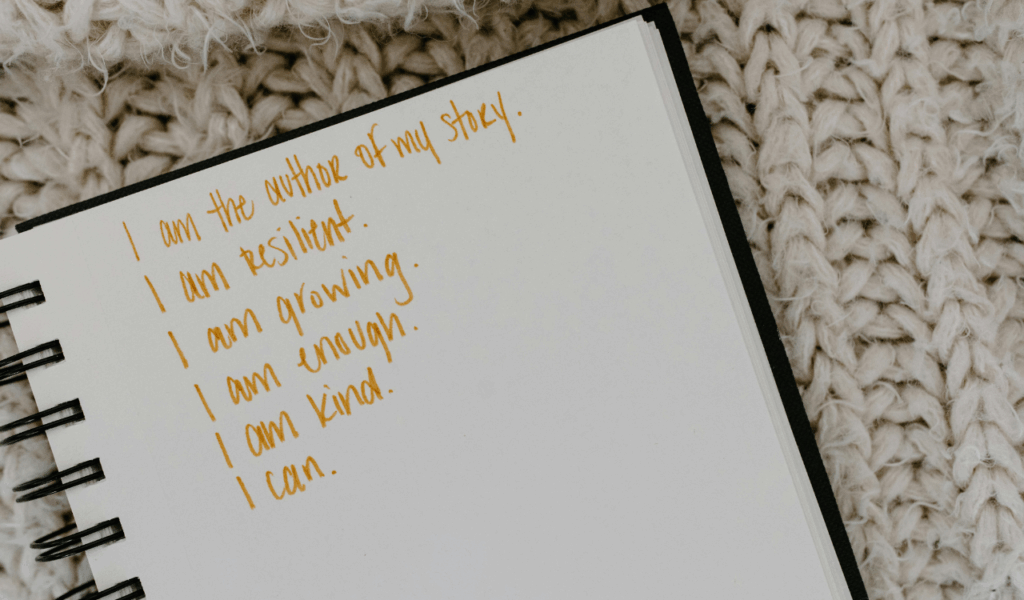
It sounds good to constantly work on yourself, but it may be mentally taxing. There is little time for relaxation or contentment due to the push to maximize habits, mentality, productivity, and health. Individuals may feel inadequate in their current state. Research in psychology indicates that self-acceptance promotes long-term development more effectively than persistent self-criticism. There are phases of development and halt in life. Burnout is lessened and emotional equilibrium is supported when you let yourself just maintain rather than constantly improve. Sustainable growth is more than just constantly trying to become a better version of yourself; it also involves stability, happiness, and rest.
8. Zero Waste Living

Waste reduction is vital, but when faced with practical limitations, zero waste living frequently breaks down. Refill stations, composting facilities, and bulk stores are not available in many areas. Certain reusable items need a lot of water and energy to clean. Tight regulations might lead to guilt and an excessive amount of choices. Large-scale system changes are more important than individual perfection, according to environmental study. It is more practical to select high-impact initiatives like purchasing durable goods or cutting down on food waste. A low-waste strategy that is compatible with local infrastructure and individual capabilities typically lasts longer and produces better environmental results overall.
9. Working Without Breaks

Hustle culture is sometimes associated with the idea of working nonstop, however this strategy never works. According to cognitive science, after prolonged effort without a break, attention decreases. Missing breaks results in more mistakes, less creativity, and elevated stress levels. This behavior eventually leads to health problems and burnout. Short breaks enhance performance, memory, and problem-solving skills. Attention can be reset with even short breaks to breathe, stretch, or drink water. Productivity is about managing energy, not about working nonstop. Intentional breaks from work typically yield greater results than working nonstop.
10. Eating the Same Healthy Meal Every Day

Eating a single, well-balanced meal every day may seem convenient, but boredom and vitamin deficiencies are frequently the results of monotony. Vitamins, minerals, and plant chemicals vary depending on the meal. Repetition can decrease appetite satisfaction and raise the possibility of completely giving up on the strategy. Long-term health also depends on social connections and cultural delight around eating. Dietary variety is important for gut health and general nutrition, according to nutrition experts. Consistency and variety are provided via a changing menu of straightforward, well-known dishes. Strict repetition makes maintaining a healthy diet more difficult than flexibility.
11. Living Like an Influencer Lifestyle
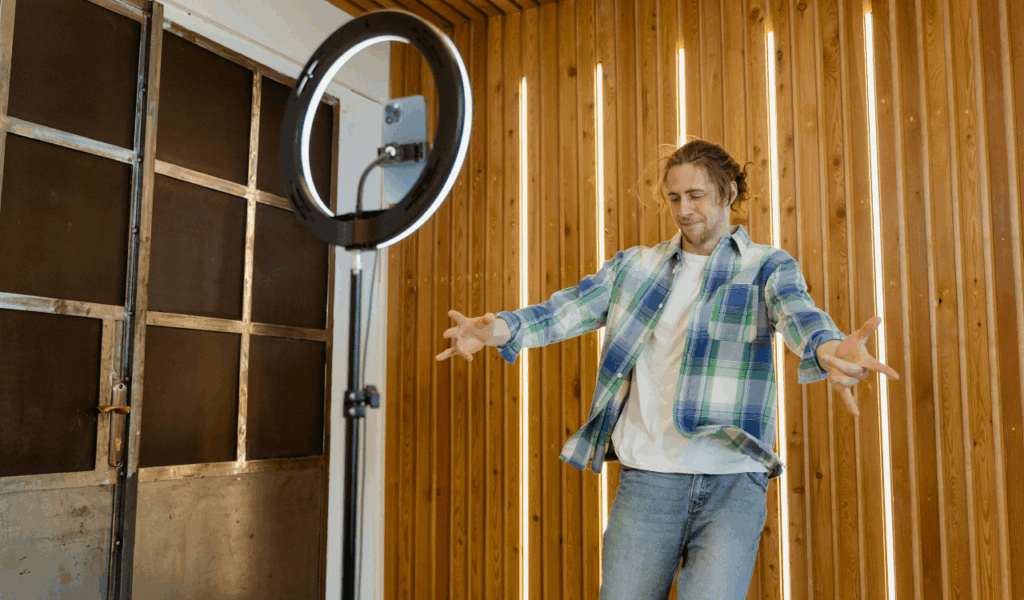
Although influencer lifestyles seem serene and ambitious, they seldom present the whole picture. Many rely on financial support that is hidden from spectators, editing, staged scenes, and sponsorships. Financial hardship, irrational expectations, and discontent can result from attempting to duplicate these habits. Self-esteem and enjoyment of actual life are frequently diminished by comparison. Social media idealization skews people’s impressions of everyday life, according to research. Routines that are appropriate for one’s circumstances, resources, and values are the source of true fulfillment. Instead of well-chosen internet photographs, structuring your life around your needs brings stability and happiness.