15 Open-Plan Homes Mimicking California Vibes
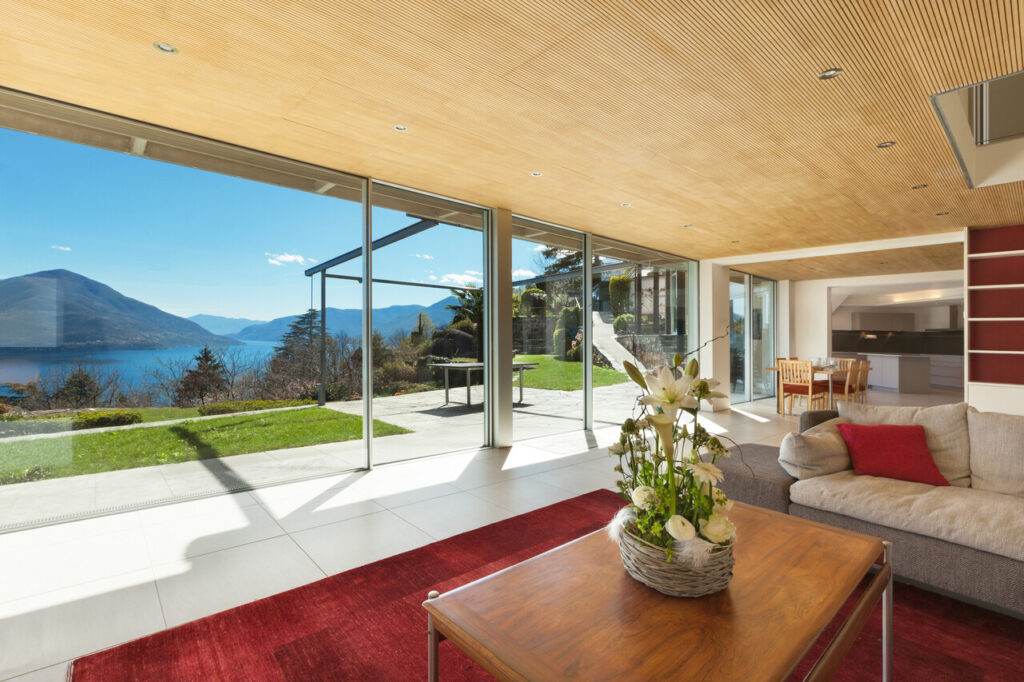
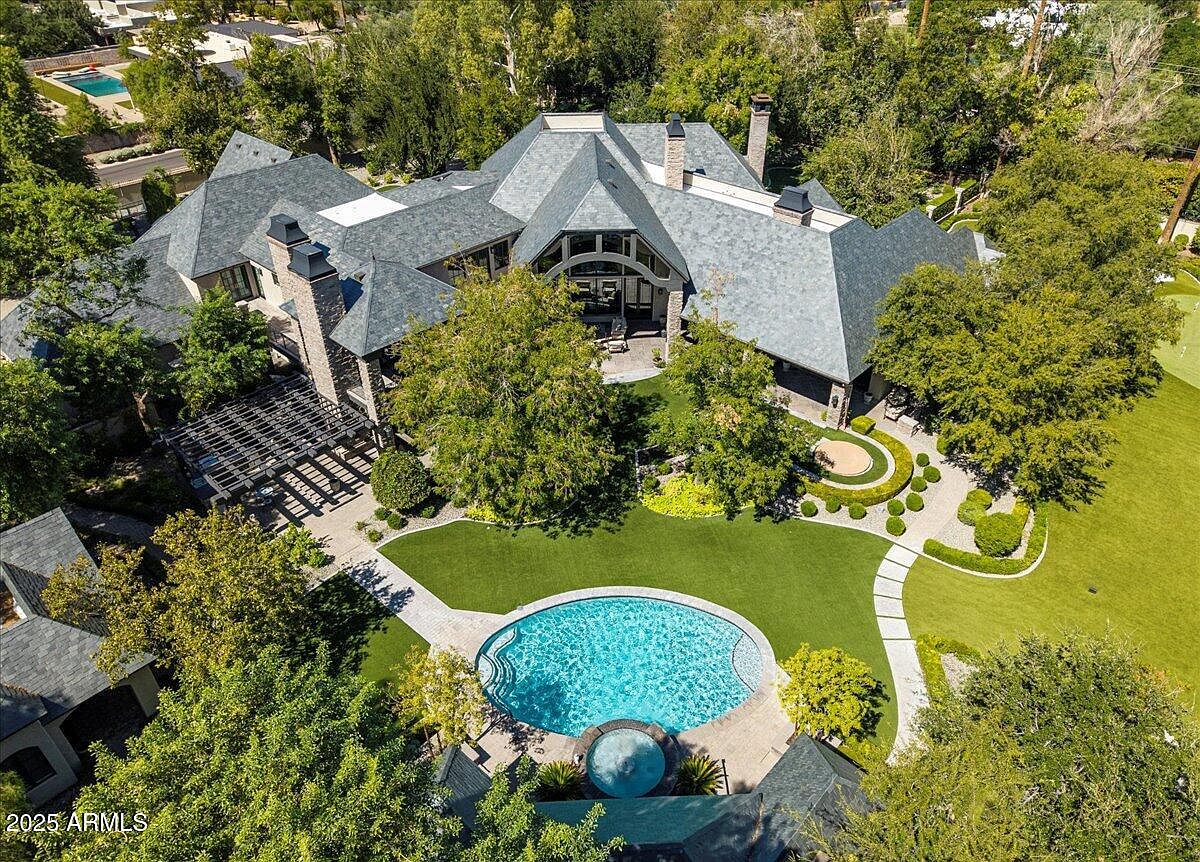
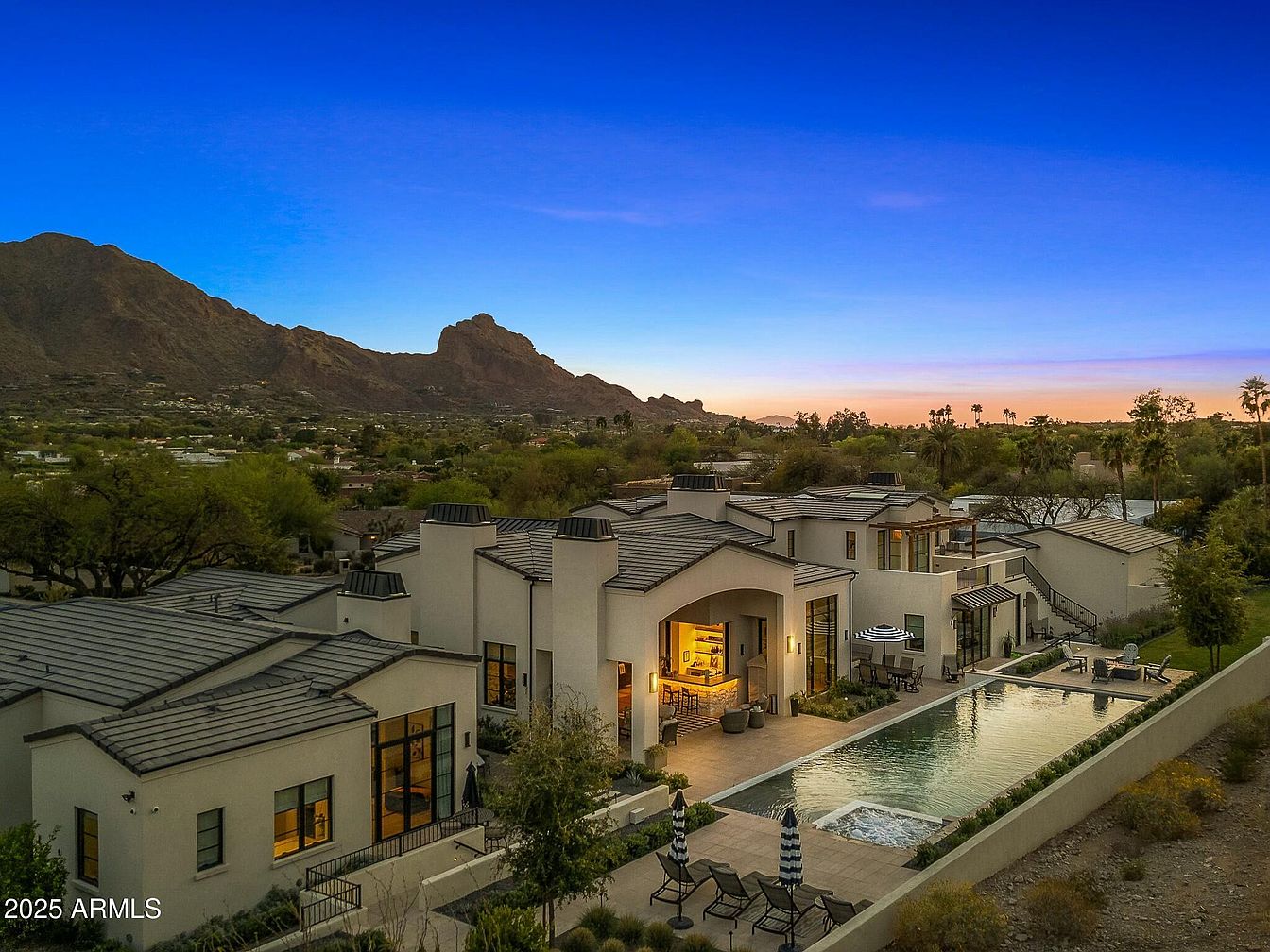
Open-plan homes inspired by California living are less about square footage and more about how space feels and flows. Designers point out that the appeal comes from an effortless connection between indoors and outdoors, relaxed layouts, and an emphasis on light, air, and everyday comfort. These homes prioritize movement, sightlines, and shared living over formal separation, reflecting a lifestyle shaped by mild climates and social living. Materials tend to be natural, layouts intentionally unfussy, and transitions between rooms almost invisible. When done well, California-inspired open plans feel calm, warm, and intuitive rather than cavernous or unfinished. These design approaches show how homes across the country are borrowing that mindset to create spaces that feel easy, livable, and quietly aspirational.
1. Indoor-Outdoor Living Rooms
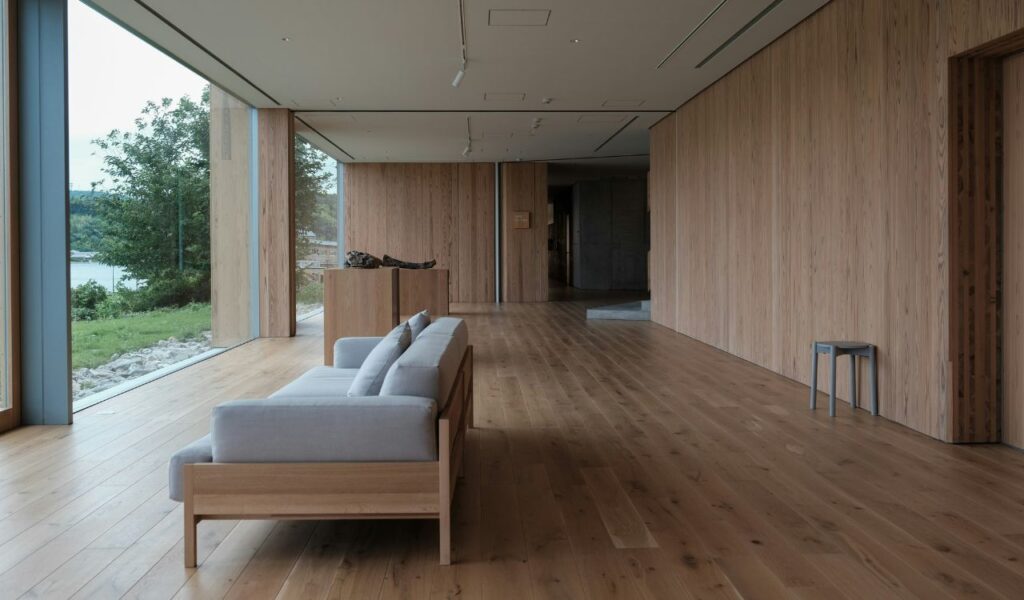
Indoor-outdoor living rooms sit at the core of California-inspired open plans because they dissolve the boundary between inside and outside living. Designers often remove visual barriers between the main living area and patios, decks, or courtyards by using wide openings or full-height glass. Even in cooler or less temperate regions, this layout creates a feeling of openness and airflow associated with coastal homes and relaxed lifestyles.
Continuity is what makes this approach successful. Flooring materials, ceiling treatments, and furniture proportions are carefully aligned so the transition feels natural rather than forced. Homeowners find these spaces encourage movement, gathering, and casual use throughout the day, reinforcing the idea that living space extends beyond four interior walls.
2. Wall-to-Wall Natural Light
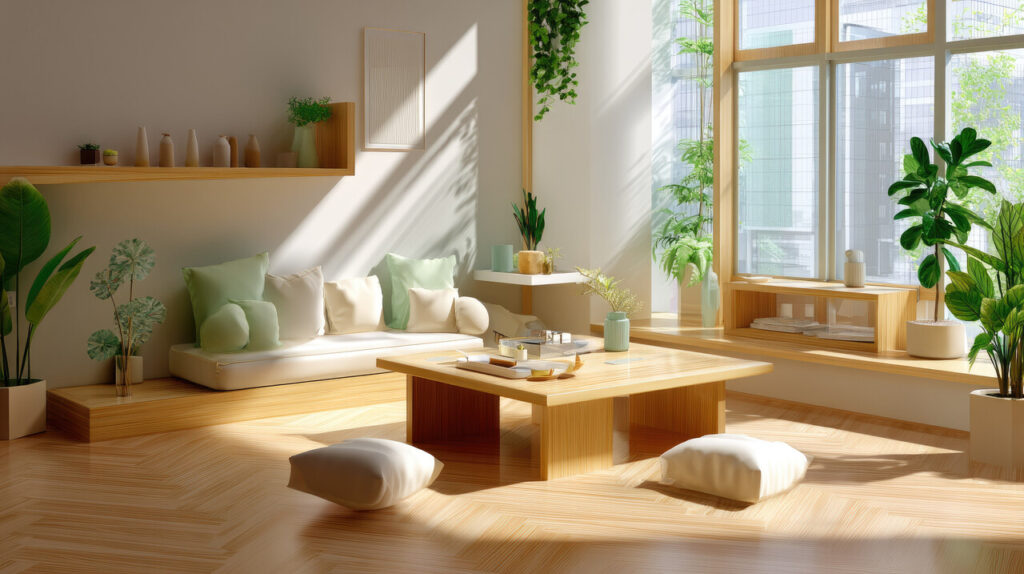
California-inspired open plans rely heavily on natural light to define space instead of walls. Large windows, clerestory openings, and glass doors replace solid partitions, allowing sunlight to move freely throughout the home. Designers treat light as a primary design element, shaping how rooms feel from morning to evening rather than relying solely on fixtures.
This abundance of daylight changes how spaces function. Bright, evenly lit rooms feel more flexible and welcoming, supporting work, relaxation, and entertaining without constant lighting adjustments. Homes that maximize natural light often feel larger and calmer, even when the actual footprint is modest, which reinforces the open-plan appeal.
3. Seamless Kitchen and Living Areas
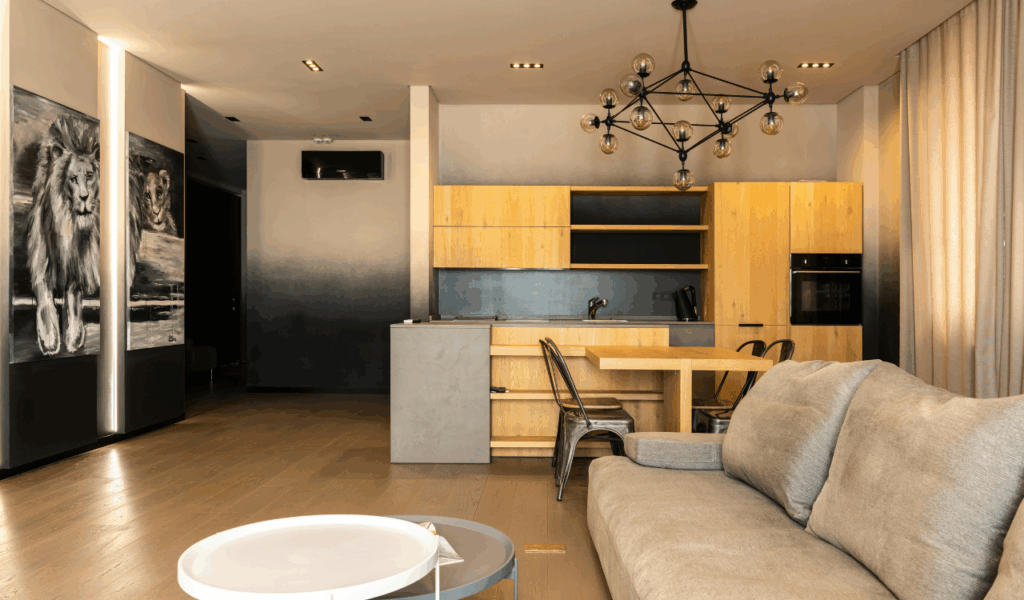
In California-style open-plan homes, kitchens flow directly into living areas without visual interruption. Designers avoid hard separations and instead rely on islands, ceiling shifts, or furniture placement to suggest zones. This reflects a social cooking culture where preparing food and engaging with others happen at the same time.
The practical benefit is a constant connection. Hosts can cook while staying part of conversations or family activities, which makes the space feel inclusive rather than segmented. When it finishes, the flooring and color tones remain consistent, and the entire area reads as one cohesive environment instead of multiple competing rooms.
4. Neutral, Sun-Washed Color Palettes
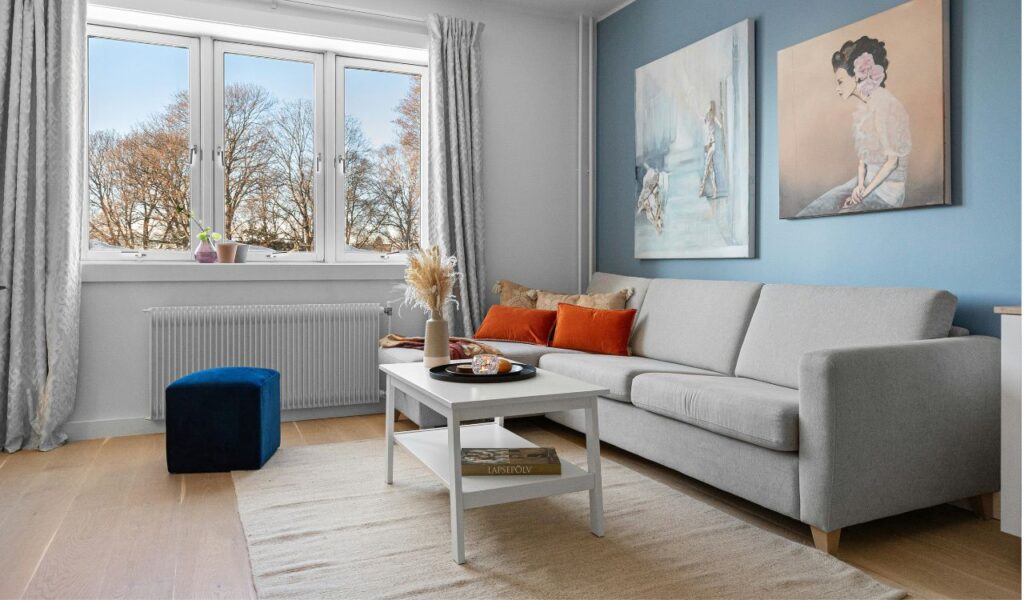
Neutral, sun-washed palettes are a defining feature of California-inspired open plans. Soft whites, warm beiges, pale grays, and muted earth tones reflect light instead of absorbing it, helping rooms feel bright without glare. Designers favor these hues because they respond well to shifting daylight throughout the day.
These palettes also offer long-term flexibility. Furniture, art, and textiles can change over time without clashing, which keeps the space from feeling dated. The result is an interior that feels calm and timeless, allowing architecture, light, and layout to remain the primary visual focus.
5. Low-Profile Furniture Layouts
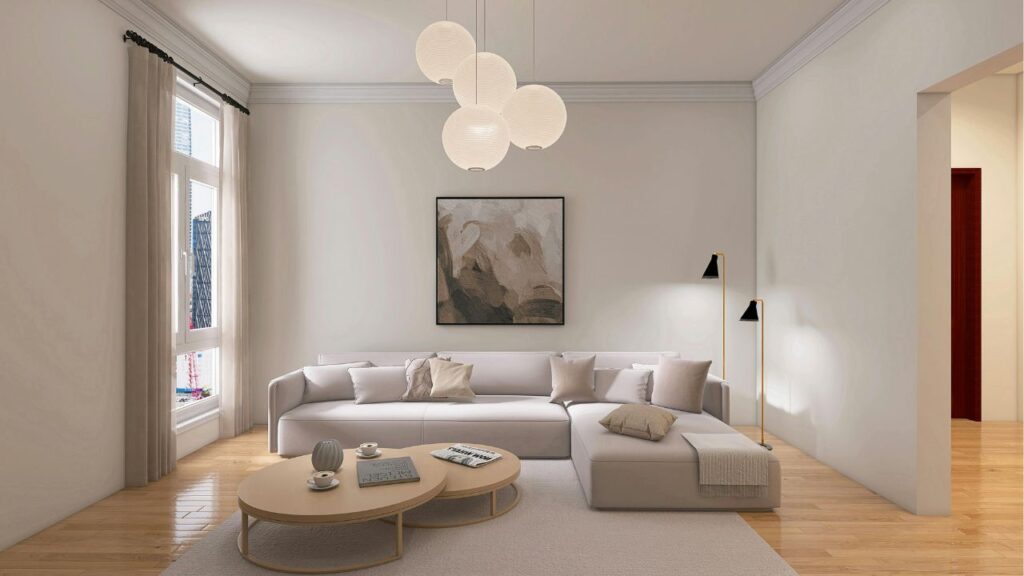
Low-profile furniture plays a key role in maintaining openness in California-inspired homes. Sofas, chairs, and tables sit closer to the floor, preserving long sightlines and preventing large rooms from feeling visually crowded. Designers use this strategy to reinforce a relaxed, informal atmosphere.
Functionally, these layouts support easy movement and natural conversation. Furniture feels approachable and adaptable, working equally well for quiet evenings or larger gatherings. This balance keeps open plans from feeling stiff or staged, allowing the home to feel lived-in and comfortable rather than overly designed.
6. Wide Plank Flooring Throughout
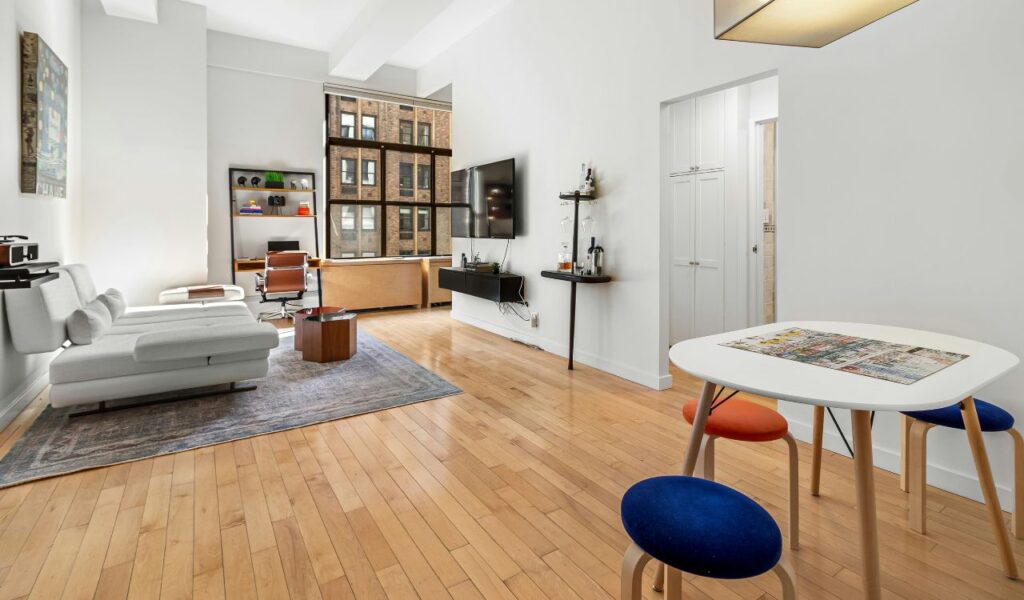
Wide plank flooring is a defining feature of California-inspired open-plan homes because it reinforces continuity across large, shared spaces. Designers often extend the same flooring through kitchens, dining areas, and living rooms to eliminate visual breaks. Light to mid-tone wood finishes are favored, as they add warmth without darkening the space or competing with natural light.
This consistent surface simplifies movement and helps the home feel intentionally connected. Homeowners often note that wide planks make rooms feel calmer and more expansive, since the eye is not interrupted by frequent seams or transitions. The result is a cohesive environment that supports the open-plan philosophy rather than fragmenting it.
7. Minimal Visual Clutter
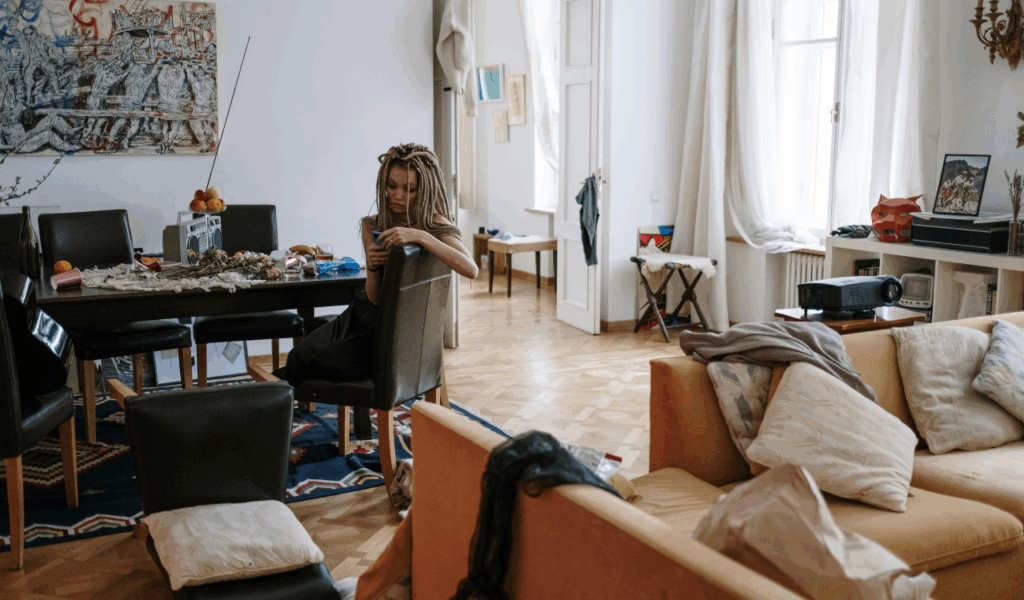
California-style open plans rely on restraint to succeed. Designers emphasize fewer, more intentional furnishings and decor choices, allowing space, light, and proportion to take center stage. Built-in storage, concealed cabinetry, and streamlined shelving help maintain clean sightlines and prevent visual overload.
Reducing clutter also improves daily function. Rooms feel easier to maintain and less mentally demanding, which supports a lifestyle focused on ease and flow. Homeowners often find that simplified spaces encourage better organization and more flexible use, reinforcing the relaxed, unfussy character associated with California living.
8. Integrated Dining Zones
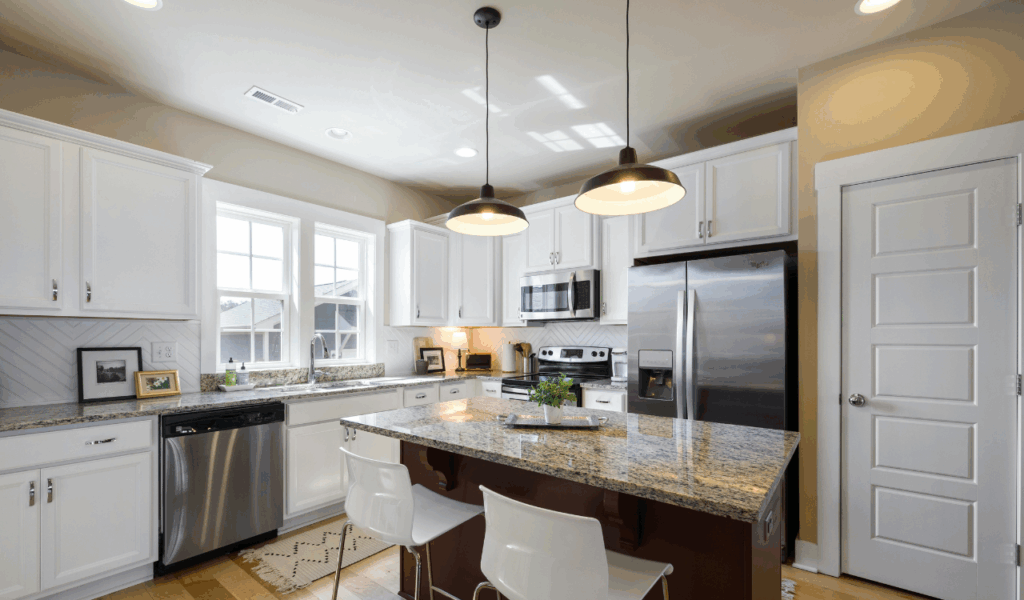
Integrated dining zones are common in open-plan homes that mirror California design principles. Instead of isolated rooms, dining tables sit as natural extensions of kitchens or living areas, often defined by lighting placement or area rugs rather than walls. Designers focus on scale to ensure these zones feel connected without becoming crowded.
This layout supports flexibility throughout the day. Dining areas can transition easily from meals to workspaces or gathering spots without feeling overly formal. Homeowners appreciate that the space adapts naturally to changing routines, reinforcing the idea that rooms should serve multiple purposes without rigid boundaries.
9. Sliding or Folding Glass Doors
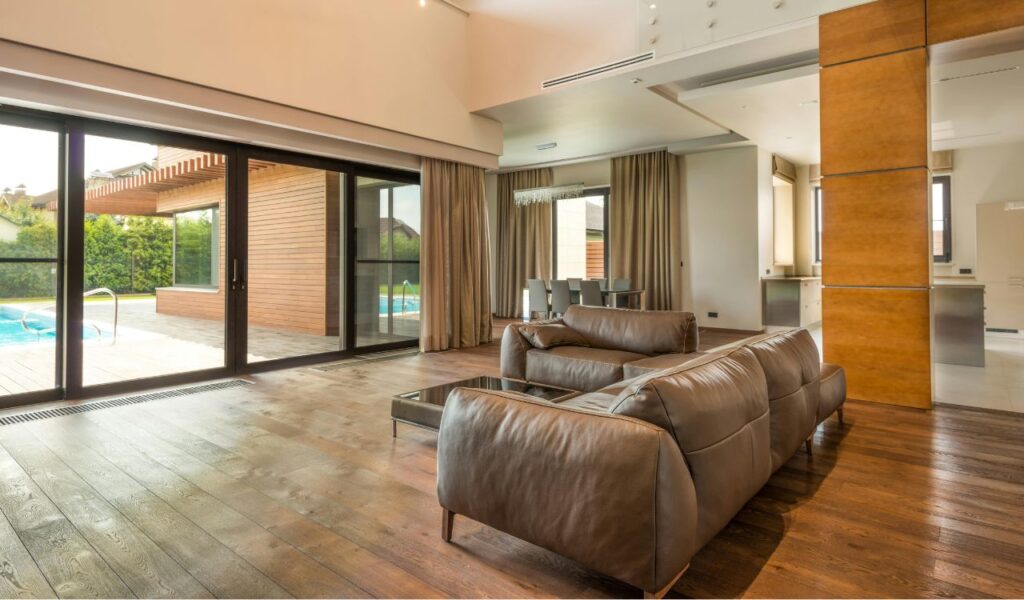
Sliding and folding glass doors are a signature element of California-inspired homes because they expand living space visually and physically. Designers use these doors to open entire walls, creating a direct connection between indoor rooms and outdoor areas. Even when closed, the glass maintains openness and light flow.
This feature enhances airflow and daylight while encouraging more frequent use of patios or decks. Homeowners often report that outdoor spaces feel like functional extensions of the home rather than seasonal extras. The result is a layout that supports movement, flexibility, and a strong indoor-outdoor relationship.
10. Natural Materials and Textures
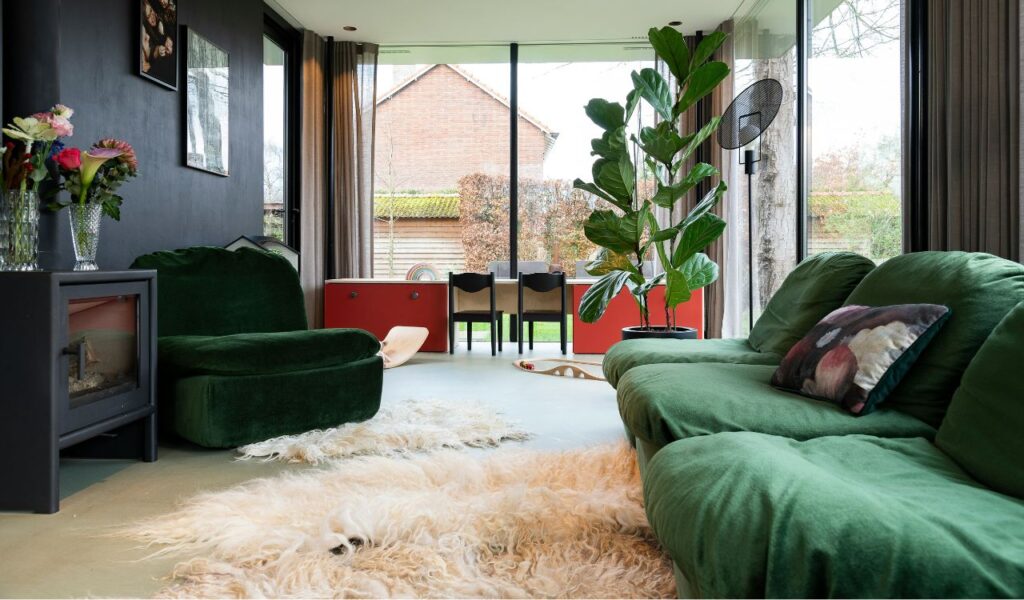
Natural materials play a central role in open-plan homes that reflect California vibes. Wood, stone, linen, and clay finishes introduce texture without visual heaviness, helping large spaces feel grounded and inviting. Designers favor materials that show subtle variation and age naturally rather than appearing overly polished.
These textures add depth to open layouts that might otherwise feel flat or unfinished. By balancing soft and structured elements, the space remains visually interesting while maintaining a relaxed tone. Homeowners benefit from materials that feel authentic, durable, and comfortable in everyday use.
11. Open Sightlines Across Zones
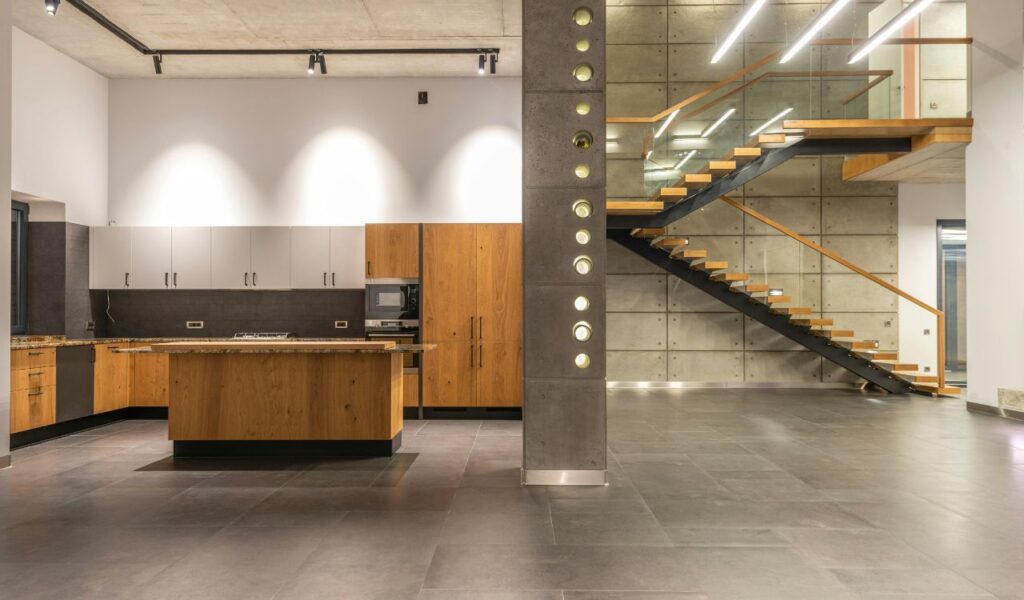
Open sightlines are a defining feature of California-inspired open plans because they allow the home to read as one continuous space. Designers intentionally align doorways, furniture placement, and visual focal points so the eye can travel uninterrupted from one end of the home to the other. This alignment enhances daylight distribution and prevents rooms from feeling boxed in or visually fragmented.
Homes with strong sightlines feel easier to navigate and more intuitive to use. Movement flows naturally between zones, supporting both social interaction and quieter moments. The space feels connected without becoming chaotic, which is essential in open layouts meant for daily living rather than formal display.
12. Flexible Multi-Use Spaces
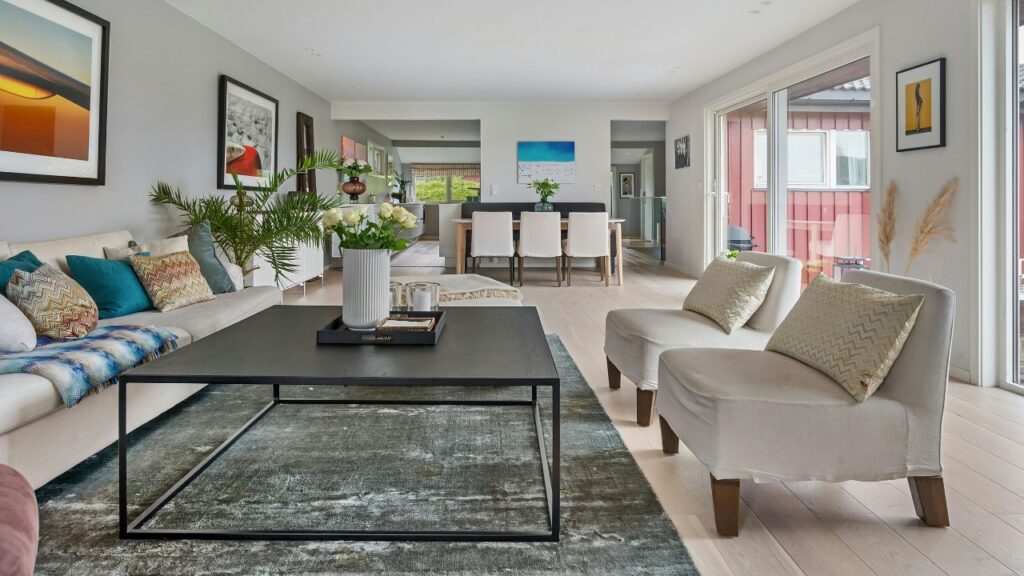
California-style open plans frequently incorporate spaces designed to serve more than one purpose. A corner of the living area may function as a workspace during the day and a relaxation zone in the evening, while dining tables often double as homework or gathering hubs. Designers prioritize adaptability over rigid room definitions.
This flexibility reflects modern routines, where activities shift throughout the day. Spaces evolve without major rearrangement, supporting work, rest, and social time within the same footprint. Homeowners benefit from layouts that respond naturally to changing needs instead of forcing activities into fixed rooms.
13. Soft Transitions Between Zones
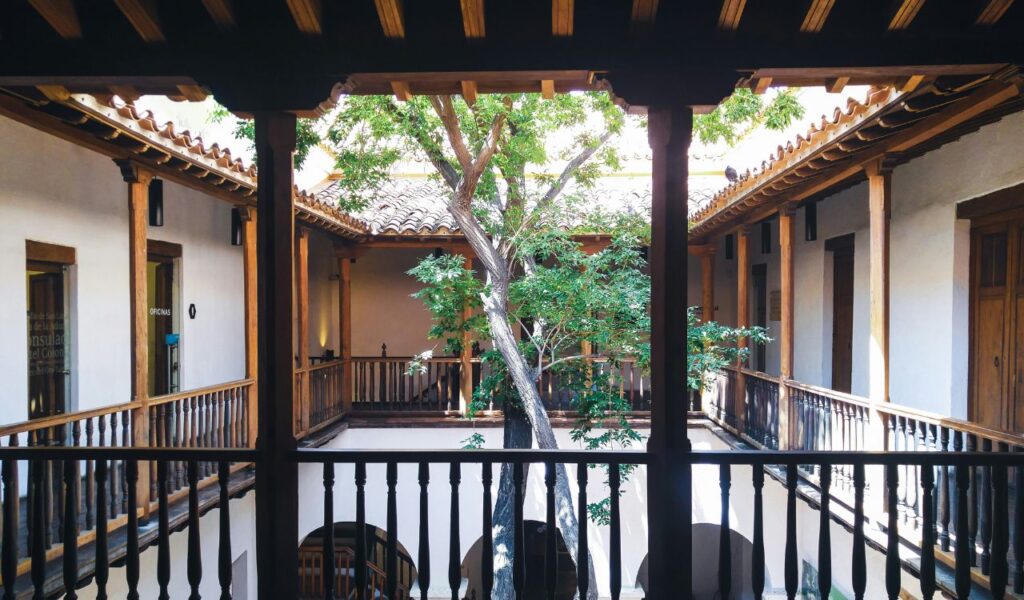
Rather than using walls, California-inspired homes rely on soft transitions to define space. Subtle changes in ceiling height, lighting design, flooring direction, or furniture orientation signal different zones while preserving openness. Designers favor this approach because it adds structure without visual interruption.
These transitions help spaces feel purposeful instead of undefined. Homeowners gain clear organization while maintaining the airy quality that makes open plans appealing. The result is a layout that feels both free-flowing and intentional, supporting comfort without sacrificing clarity.
14. Outdoor Views as Design Anchors
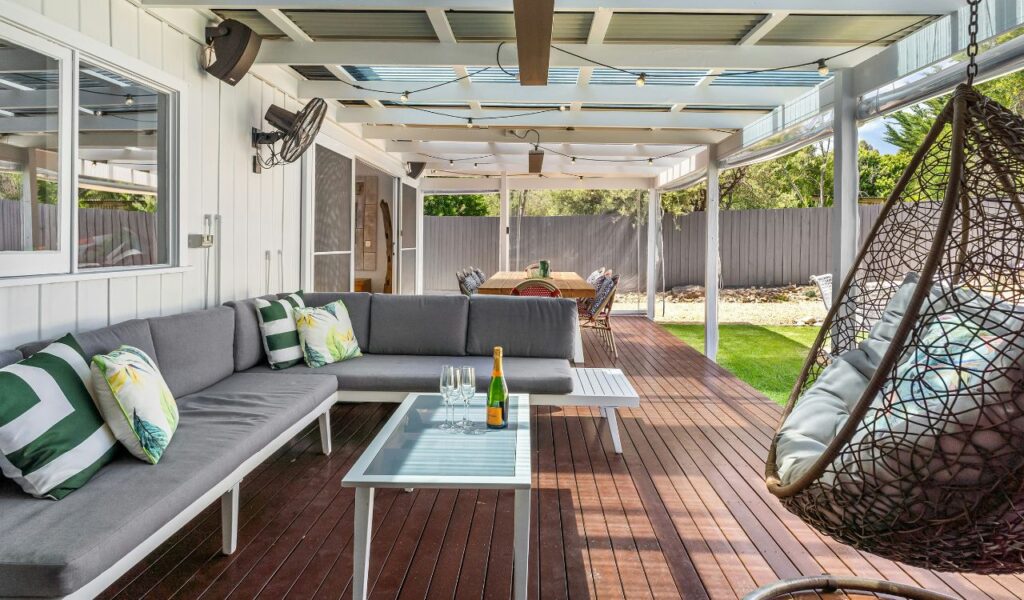
In California-inspired open plans, outdoor views are treated as intentional design anchors rather than background scenery. Layouts are often oriented to frame gardens, courtyards, patios, or distant landscapes so the exterior becomes part of the interior experience. Designers carefully align windows, glass doors, and circulation paths to keep these views visible from multiple zones, allowing the outdoors to visually ground the space.
This consistent connection promotes a sense of calm and balance throughout the home. Even when direct outdoor access is limited, repeated views of greenery, sky, or natural light expand the perceived size of the interior. Rooms feel more open and less enclosed, reinforcing the relaxed, breathable atmosphere commonly associated with California living.
15. Casual, Lived-In Atmosphere
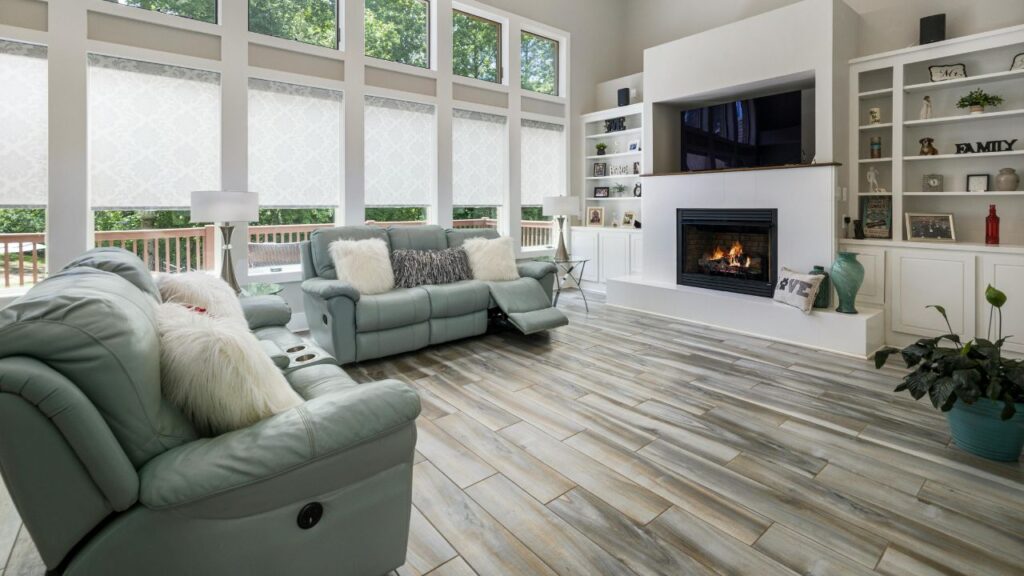
A casual, lived-in atmosphere sits at the core of California-style open plans. Designers intentionally avoid rigid layouts and overly delicate finishes, instead prioritizing comfort, durability, and everyday usability. Materials are chosen to handle real life, allowing the home to feel welcoming even when not perfectly arranged. The focus remains on how the space functions rather than how it photographs.
This mindset encourages people to move freely, gather naturally, and use every part of the home without hesitation. Open-plan interiors that embrace this approach feel authentic rather than staged. By valuing ease over formality, these homes successfully capture California vibes regardless of climate, location, or architectural style.