6 Grocery Store Freezer Sections That Keep Shrinking
In the past, grocery store freezer aisles were great places to find quick meals, ice cream, and frozen fruits and vegetables. But now, many buyers think that what’s offered is smaller or more confined than it used to be. Retailers are feeling the push to reconsider how they stock frozen items since food prices are going up, profit margins are getting smaller, and it’s hard to keep track of perishable inventory. In real life, retailers might cut back on the number of SKUs (different products) they sell, change the layout, or move freezer space to categories that sell faster. Even when the category sells well, the freezer may feel empty. Six freezer divisions or product categories have reduced or become less diverse, say customers.
1. Single‑Serve Frozen Meals
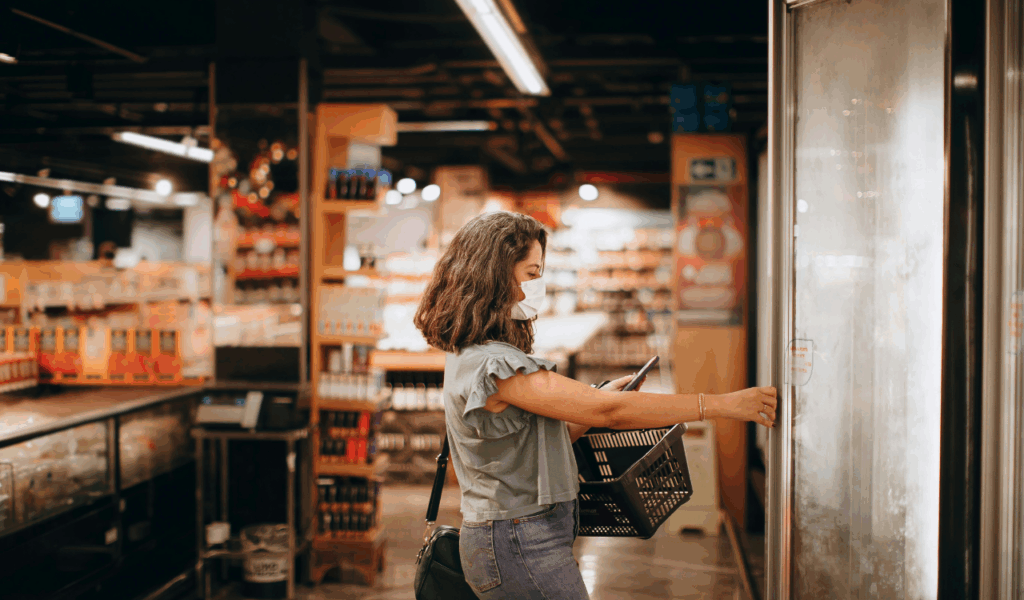
People used to buy a lot of single-serve frozen meals when they were busy and needed a quick lunch or dinner, but now many grocery stores don’t have as many options. Stores are focused on larger family-size selections that may sell faster and make more money because food prices are going up because of inflation. This implies that there is less shelf space for single meals like lasagna, burritos, or bowls that are ready to heat up. This makes it tougher for people who only want one meal without leftovers to find what they need. Despite strong frozen food sales, buyers report fewer options. Even if single-serve meal options have declined, frozen items are still essential for meal preparation.
2. Ethnic and Global Frozen Foods
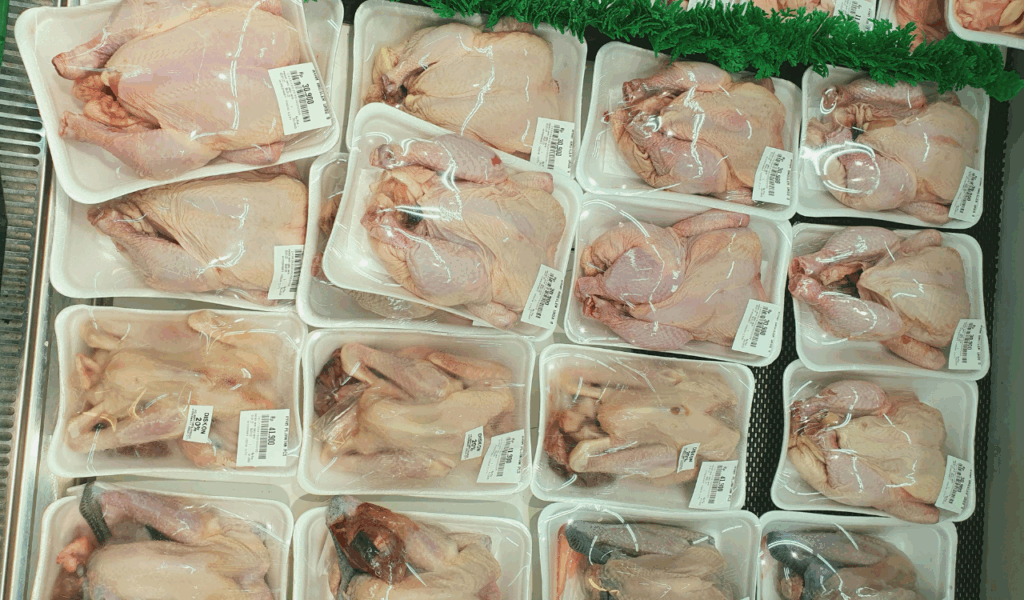
Frozen aisles used to include a wide range of ethnic foods, such as Asian dumplings, Mediterranean entrees, and Latin-inspired meals. However, in some stores, these specialty foreign foods have become less common. Retailers who need to make the most of their inventory often get rid of slower-selling specialty SKUs and replace them with frozen staples that move faster. This can make it harder for people who want to buy frozen foods from other countries to find what they want, or they may have to go to specialty markets. High-end frozen dinners from throughout the world are still sold in supermarkets and cities. Smaller or cheaper stores may restrict variety to save money and get rid of unsold items.
3. Organic and Health‑Focused Frozen Items
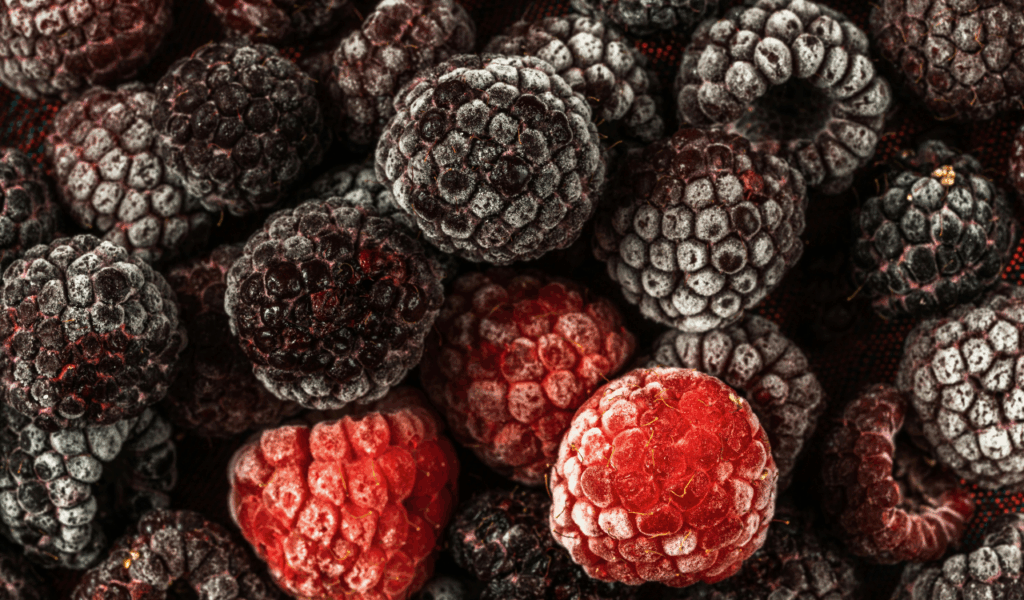
The move toward healthier grocery items hasn’t yet led to a lot of freezer space for organic or “better for you” frozen foods everywhere. Some stores do push frozen meals that are good for your health, but most stores provide much more freezer space to popular comfort foods and affordable brands. People who care about their health say they have less options for organic fruit blends, plant-based frozen dinners, or gluten-free frozen foods than for other frozen foods. This decrease in dedicated space implies that these smaller but expanding groups have less accommodation, even though demand is going up.
4. Frozen Produce Variety
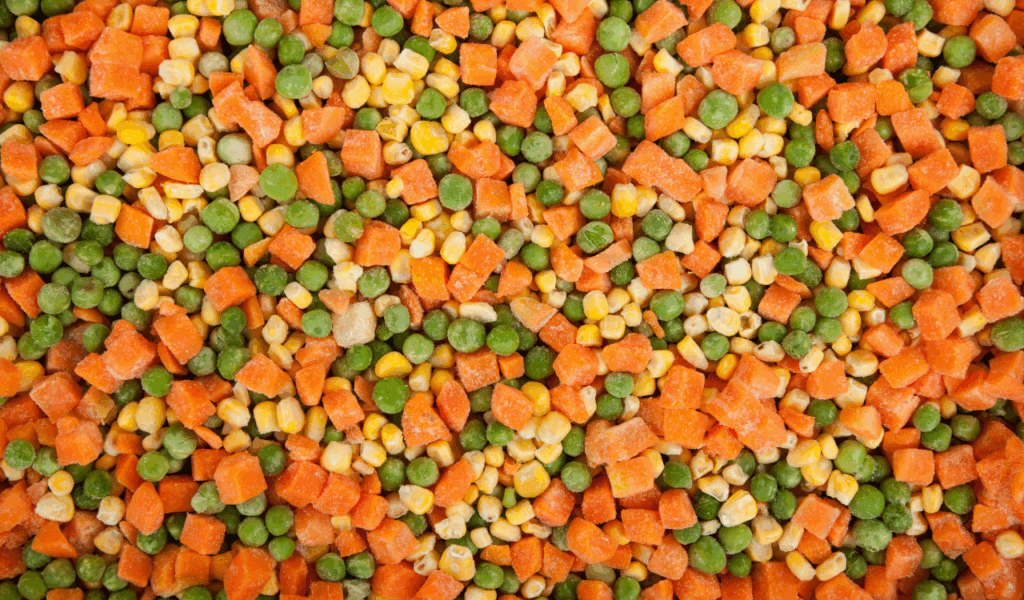
Although frozen fruits and vegetables are more handy and frequently more economical than fresh produce, customers may occasionally observe that the number of options available to them appears to decrease from one visit to the next. There is a possibility that retailers who are under pressure to manage inventory shrinkage and spoiling will lower the number of separate frozen produce SKUs that they stock, particularly for items that are less popular. Stores may only sell peas, maize, and mixed veggies, instead of mango pieces or riced cauliflower. Despite lots of shelf space, the freezer compartment appears tighter.
5. Dessert and Specialty Frozen Treats
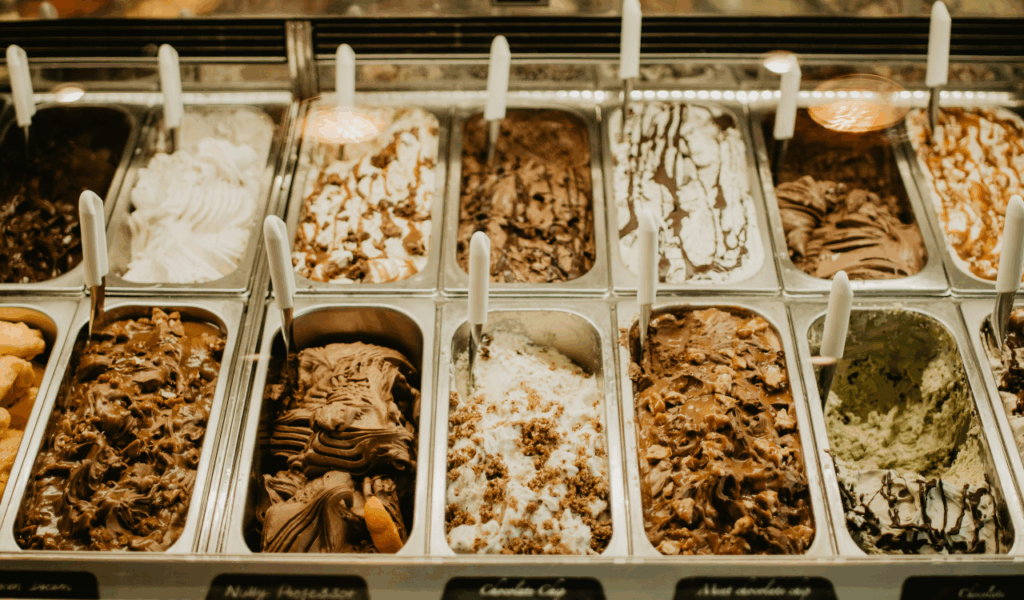
Customers are increasingly reporting that artisan ice creams, novelty bars, and seasonal specialty goods take up less room in their grocery freezers. This is despite the fact that frozen desserts and specialty delicacies have been a common draw in store freezers for a long time. In order to direct sales toward core ice cream brands with high margins or to decrease slow-moving inventory that takes up expensive freezer real estate, chains may choose to restrict the availability of these products. Customers who want a variety of frozen treats may be disappointed if the freezer aisle has fewer fancy selections and more basic ones.
6. Bulk and Value Pack Options
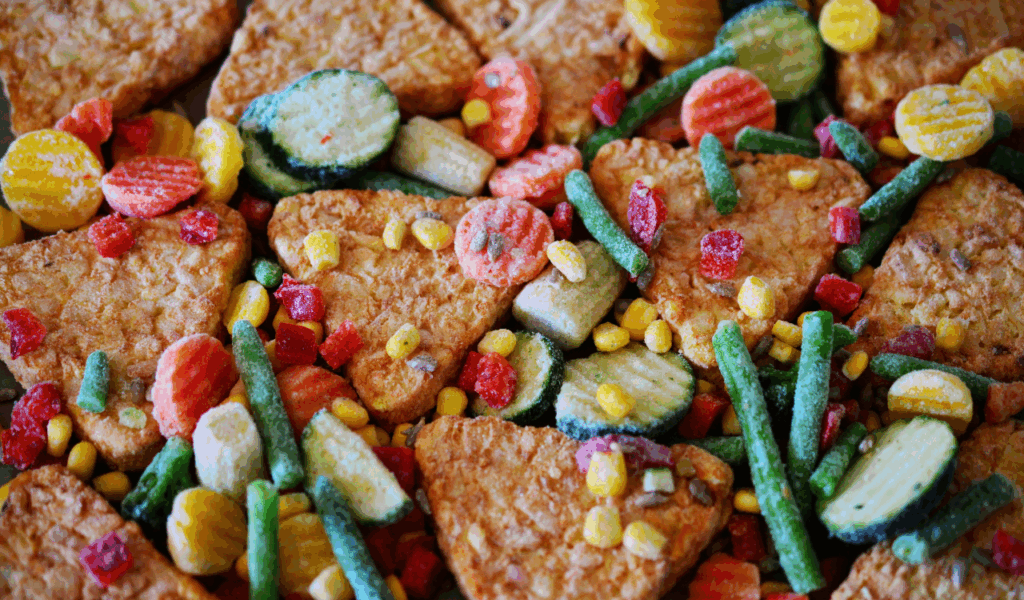
Shoppers who prefer to purchase frozen items in bulk or value pack quantities, such as huge bags of frozen veggies or multipacks of frozen snacks, may occasionally observe that these formats are becoming less prevalent in the market. It is possible for retailers to favor individually sized products that sell more consistently, particularly in urban stores with smaller layouts, when they are attempting to strike a balance between refrigerator space and running expenses and shrink (inventory loss). Value and bulk items may be less available but still available. Due to thinner package lines and fewer bargain options, freezer aisles may feel more crowded.