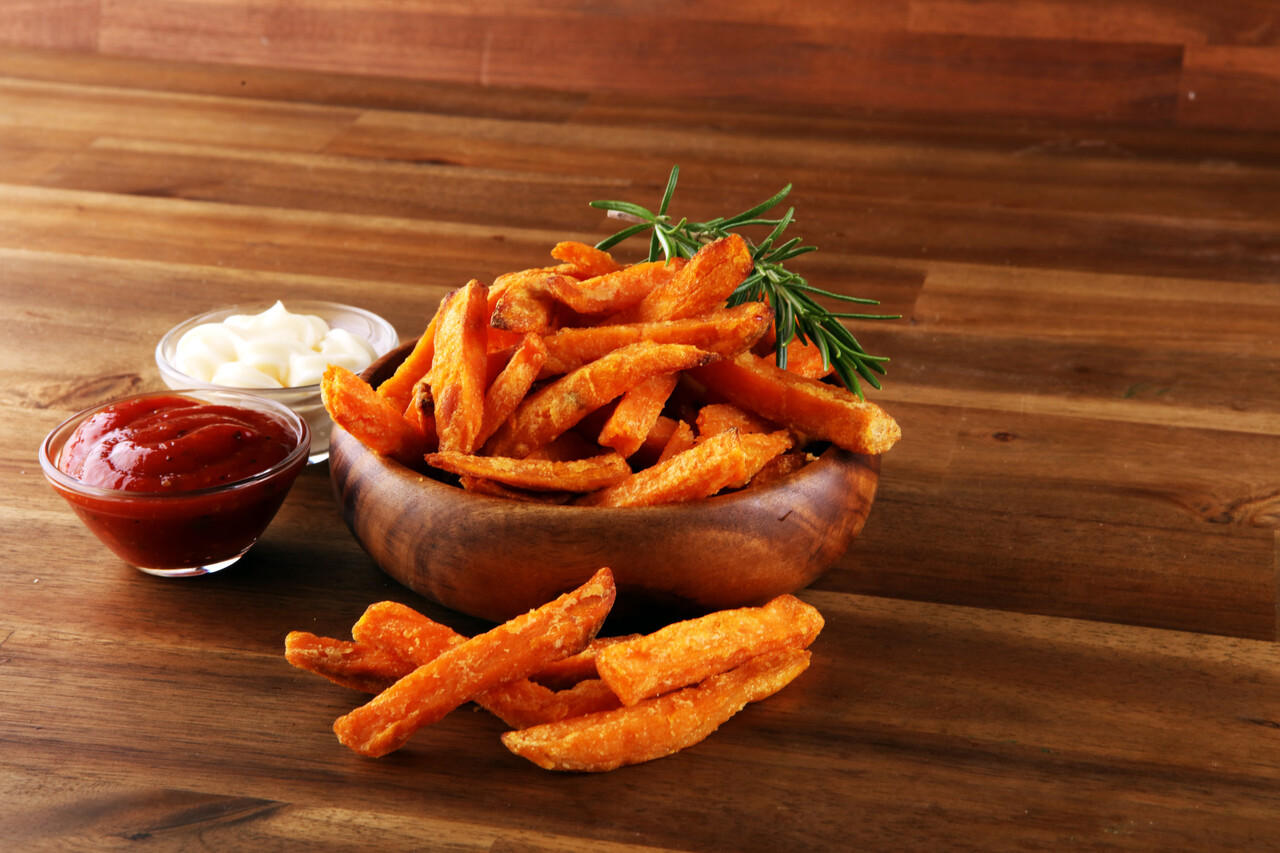
10 Iconic American Desserts Flagged for Excessive Sugar and Portion Sizes

American desserts have always leaned big, bold and unapologetically sweet, which is part of why they’ve become cultural icons. But here’s the thing. The same qualities that make these treats memorable also push them into nutritional red-flag territory. Generous portions, heavy-handed sugar, and rich add-ins turn many classics into more of a feast than a finishing touch. What this really means is that the nostalgia we associate with these dishes often hides how dramatically they overshoot modern dietary guidelines. Understanding why they’re flagged today doesn’t diminish their charm, but it does make it easier to enjoy them with a clearer sense of what’s on the plate.
1. Cheesecake: Dense, Decadent, and Often Oversized

Here’s the reality about cheesecake: it’s less a slice and more a concentrated block of fat, sugar, and calories. Traditional New York style relies on large amounts of cream cheese, eggs, sugar, and often heavy cream, which creates that dense, silky mouthfeel everyone loves. Toppings like fruit compote, caramel, or chocolate add another layer of sugar and calories, and restaurant portions are frequently generous. Because cheesecake is low in fiber and high in saturated fat, a single large slice delivers a rapid energy spike and little satiety beyond the immediate pleasure. Moderation matters: a small wedge shared between two people, or a lighter ricotta-based version, gives the flavor without loading an entire meal with excess sugar and fat.
2. Brownies: Fudge-Forward Pleasure That Packs Sugar And Fat Per Bite
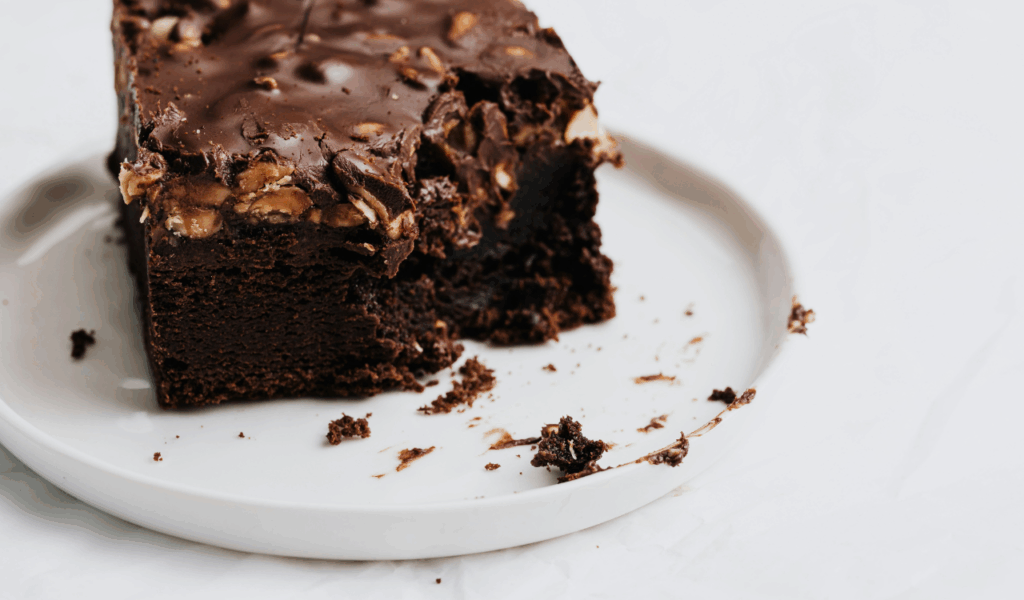
Brownies are celebrated for their fudgy interior and crackly top, but that texture is achieved with concentrated ingredients: lots of butter, sugar, and chocolate, sometimes complemented by sweet add-ins like frosting or caramel. Bakeries and cafes often serve oversized squares that eclipse a recommended dessert portion. Because brownies are dense and low in water or fiber, it’s easy to consume a high number of calories before feeling full. Frequent consumption contributes to excess refined sugar and saturated fat intake. If you want a brownie fix, choose smaller portions, share with a friend, or look for recipes that swap some butter for applesauce and include dark chocolate to lower sugar and boost antioxidants.
3. Chocolate Chip Cookies: Comfort With a Hidden Calorie Count
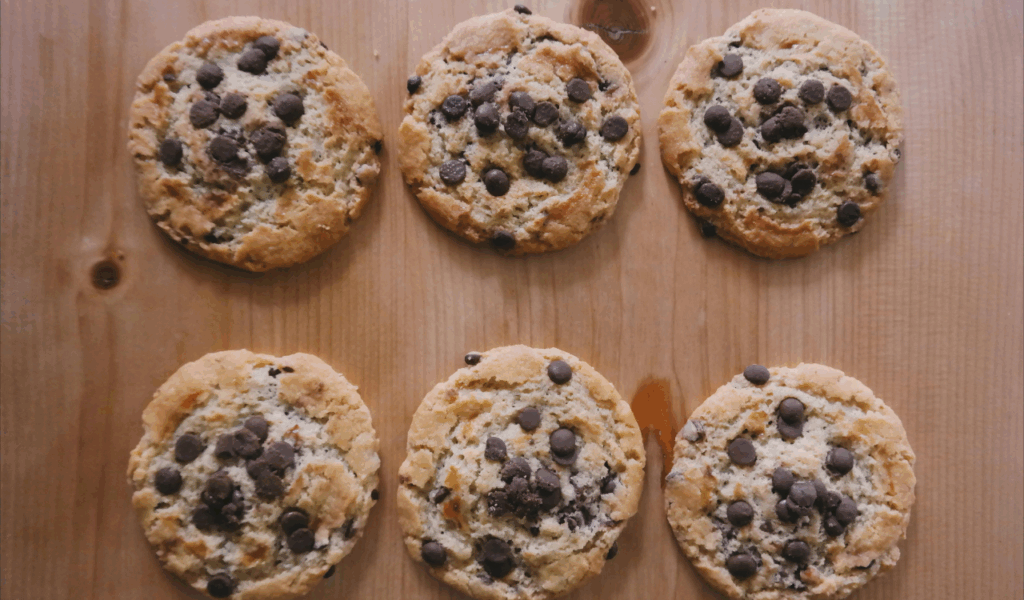
The classic chocolate chip cookie feels homey, but commercially made or bakery-sized versions can hide more sugar and butter than you expect. Big cookies with chunks of chocolate and optional frosting or fillings become mini-dessert meals. The palm-sized portion many adults grab is often two or three times the size of a sensible single serving. Because cookies are low in protein and fiber, they don’t slow digestion, which encourages snacking soon after. If you bake at home, you can cut sugar, use part whole-grain flour, and add nuts for protein. When buying out, downsize, choose a smaller cookie or split one, and pair it with a cup of unsweetened tea to make the treat feel more substantial.
4. Apple Pie: Tradition Meets a Scoop of Extra Sugar

Apple pie carries nostalgic weight and often lands at family tables with a scoop of vanilla ice cream on top. That pairing is delicious but drastically increases sugar and calorie content. Pies use refined pastry dough that is high in saturated fat, and many recipes add sugar to both apples and glaze to intensify flavor and shine. Commercial pies can also include syrups or stabilizers that raise sugar even further. To keep apple pie in the “occasional comfort” category, consider lighter toppings such as a dollop of yogurt or a small scoop of ice cream, reduce added sugar in the filling, and choose a partial whole-grain crust to boost fiber.
5. Fudge: Concentrated Sugar and Fat in Bite Form

Fudge is essentially sugar and fat crystallized into a dense, bite-sized treat. Traditional fudge is made with large amounts of sugar, butter and condensed milk, producing an intensely sweet confection that’s easy to overeat because pieces are small and inviting. Those tiny squares add up fast in sugar and calories. Fudge lacks fiber, protein, and micronutrients, so it’s a pure indulgence rather than nourishment. If fudge is nonnegotiable at holiday time, limit yourself to one small piece, savor it slowly, or look for versions where some sugar is replaced with nuts or dried fruit to add texture and a modest nutrient boost.
6. Cupcakes: Personal Cakes That Can Outsize Their Purpose

Cupcakes are individually portioned, which seems helpful, but their decorative frostings and fillings can turn a single serving into a sugar bomb. Many bakery cupcakes carry thick buttercream or cream cheese frostings and are sometimes topped with candy or additional sugary sauces. That leaves a high sugar-to-volume ratio and a lot of empty calories in one package. Because the portion is personalized, it’s easy to think it’s a reasonable serving when it may be larger than a standard slice of cake. A lighter approach is to enjoy a smaller cupcake, skip the extra frosting, or choose flavors with fruit-based toppings rather than sugary glazes.
7. Carrot Cake with Cream Cheese Frosting: Vegetable Backstory, Dessert Reality
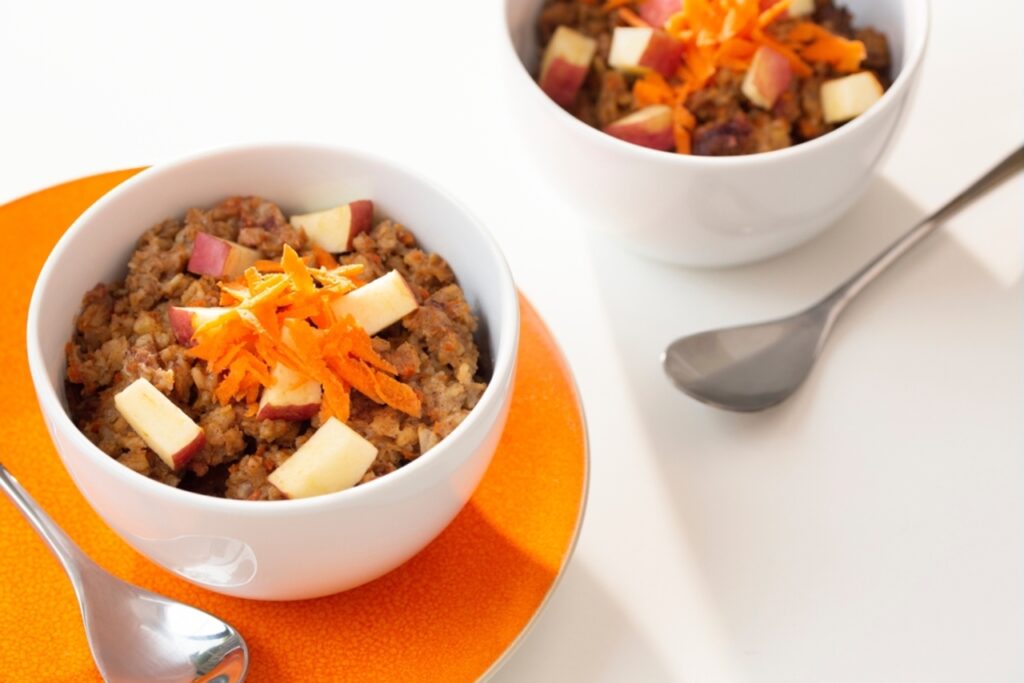
Carrot cake gets some goodwill from the presence of grated vegetables, but that does not make it healthy food. The cake batter still relies on refined flour, sugar, and oil, and the signature cream cheese frosting is rich in butter or cream cheese and sugar. Large slices, often served at celebrations, become calorie-dense and sugary. The carrots add moisture and a touch of fiber, but they don’t offset the overall sugar load in standard recipes. If you want the flavor and tradition without the excess, try a smaller slice, reduce frosting thickness, or use a recipe with whole-grain flour, less sugar, and added nuts for protein and healthy fats.
8. Ice Cream Sundaes: Multiple Scoops, Multiple Toppings, Multiple Sugars

A sundae feels celebratory: scoops of ice cream crowned with hot fudge, syrups, nuts, whipped cream and cherries. Each add-on amplifies sugar and energy density. Many restaurant sundaes stack two to three scoops plus sugary sauces, making them more like a full dessert meal than a small treat. The combination of fat from ice cream and refined sugar from sauces produces a rapid energy surge, and the texture and coldness encourage quick consumption. To keep sundaes reasonable, go for a single scoop, pick fruit-based toppings or a modest drizzle of dark chocolate, and add nuts for satisfying crunch and protein that slows sugar absorption.
9. Banana Split: Fruit Framed by an Avalanche of Sweet Additions

A banana split positions fruit as the base, yet the rest of the dish often overwhelms the health benefits of the banana. Multiple scoops of ice cream, heavy syrups, marshmallow, nuts, and whipped cream convert a single banana into a highly sugared dessert. Portion sizes are large and intended to be shared, but in practice, they are often consumed by one person. The mix of refined sugar and saturated fat makes this a poor everyday choice. If you crave the combination, scale down: one scoop and modest toppings, or build a lighter version at home with frozen yogurt and fresh berries to enjoy the contrast without the excess.
10. S’mores: A Campfire Classic That’s Pure Sugar And Refined Carbs
S’mores are simple and nostalgic: toasted marshmallow and melted chocolate between graham crackers. That simplicity is why they’re so sugary. Marshmallows are nearly pure sugar and gelatin, chocolate adds more sugar and fat, and graham crackers provide refined carbohydrates. Because they’re assembled and eaten quickly, it’s easy to consume several in one sitting. Occasional indulgence is fine, but the treat lacks fiber, protein, or nutrients to slow digestion. To reduce impact, try smaller marshmallows, dark chocolate with higher cocoa content, or pair one s’more with a handful of nuts to add protein and slow the sugar hit.