6 Grocery Store “Artisan” Foods Shoppers Say Feel Mass-Produced
When you see the phrase “artisan” on grocery store shelves, it frequently means that the food was made by hand, in small numbers, and using traditional methods. But for a lot of shoppers, that promise doesn’t always match the product inside the box. Some things are made to resemble artisanal and are marketed as such, even though they are made in huge quantities. This is because big companies are responding to consumer demand for high-quality meals. This doesn’t mean they’re inevitably harmful or of poor quality, but it can make the difference between what you expect and what you get. When flavor, texture, or freshness feels like it was made with care, shoppers often notice. Knowing where that gap originates from helps people make better choices and not pay too much for things that don’t really live up to the artisan image they advertise.
1. Rustic Style Bread Loaves
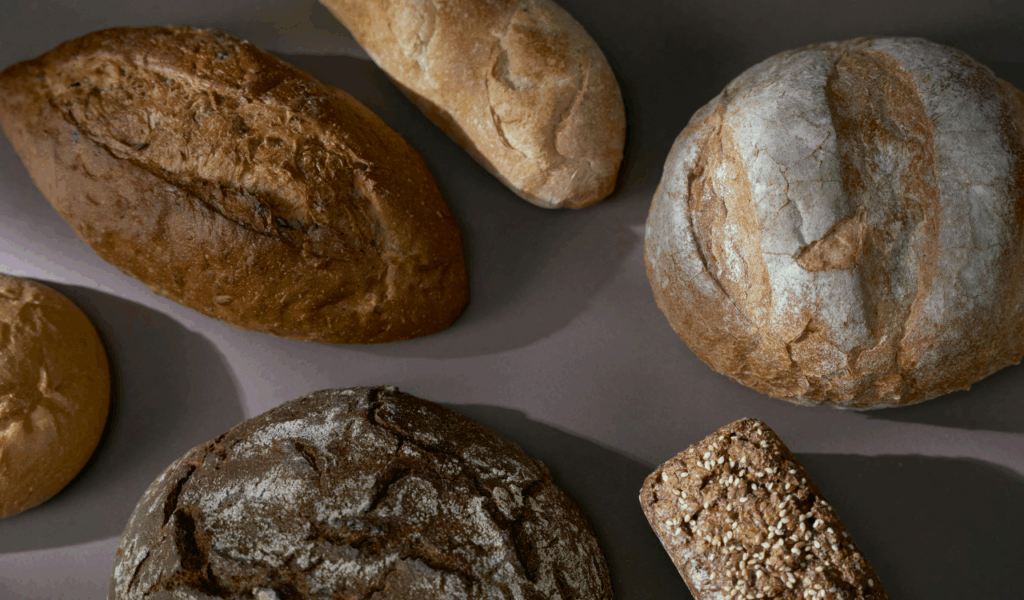
Rustic-style bread loaves are often sold as bakery-quality, with thick crusts, uneven shapes, and tops sprinkled with flour to show that they were made by hand. In fact, a lot of these loaves are made in factories, using machines to shape them and furnaces to bake them quickly. The end result is a loaf that looks handmade but tastes the same all the way through and doesn’t have the depth of bread that has been naturally fermented. Longer fermentation is what makes true artisan bread taste better and have a better texture. To satisfy shelf life and volume needs, mass-produced versions typically cut this procedure short. This makes buyers feel like they were tricked when the bread is dense, bland, or dries out fast after opening.
2. Pre-Packaged Fresh Pasta
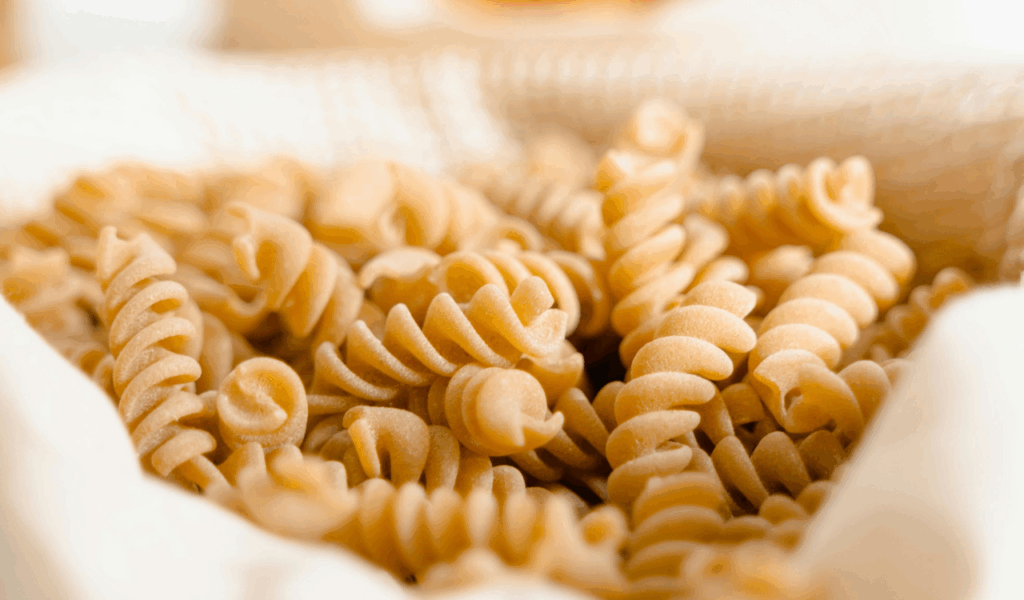
People sometimes call fresh pasta served in the refrigerated sections “artisanal,” which means that experienced hands carefully mix, roll, and cut it. Most grocery store versions, on the other hand, are created in big factories using industrial extruders and recipes that are the same for everyone. These pastas are easy to make and safe to consume, but they frequently don’t have the delicate bite and subtle egg richness that comes with really fresh, small-batch pasta. When cooked, shoppers observe that the texture can be too smooth and sometimes sticky. It can seem wrong to call anything “artisan” if it acts more like a mass-market item made for consistency and a long shelf life than for flavor or traditional cooking methods.
3. Flavored Gourmet Popcorn

Gourmet popcorn, especially the kinds with sweet or savory coatings, are often sold as artisan snacks. The packaging can have rustic fonts, phrasing that sounds like it came from a tiny batch, or boasts that the food was well seasoned. In real life, a lot of these popcorns are made in large quantities utilizing industrial tumblers and flavor sprays. Customers often say that the tastes taste one-note or fake, which is not what they expect from a handmade snack. Popcorn can also lose its texture, becoming too hard or stale too rapidly. Customers wonder if the product really justifies its artisan label since the eating experience is the same from bag to bag.
4. Craft-Style Ice Cream

Ice cream in grocery store freezers that seems like it was made by hand generally has high-quality ingredients, graphics that remind you of the past, and boasts of slow churning. Some brands do meet greater quality standards, but others use the same mass production methods as regular ice cream. Shoppers detect too much air, stabilizers, or flavors that are too sweet and hide the quality of the ingredients. Real artisan ice cream is usually thicker and has cleaner, more balanced flavors because it is made in smaller batches. When a dessert melts quickly or tastes too manufactured, it can feel more like a mass-market dessert dressed up with craft-style marketing than a real frozen delight that was made with care.
5. Specialty Cheese Blocks
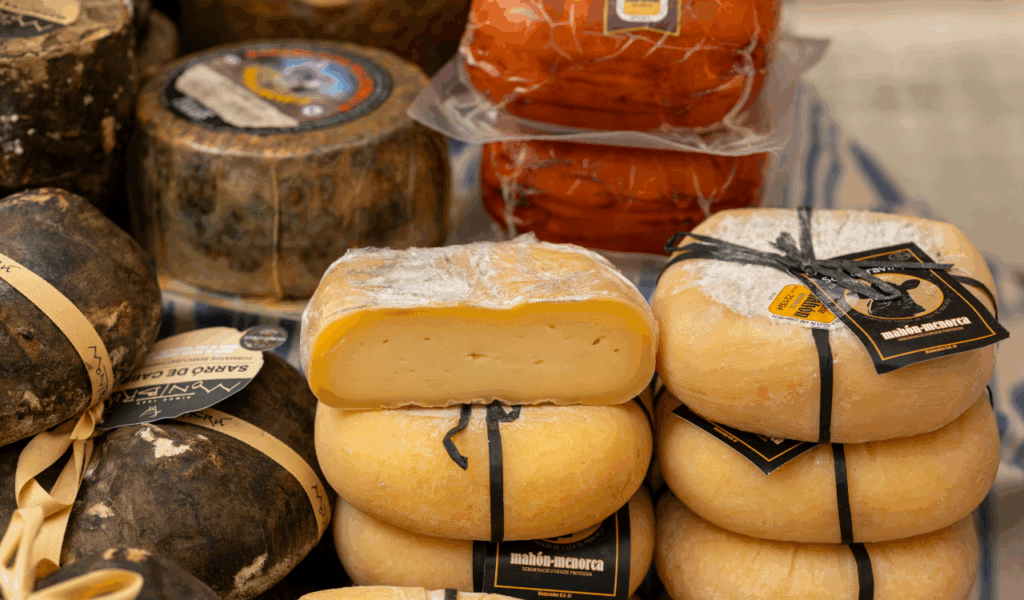
Artisan-style labeling on specialty cheese blocks frequently signal that the cheese was made using traditional methods and aged carefully. But a lot of the things you may buy at the grocery store are made in big factories and are meant to appeal to a wide range of people. These cheeses may not have the same depth, smell, and texture changes as cheeses made in smaller batches. People who buy things could remark that the flavors are weak and the consistency is the same, which makes them feel more processed than hand-made. These cheeses are safe and easy to find, but the artisan branding might be confusing when the taste is the same. People who expect a unique taste may be let down if the cheese doesn’t taste like the craftsmanship promised on the label.
6. Small-Batch Style Sauces
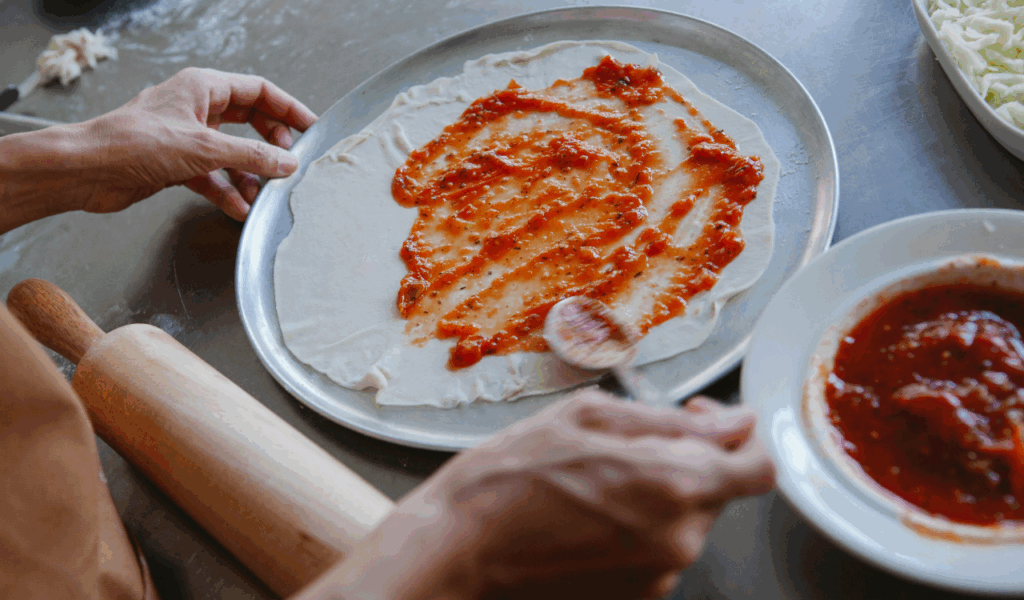
Small-batch or artisan sauces frequently have basic ingredient lists and packaging that looks like it came from the countryside. Even yet, a lot of them are made in enormous quantities utilizing industrial cooking tools and methods that keep them fresh on the shelf. Customers often say that these sauces taste too sweet, salty, or homogenous, and they don’t have the depth of flavor that comes from cooking in tiny batches. People often change the heat and seasoning to make them more appealing to a lot of people instead of making them taste real. If a sauce tastes the same no matter what flavor you choose, it could seem more like a mass-produced product than something crafted with the care and attention that its artisan description suggests.