14 New Year Home Trends That Didn’t Feel Inviting
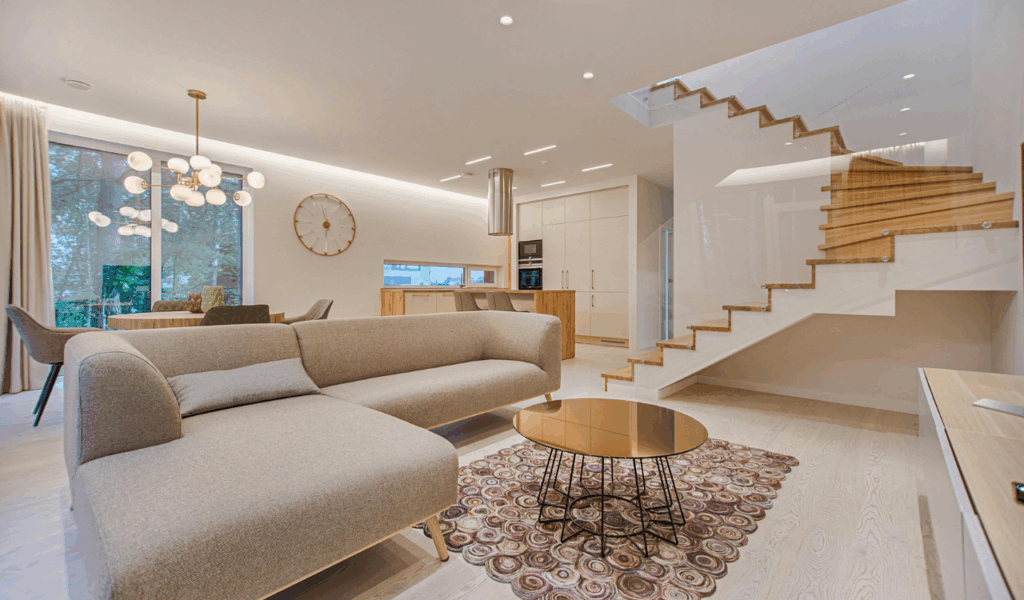
A new year often offers a lot of home ideas that promise new beginnings and attractive enhancements, but not every notion makes a room that feels pleasant. Some fads look great on the internet but are chilly, impractical, or uncomfortable in real life. A home that is truly welcoming should be comfortable, warm, and good for everyday life, not just look good. These trends stood out because they didn’t strike that balance; they put looks ahead of how people really relax, get together, and unwind at home. Each one highlights how excellent design must think about both function and emotion at the same time, from severe design decisions to setups that make people not want to use them. Homeowners may make better, more livable choices that still feel contemporary without giving up comfort or warmth if they understand why these trends didn’t work.
1. All-White Everything Interiors
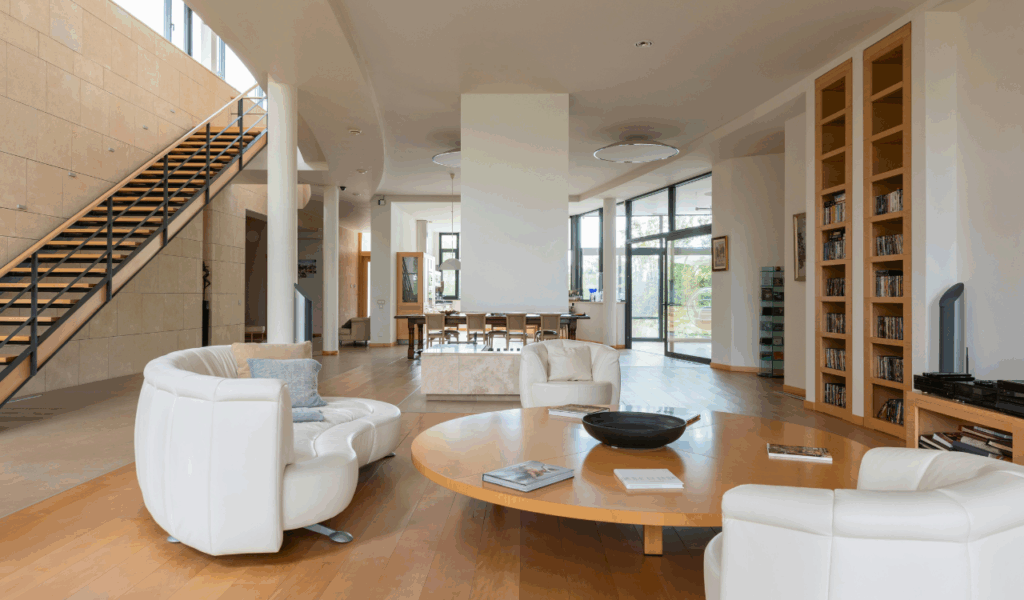
People liked all-white interiors because they looked clean and modern, but many rooms ended up feeling sterile instead than relaxing. Rooms with white walls, floors, furniture, and decorations don’t feel very warm, making them feel more like galleries than homes. These rooms don’t have any depth or individuality because they don’t have any contrast, texture, or layered tones. Everyday life also gets stressful since white surfaces reveal wear, stains, and dust rapidly. People who live there may feel more stressed than calm because they always have to keep things up. Rooms can feel emotionally distant when they don’t have the natural warmth of wood, soft materials, or muted hues. A home should feel lived in and welcome. When everything is white, comfort sometimes comes second to how things look.
2. Ultra-Minimalist Living Rooms
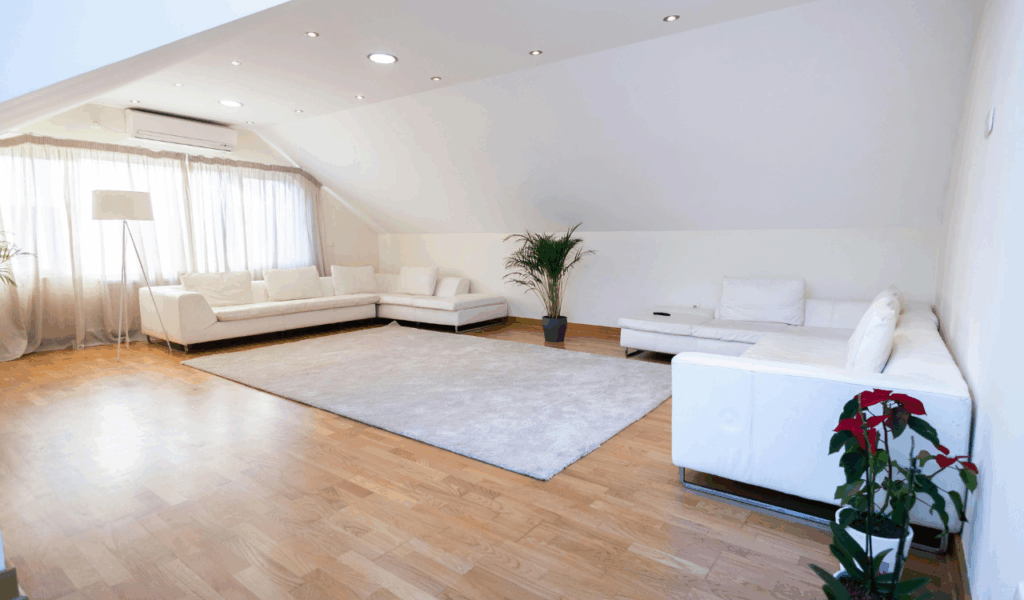
Living rooms with very little furniture and stark surfaces typically seemed unwelcoming. Simplicity can be soothing, but taking away too much makes rooms feel empty and unwelcoming. These rooms frequently didn’t have comfortable seats, tiered lighting, or other ornamental items that make you feel at home. Guests might not know where to sit or be afraid to relax. Minimal decor can also make a room appear less lived in by taking away things like books, couches, or personal belongings that give it a lived-in look. The room could feel more like a showcase than a place to hang out if it doesn’t have any softness or warmth. A living room should be a place where people can talk and relax, yet excessive minimalism frequently takes away the things that make people want to remain.
3. Oversized Statement Furniture
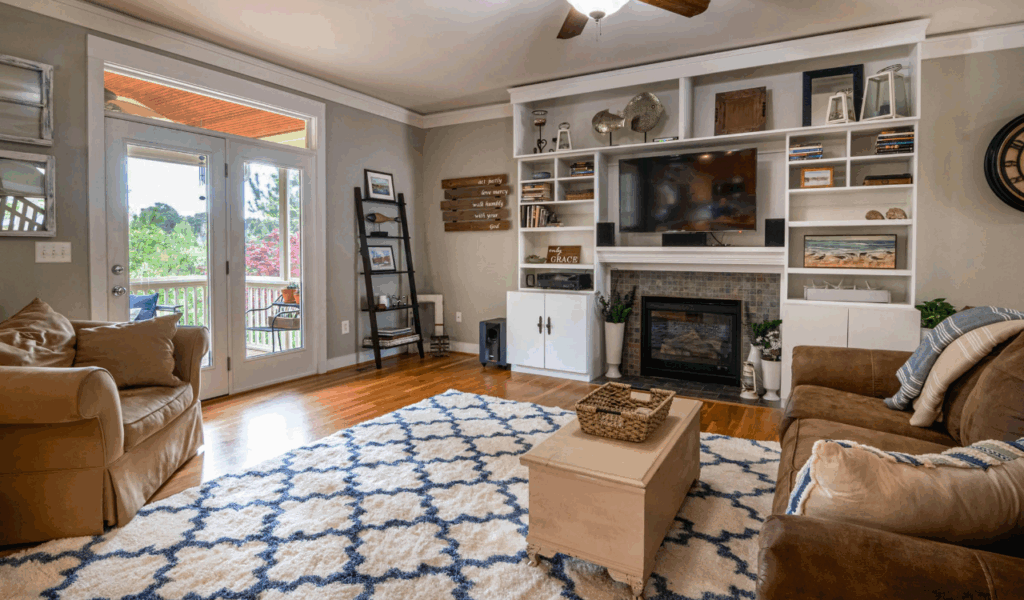
Oversized furniture made a big impact in a room, but it often took up too much space. Rooms were full of big sofas, chairs, or tables, which made it hard to walk around and made them feel small instead than pleasant. Dramatic pieces can look good in big homes, but they typically look out of place in smaller ones. This imbalance messed up the flow and made it tougher to use areas comfortably. The seating felt more intimidating than welcoming, especially for newcomers. Oversized pieces also made it hard to be flexible because there wasn’t much room to move things about or change the layout. Instead of making spaces seem warm and inviting, these pieces often made them look like static exhibitions where looks were more important than function.
4. Cold Industrial Design
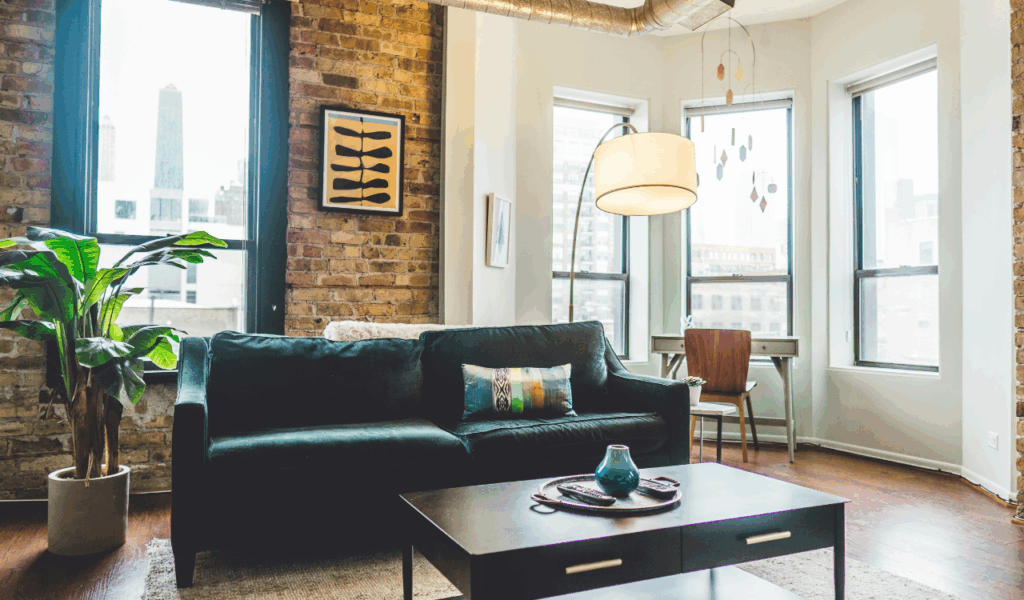
Exposed concrete, metal finishes, and bare surfaces are examples of industrial design components that were popular yet frequently felt cold and harsh. These materials can look great, but they may not feel cozy as a house should. Hard surfaces make sound louder, which can make spaces feel noisy and uncomfortable. Industrial areas might feel cold and uninviting if they don’t have enough soft furnishings, lighting, or natural textures. It can be hard to relax when it’s cold, especially in places where people are supposed to relax or hang out. Industrial design looks best when it is mixed with comfortable things, but a lot of homes went too far with the raw look and lost the coziness that makes a space seem pleasant.
5. Open Shelving Overload
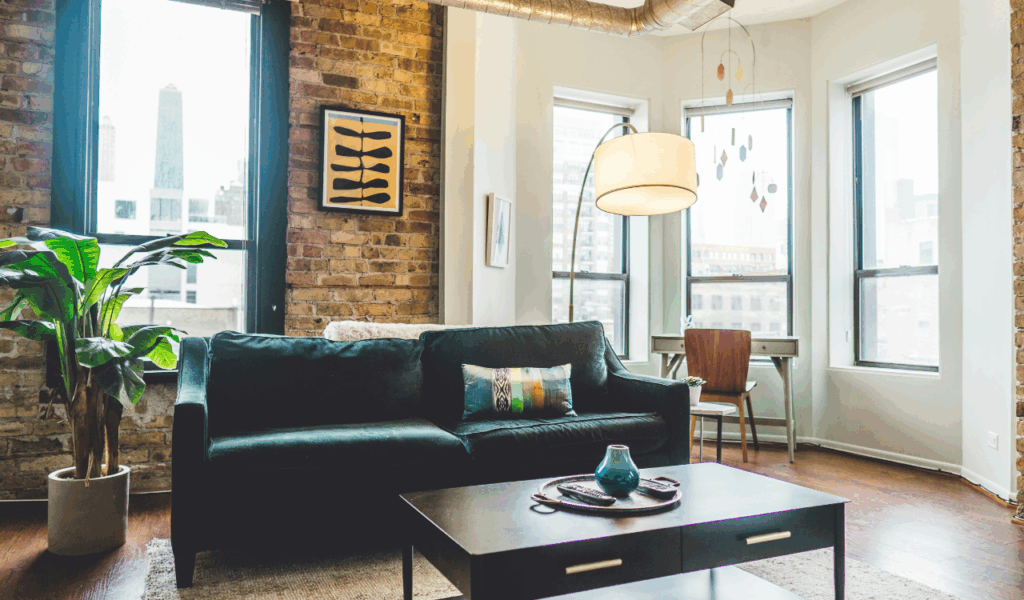
Open shelving was designed to make a space feel open and approachable, but too much of it often had the opposite effect. Shelves full of ordinary things can rapidly look messy, which can make rooms feel busy and unpleasant. To keep things from looking messy, you need to clean and style them often if they are always visible. Kitchens and living rooms with too many open shelves often didn’t have enough visual rest, which made the eye seem overly busy. These rooms didn’t feel open; they felt bare and incomplete. Open shelving can be useful in small amounts, but too much of it can make a home feel chaotic and uninviting, which is not good for everyday life.
6. Harsh LED Lighting Choices
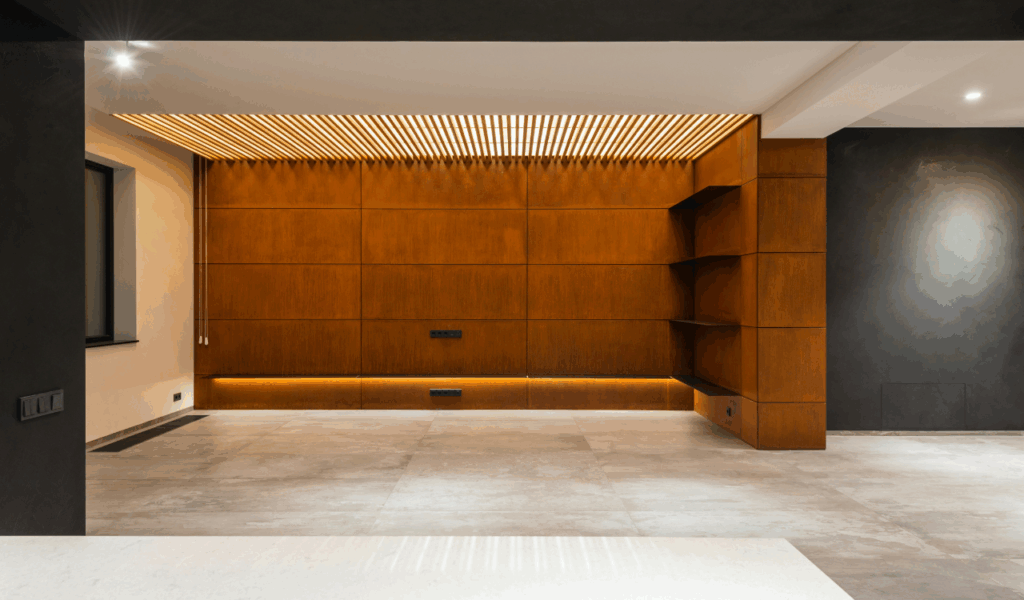
Many homes felt uncomfortable instead of modern because of the harsh LED lighting. Lights that are bright and cool-toned might make a space feel like a hospital, which isn’t very welcoming. These lights make textures look flat and make rooms feel stiff when utilized across a house. Bad placement also caused glare and shadows, which made spaces less comfortable to be in. Lighting has a big effect on mood, and lights that are too bright or too chilly might make you feel energized at the wrong times. Layered lighting with softer tones is good for homes, but many configurations used only one harsh light source, which made them less comfortable but more efficient and brilliant.
7. Matching Furniture Sets
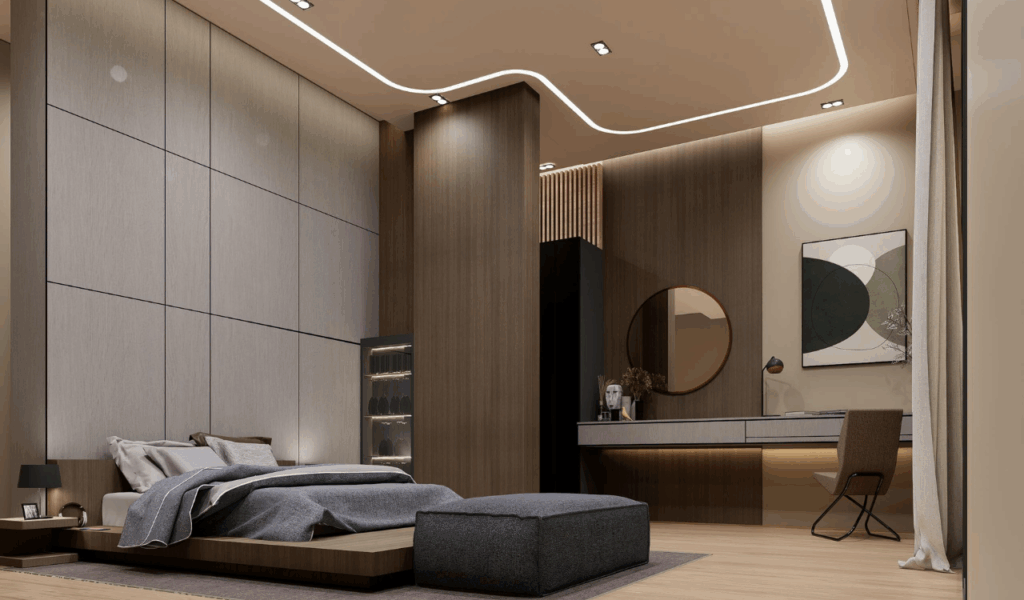
Sets of furniture that all matched perfectly made everything look the same, yet they often felt impersonal. Rooms might feel cold and uninviting when everything matches in color, substance, and style. This method takes away the fun of blending different shapes, finishes, and textures. Sets that match can make a room feel staged instead of lived in, which might make it harder to connect with it emotionally. Guests can feel like the space is too plain, as if it belongs in a catalog instead of a home. Balance and originality bring comfort. Spaces that are too well-coordinated typically miss the mark because they put symmetry ahead of real livability.
8. Trendy Accent Walls
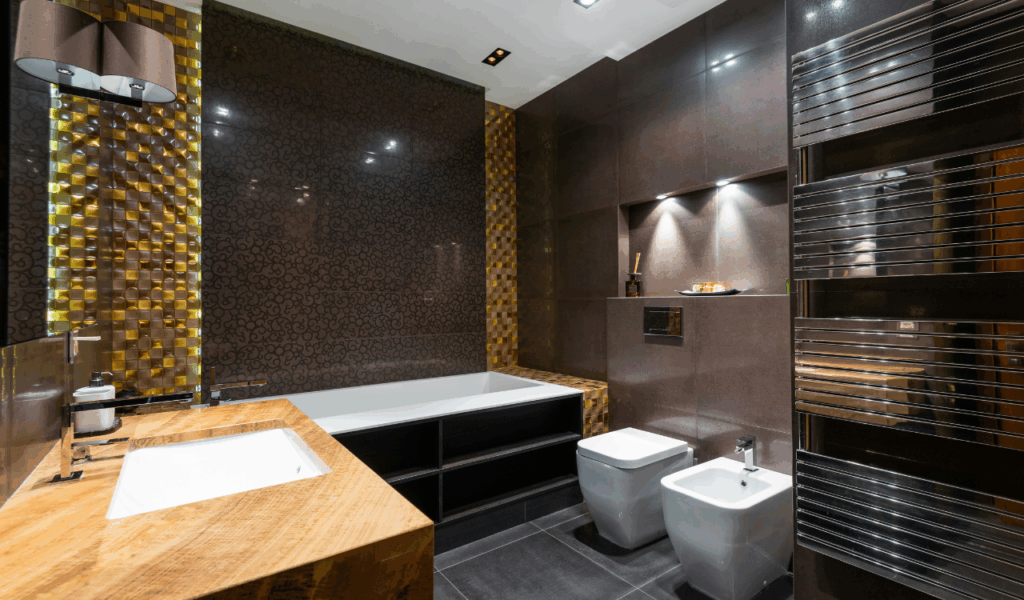
Trendy accent walls offered easy changes, but they occasionally messed up the flow. A single wall with bright colors or patterns often looked like it didn’t belong in the room. They didn’t make things more interesting; instead, they took away from comfort and coherence. Some accent walls had textures or finishes that made the rooms look smaller because they felt heavy. These walls rapidly appeared old when trends faded, which made people feel uncomfortable instead of excited. A pleasant home needs consistency and flow, yet a lot of accent walls felt forced since they were more about looking trendy than being comfortable and balanced in the long run.
9. Bare Windows Without Treatments
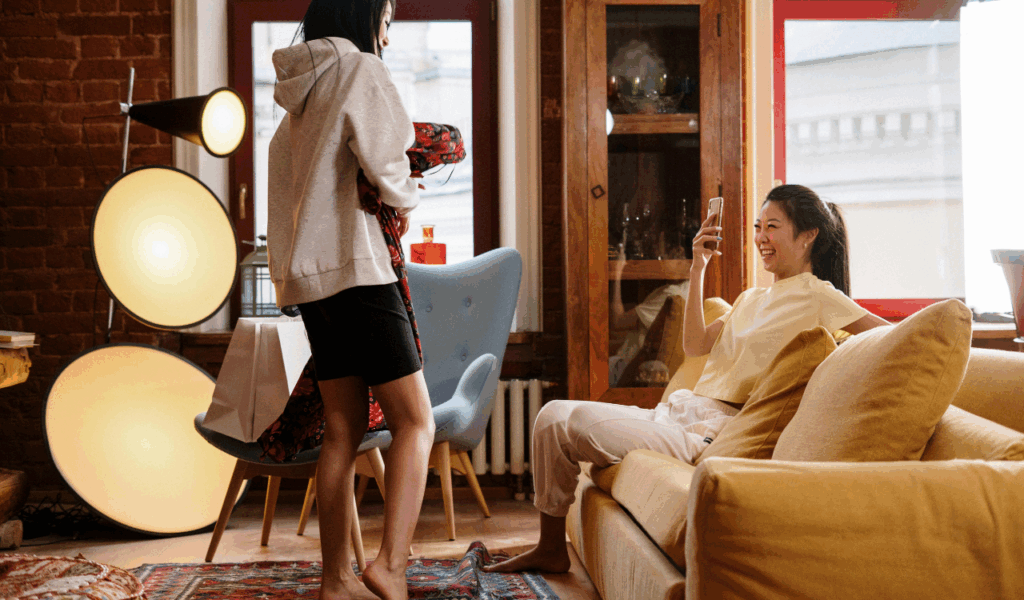
People liked bare windows because they looked clean, but they often made rooms feel open. Rooms were not soft or private without curtains or shades. It’s crucial to have natural light, but windows that aren’t treated might produce glare and make the room too hot or too cold. Bare glass also changes the way sound travels, making rooms reverberate and seem less comfortable. Curtains and other window coverings may make a room feel warmer, add texture, and let you control how much light comes in. Without them, rooms can seem less polished and less welcoming. A home should feel safe and cozy, but bare windows frequently make that harder by putting style before function.
10. Excessively Neutral Palettes
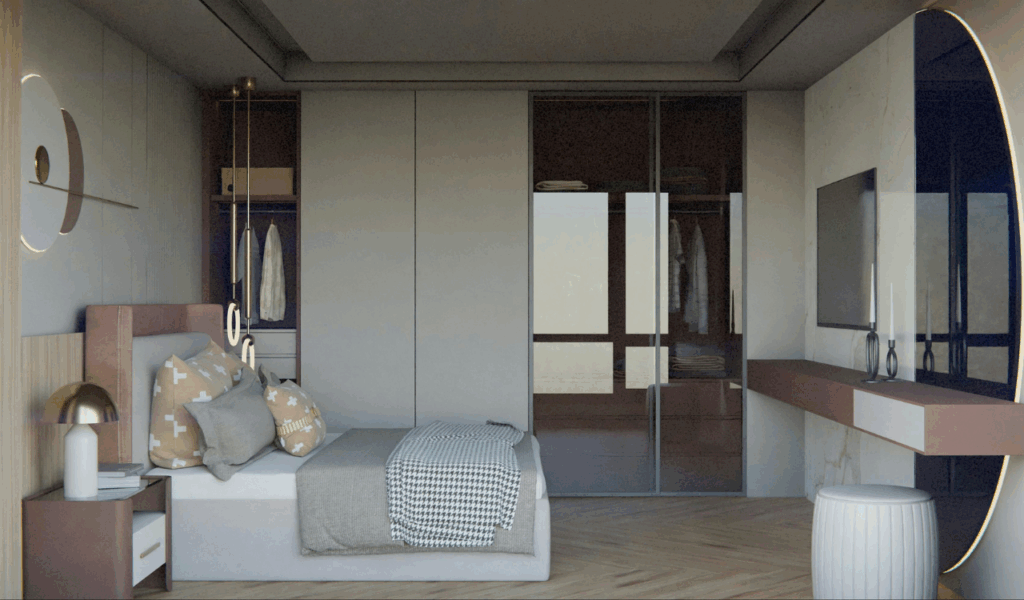
People who used too many neutral colors to try to make things peaceful often ended up with boring spaces. There wasn’t enough contrast in the rooms, which were mostly beige, gray, and soft taupe. Rooms can feel flat and boring when neutrals don’t have any variety. When you eliminate color completely, warmth often goes away. Small accents or natural tones can make a room feel more alive, but many people didn’t use them at all. Subtle color changes that guide the eye and give depth make a place more pleasant. Being too neutral could seem secure, but in the end, it makes places feel less interesting and emotionally detached.
11. High-Gloss Finishes Everywhere
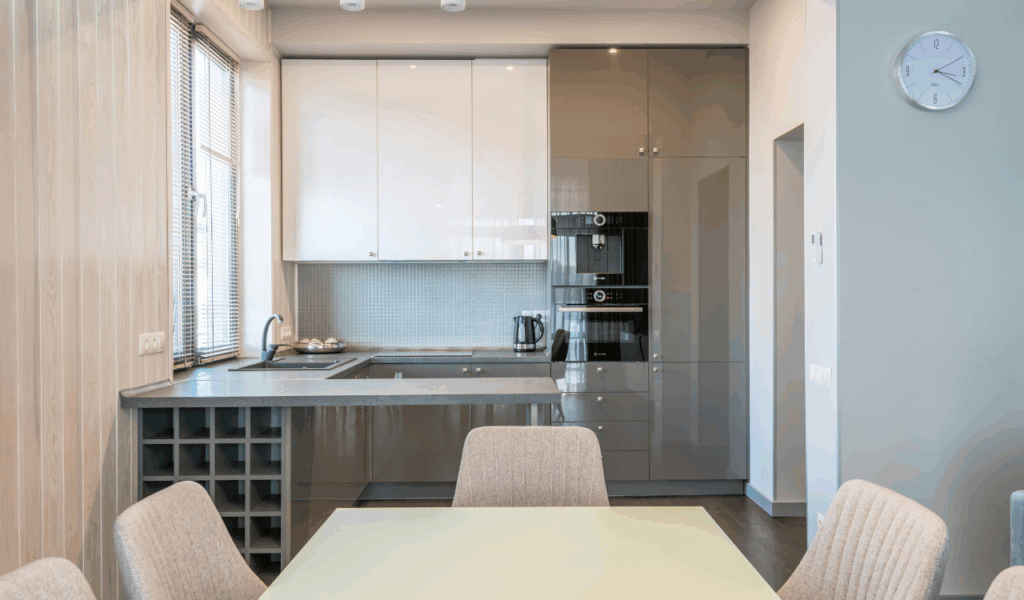
High-gloss coatings promised luxury, yet they often seemed cold and useless. Light bounces off shiny surfaces in a way that generates glare that can be irritating. Fingerprints, scratches, and dust are very easy to see, which makes cleaning more stressful. Gloss finishes take away the softness that makes a place feel comfortable when they are utilized too much. If your kitchen and living room are too shiny, they could feel more like businesses than homes. Balance is important. When gloss takes over, warmth and comfort tend to go away in favor of how things look.
12. Decorative Items Without Purpose
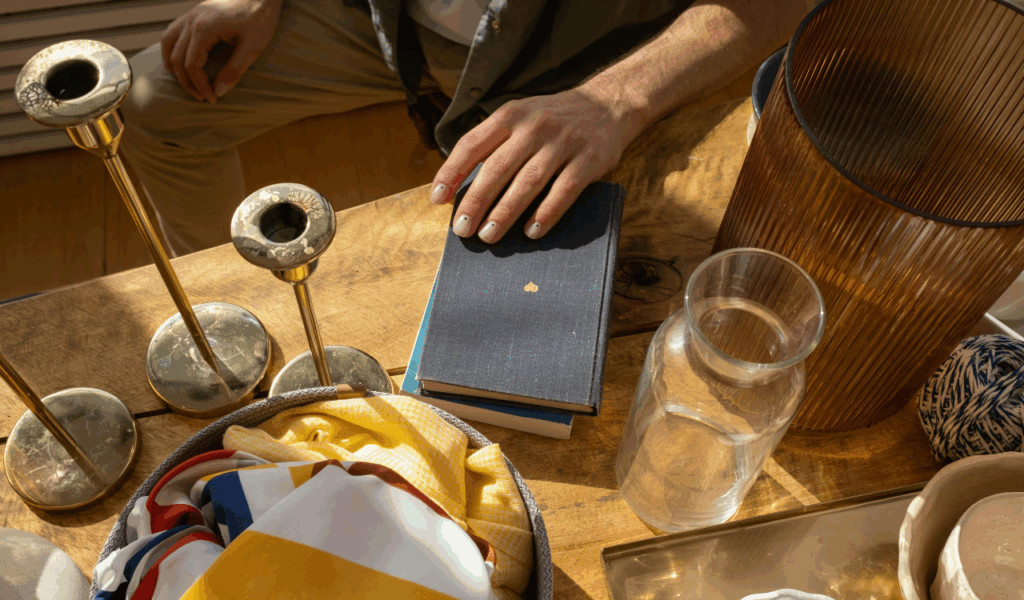
Decor that was picked just for how it looked often didn’t have any emotional connection. Rooms can feel staged if they have sculptures, items, or exhibits that don’t mean anything. Spaces lose their authenticity when the decor doesn’t tell human stories or have a purpose. People could like how it looks, but they won’t feel warm. Things that get people talking or remind them of good times are common in welcoming houses. It can feel empty to have decorative clutter that doesn’t serve a purpose, which makes rooms less interesting. Not just how things look, but how they feel personal and intentional is what really makes you comfortable.
13. Low Seating With No Support
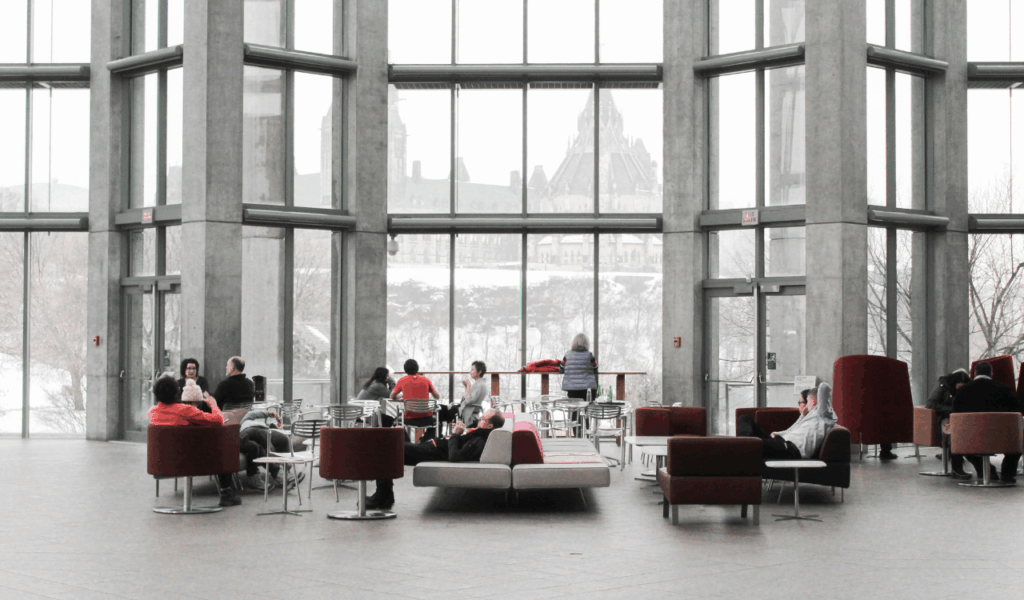
People liked low-profile seats because it looked good, but it wasn’t always comfortable. It can be hard to utilize sofas and chairs that are near to the floor, especially for a long time. Not having the right support for your back and arms makes it hard to relax. Guests could feel weird or uncomfortable, which makes it hard for them to talk to each other. Seating should make people want to sit down and remain, yet many low designs put style above of comfort. Furniture that looks good and supports the body is important for a pleasant space.
14. Overly Styled Spaces
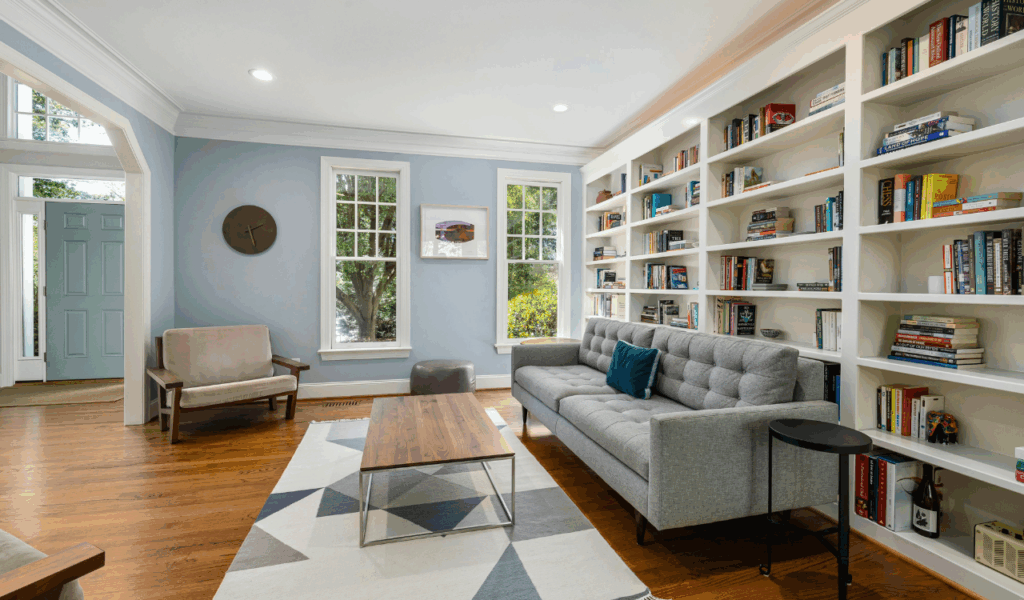
Rooms that were too designed were more about being flawless than being comfortable. Spaces felt fragile because of the way the pillows were put for show, the surfaces that weren’t touched, and the tight patterns. People who live there and visitors might not want to utilize the space freely because they are afraid it will be too noisy. Homes should make people want to live in them, not make them want to stay away. When style is more important than utility, warmth is lost. A welcome home strikes a balance between beauty and ease, so people may relax without worrying about how they look. Too much design can make a home look more like a display than a place to live.