7 Mudroom Design Tips That Actually Decrease Functionality
A mudroom only works when it quietly supports the rhythm of daily life, but here’s the thing. Many well-meant design choices end up getting in the way instead. What looks clever on a mood board can feel cramped, awkward, or high maintenance once boots, backpacks, and wet jackets start moving through the space. A functional mudroom isn’t about building as much storage as possible. It’s about shaping a small, hardworking zone that handles mess, traffic, and quick transitions without slowing anyone down. Spotting the design habits that undermine that goal helps you build a space that actually makes mornings easier instead of more chaotic.
1. Overloading The Mudroom With Lockers And Built-Ins In A Tight Space
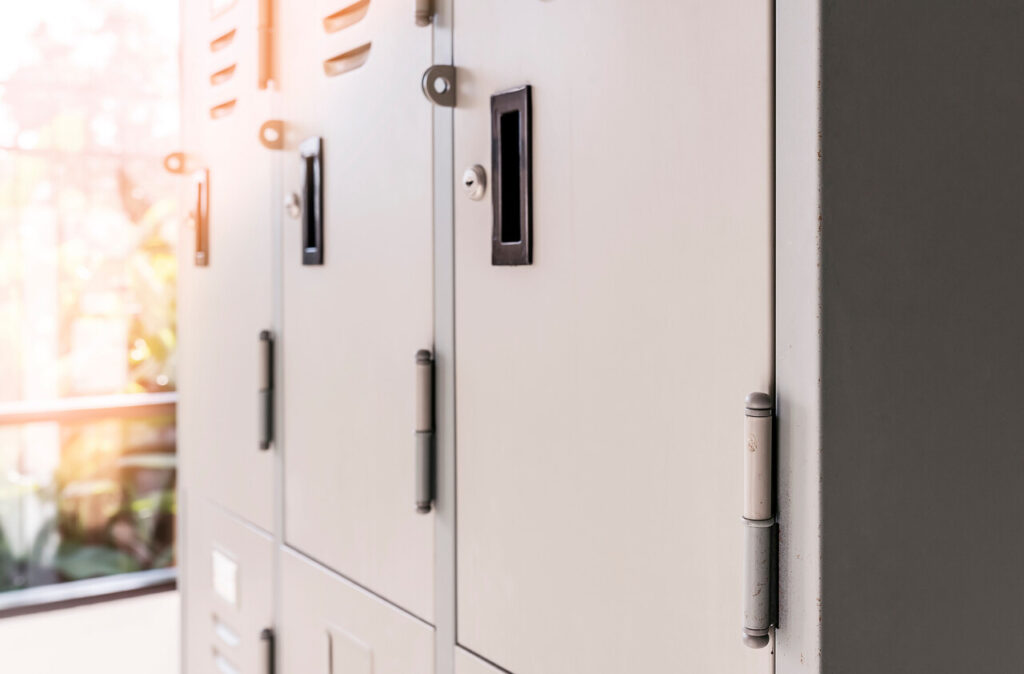
Packing a small mudroom with wall-to-wall lockers and tall cabinets sounds efficient on paper, but in practice, it often makes the room feel like a narrow storage closet rather than a usable transition zone. Every extra inch of depth you add to the walls is an inch you lose in walking space, which matters when people are coming in with bags, groceries, pets, or kids in tow. Doors from tall units can clash with the main entry door or each other, and there is rarely enough room for more than one person to be in the space at once. In winter, when bulky coats and boots are in circulation, this tightness becomes even more obvious. Good mudrooms keep a clear floor area as a priority.
2. Relying Only On Closed Storage With No Hooks Or Open Spots
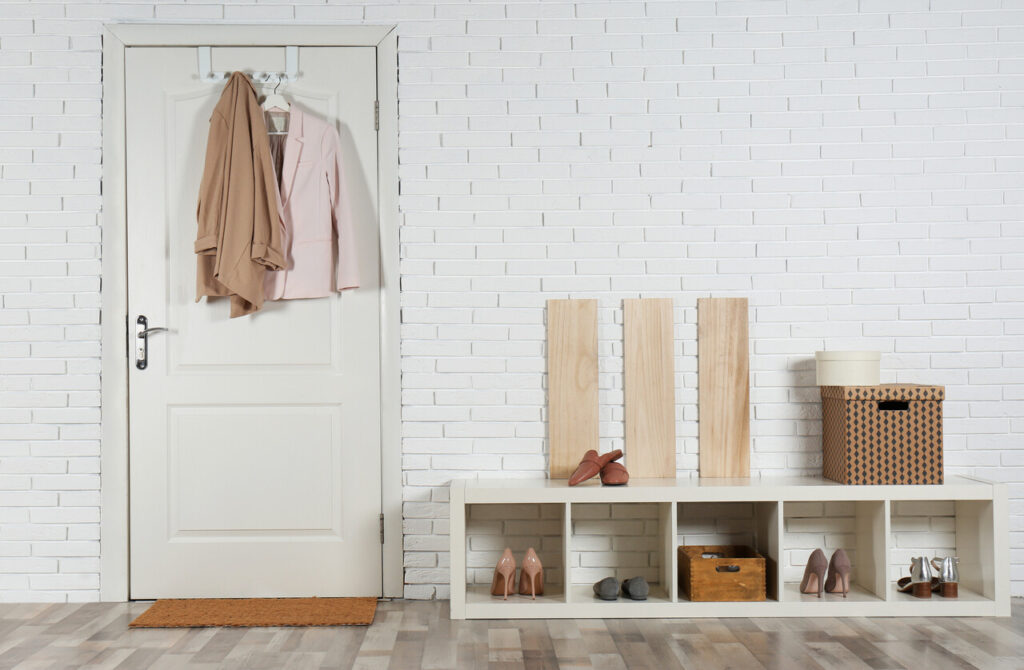
Fully enclosed storage looks neat the day you finish the project, yet it can work against how people actually behave. Most of us are more likely to hang a coat on an open hook than to open a door, reach for a hanger, and close the door again. Kids in particular are unlikely to tuck backpacks into cabinets every day. Without open hooks, low baskets, or visible shelves, items end up piled on the floor or draped over furniture near the entry. Cabinets turn into catch-all spaces where things are shoved in randomly and forgotten. Over time, this creates hidden clutter behind every door and visible mess outside them.
3. Choosing Finishes That Cannot Handle Dirt, Water and Daily Wear
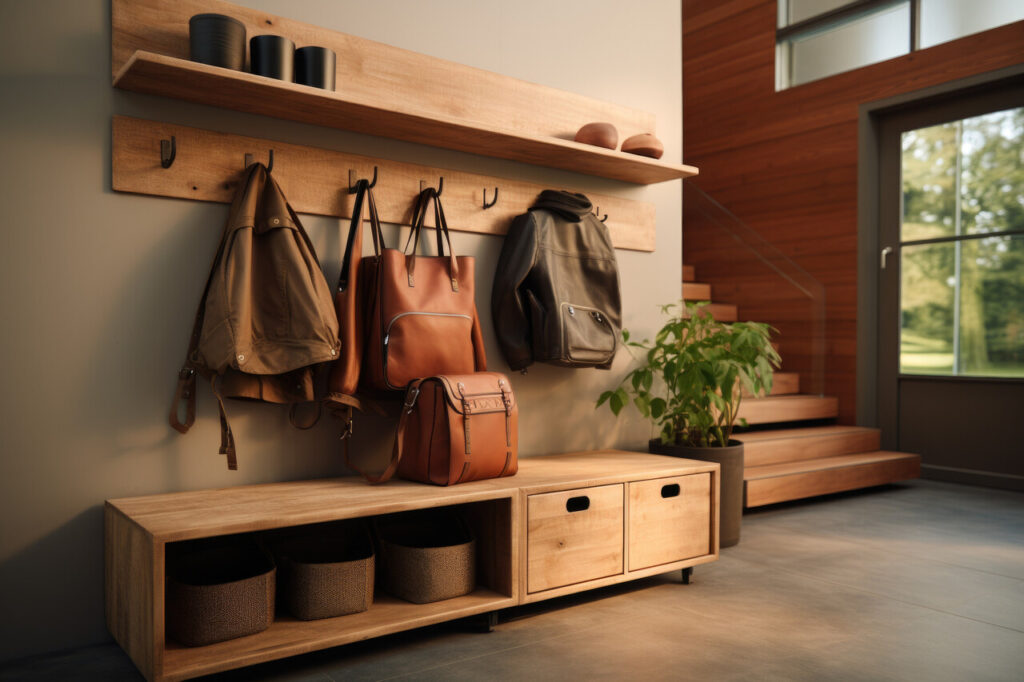
A mudroom is where the outside world first hits the inside of your home, so everything in it needs to cope with moisture, grit, and heavy use. Installing light colored carpeting, soft wood flooring, or easily stained wall finishes in this area is almost guaranteed to cause frustration. Wet boots, dripping umbrellas, and dirty sports gear will stain and wear those surfaces quickly. Grout with wide, light joints shows every splash. Unsealed wood can swell or discolor where water sits. If drying racks or boot trays are placed on flooring not rated for constant dampness, you may end up with warping or mildew underneath. The more fussy the materials, the more cleaning and repair they require.
4. Ignoring Traffic Flow And Blocking Entry Paths With Furniture
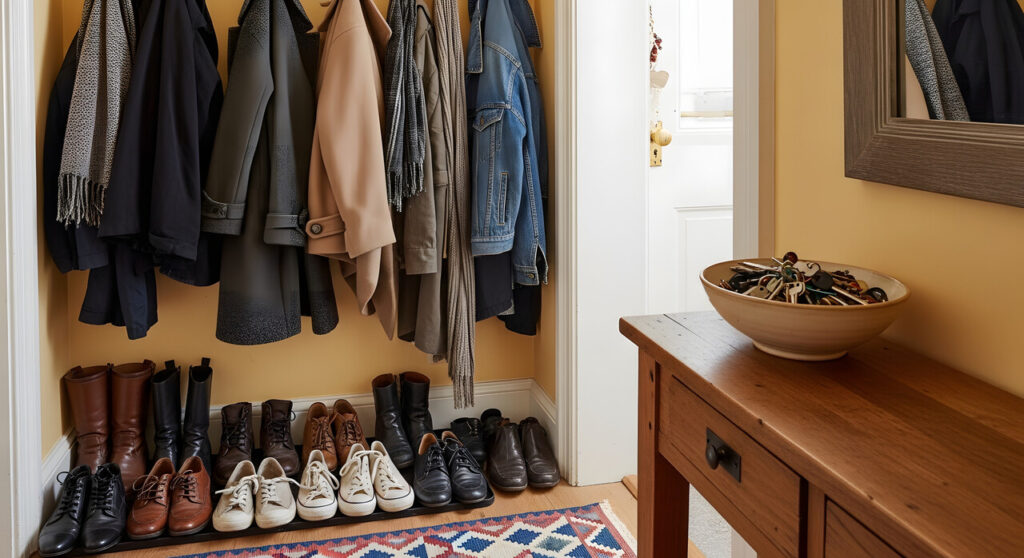
Mudrooms are high-traffic spaces, so layout missteps show up immediately. Putting a deep bench directly behind an inswing door, for example, might look good on a floor plan but makes it hard to open the door fully when someone is standing there. Tall cabinetry placed too close to a corner can create blind spots and pinch points. When hooks or cubbies are located on a wall that requires people to step in and then double back, you get congestion at peak times, like school mornings. Add wet floors and loose shoes to the mix, and it becomes even more awkward. A functional mudroom layout starts from the way people actually enter: where their hands are full, where they want to drop keys, how they turn to sit and remove shoes, and how they exit toward the rest of the house.
5. Making The Mudroom A Style Showcase Instead Of A Workhorse
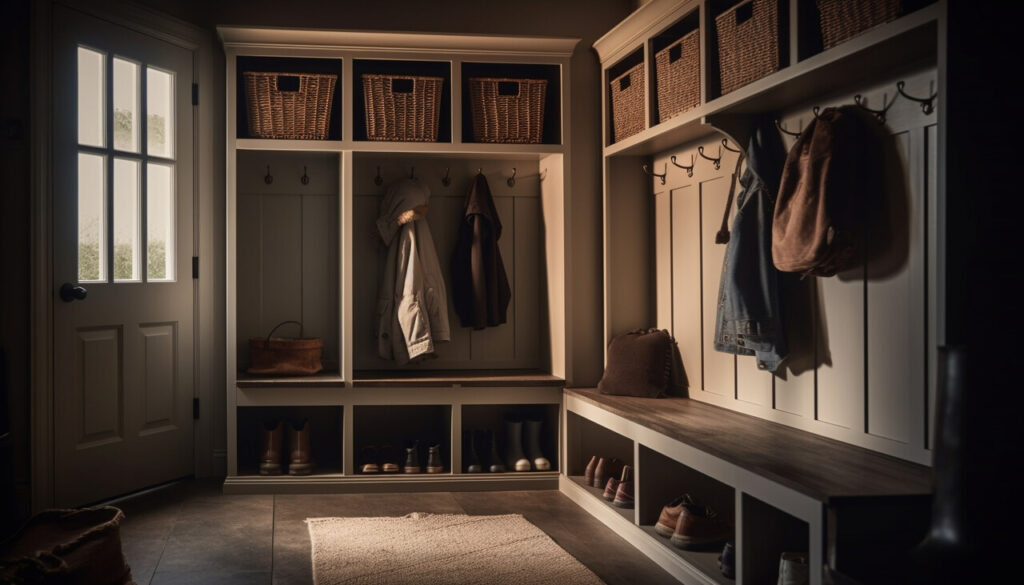
It is easy to get drawn in by images of spotless mudrooms with decorative signs, delicate baskets and pale textiles. The risk is designing for photographs rather than for daily life. White cushions on a bench used by kids in muddy gear will stain quickly. Decorative ladders or leaning mirrors can take up wall space that would be better used for hooks. Fragile decor on open shelves competes with the functional items that actually need to live there. When the focus is on creating a pretty moment, you may downplay essentials like durable flooring, quality hardware or enough ventilation to dry damp clothing.
6. Designing Storage For One Narrow Purpose Instead Of Flexible Use
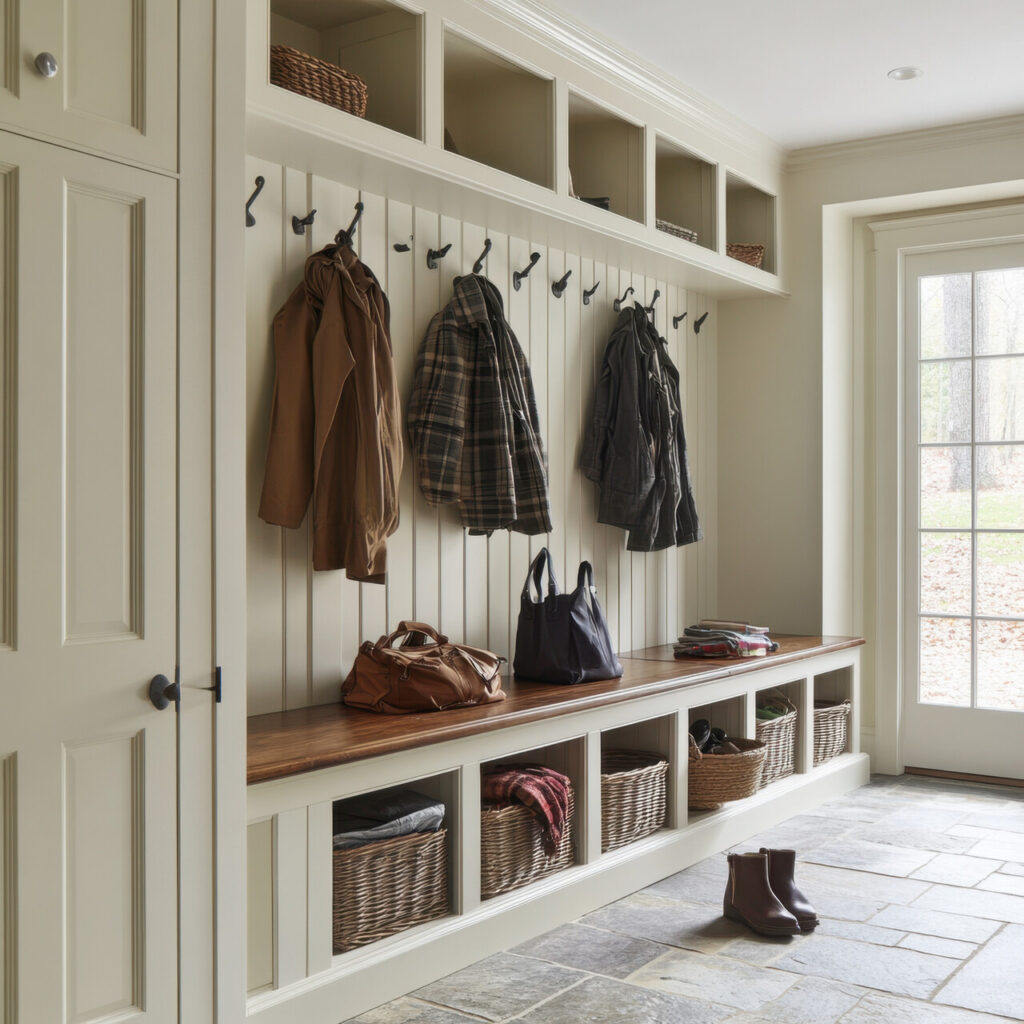
Planning a mudroom solely as a shoe wall or just as a coat closet seems efficient, but people’s needs change across seasons and years. In summer, you may need space for sports equipment, beach bags, and hats. In winter, you need spots for heavy coats, scarves, snow gear, and maybe pet supplies. If your storage is built to one rigid specification, such as only shallow cubbies for shoes or only tall hanging for coats, it will underperform part of the time. Families grow, hobbies shift, and even work patterns change, which alters what passes through that entry. Good mudroom storage usually includes adjustable shelves, a mix of hanging and cubby space, and bins or baskets that can be reassigned.
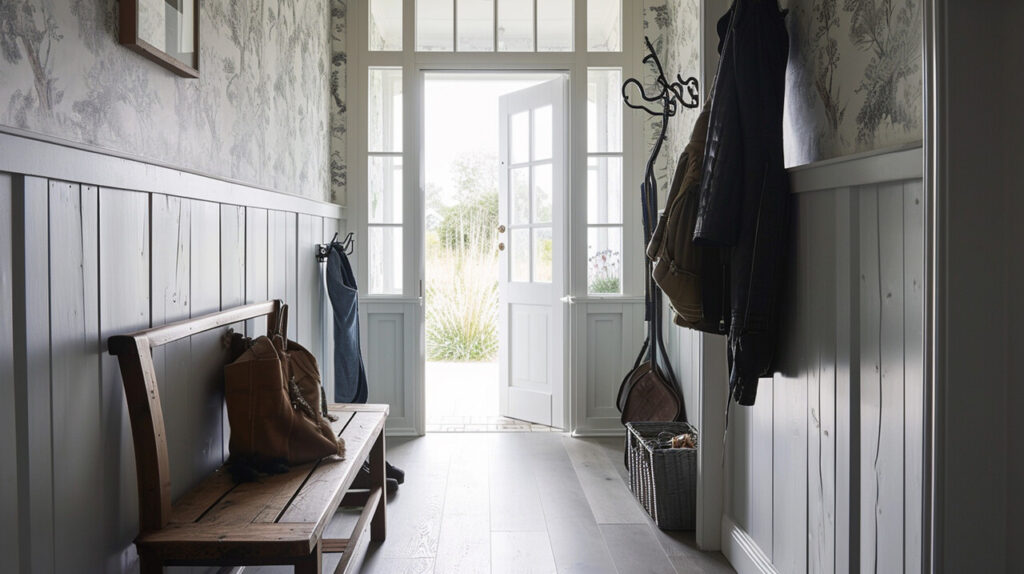
7. Forgetting Everyday Basics Like A Bench, Hooks And Simple Drop Zones
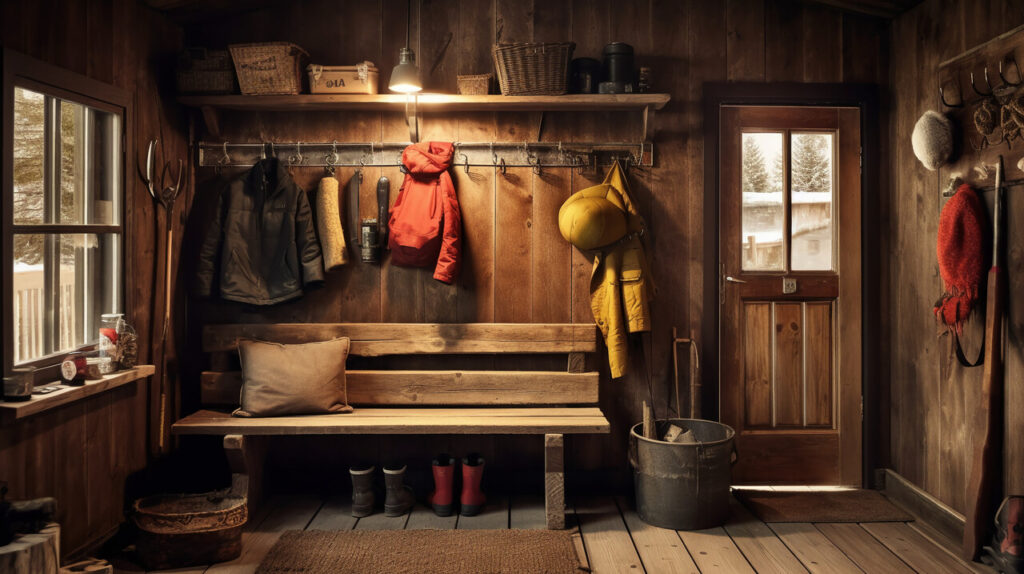
Some mudroom plans get so focused on cabinetry and design features that they skip the most basic tools that make the room useful. A solid bench at a practical height matters because most people prefer to sit while tying their shoes or pulling off their boots. Without it, they lean on walls or track dirt into other rooms to find a chair. Hooks at varying heights allow both adults and children to hang coats and bags quickly. Without them, railings and door handles become improvised hanging spots. Small, defined drop zones such as a tray for keys, a bowl for loose change, or a shelf for mail, prevent these items from scattering across the rest of the house.