14 Holiday Décor Trends That Felt Tired
Although decorating for the holidays is supposed to be happy and intimate, some ideas have been used so frequently that they no longer feel festive. Many once-popular décor concepts have lost their allure as homes grow more individualized and fashions change. Certain seasonal mainstays have become visual clutter rather than significant accents because to overuse, mass manufacture, and a lack of inventiveness. Making spaces feel cozy, purposeful, and revitalized for the season requires an awareness of which fads are out of style. Giving up on outdated concepts doesn’t mean giving up on tradition; rather, it just makes room for more deliberate, well-balanced, and contemporary holiday styling that feels unique every year.
1. Overloaded Christmas Trees
Overwhelming toppers, ribbons, and ornaments can make trees seem untidy rather than festive. Individual ornaments lose their impact and the tree becomes visually taxing when every limb is crammed. Attempting to display whole collections at once gave rise to this style, although it frequently overwhelms smaller living areas. Additionally, because limbs sag abnormally and ornaments tangle, overcrowded trees are more difficult to maintain. Texture, shape, and significant elements can be highlighted with a more understated approach. The tree feels more balanced and elegant rather than congested when branches are allowed to breathe.
2. Artificial Snow Flocking Everywhere
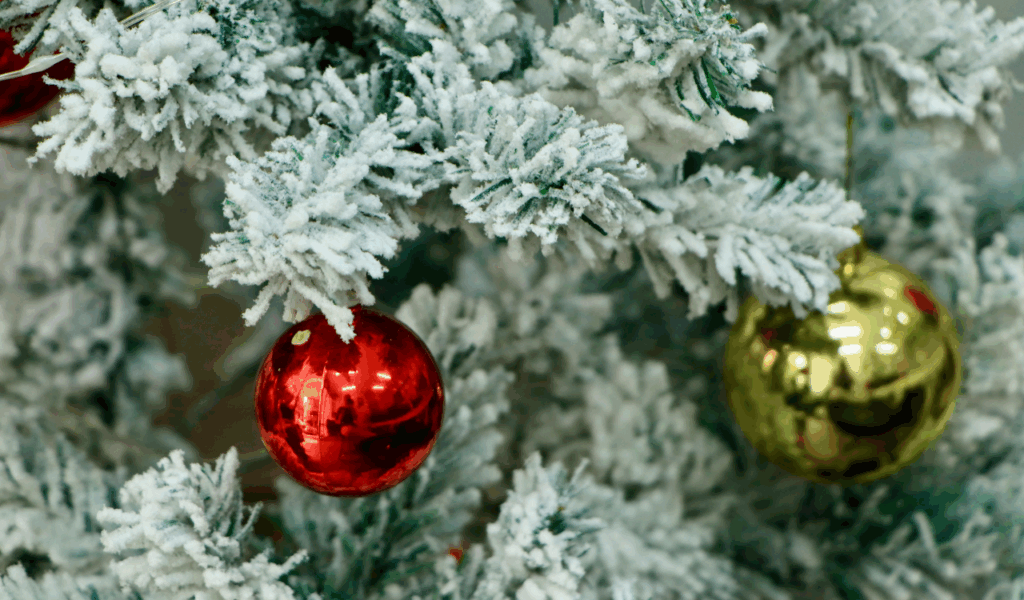
Once upon a time, the presence of heavy artificial snow on trees, garlands, and wreaths had a magical quality, but in recent years, its allure has diminished. It is possible for thick flocking to appear sloppy since it sheds, coats floors, and adheres to garments. Warmer climates can give the impression that the style is not in line with reality, which can make the interiors appear staged rather than pleasant. The longevity of flocked décor is reduced over time because it yellows or clumps or both. What used to denote the allure of winter now frequently appears to be impractical and fleeting. Winter textures that are more subtle tend to age better and continue to keep spaces looking cleaner and more natural.
3. Matching Décor Sets
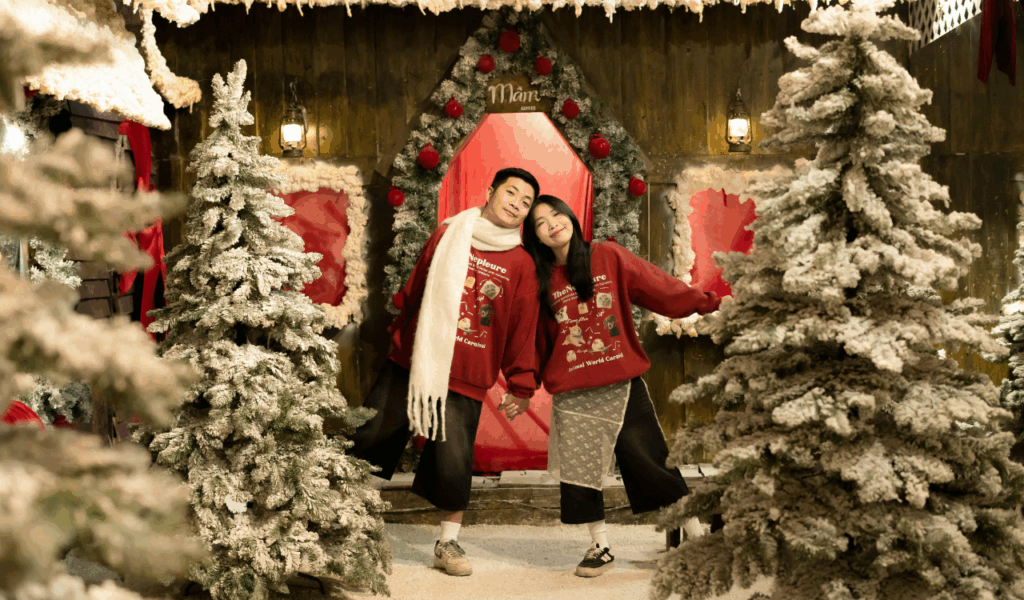
Holiday decorations that all match perfectly give a showroom look that isn’t really personal. The same ornaments, stockings, and table pieces may look nice at first, but they gradually fade from memory. This trend takes away people’s uniqueness and makes homes look like catalog displays. There is no visual tale or emotional connection when everything is the same. Guests notice how similar everything is, but they don’t always remember it. Combining different materials, finishes, and important accents adds depth and warmth. Personal touches make holiday decorations feel more like home and less like something that was made in a factory.
4. Inflatable Outdoor Decorations

Big inflatable figures are common in yards, although they don’t usually make them look better or last longer. They appear cool, but when they’re not completely fueled, they often look bloated, noisy, or oddly shaped. Strong winds, wetness, and cold weather diminish their lives, therefore they are only good for one season. Over time, areas with a lot of the same inflatables lose their appeal. What used to be fun now seems like it’s going to happen over and over again. You can still make your outdoor decorations look festive without using big plastic displays that get old quickly and need a lot of care.
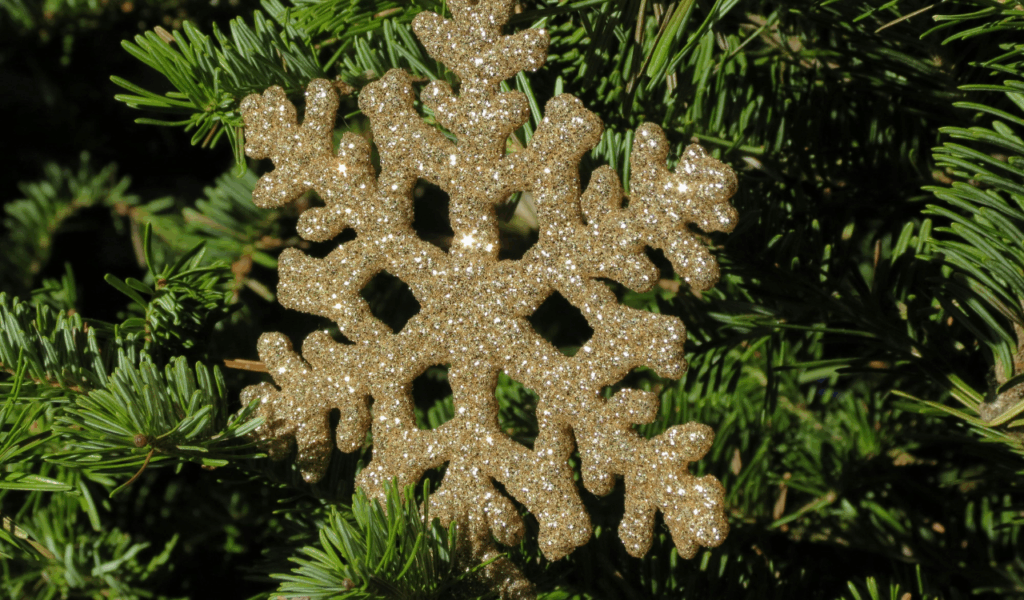
5. Excessive Glitter Accents
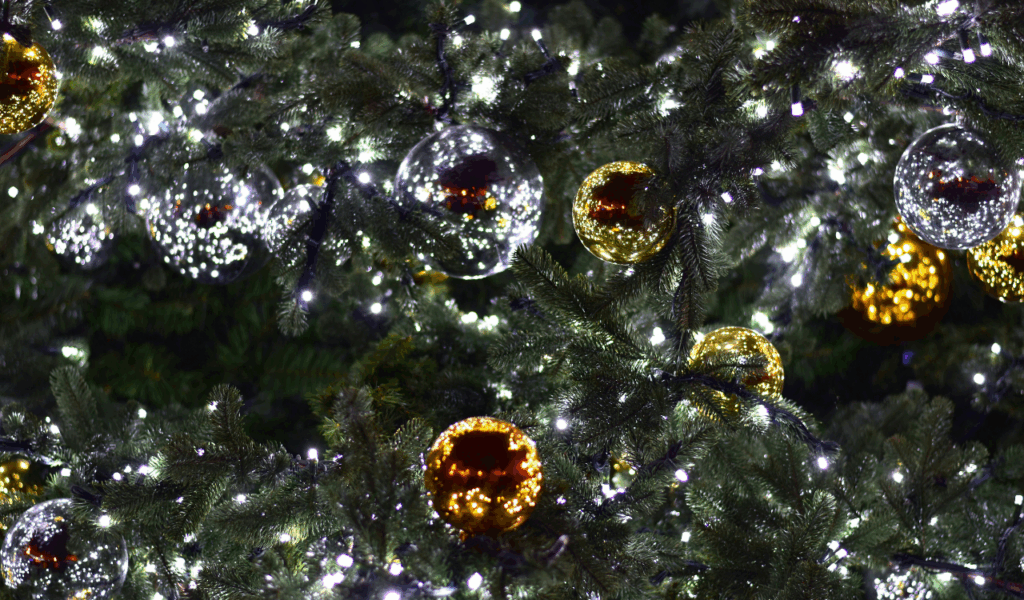
Big inflatable figures are common in yards, although they don’t usually make them look better or last longer. They can be eye-catching, but when they’re not completely fueled, they often look bloated, noisy, or oddly shaped. Strong winds, rain, and cold weather make them last less long, therefore they are a seasonal investment that doesn’t last long. Over time, communities with a lot of inflatables that look the same get boring to look at. What used to be fun now seems like a cycle that will end. You can still make your outdoor decorations look festive without using big plastic displays that get old quickly and need a lot of care.
6. Monochrome Red and Green Rooms

Having a whole space adorned in red and green can give the impression of being outmoded and visually uninteresting. Even though these hues are considered to be classic, focusing solely on them gives very little possibility for nuance or innovation. Spaces lose breadth and have a sense of predictability when every accent is designed to follow the same palette. The use of a variety of tones and natural textures, which help to reduce the impact of bold hues, is frequently beneficial to modern interior design. Excessive use of vibrant colors like red and green can also cause furniture to clash with the rest of the room. By including neutral pieces, you may achieve harmony while still paying homage to traditional holiday colors.
7. Oversized Word Signs

It used to be popular to have big signs with holiday words on them, but today they seem too much. Words like “joy” or “merry” that are used over and over in homes have lost their appeal. These placards typically take up a lot of space on walls or shelves without adding anything to them. Because they are so big, they can’t be easily stored or used again. They can feel like filler instead of adding to the decor. As tastes change to more subtle and layered styles, big word decor looks more like a business than a sincere gesture, which makes it less emotive.
8. Tinsel Overload

Tinsel that is too heavy on trees, mantels, and staircases can quickly feel too much. Tinsel looks great when it reflects light, but too much of it makes things look messy and takes away from other decorations. It also gets tangled up easily, which makes it hard to set up and take down. Tinsel loses its brilliance and sheds with time, leaving behind dreary strands. This trend reached its apex when people wanted the most sparkle, but now it seems too busy. When you employ reflected items carefully, they tend to look more planned and keep the decor from feeling messy.
9. Novelty-Themed Trees
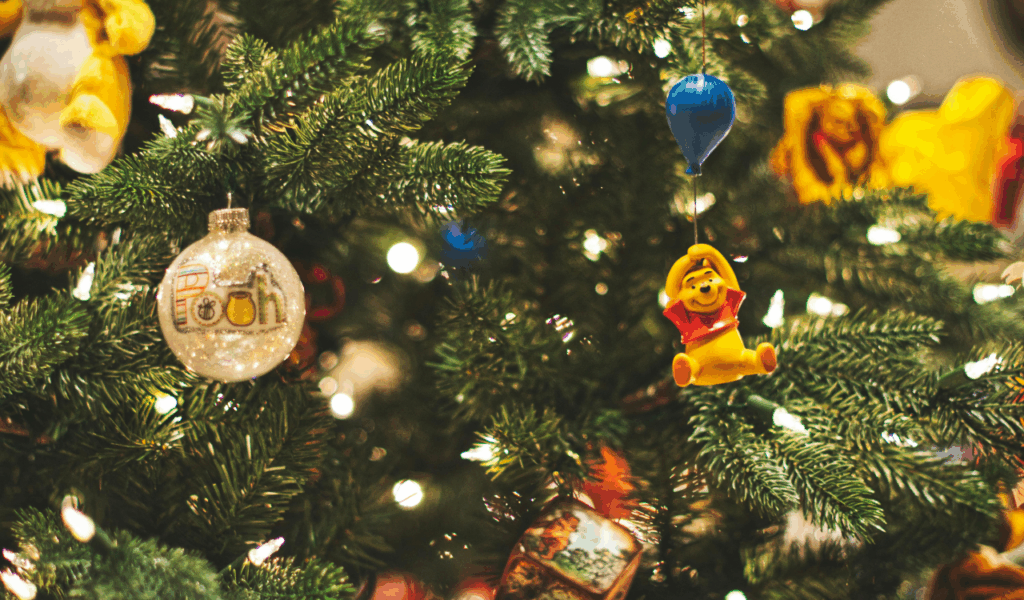
Trees that are founded only on new ideas, like candies or people, don’t last very long. They can be amusing for a while, but over time they can seem silly or forced. These themes don’t allow for much change and don’t change with people’s tastes very often. After a while, the tree doesn’t feel like a Christmas centerpiece anymore; it feels more like a display. As themed parts get older, they also become harder to store and replace. The ability of a tree to undergo transformations from one year to the next makes it more intriguing and enables greater personal expression.
10. Over-decorated Dining Tables
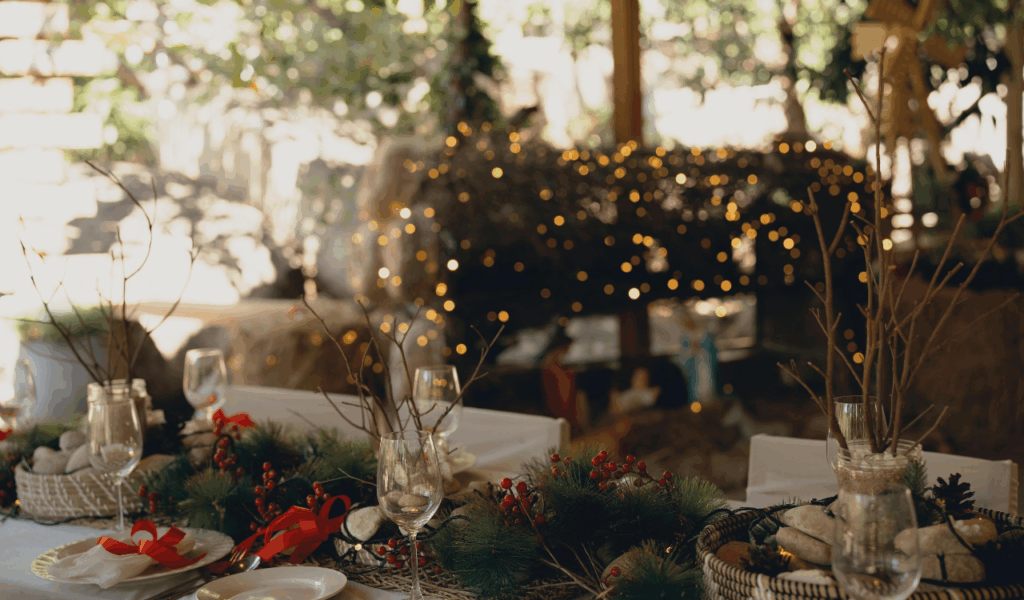
Dining can be an unpleasant experience when holiday tables are cluttered with centerpieces, candles, and other decorations. When there is an excessive amount of space taken up by decorations, it becomes difficult to serve food and have conversations. The fact that this approach places an emphasis on look rather than functionality frequently irritates guests. Additionally, tall or enormous centerpieces obstruct sightlines, which in turn reduces the level of interaction at the table. Not only should a dining arrangement complement the experience, but it should also enhance it. It is possible for meals to remain the focal point of attention while still feeling festive and inviting thanks to thoughtfully scaled décor.
11. Plastic Garland on Every Surface

Garland made of plastic that is wrapped around stair rails, entrances, shelves, and cupboards can give the impression of being artificial and monotonous. When it is employed in excessive amounts, it appears to be overwhelming architectural elements rather than accentuating them. The texture of many plastic garlands is flat, and they deteriorate over time, becoming brittle or discolored. Trying to decorate every accessible space is a common source of inspiration for this trend. Nevertheless, constraint emphasizes the importance of quality over quantity. It is possible to provide visual rest and make selected accents stand out more successfully by allowing certain surfaces to remain unadorned rather than embellished.
12. Overly Themed Stockings

Stockings that are custom-made to fit a certain theme or character can frequently feel restrictive. Initially cohesive, they have the potential to become out of date as tastes shift over time. Designs with an excessive amount of themes restrict flexibility, making it more difficult to update the décor without having to replace everything. Individuality is another trait that they lack, particularly in houses where there are numerous personalities. Stockings are most effective when they are a reflection of the wearer’s particular style rather than a trend. Long-lasting materials and understated designs have a tendency to age more gracefully and continue to seem significant year after year.
13. Excessive Fairy Lights Indoors
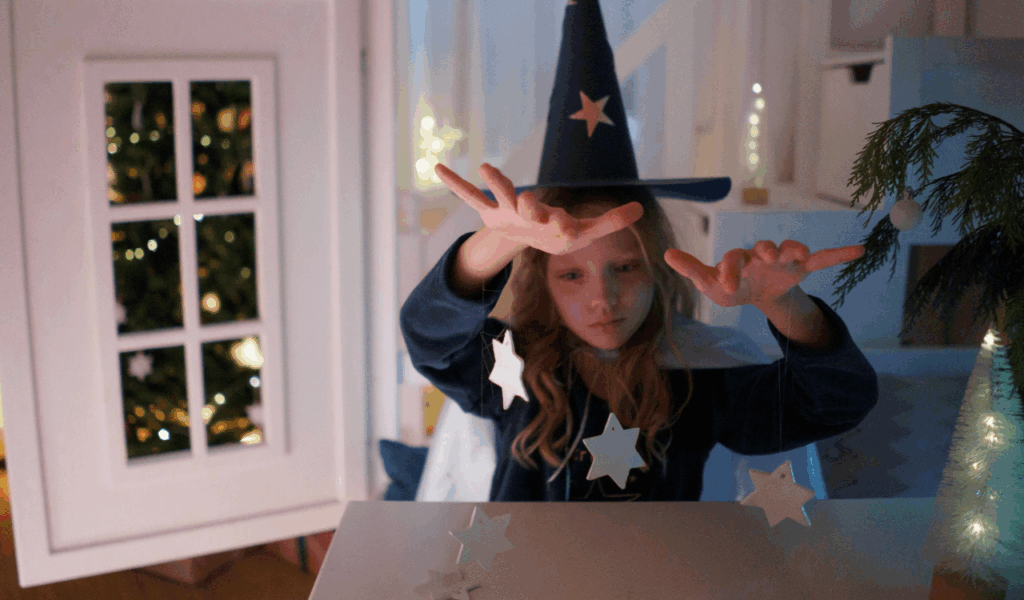
Indoor areas that are overrun with string lights can give the impression of being congested and distracting. In spite of the fact that lighting adds warmth, an excessive number of strands results in visual disorder and uneven brightness. As a result, cords become harder to conceal, which disrupts the flow of clean lines and décor. Over the course of time, this approach has the potential to give the impression that the rooms are not polished but rather transient. The arrangement of lighting strategically draws attention to prominent areas without making the space appear cluttered. The addition of a few strategically placed lights creates an atmosphere that is both balanced and comfortable.
14. Store-Bought Cookie-Cutter Displays
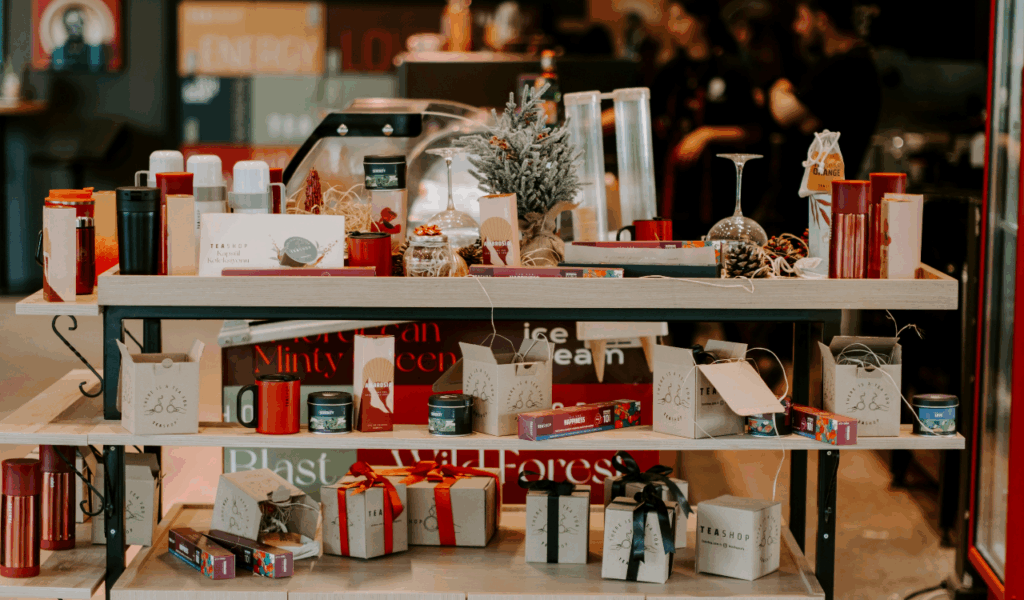
The use of preassembled Christmas décor kits eliminates the need for creative decision-making. In spite of their polished appearance, these displays are devoid of originality and emotional connection. The loss of originality occurs when a large number of homes employ the same products. As a result of this trend, spaces have the appearance of being staged since convenience is prioritized over expression. Over the course of time, these displays become less noticeable and merge into the background. When you use things that are personal or homemade, you lend a sense of warmth and authenticity to your Christmas décor, which makes it feel more significant than generic.