14 Festive Table Trends Your Guests Noticed Without Realizing It
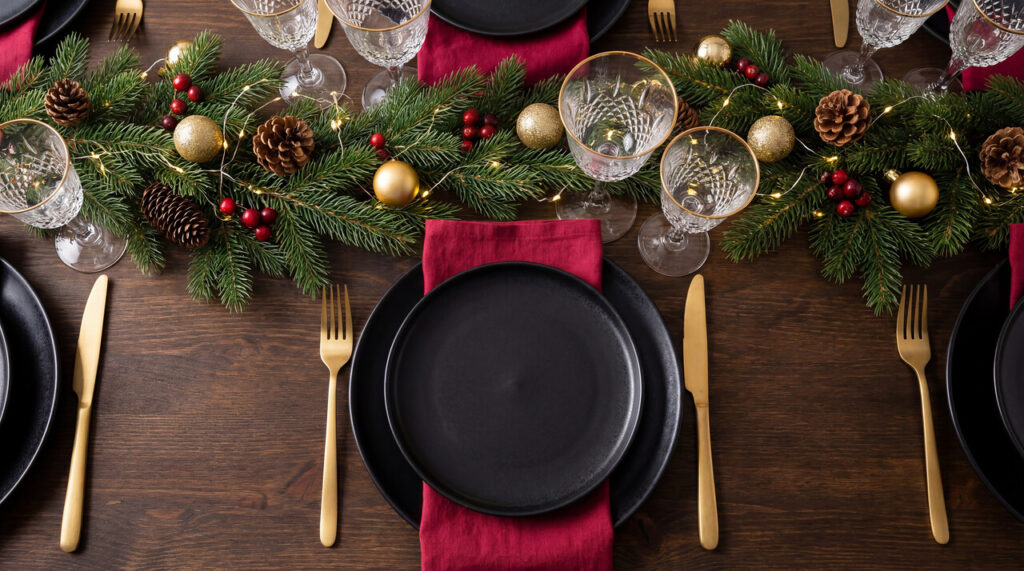
Festive tables often receive a lot of attention before guests arrive, with hosts carefully placing decorations, folding napkins, and arranging every detail. Once the meal begins, though, priorities shift quickly. Guests focus on food, comfort, and conversation, and many decorative touches fade into the background or get moved aside to make room for plates and serving dishes. This does not mean the effort was wasted, but it does explain why some table trends feel far more important to hosts than to the people actually sitting down to eat. These are the details that looked impressive during setup but rarely made a lasting impression once dinner was underway.
1. Intricately Folded Napkins That Disappeared Once Plates Arrived
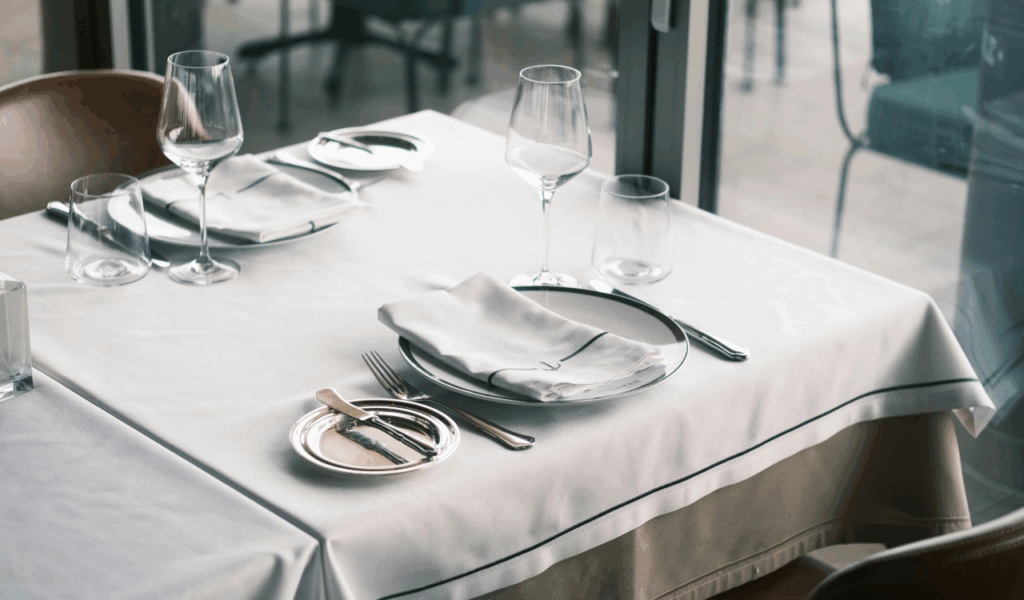
Fancy napkin folds look impressive during table setup, but their impact drops the moment guests sit down. As soon as napkins are unfolded and placed on laps, the careful shaping is gone. Guests are focused on finding seats, greeting each other, and passing dishes, not studying fabric details. In many cases, napkins get moved around as people adjust place settings or stack items to make room. All that time spent perfecting folds ends up serving only the host during setup photos. From a practical standpoint, simple folds work just as well and allow guests to use napkins easily without worrying about disturbing décor. When effort goes into details that disappear within minutes, it is easy to understand why guests rarely notice or remember them.
2. Mini Seasonal Figurines That Blended Into the Clutter
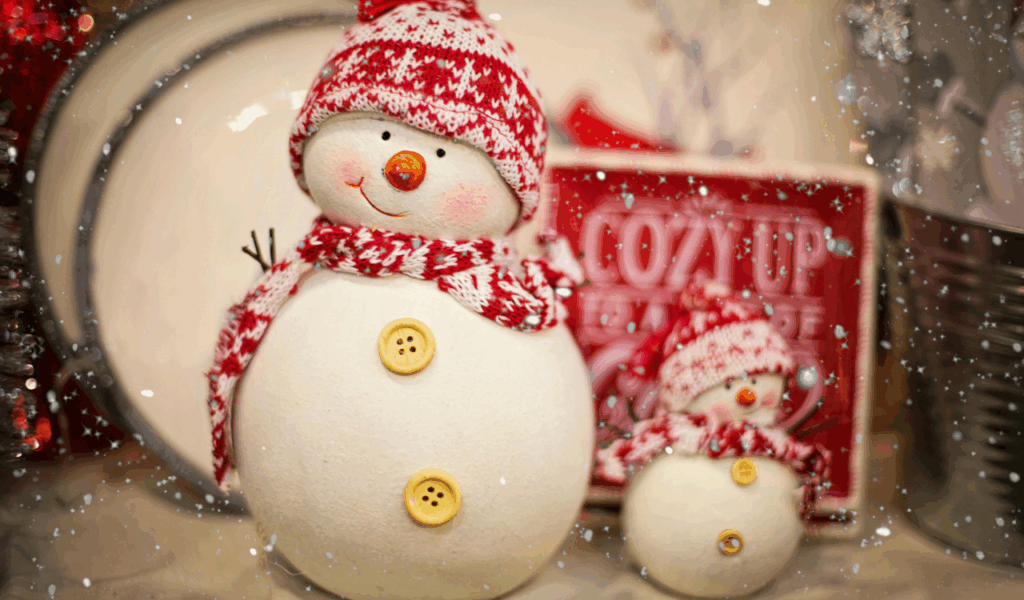
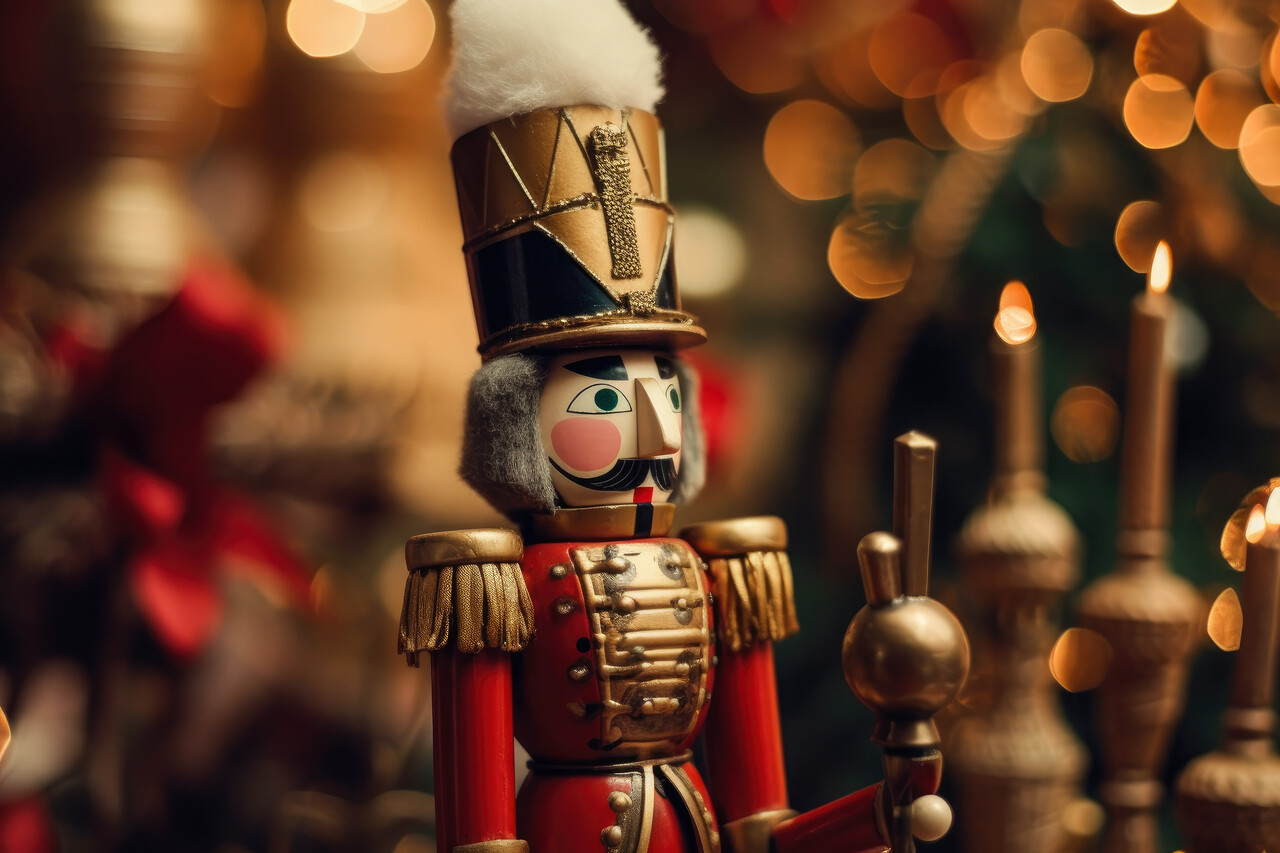
Small decorative figurines placed between plates and glasses are meant to add charm, but once the table fills with serving bowls and drinkware, they visually disappear. Guests are more aware of where to put their bread plates and glasses than of tiny decorative objects near the centerpiece. These figurines also tend to get nudged aside to make room for elbows or shared dishes. Because they sit low on the table, they compete with place settings rather than standing out. In busy table settings, small items simply cannot command attention. What feels cute during styling becomes invisible during actual use.
3. Perfectly Coordinated Table Linens That Guests Took for Granted
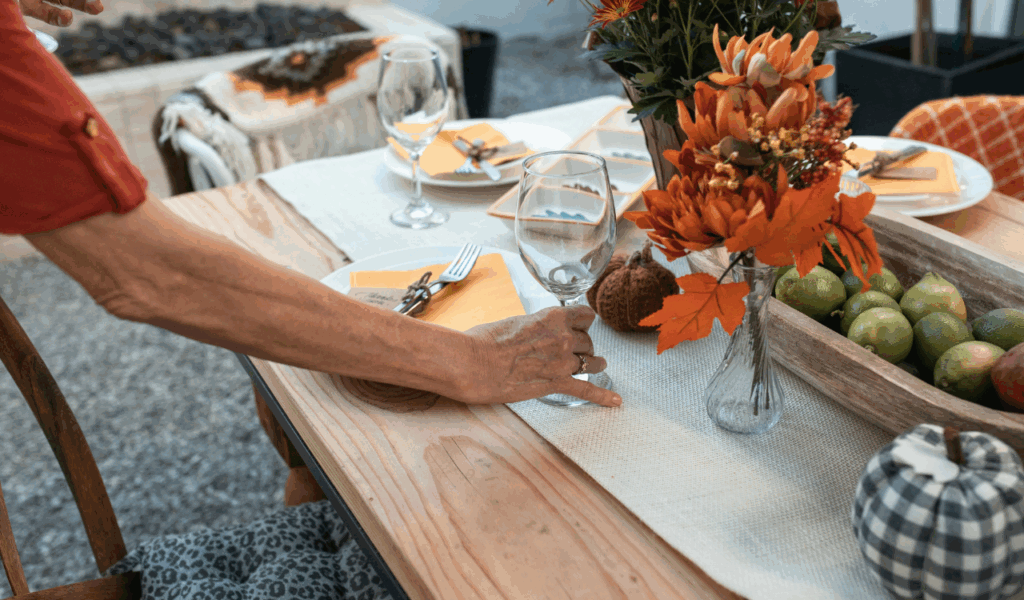
Matching tablecloths, runners, and napkins can create a polished look, but most guests register them only as background. Once people sit down, fabric becomes part of the environment rather than a focal point. Guests care far more about whether the chairs are comfortable and the food is easily accessible. Unless linens are uncomfortable or messy, they rarely earn comments. Hosts often invest time choosing shades and textures, but guests usually notice the overall mood, not specific fabric choices. Linens do support atmosphere, but they do so quietly and rarely become memorable features of the meal.
4. Trendy Drink Charms That Went Unused or Ignored
Glass charms and drink markers are designed to help guests track their drinks, yet many people forget to use them or struggle to see them once their glasses are filled. In dim lighting or busy gatherings, small charms do little to prevent mix-ups. Guests often rely on where they placed their glass rather than on decorative identifiers. Charms also fall off or get tangled, reducing their usefulness. While they look festive before drinks are poured, they rarely play a role once conversation and refills begin. What feels clever in theory often becomes irrelevant in practice.
5. Tiny Centerpieces That Got Pushed Aside for Food
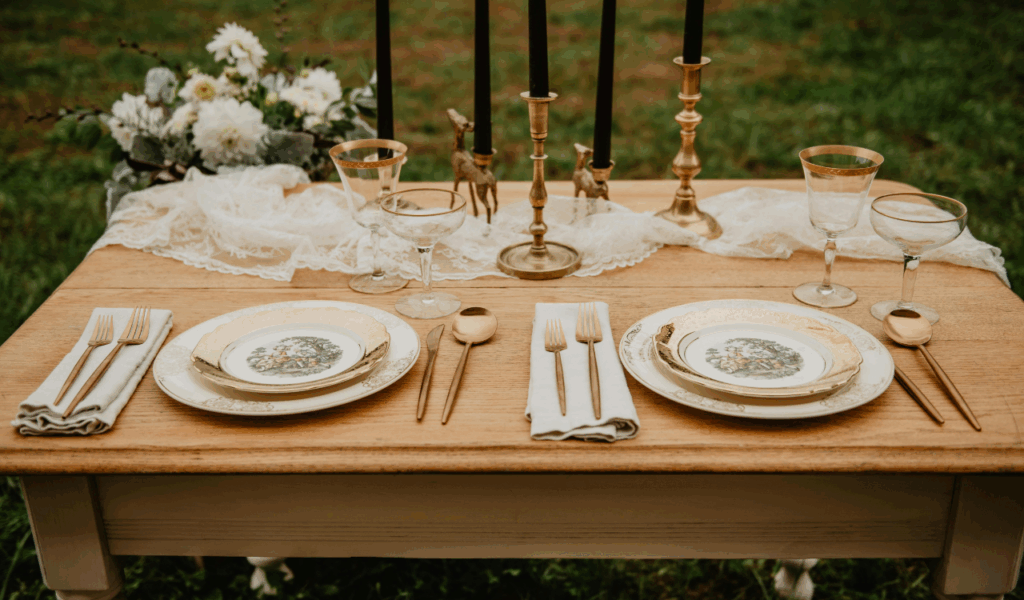
Small decorative centerpieces may look balanced on an empty table, but once serving dishes arrive, they lose their position and importance. Guests instinctively move anything that blocks shared food or makes passing plates awkward. Tiny trees, small vases, and decorative clusters often end up pushed toward table edges where they are barely visible. Food naturally becomes the centerpiece during meals, which is exactly where attention goes. Decorative items that cannot coexist comfortably with serving dishes rarely remain central for long.
6. Charger Plates That Disappeared Under Stacked Dishes
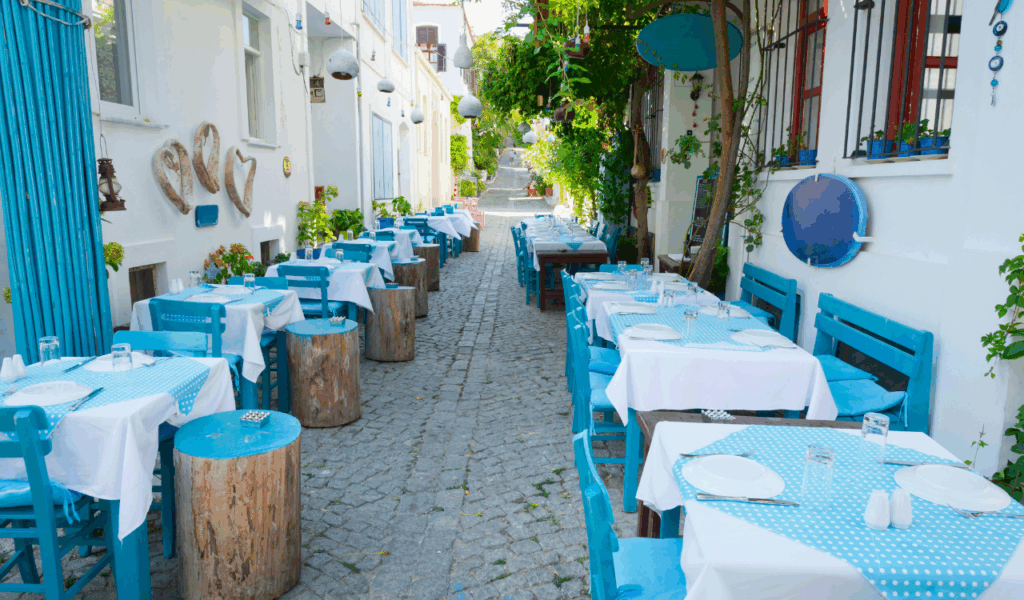
Charger plates add formality to place settings, but once dinner begins, they vanish beneath plates, bowls, and platters. Guests are focused on cutting food and passing dishes, not noticing decorative rims beneath their plates. Many guests do not even realize chargers are there. After the first course, chargers may be removed entirely or left hidden for the rest of the meal. While chargers can elevate the look of an empty table, their visual contribution during the actual meal is minimal. They serve more as styling tools than as meaningful dining elements.
7. Fully Matched Dish Sets That Did Not Register as Special
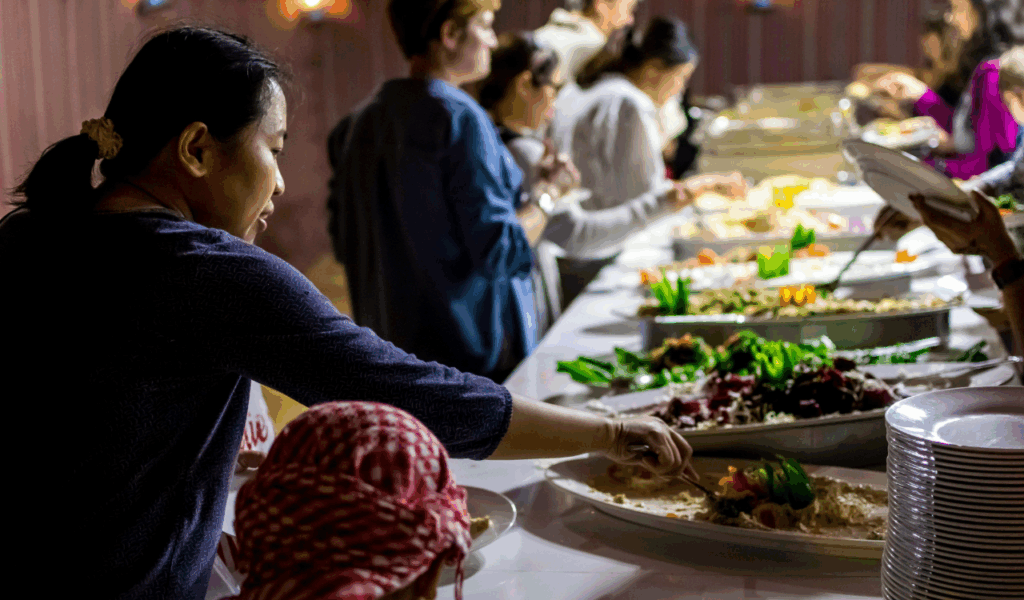
Hosts often take pride in using matching seasonal dinnerware, but guests usually notice cleanliness and food presentation more than plate patterns. Once meals are served, plates function as backgrounds for food, not as focal décor. Unless dishes are extremely unusual, most people do not comment on them. Guests are more likely to remember flavors, portion sizes, and how smoothly the meal flows. Matching tableware may help the host feel organized and festive, but it rarely becomes part of the guest experience in a meaningful way.
8. Glittery Accent Pieces That Became Visual Noise
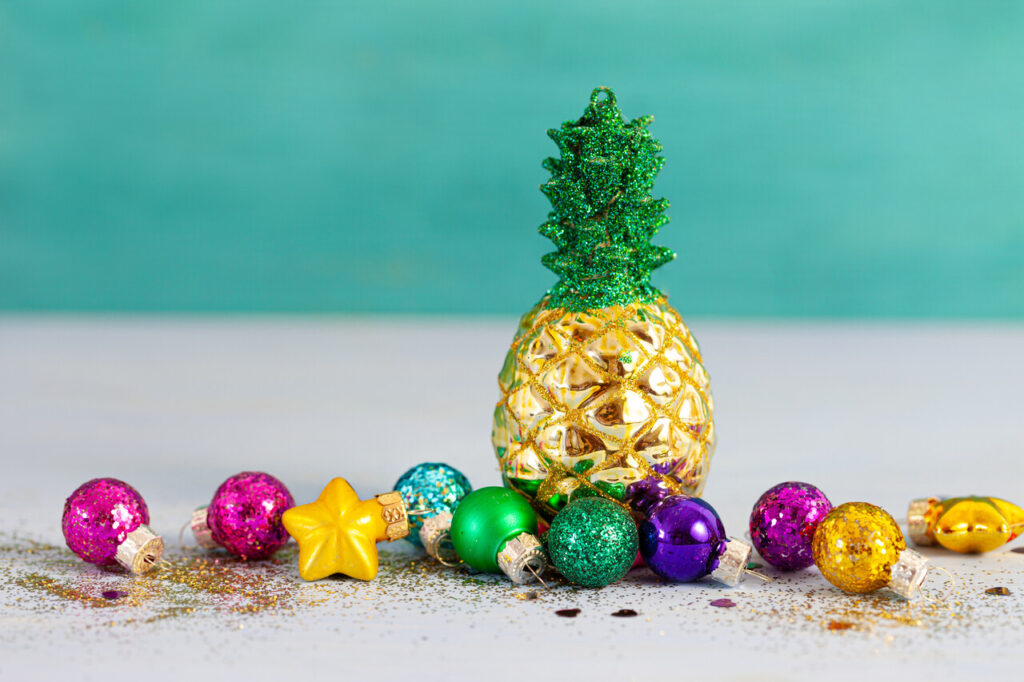
Metallic and glittery accents catch light and look festive when the table is empty, but during meals, they often fade into visual clutter. Reflections compete with candlelight, glassware, and polished utensils, creating busy surfaces rather than focused highlights. Guests quickly tune out shiny objects once the conversation begins. In some cases, glitter sheds onto table surfaces or clothing, which becomes more noticeable than the decoration itself. Instead of enhancing mood, excessive sparkle often becomes a background distraction that guests barely register.
9. Elaborate Place Cards That Were Read Once and Forgotten
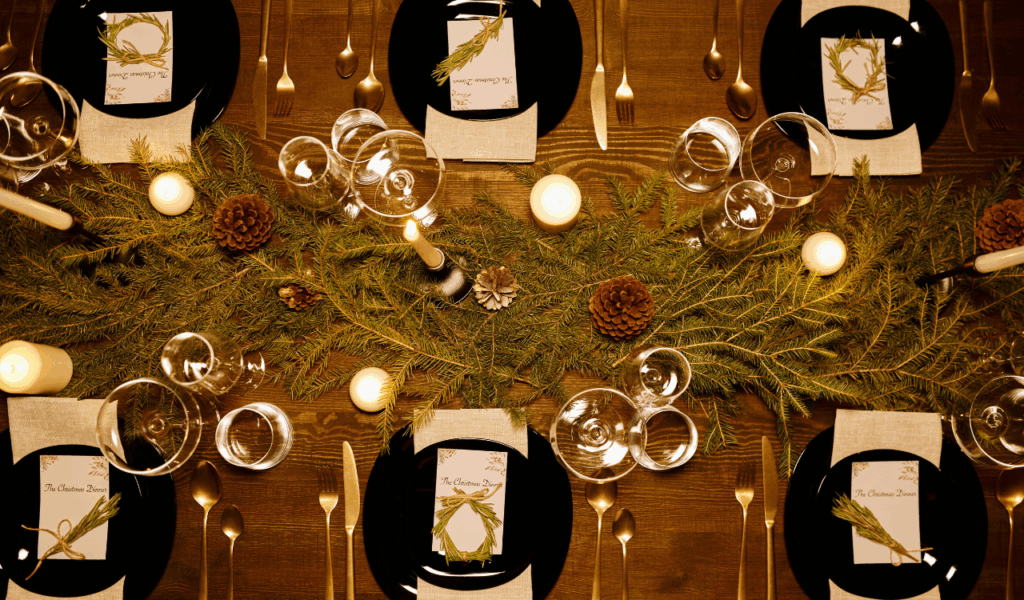
Decorative name cards can help with seating, but their design rarely matters after guests find their spots. Once people are seated, place cards are pushed aside or removed to clear space. Guests rarely spend time examining fonts, paper textures, or embellishments. The practical function is fulfilled in seconds, and the decorative effort quickly becomes irrelevant. While thoughtful placement helps with social balance at the table, the visual styling of place cards usually goes unnoticed beyond initial arrival.
10. Fairy Lights Hidden Under Greenery That Could Not Compete With Room Lighting
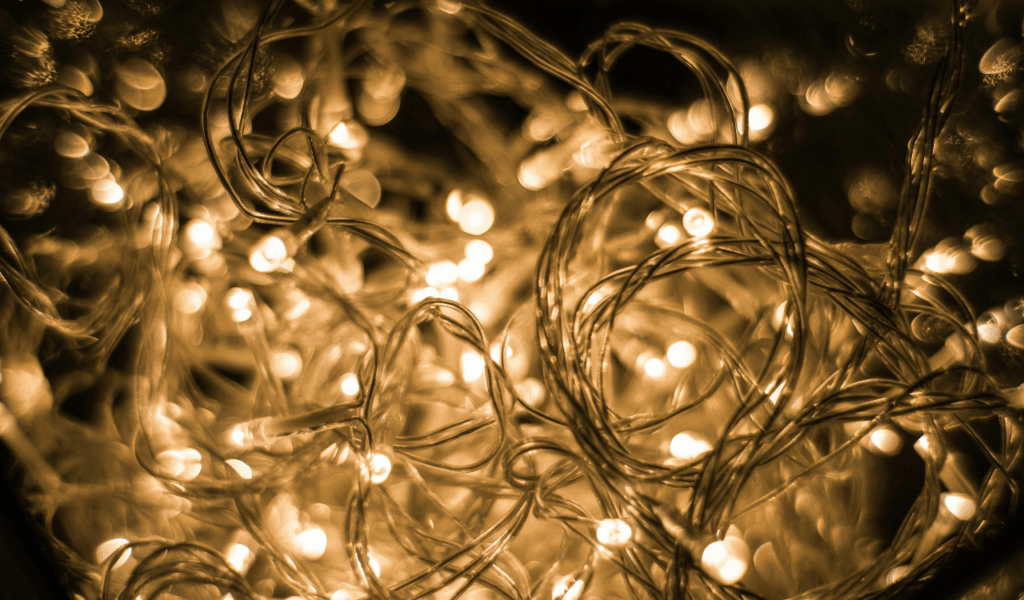
Tiny string lights woven through garlands look magical in dim staged photos, but real dining rooms usually have overhead lighting that washes out subtle glows. Once candles and lamps are lit, small LEDs contribute little to overall brightness or mood. Guests may not even realize the lights are present. Wiring and battery packs also tend to get hidden under foliage, making the effect even harder to see. What looks atmospheric in close-up shots often disappears in full room settings.
11. Favor Boxes That Stayed Closed Until Guests Left
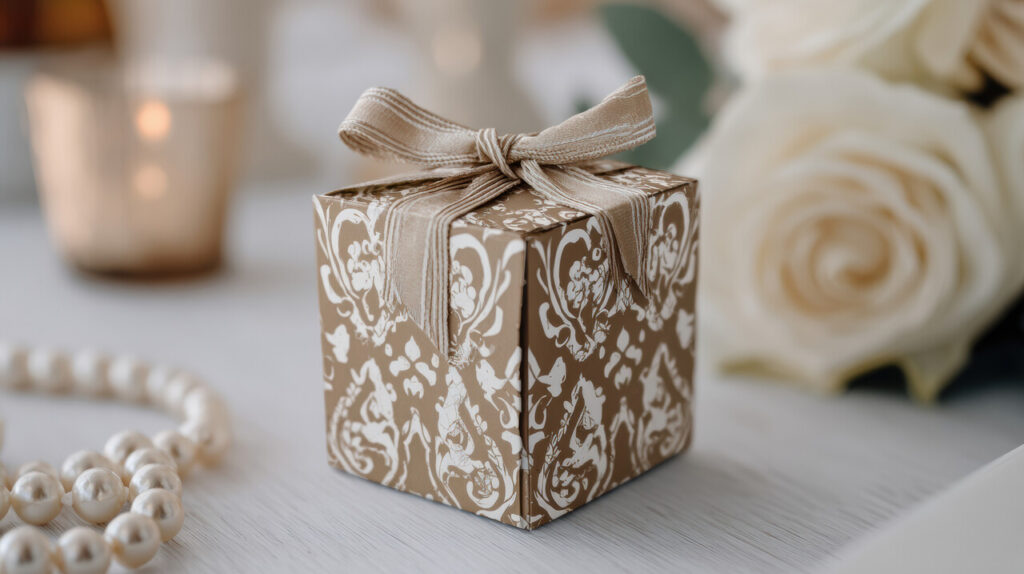
Small take-home gifts look charming during setup, but during meals, they are rarely noticed. Guests are focused on plates, glasses, and conversation. Favor boxes often sit untouched until the end of the night, and sometimes get forgotten altogether. When space is tight, guests may move them aside without opening them. The intention is kind, but during the meal itself, favors contribute little to the dining experience. Appreciation often comes later, if at all.
12. Patterned Table Runners That Were Hidden by Dishes
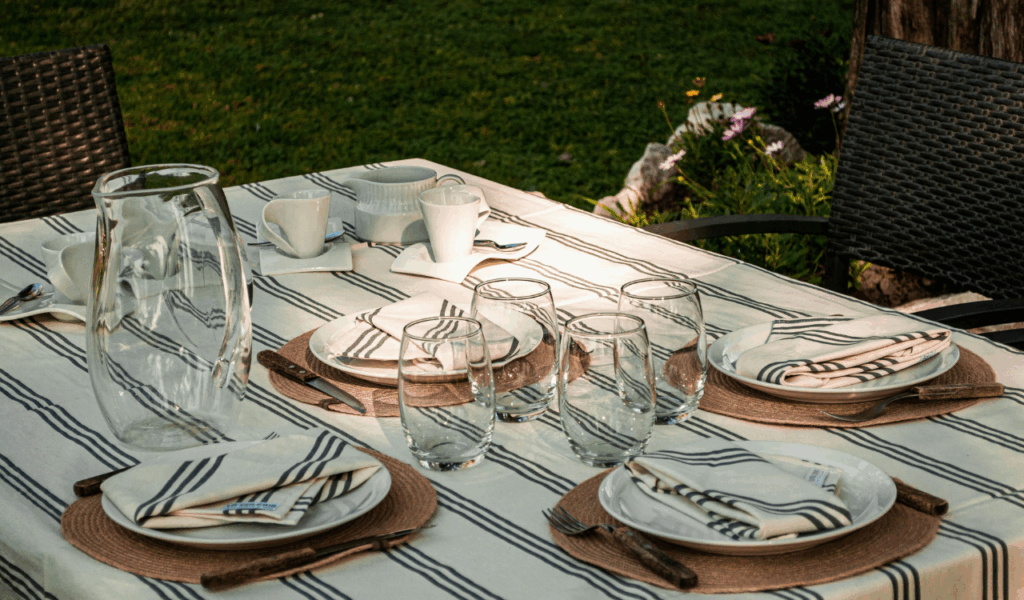
Table runners are meant to anchor centerpieces and add contrast, but once serving dishes cover most of the table, very little of the runner remains visible. Guests rarely see more than narrow edges of fabric between plates. Any pattern or texture becomes secondary to practical table use. Hosts may carefully coordinate runner colors with décor, but the visual payoff is limited during actual dining. Runners do contribute to setup photos, yet they rarely shape how guests experience the meal.
13. Tall Centerpieces That Guests Immediately Looked Around
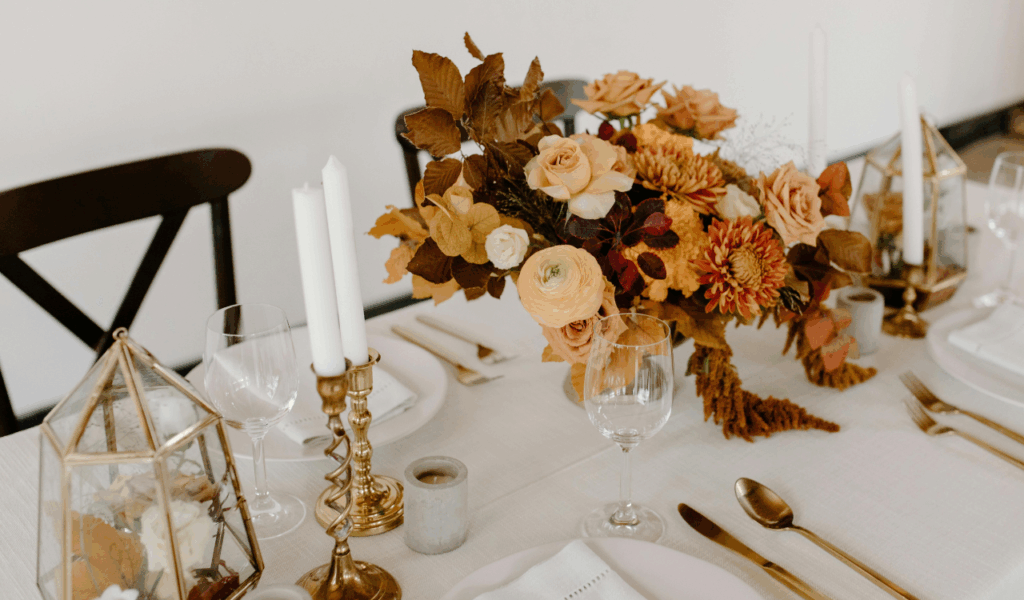
High arrangements can feel dramatic, but they also block sightlines. Guests quickly stop paying attention to tall pieces once they realize they interfere with conversation. People naturally lean and shift to see one another, making the centerpiece irrelevant. Over time, it becomes an obstacle rather than an attraction. Visual drama matters less than social comfort during meals. Decorations that interrupt interaction are often forgotten as soon as people start talking.
14. Perfectly Arranged Cutlery That Guests Rearranged Instantly
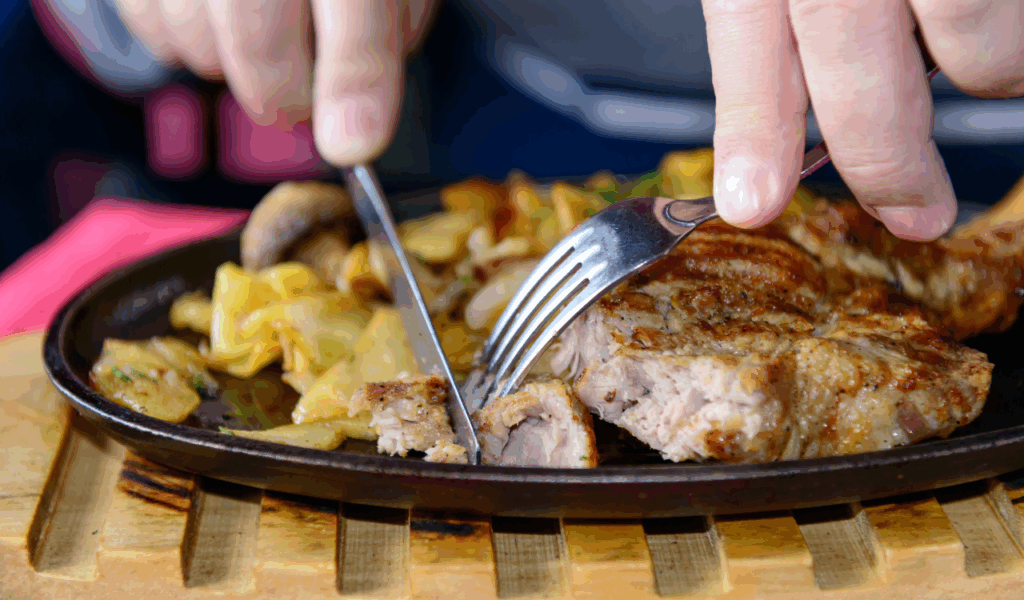
Formal utensil placement may look elegant, but guests tend to move silverware to suit their comfort and eating style. Extra forks and spoons get shifted or stacked. Guests grab what they need without paying attention to the original layouts. Once dishes arrive, plates and glasses shift positions, changing the entire place setting arrangement. Precision in setup rarely survives the first few minutes of eating. What matters more is that utensils are clean, comfortable, and easy to reach, not that they were perfectly aligned at the start.