10 January Home Purchases That Felt Pointless
January is when many people try to reset their homes with small upgrades that promise better habits, more energy, or a fresh start. The problem is that not every purchase supports real daily routines. Some items look helpful in stores but fail once they meet busy schedules, limited space, and old habits that never quite change. When products do not fit how people actually live, they quickly lose value and become background clutter. These are the home buys that felt useful in theory but added little to everyday comfort or efficiency.
1. Trendy Storage Bins That Didn’t Fit Existing Shelves

January often sparks a rush to buy matching bins that promise instant organization, but many people forget to measure first. When bins are even slightly too tall, too wide, or too deep, they either waste space or cannot be used at all. Instead of creating order, they sit half full or stacked awkwardly on top of shelves. Some bins also block access to items behind them, making daily use harder. Over time, people stop using them and return to old storage habits. Good storage needs to match the dimensions of existing furniture and allow quick access, not just look coordinated on store shelves.
2. Motivational Wall Art That Blended Into the Background
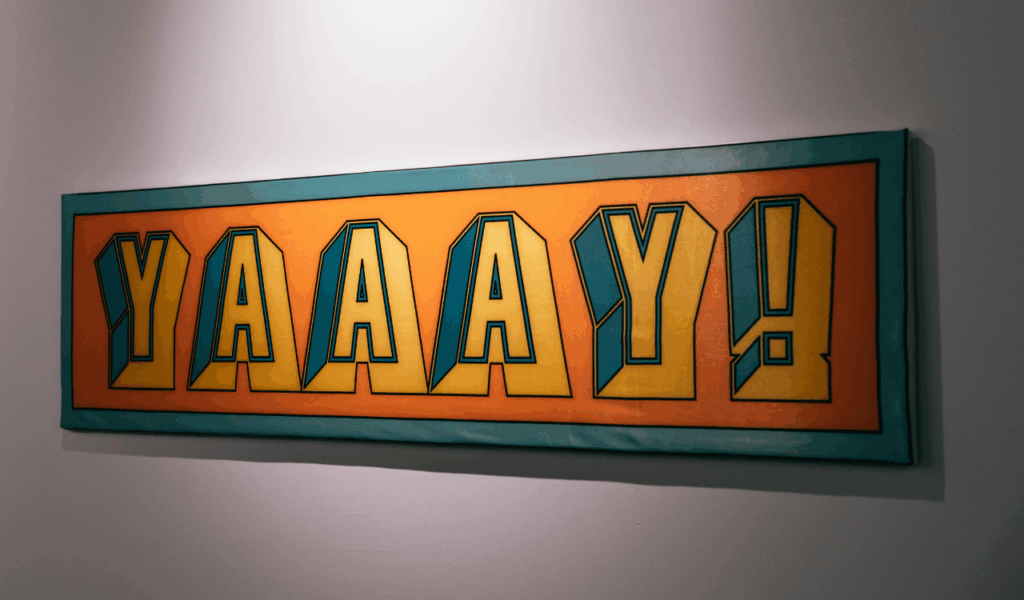
In January, inspirational quotes feel energizing and full of promise. After a few weeks, the words become part of the wall and stop registering at all. The brain filters out repeated visual messages, especially when they do not change. Instead of motivating action, the art becomes decoration that does nothing. Some quotes may even create quiet guilt when goals are not met, which reduces their positive effect. Over time, people realize that habits are built through routines, not slogans. Wall art may look uplifting, but it rarely changes daily behavior once the novelty fades.
3. Exercise Equipment That Turned Into Clothing Storage
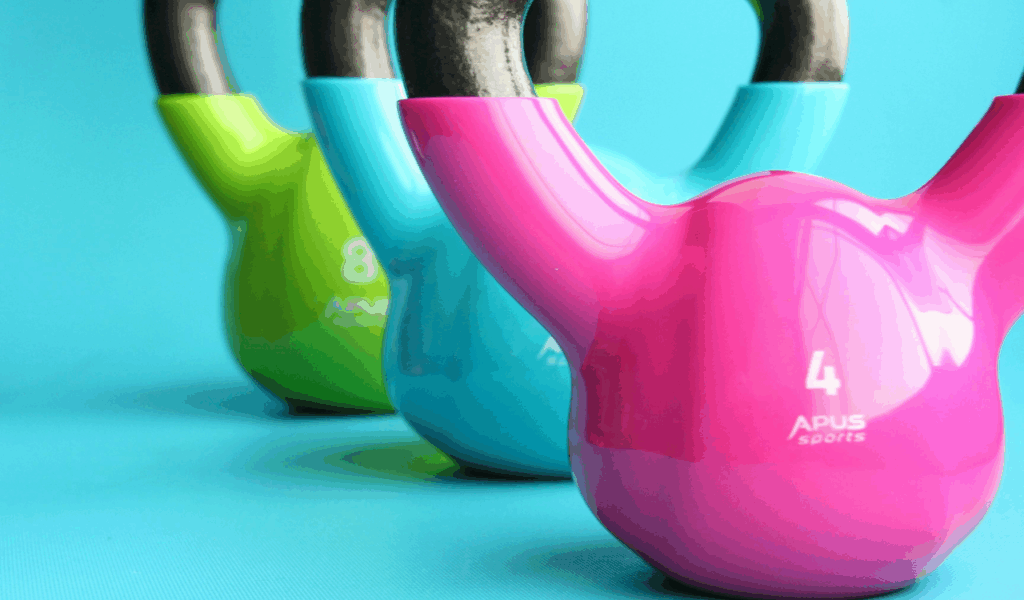
Many people buy workout gear with honest intentions, but daily routines often stay the same. When machines or mats are left in visible spaces, they become convenient surfaces for laundry and bags. The equipment then feels more like furniture than a tool for movement. Guilt about not using it can make people avoid that part of the room entirely. Without scheduling exercise into the day, simply owning equipment does not create activity. The purchase itself does not remove barriers like time, fatigue, or lack of habit. What seemed like a health investment ends up as a space-consuming reminder of plans that never took shape.
4. Oversized Desk Organizers That Didn’t Improve Workflow
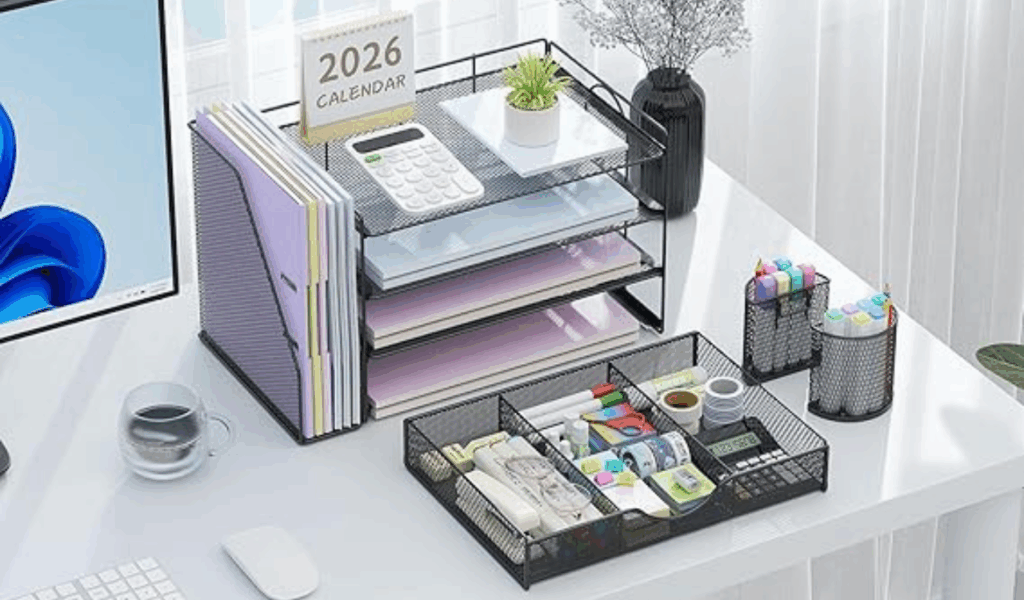
Large organizers promise to contain everything, but they often become clutter collectors instead. When compartments are too many or poorly sized, items get dropped wherever they fit rather than where they belong. Instead of simplifying work, the organizer adds another layer of sorting that people do not maintain. Desk surfaces still fill up, and drawers become harder to navigate. Many people discover that fewer, more purposeful containers work better than one big unit. Productivity improves when tools are easy to grab and return, not when they are hidden behind multiple sections that require extra effort.
5. Smart Home Gadgets That Added More Steps Than They Saved

Voice assistants, automated plugs, and app-controlled devices promise convenience, but they also require setup, updates, and troubleshooting. When systems glitch or apps need constant adjustments, the technology becomes another chore. Some gadgets duplicate functions people already perform easily, like turning off lights or adjusting thermostats manually. When benefits are small and maintenance is ongoing, users stop engaging with features they once found exciting. Over time, devices remain installed but unused, serving only basic functions. The promise of smarter living often collapses when reliability and simplicity are not there.
6. Planner Boards That Never Matched Real Schedules
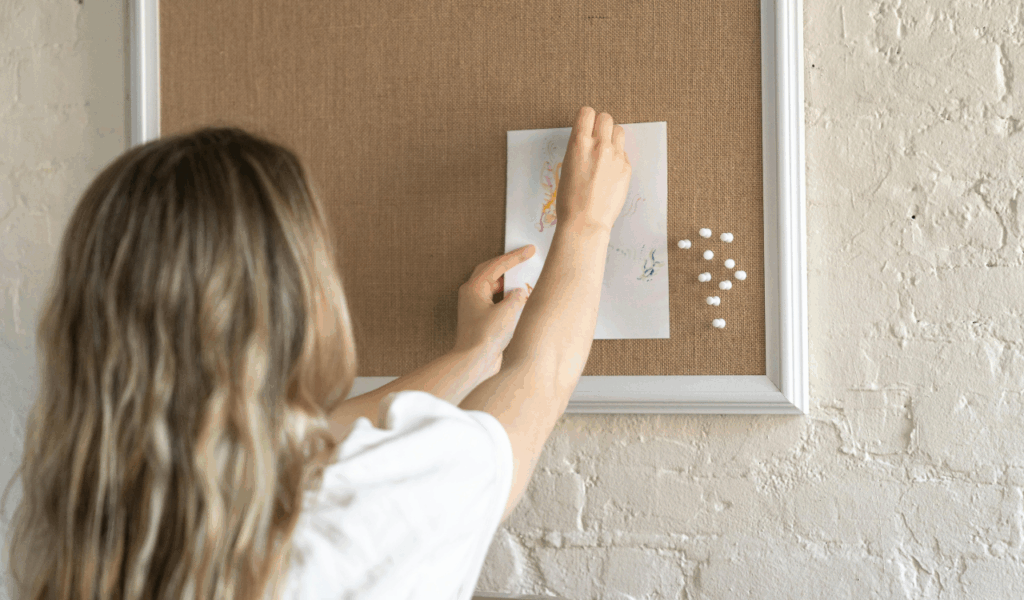
Large wall planners look organized and motivating, but they assume that people will update them daily. In busy households, schedules change quickly and writing everything down becomes another task to manage. When boards are not updated, they lose accuracy and stop being trusted. People then return to phone calendars and mental reminders, leaving the board as decoration. Physical planners work best when routines are stable and simple. For families with shifting commitments, digital tools tend to fit real life better. The board remains unused because it does not reflect how people actually plan.
7. Decorative Throw Pillows Bought Just for a Refresh
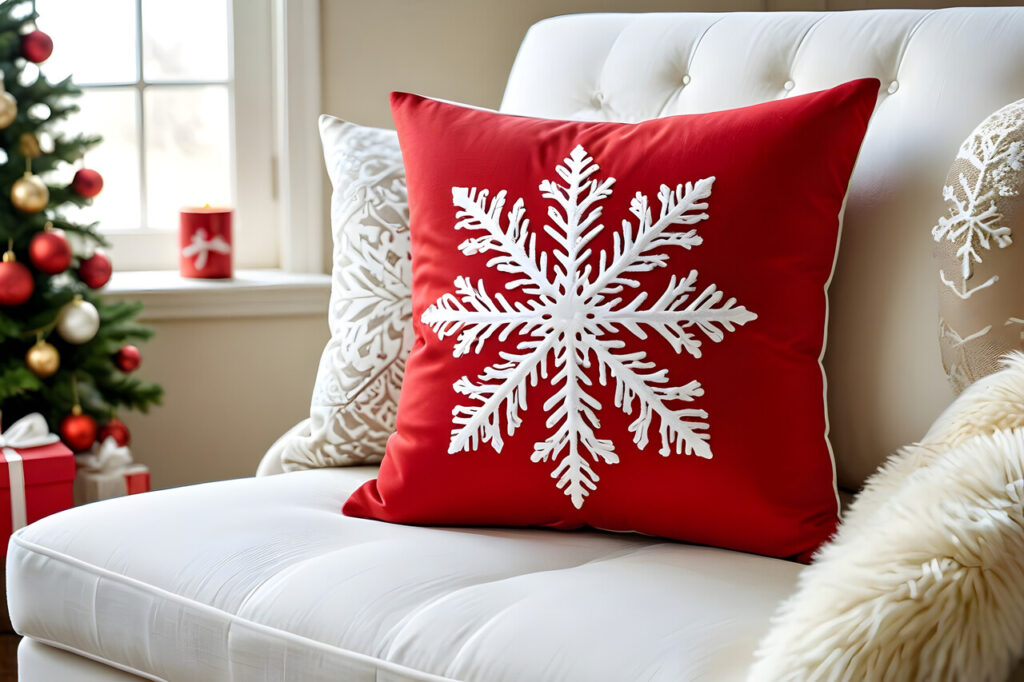
Throw pillows are one of the easiest ways to change a room’s look, but frequent seasonal swaps create clutter and storage issues. Pillows take up space when not in use and require covers to be washed or replaced. Over time, they feel like unnecessary extras rather than meaningful upgrades. Guests rarely notice small changes in pillows, especially when furniture and layout stay the same. Many people realize they spent money for visual impact that faded quickly. Instead of refreshing the space, the pillows simply added more items to manage and store.
8. Specialty Cleaning Tools Used Once Then Forgotten
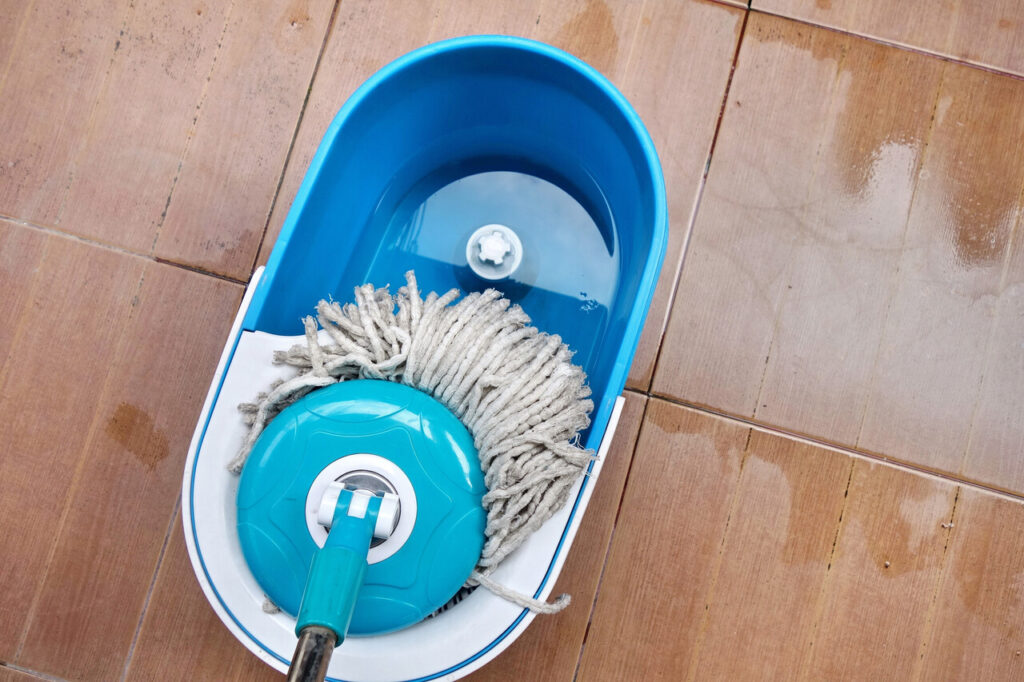
Spin mops, grout brushes, and niche scrubbers often promise to make chores easier, but they solve very specific problems. Once the targeted task is done, the tool rarely comes out again. Storage becomes another issue, especially in small homes. General-purpose tools usually handle most cleaning needs well enough. When cabinets fill with gadgets that are rarely used, people question the purchase. What felt like a productivity upgrade becomes unused clutter that takes up space and adds to organizational challenges.
9. Healthy Eating Gadgets That Didn’t Change Cooking Habits
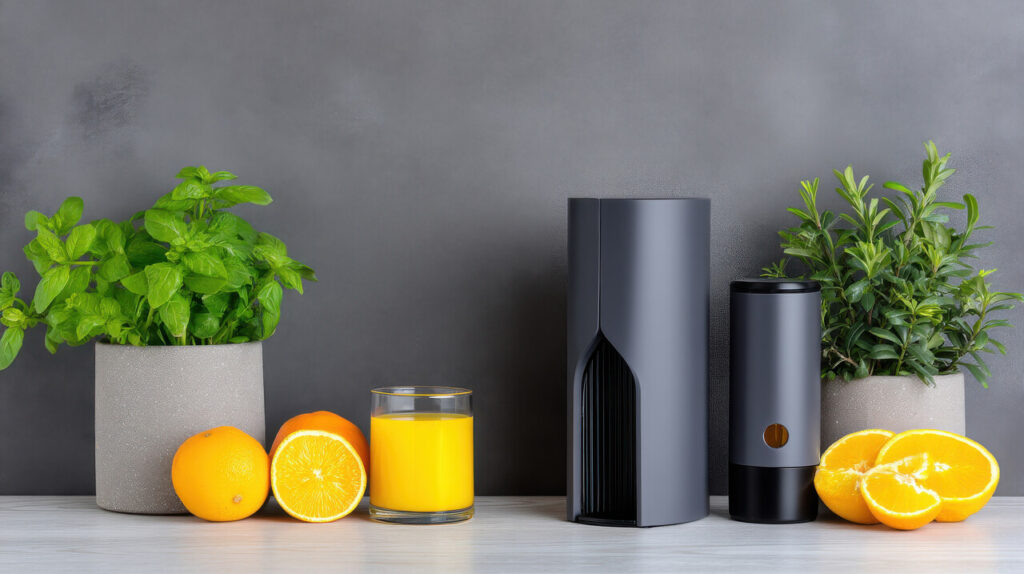
Juicers, spiralizers, and smoothie blenders are popular January purchases, but they require consistent use to justify their space. When cleaning and prep feel like extra work, people stop using them. Eating habits depend more on grocery choices and meal planning than on tools. Without changes in routine, gadgets sit idle while people return to familiar cooking methods. Many also realize that simple meals can be prepared without special equipment. The gadget does not fail, but the lifestyle shift never happens, making the purchase feel unnecessary.
10. Cheap Flat-Pack Furniture That Wore Out Quickly

Low-cost furniture appeals to quick refresh goals, but poor construction shows fast with daily use. Wobbly joints, thin materials, and weak hardware lead to instability within weeks. Once a shelf or desk feels unreliable, people stop trusting it with heavier items. Repairs are often not worth the effort, and replacement becomes necessary sooner than expected. What started as a budget-friendly update ends up costing more over time. Durable furniture may cost more upfront, but it supports daily life far better than pieces designed only for temporary use.