14 Festive Foods That Didn’t Please Everyone
Festive meals are supposed to unite people, but certain traditional dishes elicit emotional reactions rather than happiness. Holiday meals frequently carry history, meaning, and nostalgia across countries, but that doesn’t mean everyone likes to consume them. A table can be rapidly divided by texture, aroma, sweetness levels, or strange preparation techniques. What is a staple of celebration for one individual may be politely avoided by another. These dishes don’t fail; they just demonstrate how individual preferences can exist, even at communal festivities. Despite their cultural significance and devoted following, these 14 holiday meals have infamously failed to succeed in winning over everyone.
1. Fruitcake
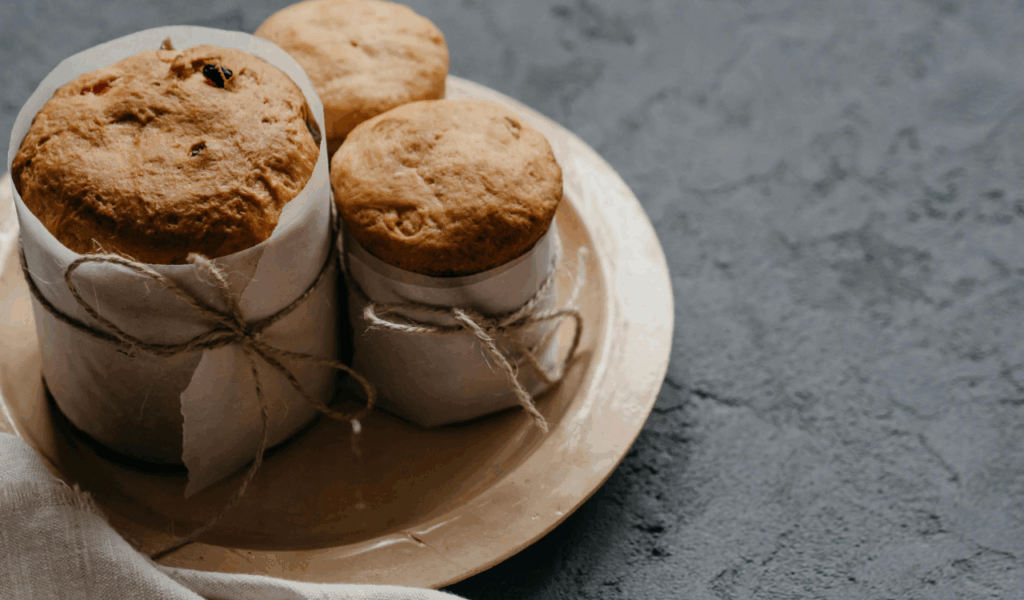
Fruitcake has a long shelf life, and it has a reputation for being loathed for an even longer period of time. Dehydrated fruits, candied peel, almonds, and spices are all packed into it, making it a rich and highly delicious confection. For many individuals, the dense texture is more like to that of a brick than it is to that of a cake, which makes it challenging to eat after a substantial meal or celebration. For the sake of preservation, certain versions are soaked in alcohol, which imparts a sour flavor that is not appreciated by many palates. Despite the fact that fruitcake is a sign of generosity and tradition in many different cultures, its richness and chewiness make it unpleasant, thus it’s often left unfinished.
2. Jellied Meat Dishes
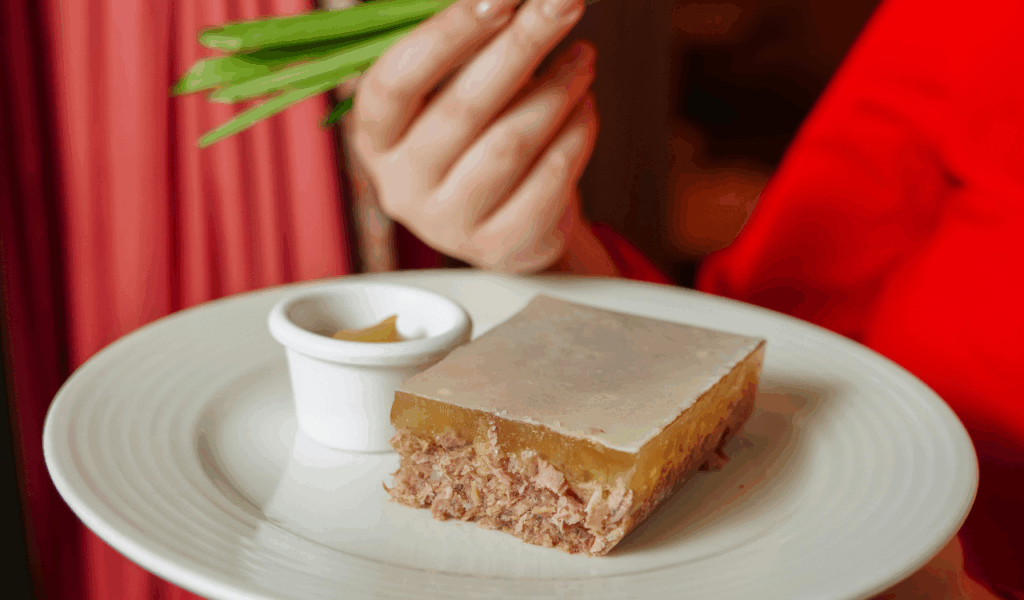
Jellied meat recipes come from historical ways of preserving food that used natural gelatin from bones. People who aren’t used to it can find the translucent gel holding chunks of meat to be strange. The frigid temperature and slippery texture don’t match what people expect meat to feel like. The flavor is usually moderate and comes from broth instead of spices, which might make it seem bland compared to modern holiday delicacies. Many people have trouble getting past the look and feel of it, even though they like it because it reduces waste and honors whole-animal cooking. This makes it one of the most controversial holiday foods.
3. Sweet Potato Casserole with Marshmallows
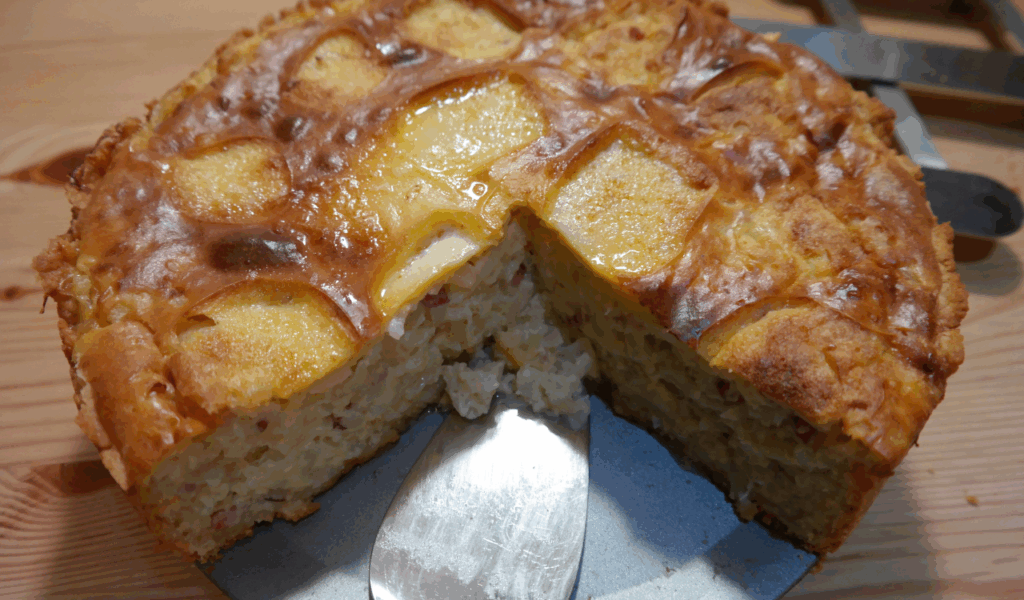
This recipe combines healthy vegetables with a sweetness that is reminiscent of dessert in a single serving. Adding sugar, butter, and marshmallows to mashed sweet potatoes takes the flavor to a level that is closer to that of candy. Sweet potatoes are already naturally sweet. The combination is perplexing for some customers since they anticipate a savory side dish rather than something that is similar to dessert. Additionally, the difference in texture that is created by the soft base that is covered with melting marshmallows is something that not everyone appreciates. Despite its popularity among sweet tooths, some find it too sugary and inappropriate with savory festive cuisine.
4. Minced Meat Pies

In spite of their name, modern minced meat pies typically include dried fruits, spices, and even a splash of alcohol in certain cases. When consumers anticipate a savory meat pie, they may be taken aback by the sweet filling that is combined with this pastry. Cloves and nutmeg are two of the spices that contribute to its potent perfume, which may be overwhelming at times. Dried fruits that have been finely chopped may also have a texture that is described as sticky or heavy. There is a lot of disagreement regarding minced beef pies, despite the fact that they are profoundly connected to holiday traditions and history. This is because first-time tasters’ expectations and actuality differ.
5. Stuffed Fish

As a sign of riches and success, whole stuffed fish finds its way into many holiday banquets. On the other hand, serving fish in its whole form, often including the head and bones, may prove to be unsettling for certain guests. A soft texture is created inside fragile fish flesh by the filling, which often consists of breadcrumbs, herbs, and vegetables. The perfume of fish can be quite potent, particularly when it is served cold or at room temperature, especially for individuals who are sensitive to fish aroma. The appearance and the strength of the flavor might be off-putting to individuals who do not typically consume fish, despite the fact that it is abundant in nutrients and has cultural significance.
6. Black Pudding
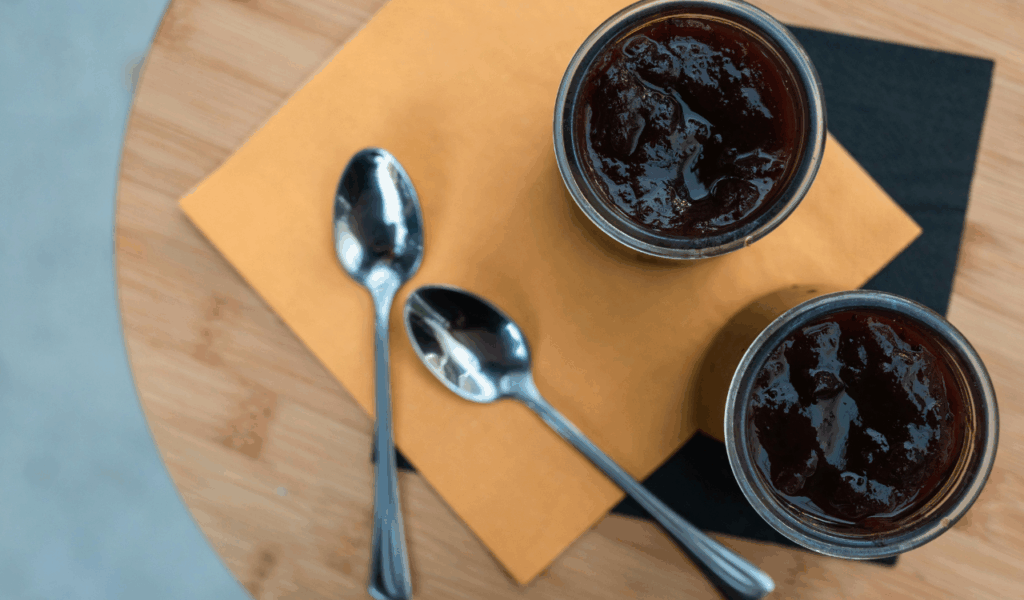
The fact that black pudding is created from blood, fat, and grains is enough to turn off a lot of people before they even try it. Because of its dark hue and solid texture, it can be scary. In terms of flavor, it is rich and flavorful; yet, the metallic overtones that are caused by the iron content are perceptible to certain individuals who consume it. It is also possible to be surprised by the crumbly yet soft consistency. Despite the fact that it is both healthful and historically significant, black pudding frequently has a difficult time gaining acceptance at holiday meals. This is due to the fact that mental barriers regarding the ingredients are difficult to overcome, even if the taste itself is well balanced.
7. Candied Citrus Peels

The purpose of candied citrus peels is to turn the sour rinds of citrus fruits into sweet delicacies. The bitterness, on the other hand, does not totally disappear, which may come as a surprise to those who were anticipating a pure sweetness. Eating something with a chewy texture involves effort, particularly after a meal that is particularly substantial. Additionally, strong citrus oils linger on the palate, which some people like to be refreshing while others find to be sharp. While candied peels are enjoyed in moderation, they are rarely adored by everyone. As a result, they are frequently employed as garnishes or as tiny treats. As a result, they are a common leftover in celebratory dessert spreads.
8. Boiled Vegetables
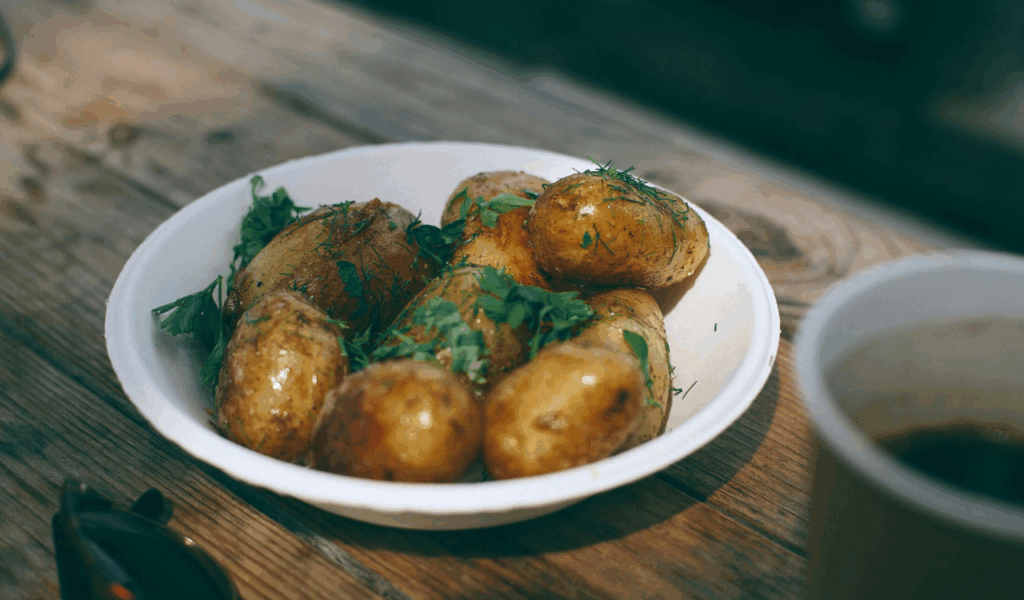
During the holiday season, it is common to use simple veggies that have been boiled. By boiling for an excessively lengthy period of time, flavor, color, and nutrients are all lost. When compared to alternatives that have been roasted or seasoned, the outcome can be textures that are mushy and a taste that is bland, which makes them unsightly. Inadequately cooked boiled veggies, which are supposed to be soothing and simple to digest, give the impression of being more of a chore than a leisurely experience. Even while adequate preparation may make them a lot more delightful, many individuals choose to completely avoid them, equating them with meals they ate as children rather than enjoying them as a celebration.
9. Sweet Rice Porridge
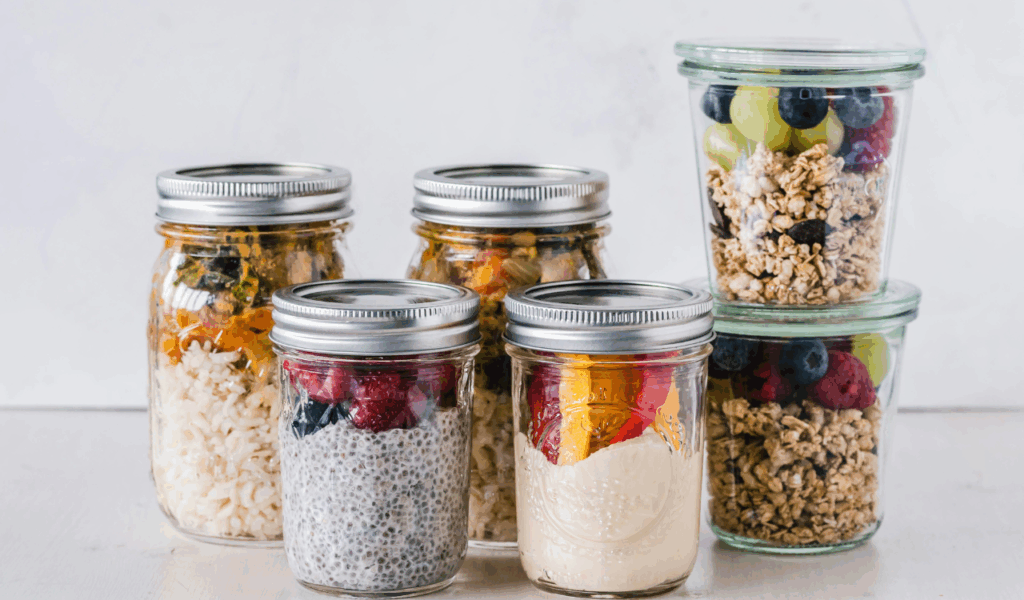
The concept of comfort and wealth is represented by sweet rice porridge, which is found in many different holiday customs. It is a drink that is made with rice, sugar, milk or water, and it has a smooth, homogeneous texture that some people find to be calming. On the other hand, some people will find it boring and excessively starchy. A significant amount of the mild flavor is dependent on toppings or spices; in the absence of them, it may appear uninteresting. For diners who favor contrast and texture, rice porridge may appear to be too plain for a joyful lunch, despite the fact that its warmth and symbolism retain significant value for a great number of families.
10. Gelatin-Based Desserts

However, texture is the most difficult aspect of gelatin desserts, despite the fact that they are visually appealing and bright. For individuals who favor sweets that are creamy or crunchy, the slick and unstable texture may be an unpleasant experience. In addition, consumers may be turned off by artificial flavors or profiles that are excessively sweet. Some cultures have desserts made with gelatin that feature suspended fruits or other ingredients, which contribute to the peculiar mouthfeel of the dessert. As a result of the fact that some people think gelatin sweets to be childish or odd, gelatin desserts are frequently used as a boundary on dessert tables that are utilized for festive purposes across generations.
11. Stuffed Cabbage Rolls
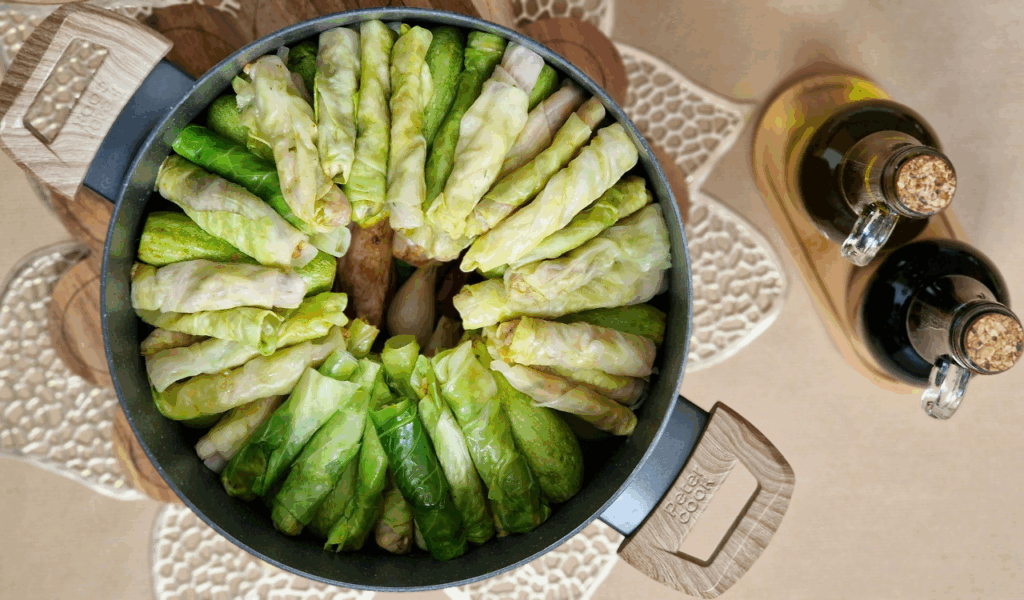
Stuffed cabbage rolls are made by combining delicate cabbage leaves with fillings that might be made of grains, meat, or vegetables. Although it lingers in the air and on the dish, the potent aroma of cooked cabbage can be off-putting to some people. The leaves become quite pliable, while the filling may be quite dense. This presents still another challenge pertaining to texture. Seasoning and sauce, both of which can vary greatly, are the primary contributors to flavor. Even though they are wholesome and filling, cabbage rolls frequently elicit a range of responses from individuals. This is due to the fact that cabbage is a food that many individuals already approach with suspicion.
12. Licorice-Flavored Sweets

There is a lot of controversy over the flavor of licorice all across the world. This substance, which is derived from anise or licorice root, possesses a robust, herbal sweetness that some people enjoy while others are unable to handle. Those who are not familiar with the flavor are in for a pleasant surprise when they discover licorice sweets in candies and desserts during celebrations. The lingering aftertaste has the potential to be particularly contentious. However, detractors have described it as medicinal, despite the fact that admirers love its complexity and distinctiveness. Licorice will remain a love-it-or-hate-it addition to festive cuisine due to the huge preference gap between the two groups.
13. Dense Nut-Based Desserts

As a result of their high fat and sugar content, desserts that are based on nuts, such as nougat or nut breads, are extremely satiating. Consuming slowly is necessary because to the dense texture, which can make one feel heavy after a substantial meal. As a result, those who like sweets with a milder flavor profile are left with little room for balance. Moreover, some diners are cautious because they are concerned about their allergies. Not because they are of poor quality, but rather because their richness and weight overwhelm many people during festivities, these desserts are frequently left unfinished, despite the fact that they are nutritionally excellent and can be consumed for a long time.
14. Spiced Hot Drinks

During celebrations, hot beverages with spices are intended to provide warmth and comfort. The basic beverage, on the other hand, may be overpowered by powerful spices such as clove, cinnamon, or cardamom. Additionally, some varieties contain bitterness from tea or coffee, while others contain a significant amount of sweetener. For those with sensitive noses, the perfume may be too strong on its own. Not everyone loves the slow sipping that is required for these beverages because they are served hot. The visitors who seek the warmth and those who prefer simpler flavors are typically divided when it comes to spiced drinks, despite the fact that they are cherished for their environment and heritage.