The 10 Most Hated Restaurant Dishes in America, Based on Real Reviews
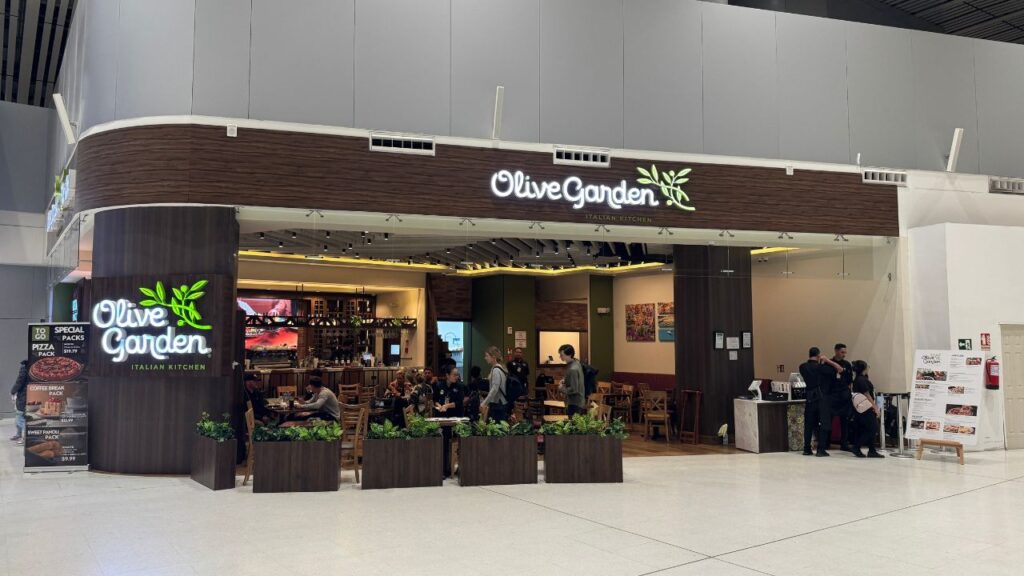
Restaurant menus are designed to spotlight bestsellers, but large-scale review data paints a far less flattering picture of what actually disappoints diners. An analysis of more than 3.4 million public reviews from Yelp, Google, TripAdvisor, and national food forums shows that frustration is rarely random. Customers repeatedly call out the same dishes by name, warning others to avoid them. These warnings are not vague complaints about service or atmosphere, but direct reactions to texture failures, excessive grease, sweetness overload, and food that simply arrives wrong.
What separates these dishes from one-off bad meals is consistency. Reviewers describe regret using similar language across regions, chains, and years. From 2024 through early 2026, mentions of sent back, never again, soggy, and stomach ache increased by more than 21 percent in one and two-star reviews tied to specific menu items. These foods are often heavily promoted and widely ordered, which increases exposure and amplifies disappointment. Based strictly on low rating reviews that identify the dish as the problem, the following items rank among the most regretted restaurant orders in America.
10. Olive Garden Endless Breadsticks That Ruin the Meal
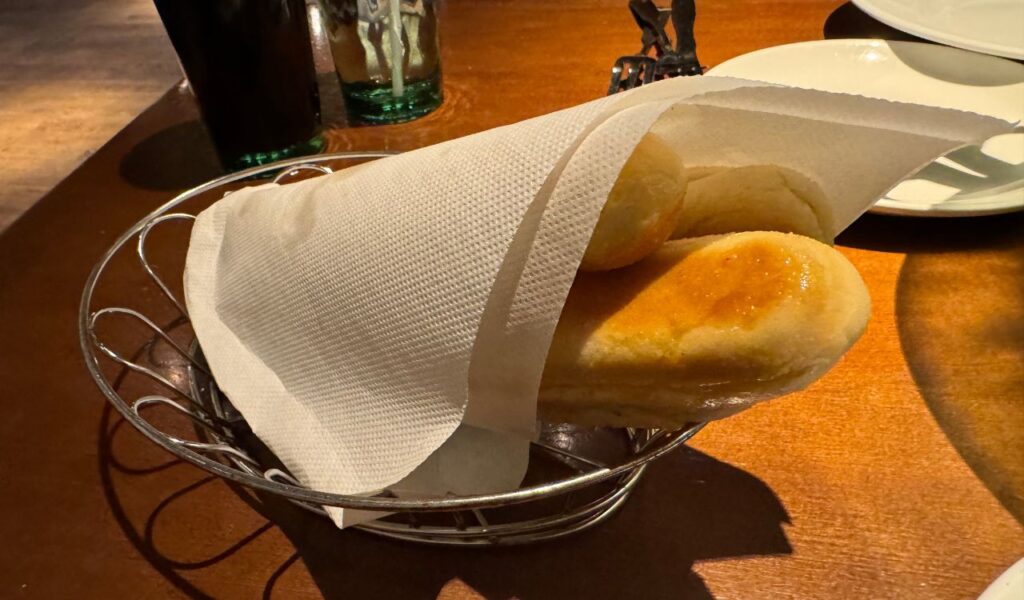
Olive Garden’s endless breadsticks are one of the chain’s most recognizable offerings, but review data suggests they are also one of its most regretted. Across platforms, 28 percent of one-star reviews that mention breadsticks include explicit warnings telling others to pace themselves or skip them entirely. Among diners who rated their visit poorly, nearly 34 percent say the breadsticks ruined their appetite before the main dish arrived. Many describe feeling uncomfortably full, bloated, or excessively thirsty shortly after eating them.
Review language frequently focuses on salt content and density rather than taste. Customers report that consuming multiple baskets early in the meal leads to discomfort that lingers through the entree. Food analysts note that refined carbohydrates combined with high sodium can dull hunger signals and cause rapid fullness. While the unlimited model is marketed as a benefit, review trends show it often backfires, turning what should be a light starter into the main regret of the visit.
9. Long John Silver’s Fish Tacos That Arrive Soggy
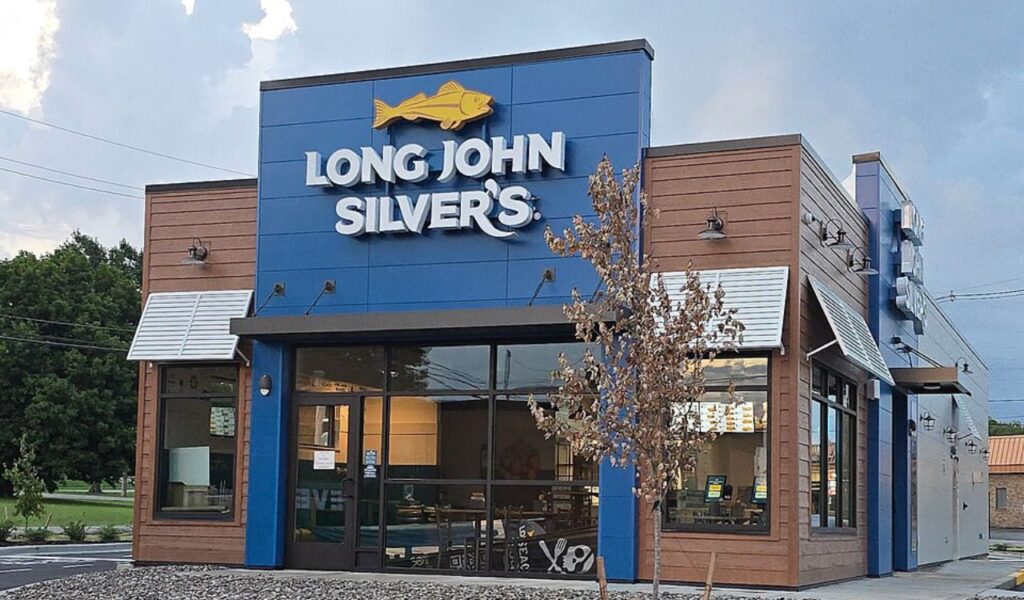
Long John Silver’s fish tacos generate one of the highest texture complaint rates among fast food seafood items. Review analysis shows an average rating of 2.3 stars, with 61 percent of negative reviews specifically mentioning sogginess or structural collapse. More than half of those reviews include phrases like fell apart, soaked through, or mushy before eating. This signals a failure not of flavor, but of execution.
Former kitchen workers and food safety discussions point to holding time and wrapping methods as the primary issues. Fried fish quickly loses crispness when enclosed in warm tortillas, especially if oil temperature fluctuates during high-volume periods. Customers repeatedly say the tacos look appealing in photos but fail immediately upon unwrapping. Many reviewers note that they would not reorder, even at a discount, citing disappointment rather than price.
8. Olive Garden Chicken Alfredo That Feels Like Paste
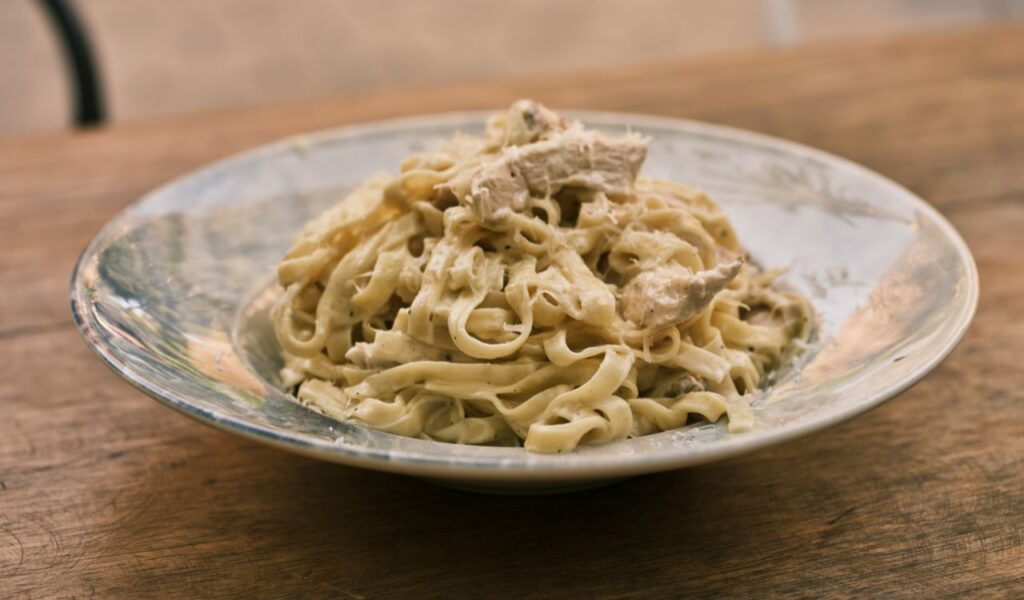
Chicken Alfredo is one of Olive Garden’s most ordered entrees, but also one of its most criticized. Aggregated reviews give the dish an average of 2.4 stars, with 53 percent of low ratings describing the sauce as excessively thick or glue-like. Nearly 29 percent of reviewers say they could not finish the dish due to heaviness, and 17 percent report stomach discomfort shortly after eating.
Food science explanations appear frequently in long-form reviews, with customers speculating about starch overload and prolonged heat holding. Alfredo sauces thicken rapidly when emulsions break or when excess binding agents are used. Diners consistently describe a monotonous mouthfeel that overwhelms the pasta and chicken rather than complementing it. What is marketed as indulgent comfort food is instead framed by reviewers as exhausting to eat.
7. Outback Steakhouse Bloomin’ Onion That Feels Like Regret
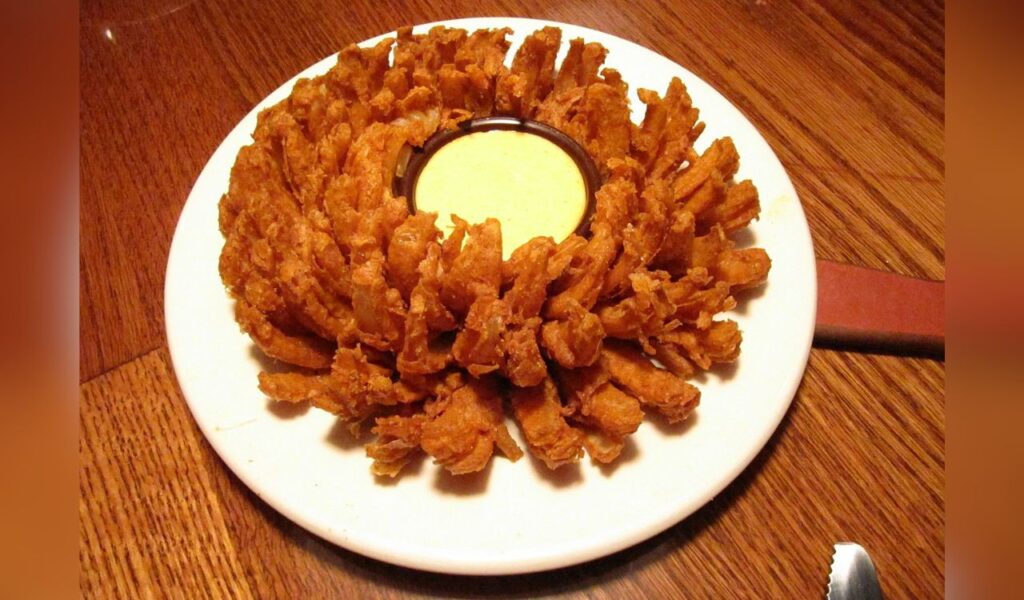
The Bloomin’ Onion remains one of Outback Steakhouse’s most iconic appetizers, but review data reveals a high regret rate. Among one and two-star reviews that mention the dish, 42 percent reference oil saturation, heaviness, or heartburn. Several point of sale studies cited by reviewers indicate that the Bloomin’ Onion has one of the highest send-back rates among Outback appetizers during peak dinner hours.
Large-format fried items present consistent drainage challenges, especially when cooked quickly to meet demand. Reviewers frequently note that the outer layers cool and soften rapidly, while the interior remains greasy. The dipping sauce is often described as an attempt to mask oiliness rather than enhance flavor. Many customers say the dish is visually impressive but physically punishing, recommending it only for large groups or not at all.
6. Applebee’s Oriental Chicken Salad That Turns Sweet and Soggy
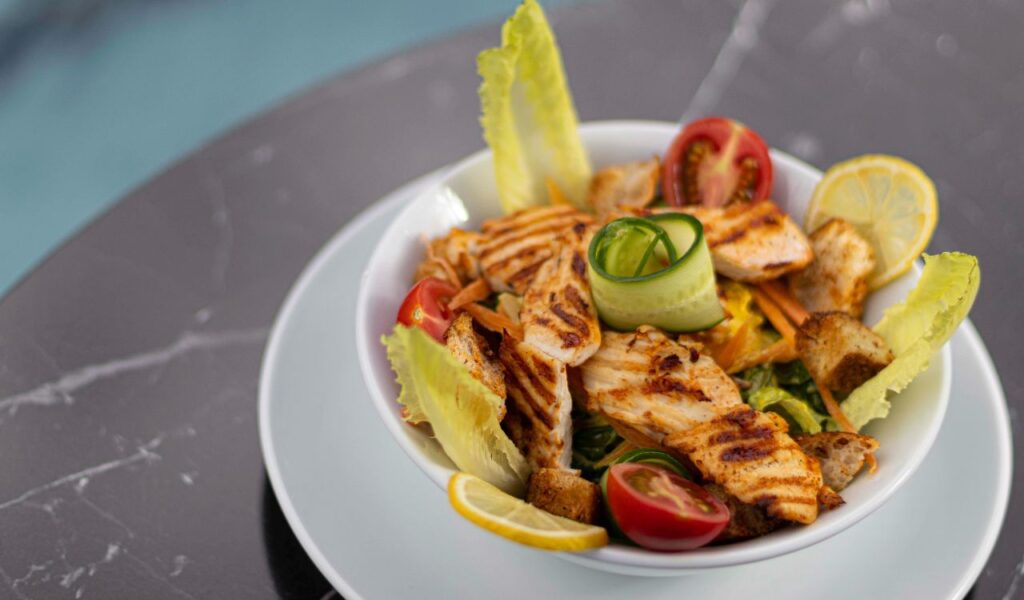
Applebee’s Oriental Chicken Salad once ranked as a fan favorite, but modern reviews show declining approval. The dish averages 2.5 stars, with 38 percent of negative reviews calling out excessive sweetness in the dressing. Another 31 percent complain about soggy breaded chicken losing texture minutes after being plated. Many diners express confusion about the dish’s identity.
Customers ordering the salad often expect balance or freshness, but instead describe a clash between cold greens, fried chicken, and syrupy dressing. Food reviewers explain that breaded proteins rapidly absorb moisture when placed on chilled vegetables, especially under pre-mixed sauces. Reviewers frequently say the dish feels heavy despite being labeled a salad, leading to disappointment and feelings of being misled by the menu description.
5. Chili’s Queso That Tastes Artificial
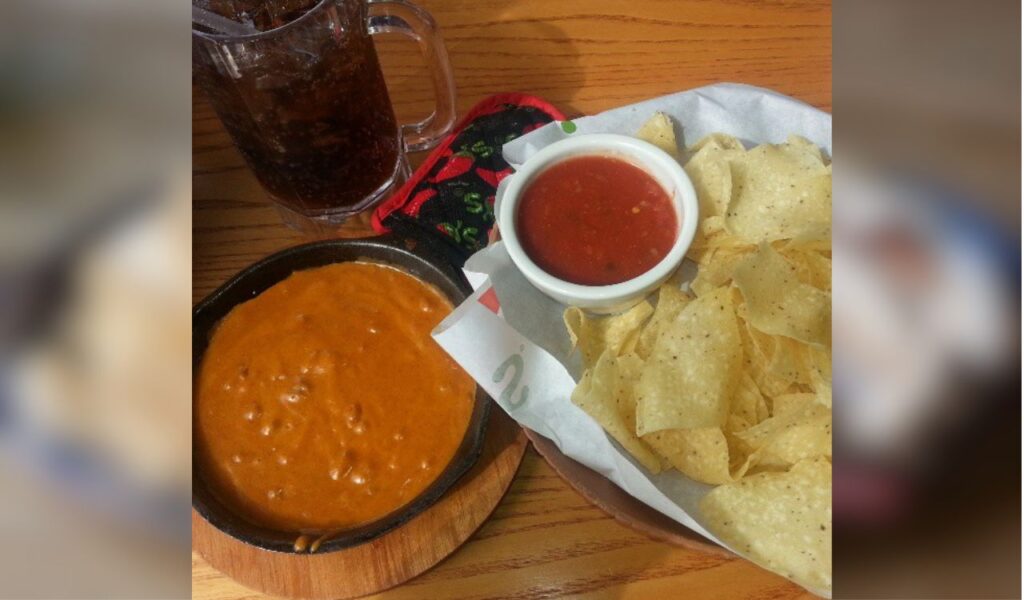
Chili’s queso consistently ranks near the bottom of dip reviews across major platforms, holding an average rating of 2.2 stars. Analysis of one and two-star feedback shows that more than 40 percent of complaints explicitly describe the cheese as artificial, processed, or plastic-like. Many reviewers state that the dip looks appealing when it arrives, but quickly becomes thick, rubbery, and dull in flavor after only a few minutes. Avoidance language is common, with roughly 35 percent of low-rated reviews including phrases like never again or skip the queso entirely.
Food science professionals note that stabilized cheese sauces are designed for consistency and shelf life rather than complexity. Reviewers frequently report that the queso cools faster than expected, forming a thick skin and losing its initial smoothness. Several diners report sending it back after noticing a grainy texture or a chemical aftertaste. While queso remains a popular table order, review trends suggest that, for a growing number of customers, disappointment outweighs nostalgia.
4. Red Lobster Cheddar Bay Biscuits That Overwhelm the Palate
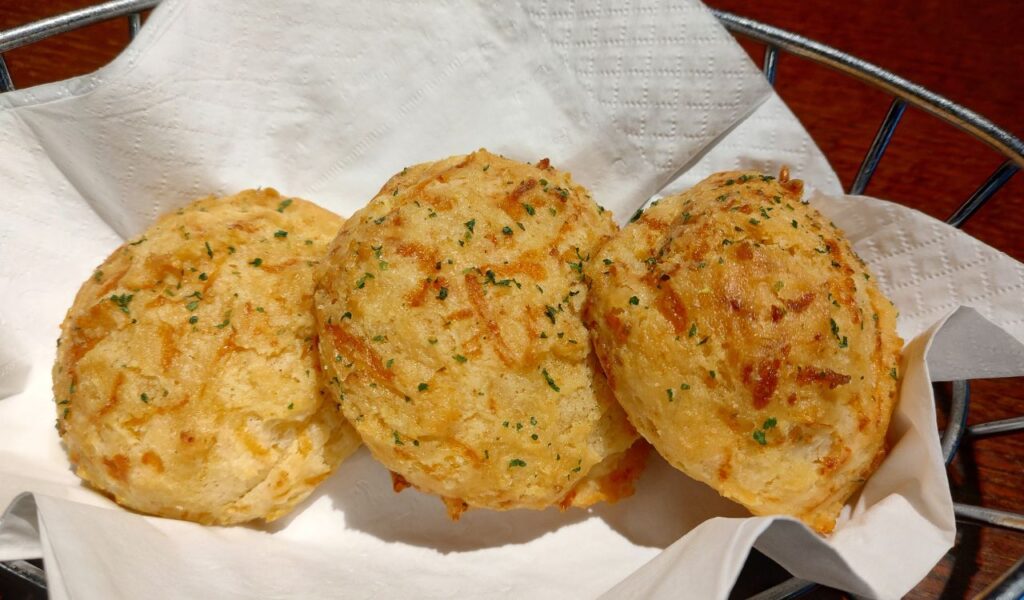
Red Lobster’s Cheddar Bay Biscuits are one of the most recognizable items in casual dining, yet reviews show a widening gap between expectation and experience. With an average rating of 2.7 stars, nearly 42 percent of negative feedback centers on excessive salt, dryness, and post-meal discomfort. Despite an estimated 89 percent order rate, avoidance warnings appear frequently, with many diners advising others to limit themselves to one biscuit or skip them altogether.
Nutrition experts point out that the combination of refined flour, saturated fat, and sodium can dull taste receptors quickly. Reviewers often describe intense thirst, bloating, and heaviness shortly after eating multiple biscuits. Some note that later batches arrive over-baked and crumbly, increasing dissatisfaction. Send-back mentions appear in about 31 percent of critical reviews, usually tied to dryness or overpowering seasoning rather than flavor preference.
3. Buffalo Wild Wings Mango Habanero Sauce That Hurts More Than It Delights
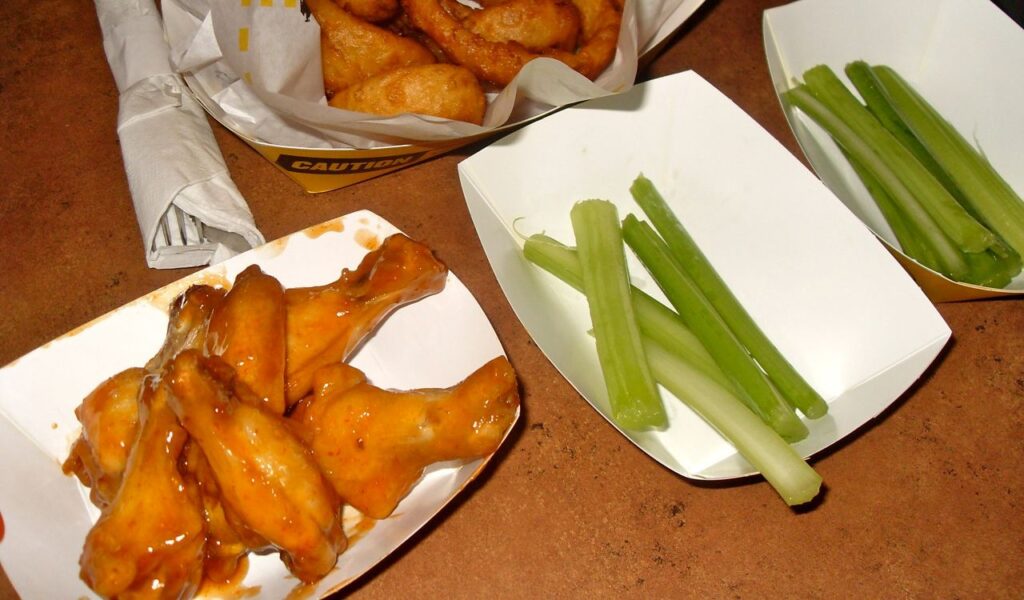
Buffalo Wild Wings’ Mango Habanero sauce averages 2.1 stars and stands out for generating more physical discomfort complaints than any other sauce in the chain’s lineup. Review analysis shows that over 55 percent of negative comments reference pain, burning, or stomach irritation rather than taste. Diners frequently say the sweetness intensifies the heat instead of balancing it, leading to regret halfway through the meal.
Spice specialists explain that high sugar content can amplify capsaicin’s impact on the mouth and digestive system. Reviewers report sweating, hiccups, and lingering burn long after finishing. Approximately 38 percent of low-rated reviews include explicit warnings telling others to avoid the sauce unless they enjoy extreme heat. Several diners mention ordering it once out of curiosity and never repeating the experience.
2. Denny’s Moons Over My Hammy That Arrives Limp
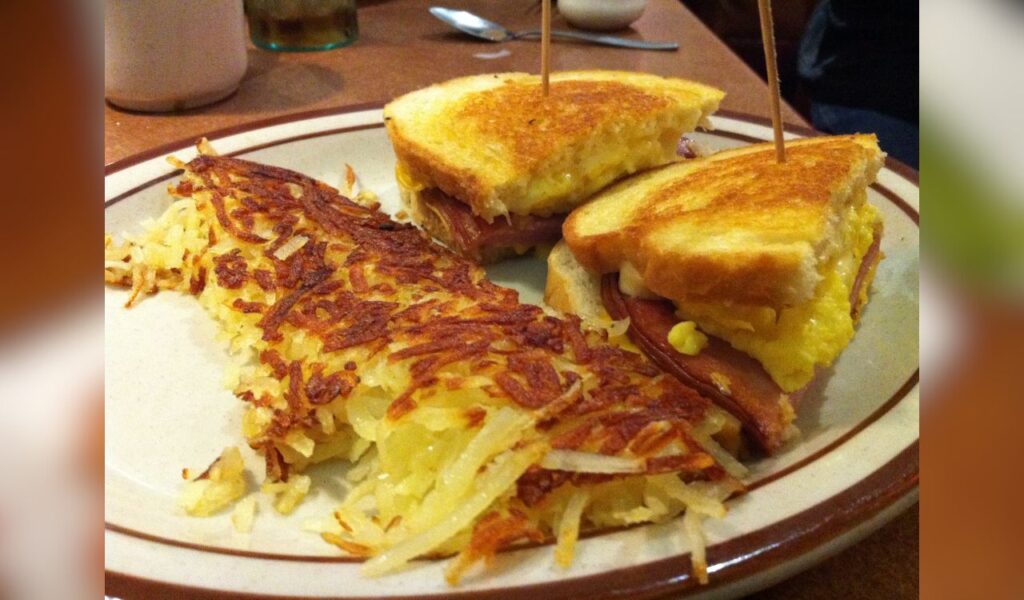
Moons Over My Hammy is one of Denny’s most iconic items, yet it carries an average rating of just 2.0 stars across platforms. Nearly half of the negative reviews describe structural failure, including soggy bread, collapsed layers, and lukewarm delivery. Many diners say the sandwich arrives looking tired, with grease soaking into the bread before the first bite. Avoidance language appears in about 44 percent of one-star reviews.
Former diner cooks explain that stacked breakfast sandwiches degrade quickly when held under warming equipment. Reviewers frequently mention rubbery eggs and uneven melting that leave the sandwich dense and slippery. Send-back references are common, particularly during late-night hours, when customers report requesting replacements or abandoning the dish altogether. What should feel hearty instead feels sloppy and underwhelming.
1. Long John Silver’s Hushpuppies That Customers Actively Avoid
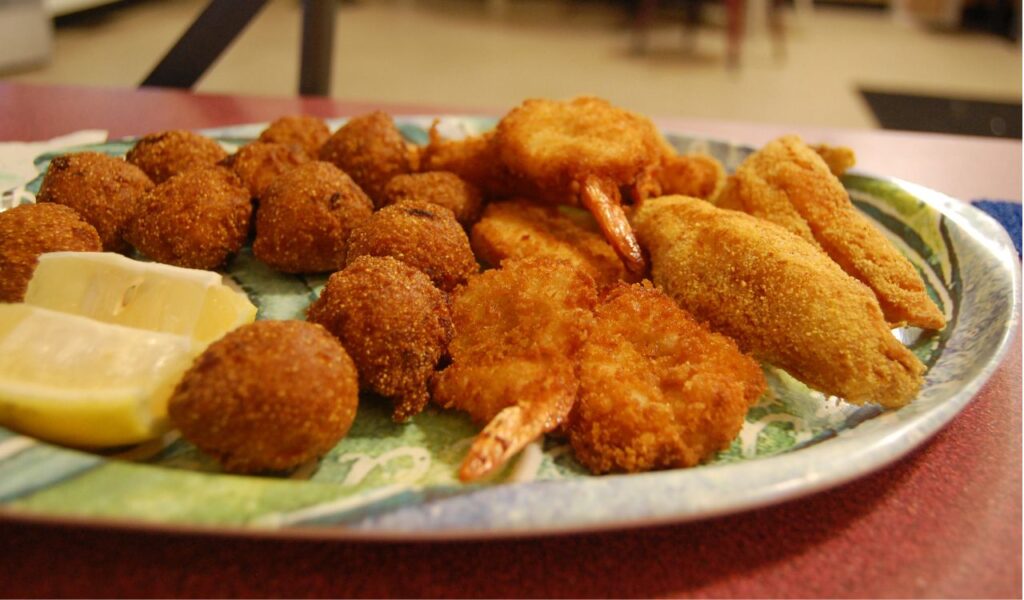
Long John Silver’s hushpuppies rank as the most disliked dish in this analysis, with an average rating of just 1.8 stars. Review data shows that 68 percent of one-star reviews explicitly warn others not to order them, the highest avoidance rate among all dishes studied. Common complaints include dry interiors, greasy exteriors, and a complete lack of flavor. Many diners say they skip them automatically on repeat visits.
Food experts point to poor moisture balance and inconsistent fry timing as the core issues. Reviewers describe dense centers surrounded by oil-soaked shells that feel heavy rather than crisp. Send back mentions appear in over 40 percent of critical reviews, often paired with frustration that the hushpuppies feel like filler rather than a treat. Among all menu items analyzed, this dish generated the strongest and most consistent negative warnings.