10 Back-to-School Storage Ideas That Didn’t Stay Organized
Back-to-school storage ideas often start strong, with fresh routines and carefully set up spaces. For the first few weeks, bins are sorted, hooks are used properly, and supplies stay where they belong. Then real life takes over. Busy mornings, tired afternoons, and shifting schedules slowly chip away at even the best systems. Storage that depends on perfect habits or extra steps rarely survives the school year. When systems are too open, too flexible, or too complicated, clutter returns quickly. These are the storage ideas that looked helpful at first but could not stay organized once daily routines settled in.
1. Open Bins That Turned Into Daily Dump Zones
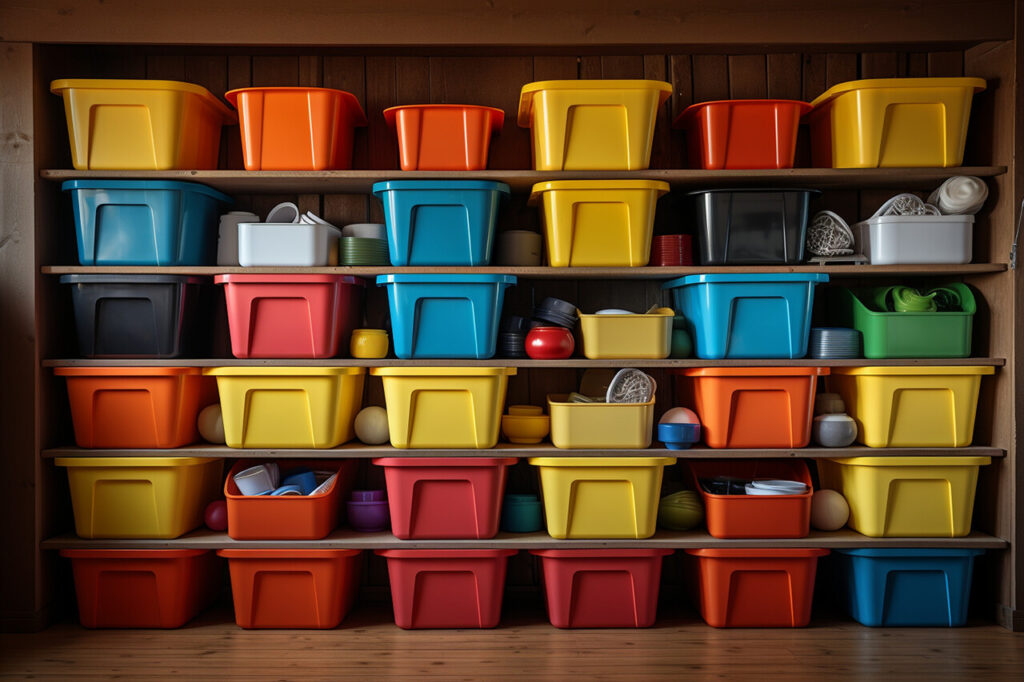
Open bins feel friendly and easy because kids can toss things in without opening lids or drawers. That ease is exactly what causes problems. Without labels or clear categories, anything that does not have an obvious home ends up in the nearest bin. Homework papers mix with sports gear, random toys, and loose supplies. Once that happens, the bin no longer supports organization, it just hides clutter temporarily. Kids also stop trying to sort because there is no visible system to follow. Over time, bins overflow and items spill onto the floor or nearby surfaces. Cleaning them out becomes a big job instead of a quick reset. What started as flexible storage quietly becomes a holding area for everything no one wants to deal with.
2. Cubbies That Filled Up Without Clear Rules
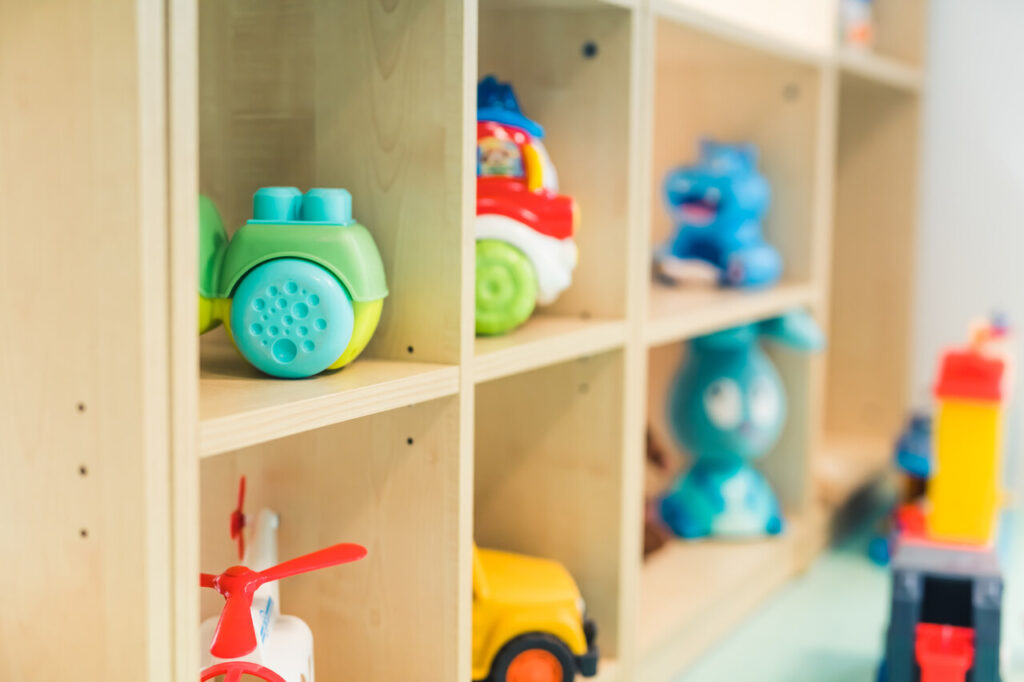
Cubbies look perfect for school routines because each child can have a dedicated space. The trouble starts when there are no clear limits on what belongs there. Jackets, backpacks, lunch bags, sports equipment, and random papers all compete for space. Without boundaries, cubbies fill faster than they can be emptied. Items get shoved in instead of placed neatly, which blocks access to things stored behind them. Once cubbies feel stuffed, kids stop using them properly and start dropping items nearby. The system only works when there are simple rules about what stays and what moves out daily. Without that structure, cubbies become clutter pockets instead of functional storage.
3. Shoe and Bag Stations That Could Not Contain the Mess
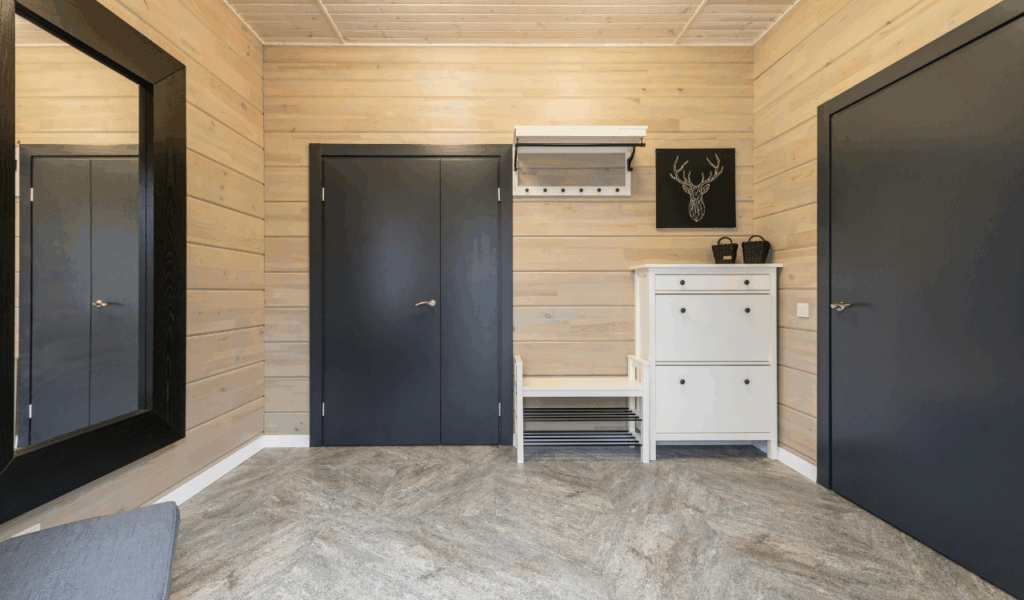
Entryway stations are meant to catch everything that comes through the door, but they often lack enough capacity for real family volume. Multiple pairs of shoes per child, backpacks, sports bags, and jackets pile up fast. Hooks get overloaded and items fall off. Benches fill with loose gear that never gets sorted. When stations overflow, kids default to dropping things on the floor nearby. The visual mess grows even though storage technically exists. These stations fail when they are sized for ideal behavior instead of real usage. Without daily clearing and enough physical space, they turn into clutter magnets rather than helpful launch points.
4. Binder Bins That Collect Paper Piles
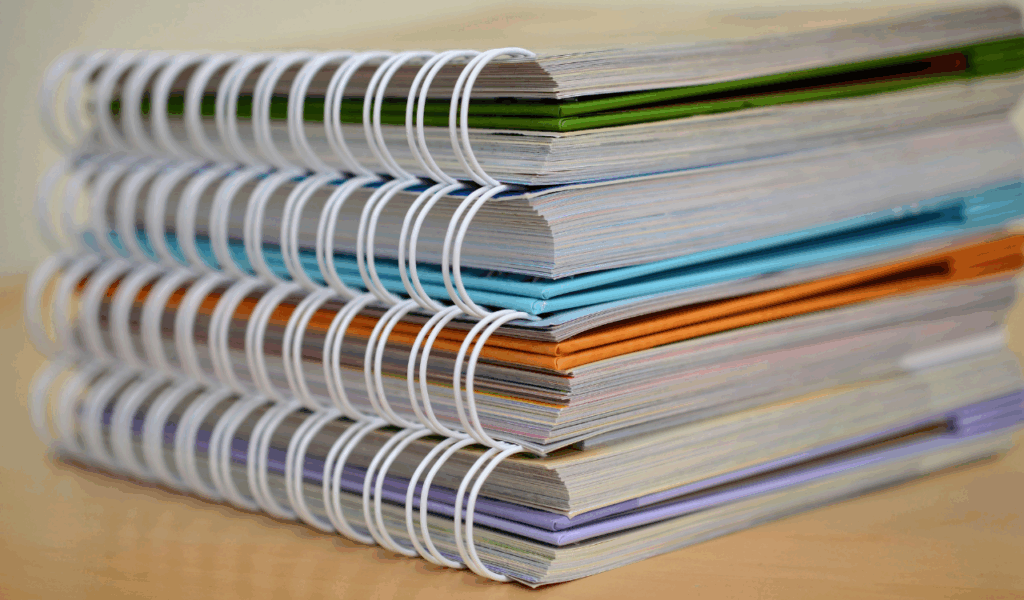
Storing binders and folders in bins seems neat until school papers start flowing daily. Instead of filing items into specific folders, kids slide papers into whatever bin is closest. Over time, loose sheets build up around binders and make it hard to pull anything out cleanly. Papers bend, tear, and disappear into stacks. Because bins hide mess from view, clutter grows unnoticed until it becomes overwhelming. The system relies on kids doing extra sorting steps that they often skip when tired. Without built in dividers or routines, binder bins lose structure quickly and stop serving their original purpose.
5. Lunch Supply Drawers That Lost Track of Inventory
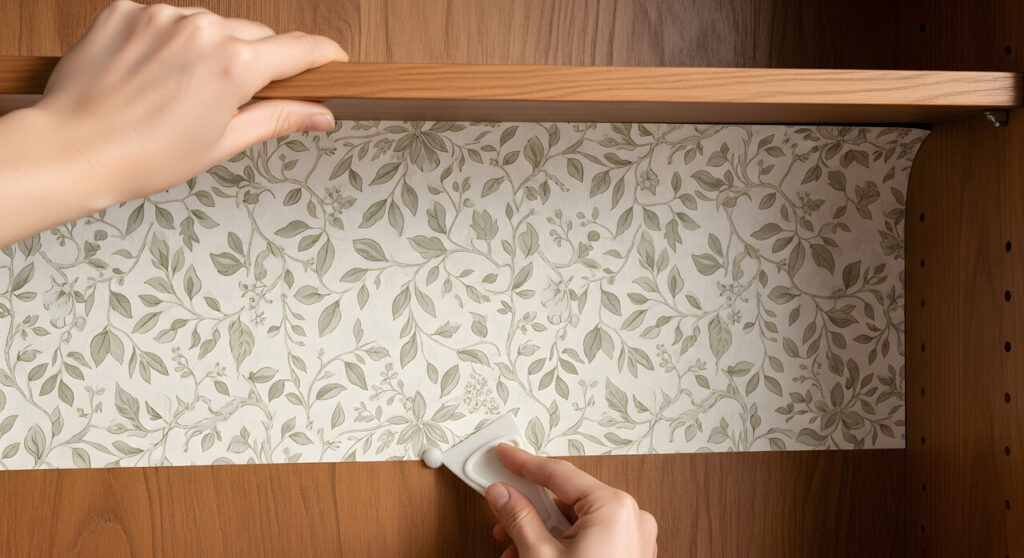
Designated drawers for lunch items sound efficient, but they require regular restocking and sorting. When wrappers, half used snack boxes, and random containers get tossed back in, order breaks down. Parents often discover missing lids, crushed packaging, or expired snacks buried at the back. Without weekly resets, drawers become frustrating to use because nothing is easy to find. Kids then grab whatever is visible, which throws off meal planning and leads to waste. Storage works best when contents are simple and limited. Lunch drawers often fail because they try to hold too many different items without enough structure to manage them.
6. Hallway Hooks That Turned Into Tangled Clusters
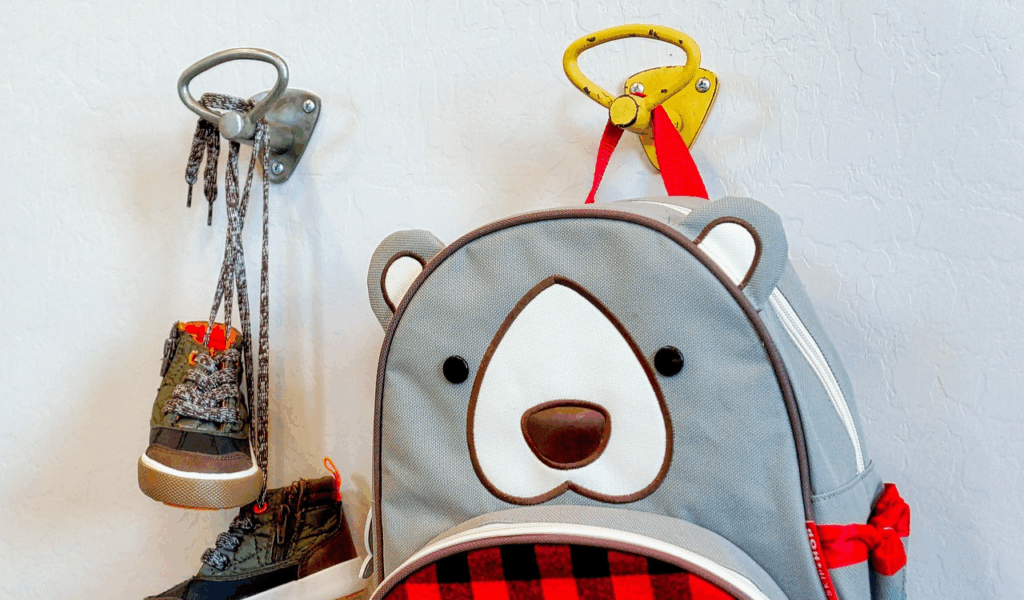
Hooks are popular because they are inexpensive and easy to install, but they only work when each hook has a clear purpose. When backpacks, jackets, hats, and random bags all share the same row of hooks, items overlap and slide off. Straps tangle, and lighter items get buried behind heavier ones. Kids stop aiming for specific hooks and just hang things wherever there is space. Soon, the wall looks messy even when items are technically stored. Without spacing and usage rules, hook systems quickly become visual clutter rather than functional storage.
7. Wall Shoe Pockets Used for Everything Except Shoes
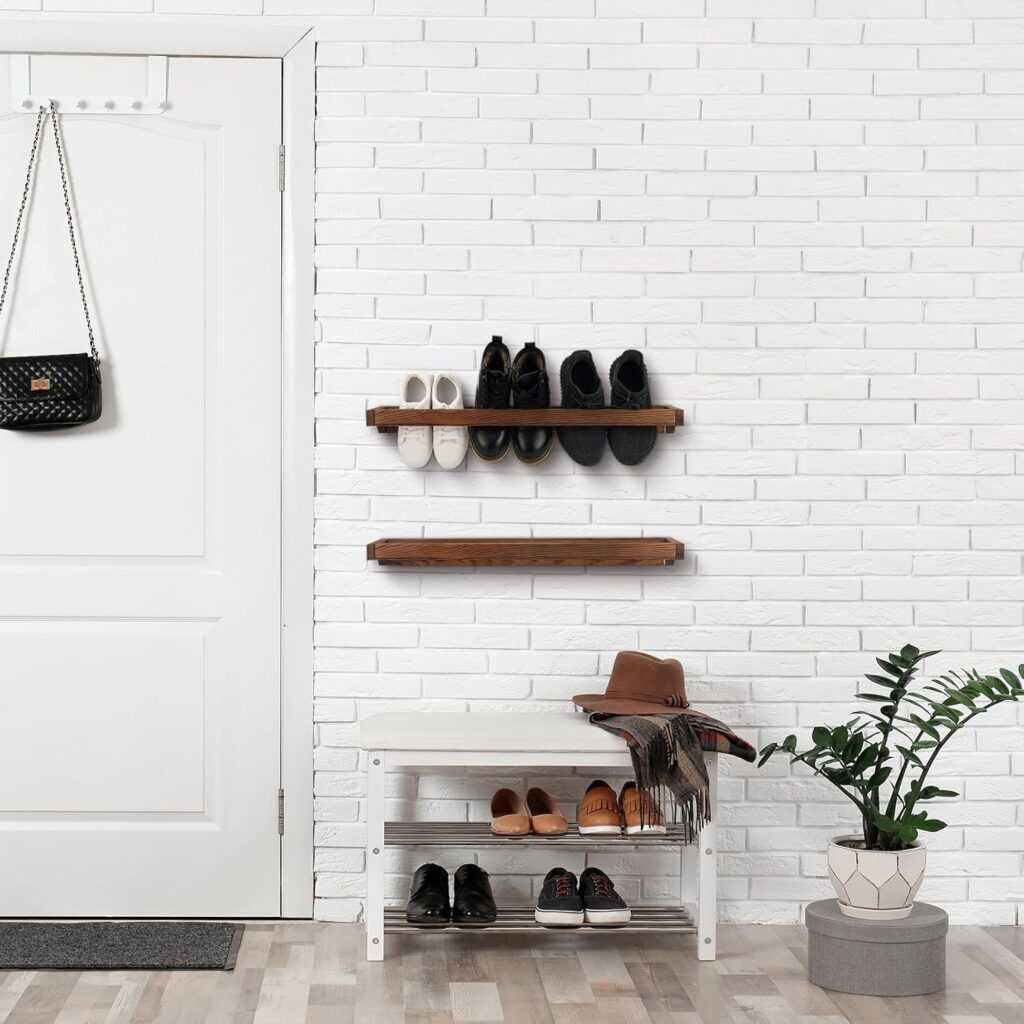
Clear shoe organizers are often repurposed for school supplies, accessories, and small toys. While each pocket seems helpful, the sheer number of pockets encourages overfilling. Items that do not belong together end up mixed because every pocket looks the same. Kids forget where things were placed and start stuffing items randomly. Over time, pockets sag, items fall out, and the organizer looks cluttered from across the room. Visibility does not equal organization when there is no category structure. These systems fail when they become catch all storage instead of targeted solutions.
8. Color-Coded Shelving That Lost Its Color Logic
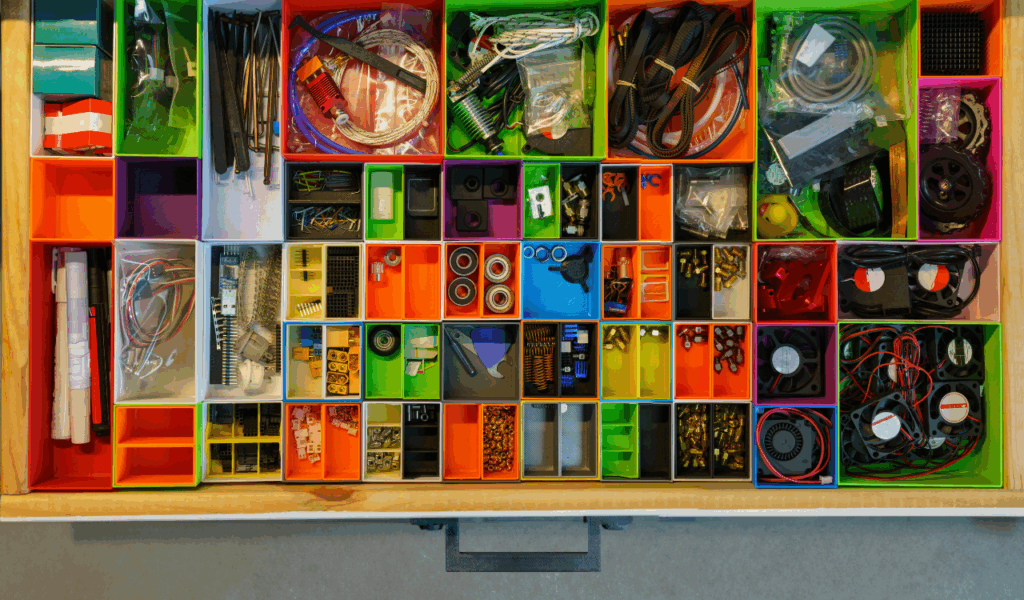
Color coding appeals because it creates quick visual cues, but it depends on consistent follow through. Once kids stop matching items to colors, the system collapses. Books, folders, and bins drift into the wrong sections. Parents either constantly correct the system or let it go. When colors no longer match contents, shelves lose their organizing value and become regular storage. Color systems also struggle when new items enter that do not fit the original scheme. Without ongoing maintenance, what once looked tidy becomes confusing and hard to use.
9. Desk Trays That Turned Into Paper Stacks

Stackable desk trays are meant to separate assignments, notes, and supplies. In practice, kids drop papers into the nearest tray without sorting. Soon, all trays hold mixed materials, and finding specific items becomes difficult. Trays also encourage piling rather than filing, which leads to wrinkled papers and forgotten assignments. Because trays look neat from the outside, clutter can build for weeks before anyone notices. The system depends on daily organization habits that are hard to maintain during busy school weeks. Without routine emptying, trays become storage for paper chaos rather than tools for order.
10. Rolling Carts That Never Stayed in One Place

Rolling carts promise flexible storage that can move where needed, but that mobility often becomes the problem. Carts drift from room to room as items get borrowed and never returned. Supplies scatter across levels, and no one knows where anything belongs. Because carts lack fixed homes, they also become easy dumping spots for miscellaneous items. Over time, they lose any connection to specific activities or routines. Storage works best when it supports habits tied to locations. Carts that wander break that link, which is why they rarely stay organized for long.