14 Cold-Night Meals That Feel Heavier Every Time You Make Them

When it’s cold outside, you naturally want meals that are grounding, leisurely, and very soothing. You don’t change the dishes, but you do, and that’s why they seem to get more emotional weight each time you cook them. Repetition gives memory, familiarity, and comfort, making simple elements feel like something real and gratifying. These dishes usually take longer to cook, simmer longer, and fill you up more than you thought they would. They aren’t glamorous or hip, but they are dependable and warm, giving you both physical and mental comfort. They become a tradition you look forward to when it gets cold instead than just dinner.
1. Slow-Cooked Beef Stew
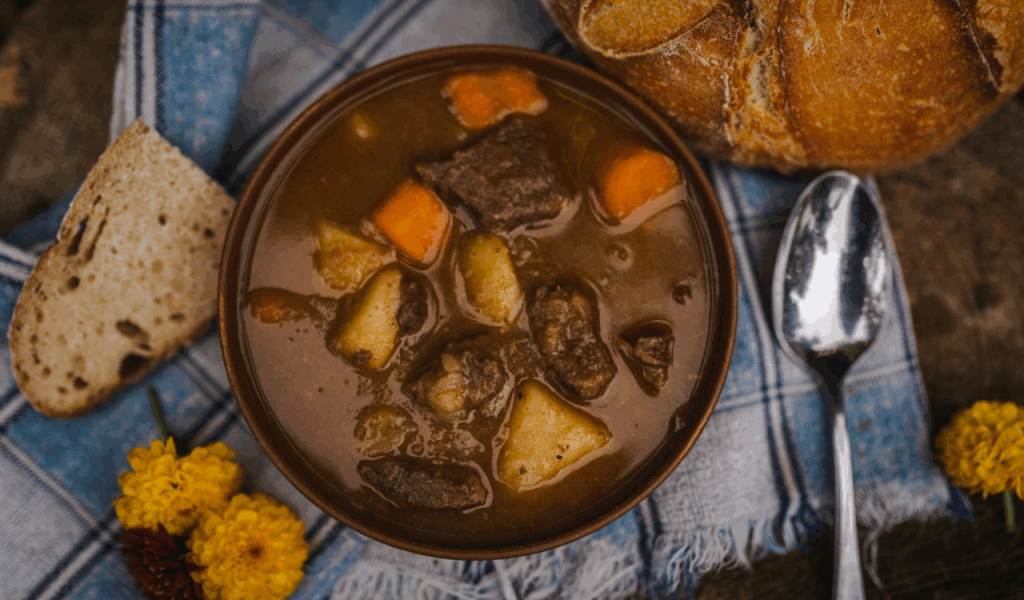
Each pot of beef stew teaches you to be patient and hold back, which makes it heavier over time. Slow simmering breaks down the connective tissue in tougher cuts into gelatin, which makes a rich, viscous broth that sticks to every spoonful. Root vegetables soak up the flavorful liquid, which gives them more body and a hint of sweetness that gets stronger as they cook. Making it over and over again helps you have a feel for when the stew is done by smell instead of time. The weight comes from both the texture and the experience. Heat, time, and familiarity take over on a cold night, making stew less about processes.
2. Creamy Potato Soup
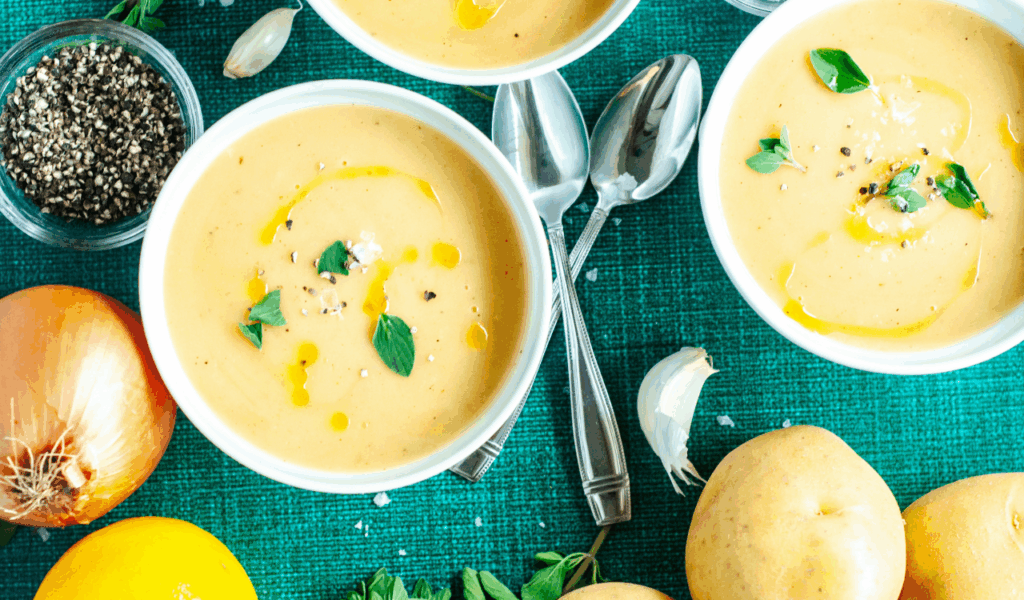
The starch that comes out of the potatoes and the moderate mixing of the soup make it feel heavy. Potatoes naturally thicken the soup as they cook and break down a little bit, so you don’t need heavy cream. You discover how simple modifications, like mixing it a little more or less, change its density every time you prepare it. The soup feels heavier because it warms up slowly and coats the mouth instead of quickly. Cooking the same soup again and over again gives you confidence in how you season it and how it feels. Despite its few ingredients, it makes a pleasant, relaxing, and hearty cold-night meal.
3. Baked Macaroni and Cheese
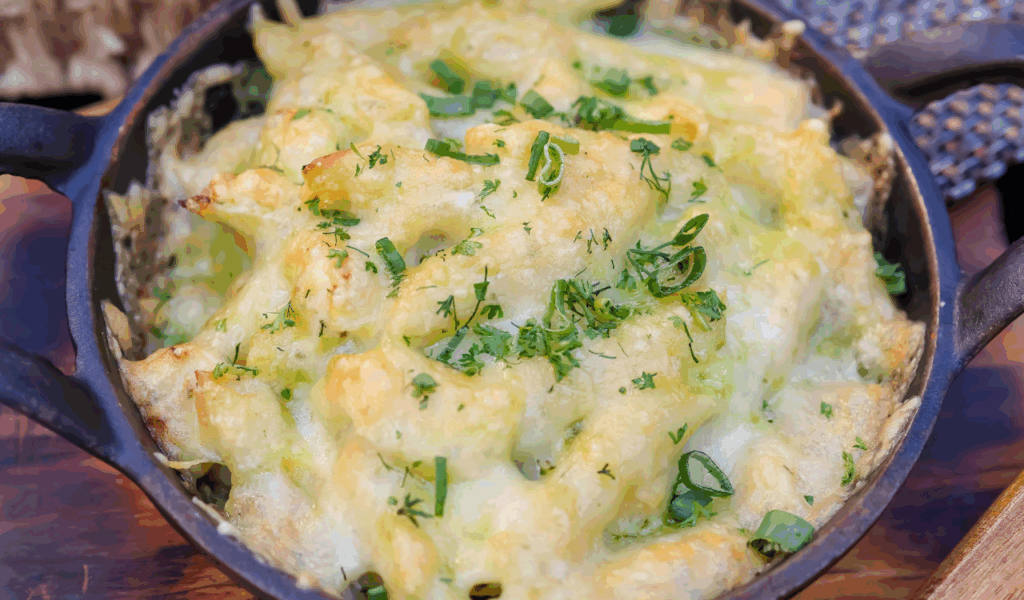
When you make baked macaroni and cheese more than once, it tastes better because it gets more balanced. Over time, you learn that the starch in pasta keeps the sauce from separating and gives it a smooth texture. Baking gives the food structure because the top hardens and the inside stays creamy. This makes each bite feel full and satisfying. The food feels heavier because it has fat, protein, and carbs in it, which slows digestion and makes you feel full. You won’t have to make any educated guesses about what to do each time you cook it. For those long, chilly evenings, this dish is perfect because it has a more planned, luxurious feel to it.
4. Braised Chicken and Vegetables
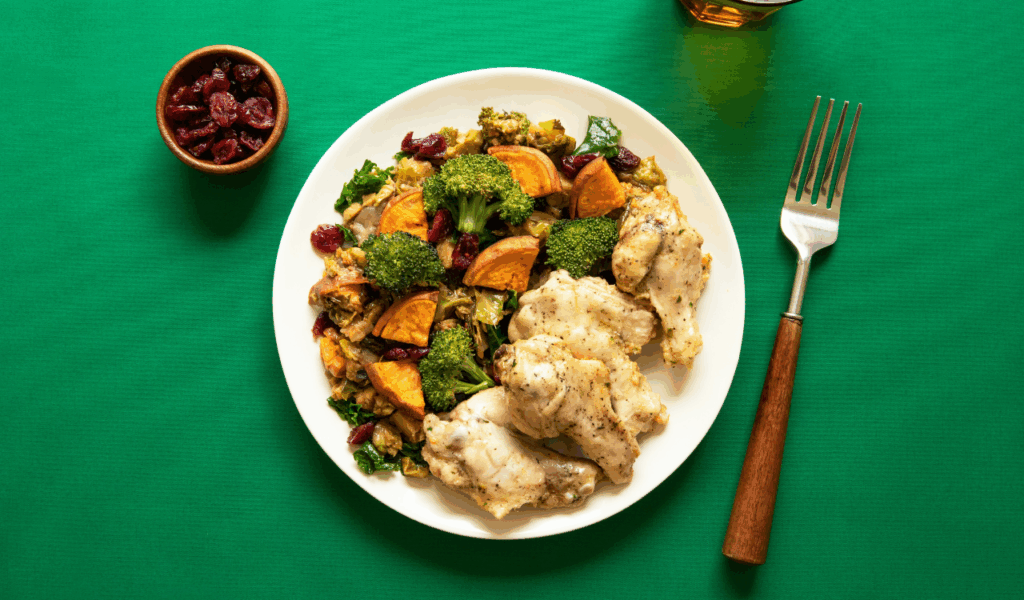
As a result of the slow and damp heat, the meat and veggies are combined into a single entity, which causes the chicken to appear to be heavier over time. In the process of preparing the food, the liquid itself transforms into a rich sauce that imparts flavor to each and every fiber. It is through repetition that you will learn how various vegetables release moisture and sweetness, which results in the meal becoming more substantial on its own. The meal is heavy and filling without being fatty. The fact that each try becomes easier and more natural suggests that this dish is best on cold nights.
5. Lentil and Vegetable Stew
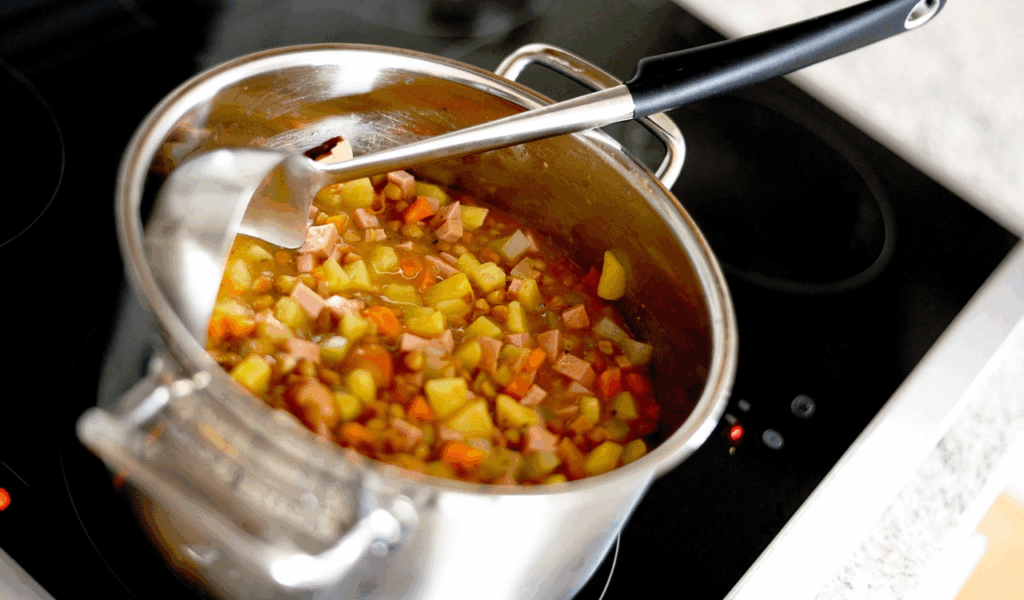
Due to the fact that lentils continue to absorb additional liquid even after the heat has been turned off, lentil stew will get more thick as you make it more frequently. When you cook the lentils multiple times, you can better monitor the passage of time, which allows you to ensure that they become tender without becoming mushy. Fiber and plant protein make the stew heavier, making you feel fuller longer. Cooked veggies release natural sugars that provide taste and substance. This stew is more enjoyable and reliable as the temperature drops since it shows how a few basic ingredients can make a delightful dinner.
6. Shepherd’s Pie
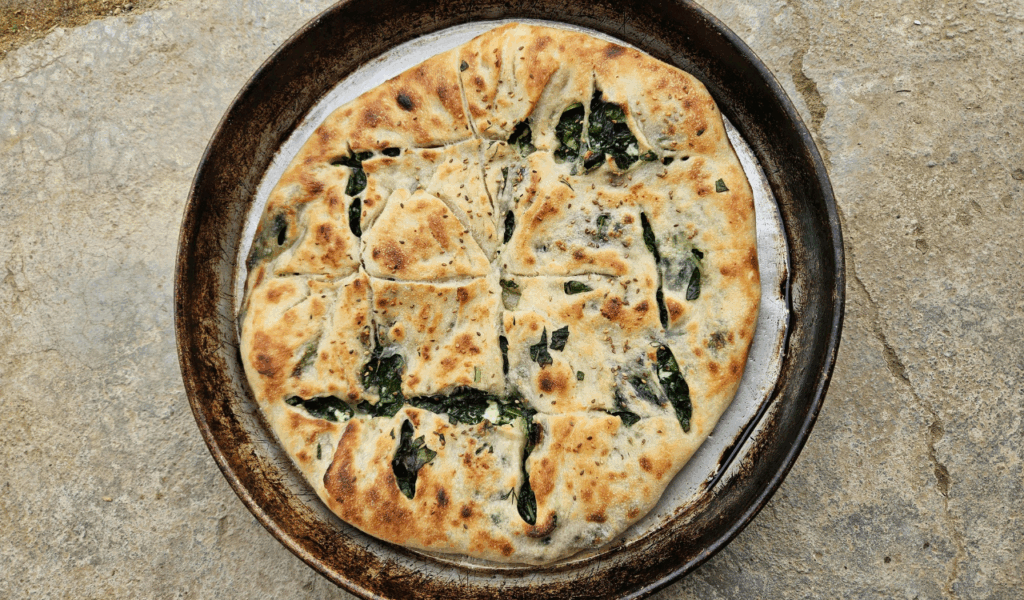
Through the process of layering, shepherd’s pie acquires both emotional and physical weight. A dense mashed topping that is able to seal in heat is supported by a flavorful base that has been thickened with starch. Through repeated preparation, you will learn how important it is to maintain a moisture balance, which will prevent a watery filling and maintain the structure of the top. The dish is heavier because it combines multiple textures into one bite. Each time you make it, the steps feel more significant and familiar, making it a staple you can rely on on cold nights to fulfill your appetite and provide warmth and comfort in every bite.
7. Chili with Beans
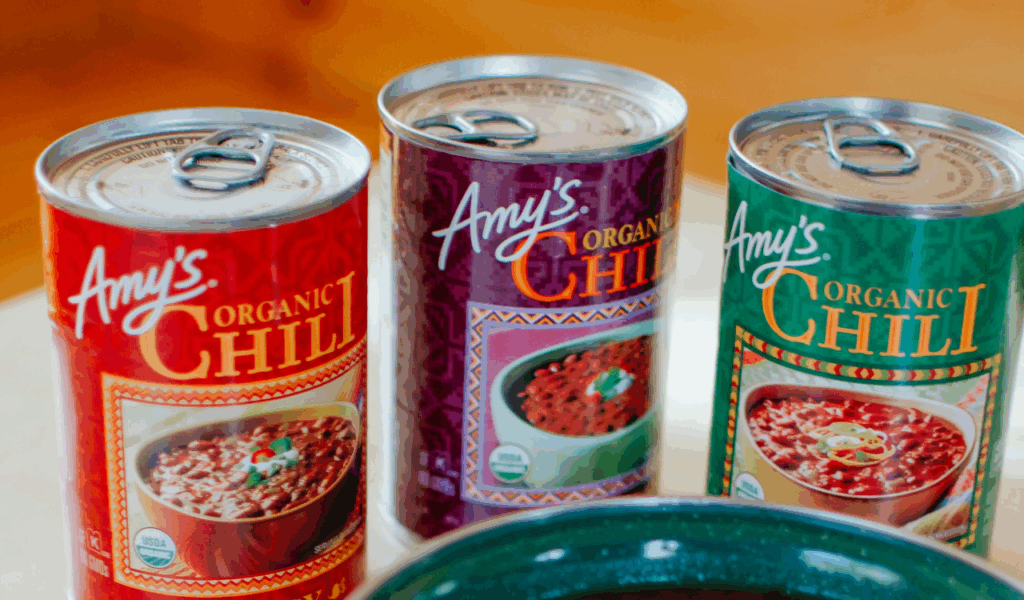
As the simmer and spice balance of chili is refined over time, the chili will become more substantial. Over time, beans release starch, which causes the liquid to become more viscous and gives the chili its body. When cooked over an extended period of time, tastes combine, resulting in a reduction in harshness and an increase in depth. Your sense of time will improve with each repeat, and you will be able to determine when it has achieved the correct thickness. This weight is caused by protein, fiber, and heat creating a long-lasting fullness. When served on cold evenings, chili becomes consistent, anchoring, and deeply comforting.
8. Baked Lasagna
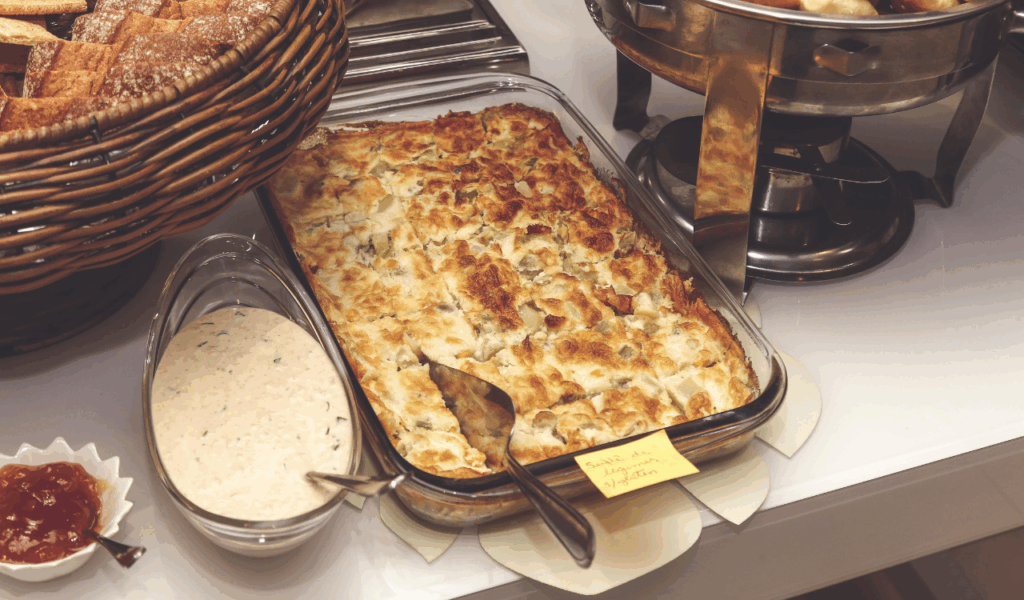
Due to the fact that rest and repetition increase structure, lasagna always feels heavier than it did before. The sauce is absorbed by the layers of pasta, the proteins become more solid, and the dish is formed into clean chunks that have a substantial and pleasant texture. Learning how the distribution of moisture influences the final weight and texture is something that comes with practice. Because carbohydrates, fats, and protein release energy slowly, the meal is quite filling. Each time you make lasagna, it becomes more meticulous and fulfilling, solidifying its standing as a meal that can keep you warm on a cold night.
9. Mushroom Risotto
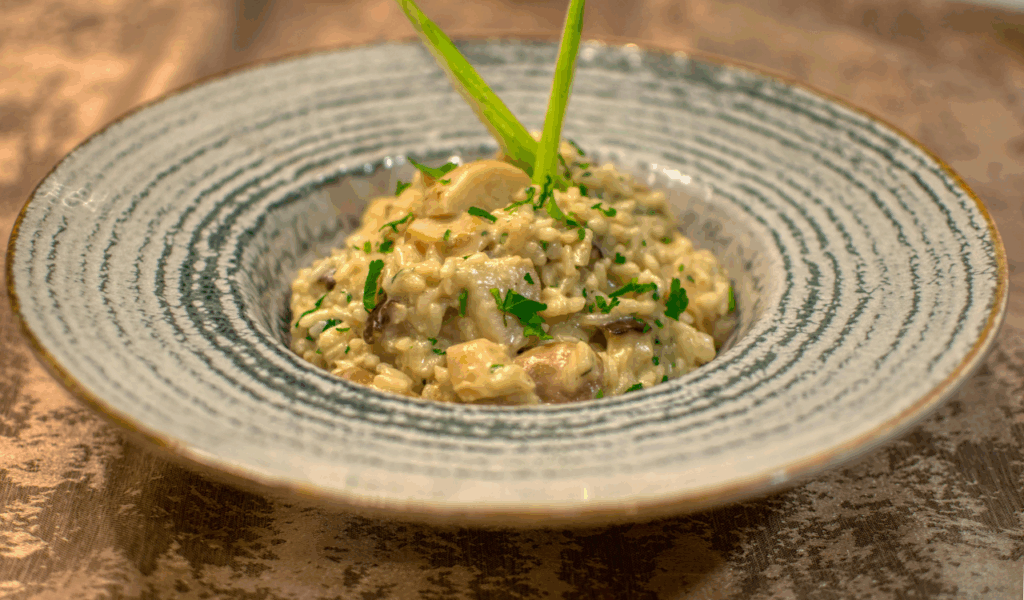
Risotto attains its weight not through the ingredients but rather through the technique. The starch in the grains is released through repeated stirring, which results in a creamy texture that is free of the heaviness that is caused by dairy. You will eventually discover how the steady addition of liquid changes the density and mouthfeel of the substance. Mushrooms contribute umami, wetness, and savoriness. Because it’s cohesive and warming, risotto is thicker and takes longer to make. Each batch strengthens its reassuring quality, making it a reliable solution for cold weather that requires something sturdy but refined.
10. Baked Stuffed Peppers
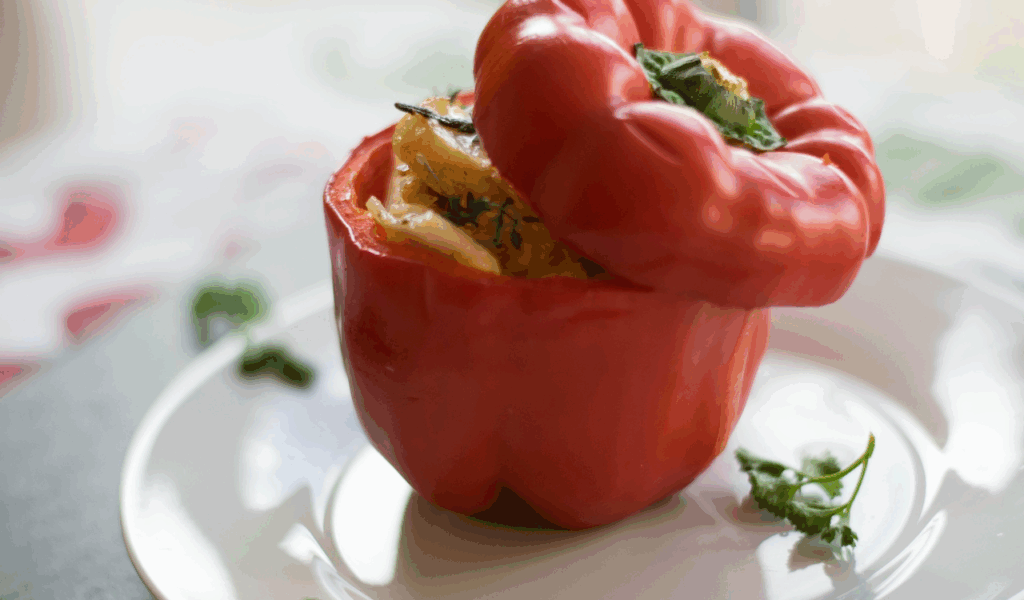
When familiarity is increased, stuffed peppers have a heavier sensation because the balance is improved. During the baking process, the filling takes in moisture from the pepper, which causes it to become more cohesive and dense. Through repetition, you will learn how to avoid dryness while maintaining the integrity of the construction. This recipe provides a single serving of protein, grains, and veggies, which helps to promote feelings of fullness. Continuing to prepare it will unify the tastes and make the dish more enjoyable. Stuffed peppers provide comfort and delight on cold nights without adding heat.
11. Split Pea Soup
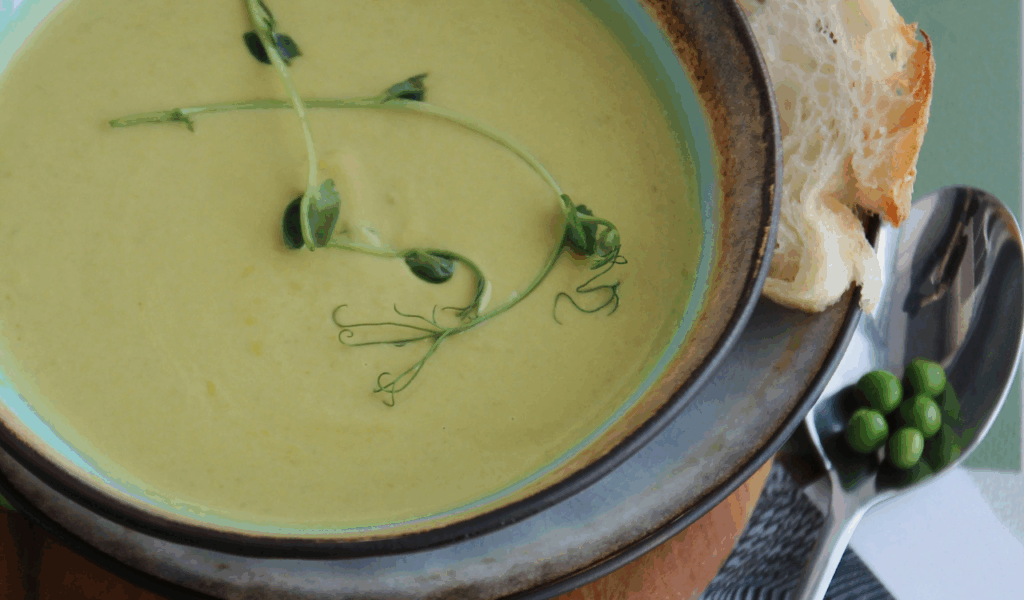
As the peas break down, split pea soup naturally thickens, resulting in a texture that feels heavier with each batch because of the increased density. One can learn via experience how long to boil something in order to achieve the ideal consistency without losing definition. As a result of the soup’s high fiber and protein content, it provides a feeling of sustained satiety, making it very satisfying. Repetition improves seasoning control and calms harsh flavors. Each bowl has a more substantial and comforting texture, emphasizing its role as a low-temperature meal that warms you up and keeps you going long after you finish eating.
12. Baked Ziti
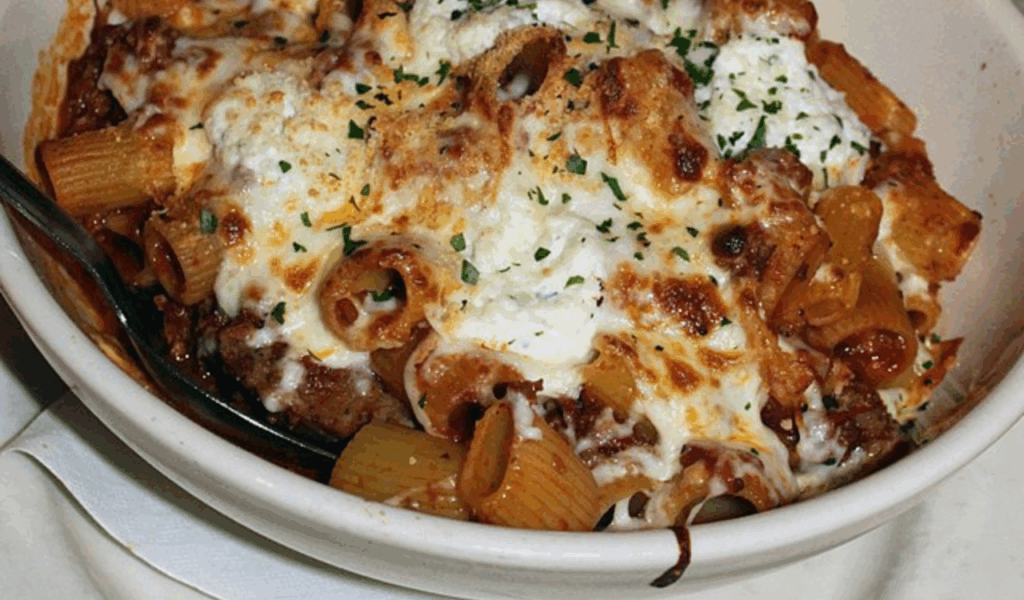
When you learn to control the moisture content, baked ziti will become heavier. As the pasta bakes, it takes in the sauce, which results in a structure that is both firm and tender. In addition to giving richness and solidity, cheese helps to bind layers together. You will be able to alter the ratios instinctively via repetition, so avoiding dryness or excess fluids. Because it provides concentrated energy and warmth, the dish manages to give the impression of being substantial. On each occasion that you prepare it, the familiarity of putting it together and baking it reinforces its function as a dependable and satisfying option when temperatures decrease.
13. Cabbage and Sausage Skillet
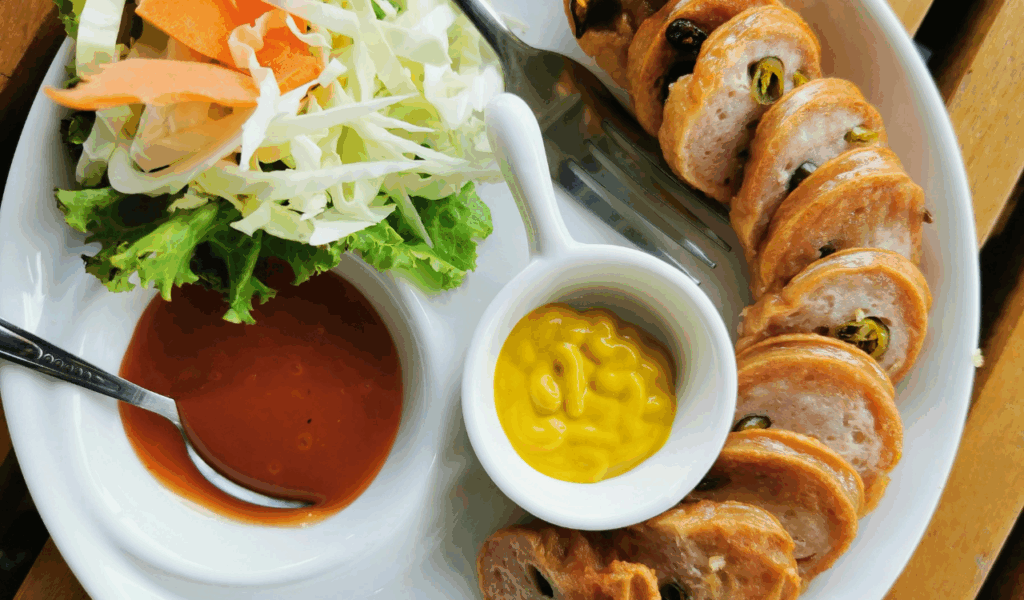
Caramelization is something that may be improved with practice, which is why this dish seems heavier over time. The cabbage first releases water, and then as it browns, it concentrates its taste. Sausage can increase satiety since it contains both fat and protein. Your ability to handle heat will tell you how texture and depth are affected by repetition. Despite the fact that it is a simple dinner, it has a calming and satisfying effect. Each time you cook it, the tastes become more unified, which makes it a reliable alternative for a cold night that satisfies without requiring a complicated preparation.
14. Oven-Baked Chicken Thighs with Root Vegetables
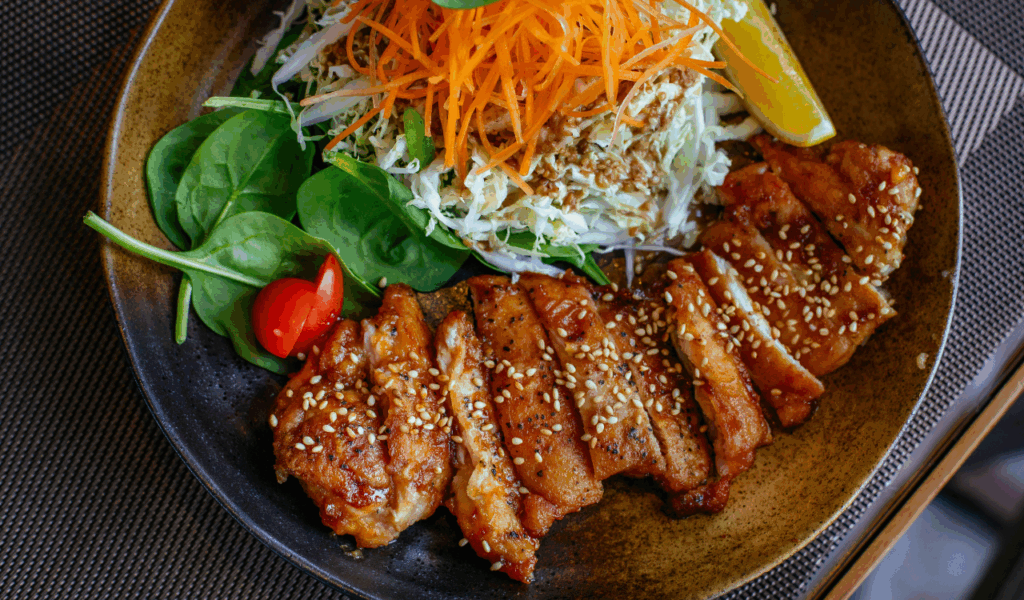
This meal is gaining weight because it is straightforward and it is repeated. when root vegetables concentrate their sweetness and starch into a concentrated form, chicken thighs maintain their moisture and richness when baking. With practice, you will discover the optimal spacing and timing for roasting in an even manner. Because fat, protein, and carbohydrates are all combined in a single skillet, the meal has a heavier texture than it actually is. Its dependability is strengthened with each preparation, which transforms it into a reassuring, hassle-free supper that provides warmth and a sense of fullness on chilly evenings.