12 Foods That Lock You Into January Routines You Secretly Hate
January frequently starts with good intentions, but the meals you eat can slowly change your behaviors in ways you don’t like. Certain things make you eat the same thing repeatedly, follow rigorous timetables, and eat in ways that look productive but quickly tire you. While these meals aren’t unhealthy, they can lead to extremes like dieting, not enjoying eating, or being bored with the same flavors. Meals become chores instead than meals. Knowing which foods support these habits might help you make better, more flexible choices. January needn’t be dull or hard. First, discover what makes you want to eat for energy, mood, and consistency.
1. Plain Instant Oatmeal Packets
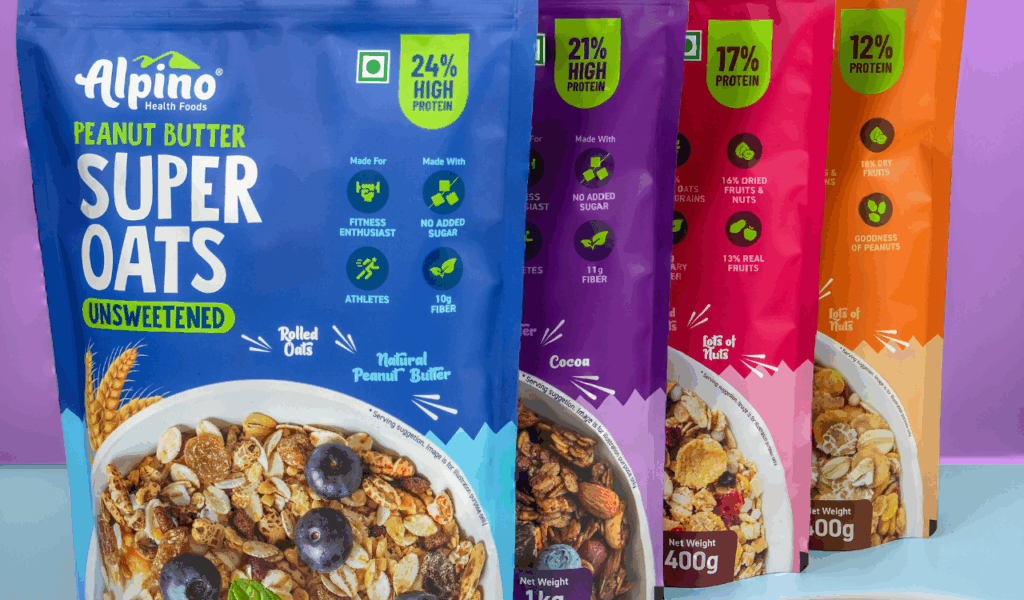
Instant oatmeal packets are generally seen as the best breakfast option in January because they are quick, filling, and advertised as healthy. The trouble is that they make you bored very quickly. Many packages have additional sweets but still taste flat, which makes you eat something that isn’t very good but has a lot of calories. People don’t often change the servings to reflect how hungry they are because they are set. This makes people hungry and angry in the middle of the morning. Daily consumption of soft, smooth food reduces hunger. Your rushed routine seems more like a duty than a meal as breakfast becomes a chore.
2. Dry Skinless Chicken Breast

A lot of individuals who want to eat “clean” eat skinless chicken breast every day in January, but relying on it too much might make you angry quickly. Because it has so little fat, it’s easy to overcook, which renders meals dry and tasteless unless you put in extra effort. A lot of folks don’t season it right because they’re afraid of calories, which makes the situation worse. Eating the same lean protein over and over might make meals feel boring and limiting. Chicken breast is healthful, but eating it every lunch and dinner may tire you out and restrict your thinking. Burnout or binge eating often follow.
3. Plain Steamed Vegetables
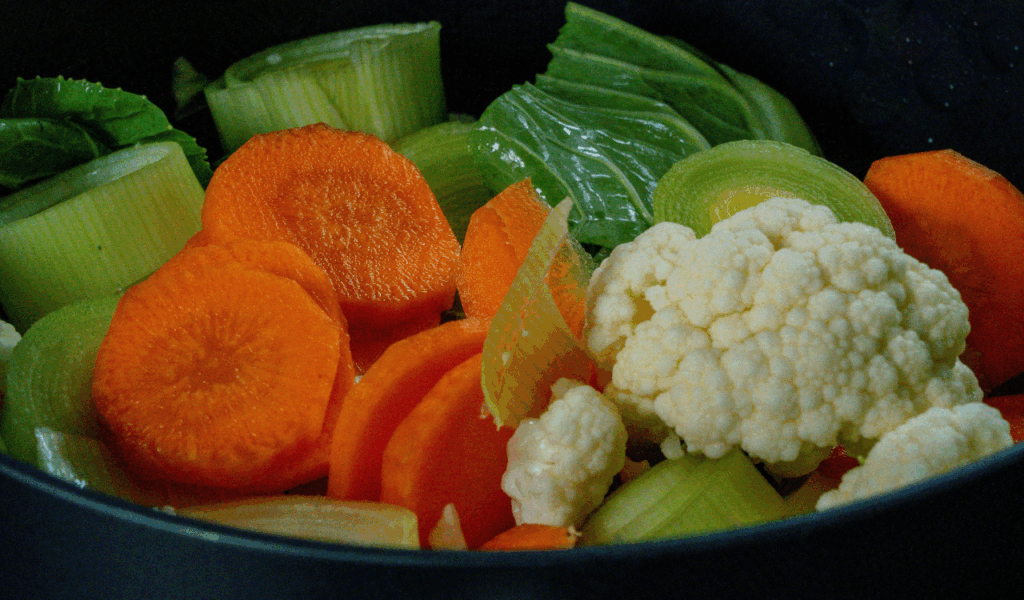
Many people who follow rigorous habits in January eat steamed veggies without any extra oil or salt. Cooking veggies the same way every day takes the fun out of eating them, even though they are good for you. Fat helps transport flavor and helps the body absorb fat-soluble vitamins, although it is sometimes cut out completely. Food that seems punitive instead than gratifying is the result. People who do this may start to hate meals and snack too much afterward. Vegetables should make things more interesting and colorful, not make them taste the same over and over again. When all the plates look and taste the same, it’s hard to stay motivated to eat well.
4. Egg White Only Breakfasts
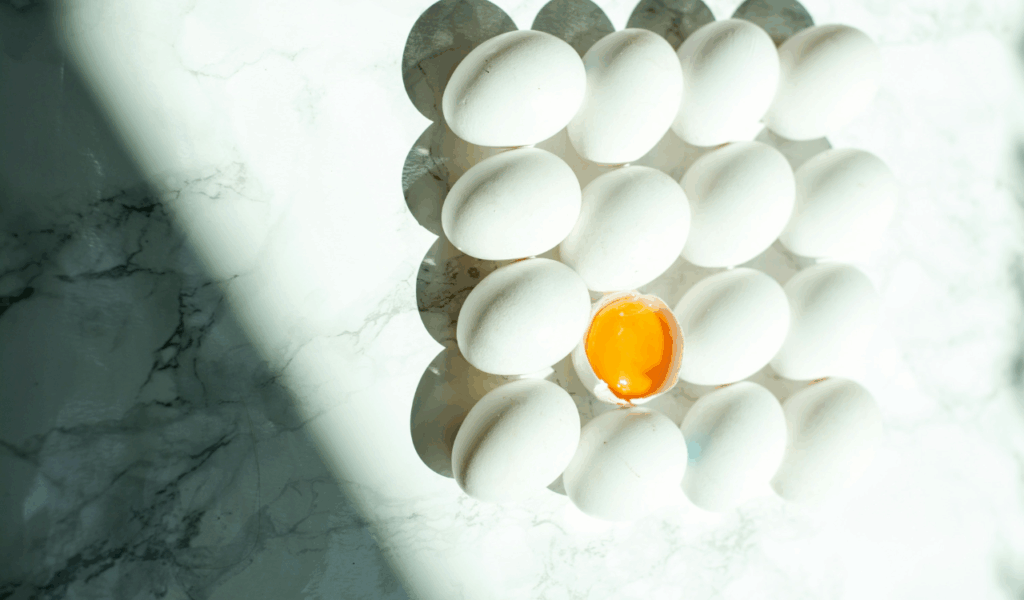
Egg whites are a good source of protein and low in calories, but eating only them can be bad for you. Taking off the yolk takes away essential lipids, fat-soluble vitamins, and a lot of the taste. This makes meals feel unfinished and not satisfying. People often make up for it by eating bigger meals or snacking soon after. Eating the same egg white breakfast every day might also make you tired of the texture because they get rubbery when they are overcooked. There are times when egg whites are appropriate, but if you make them a daily norm, you will be locked in a routine that is monotonous and won’t endure long once January has passed.
5. Meal Replacement Shakes
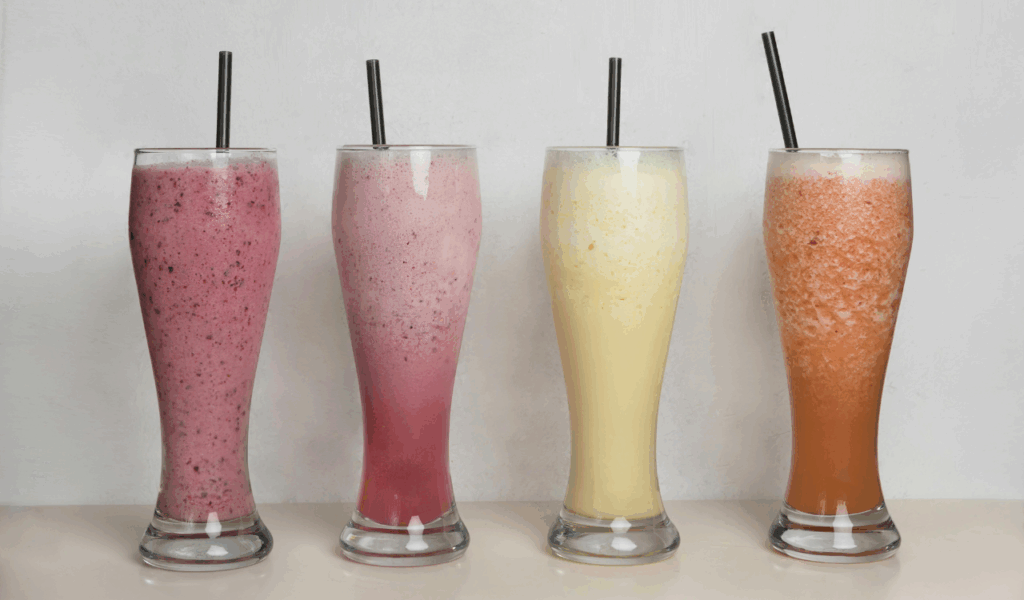
People commonly buy meal replacement drinks because they are easy to use in January, but they might keep people stuck in bad behaviors. Eating meals removes the sensory sensation of eating, which is a big part of feeling full. A lot of shakes are sweet, but they don’t fill you up, so you get hungry again soon after. If you rely on them, you can miss out on natural hunger signals and start eating too quickly. Shakes can be helpful sometimes, but substituting a lot of meals with them makes it feel more like a chore than self-care. This can make desires stronger and make it harder to stay consistent over time.
6. Plain Rice Cakes

People generally choose rice cakes because they are low in calories and crunchy, but they don’t always fill them up. They break down quickly and don’t have much protein or fat, which makes you hungry again quickly. A lot of individuals consume many at once, which defeats the purpose and makes them feel deprived. Their bland taste makes you want to try different toppings over and over, which can get boring. When rice cakes become a daily snack, they make it harder to eat balanced meals and keep snacking. This pattern feels limiting and unsatisfying, which makes it tougher to stick to healthy behaviors after the first few weeks of January.
7. Low Fat Flavored Yogurt
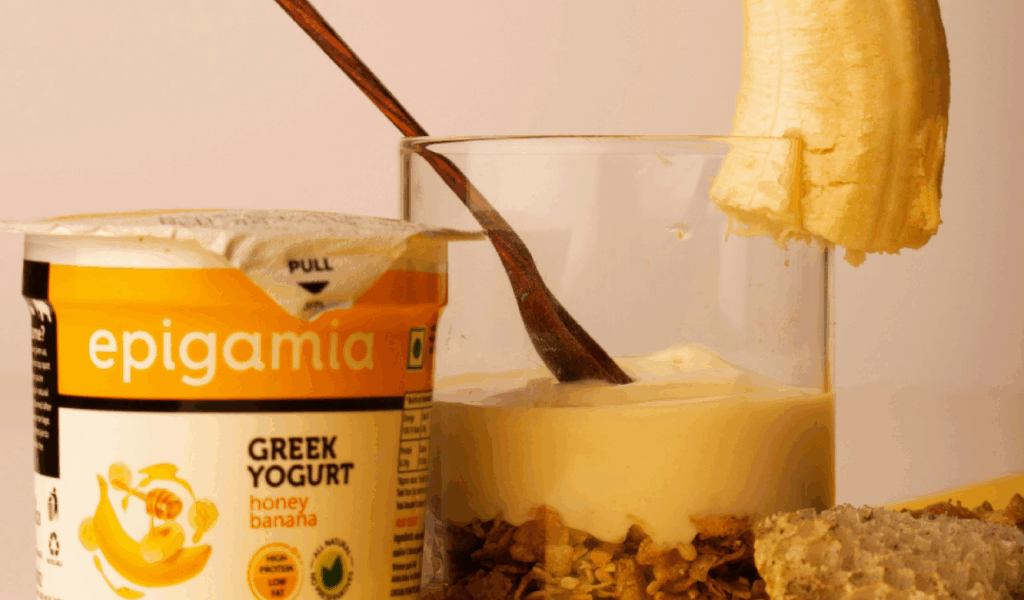
People often think that low-fat flavored yogurt is a healthy choice, but it can actually make you less satisfied. When you take off fat, the creaminess and fullness go down, and sugars are added to make the flavor better. This mix might make you want to eat more instead of less. Eating the same sugary yogurt every day can also make you less sensitive to taste and make you want sugar more. A lot of individuals do it out of habit instead of pleasure. It is true that yogurt is beneficial to your health; nevertheless, if you consistently go for low-fat and sweetened varieties, you will find yourself trapped in a cycle that prioritizes your weight over how you feel after eating.
8. Prepackaged Salad Kits
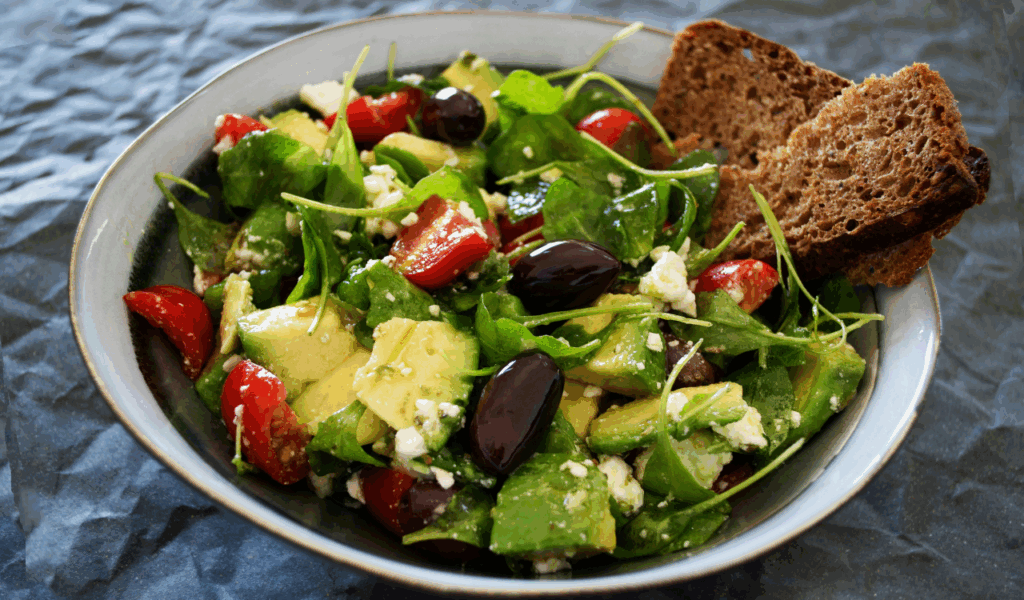
Salad kits claim to make things easier and give you more control, but they often make you eat the same things over and over. The greens wilt quickly, so you have to eat them because you have to, not because you want to. The amounts of toppings and dressing are set, which makes things less flexible. A lot of kits use the same flavor profiles, which might get boring. When you speed through salads to keep “on track,” they lose their attraction. This pattern might make eating healthily feel like a chore instead than something that comes naturally. People either stop eating salads altogether or consume them without enjoying them.
9. Plain Protein Bars
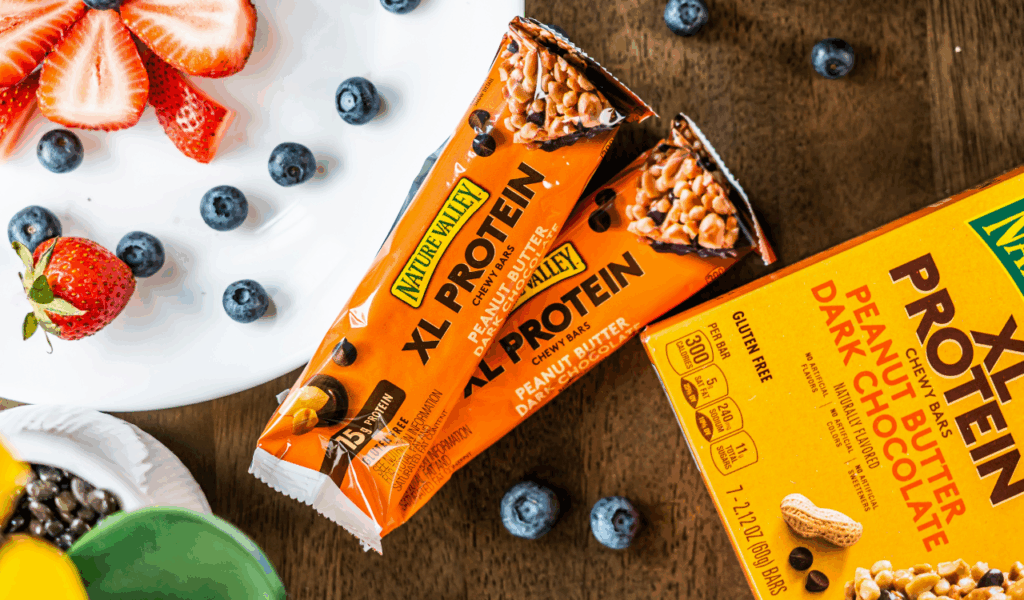
People often utilize protein bars as fast solutions in January, but a lot of them are excessively processed and boring. Their thick texture and consistent sweetness can get old quickly. When you depend on them every day, you don’t eat actual meals anymore; instead, you eat something that feels more like fuel than food. This can make it hard for you to feel hungry and make you eat on a schedule instead of when you need to. Protein bars can be helpful from time to time, but if you make them a habit, they will become more about convenience than satisfaction. This typically makes people angry and want to eat more fun foods later.
10. Black Coffee Only Mornings
People often say that drinking solely black coffee in the morning is a sign of discipline, however it can lead to bad habits. Not eating and relying on coffee may temporarily reduce your hunger, but it usually makes you eat more later. It makes a lot of people more jittery and irritable. The consumption of black coffee does not in and of itself pose any health risks; however, if you use it as a substitute for meals, you will find yourself in a cycle of undernourishment. Although this routine could appear to be helpful, in most cases, it does not assist you in maintaining a healthy diet over the long term.
11. Plain Soup Diet Staples

In January, people like to refresh by eating simple soups made with broth and a few vegetables. At first, they may be soothing, but they often don’t have enough protein, fat, or texture to fill you up. If you consume them too often, you could feel cold, hungry, and mentally empty. Instead of making full meals, a lot of individuals choose soup as a quick supper. Over the course of time, this will turn into a habit of eating less rather than better. A decrease in consistency and an increase in wants occur when meals do not appear to be sufficient. Rather than being consumed in place of meals, soup ought to be consumed alongside them.
12. Sugar Free Snack Packs
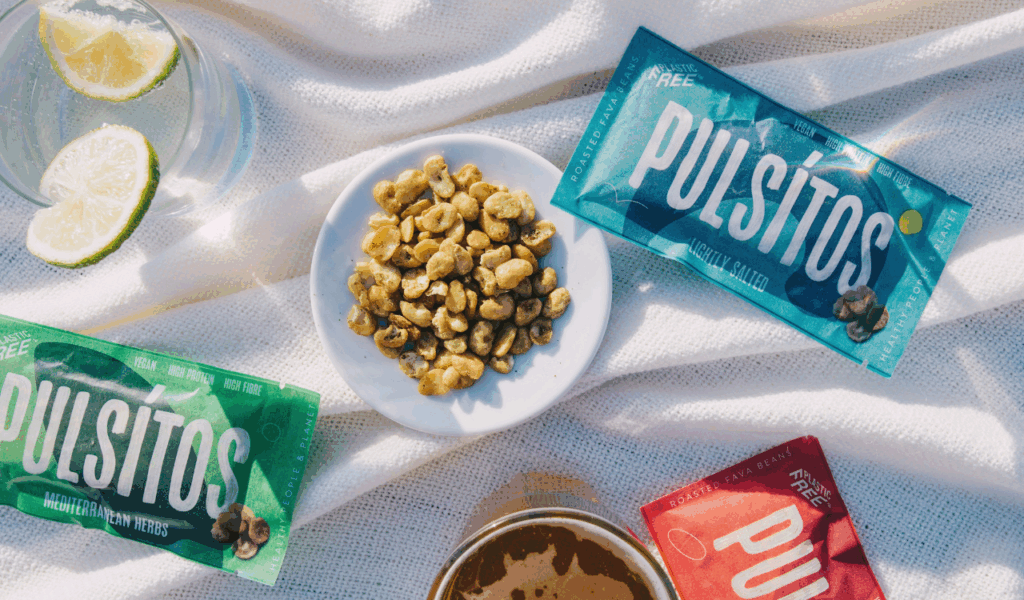
People are told that sugar-free snack packets are guilt-free, yet they can actually make people think more restrictively. A lot of people use artificial sweeteners, which may make them want sweet flavors more. Because their amounts are so little, they often don’t fill you up, therefore you have to eat more than once. Eating them every day can make you used to munching all the time without getting any nutrition. Even though they may help people eat less sugar, they don’t teach people how to eat a balanced diet. This schedule can feel strict and boring, which makes it harder to enjoy meals organically after January.