
14 Back-to-School Organization Trends That Didn’t Hold Up
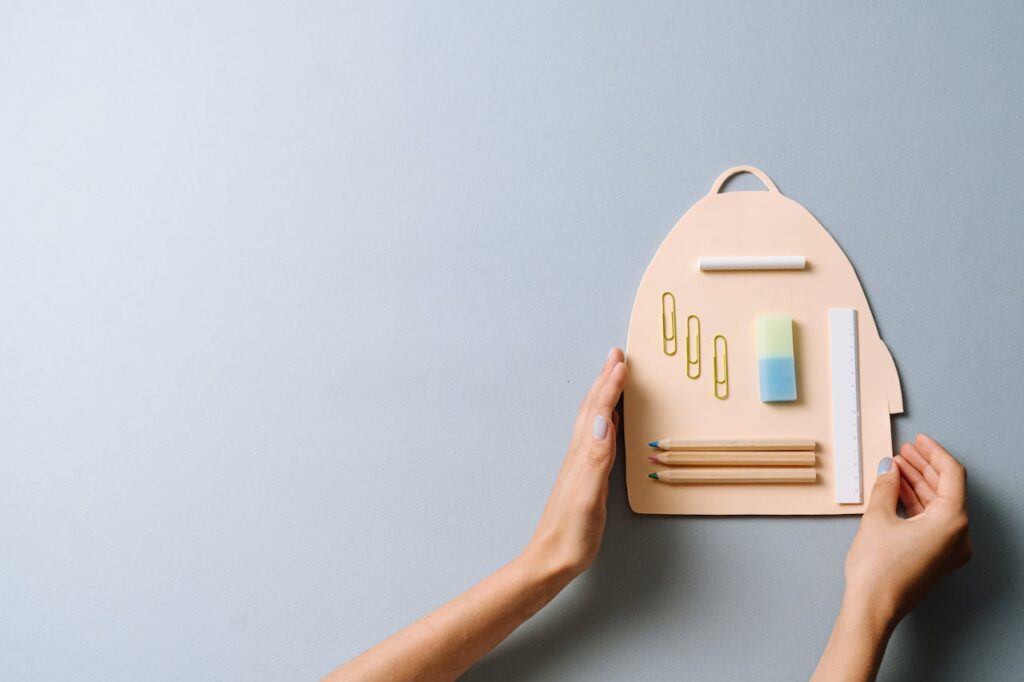
Back-to-school organization trends often launch with energy and optimism. Fresh supplies, labeled bins, and carefully planned systems promise smoother mornings and calmer evenings. Once school is fully underway, many of these ideas struggle to keep up with real schedules, shifting needs, and everyday habits. Systems that require constant maintenance, rigid rules, or perfect follow-through tend to unravel quickly. By mid-semester, families often find themselves reverting to simpler routines. These are the back-to-school organization trends that looked effective at first but could not hold up once daily life took over.
1. Color-Coded Supply Systems That Couldn’t Keep Up
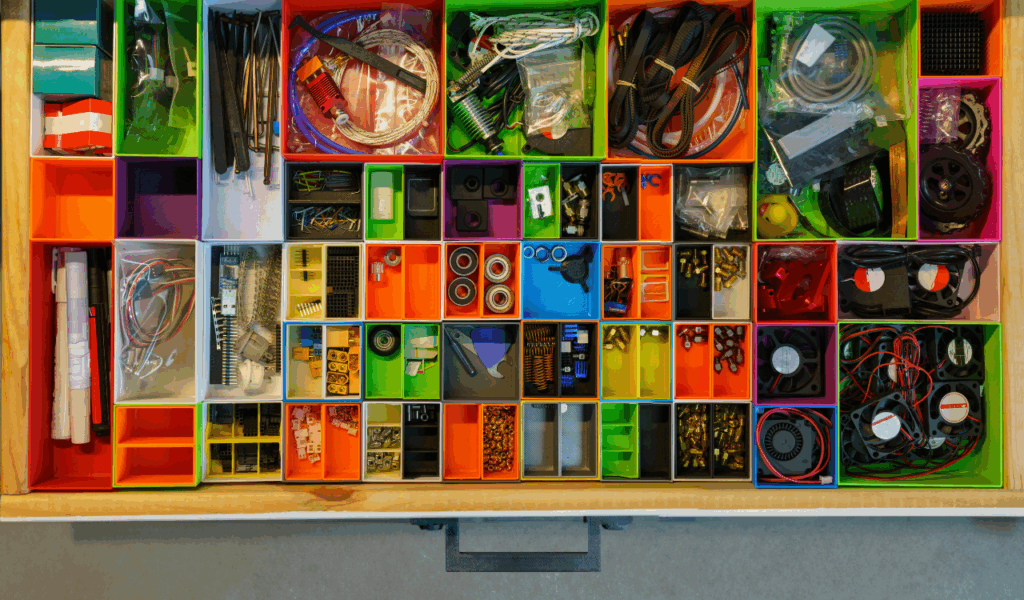
Color-coding looks brilliant during the first week of school. Each subject has its own folder, notebook, pencil pouch, and sometimes even matching tabs. The problem shows up once real life takes over. Papers get stuffed wherever there is space, kids grab the closest folder, and colors blur together fast. Maintaining the system requires constant sorting and correction, which rarely happens after long school days. When one piece goes missing, the whole logic collapses. Instead of making organization easier, color-coding becomes another rule to remember. Over time, kids stop following it and parents stop enforcing it. What started as a visual win quietly turns into clutter with extra steps.
2. Overly Complex Labeling Systems That Went Stale
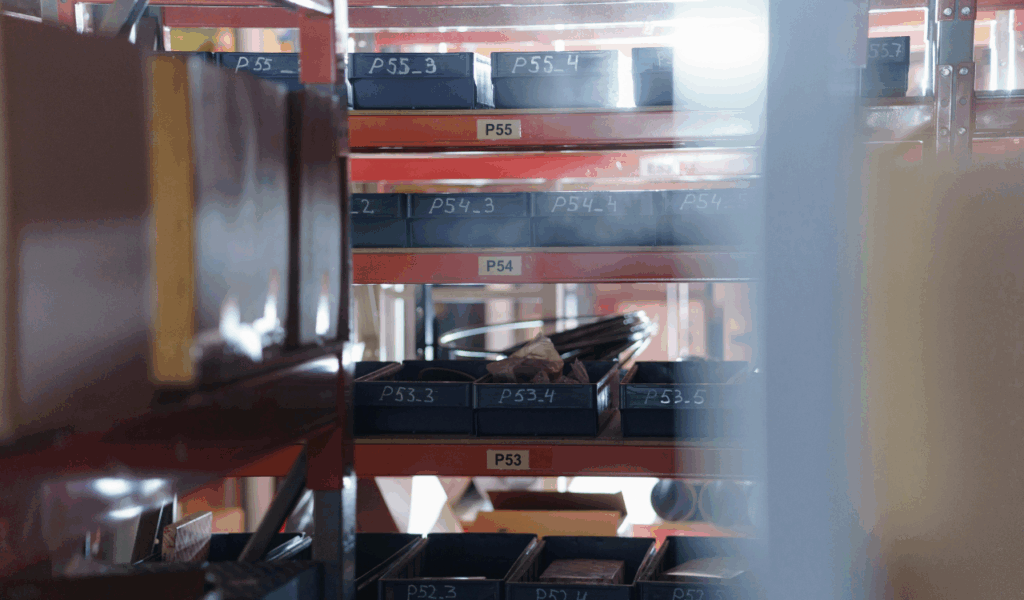
Detailed labels feel reassuring at the start of the year. Every bin, drawer, and folder has a name, sometimes even subcategories. The issue is upkeep. School supplies change, projects come and go, and kids’ needs evolve quickly. Labels that are not updated become misleading. A drawer marked for one thing ends up holding something else entirely. Once labels lose accuracy, kids stop trusting them. At that point, the system works against organization instead of supporting it. Simpler labeling survives longer because it allows flexibility. Overly specific labels demand maintenance most families cannot sustain.
3. Elaborate Daily Schedules That Didn’t Survive Reality

Perfectly planned daily schedules look motivating in August. They map out homework time, reading, activities, and downtime in neat blocks. By September, they start cracking. School days vary, energy levels shift, and unexpected events pile up. Rigid schedules leave no room for flexibility, which leads to guilt rather than guidance. When families fall behind once or twice, they often abandon the schedule entirely. The structure was too tight to adapt. Schedules work best when they guide rather than dictate. When they feel like rules instead of support, they stop getting used to them.
4. Weekly Homework Binders That Stayed Empty
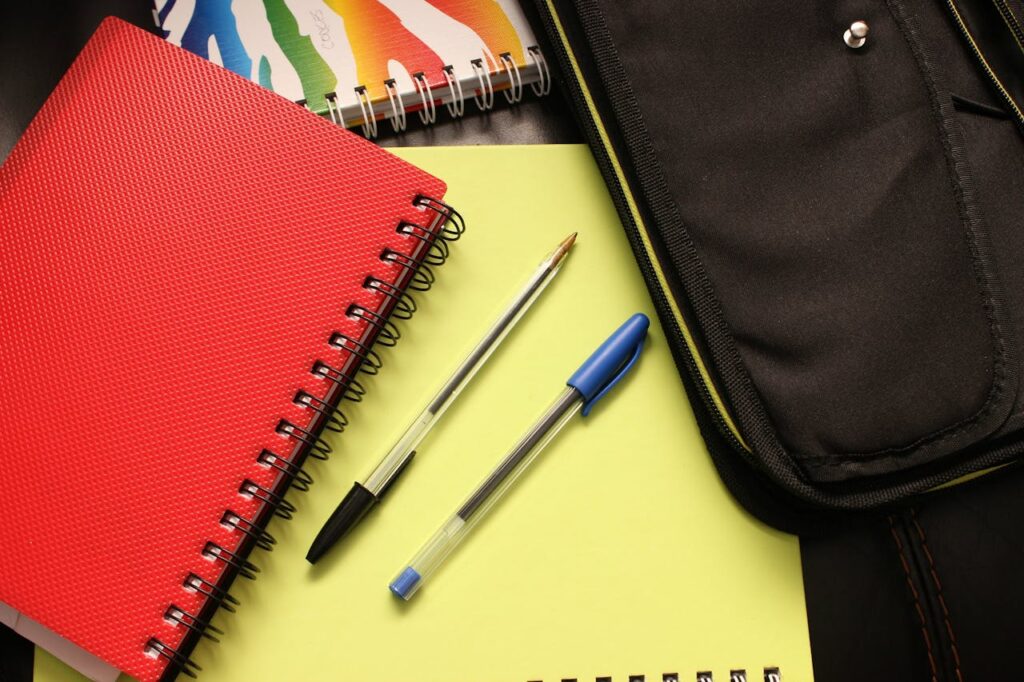
Homework binders promise one central place for assignments, notes, and schedules. In practice, they add another layer without replacing anything. Kids already juggle folders, notebooks, and digital platforms. The binder becomes redundant. Papers get stuffed elsewhere out of habit. Teachers’ systems rarely align with home-created binders, making consistency difficult. Over time, the binder sits untouched while real work happens outside it. Instead of simplifying organization, it becomes another unused tool taking up backpack space.
5. Alphabetized Supply Drawers That No One Maintained
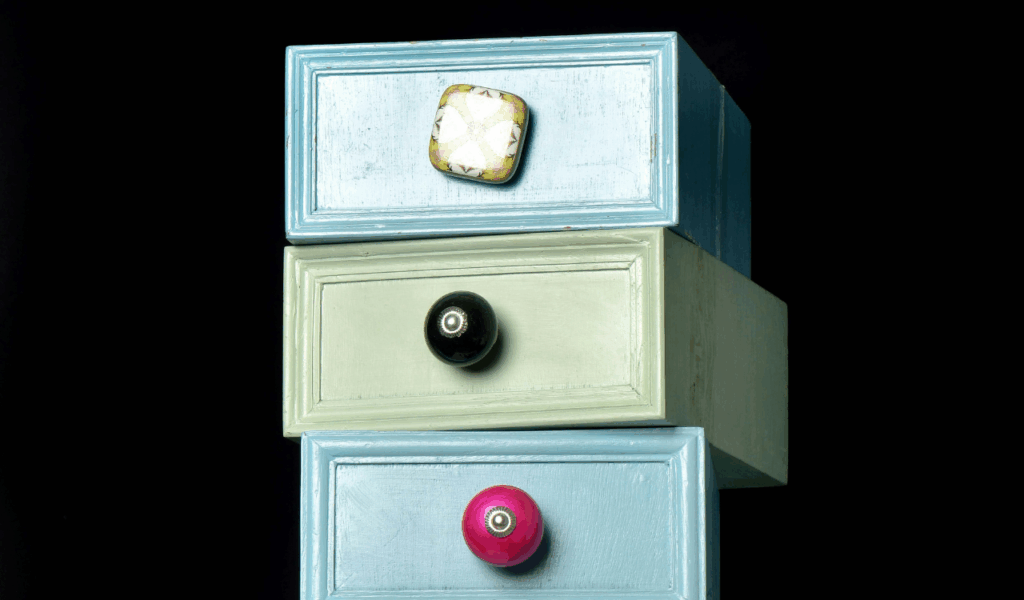
Alphabetizing supplies feels orderly and adult-approved. Pens under P, markers under M, notebooks under N. The flaw is speed. Kids need to grab items quickly, not think alphabetically. When rushed, they put things back wherever there is space. Once a few items land out of order, the system breaks. Maintaining alphabetical order requires constant correction, which feels unnecessary for everyday use. Function matters more than precision. Systems that require frequent policing rarely last through a full school term.
6. Over-the-Door Organizers That Turned Into Junk Zones
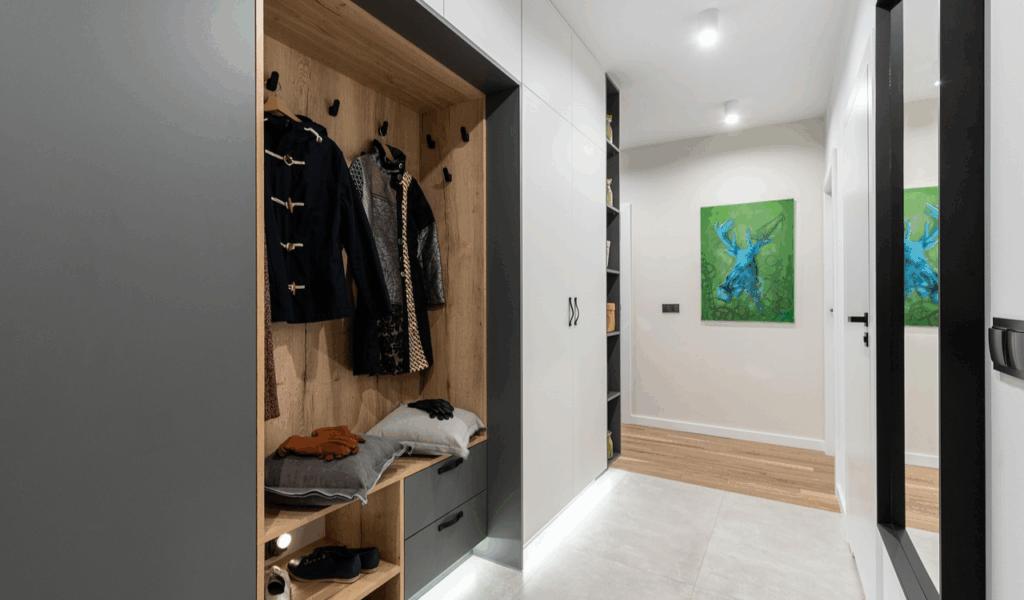
Over-the-door organizers promise vertical storage and easy access. They work briefly, then become catch-alls. Without clear limits, pockets fill with random papers, broken supplies, and forgotten items. Because everything is visible, the organizer starts to look messy even when it is technically holding things. Items are hard to find because nothing has a clear purpose anymore. Over time, kids avoid using it intentionally and treat it like a dumping ground. What was meant to reduce clutter ends up displaying it.
7. Theme-Matching Bags and Caddies That Didn’t Age Well
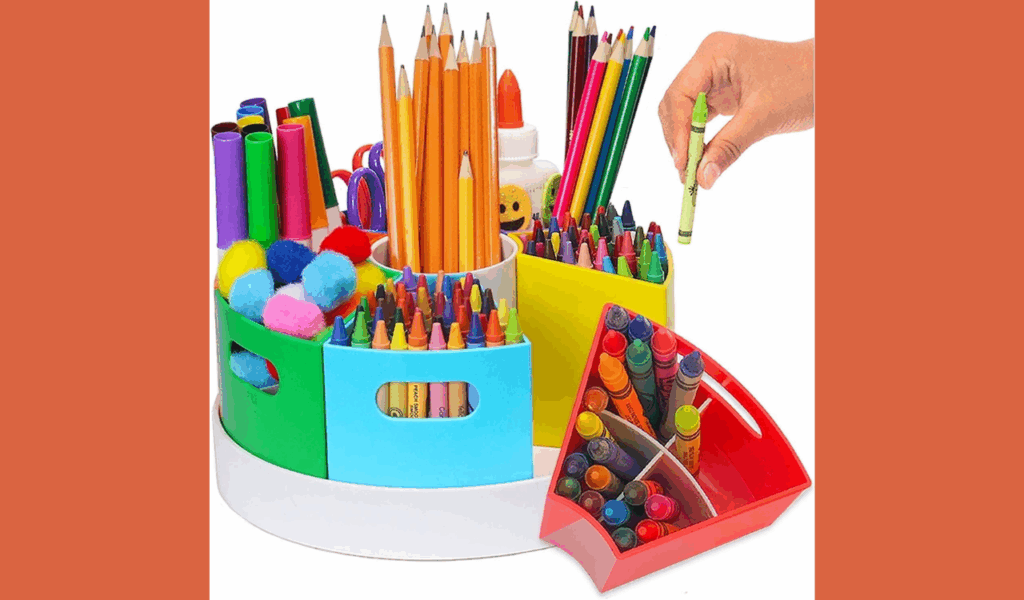
Matching backpacks, lunch bags, pencil cases, and caddies look charming at the start of the year. The problem is durability and taste. Kids’ preferences change quickly. What felt exciting in August can feel embarrassing by October. Once one item is rejected, the whole matching set loses appeal. Function also suffers when form is prioritized. These items are often chosen for looks rather than storage capacity or comfort. When practicality falls short, kids stop using them regardless of how coordinated they look.
8. Magnetic Wall Boards That Became Visual Overload
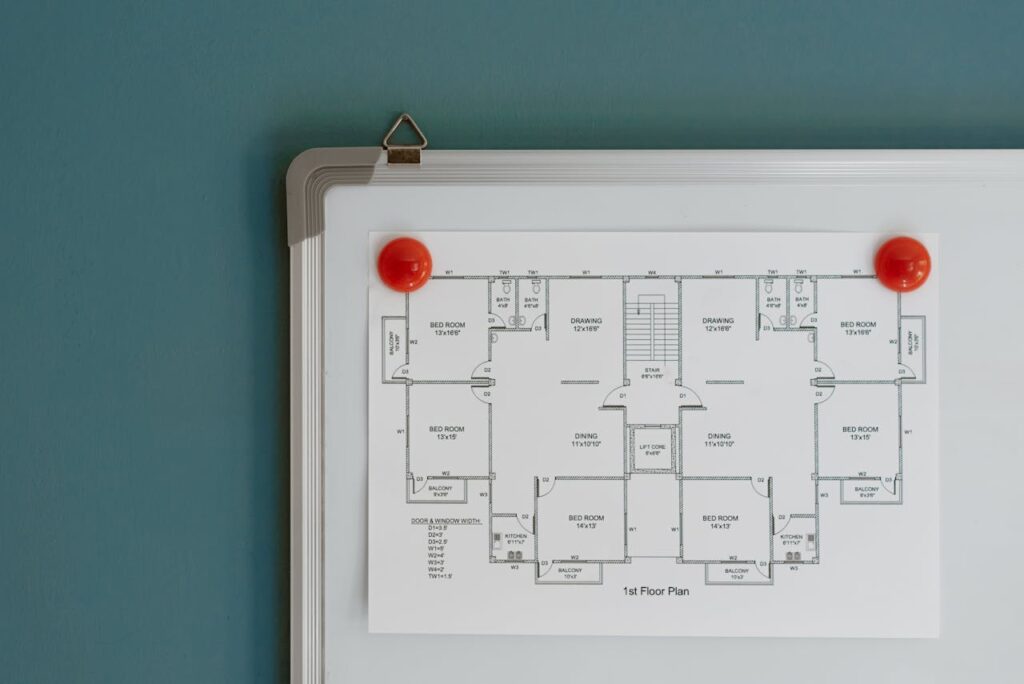
Magnetic boards start with good intentions. Important notes, schedules, and reminders stay visible. Over time, everything gets pinned up. Permission slips, artwork, random reminders, and outdated notes pile on. The board becomes noisy rather than helpful. When everything is visible, nothing stands out. Kids and parents alike stop checking it because it feels overwhelming. A tool meant to clarify information ends up hiding it in plain sight. Without regular clearing, magnetic boards quickly lose their usefulness.
9. Binder Systems Without Refill Planning
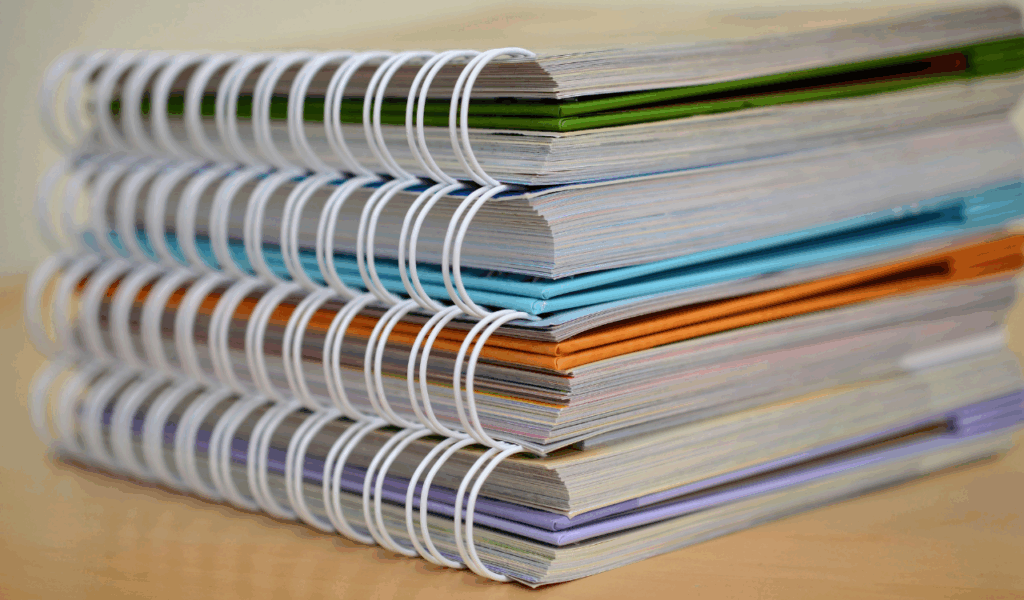
Some organizational systems look complete, but ignore one basic reality: supplies run out. Binders need paper, dividers tear, and pockets break. When refills are not planned or stocked, the system degrades fast. Loose papers start floating around because there is nowhere proper to put them. Once that happens, kids stop using the binder altogether. Organizational systems must anticipate wear and replacement. When they do not, small breakdowns snowball into full abandonment.
10. Too Many Homework Zones Under One Roof

Creating multiple homework zones sounds flexible. One in the kitchen, one in a bedroom, one in a playroom. In practice, this scatters supplies and expectations. Kids are never quite sure where work should happen. Materials end up spread across rooms. Parents lose track of what is finished and what is missing. Instead of flexibility, the system creates confusion. One reliable, well-supported zone works better than several half-used ones. Consistency builds habit. Too many options dilute it.
11. Reward Charts That Lost Their Pull

Sticker charts and reward boards often start strong. Kids are excited at first, but motivation fades quickly. Rewards feel repetitive or disconnected from effort. Once a child misses a few days, the chart becomes a reminder of failure rather than encouragement. Parents also struggle to keep updating it consistently. When the chart stops reflecting reality, it stops being effective. External motivation has limits. When it is not refreshed or adjusted, it quietly stops working.
12. Rigid Meal and Prep Stations That Didn’t Match Real Life
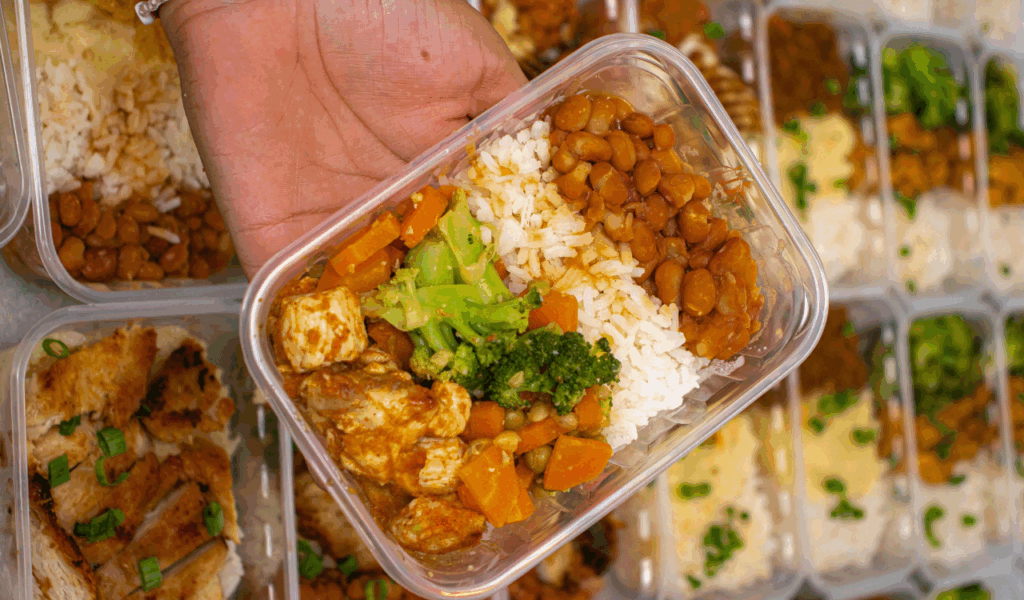
Prep stations for lunches, backpacks, and shoes look efficient on paper. The issue is alignment. If the station does not match actual traffic patterns or routines, it gets ignored. Kids grab items elsewhere out of habit. Supplies migrate away from the station. Instead of streamlining mornings, the setup becomes decorative. Organization only works when it reflects how people naturally move and behave. Stations built around ideals rather than observation rarely last.
13. Oversized Calendars That Never Stayed Updated
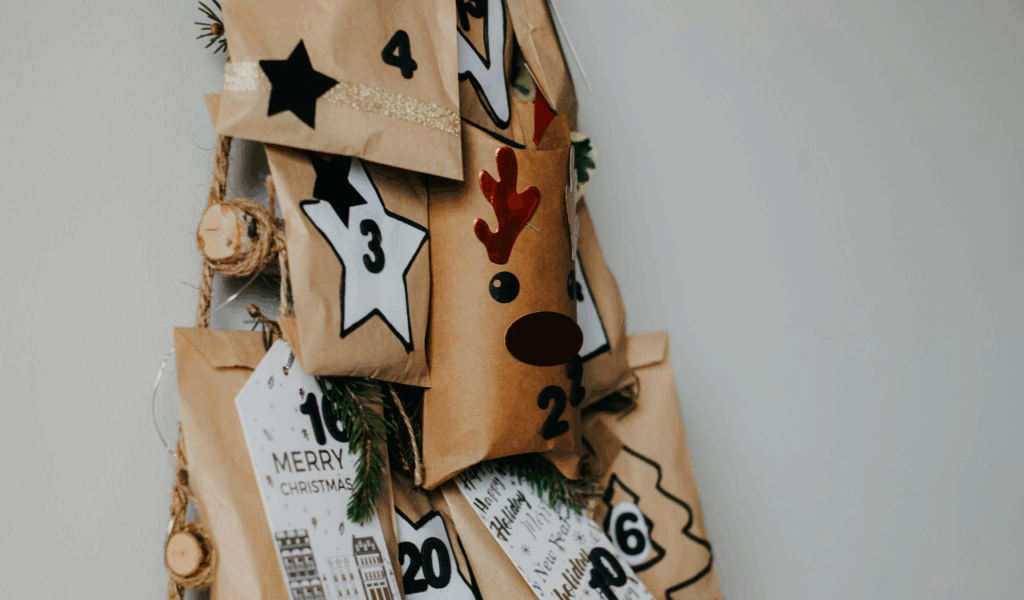
Large wall calendars feel like command centers at the start of the year. They fill up quickly in August. By mid-semester, updates slow down. Missed entries pile up, and accuracy slips. Once a calendar is out of date, trust disappears. Families stop checking it and revert to digital reminders or memory. A planning tool that requires constant manual upkeep struggles to survive busy weeks. Smaller, simpler systems tend to last longer because they demand less attention.
14. Decor-Heavy DIY Organization That Distracted More Than Helped

DIY organization projects often focus on aesthetics. Painted bins, themed labels, decorative containers. While visually pleasing, they sometimes miss the point. When décor becomes the priority, function suffers. Items may look organized but remain hard to access or maintain. Kids are less interested in preserving a styled setup than using it efficiently. Over time, the décor-heavy system becomes fragile. Chips, wear, and clutter break the illusion. Organization that works quietly outperforms organization designed to be admired.