13 Seasonal Centerpieces That Took Over the Table
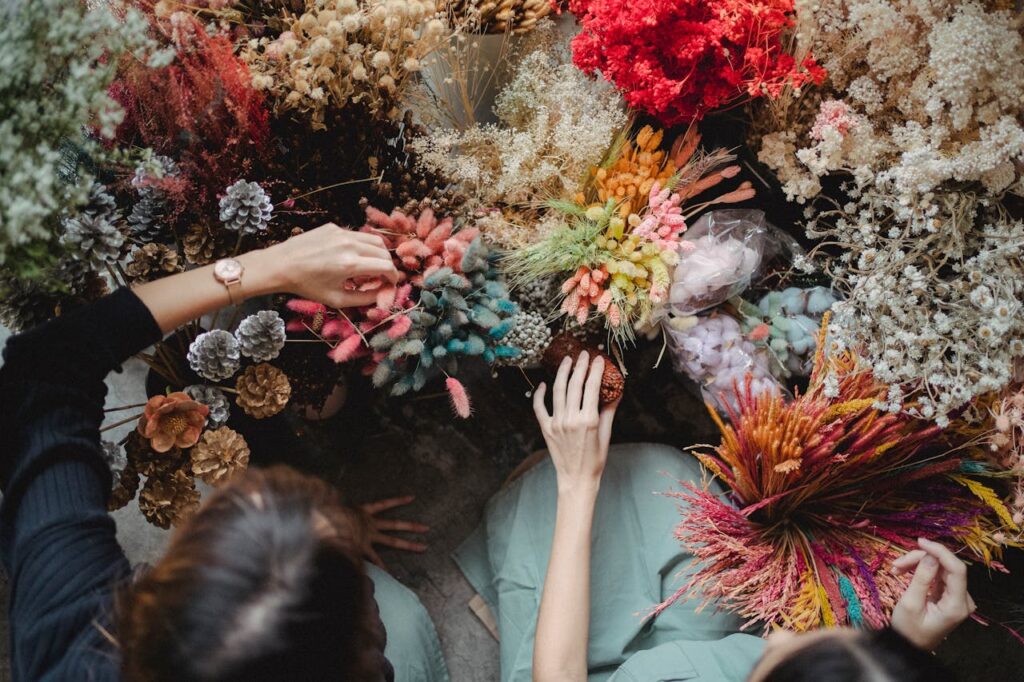
Seasonal centerpieces are meant to bring warmth and character to the table, but many popular designs forget one important detail: people still need space to eat. What looks generous and festive in photos can quickly become an obstacle once plates, serving dishes, and guests enter the picture. Oversized arrangements block views, crowd food, and make simple movements awkward. Instead of supporting the gathering, these centerpieces end up competing with it. These are the seasonal table displays that looked beautiful but took over more space than anyone expected.
1. Oversized Pumpkin and Gourd Arrangements That Ate Up Place Settings
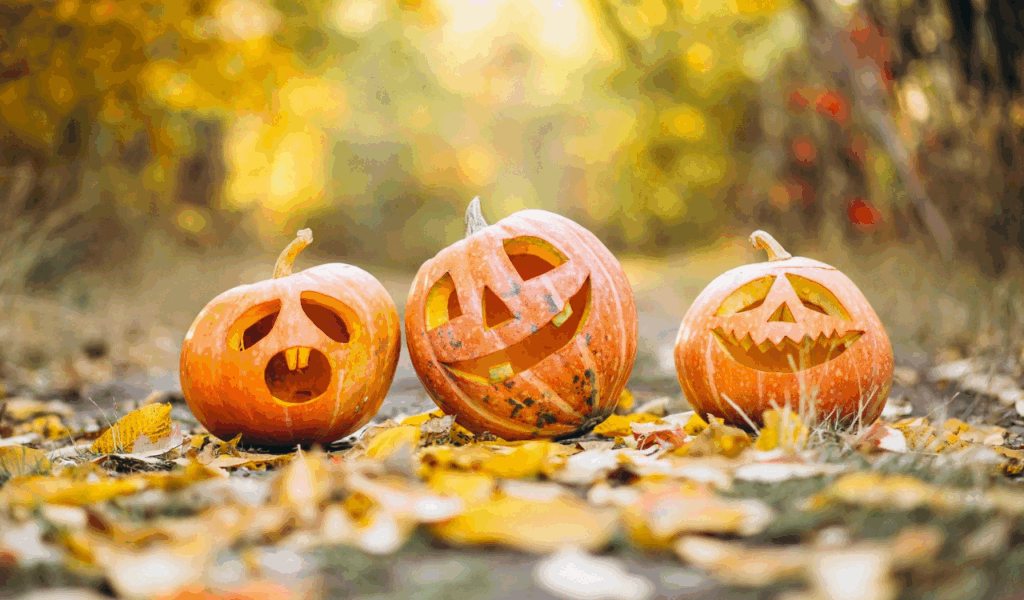
Big piles of pumpkins and gourds look charming in early fall, especially when mixed with leaves and berries. The trouble starts once people sit down to eat. These arrangements are usually wide and tall, blocking sightlines and forcing plates and serving dishes to crowd the edges of the table. They also limit where food can be placed, which slows down serving and passing dishes. Pumpkins are heavy and not easy to move mid-meal, so the centerpiece often stays put even when it becomes inconvenient. What begins as a cozy seasonal display quickly becomes an obstacle that dominates both space and attention.
2. Tall Floral Cascades That Blocked Conversation
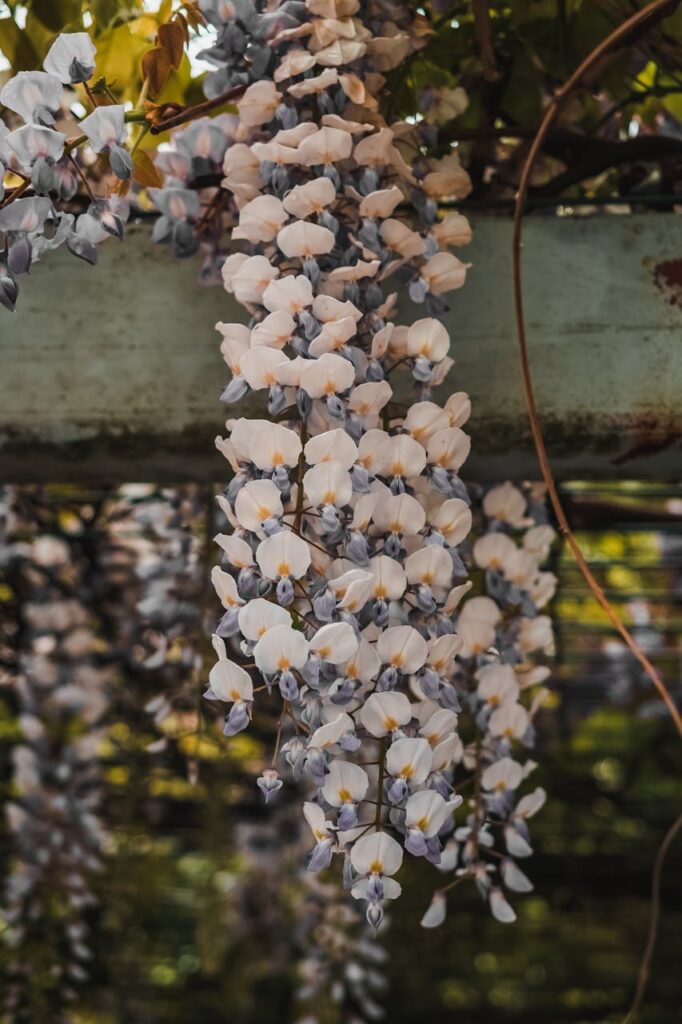
Dramatic flower arrangements add instant impact, but height is the enemy of table comfort. Tall centerpieces interrupt eye contact across the table, making conversation awkward. Guests have to lean or shift to see one another, which feels unnatural during meals meant to be social. These arrangements also risk tipping, especially if the table gets bumped. Once food and drinks start moving around, tall displays feel more like stage props than practical décor. Many hosts end up removing them halfway through dinner, which says everything about how well they actually work in real dining situations.
3. Candle Cascades Wrapped in Greenery That Took Over the Surface

Multiple candles surrounded by garlands and loose greenery look romantic, especially in dim lighting. The problem is scale. When candles run the full length of the table, there is little room left for serving platters, water pitchers, or bread baskets. Dripping wax becomes a concern, and greenery can dry out or shed onto dishes. Heat from the flames can also wilt fresh foliage faster than expected. Instead of enhancing the meal, these centerpieces require constant monitoring and careful placement of food around them, which turns decoration into a logistical puzzle.
4. Long Harvest Runners Packed With Mini Vases That Crowded Everything
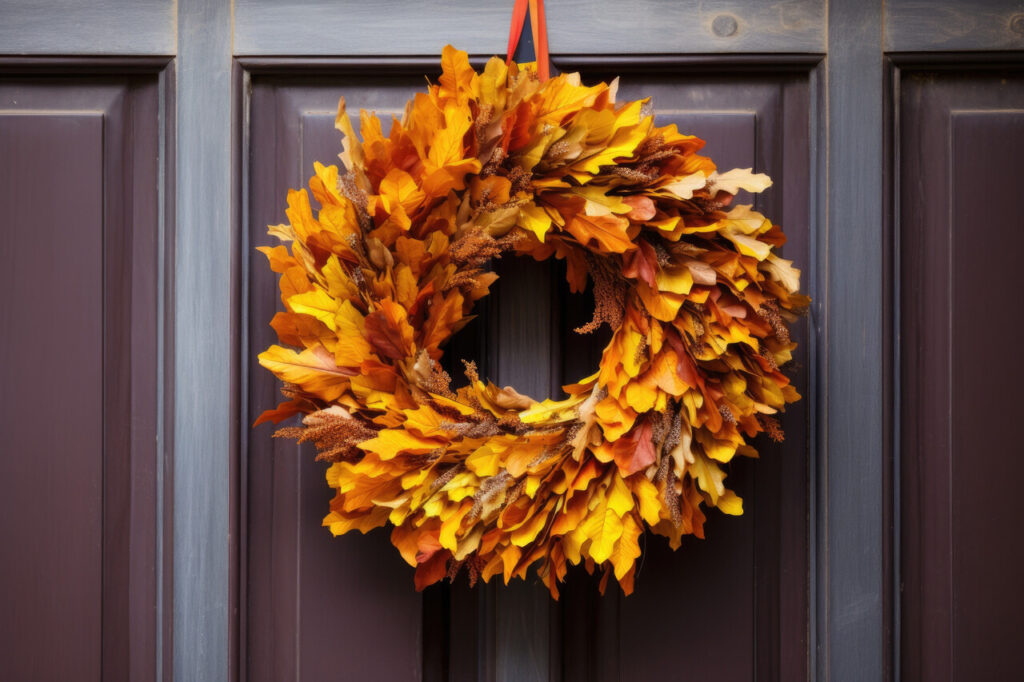
Running centerpieces made of many small vases filled with flowers look soft and organic. They also spread across the entire table length, leaving almost no clear space. Each little vase takes up just enough room to make placing plates and shared dishes awkward. While each piece is small, together they form a solid barrier down the center of the table. Guests struggle to reach across, and servers must weave around the display. What feels delicate in theory becomes dense in practice once multiplied across several feet of tabletop.
5. Chunky Wooden Bowl Displays That Were Hard to Work Around
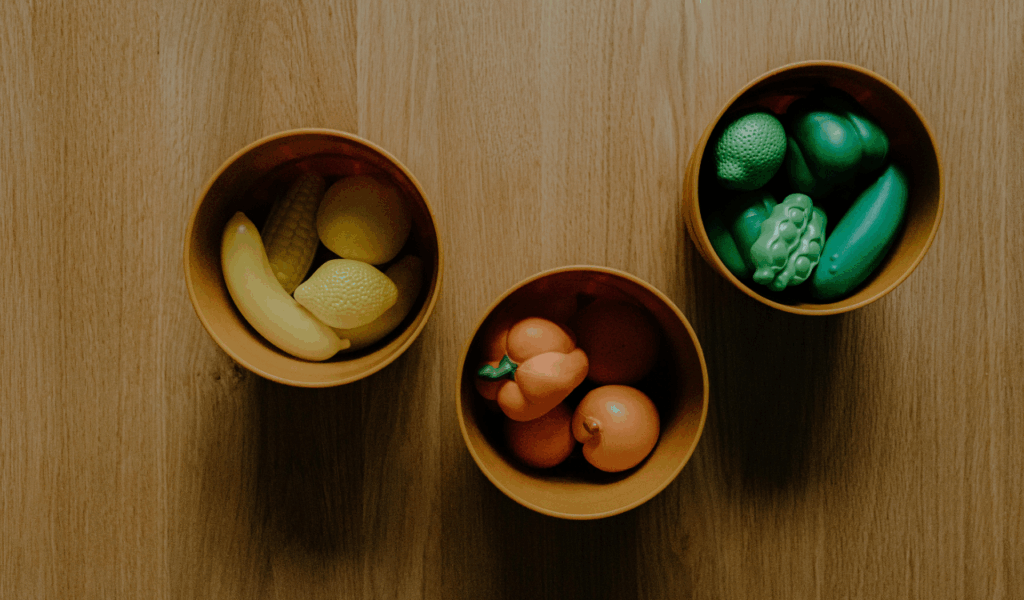
Large wooden bowls filled with fruit, pinecones, or florals bring rustic warmth to seasonal tables. Their size and weight, however, make them difficult to reposition. Once placed, they tend to stay put even when they block serving paths. These bowls also sit low but wide, which steals valuable center space without offering visibility. Guests cannot see past them easily, and they limit where platters can land. The bowl may be beautiful, but it often becomes the single object dictating the entire table layout.
6. Cornucopia Displays That Spilled Into Dining Space
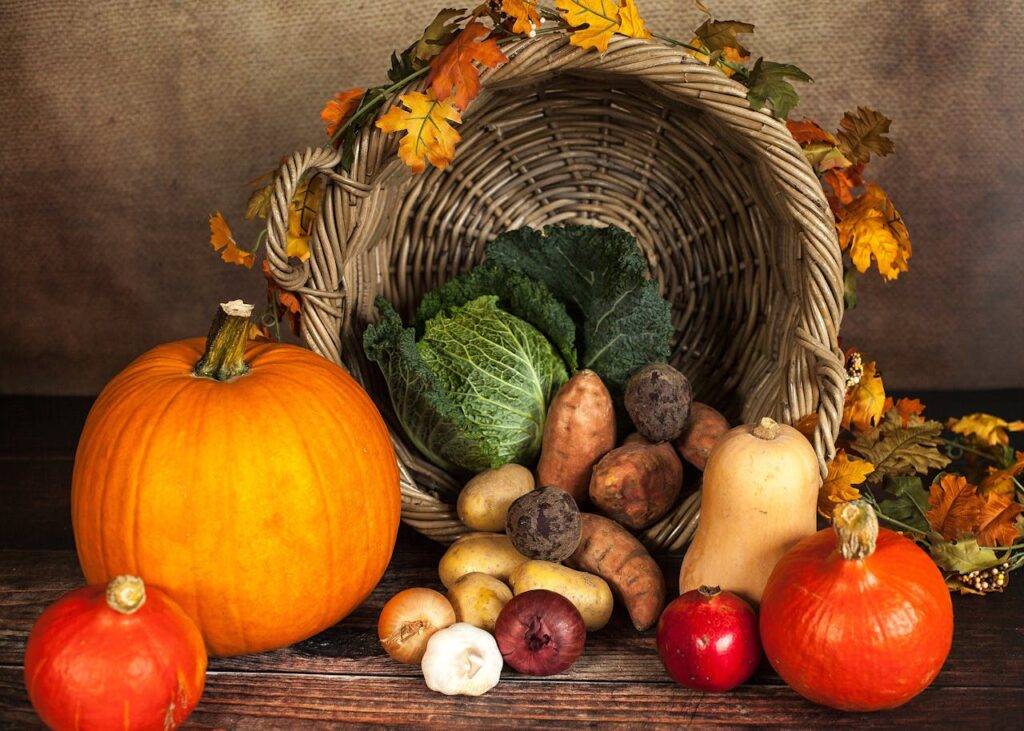
Traditional cornucopia centerpieces are designed to look abundant and overflowing. That abundance often extends beyond the centerpiece itself, spilling produce and foliage outward. Apples, squash, and leaves creep into place settings and serving zones. The horn shape also takes up more space than expected, especially when angled dramatically. While symbolic and festive, these displays are rarely practical for meals where multiple dishes need central access. They photograph well but interfere with real dining needs almost immediately.
7. Lantern Clusters Surrounded by Moss and Blooms
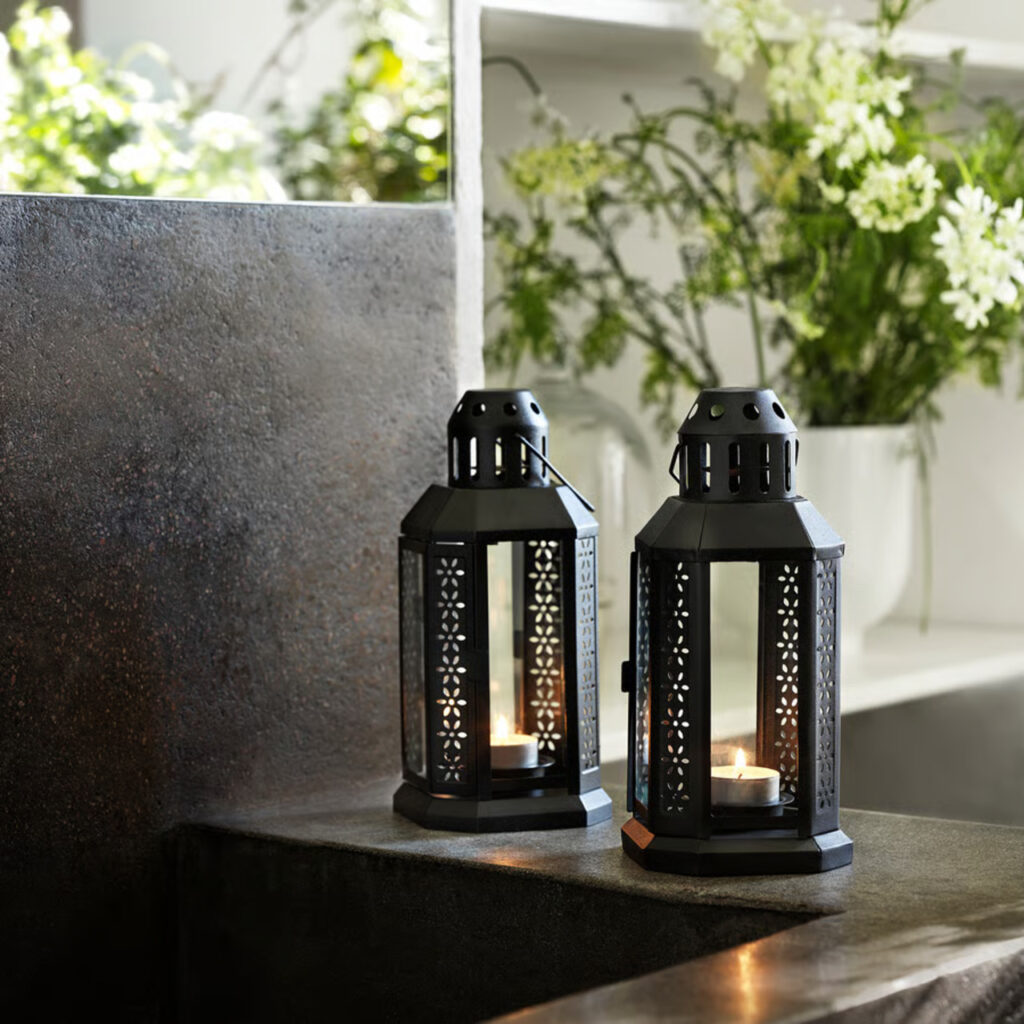
Lanterns paired with moss, florals, and trailing greenery create cozy seasonal mood lighting. When clustered together, they form bulky groupings that dominate the middle of the table. Lantern bases are wide, and adding decorative layers around them increases the footprint even more. The result is a centerpiece that behaves more like furniture than décor. Guests often have to stretch around it to pass food. Lighting that should feel soft and inviting ends up casting shadows over plates and faces, making the setup more dramatic than comfortable.
8. Tiered Cake Stand Displays Loaded With Seasonal Accents
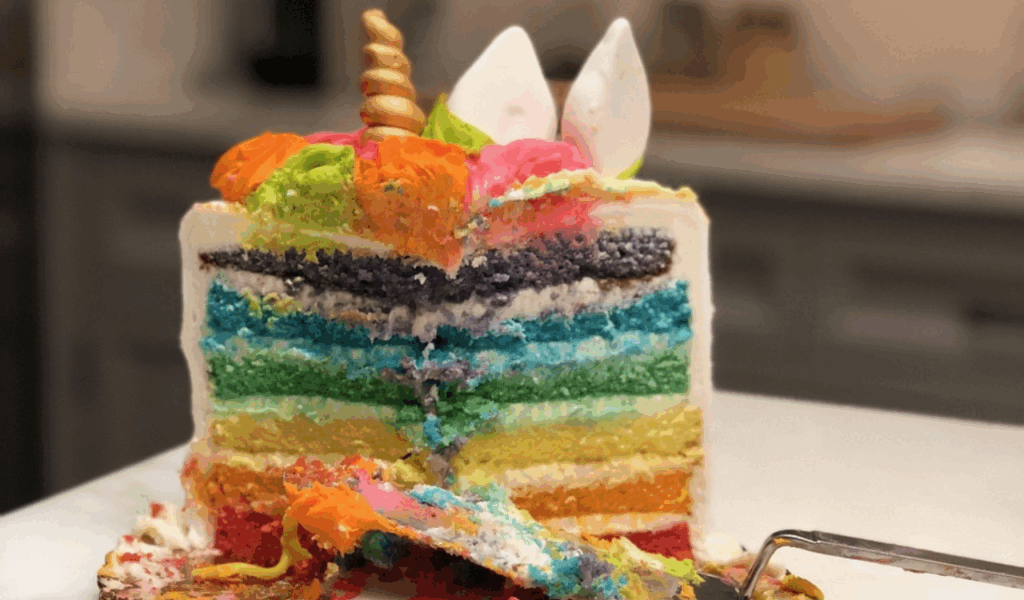
Using tiered stands as centerpieces seems clever because they build upward instead of outward. In reality, they often do both. Wide bases and overhanging decorations take up just as much room as flat displays. The height creates visibility problems, while the base still blocks serving space. These stands are also top-heavy when loaded with pumpkins, florals, or fruit, making them risky around moving plates and elbows. They draw attention but limit functionality, which is not a great tradeoff during meals.
9. Wildflower-Inspired Overgrown Bouquets That Spread Outward
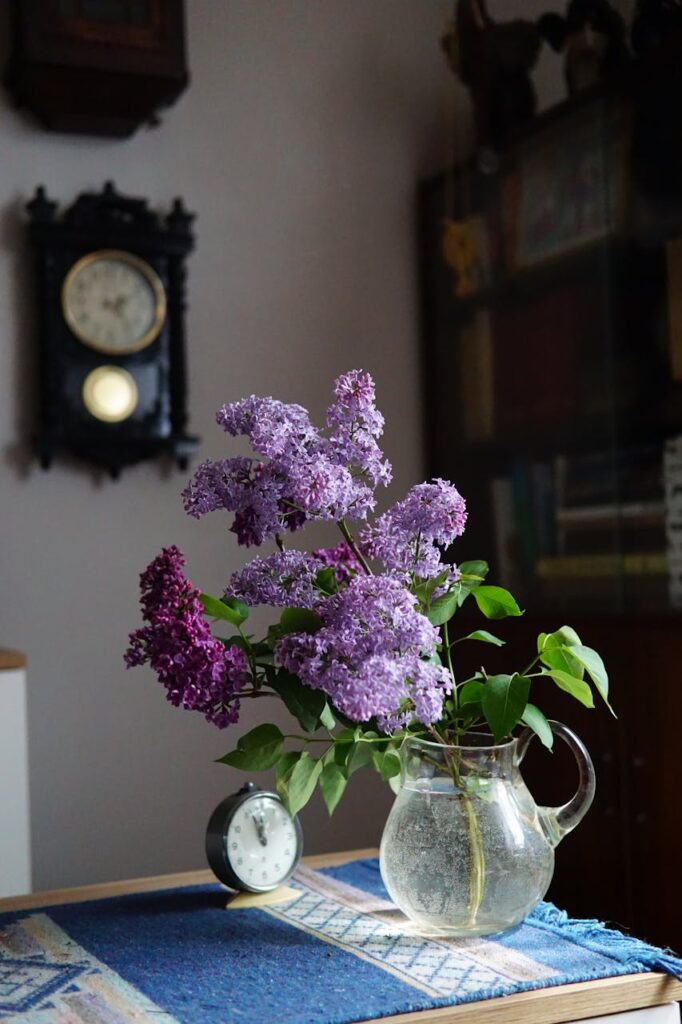
Loose, garden-style arrangements look natural and relaxed. Their wide, sprawling shapes extend far beyond the vase, spreading into personal space. Stems and blooms often lean into plate areas or brushing glasses. While they feel romantic, they lack the compact structure needed for shared tables. Guests may admire them but quickly start adjusting their place settings to avoid bumping petals or leaves. What looks effortlessly beautiful ends up requiring constant micro-adjustments from everyone seated nearby.
10. Basket Displays Packed With Produce and Foliage
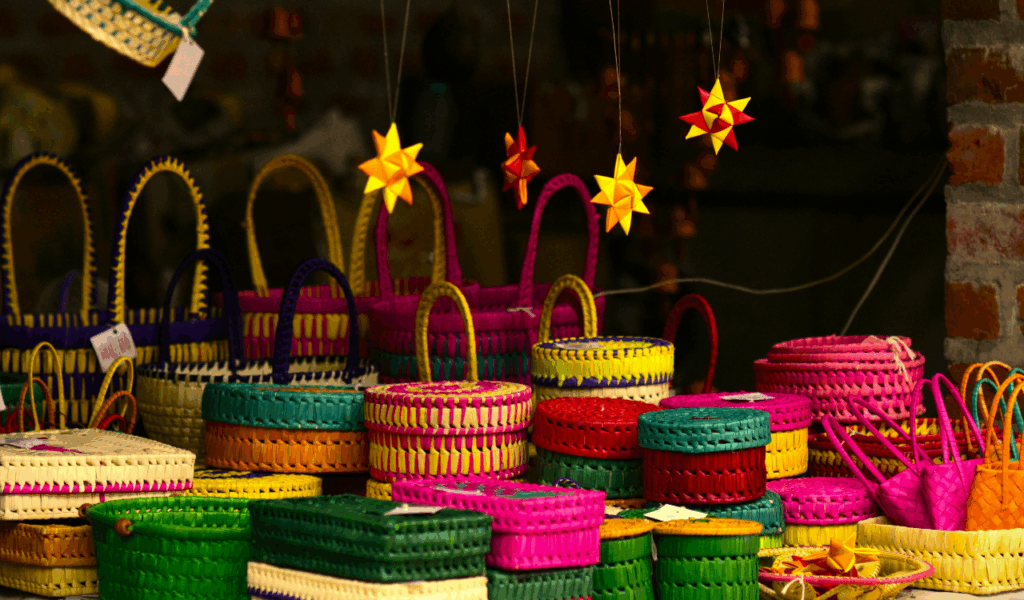
Baskets filled with fruit, vegetables, and greenery give a farm-style charm to seasonal tables. When fully loaded, they become bulky and visually heavy. Handles add extra height and width, blocking sightlines and making reaching across difficult. Loose items can shift and roll, especially if the table is bumped. Instead of acting as a simple focal point, these baskets often dominate the table and limit usable surface area for food and drinks.
11. Fruit and Floral Towers That Command Attention
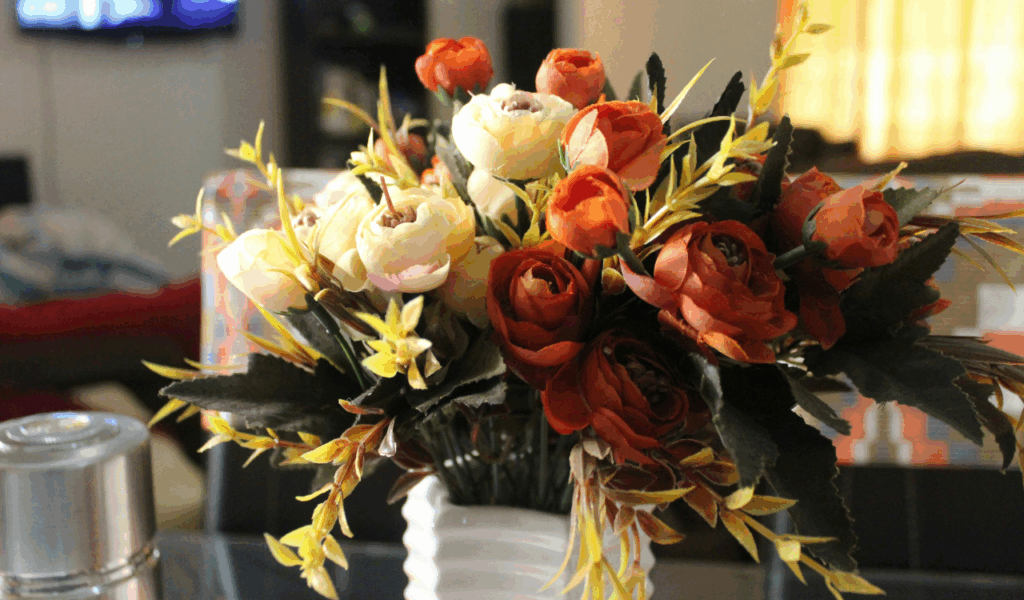
Vertical arrangements that stack fruit and flowers are meant to impress. They do, but at the cost of comfort. Their height blocks views, while their bases still occupy valuable table space. Because they are visually dense, they pull attention away from the meal itself. Guests may hesitate to reach near them, worried about knocking something over. These towers work better as sideboard displays than dining table centerpieces, where stability and openness matter more than spectacle.
12. Mixed Greenery With Large Fruit Accents
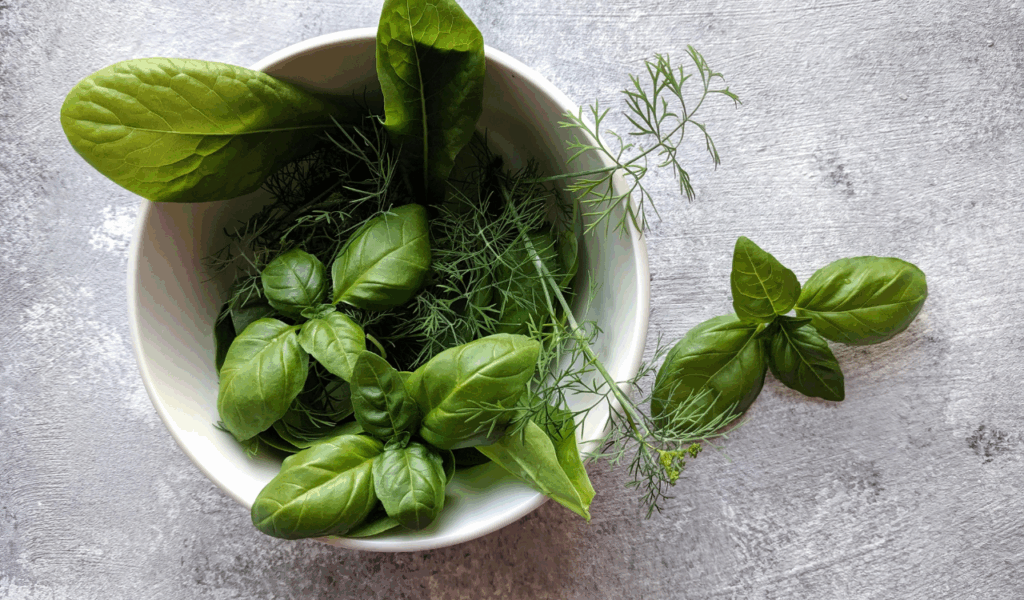
Garlands mixed with apples, pears, or pomegranates stretch across tables with weight and texture. The fruit adds bulk that presses into serving areas. Greenery alone can be flexible, but once heavy accents are added, the centerpiece becomes rigid and hard to adjust. The combination often requires spreading out rather than bunching, which consumes more surface space. What should be a soft table runner becomes a full obstacle course of leaves and fruit.
13. Herb and Vegetable Pot Arrangements That Felt More Like Garden Beds
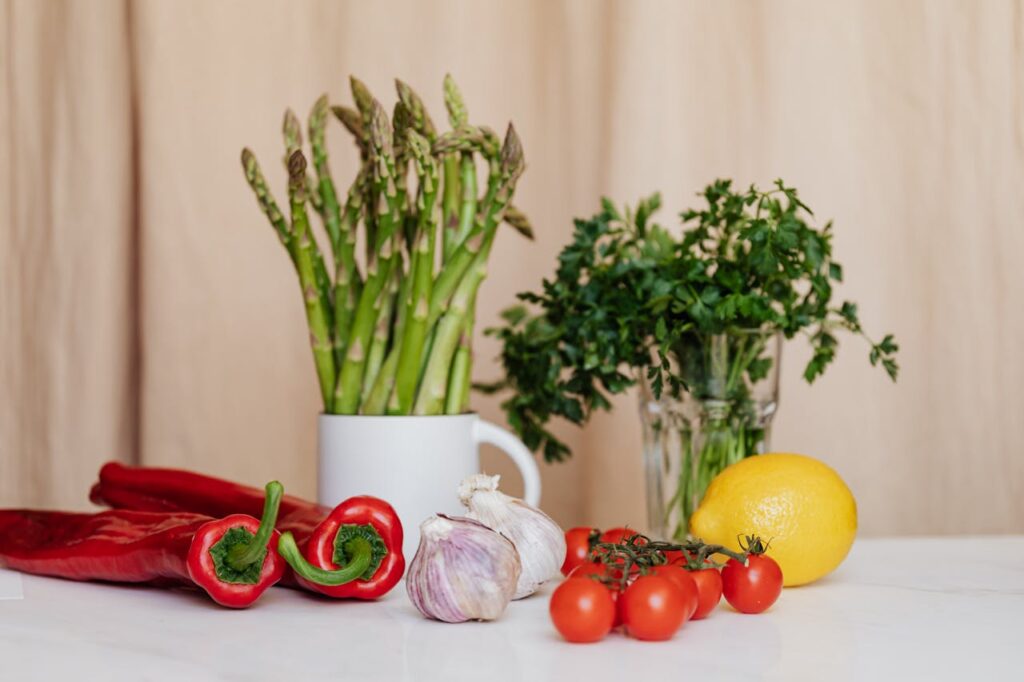
Using small pots of herbs or vegetables as centerpieces seems practical and fresh. When grouped together, they behave like mini garden plots. Pots take up significant footprint, and soil surfaces can shed onto table linens. Taller plants block views, while wider ones crowd plates. Watering needs also complicate placement. Instead of feeling light and decorative, these arrangements often feel bulky and out of place once food arrives, better suited to windowsills than dining tables.