9 New Year Styling Choices That Felt Too Sterile
The beginning of a new year often makes people want to clear their minds, calm down, and give their homes a new look. A lot of people chose ultra-clean styles in the hopes of making their homes feel modern and organized, which would help them relax. Some of these trends took away the warmth, comfort, and personality of rooms, even though they were meant to be good. Houses started to feel more like showrooms than places to live. Despite looking good in photos, sterile rooms can feel chilly and uninviting. Understanding which choices went too far helps maintain equilibrium. A home should be fresh, disciplined, and basic without being empty. Consider these styling options to learn how to balance minimalist and soft styles and how little, careful details can warm up a clean environment.
1. All-White Everything
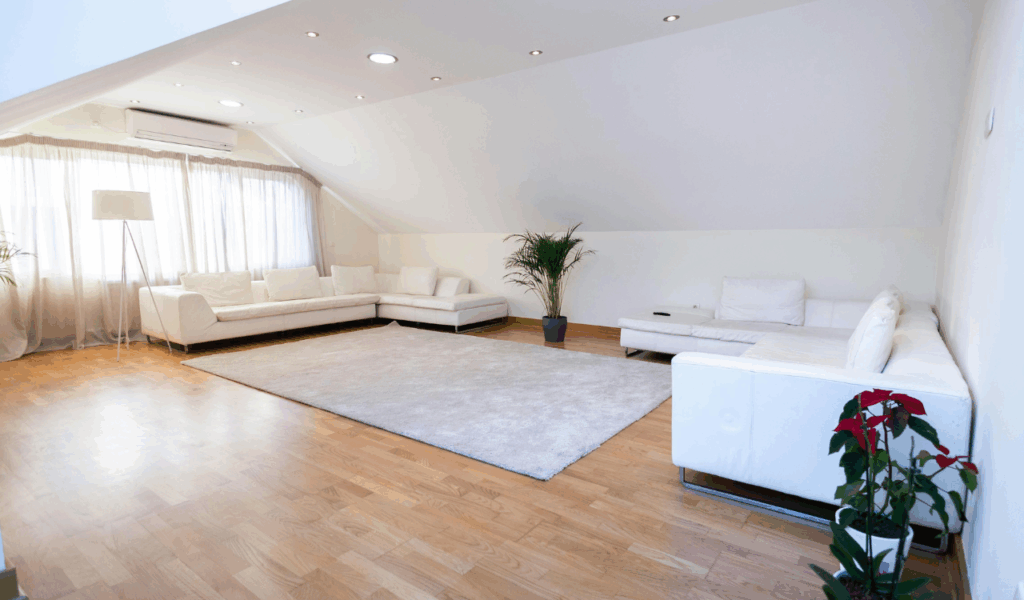
A completely white room promises brightness and simplicity, but if you go too far, it can feel cold and empty. When walls, furniture, fabrics, and decorations are all the same color, they take away the visual contrast that the eye needs to feel comfortable. The space can look like a showroom instead of a home if the tone and texture don’t change. White surfaces also show wear, shadows, and flaws, which makes rooms feel less relaxing over time. White reflects light well, but warmer neutrals, wood finishes, and soft textiles make it more intriguing and cozy. Contrast defines areas and makes them feel bigger, therefore balance is crucial. Layering keeps white from being too bright or flat, making a room peaceful, not clinical.
2. Overly Minimal Furniture Layouts
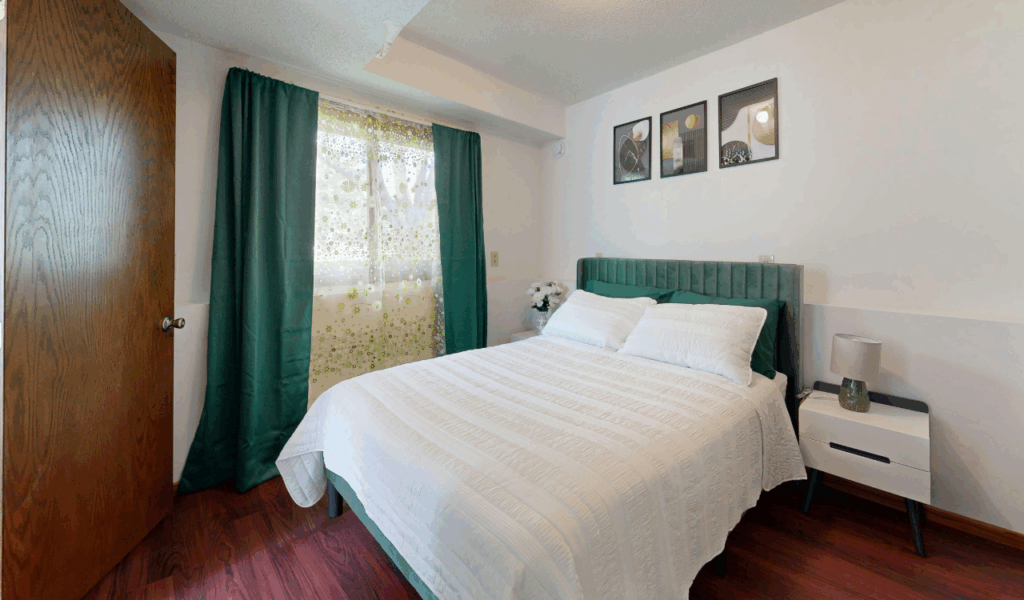
Minimal furniture layouts were popular because they looked clean and open, but many rooms ended up looking unfinished. Taking out too much furniture can make a room less comfortable and useful. When the seats are too far apart, it’s hard to relax and talk. Rooms that are only meant to look neat can be uncomfortable to use. Functional items like side tables, ottomans, or accent chairs make a room more comfortable and give it a sense of balance. The space loses its purpose when all the extra things are taken away. Intention over absence makes minimalism work best. Well-balanced rooms allow individuals to walk around, rest, hang out, and live. Comfort and utility should be prioritized over empty space while designing.
3. Cold Gray Color Schemes
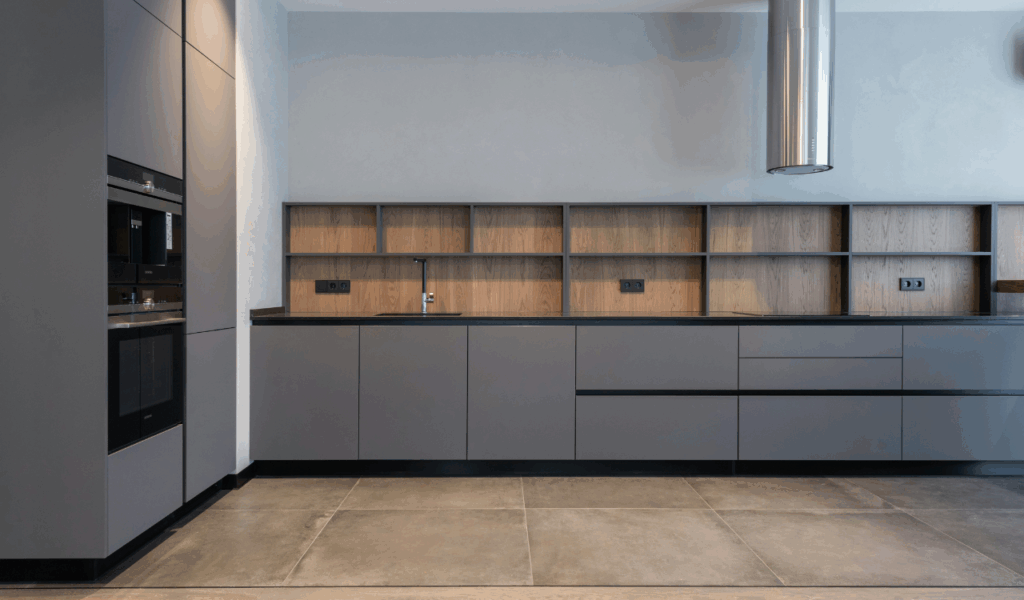
Cool gray color schemes used to mean modern style, but too much of them made a lot of homes feel cold and unwelcoming. Gray doesn’t have a lot of warmth on its own, especially in rooms that don’t get a lot of sunlight. It can suck the energy out of a room when used on walls, floors, and furniture all at once. This effect is even stronger when it is on smooth surfaces like glass or metal. Color affects how a room feels psychologically, and rooms with a lot of gray often feel more serious than relaxing. Even small changes to warmer tones can help lighten the mood. Adding beige, soft brown, or muted greens to gray makes it more balanced. A home should always feel cozy, but using only cool gray tones often doesn’t do the trick.
4. Glossy, High-Shine Surfaces Everywhere
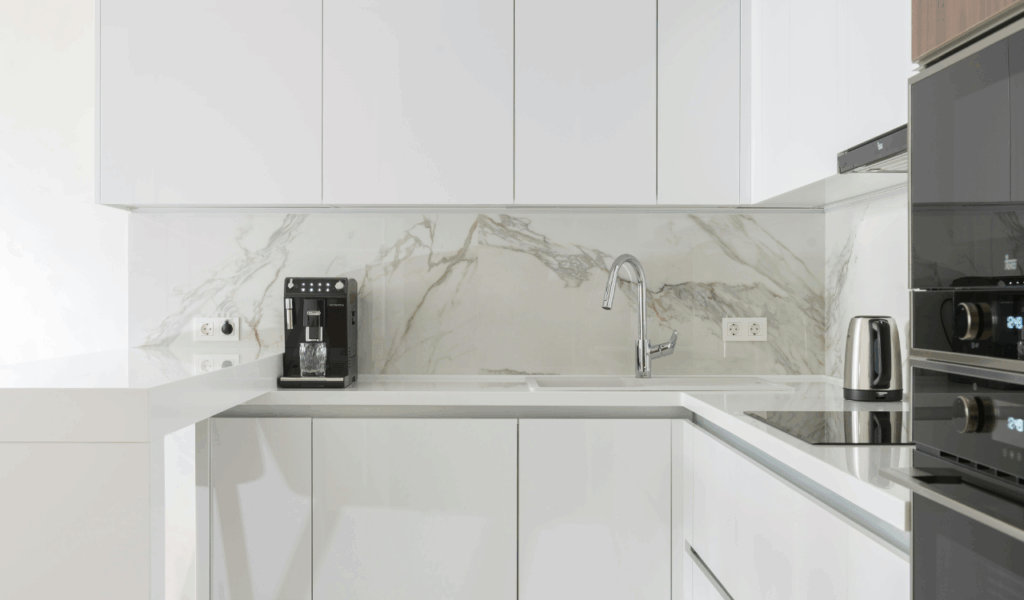
High-gloss finishes reflect light and give a smooth look, but having too many shiny surfaces can be hard on the eyes. In a bad way, kitchens and living rooms with shiny cabinets, polished floors, and shiny decor make things brighter. These surfaces also show fingerprints, dust, and scratches easily, which can make a home feel like it needs a lot of work. Too much shine makes things look hard instead of soft, which makes rooms feel stiff instead of relaxed. Mixed matte and satin finishes create a cozier feel. Texture helps a room feel homey. The eye can’t rest when everything shines. Balanced surfaces make a place look fashionable without being overdone.
5. Strictly Symmetrical Arrangements
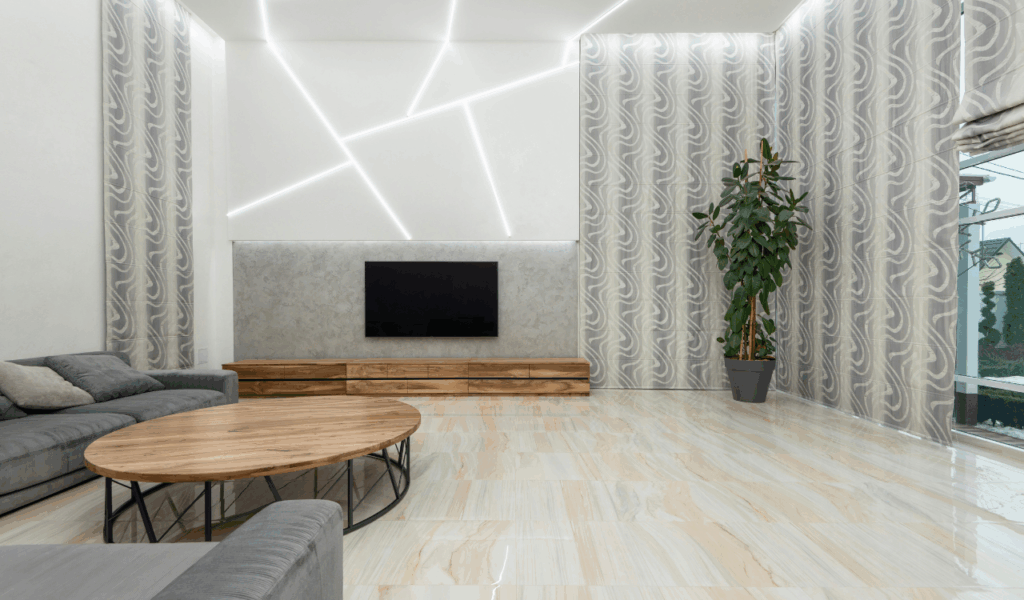
Perfect symmetry can make things look neat, but if you use it too strictly, it can make spaces feel stiff. Having the same furniture, decorations, and layouts takes away any sense of surprise. Symmetry gives things structure, but too much of it can make things feel too formal and predictable. A mix of balance and change is good for real homes. A little bit of asymmetry gives rooms more character and makes them look more natural. Putting a lamp off-center or using decor with different heights can make the whole look softer. People tend to feel more at ease in places that have a natural flow instead of strict rulesWhen symmetry trumps comfort, rooms lose character.
6. Bare Windows With No Soft Treatments
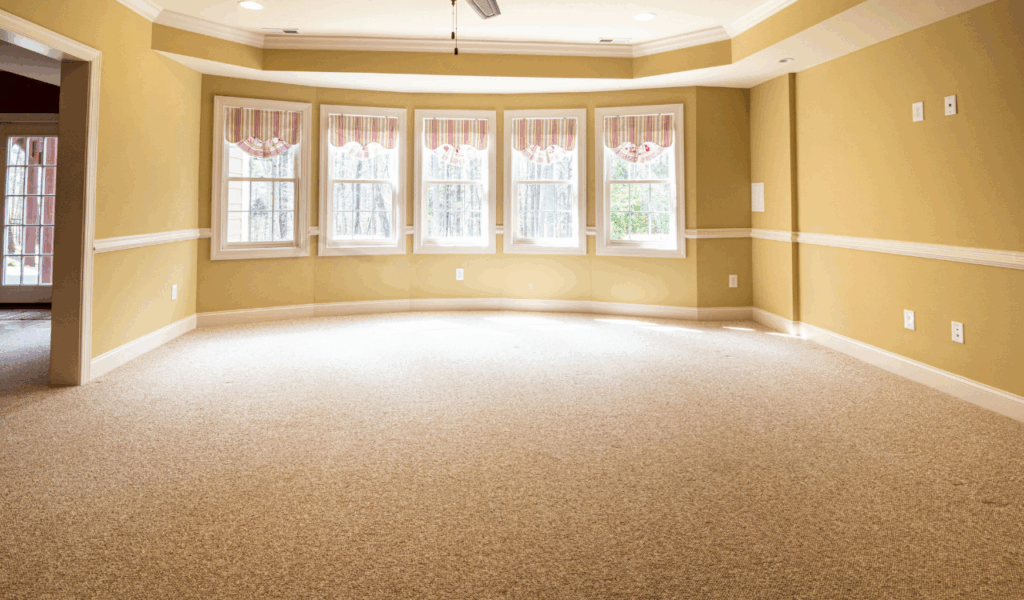
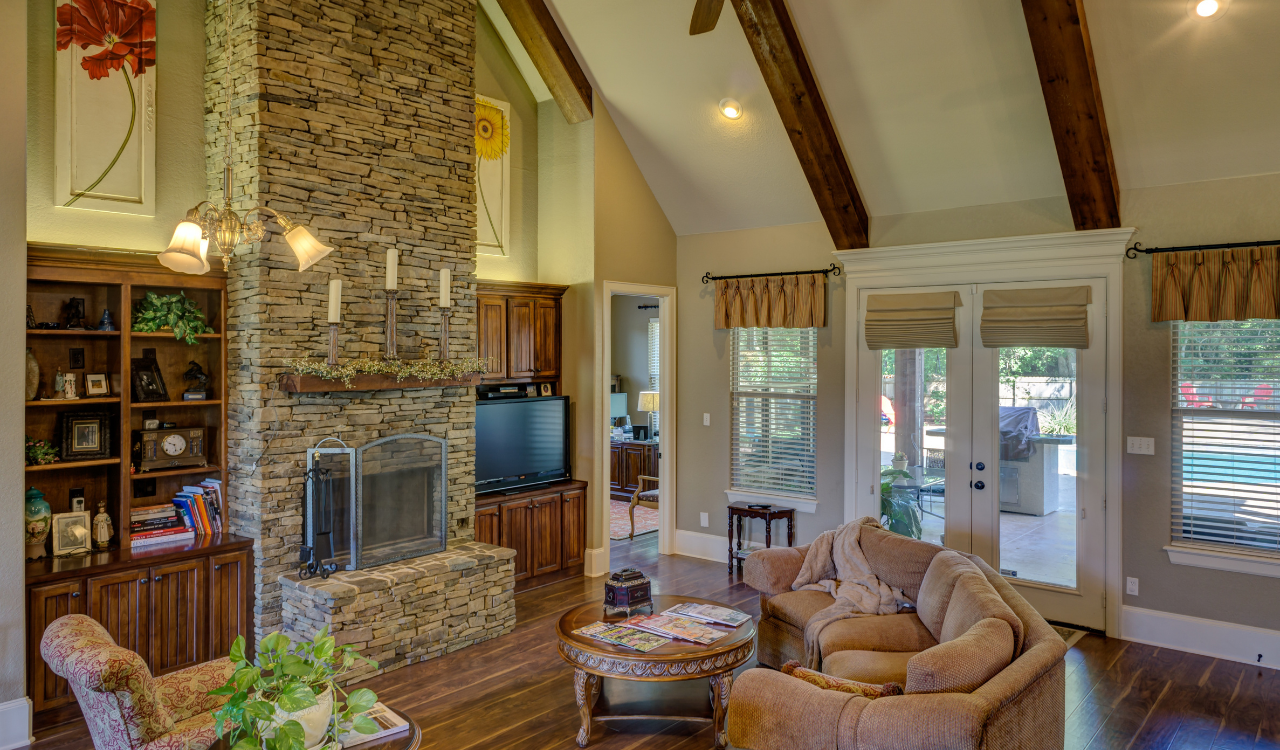
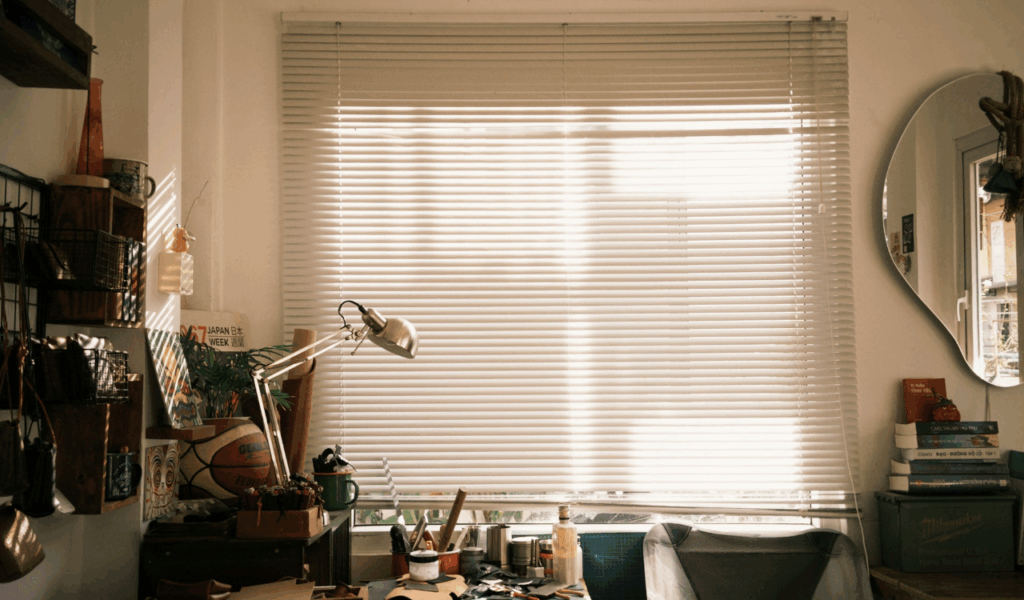
When you leave windows completely bare, it makes the lines look cleaner, but it often takes away warmth and privacy. Rooms can feel bare and unfinished without curtains or shades. Window treatments also help control light, cut down on glare, and make you more comfortable all day long. Soft fabrics balance out hard surfaces and make walls look heavier. In living rooms and bedrooms, bare windows can make the space feel echoey and less comfortable. Even simple panels that let in light can make a difference. Around the windows, texture frames the room and makes the eye go up. A home feels more complete when windows are design features rather than just openings.
7. Decorative Objects Kept to an Absolute Minimum
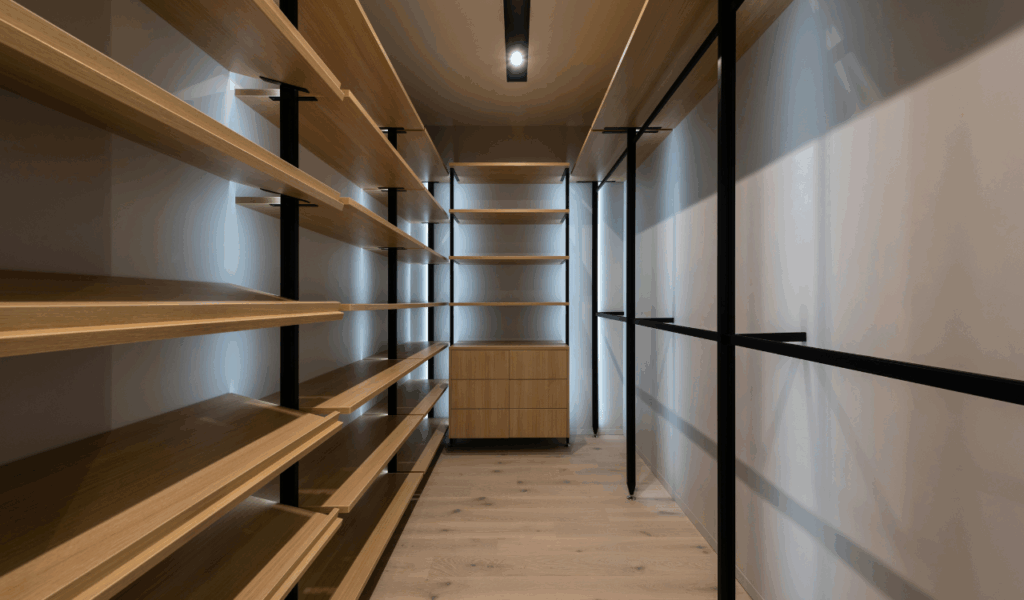
Taking away personal things was supposed to cut down on clutter, but it often took away the character of a space. Rooms don’t have visual storytelling when shelves and surfaces are almost empty. Decorative things can show off your interests, memories, and personality. Without them, a home can feel like it’s not really lived in. Editing with care is important, but not doing it at all makes people feel distant. A few meaningful pieces make the space feel warm without being too much. Displaying things on purpose keeps rooms neat and personal. People should feel like they are part of their homes. When decor is too simple, it can make a space feel cold instead of warm.
8. Uniform Lighting Temperatures Throughout
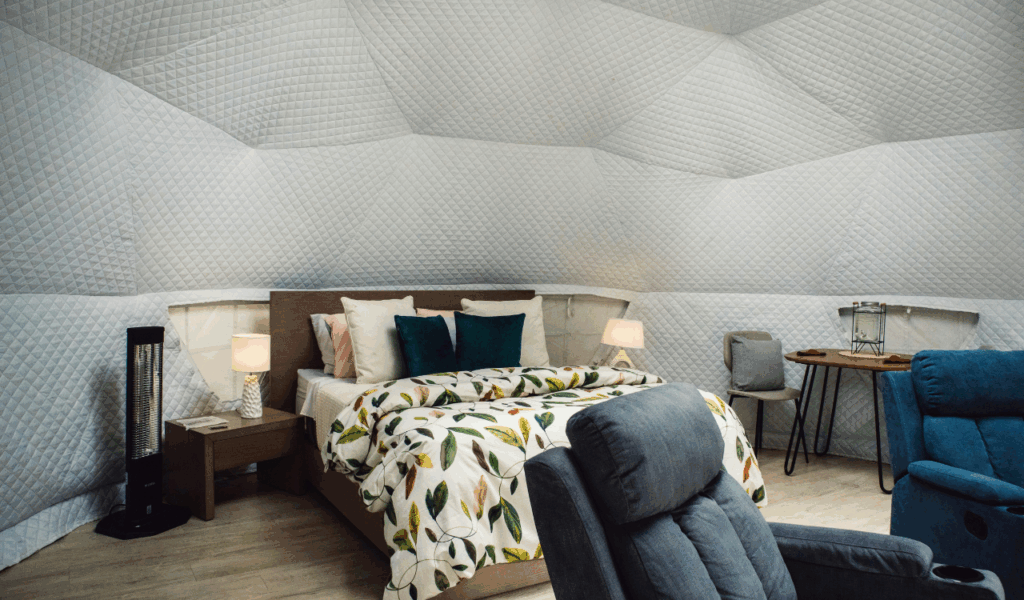
Using the same temperature of light in every room makes things look the same, but it can also feel flat. Living rooms with cool lighting often feel harsh, and too bright bulbs make things less comfortable. Lighting can change how you feel, and different spaces need different tones. Light that is warm makes you feel relaxed, while light that is neutral helps you stay focused. Rooms lose their unique purpose when all the lights look the same. Different levels of warmth in layered lighting give it depth and flexibility. Ceiling lights, lamps, and accent lights should all work together. A home that is well-lit feels alive and welcoming. Uniform illumination looks beautiful, but it might lower mood and comfort.
9. Sparse Use of Natural Materials
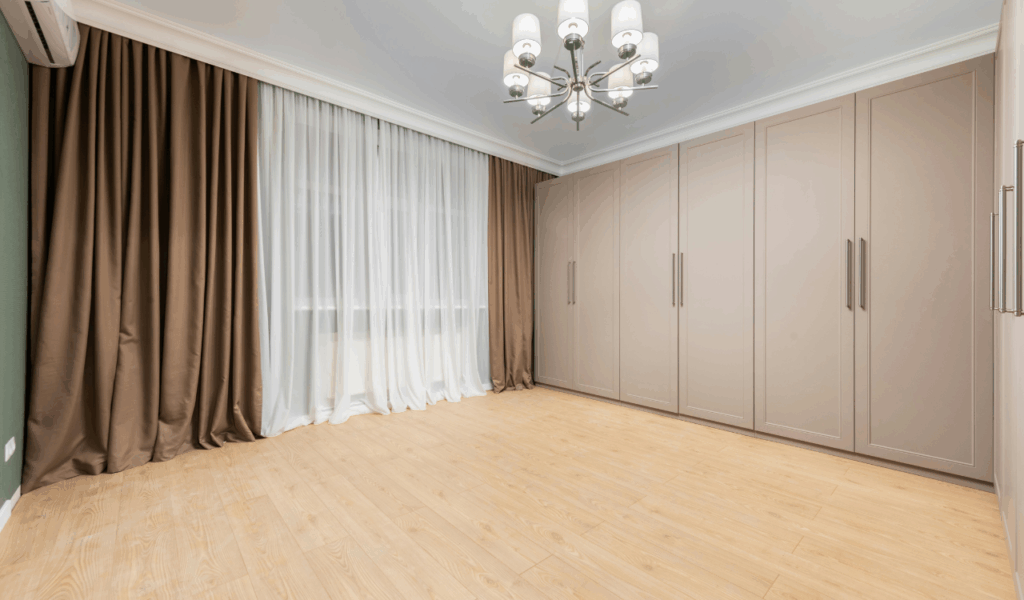
Limiting natural materials in favor of smooth finishes took away an important sense of grounding. Wood, stone, and woven textures add warmth and make you feel good when you touch them. It can feel fake in spaces that have mostly synthetic or polished surfaces. Natural materials make rooms look softer and connect the inside of a house to the outside. Without them, homes might feel too controlled and disconnected. Small things like wooden accents or textured fabrics can help bring things back into balance. These parts get better with age and add a little bit of variety. Texture and character make a location more inviting. Many people have found their homes feel empty and unfinished when they ignore them.