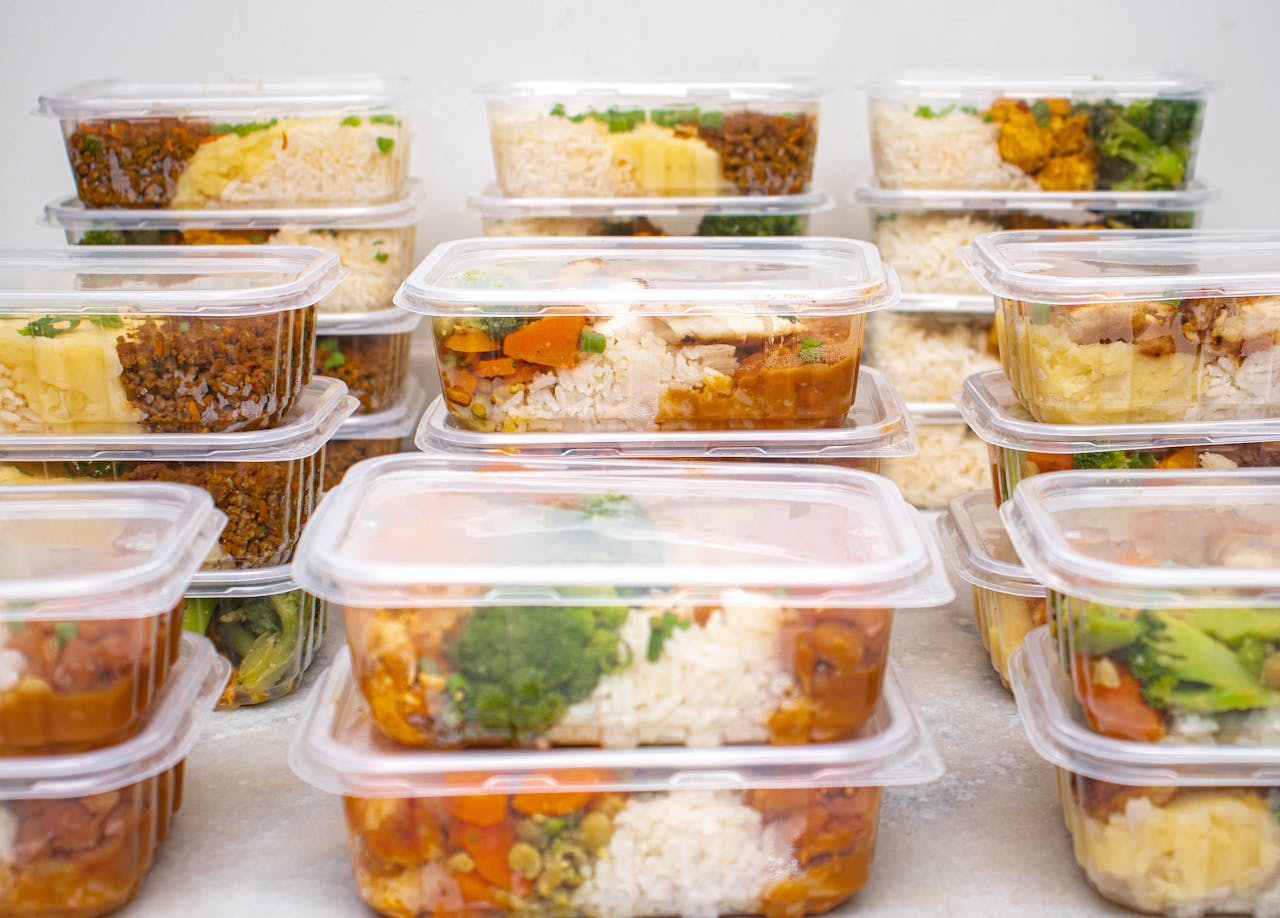
11 School-Year Meal Prep Ideas That Took Too Much Time
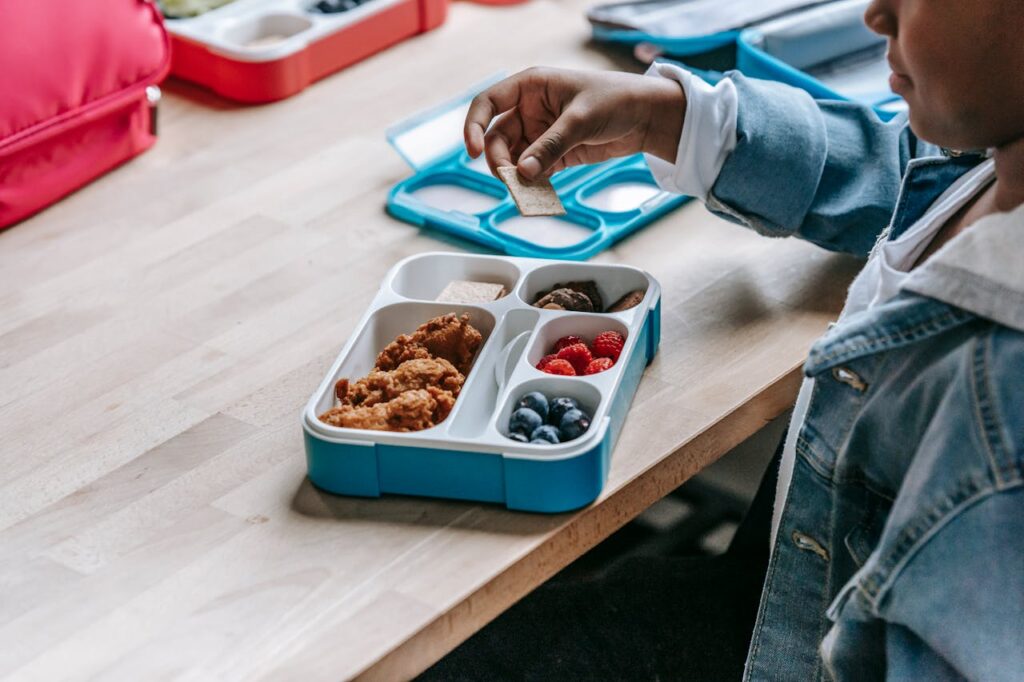
Meal prep during the school year starts with good intentions. Parents want healthier options, fewer rushed mornings, and less stress during the week. Many popular prep ideas promise all three, but some require far more time and energy than most families can realistically give. Extra chopping, multiple recipes, constant portioning, and frequent cleanup quickly turn prep sessions into long weekend projects. When effort outweighs convenience, even the best ideas fall apart. These are the school-year meal prep trends that sounded smart but proved too demanding once real schedules took over.
1. Homemade Bento Boxes With Too Many Compartments
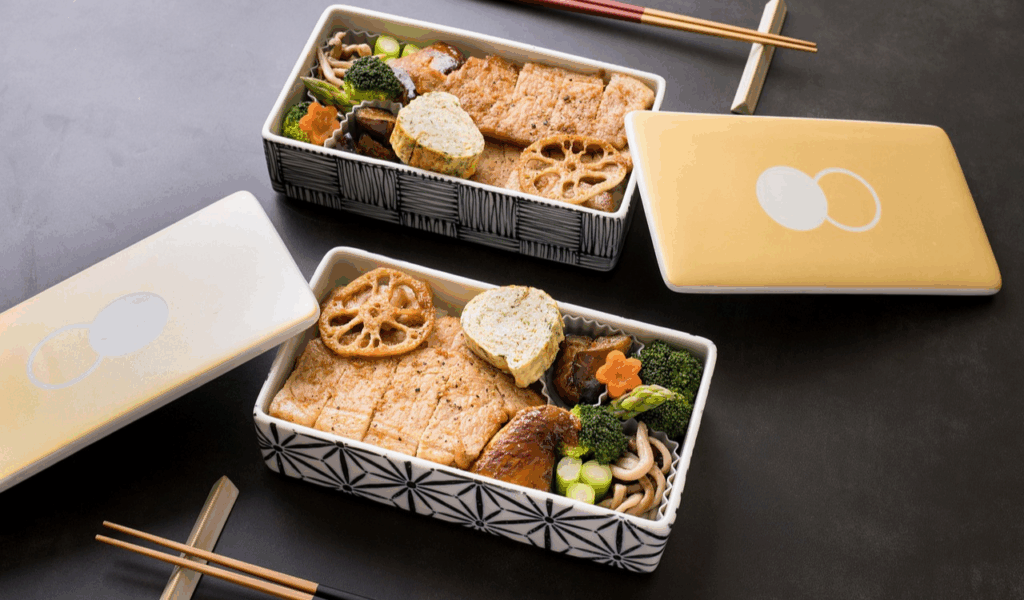
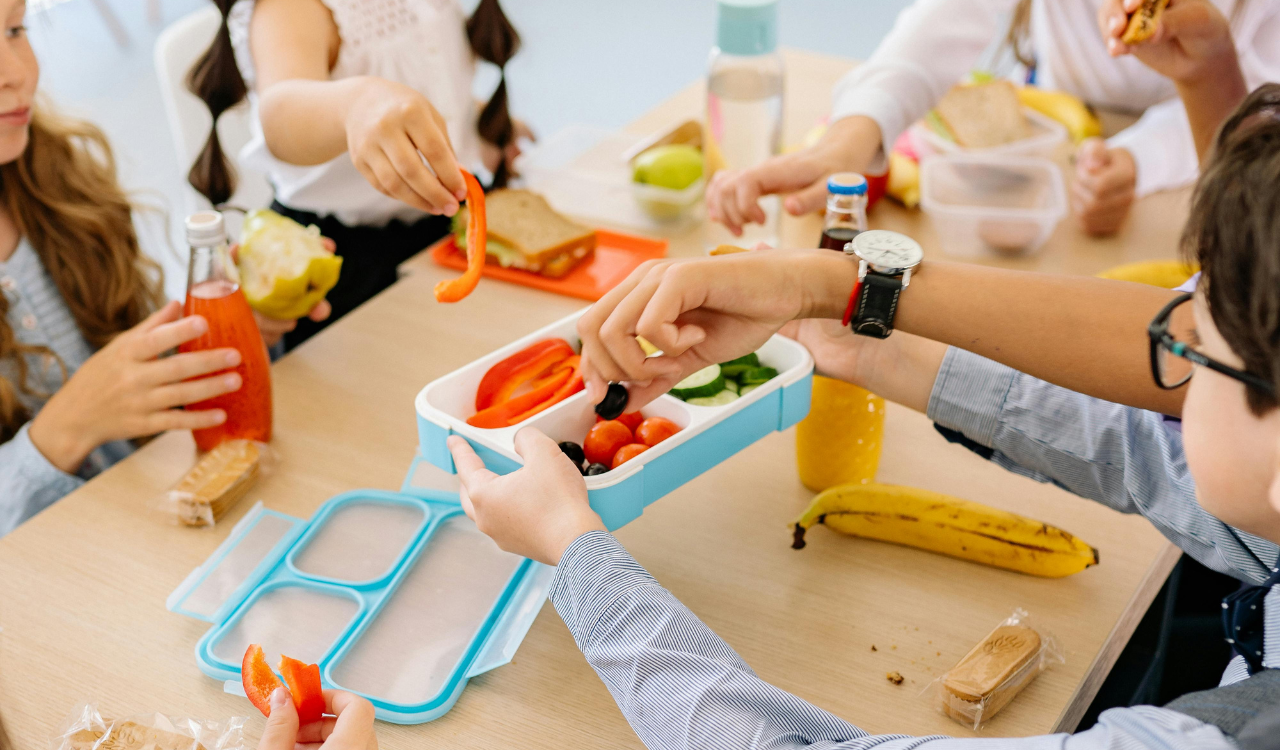
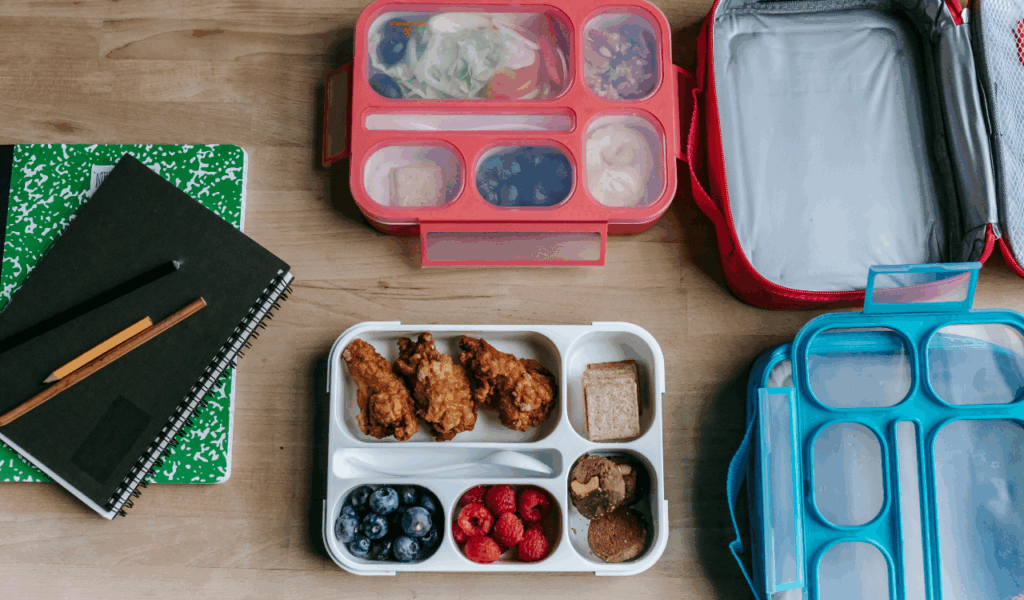
Bento-style lunches look neat and balanced, but they demand a surprising amount of time. Each compartment needs something different, which means cooking, cutting, and portioning several items instead of relying on one or two main components. Parents often find themselves prepping protein, fruit, vegetables, and a snack all separately. Small portions also require more precise packing so food does not mix or dry out. Cleaning the containers adds to the workload because of all the tiny sections. Over time, the effort outweighs the benefit, especially on busy school nights when speed matters more than presentation.
2. Scratch-Made Sauces and Dressings for Every Meal
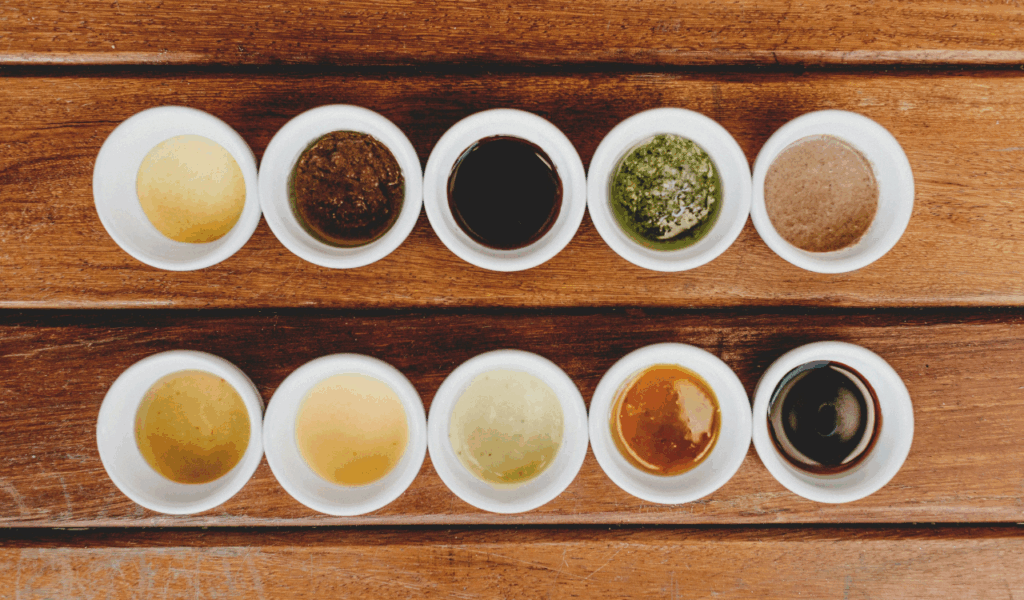
Homemade sauces sound healthier and more personal, but they create extra steps at every stage. Ingredients must be measured, blended, chilled, and portioned into small containers. Many sauces separate or lose texture after a few days, which means they need to be remade often. Cleanup includes blenders, bowls, and extra utensils. When sauces are paired with multiple meals, the time investment multiplies quickly. What starts as a simple idea adds layers of prep that are hard to sustain during the school year.
3. Multiple Mini Recipes Instead of Simple Batch Cooking
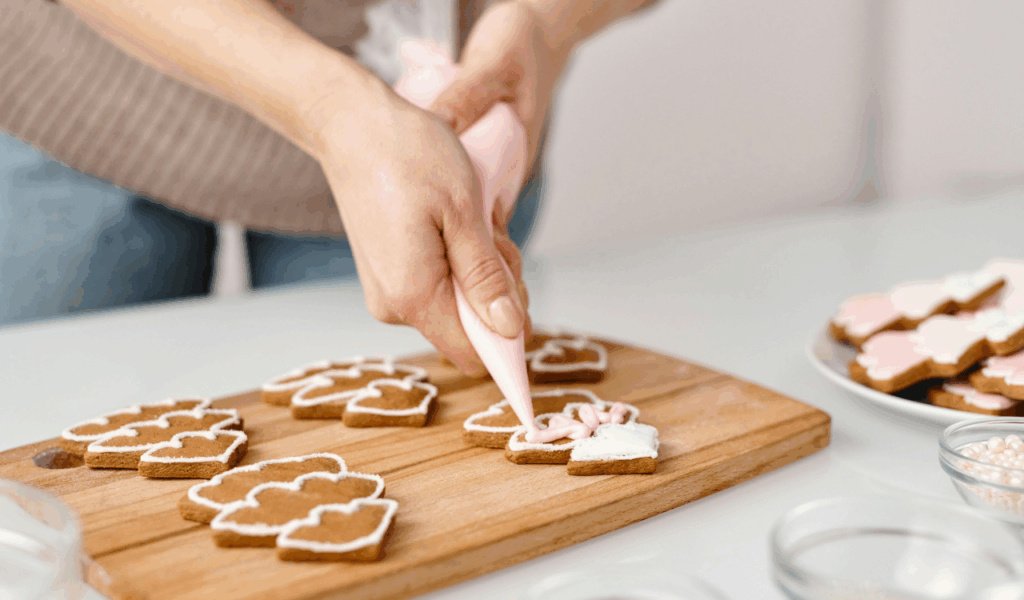
Preparing several different small dishes each week can feel like offering variety, but it dramatically increases time in the kitchen. Each recipe requires its own chopping, cooking, seasoning, and storage. Even if each dish is simple, switching between them slows everything down. Batch cooking works because one effort produces many meals. Mini recipes do the opposite, spreading effort across multiple tasks. Families often find that meal prep sessions stretch far longer than expected, cutting into rest and weekend time.
4. Elaborate Smoothie Packs With Fresh Add-Ins
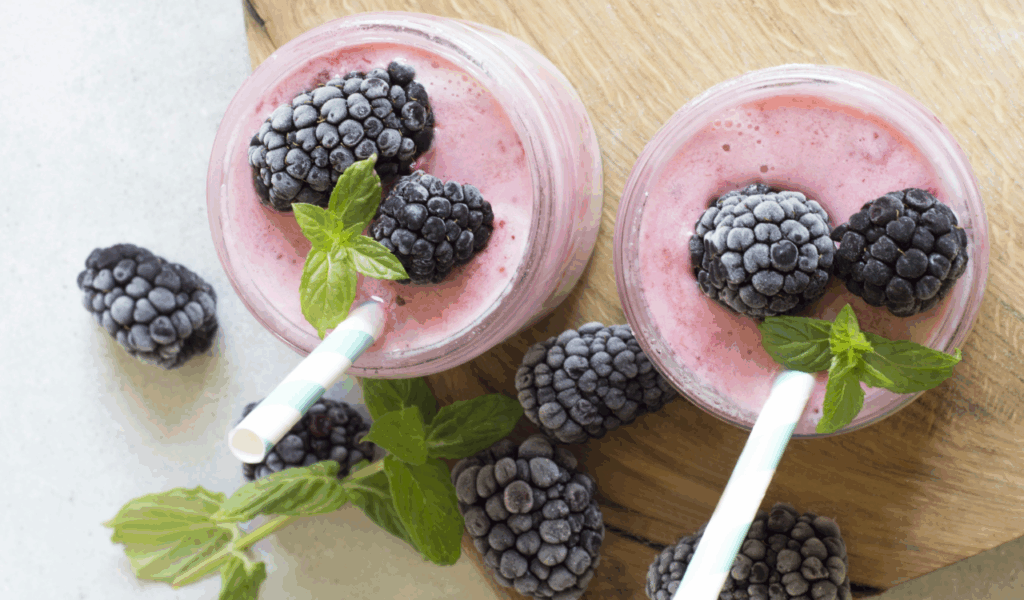
Prepping smoothie packs ahead of time seems efficient, but assembling them is labor-heavy. Fruit must be washed, peeled, sliced, and portioned. Add-ins like seeds, yogurt cubes, or greens require extra handling. Freezer space fills quickly with bulky bags or containers. On busy mornings, blending still takes time and cleanup. If kids lose interest or flavors change, prepared packs go unused. The amount of prep does not always match how much time is actually saved during the week.
5. DIY Energy Balls and Homemade Snack Bars
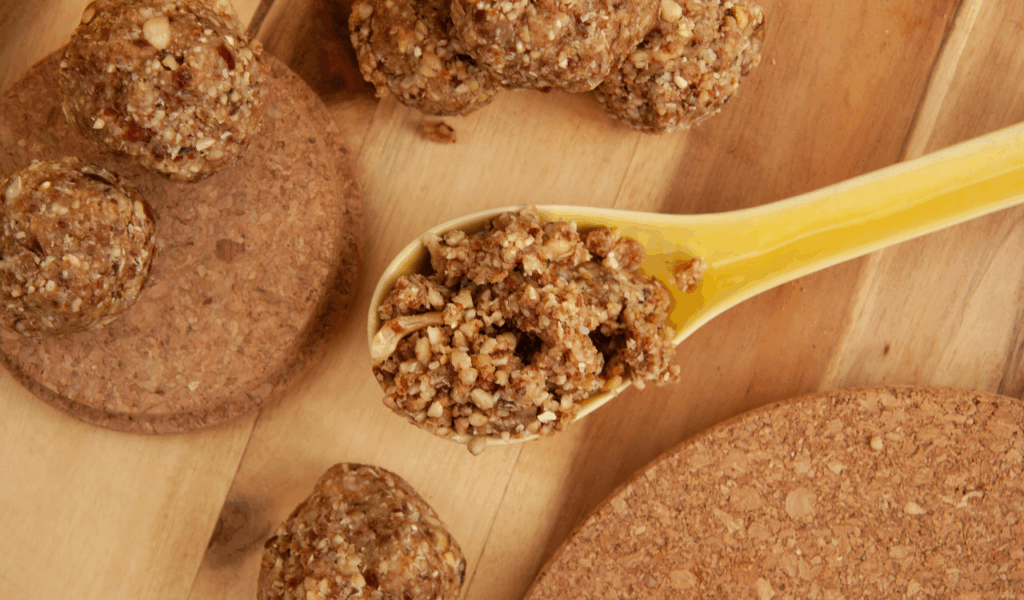
Homemade snack bars and energy balls require mixing, shaping, chilling, and careful storage. Sticky ingredients make cleanup harder than expected. Recipes often require several steps and resting time before they can be portioned. Because these snacks are small, families must make large batches to last the week. That means long prep sessions and multiple containers. While nutritious, they often demand more effort than simply portioning store-bought snacks that offer similar convenience.
6. Fresh Sushi or Wraps Made From Scratch
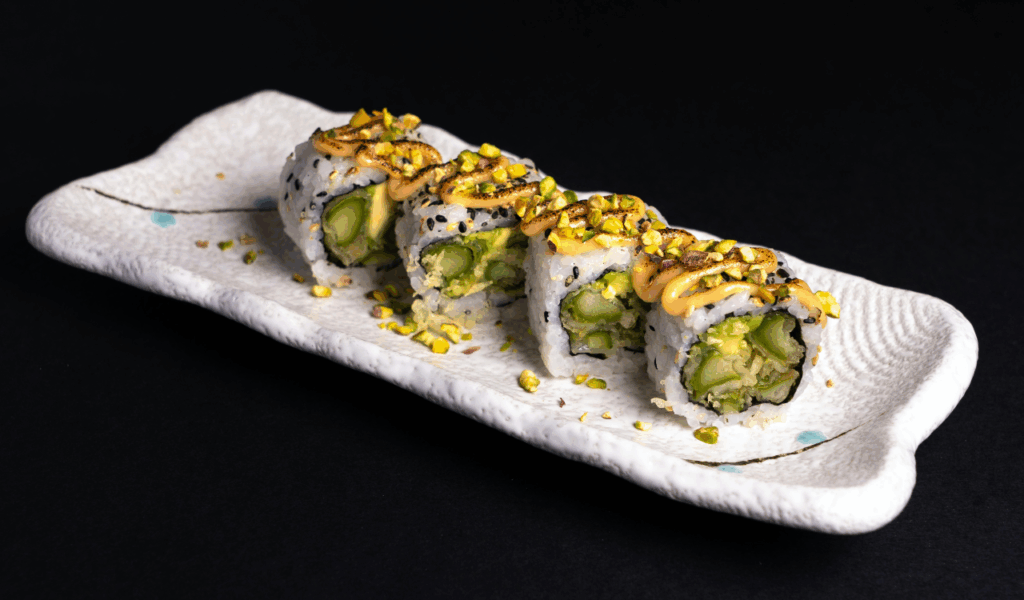
Rolling sushi or assembling fresh wraps for school lunches adds both prep and precision work. Ingredients must be sliced thin, rice cooked and cooled properly, and wraps assembled so they hold together. These items also do not store well for long periods, which means they need to be made frequently. Packaging them to stay fresh adds more steps. What feels fun on occasion becomes exhausting when repeated weekly alongside other meal prep tasks.
7. Homemade Dips With Multiple Ingredients
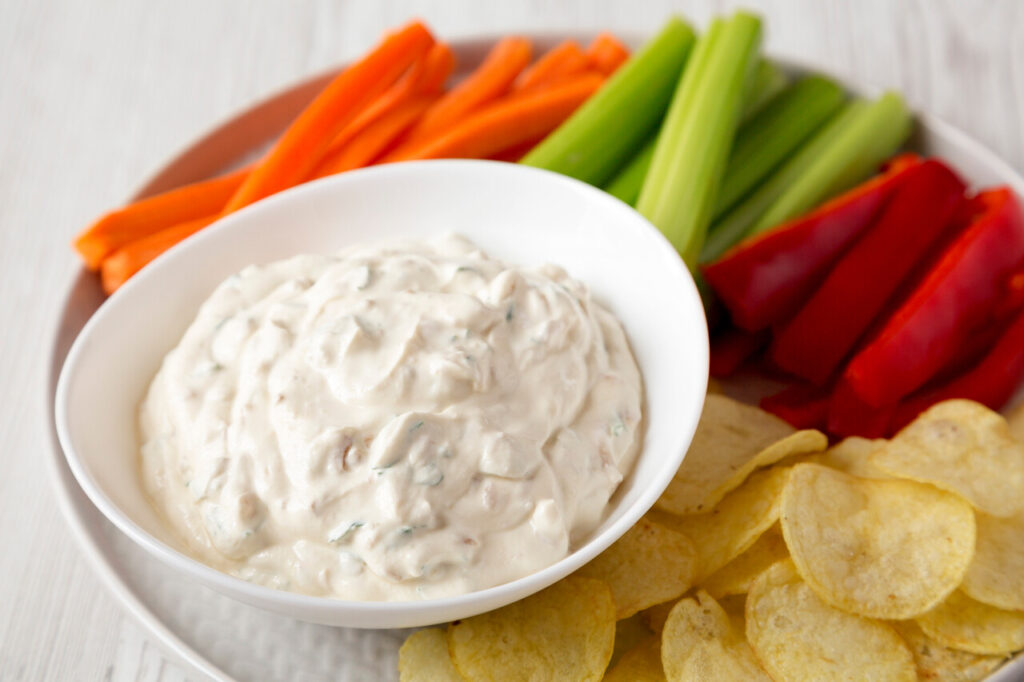
Dips like hummus or layered spreads require blending, seasoning, and frequent tasting to get right. Ingredients often need to be peeled, roasted, or cooked beforehand. Once made, dips must be portioned into small containers for lunches. They also have a limited shelf life, which means repeated batches are necessary. Cleanup includes food processors and mixing bowls. The time spent making and maintaining dips often outweighs their convenience as lunchbox add-ons.
8. Curated Fruit and Vegetable Platters for Lunchboxes
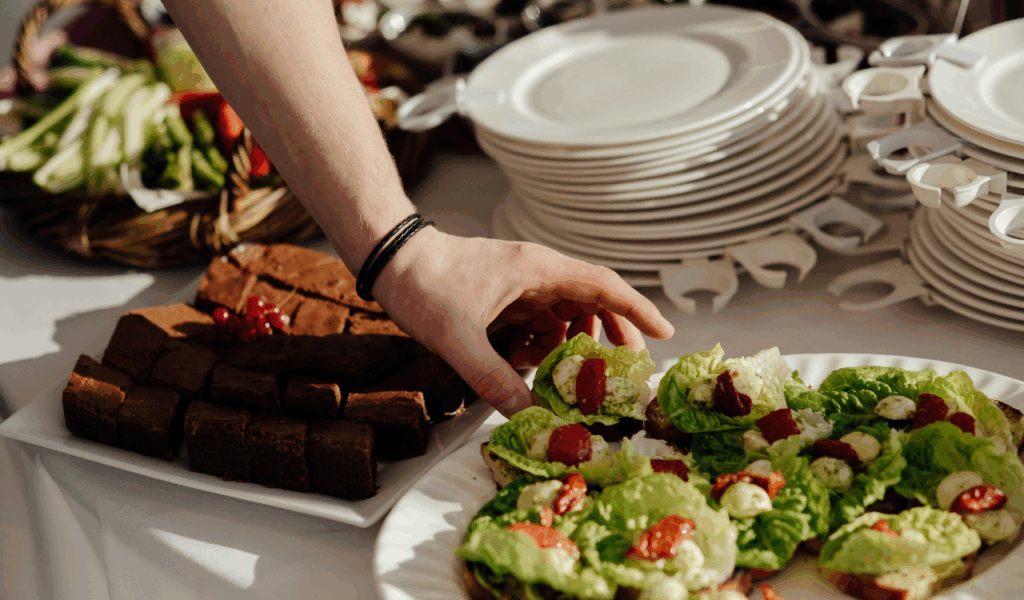
Carefully portioned fruit and veggie assortments look healthy and appealing, but they require daily attention. Produce must be washed, peeled, sliced, and kept from browning. Different items require different storage methods. Grapes need washing and drying, apples need slicing and acid treatment, and carrots need trimming. Doing this for multiple kids adds up fast. If kids skip items they do not like, much of the effort goes to waste, making the prep feel especially frustrating.
9. Weekly Baking of Muffins or Mini Quiches
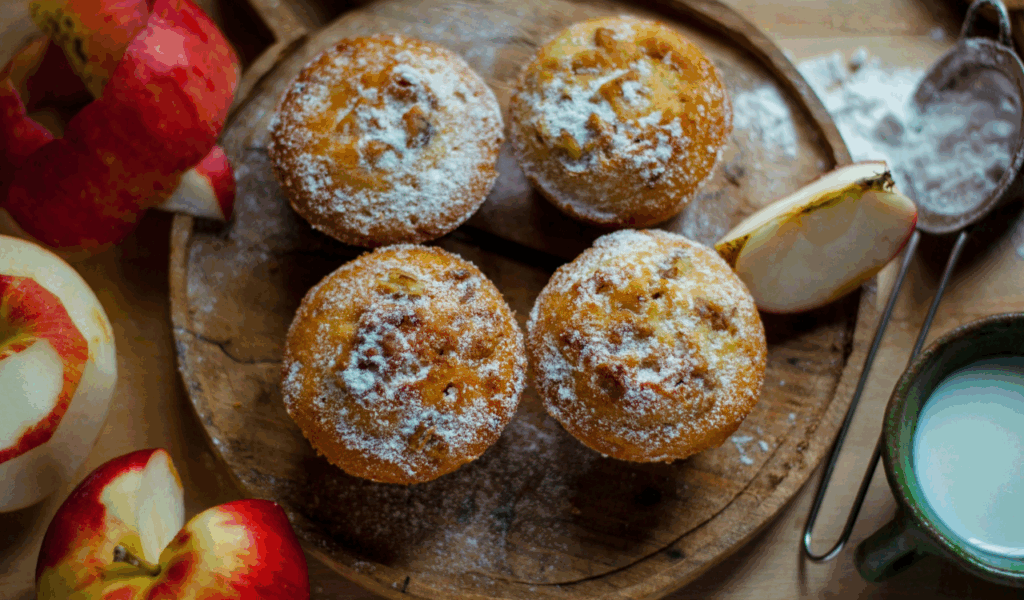
Baking ahead feels productive, but it takes planning, measuring, baking, cooling, and storing. Muffins and mini quiches often require individual wrapping or freezing to stay fresh. Ovens tie up kitchen time, and cleanup involves pans, mixers, and counters. These items also get repetitive quickly, which leads to leftovers. What begins as a productive Sunday task can easily take hours and create more work than simpler grab-and-go options.
10. Themed Weekly Menus With Daily Variations
Planning themed weeks with different meals each day sounds organized, but it increases both planning and prep. Shopping lists grow longer and more specific. Ingredients cannot always be reused across meals, leading to extra chopping and cooking. When schedules shift or kids change preferences, the entire plan feels fragile. Families end up adjusting constantly, which adds mental effort on top of kitchen work. Simple rotating meals usually hold up better during busy weeks.
11. Homemade Granola With Complex Mix-Ins
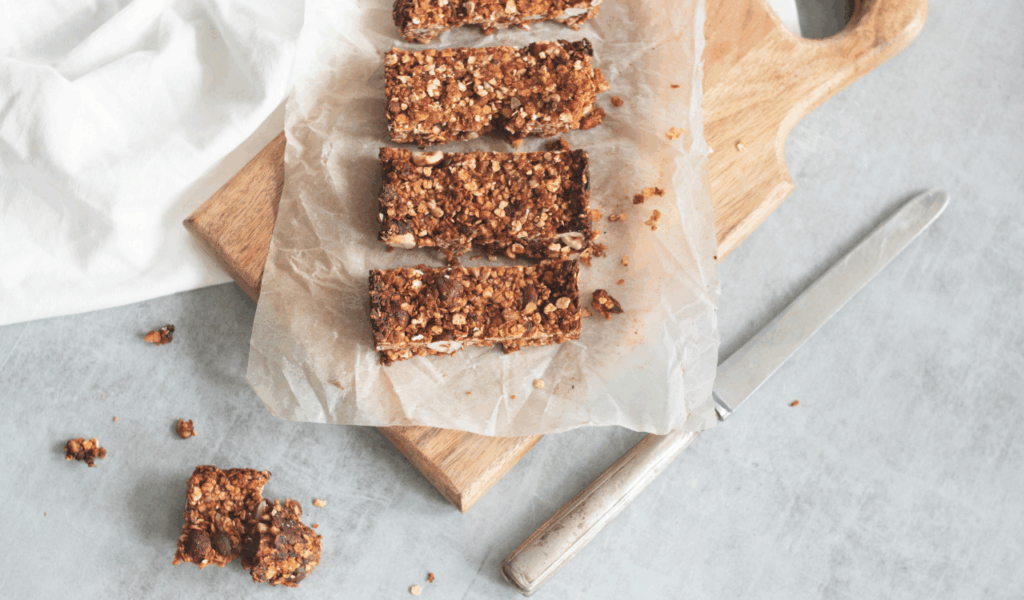
Making granola at home involves mixing dry and wet ingredients, baking in stages, stirring, cooling, and breaking into clusters. Add-ins like dried fruit or chocolate must be added at the right time. Batches need cooling before storage to prevent sogginess. Portioning for lunches adds another step. While cost-effective in large batches, the process is time-heavy compared to pouring from a box. When mornings are rushed, families often realize the effort does not match the benefit.