14 “Perfect” Living Rooms That Still Scream Claustrophobia
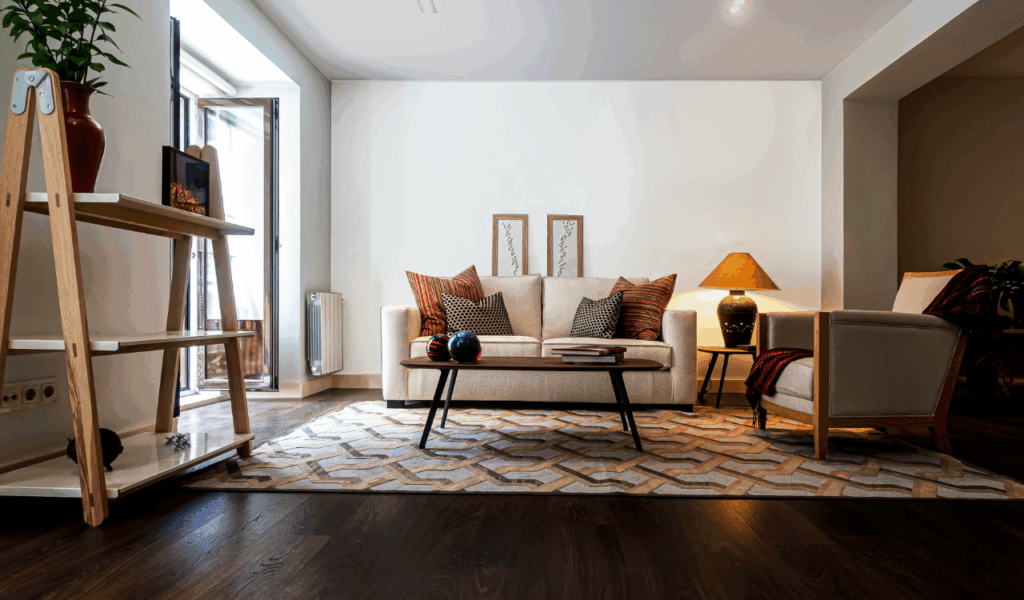
A room can nevertheless seem cramped and uncomfortable even if it has all the right design elements, such neutral colors, good lighting, and clean surfaces. That feeling of being trapped frequently has less to do with the mess and more to do with how the space is used every day, how it flows, and how it feels. Design standards can help, but they don’t work for everyone. When rooms feel heavy even after you’ve done everything you can, frequently due to small choices. These rooms sometimes follow fads, prioritize looks above comfort, or ignore how people really utilize them. Knowing why these locations seem oppressive helps you fix the real issues, not just the visible ones.
1. The Over-Minimalized Living Room
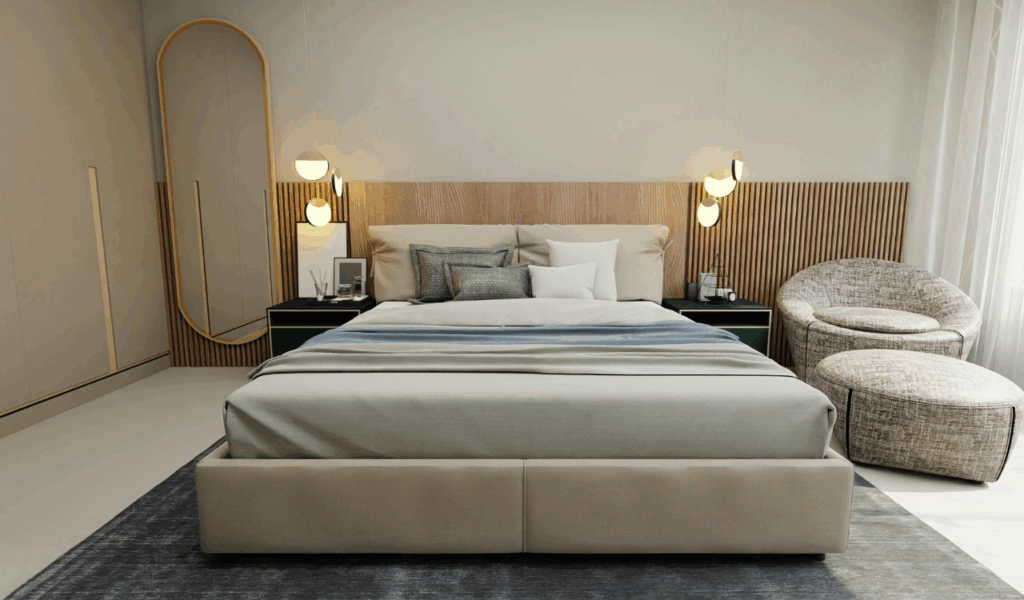
A living room that is too bare can feel cold and empty instead than relaxing. The space lacks warmth and personality when everything is flat, neutral, and firmly in place. Minimalism works best when it adds texture and softness, not when it takes away all visual interest. Too many hard surfaces, sharp edges, and empty spaces can make a room feel open instead of closed. Without the use of tiered lighting, soft materials, or even a slight change in color, the room will become emotionally uninviting at this point. The atmosphere of a place to relax should be warm and inviting; it should not be like a showroom that makes visitors not want to settle in.
2. The Dark, Matte-Heavy Bedroom
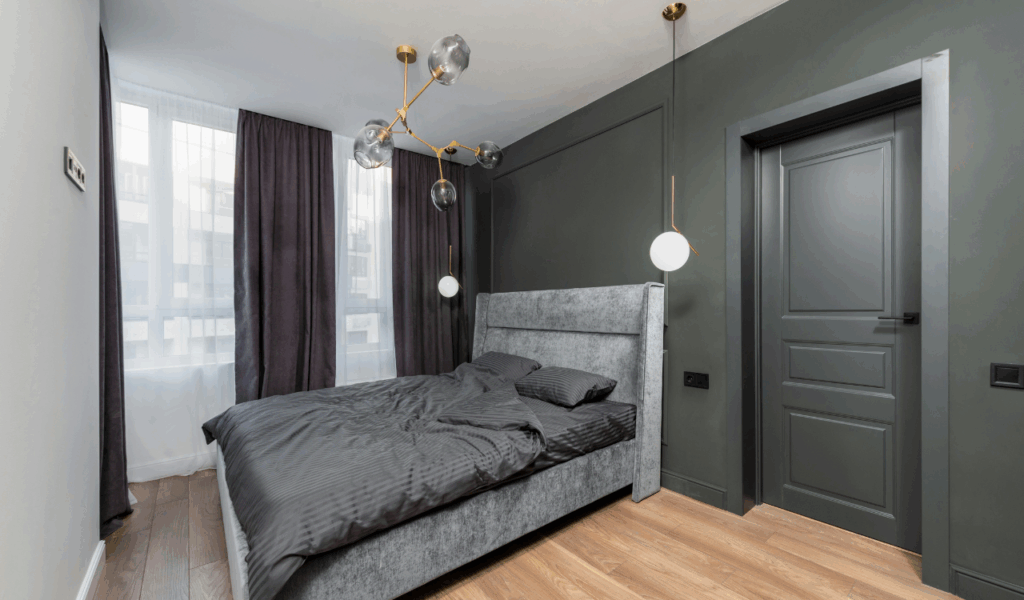
Deep colors and matte finishes in bedrooms can make the room feel smaller than it is since they absorb light instead of reflecting it. Dark colors can be pleasant in small amounts, but applying them on walls, furniture, and bedding at the same time makes everything look smaller. Matte surfaces also reflect less light, which makes things less brilliant even during the day. The room may feel like a cave when you add heavy curtains or dim lighting. Bedrooms should help you sleep, but they also need enough space to see and breathe so you don’t feel closed in. Balance is really important, especially in places where you sleep for a long time.
3. The Furniture-Crowded Apartment
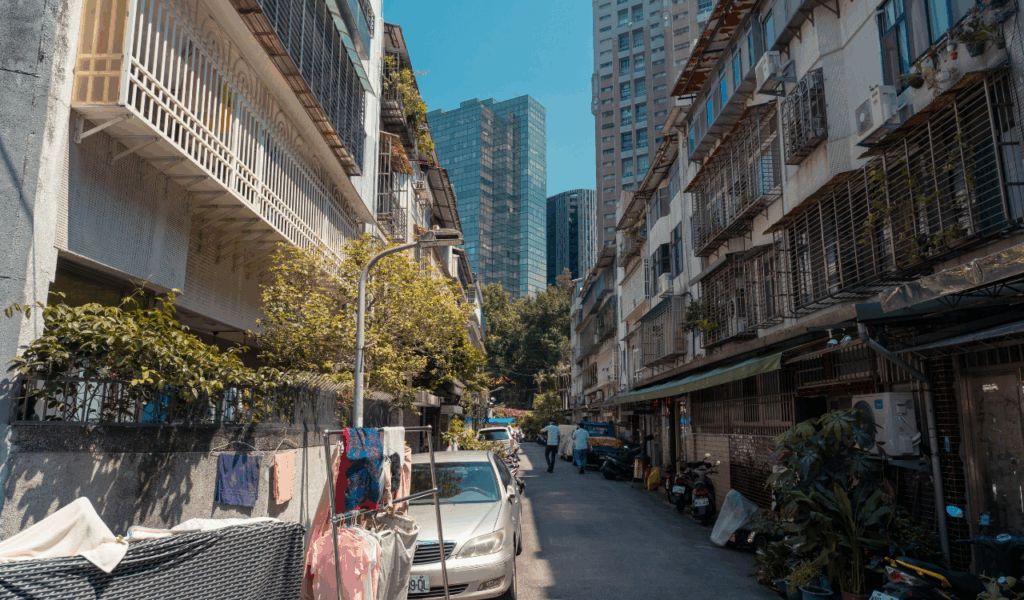
When there is too much of it, even well-chosen furniture can make a room feel cramped. Sofas, chairs, side tables, and storage pieces can quickly take up space on the floor and in the view. There is no place for the eye to rest when furniture touches every wall and occupies every space. It feels like the room is getting smaller and moving around is hard. This happens a lot when individuals try to make small areas do more than one thing without thinking about how people would move around in them. Leaving openings on purpose lets air and light through, which makes the flat feel bigger and more comfortable without losing its usefulness.
4. The Open-Plan Space With No Visual Breaks
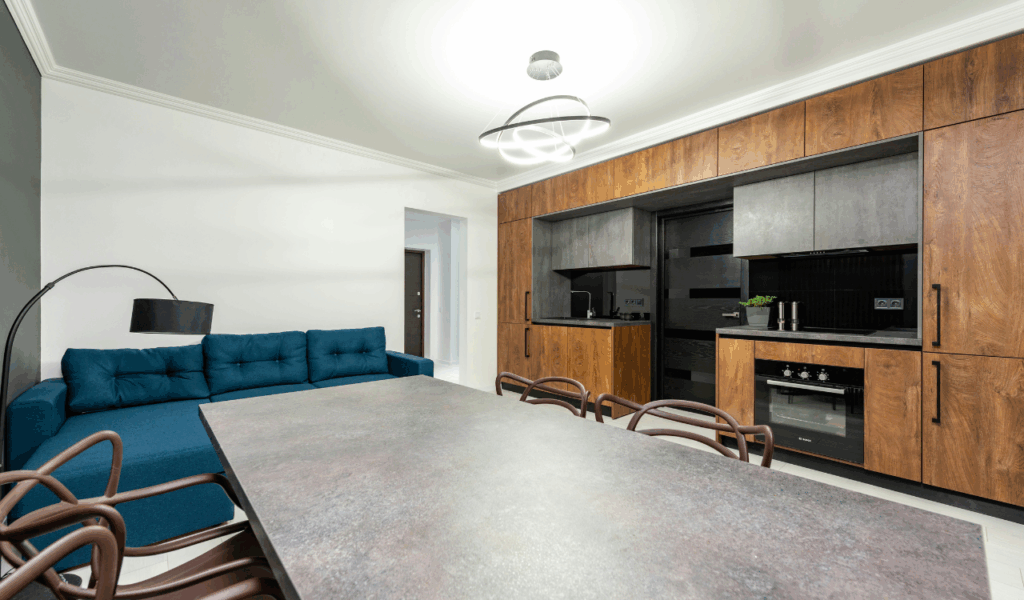
Open layouts are supposed to seem light and airy, but without any visual barriers, they might feel too much. The room doesn’t have any structure when the living, dining, and kitchen sections all blend together into one big area. The eye has a hard time settling, which makes the mind tired instead of open. The space feels messy and ungrounded without rugs, changes in lighting, or groups of furniture to mark off areas. The brain can better process space when it gets breaks. Even if an open plan is open, it still needs some division so it doesn’t feel like one big area that never really relaxes you.
5. The Overdecorated Small Home
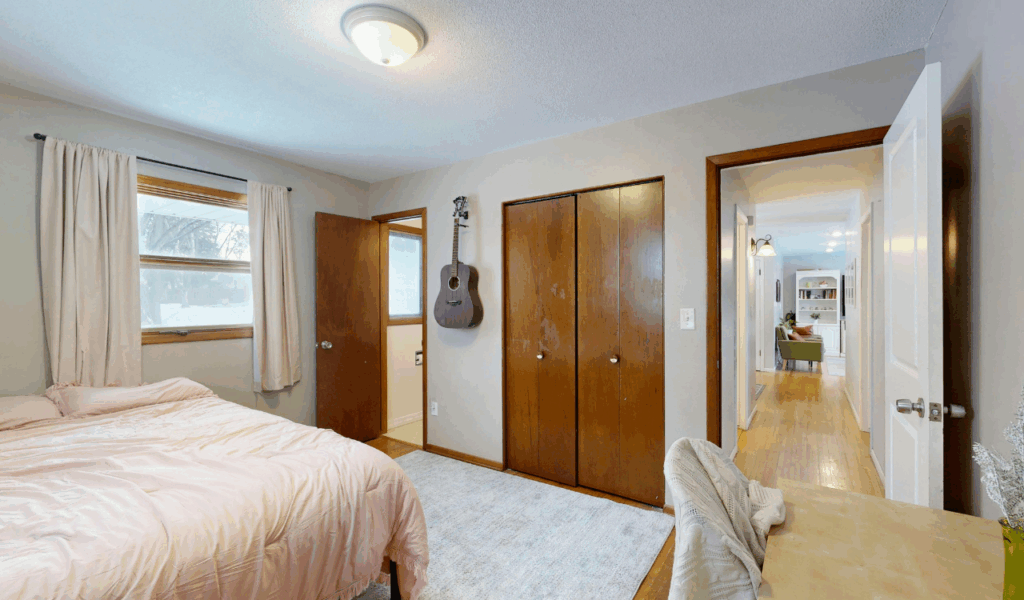
Putting decorations on every surface might make a house feel smaller and heavier than it really is. When there are too many things on shelves, walls, and tables, the area looks cluttered. When there are too many other things around, even important things lose their power. Small homes seem better when they don’t have too much stuff, which makes certain things stand out. Overdecorating also takes away negative space, which is important for keeping things peaceful visually. A room that has been carefully edited feels lighter and more purposeful, while too much design can make even the most beautiful places feel claustrophobic by adding pressure and distraction.
6. The Low-Ceiling Space With Heavy Elements
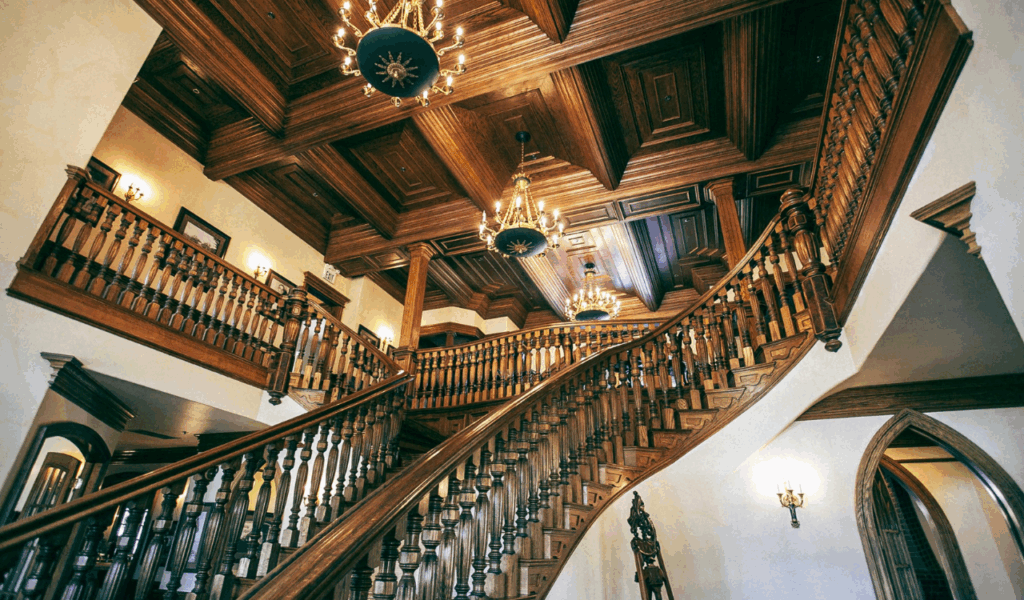
Low ceilings already make it hard to be open vertically, and heavy design decisions make it worse. Dark ceiling colors, big light fixtures, or towering cabinets that go up make the room feel even smaller. When furniture is too big or too heavy on top, it makes the room feel even smaller. To fight this, you can use lighter colors on the ceiling, thinner furniture, and less apparent weight. When you don’t pay attention to vertical proportion, environments can feel like they’re pressing down on you. Smart design makes the most of the height of the ceiling instead of fighting it. It creates balance instead of bringing attention to problems.
7. The Neutral-Only Color Scheme
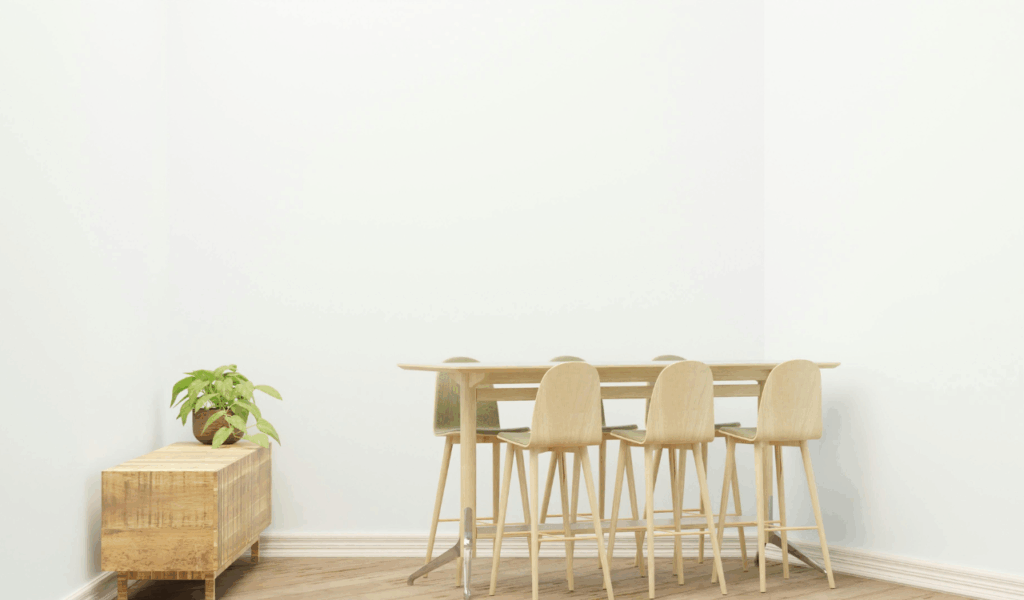
There is a reason why neutral colors are so popular, but too much of them can make a room look bland. Rooms that are all beige, gray, or off-white don’t have any contrast or depth. The surroundings seems boring and dreary without any subtle changes in hue. Even if the place looks tidy, this visual sameness can get old after a while. In order to infuse a space with vitality and depth, it is possible to use plants, paintings, or textiles that include subtle color accents. It is possible for rooms to have an emotionally uninteresting and uninteresting feeling when there is no color at all; yet, color does not have to be bright in order to be effective.
8. The Poorly Lit “Bright” Room
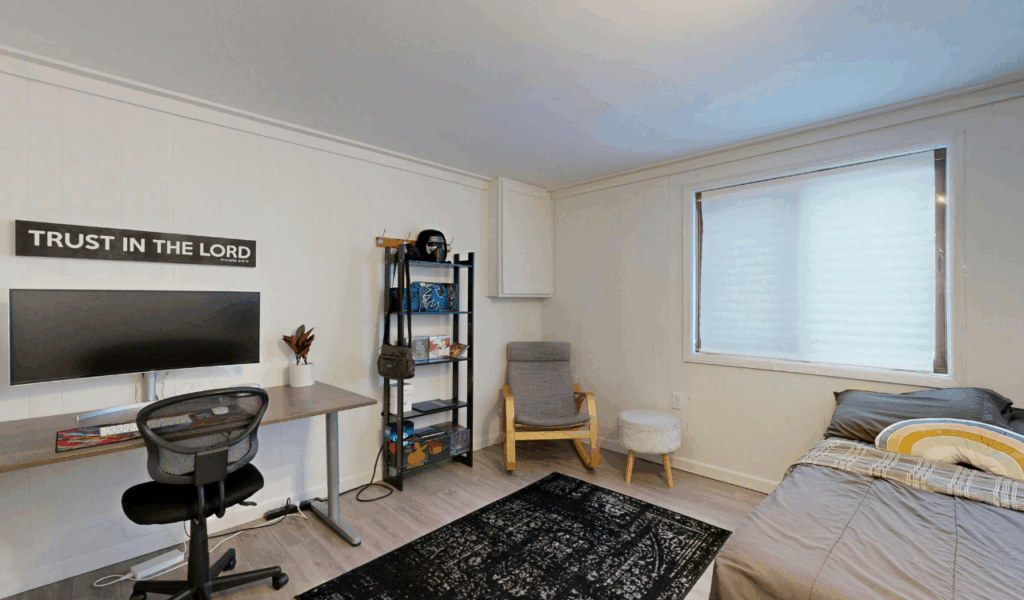
If the lighting isn’t layered well, a room can have more than one light source and still appear dark. Only using overhead lights makes shadows too sharp and leaves corners dark. Even bright lighting can’t make up for unequal distribution. The space doesn’t have any depth when the ambient, task, and accent lighting don’t function together. Bad lighting makes rooms feel smaller and more cramped. Light should help the eye find its way and make lines less sharp. It makes things more open and comfortable when done well. When done wrong, it slowly adds to a feeling of being trapped that is hard to put your finger on.
9. The Wall-to-Wall Storage Setup
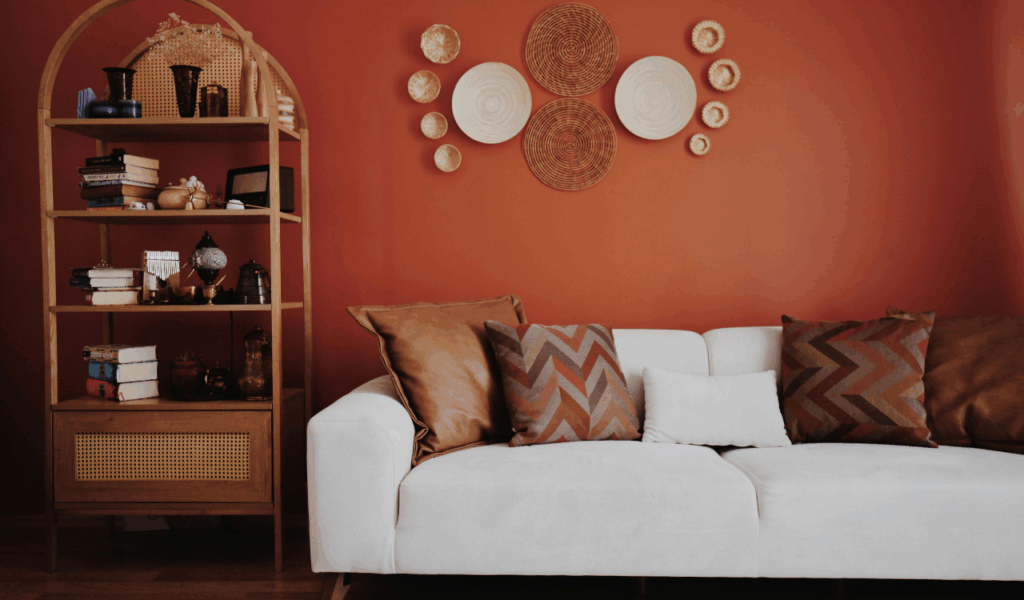
Storage is important, but putting cabinets or shelves on every wall can make a room feel too full. Even when storage is tidy, it can make a space look heavy if it takes up too much space. Continuous storage lines take away visual breaks, which makes rooms appear closed together. This happens a lot in kitchens and home offices. The process of restoring equilibrium involves combining open and closed storage areas, as well as leaving certain walls unoccupied. You shouldn’t let storage take over your life; rather, it should help you live it. When there is space for the eye to rest, the area inside of a room feels more open and less claustrophobic.
10. The Trend-Driven Interior
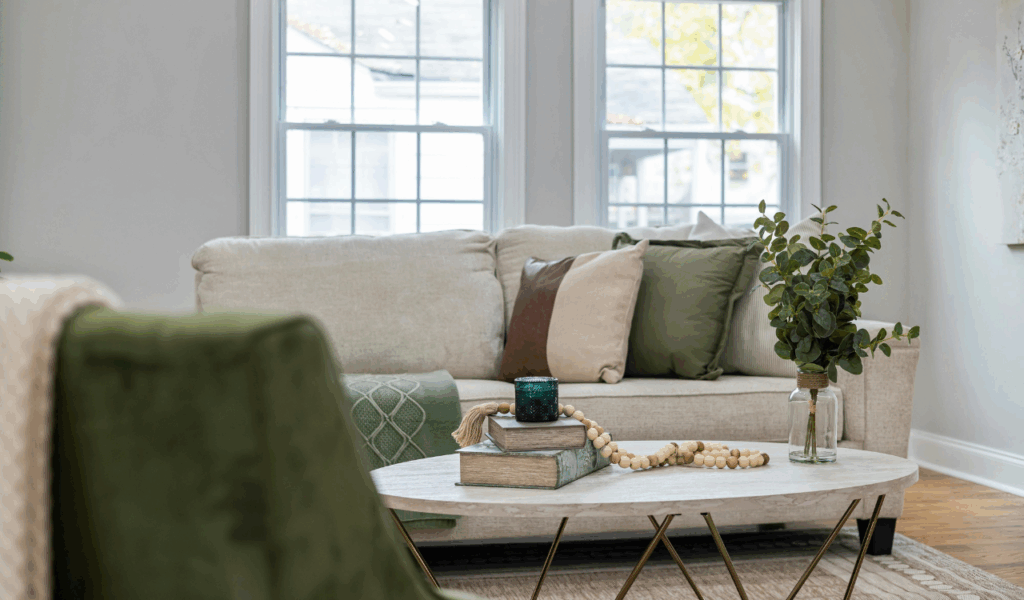
If you follow trends too closely, you could end up with spaces that feel old and uncomfortable faster than you think. Rooms that are overflowing with trends typically make use of bold statements that dominate the way people live their lives. When there are multiple things competing for attention, the environment makes one feel crowded and tense. It is more effective to use trends as accents rather than as foundations. A place that is designed to accommodate long-term comfort and personal habits develops more maturely and has a more similar atmosphere to that of a home. It is possible to create an atmosphere that is more restrictive than relaxing if you devote an excessive amount of time and energy to things that appear to be attractive on the internet.
11. The Mirror-Misused Space
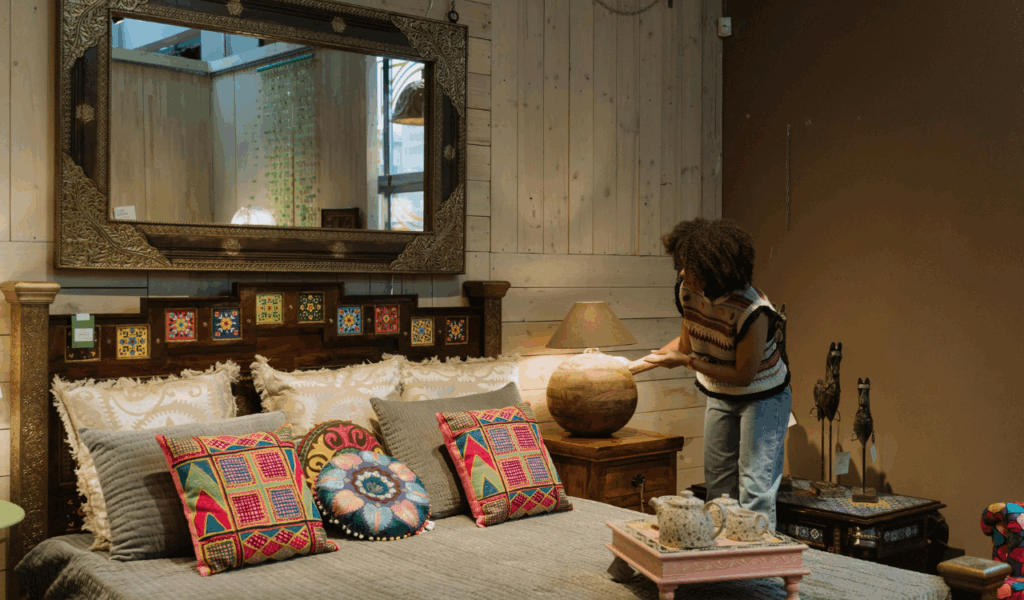
Mirrors are supposed to make rooms look bigger, but putting them in the wrong spot might accomplish the opposite. The appearance of things is made even more chaotic by the presence of large mirrors that reflect garbage, dark places, or tight corners. When mirrors are positioned such that they are facing one other or when they are in dark regions, they make the situation much more difficult. Placement is more important than size. Mirrors must be able to reflect light, views, or open areas in order for them to be effective. If you use mirrors in the wrong way, they might give the impression that a room is rather cramped and confusing than spacious and open.
12. The Overstuffed Soft-Furnished Room
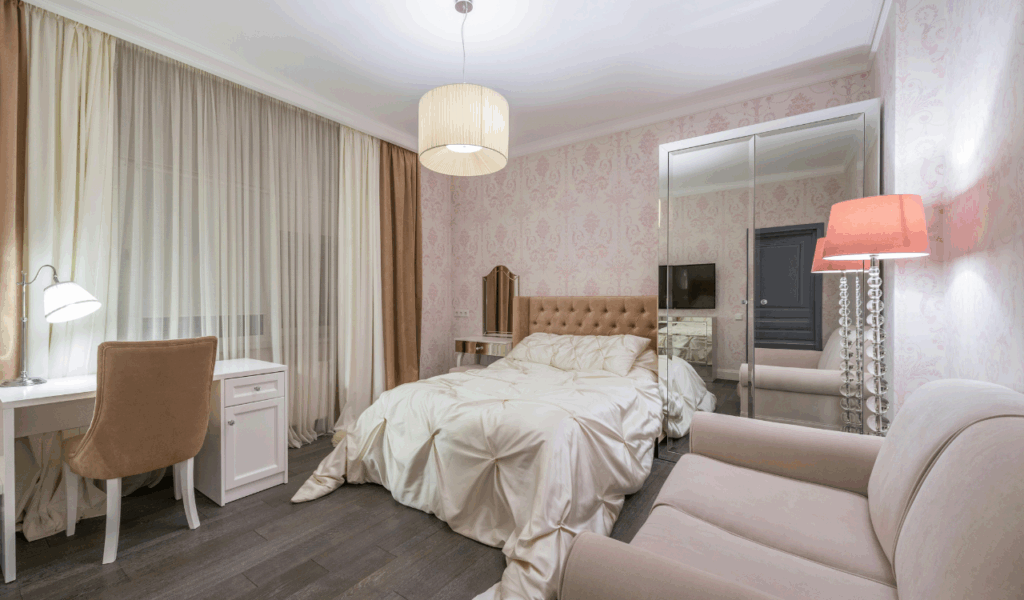
Soft furnishings make a space more comfortable, but too many soft things can make it feel crowded. Heavy curtains, thick carpets, piled cushions, and big sofas soak up both light and air. At first, the space may feel pleasant, but it gradually becomes too heavy and oppressive. It is important to strike a balance between soft textures and lightweight materials in order to maintain comfort without going overboard. With airy fabrics, thinner features, and precise spacing, it is possible to achieve softness without giving the impression of suffocation. Not only should comfort make you want to slumber, but it should also prevent the room from feeling or appearing heavy.
13. The Ignored Vertical Space
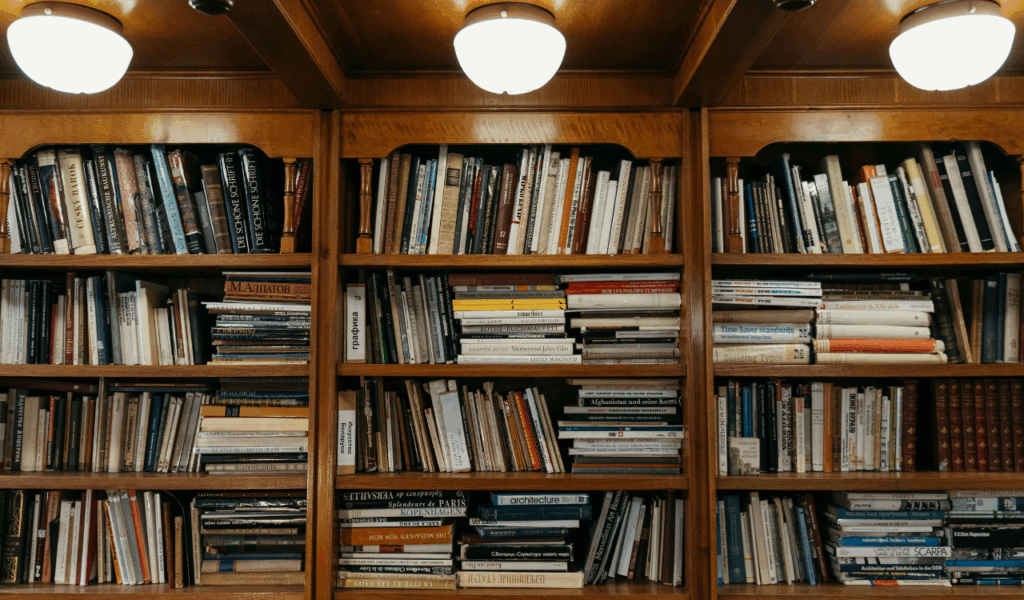
Rooms that don’t take advantage of vertical space can feel crowded horizontally. The eye never rises up when all the design elements are low, which makes the space feel even more boxed in. Things that are higher up, such as vertical lines, towering shelves, or art that is higher up, all draw the eye upward and give the impression that they are taller. You are missing out on the opportunity to achieve proportional balance if you do not make use of vertical space. It is possible to make a space appear taller and more open by making strategic use of height, even when there is not a lot of square footage.
14. The “Perfect” Room That Ignores Daily Life
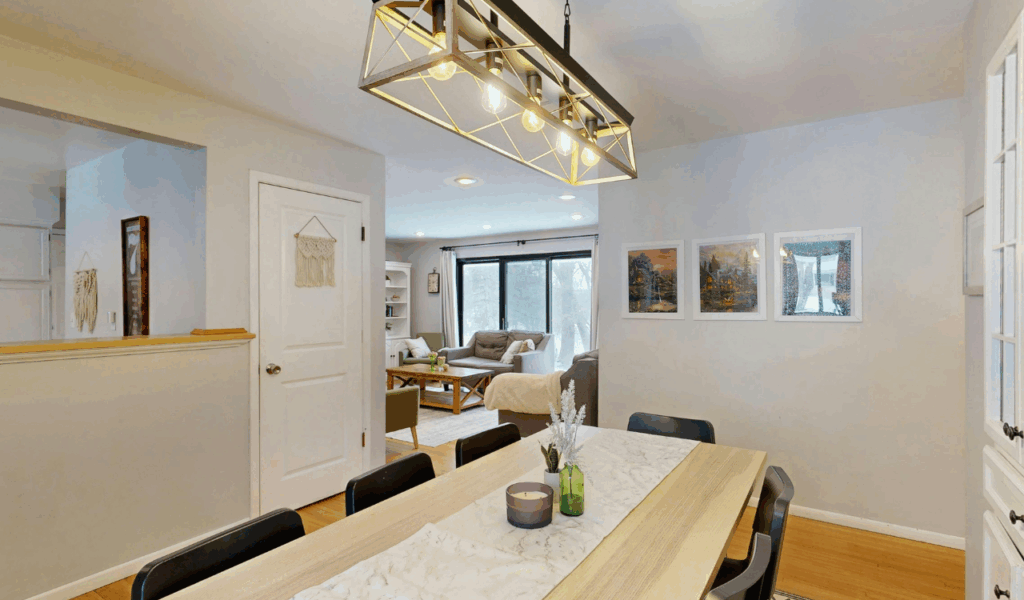
Spaces that are only meant to seem good generally don’t work well in real life. Rooms that seem perfect but aren’t comfortable, flexible, or personal feel stiff and unwelcoming. Furniture that isn’t used often, layouts that make it hard to walk around, or decor that was chosen just for looks might make people feel distant. A environment that people may live in should be flexible to change with their habits and routines. As a result of design decisions that do not take into account how people actually live, a room may appear to be appropriate but actually feel inappropriate, which can give the impression that you are being suffocated.