10 Regional “Fish Fry” Fridays Churches Buy Frozen
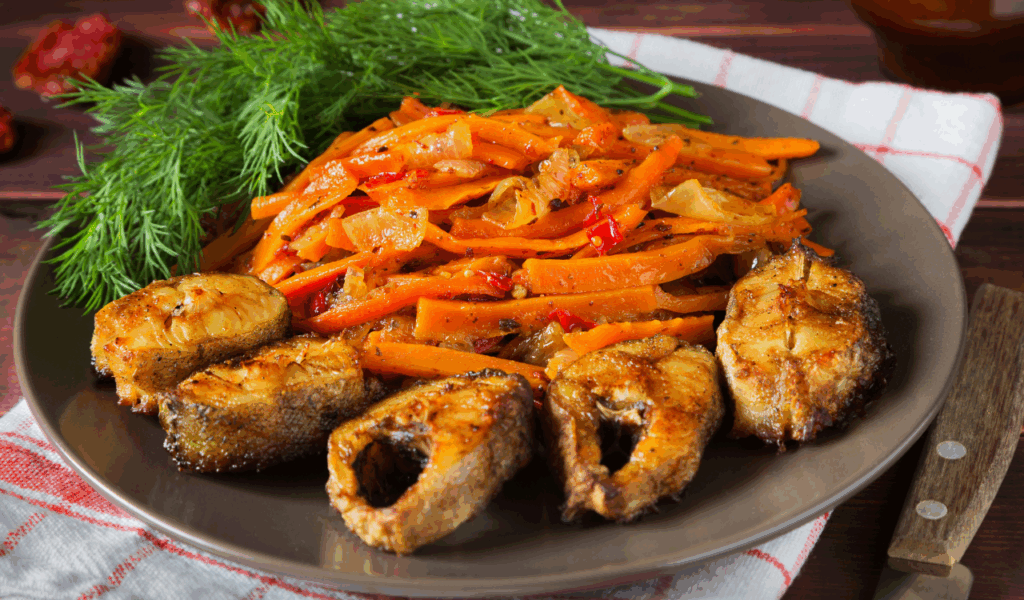
The “Fish Fry” Friday is a beloved Lenten ritual in many places. It brings people together for a dinner that is crispy and golden. But a lot of customers would be shocked to find out that the “fresh-caught” taste they expect often comes from a cardboard box in the walk-in freezer. The volunteer spirit is strong, but because of how big these events are, churches often have to put efficiency ahead of local sourcing.
Kitchen managers typically say that consistency is the main reason for this choice. Frozen fillets are already cut into pieces and are easy to handle for a group of volunteers who may not have had professional cooking training. Restaurant specialists say that the “church basement” kitchen isn’t usually set up to handle hundreds of pounds of entire, fresh fish in one afternoon.
Experts suggest that utilizing frozen, pre-battered, or breaded fillets makes sure that the first dish served at 4:00 PM tastes the same as the last plate delivered at 8:00 PM. The memories are still there, but the truth is that a lot of these communal activities that people love have turned into busy assembly lines. Designers of commercial food systems say that the shift toward frozen foods is partly a question of following tight health codes. This is because frozen fish is far less likely to perish during the busy Friday night service.
The Great Lakes Perch Plate
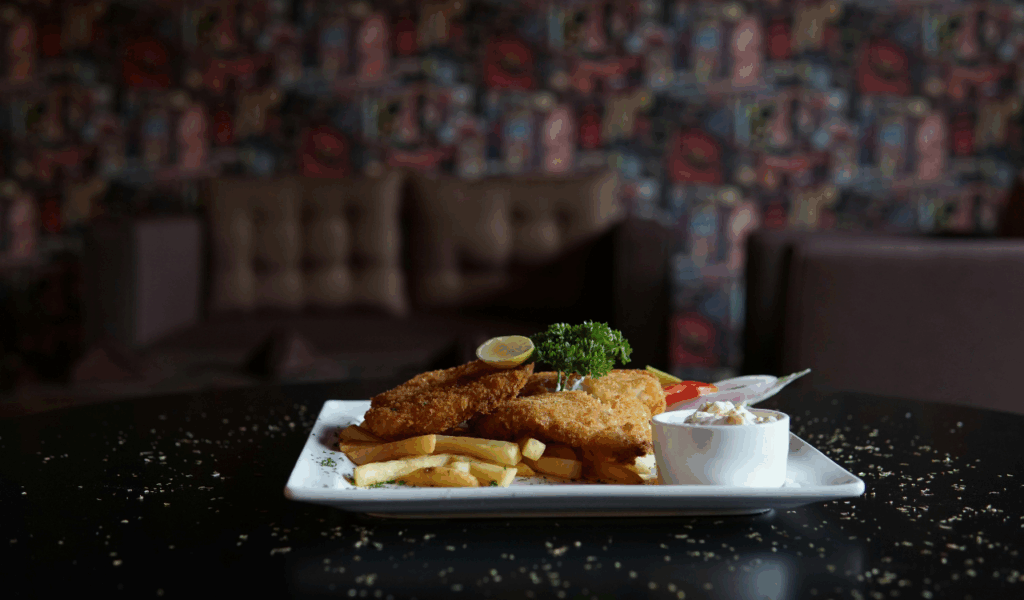
Yellow Perch is the clear winner of the Friday fish fry in the Midwest, but there aren’t enough of them to meet demand. Many churches in the area now get their frozen perch from overseas or major commercial fisheries instead of the Great Lakes themselves, according to skilled chefs in the area. Experts argue that the “lake-fresh” taste is sometimes imitated by using a lot of spices in the breading. When fish is frozen at sea, it loses the delicate, sweet flake that local perch is known for. This makes the fish harder and it needs tartar sauce to stay moist.
Kitchen organizers say that the best way to keep plate prices low for families is to buy a lot of frozen perch at once. Food distributors say that the price of fresh Great Lakes perch has gone through the roof, making it almost difficult for a non-profit fundraiser to make money. Experts say that if you don’t notice the “butterfly” cut that is common in fresh perch, you are probably eating a frozen, conventional fillet. Designers of these menus often emphasis on the “all-you-can-eat” part to keep people from thinking about how the star of the show came in a freezer truck earlier that week.
New England Baked Scrod
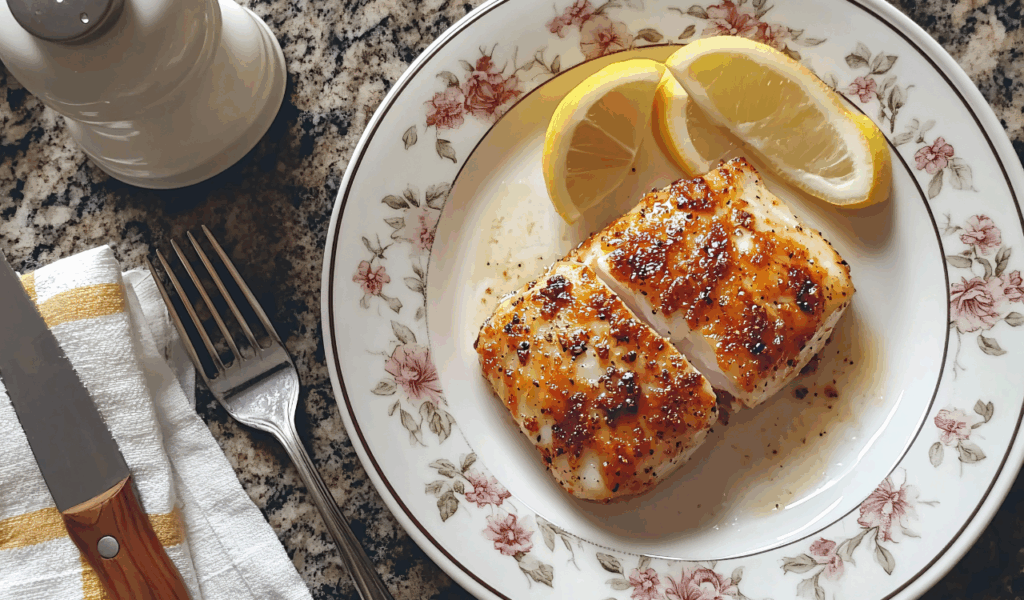
“Scrod” is a traditional New England word for juvenile Atlantic cod or haddock, although in many church halls, it just means frozen whitefish. Maritime historians and food experts say that the word has become a catch-all for any frozen “whitefish” fillets that are on sale that month. People who flip fish in markets say that real scrod should be very soft, but when you bake frozen scrod in big industrial pans, it often gets rubbery.
This makes for a “sad” meal because the fish is swimming in a puddle of melted ice and butter.
Culinary teachers say that baking frozen fish for a lot of people is a technical problem. The fish emits extra moisture when it thaws in the oven.
This makes the breadcrumbs steam instead of crisp up. Experts claim this is why a lot of church-fry “baked” foods taste bland or feel mushy. To mask the texture problems of the frozen substrate, the people who plan these community dinners often put a thick coating of “Ritz” cracker crumbs on top. Experts say that if the fish doesn’t have a clean, ocean-like crunch when you bite into it, it was probably frozen months before it got to your plate.
The Southern Catfish Nugget
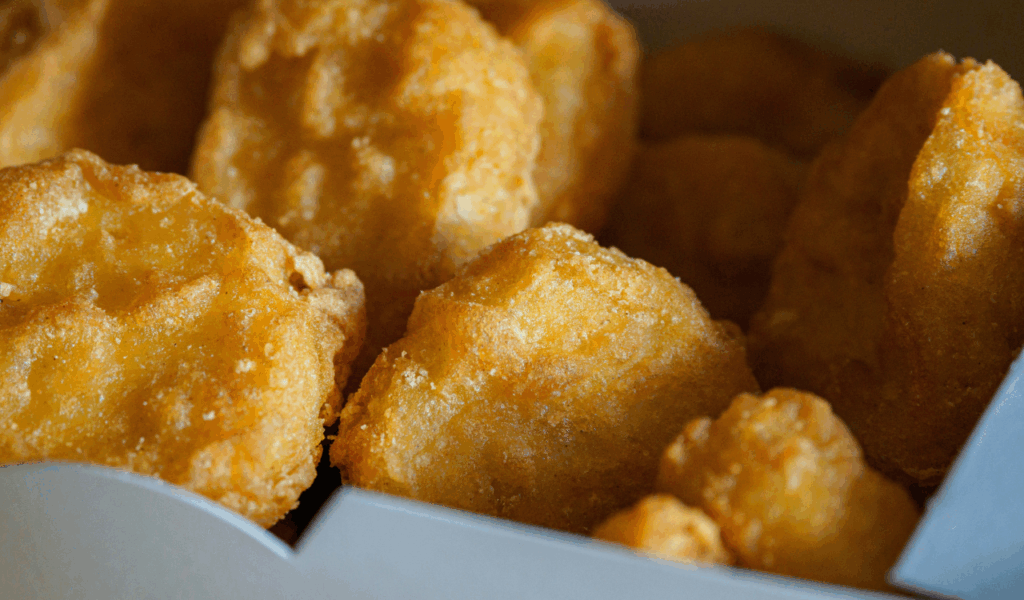
During Lent in the South, catfish is the main dish, but the “nuggets” served at big church events are often pre-cut and frozen. Experts in aquaculture say that these nuggets are often the “trim” from bigger processing operations that are frozen and sold in bags of 20 pounds. They are easy to fry, but they usually have more fat and “muddy” flavors than a fresh, hand-cut fillet. Experts claim that the thick cornmeal breading employed in church kitchens is meant to hide the bland taste of frozen, farm-raised catfish.
Professional chefs say that the high oil temperature needed to fry these nuggets often “shocks” the frozen center, which makes the outside oily and the inside not cooked enough. Restaurant experts say that this is why a lot of church catfish fries make people feel “heavy” in the stomach. Experts say that you should seek for catfish that aren’t perfectly shaped. If every nugget is a perfect square or triangle, it’s a clear sign that it was frozen and processed in a factory. To make up for the lack of fresh fish sweetness, people who plan these events often focus on the “spicy” part of the breading.
Pacific Northwest Halibut Bites
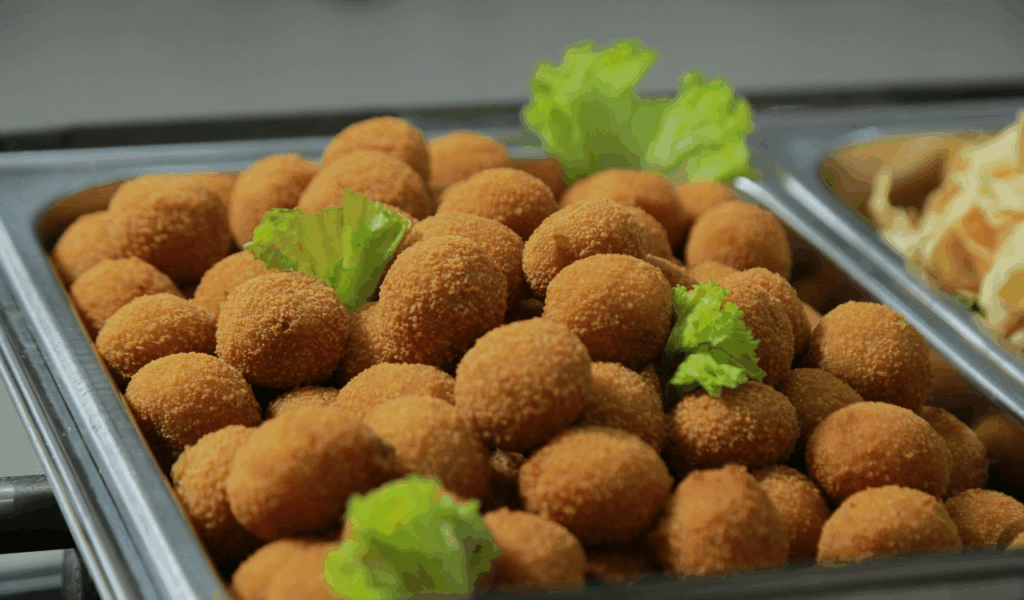
Halibut is a high-quality fish, and because it costs so much, it’s hard to get at a regular church fish fry. Many businesses employ “halibut bites,” which are frozen bits of smaller pieces, to make it work. Seafood distributors say that these bites are often frozen in “blocks” and then chopped into cubes, which ruins the fish’s natural grain.
Experts say that this method makes the fish dry and “mealy,” which is very different from the buttery, large-flaked taste of a fresh Pacific Halibut steak. Dietitians say that freezing halibut can also cause a lot of nutrients to be lost if it is not done appropriately.
Professionals say that a lot of churches buy these bites because they cook rapidly in a deep fryer, which is important for getting a lot of hungry people through the line. However, designers of high-quality fish programs say that the “pre-breaded” frozen halibut portions that many churches use are primarily fillers and carbohydrates. Experts suggest that if the “bite” is more crunch than fish, you’re paying too much for a frozen, processed food.
Mid-Atlantic Beer-Battered Cod
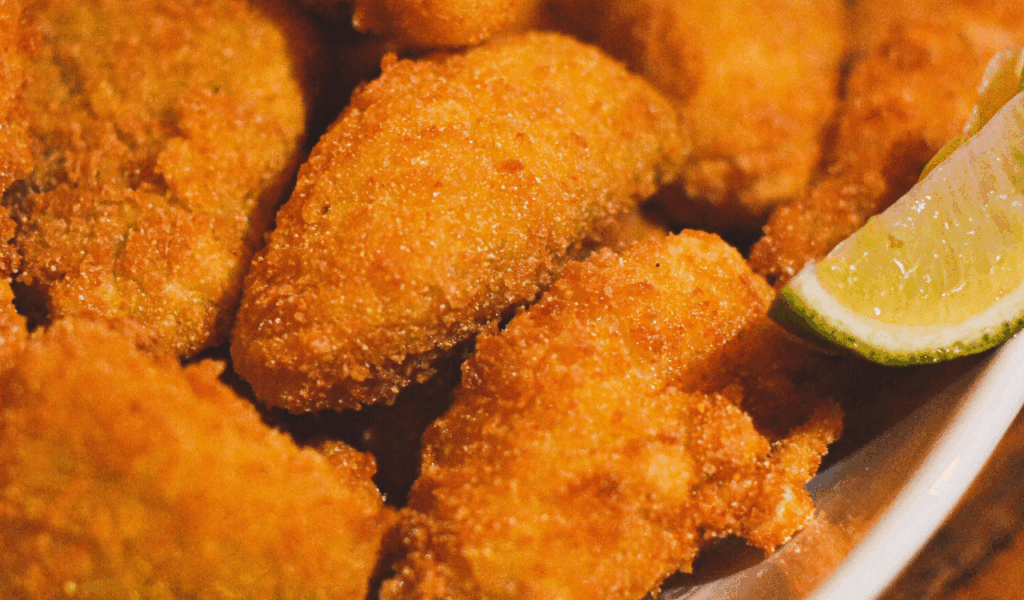
People in the Mid-Atlantic prefer thick, beer-battered fish, but the “beer” in the batter is often really a flavor extract from a frozen, pre-dipped product. According to people who create meals for businesses, pre-battered frozen fish is one of the most popular things to buy at seasonal church gatherings. Experts believe that the batter is made so that it stays “crispy” under heat lamps for hours, which a fresh, hand-dipped batter can’t achieve. This is easy to use, although it comes with a thick, doughy coating that often hides the fish inside.
Professional cooks say that carbonation is what gives a fresh beer batter its light, airy texture. That carbonation is gone in a frozen food, leaving behind a thick shell that looks like a pancake. Restaurant advisors say that the “cod” in these frozen units is typically “minced and shaped” instead of being a full muscle fillet. Experts say that if the batter comes off in one solid, rubbery piece, it was made in a factory. People who develop these menus often use the phrase “pub-style” to make the frozen, mass-produced fish appear more artisanal than it really is.
Gulf Coast Fried Red Snapper
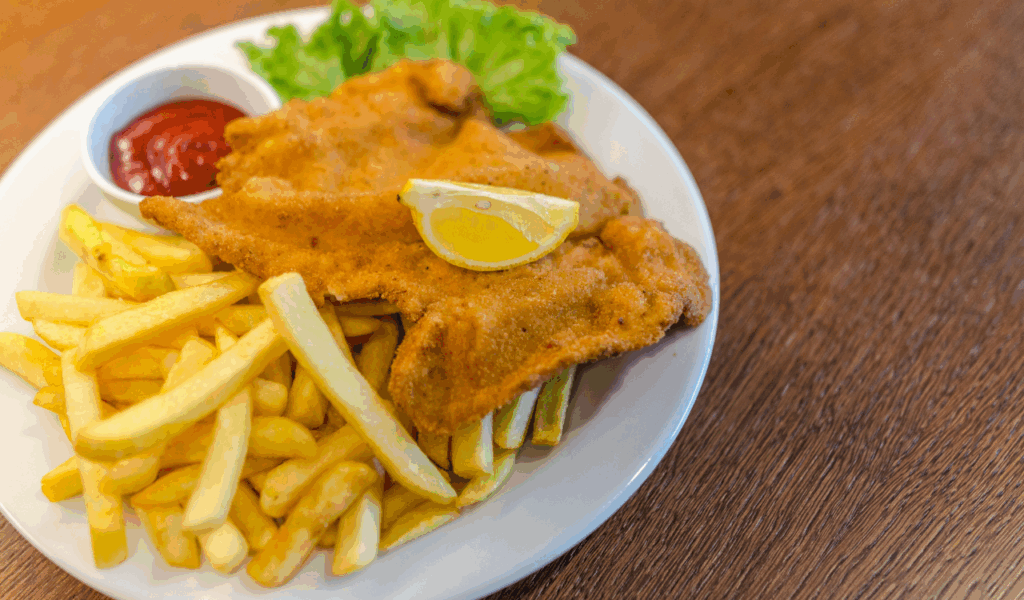
Red Snapper is a popular dish on the Gulf Coast, but churches often have to use frozen imports from other countries because it isn’t always in season. Marine researchers say that “Snapper” is one of the most incorrectly identified fish in the business. Experts say that frozen “Snapper” fillets used in big fries are generally cheaper types of fish, like Malabar or even Tilapia, that have been colored to seem like the real thing.
This makes for a “sad” bait-and-switch, as the buyer thinks they are helping local fishermen when they are really eating a frozen, imported product. Food safety groups say that the “freshness” of snapper is its key selling point, yet this is completely lost when it is frozen and then thawed.
People who work in restaurants say that fresh snapper has a bright pink color that turns a dismal gray when it is frozen. When the fish is aggressively breaded and fried until it is dark brown, it is typically a way to mask the fact that the frozen fillet is discolored. Experts say you should inquire if the snapper is “local” or “Gulf-caught.” If the response is imprecise, you are probably eating a frozen substitute.
The Midwest Walleye Special
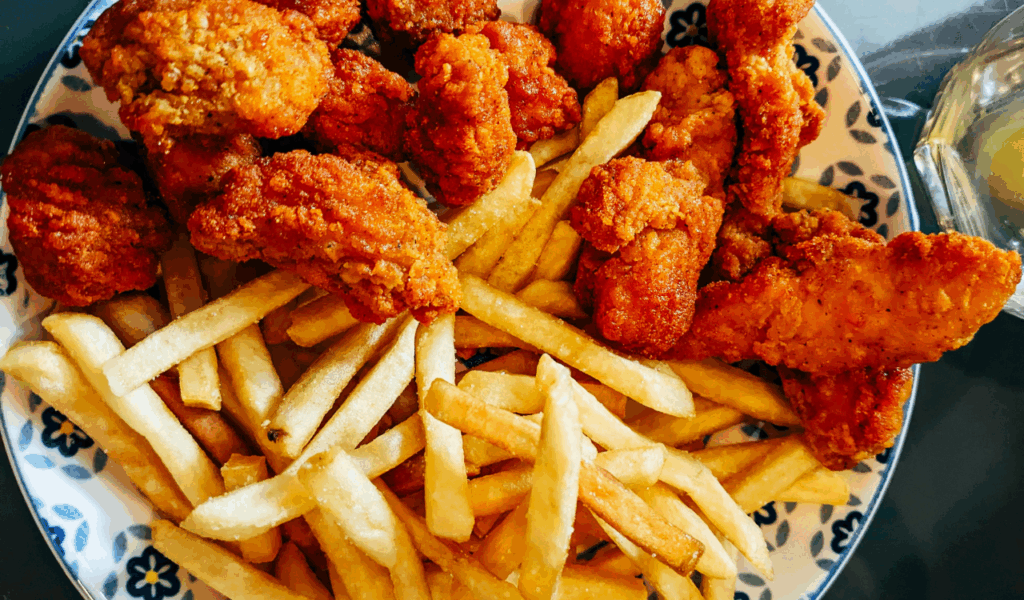
In the Upper Midwest, walleye is a coveted catch and is sometimes offered as a “special” on Friday nights. Churches typically buy frozen “Zander” from Europe instead of Walleye because it is hard to raise Walleye on farms. Zander is a close relative of Walleye but not the same fish. Fisheries experts say that frozen Zander is sometimes sold as Walleye in places where a lot of people buy fish since it is much cheaper and comes in uniform, frozen vacuum packs. This makes the dish stiffer and less tasty, and it doesn’t have the “clean” finish that a real North American Walleye has.
Professional chefs say that “skin-on” Walleye, which purists appreciate, is practically never served at church fry because frozen, skinless fish are easier to work with. Designers of these community meals say that the “Walleye” label draws in a lot of people, even if the food is a frozen import. A real Walleye fillet should be thin and come to a fine point. If your “Walleye” is a thick, rectangular slab, it is probably a frozen Zander or another type of whitefish that has been dressed up for the Friday night rush.
Florida Style Fried Grouper
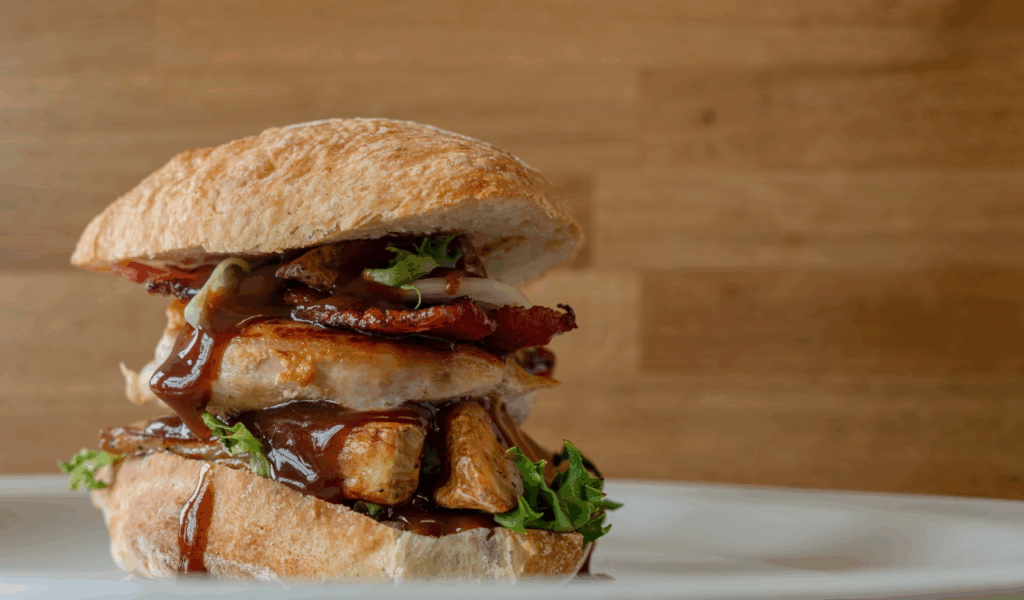
The “Grouper Sandwich” is a popular Friday meal in Florida, but the “Grouper” is commonly a frozen “Aisa” or “Panga” fish. Food fraud detectives said that frozen grouper is one of the most popular things that are counterfeit in the Southeast. Experts say that a lot of churches acquire frozen, pre-cut “Grouper” pieces that are really frozen whitefish from Southeast Asia that are cheaper.
This makes the flavor “flat,” without the thick, meaty “steak” character of a fresh-caught Floridian Grouper. Kitchen supervisors said that volunteers nearly always choose the frozen, skinless “portions” over the complete Grouper because it is too hard to clean.
Professional designers of restaurant supply chains say that these parts are often “plumped” with water and phosphates to make them heavier before they are frozen. This water evaporates when the fish is cooked, making it tiny and tough. If the price of the Grouper plate appears too good to be true, experts say you are probably eating a frozen, mislabeled substitute that looks “sad” next to the real thing.
Upper Peninsula Smelt Fry
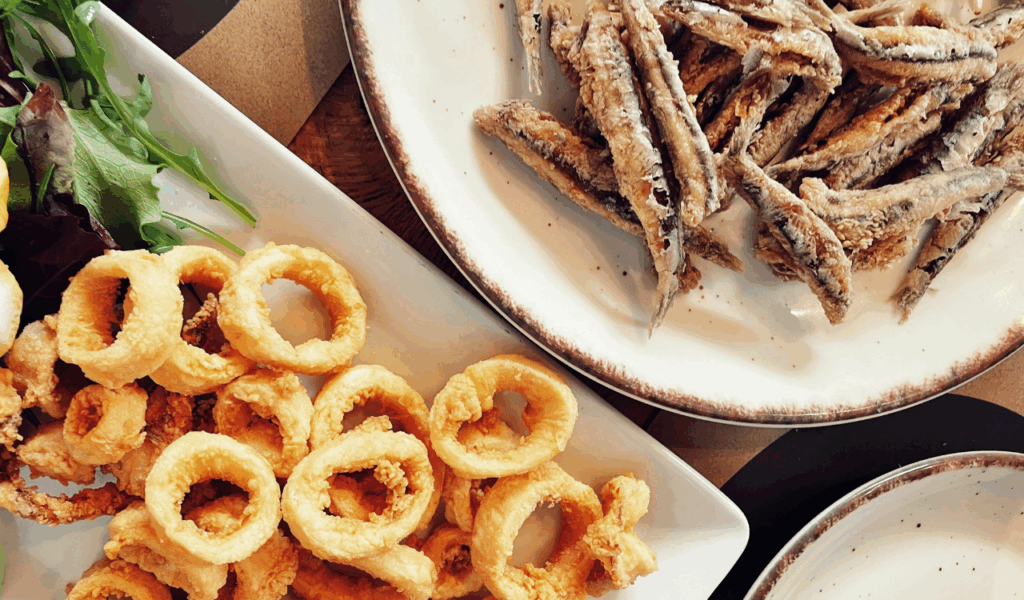
People in the North love smelt fries, but cleaning these little fish takes a lot of time and effort. Professional organizers say that practically all church smelt fries now use “cleaned and frozen” smelt that comes from Canada or the coast. Experts suggest that fresh smelt have a smell of cucumbers that goes away as soon as they are frozen. The frozen ones often taste “fishier” and more bitter, especially if the entrails weren’t completely removed before they were frozen.
Culinary teachers say that frying frozen smelt is hard since they are so little that they tend to stick together in the basket. This makes “smelt balls,” which are balls of fish that are cooked and mushy in the middle and charred on the exterior. Experts say to seek for individual, crispy fish. If they are frozen together on a “mat,” the quality is not as good. Designers of these events typically put the smelt in paper bags to cover the oily residue that frozen, re-fried smelt often leave behind, which is different from fresh smelt.
The Inland “Fresh” Salmon Fillet
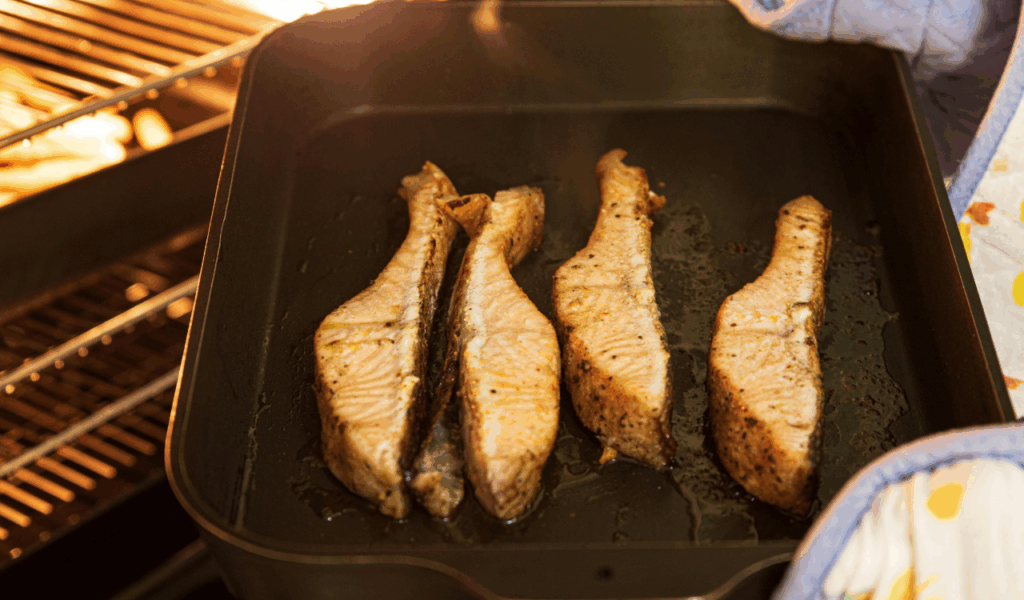
People think that serving salmon during a fish fry is a “healthy” or “upscale” thing to do, yet in the middle of the country, it’s nearly usually frozen Sockeye or Pink salmon. Seafood specialists say that frozen salmon typically has “gaping,” which happens when the muscle fibers split during freezing.
This makes the fish seem torn and “sad” on the plate. Professional chefs say that when salmon is frozen, the beneficial fats in it oxidize quickly, which gives it a “fishy” aftertaste that fresh salmon doesn’t have. Dietitians say that the brilliant orange color of some frozen salmon is often made brighter by additives in the feed.
This is easier to see when the fish is thawed and cooked in large quantities. Experts argue that church kitchens typically overcook salmon because they are frightened of presenting “raw” fish.
This makes the frozen, already-dry fillet into a chalky, unappetizing block. Designers of these dinners often coat the salmon with a thick glaze or a hefty “lemon-pepper” flavor to hide the dry texture and “freezer-burnt” edges of the fish.