13 Kids’ Organization Products That Didn’t Last the Year
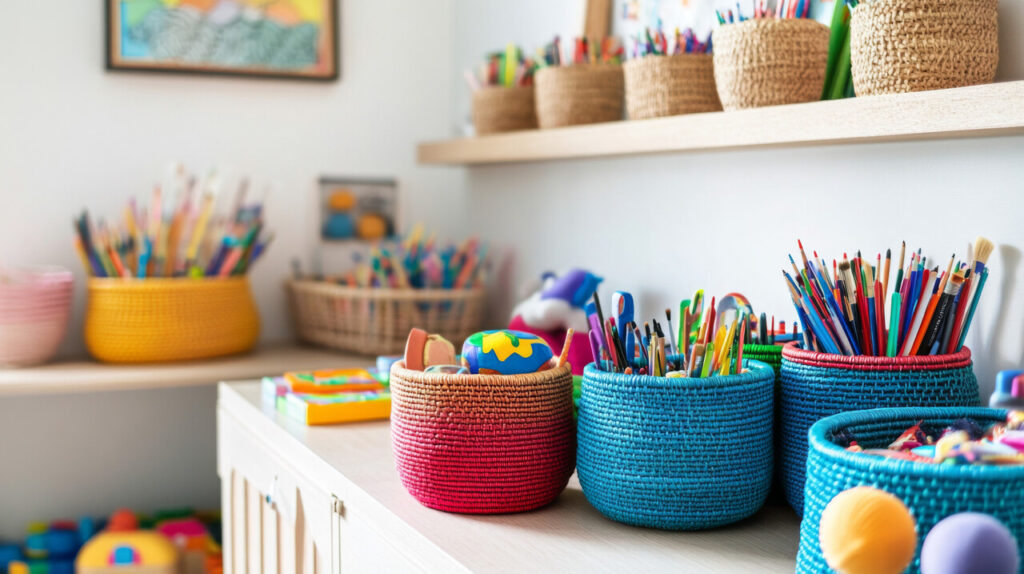
Parents often buy organization products with the hope that clutter will finally stay under control and daily routines will feel easier. Many of these items look practical, smart, or even fun at first, especially when they promise to teach kids good habits. The challenge is that children use spaces differently from how adults plan, and systems that require precision or extra steps rarely survive busy school weeks. When storage does not match real behavior, even well-designed products stop working. These are the organizational tools that started with good intentions but could not keep up with everyday family life.
1. Tiny Desk Organizers That Filled Up by the Second Week
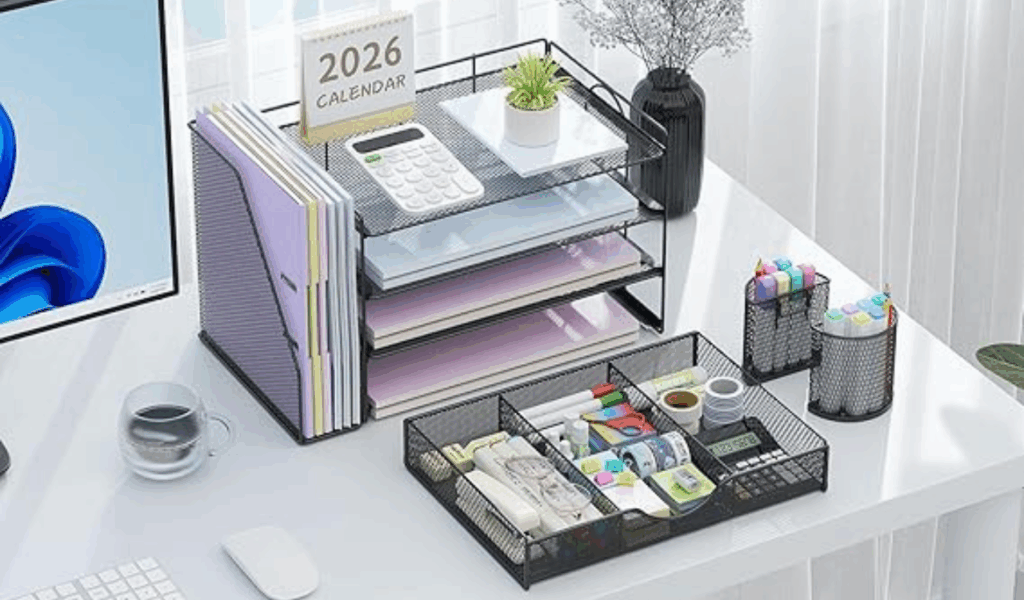
Small desk trays and mini organizers look tidy on day one, but they rarely match how kids actually use school supplies. Pencils, markers, glue sticks, scissors, chargers, and random papers all compete for the same limited space. Once compartments fill, kids start stacking items on top or beside the organizer, which defeats the purpose. These products also assume kids will sort by category, which requires habits most children have not built yet. Instead of helping, the organizer becomes another object to work around. Larger, simpler containers tend to work better because they allow flexible storage without demanding perfect sorting behavior every day.
2. Cute Storage Boxes That Turned Into Dump Zones
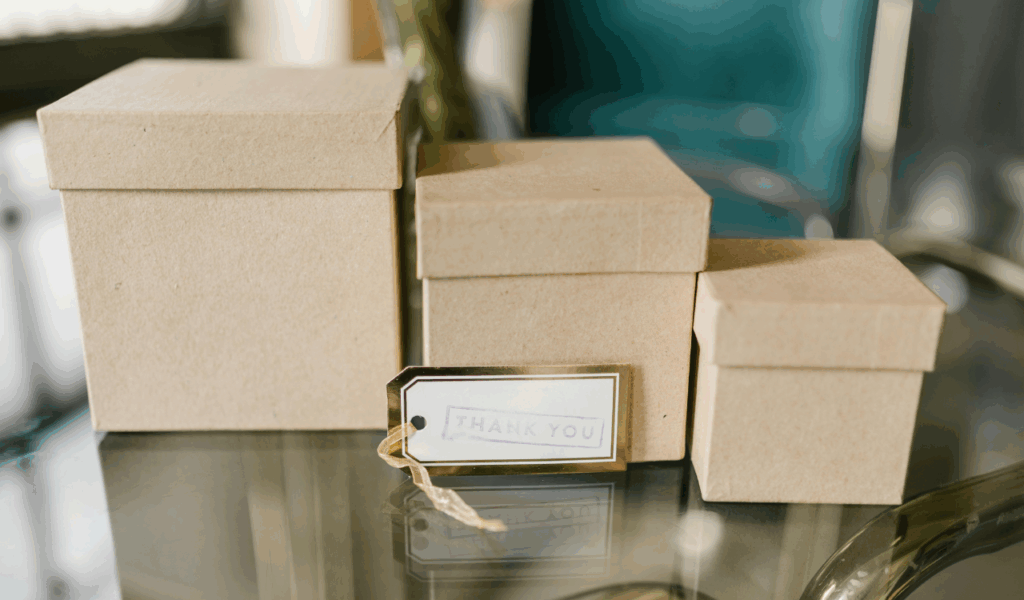
Character bins and colorful toy boxes are appealing because they feel playful and inviting. The problem is that when everything can go into one big box, everything does. Toys, clothes, papers, and random objects end up mixed together. When kids cannot see what is inside, they stop trying to put things back properly and start treating the box like a trash chute for clutter. Over time, the box becomes heavy, messy, and frustrating to clean. Storage that lasts usually limits what goes into each container and keeps contents visible, so kids can understand where things belong without guessing.
3. Rolling Carts That Collected Random Stuff Instead of Supplies

Rolling carts promise flexibility and easy access, but mobility also means they wander. Kids push them from room to room, filling shelves with whatever happens to be nearby. Soon the cart is no longer tied to homework or art supplies but becomes a roaming pile of unrelated items. Because shelves are shallow, things fall off easily and create more mess around the cart. Parents then have to reorganize it frequently. Fixed storage near where activities actually happen tends to work better than movable furniture that invites clutter migration.
4. Pegboards That Looked Great but Were Hard to Maintain
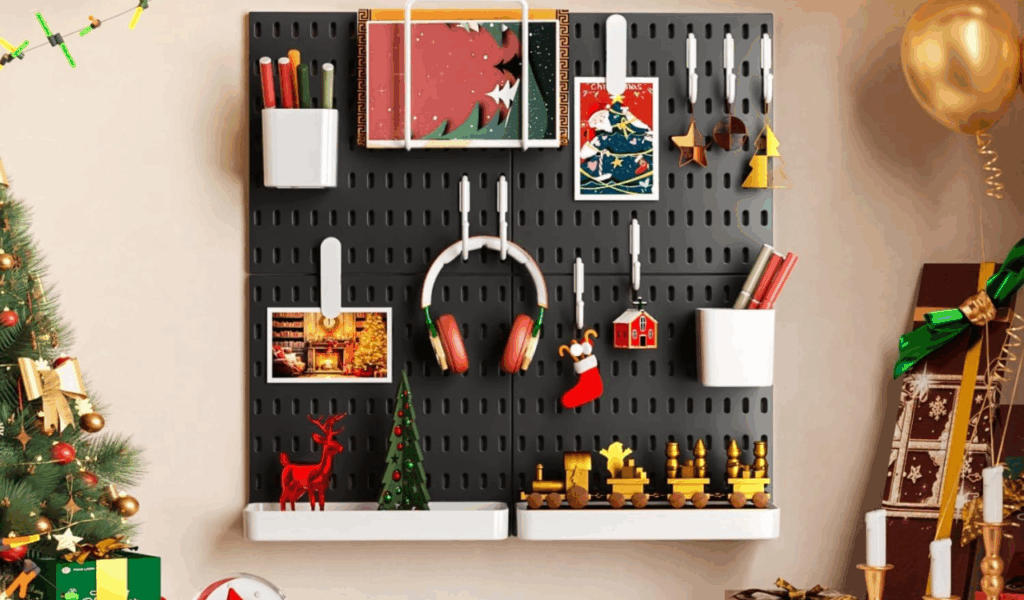
Pegboards are popular in photos because they display supplies neatly and make walls look organized. In real life, kids often forget to hang items back on hooks. Small pieces get dropped into drawers or left on desks instead. Hooks also fall off or shift, which makes the board harder to use consistently. Pegboards require a level of routine and attention that most kids do not maintain on their own. When the system breaks down, parents end up rehanging items or abandoning the board altogether. Simpler open bins placed near work surfaces often fit real habits better.
5. Dry-Erase Charts That Lost Attention Fast
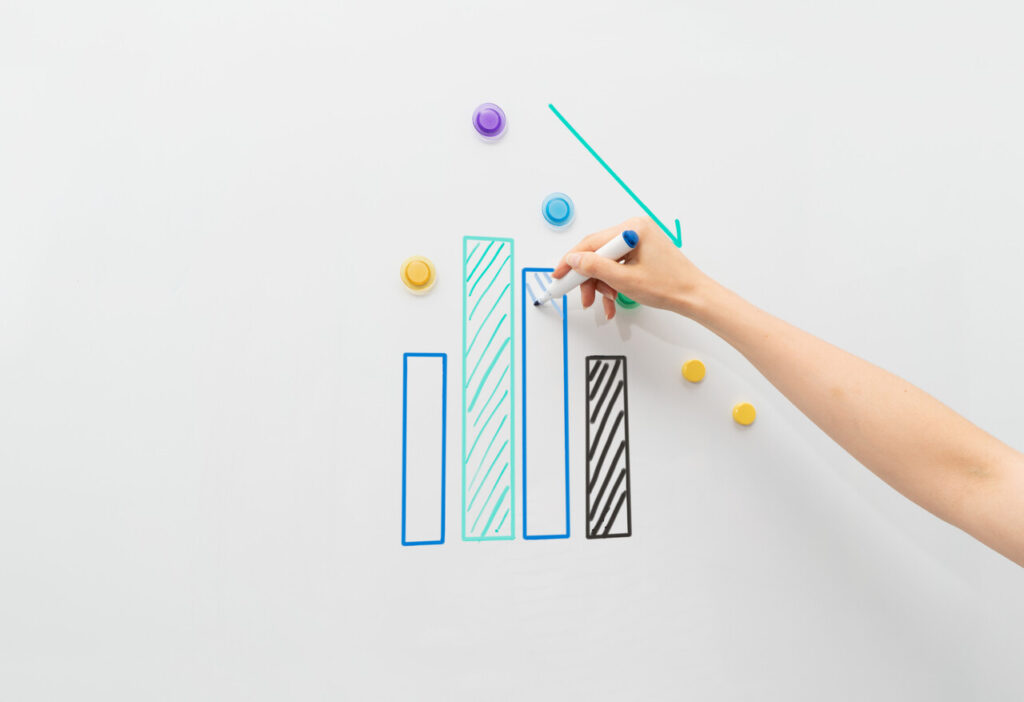
Chore charts and homework trackers feel motivating at the start of the school year. Kids enjoy checking off tasks and using colorful markers. But novelty fades quickly. Markers dry out, boards stop getting updated, and routines change. Once kids miss a few days, the chart loses credibility and stops being used. Parents then fall back on verbal reminders, and the board becomes wall decoration. Habit building requires consistency and reinforcement, not just tools. Without regular follow-up, visual charts become ignored surfaces rather than functional systems.
6. Stackable Mini Drawers That Shifted and Broke
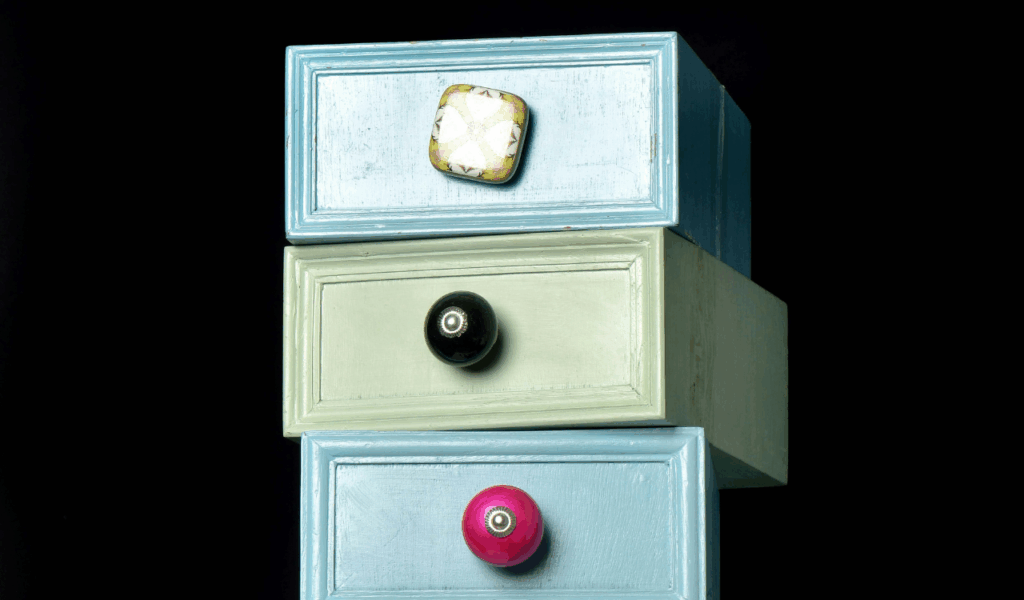
Small plastic drawer units seem perfect for sorting tiny items, but they are rarely sturdy enough for daily use. When kids pull drawers out quickly or stack heavy objects on top, units slide, tip, or crack. Once drawers stop aligning properly, they become annoying to use and often get abandoned. Kids then start piling items on top instead of opening drawers. Storage needs to survive rough handling and frequent use. Flimsy materials may look neat at first, but durability matters far more for long term success.
7. Fridge Chore Charts That Slid Off and Got Forgotten
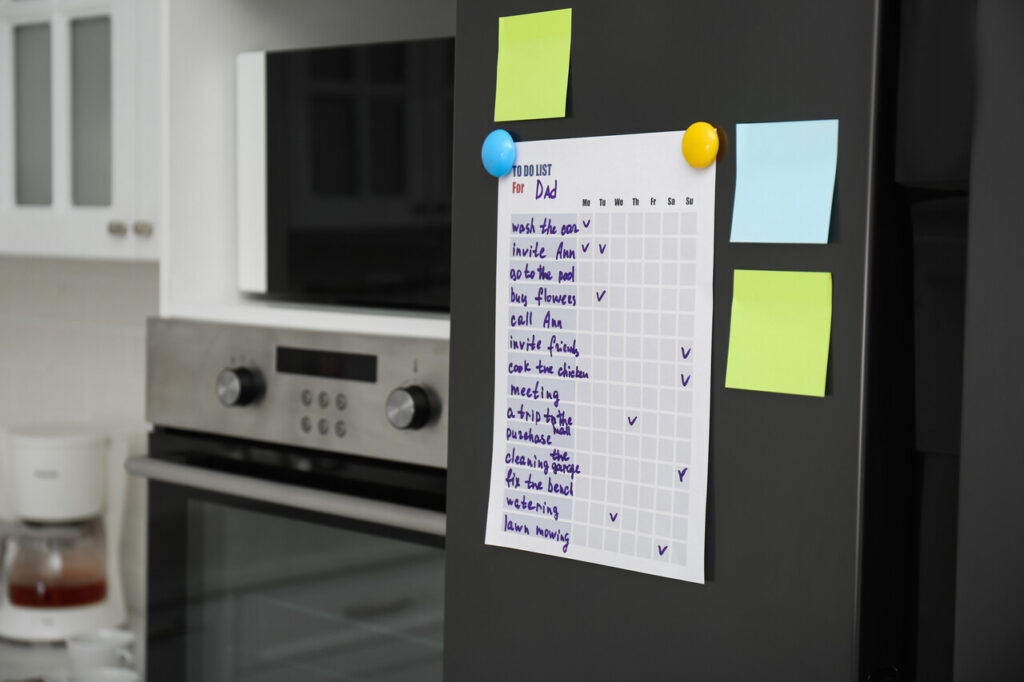
Magnetic charts work only if they stay visible and functional. When magnets weaken or papers slide down the fridge, kids stop paying attention to them. Once the chart falls behind the fridge door or gets covered by artwork, it loses its role in daily routines. Parents then return to reminders and verbal prompts. Organization tools that depend on perfect placement and constant visibility often struggle in busy family spaces. Systems that connect directly to daily actions, like packing bags or clearing tables, tend to stay relevant longer.
8. Complicated Pencil Cases With Too Many Sections
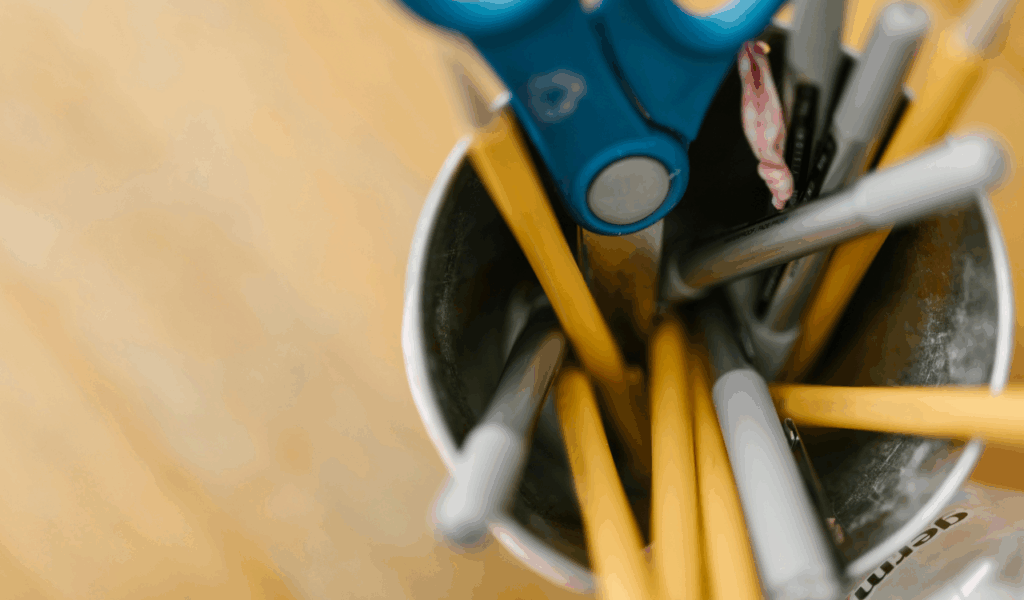
Multi layer pencil cases with zippers and hidden compartments look exciting, but they slow kids down. When finding a pencil requires opening several pockets, kids stop bothering to organize supplies properly. Everything gets shoved into the largest section. Over time, the case becomes a tangled mess that is harder to clean than a simple pouch. Organization works best when it reduces steps, not adds them. Kids are more likely to maintain order when storage is quick and intuitive, not when it feels like a puzzle.
9. Tiny Accessory Trays That Could Not Handle Real Volume
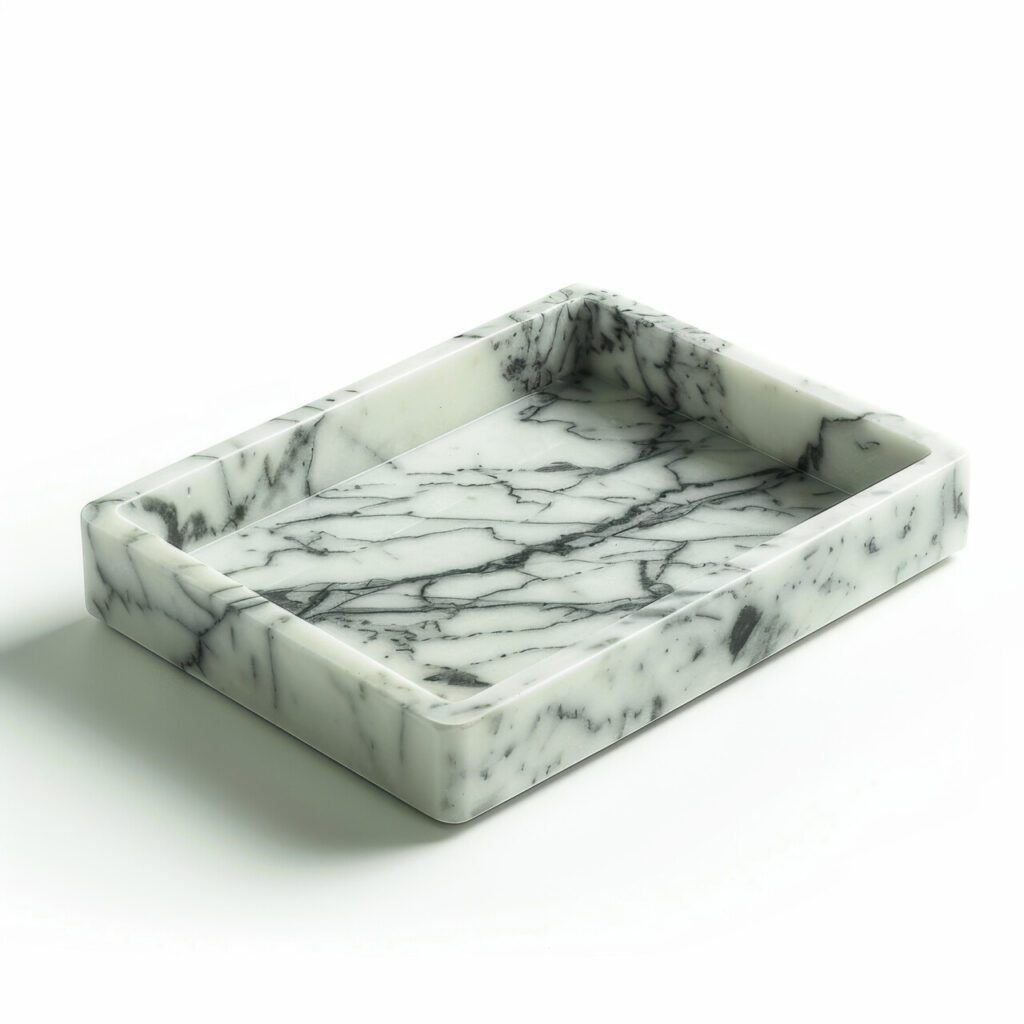
Small trays for hair ties, erasers, or building pieces often overflow within days. Kids accumulate more small items than parents expect, and shallow trays cannot contain the volume. Once items spill over, they scatter across desks and floors. Parents then spend time sweeping up instead of enjoying tidy surfaces. Storage must match quantity, not just item size. Slightly larger containers with room to grow usually prevent constant overflow and reduce daily cleanup.
10. Hanging Door Organizers That Did Not Fit Actual Items
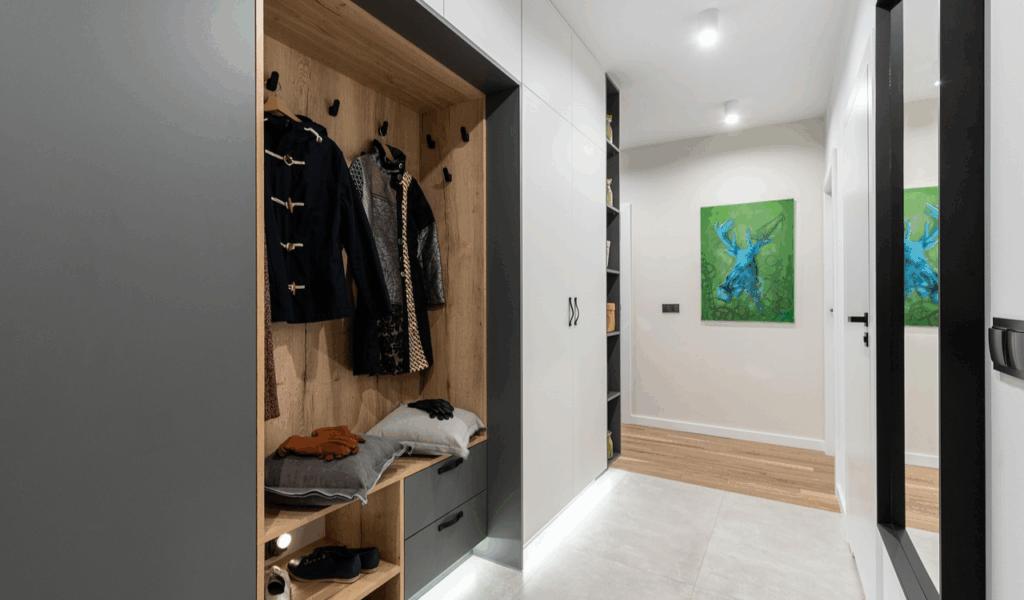
Pocket organizers on doors look efficient, but pockets are often too narrow or shallow for backpacks, books, or sports gear. Items fall out or stretch the fabric, causing sagging and tearing. When organizers become hard to use, kids avoid them and drop things on the floor instead. Door storage also requires kids to lift and aim items accurately, which is not always realistic when they are tired or rushing. Floor level bins or hooks at child height usually work better for everyday drop zones.
11. Color-Coded Bins That Lost Meaning Over Time
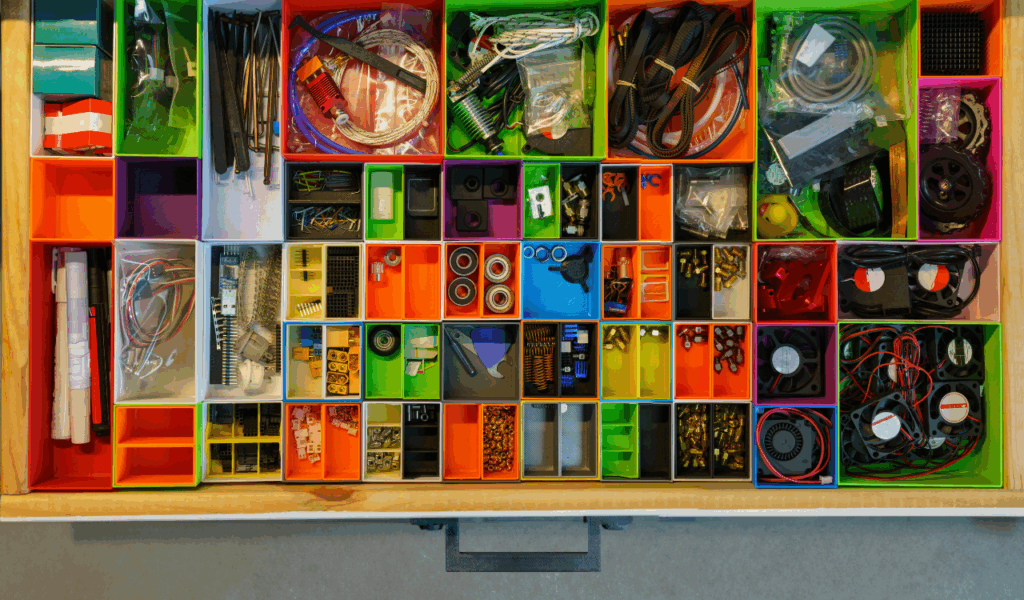
Color coding seems like a smart system, but it depends on everyone remembering what each color represents. When labels fade or routines change, kids forget which bin is for what. They start tossing items into whichever bin is closest. Once that happens, the color system collapses and parents must re sort everything. Functional storage works when categories are obvious and intuitive, not when they rely on memory or rules that change with schedules and activities.
12. Specialized Kit Storage That Became a General Dump Box
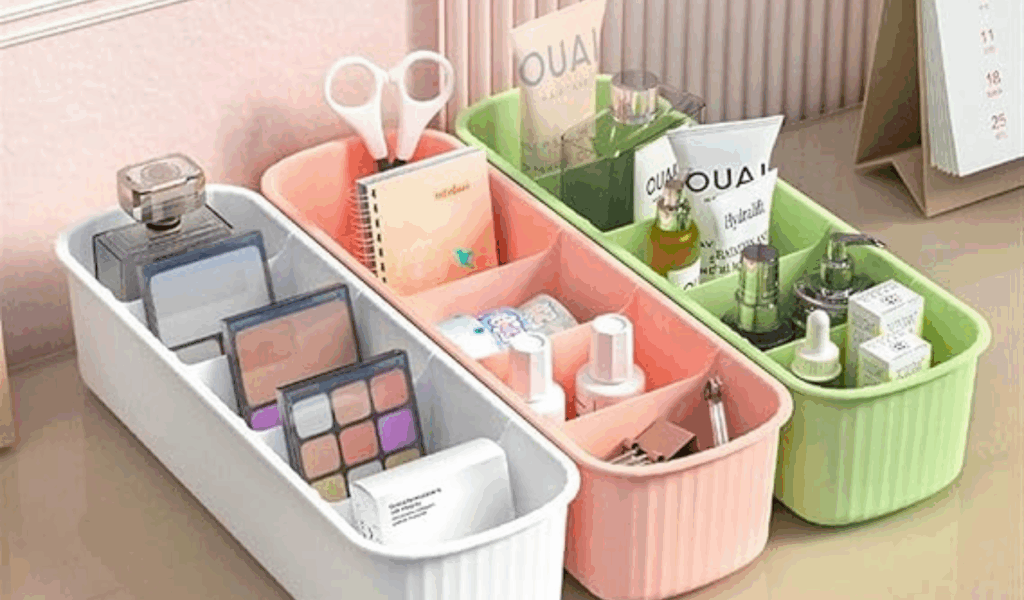
STEM kits and craft sets often come with special storage containers meant to keep pieces together. Over time, parts get mixed with other toys, and the kit box becomes just another general bin. When pieces are missing, kids lose interest in the activity altogether. The storage was designed for ideal use, not for how kids naturally move from one activity to another. Flexible bins that allow for mixing and repurposing often last longer than containers tied to one specific toy or project.
13. Lunch and Snack Bags That Turned Into Catch All Containers
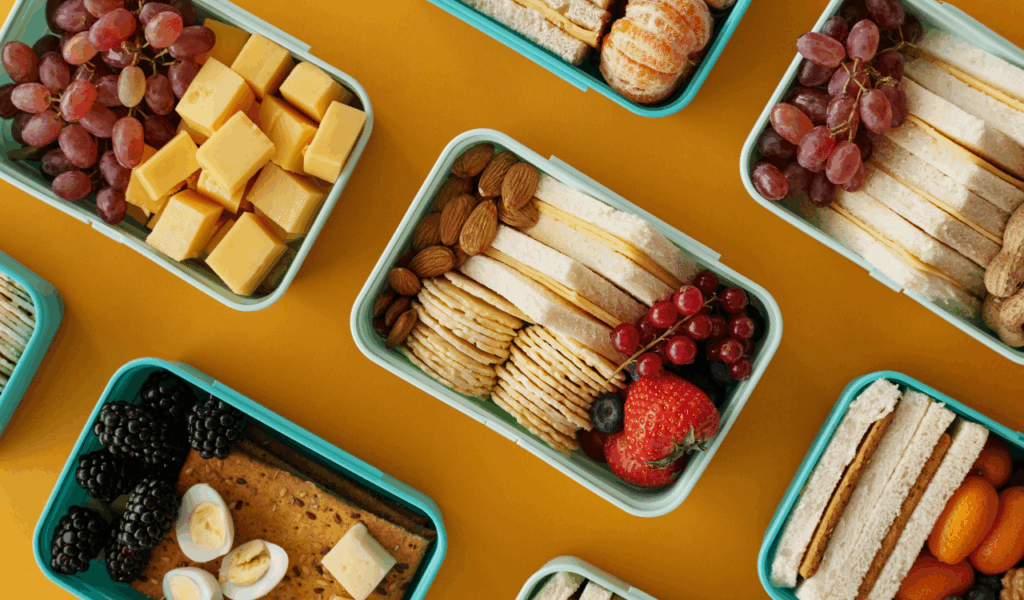
Extra snack totes and insulated pouches are meant to organize food gear, but kids often use them to carry toys, notes, or random objects. Once the bag fills with non-food items, lunch packing becomes harder and messier. Crumbs and spills add to the problem, making cleaning necessary more often. Instead of simplifying mornings, these bags become another thing to empty and reset. Storage that sticks usually has a single clear purpose and is placed exactly where that task happens, not repurposed throughout the day.