13 Holiday Table Pieces Guests Kept Moving Aside
Even though the purpose of holiday tables is to bring people together, there are some decorative choices that stealthily work against that objective. In spite of the fact that these items could appear to be remarkable or festive at first glance, they frequently get in the way of comfort, conversation, or ordinary dining. The overall result is that guests either move them aside, stack them to the side, or mentally wish they were not there. Once you have a better understanding of which table parts produce friction, you will be able to design a table that is not only functional, but also visually appealing and inviting, without becoming an annoyance while diners are eating.
1. Oversized Centerpieces That Block Sightlines
When it comes to holiday meals, one of the most common things that visitors shift aside is a large centerpiece. Although dramatic arrangements may seem well in photographs, they frequently prevent eye contact between people sitting at different tables, which can make discussion difficult. The natural tendency of guests to bend or extend in order to see one another disturbs the flow of a gathering that is otherwise comfortable. Additionally, centerpieces that are tall or wide take up important table space that could be used for shared dishes. A centerpiece should inspire interaction, not create a visual barrier that discreetly bothers everyone seated around it.
2. Towering Candlesticks With Dripping Wax
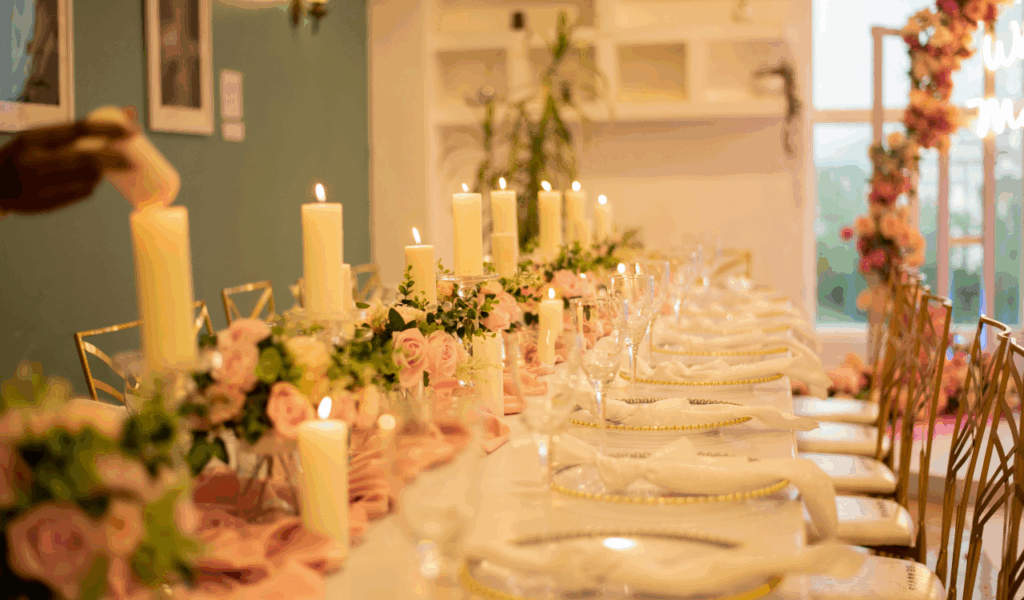
It is possible for tall candlesticks to have an exquisite appearance; nevertheless, as guests sit down, they frequently become difficulties. It is difficult to have a conversation when flames are at eye level because they are distracting and can feel uncomfortably near. An additional problem is that wax that drips can cause harm to table linens and make a mess in the vicinity of meals. It is common practice for guests to move these candlesticks away in order to make room for serving dishes or to prevent them from being knocked over. Candle holders that are lower and more stable have a tendency to generate warmth without the constant worry.
3. Decorative Chargers Under Every Plate
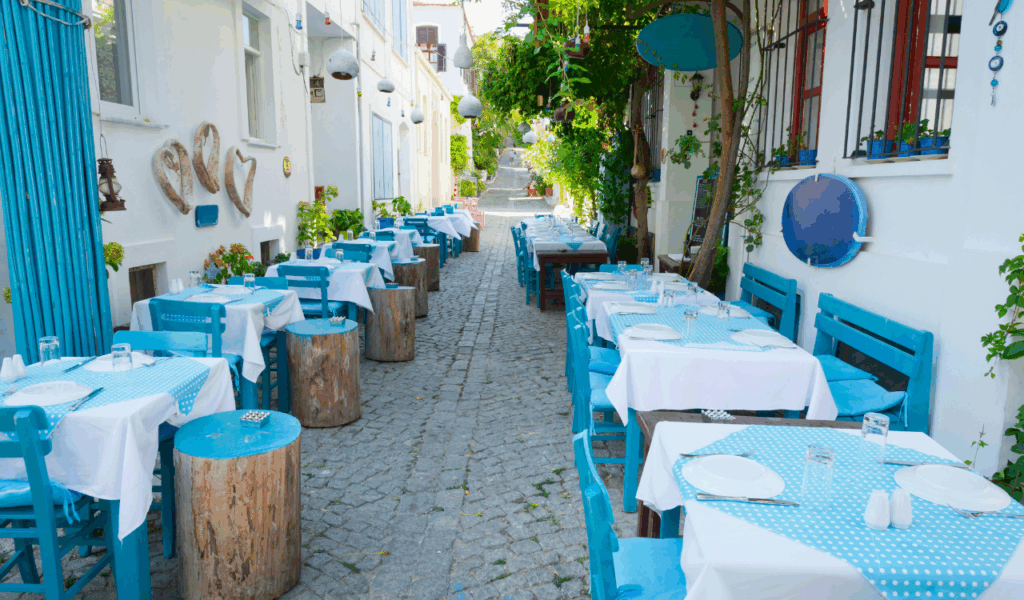
Although chargers are becoming increasingly popular for use in formal holiday settings, they are frequently overlooked. These big decorative plates, once they have been used to serve food, have no practical use and cause the table to become crowded. Chargers take up unneeded room, and guests have a difficult time fitting bread plates, glasses, and shared food into the available area. In order to feel less confined, a lot of people remove them in a stealthy manner. When compared to a table that is locked into a rigid configuration, a table that allows dishes to move naturally while the meal is being consumed is significantly more comfortable.
4. Overcrowded Table Runners Loaded With Décor
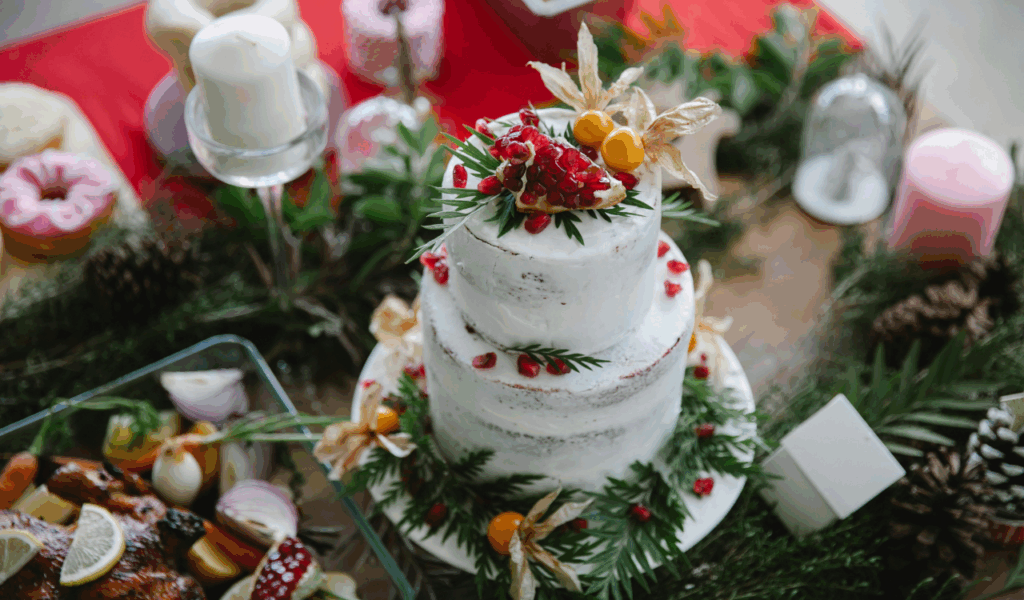
Table runners that are adorned with ornaments, plants, or other little ornamental objects may give the impression of being festive; yet, they almost never endure the dinner without being damaged. In order to avoid having to navigate past obstructions, guests require space to place their dishes, glasses, and utensils. This flow is disrupted once a runner becomes cluttered with several things. When people want to reclaim space that can be used, they frequently push things toward the center or the boundaries. Either a runner that is less complicated or one that is left mostly clear makes it possible for decorative and dining needs to live together.
5. Strongly Scented Decorative Candles
Scented candles have the potential to swiftly take over a dining area, particularly when a meal is being consumed. Intense scents clash with the aromas of food, which can make it difficult to appreciate foods that have been meticulously prepared. The presence of powerful fragrances may even cause some people to experience discomfort or headaches. These candles are frequently extinguished or moved away from the table entirely as a consequence of this happening. In the course of lengthy holiday feasts, unscented candles can be used to create an atmosphere that does not disrupt the senses of taste, smell, or overall comfort.
6. Tall Floral Arrangements That Shed Petals
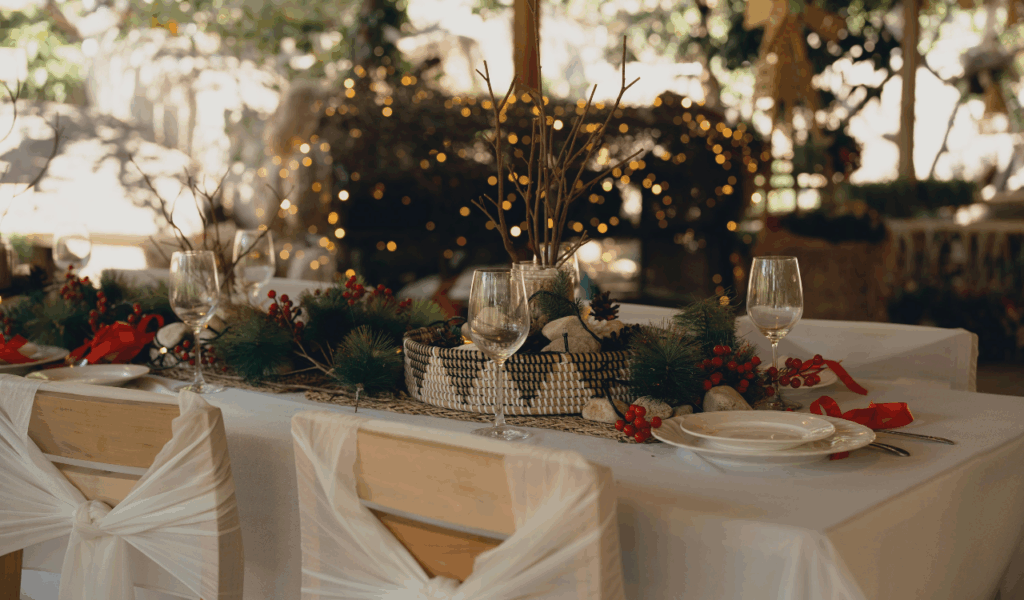
Flowers that are fresh are stunning, but arrangements that are too tall or flowers that are too fragile can cause problems. Guests are understandably irritated when loose petals or pollen accidentally fall onto plates, glasses, or dishes that are shared by multiple people. There is a similarity between tall arrangements and big centerpieces in that they impede sightlines. These layouts are routinely rearranged by guests in order to clear room for conversation or to avoid debris from falling near food outlets. Low and compact flower designs help to maintain the table’s appearance of freshness while minimizing the risk of movement and mess.
7. Decorative Bowls Filled With Inedible Items
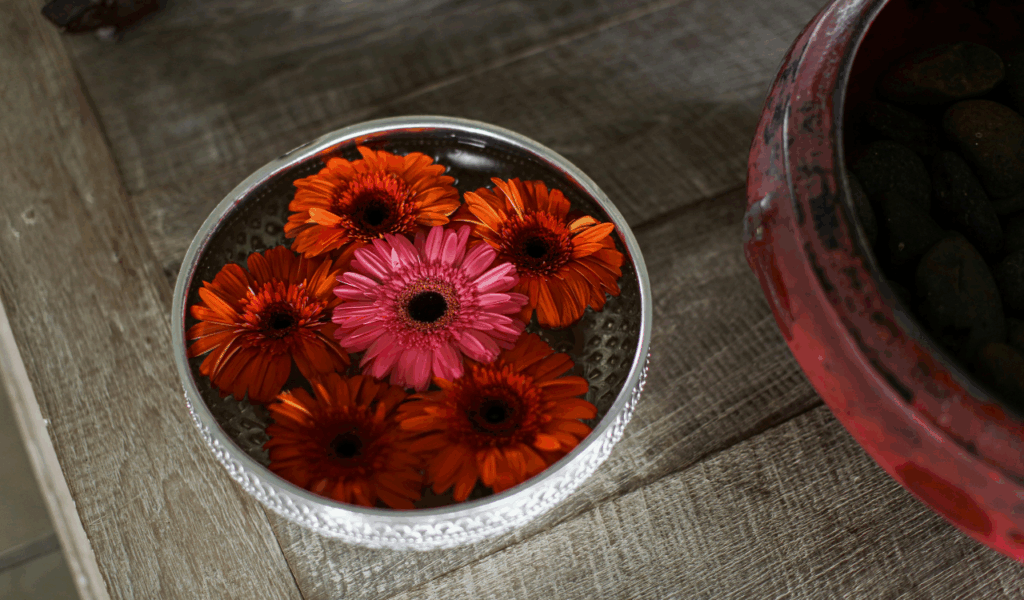
While bowls that are stuffed with decorations, pinecones, or colorful spheres may have a seasonal appearance, they can be very confusing for visitors while they are eating. Instinctively, people grasp for bowls, expecting to find food inside of them, only to discover that they are merely decorative. Additionally, these bowls take up valuable space that could be utilized for foods that are jointly consumed. They are frequently pushed aside by guests in order to make place once the service begins. In order to maximize their effectiveness, decorative containers should be positioned away from the eating surface rather than on it.
8. Multiple Small Décor Pieces Scattered Everywhere
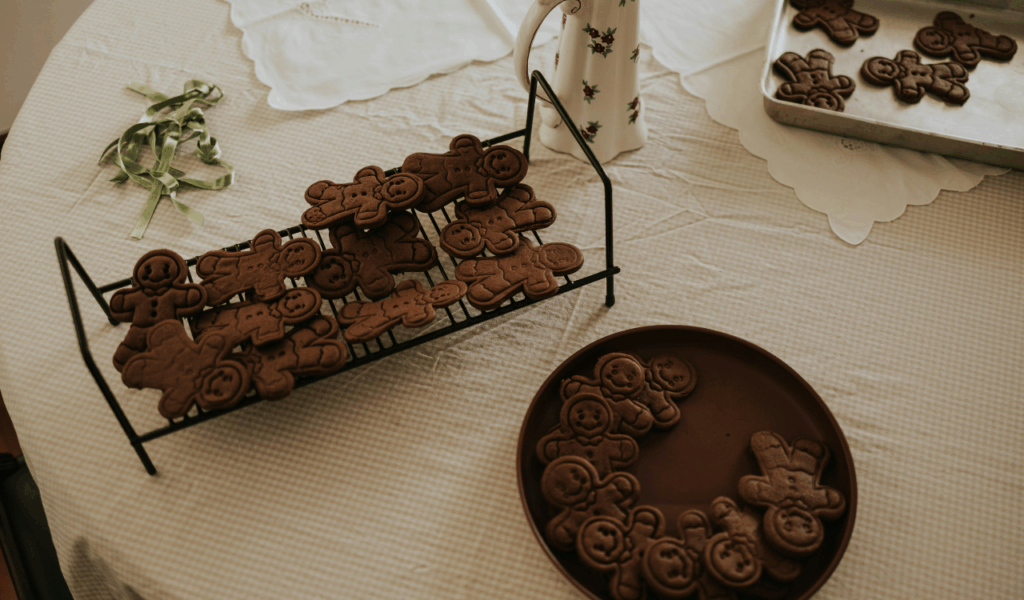
When you scatter little ornamental pieces across the table, it might give the impression that the table is active and cluttered. Despite the fact that each component may have a pleasant appearance on its own, when taken together, they decrease the amount of space that can be utilized and increase the likelihood of spills. To make place for plates and glasses, guests end up rearranging them in order to make room for them. When compared to a large number of small dishes that compete for attention and space throughout the meal, a few carefully selected accents have a more significant influence.
9. Place Card Holders That Tip Easily
Although decorative place card holders have the potential to offer flair, designs that are unstable can quickly become unpleasant. In the event that they are pushed, they tumble over, slide into plates, or obstruct the process of serving dishes. Once seating arrangements have been made, guests frequently relocate them in order to avoid making repeated alterations. Place card holders that are practical should have a low profile and need to be robust enough to remain in place. Aside from that, they become an additional thing that visitors feel responsible for managing during a lunch that is already exceptionally hectic.
10. Elaborate Napkin Folds That Fall Apart
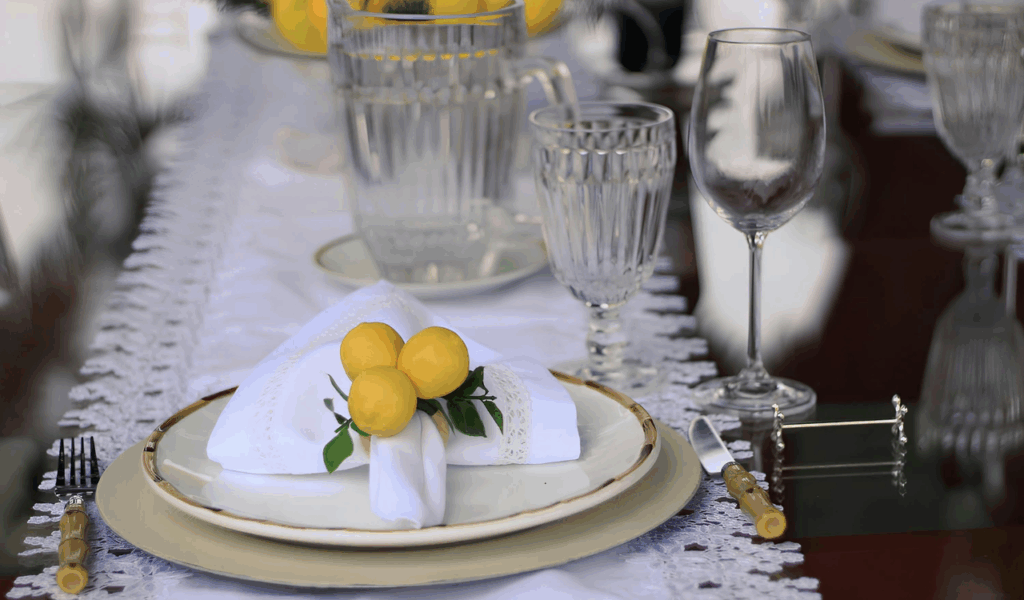
Complex napkin folds may be impressive at first, but they generally do not last for more than a few minutes after they are made. When they are picked up by guests, they frequently collapse into uncomfortable forms that require additional room from the host. Individuals merely end up flattening or shifting them aside for the purpose of eating comfortably, which is the sole reason they do so. During the meal, napkins that are folded or rolled neatly offer a cleaner appearance while continuing to perform their job without becoming an unnecessary distraction. This gives the impression that the napkins are being used more efficiently.
11. Seasonal Figurines Sitting Between Place Settings
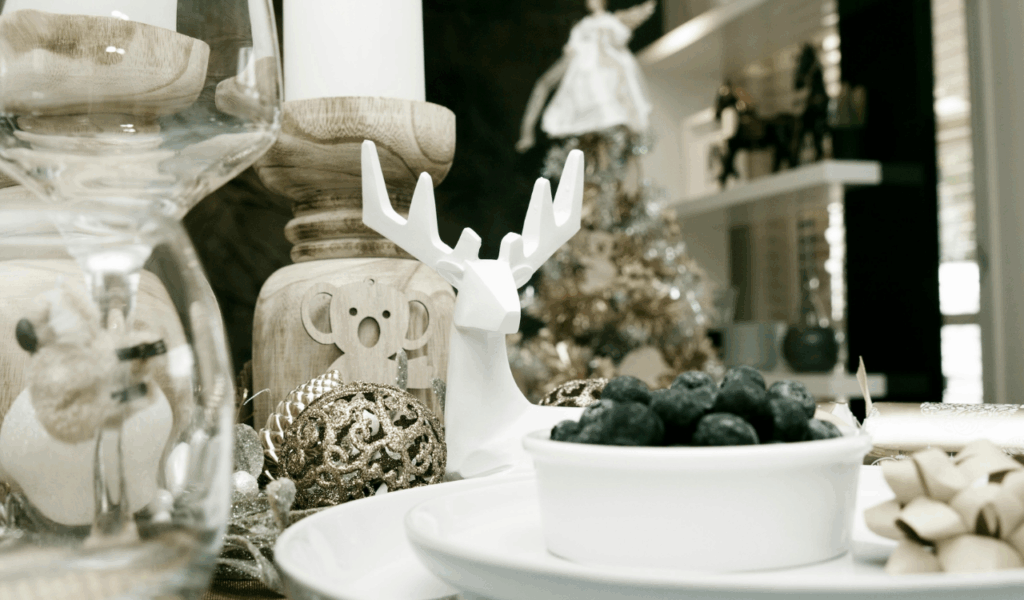
It is possible for small figurines to create a festive atmosphere when placed between settings; however, they frequently invade personal space. Guests require space to move their arms in a natural manner while they are eating and conversing. Figurines that are put too near to one another are rapidly moved or nudged in order to prevent them from falling down. Decorations should be placed around the table to create a frame rather than sitting directly in the active dining zone, which is where people are constantly moving their hands, plates, and glasses between the table and the table.
12. Extra Serving Dishes Used Only for Display
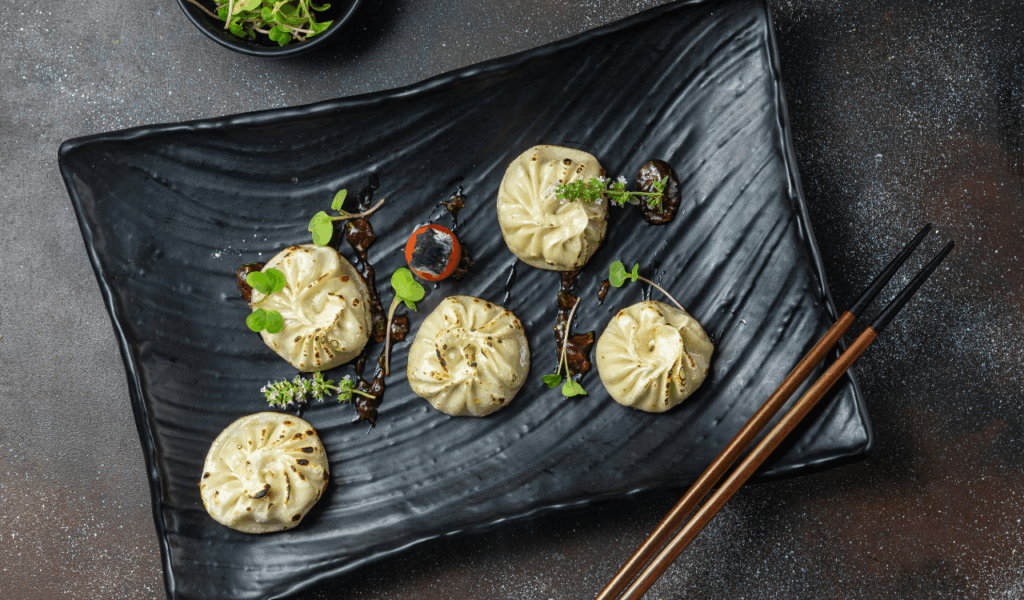
The use of serving dishes solely for the purpose of décor may provide the impression of abundance, but it frequently results in failure. The guests are anticipating that these dishes would include food, and they are either perplexed or dissatisfied when they do not. After the arrival of the actual food, the decorative plates must be relocated because they form an obstacle. A table ought to make a distinct distinction between serving items that serve a functional purpose and ornamental accents in order to prevent the needless rearranging of the table throughout the meal.
13. Tall Menus or Decorative Signs on the Table
The placement of printed menus or festive signage on the table in an upright position frequently obstructs views and restricts space. Even if they are educational, they are not required to remain once guests have been seated. People move them to the side in order to facilitate the flow of conversation and access to food. In the event that menus or messages are of particular significance, positioning them at each setting or in close proximity enables guests to read them without compromising their comfort or visibility while they are eating.