9 Seasonal Décor Trends That Didn’t Return Next Year
Social media, catalogs, and sudden novelty fuel seasonal décor trends. Some styles endure, but others disappear due to impracticality, overexposure, or lack of attractiveness. Lifestyle changes, sustainability concerns, and changing tastes affect home décor, so not every seasonal idea returns. Maintenance concerns, visual weariness, or lack of adaptability caused the following trends to fade the next year. Understanding why these décor choices went might help homeowners make smarter, longer-lasting styling choices. Instead than following every seasonal trend, identifying what no longer works lets you focus on new, functional, and pleasurable décor year after year without remorse.
1. Overly Themed Holiday Color Palettes

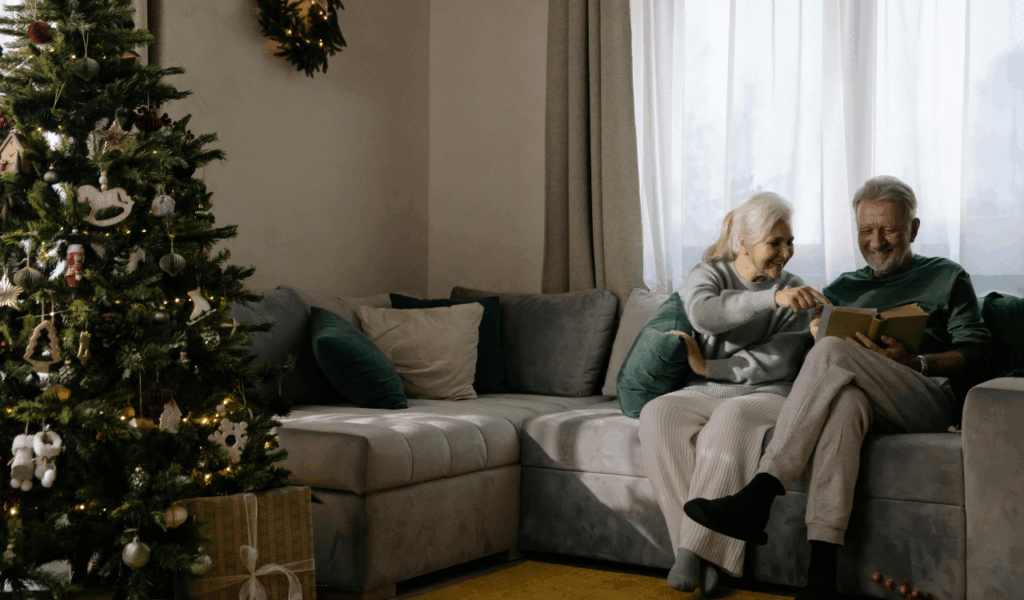
Due to their inflexibility, red-and-green or pastel-only Christmas color schemes fell out of favor. These palettes looked great at first but clashed with house decor and felt old after one season. Homeowners discovered that buying seasonal décor was expensive and wasteful. Using neutral backgrounds with minor seasonal embellishments made holiday transitions easier without renovating. This adjustment supported sustainability aims by reducing single-use purchases. The fad did not reappear because consumers preferred décor that blended organically into their homes while providing seasonal warmth to garish, theme-heavy displays that overwhelmed.
2. Disposable Decorative Tableware Displays
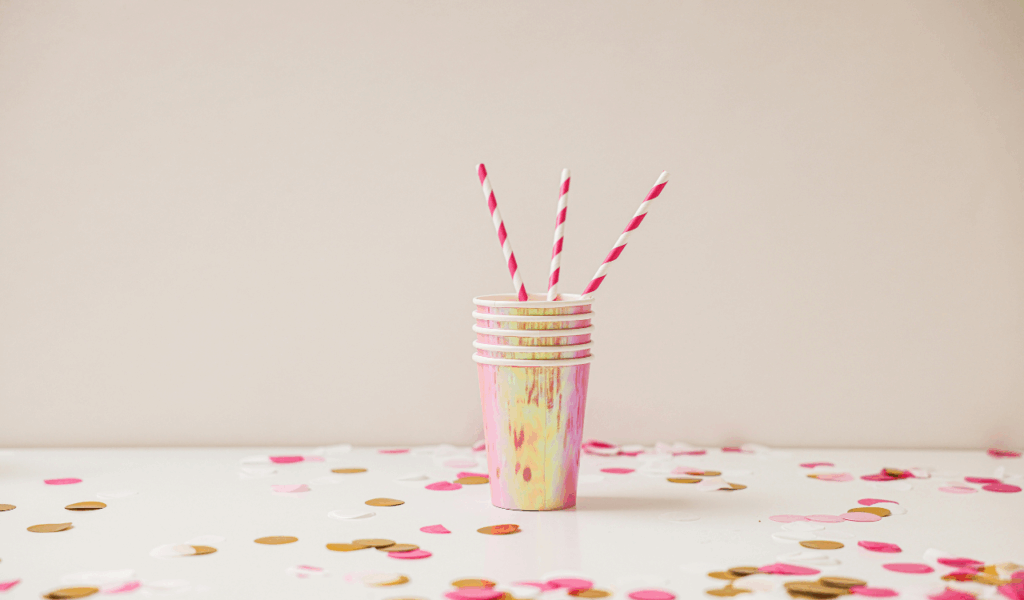
Seasonal table settings built entirely around disposable plates, napkins, and plastic centerpieces briefly gained popularity for their convenience. However, this trend disappeared once environmental impact became harder to ignore. Disposable décor created significant waste and often looked less refined than reusable alternatives. Many items also failed to hold up visually during longer gatherings, bending or fading quickly. As hosting culture shifted toward more thoughtful entertaining, people favored durable tableware paired with simple seasonal touches like candles or linens. Its lack of durability, increased eco-awareness, and desire for enhanced eating experiences prevented it from returning the next year.
3. Artificial Foliage Overload
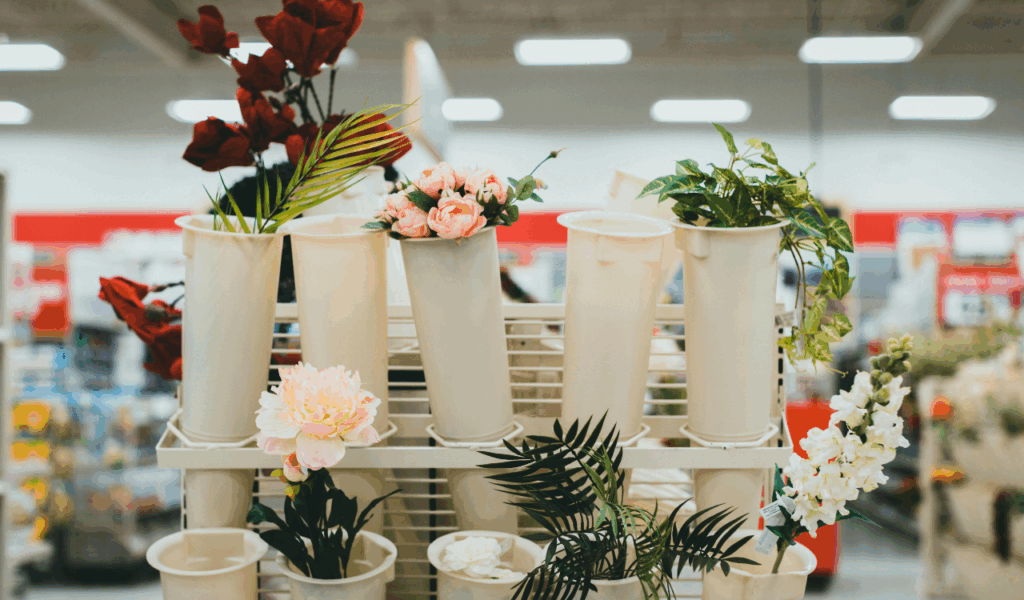
In the past, a lot of fake leaves, vines, and garlands were used to decorate for the seasons, especially when real plants weren’t available. As time went on, using too much fake vegetation made everything look messy and fake. Dust accumulation and problems with storage made things even less appealing, which made maintenance a constant problem. People also got better at finding actual plants or employing high-quality, low-quality fake plants just when they needed to. The trend died out because less was more effective than more. People preferred fewer, better-chosen components that fit their environment without taking over it, instead than filling whole rooms in fake plants.
4. Novelty Statement Wall Decals
Seasonal wall decals with words, symbols, or strong designs became quite popular since they were easy to put on and take off. But they swiftly fell out of favor since they typically damaged paint or left behind a mess. These decals seemed like they were the same thing over and over again and weren’t very sophisticated, especially when utilized every year. A lot of homeowners thought that statement decals made a place look worse instead of better. When interior design started to use layered textures and graphics, flat decals seemed transient and impersonal. This trend didn’t come back because consumers liked decor that seemed like it was part of the whole room and would stay, even when it was changed for the season.
5. Excessive Metallic Accents
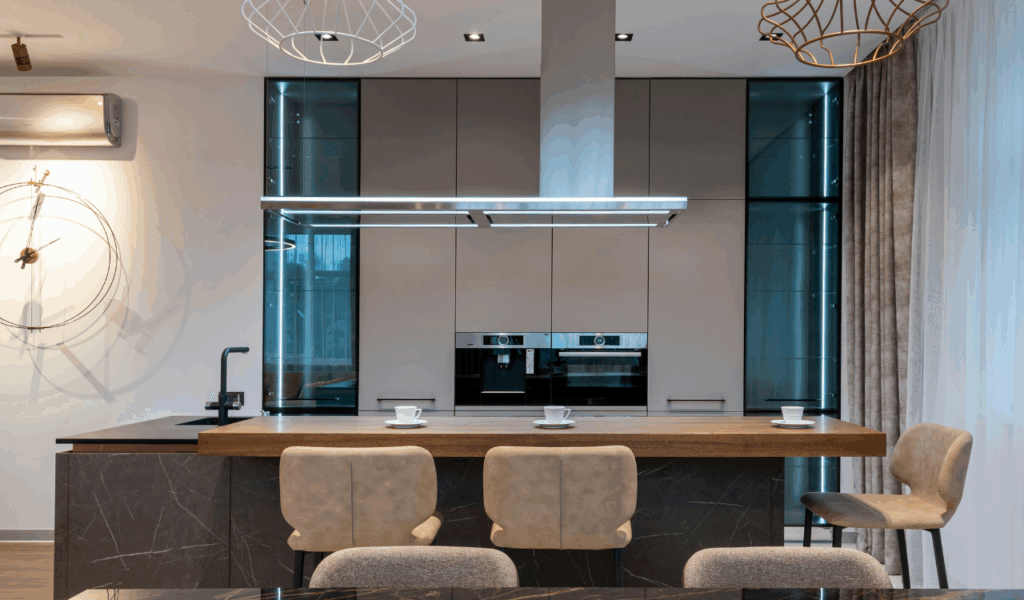
Many seasonal sets used to have a lot of metallic finishes, such bright gold, silver, or copper decor. Metallics can make things look more glamorous in little amounts, but too much can make things look harsh and uneven. These coatings also exhibited fingerprints and scratches easily, which made them last less long. As people started to like softer, more tactile materials, accents that were too glossy felt cold and useless. People who own homes discovered that metallics look best when they are little accents instead of big ones. The fashion died out because it gave up comfort and unity for flare, which didn’t fit with new concepts of what makes a space pleasant and livable.
6. Scent-Driven Décor Displays
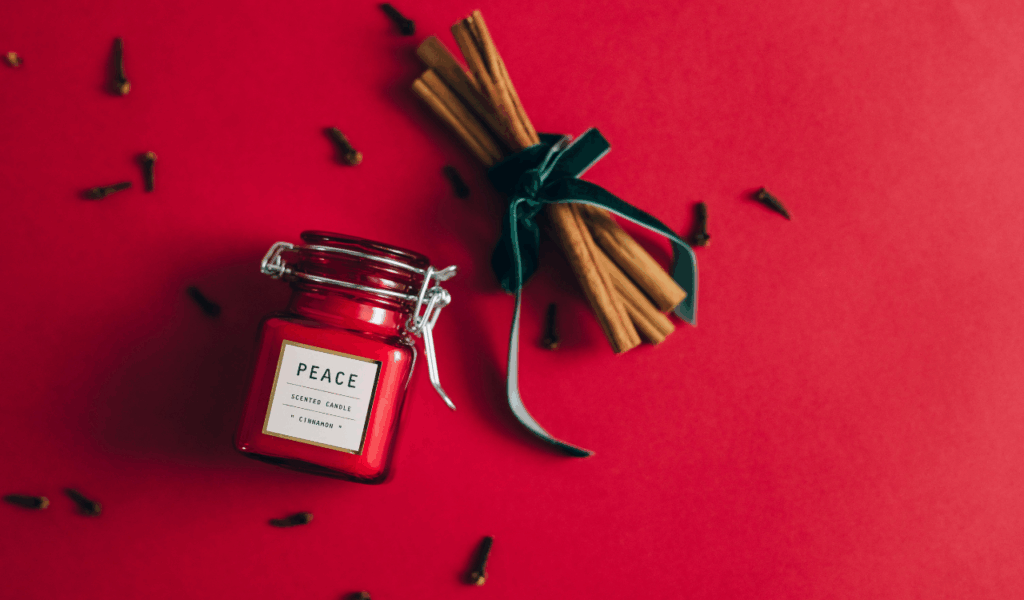
Decorative products that were mostly chosen for their intense seasonal aromas, like strongly scented candles or potpourri, fell out of favor because people were worried about how they would affect their health. A lot of people had headaches or irritated when they were around strong smells, especially in small areas. Also, scented decorations sometimes hid a home’s inherent vibe instead of making it better. People started to prefer lighter, optional scent solutions as they learned more about how indoor air quality affects their health. The trend didn’t come back because people now demand decor to look good first and smell good second, not the other way around.
7. Hyper-Trendy Seasonal Textiles
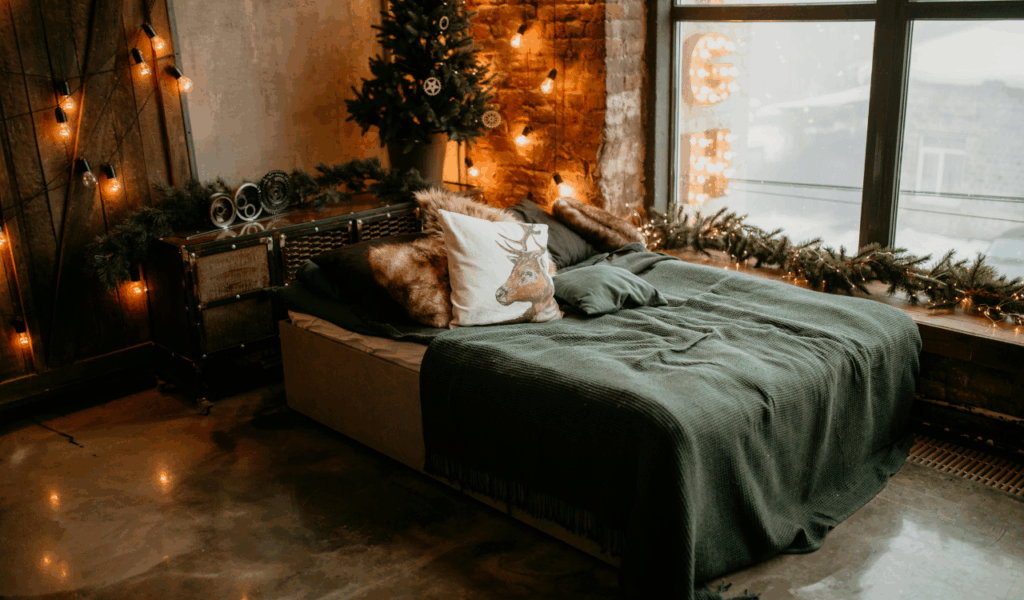
Pillows, blankets, and carpets with highly specific seasonal prints were fashionable for a short time, but they didn’t come again. It was hard to match these fabrics with other furniture, and they rapidly looked old. It also became a problem to store things between seasons because big things took up room that wasn’t being used. Homeowners started to choose solid colors and traditional patterns that could be used all year with little changes. The trend died out because people cared more about prints that could be used in different ways and stored well than new prints that faded quickly.
8. Themed Miniature Figurine Scenes
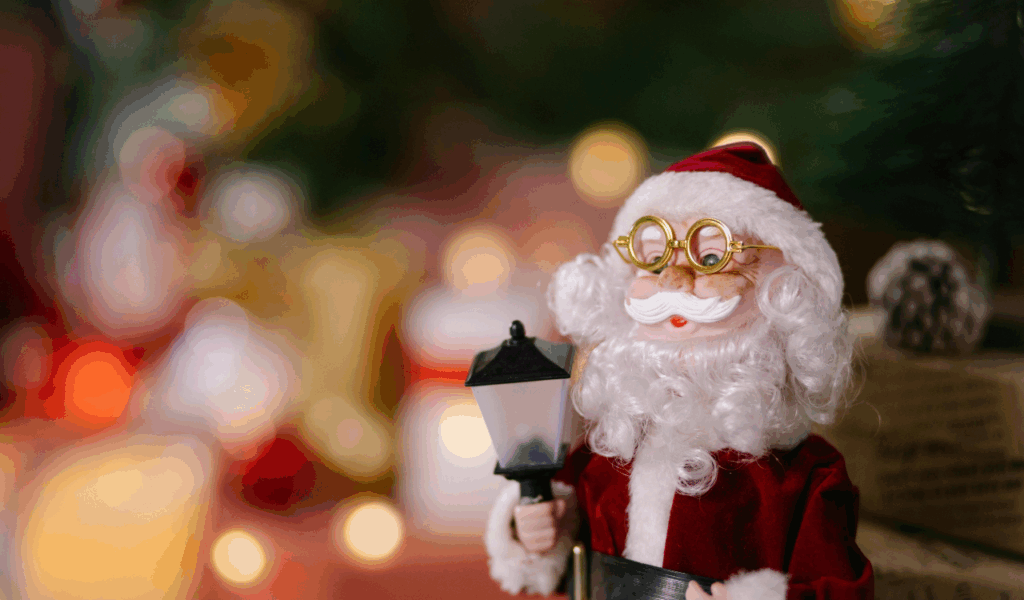
Once, tiny figurine displays with scenes from different seasons were ubiquitous on shelves and mantels. People started to think they were messy and too busy to look at. It was hard to clean around them, and they weren’t worth the trouble of keeping up with. A lot of people also thought these scenes were too specialized to go with modern kinds of decor. As simplicity and intentional styling became more popular, these kinds of displays became less important. The less complicated and more adaptable interior design did not make a comeback since it was easier to maintain and left a more relaxed atmosphere.
9. Oversized Seasonal Signage

The popularity of large decorative signs that featured seasonal messages or greetings had a brief boom but quickly declined. These sculptures frequently dominated spaces and restricted the amount of styling range available. Following the conclusion of the season, it proved impractical to store the huge signage, and reusing it felt like a repeated process. There was a trend in design preferences toward accents that were smaller and layered, which allowed for subjective interpretation. Larger-than-life signs were perceived to be visually distracting and less sophisticated. Because homeowners preferred décor that enhanced a place without overwhelming it or binding it into a single seasonal identity, the trend does not appear to be making a comeback.